Medical Tourism Blog
Regain Strength After Pregnancy: CoreSculpt Procedure in Korea for Loose Core Treatment
Table of contents
- Executive Summary
- Understanding "Loose Core After Pregnancy": Diastasis Recti
- CoreSculpt: A Detailed Overview of Medical Procedures
- Best Clinics in Korea for Loose Core After Pregnancy
- Navigating CoreSculpt in South Korea for Medical Tourists
- Cost Analysis: CoreSculpt in South Korea vs. Global Alternatives
- Patient Experiences and Outcomes with CoreSculpt for "Loose Core After Pregnancy"
- Conclusion
- References
Considering treatment in Korea? Everything you need to know e.g. — how to avoid scams, visas, interpreters, recovery tips — in our Medical Tourism Master Guide. Plan with confidence in minutes, not weeks!
Executive Summary
A "loose core after pregnancy," also known as deconditioned ab muscles, is a common postpartum challenge. Medically termed Diastasis Recti, this condition can lead to both aesthetic and functional issues, prompting many to seek solutions. The term "CoreSculpt" comes up frequently, but it can refer to either a comprehensive, surgical abdominoplasty or a non-invasive treatment using High-Intensity Focused Electromagnetic (HIFEM) technology.
Understanding "Loose Core After Pregnancy": Diastasis Recti
The feeling of a "loose core" or "deconditioned ab muscles" after pregnancy is a widespread issue. Diastasis Recti is the medical term for this, involving a physical split in the abdominal wall with tangible effects on comfort and confidence.
What is Diastasis Recti?
Diastasis Recti (DR) happens when the rectus abdominis muscles, or "six-pack" muscles, separate due to stretching of the linea alba during pregnancy. In many cases, this tissue does not fully tighten after childbirth, leaving a gap or bulge that can persist for years.
DR is extremely common: up to 60% of women experience it after giving birth. Most pregnant people show some separation by the third trimester, and various factors increase risk, such as short spacing between pregnancies, being older than 35, carrying multiples, having a bigger baby, small stature, difficult vaginal deliveries, or the effects of pregnancy hormones. DR isn't usually painful itself, but weakens the core, leading to symptoms like a "lower belly pooch," self-consciousness, and difficulty with simple tasks like lifting laundry. Visible “doming” of the abdomen when engaging core muscles can be a clear sign. Back pain, incontinence, constipation, and even compromised breathing or movement can result, showing this is more than a cosmetic concern.
Common Pseudonyms and Related Terms
Many search terms point to Diastasis Recti. Besides "loose core after pregnancy" and "deconditioned ab muscles," you’ll also see:
- Diastasis
- Rectus Diastasis
- Diastasis Recti Abdominus (DRA)
- DRAM
- "Abdominal separation"
- "Lower belly pooch"
Diagnosis and Self-Assessment
Diastasis Recti is usually diagnosed by gentle palpation during a physical exam, measuring the width and tone of abdominal muscle gaps. Gaps over 2 cm (or wider than two finger-widths) usually indicate DR. Home self-assessments involve lying on your back with knees bent, placing fingers on the abdomen, and lifting your head to feel for a gap.
Pelvic floor physical therapists offer the most accurate diagnosis and evaluation, assessing not just separation but also deep core strength, control, and endurance. Many people overlook the foundational benefits of specialized physical therapy, which can be crucial for both aesthetic and functional recovery.
Non-Surgical Approaches and Management
Before surgery, conservative options are strongly recommended. Working with pelvic health or perinatal physical therapists is fundamental. They help train correct breathing, lifting, and muscle activation techniques, which have proven to reduce DR and ease symptoms like incontinence or pain.
Exercises should emphasize gentle core activation—drawing the belly button inward—with gradual, careful progression. Avoid exercises that cause the abdomen to bulge (like classic crunches) postpartum. Recommended exercises include Transverse Abdominal Contractions, Pelvic Tilts, Leg Marches, and Straight Leg Raises. Programs like the "Every Mother" 12-week series or other postnatal core recovery regimens can guide this process.
Lifestyle changes also help:
- Manage pregnancy weight through diet and exercise.
- Maintain proper posture and breathing (expand ribs rather than just the belly).
- Use legs when lifting and avoid twisting your torso.
- Use the "log roll" method to get out of bed.
- Support bowel health with hydration, fiber, and aids like a Squatty Potty.
Supportive wraps or compression clothing may ease pain and provide temporary support but don’t resolve the separation.
Recovery often happens naturally within 8 weeks, but can linger up to 6 months postpartum. Adhering to these strategies steadily over six months can yield significant improvements, even years later. Surgery is considered only when conservative approaches fail, emphasizing a stepwise path for best results.
CoreSculpt: A Detailed Overview of Medical Procedures
"CoreSculpt" is a flexible term and not a single, standardized procedure. It usually refers to either a surgical solution akin to an abdominoplasty or a non-invasive HIFEM-based body contouring treatment. Understanding these distinctions is vital for aligning treatment with your goals.
Surgical CoreSculpt (Abdominoplasty/Tummy Tuck)
This approach, sometimes dubbed an "Athletic Tummy Tuck," is comprehensive, targeting post-pregnancy muscle separation, excess skin, and localized fat.
Procedure Description and Techniques
The main aim is to firm and define the abdominal muscles and contour the core. Consultations review fitness, history, and goals, examining for skin laxity, muscle separation (diastasis recti), and fat. The operation uses general anesthesia, followed by small, strategically placed incisions. Fat is removed via advanced liposuction techniques; radiofrequency or ultrasound may be used. Muscles are tightened to create a sculpted look before closing incisions and applying bandages.
There are two main types of abdominoplasty:
- Full Tummy Tuck: Best for moderate-to-severe skin laxity above/below the navel; includes muscle repair and usually moves the belly button. Incisions span from hip to hip.
- Mini Tummy Tuck: Targets below the navel for smaller bulges, results in a shorter scar, and typically requires less recovery.
Addressing Diastasis Recti Surgically
Surgical CoreSculpt corrects diastasis recti by suturing separated muscles back to the midline. This is paired with removal of excess skin and fat, improving core strength, flattening the abdomen, and enhancing the waistline.
Recovery Process and Potential Risks
Recovery is multi-staged and can last from three to six months. Patients follow custom aftercare plans, wear compression garments for six to eight weeks, and take prescribed pain medication. Physical activity is restricted, with gradual progression over weeks. Hospital stays may be needed for complex cases.
Risks include infection, bleeding, scarring, sensory changes, seroma, and (rarely) blood clots or poor healing. There is also a chance of recurrence, especially with substantial weight gain or subsequent pregnancies. Choosing a highly experienced, board-certified plastic surgeon reduces risk. For substantial skin laxity, surgery is typically necessary; for minor muscle or fat issues, less invasive options may suffice.
Non-Surgical CoreSculpt (HIFEM Technology)
This method uses High-Intensity Focused Electromagnetic (HIFEM) energy—via devices like Emsculpt or Emsculpt NEO—to induce intense, involuntary muscle contractions for muscle building and fat reduction.
Procedure Description and Mechanism of Action
HIFEM triggers deep, repeated "supramaximal" contractions—far stronger than voluntary effort. Just one 30-minute session can mimic 36,000 crunches or squats, causing micro-tears and subsequent muscle rebuilding. Meanwhile, these contractions flood fat cells with free fatty acids, causing fat cell breakdown and elimination. Emsculpt NEO adds radiofrequency heating to amplify results. The treatment penetrates deeply without the pain or irritation of superficial electrical stimulation.
Benefits and Features
Benefits include muscle growth, core strengthening, fat reduction, and improved bodyline—all with no downtime. Sessions last about 30 minutes, are comfortable (even through clothes), and most patients need four or more sessions for best results.
The only reported side effect is mild muscle soreness. Devices are certified safe and come with real-time temperature monitoring to avoid skin irritation. Non-surgical CoreSculpt is best for people close to their ideal weight seeking further muscle tone and spot fat reduction—not as a substitute for an overall healthy lifestyle.
Other Non-Invasive Core Tightening Options
Other methods used after pregnancy focus more on skin or moderate fat, rather than muscles:
- Cryolipolysis (CoolSculpting): Freezes fat cells.
- Radiofrequency (RF) Skin Tightening: Stimulates collagen for firmer skin.
- Ultrasound Therapy: Promotes collagen with deep heating.
- Microneedling: Triggers skin repair, often paired with PRP.
- Topical Treatments: Support hydration, with limited tightening effect.
- Minimally Invasive Options: Like Renuvion/J-Plasma, combining plasma and RF energy for more dramatic tightening with smaller incisions.
Best Clinics in Korea for Loose Core After Pregnancy
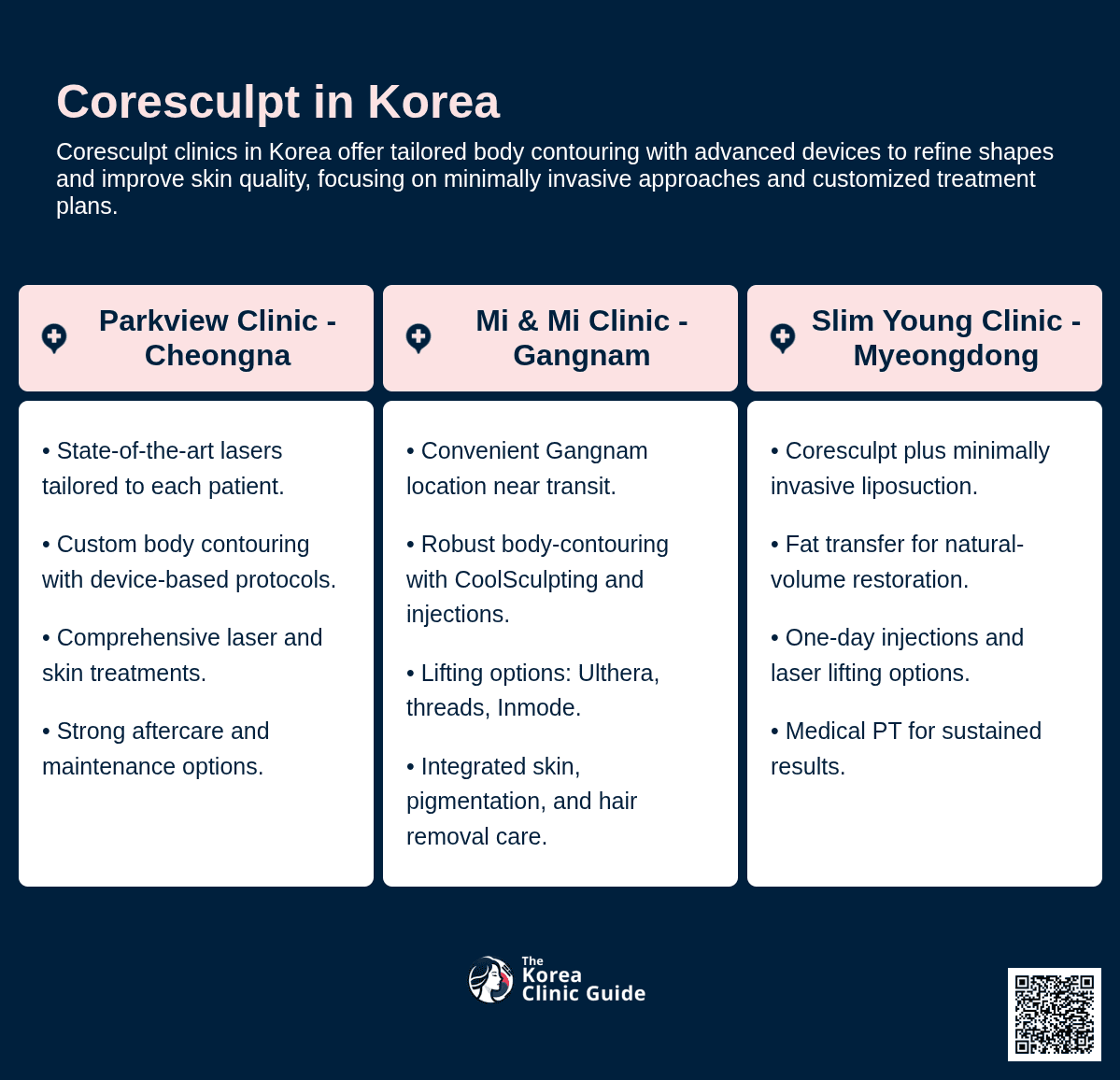
Listed below are the best clinics in Korea for loose core after pregnancy:
| Clinic Name | Key Features | Special Techniques |
|---|---|---|
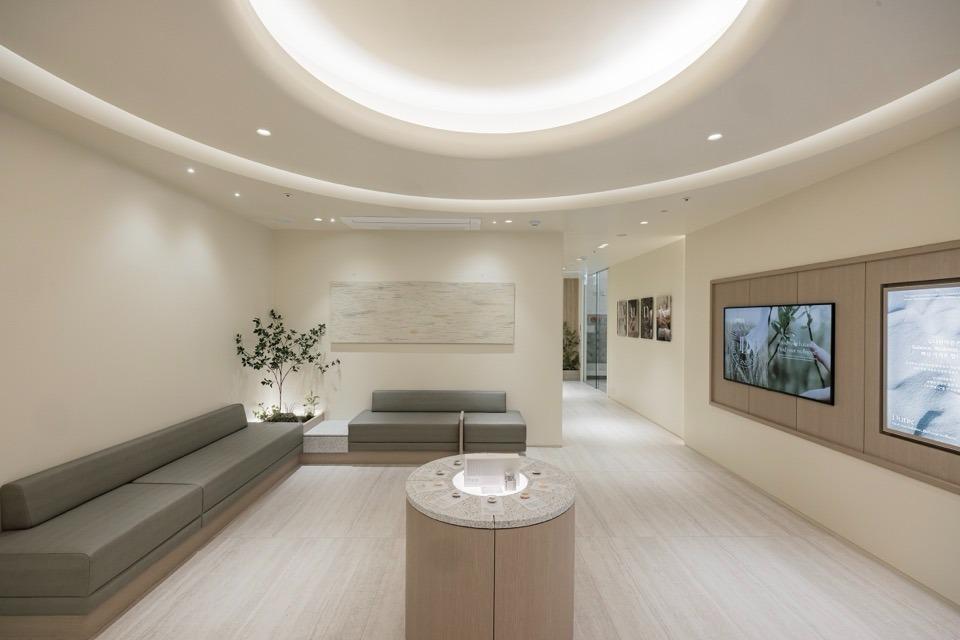
| Slim Young Clinic | Slim Young Clinic, located in Myeongdong, provides safe, professional aesthetic care for people looking to address post-pregnancy body concerns such as a loose core and changes in abdominal contour. The clinic offers a range of body-shaping options designed to target stubborn fat and support a more defined silhouette, including minimally invasive liposuction without visible scarring and focused abdominal liposuction. To help clients build strength and improve overall balance after treatment, Slim Young Clinic also offers Medical PT with personalized physical training programs that can complement procedural results. For those seeking non-surgical approaches that may help with contouring and firmness, Slim Young Clinic offers one-day procedures such as fat extraction injection and specialized options like the Dual Cut Injection, which targets fat reduction and skin tightening. In addition, the clinic provides lifting treatments such as thread lifting and laser lifting (Shurink Universe, Oligio, In-mode, Ulthera) to improve skin tightness and texture, as well as supportive petit treatments including Botox, filler, and skin boosters for overall aesthetic refinement. For more details or to schedule a consultation, visit the clinic’s website or contact the office directly. | Dual Cut Injection; fat extraction injection; thread lifting; laser lifting (Shurink Universe, Oligio, In-mode, Ulthera); Botox; filler; skin boosters |
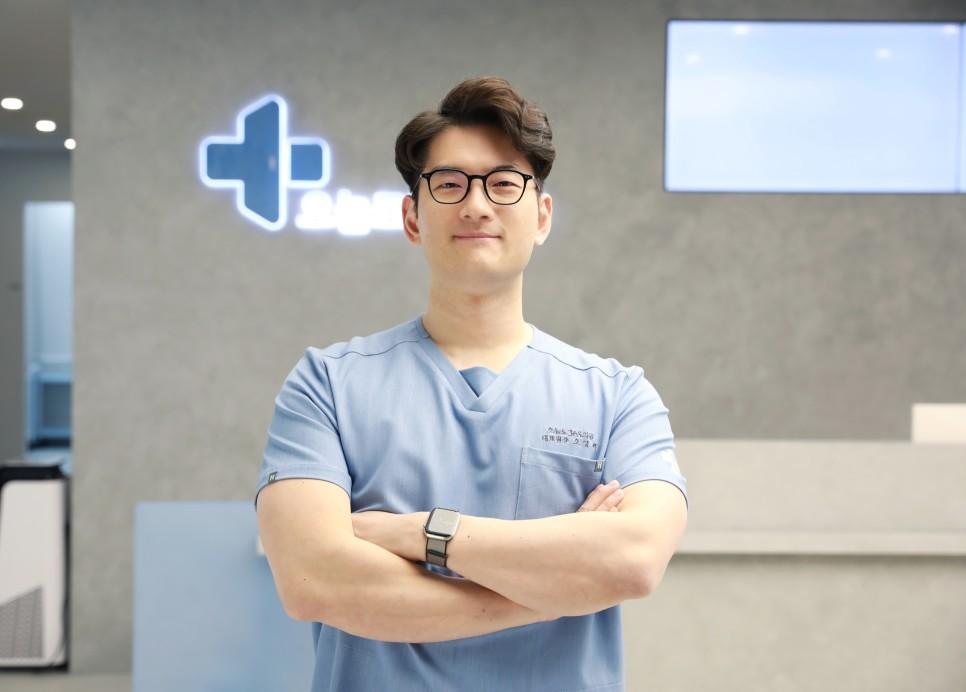
| Made U Clinic - Nowon | Made U Clinic – Nowon is an aesthetics-focused clinic in Korea offering a broad range of advanced skincare, anti-aging, lifting, and body contouring procedures designed to support patients through visible changes that can occur after pregnancy. For those concerned about a “loose core” after childbirth, the clinic provides non-surgical options that may complement postpartum recovery goals by focusing on skin tightening and body contouring, such as InMode, along with structured weight-management support through diet medication and targeted programs like MESHIDA S. | InMode; MESHIDA S; Rejuran; Exosome Therapy; Sculptra; Ellansé; Ulthera; Shurink; Tensella; thread lifting; Silhouette |
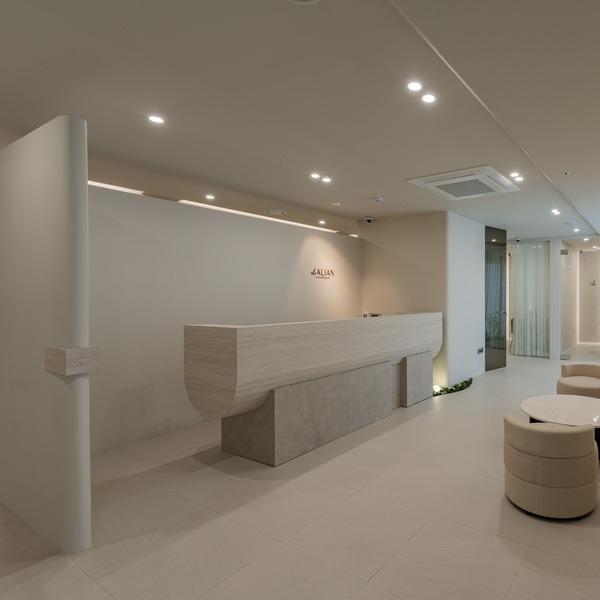
| Mi & Mi Clinic - Gangnam | Mi & Mi Clinic - Gangnam, located near Gangnam Station, is a specialized clinic offering a broad spectrum of aesthetic and wellness procedures designed to support women as their bodies and appearance change after pregnancy, including concerns that often accompany a loose core. The clinic emphasizes personalized care delivered by experienced professionals and supports treatment planning with advanced technology to help patients pursue natural-looking improvements and renewed confidence. In addition to body-focused options available through its Obesity & Body Contouring Center, such as injection lipolysis for localized fat deposits and CoolSculpting for non-invasive fat reduction, Mi & Mi Clinic - Gangnam provides complementary services that can be part of an overall post-pregnancy recovery and self-care plan. These include lifting procedures at the Lifting Center (Ulthera, thread lifting, and Inmode lifting), as well as skin rejuvenation and refinement options such as Botox, dermal fillers, laser skin treatments, and specialized regenerative approaches including exosome therapy and stem cell therapy. | Injection lipolysis; CoolSculpting; Ulthera; thread lifting; Inmode lifting; Botox; dermal fillers; laser skin treatments; exosome therapy; stem cell therapy |
Slim Young Clinic
Slim Young Clinic, located in Myeongdong, provides safe, professional aesthetic care for people looking to address post-pregnancy body concerns such as a loose core and changes in abdominal contour. The clinic offers a range of body-shaping options designed to target stubborn fat and support a more defined silhouette, including minimally invasive liposuction without visible scarring and focused abdominal liposuction. To help clients build strength and improve overall balance after treatment, Slim Young Clinic also offers Medical PT with personalized physical training programs that can complement procedural results.
For those seeking non-surgical approaches that may help with contouring and firmness, Slim Young Clinic offers one-day procedures such as fat extraction injection and specialized options like the Dual Cut Injection, which targets fat reduction and skin tightening. In addition, the clinic provides lifting treatments such as thread lifting and laser lifting (Shurink Universe, Oligio, In-mode, Ulthera) to improve skin tightness and texture, as well as supportive petit treatments including Botox, filler, and skin boosters for overall aesthetic refinement. For more details or to schedule a consultation, visit the clinic’s website or contact the office directly.
Find more about this clinic here: Slim Young Clinic Website
Made U Clinic - Nowon
Made U Clinic – Nowon is an aesthetics-focused clinic in Korea offering a broad range of advanced skincare, anti-aging, lifting, and body contouring procedures designed to support patients through visible changes that can occur after pregnancy. For those concerned about a “loose core” after childbirth, the clinic provides non-surgical options that may complement postpartum recovery goals by focusing on skin tightening and body contouring, such as InMode, along with structured weight-management support through diet medication and targeted programs like MESHIDA S.
Beyond body-focused treatments, Made U Clinic – Nowon also offers comprehensive facial and skin solutions that can help address common post-pregnancy concerns such as dullness, pigmentation, and overall loss of firmness. Services include rejuvenation and collagen-supporting treatments like Rejuran, Exosome Therapy, Sculptra, and Ellansé, plus a wide selection of lifting procedures (Ulthera, Shurink, Tensella, thread lifting, and Silhouette) and skin lasers, peeling, acne/pigmentation care, and hydration-focused skincare programs. The clinic also emphasizes its guiding philosophy and medical team through its introduction information, reflecting ongoing academic activity and achievements in the aesthetics field.
Find more about this clinic here: Made U Clinic - Nowon Website
Mi and Mi Clinic - Gangnam
Mi & Mi Clinic - Gangnam, located near Gangnam Station, is a specialized clinic offering a broad spectrum of aesthetic and wellness procedures designed to support women as their bodies and appearance change after pregnancy, including concerns that often accompany a loose core. The clinic emphasizes personalized care delivered by experienced professionals and supports treatment planning with advanced technology to help patients pursue natural-looking improvements and renewed confidence.
In addition to body-focused options available through its Obesity & Body Contouring Center, such as injection lipolysis for localized fat deposits and CoolSculpting for non-invasive fat reduction, Mi & Mi Clinic - Gangnam provides complementary services that can be part of an overall post-pregnancy recovery and self-care plan. These include lifting procedures at the Lifting Center (Ulthera, thread lifting, and Inmode lifting), as well as skin rejuvenation and refinement options such as Botox, dermal fillers, laser skin treatments, and specialized regenerative approaches including exosome therapy and stem cell therapy.
Find more about this clinic here: Mi and Mi Clinic - Gangnam Website
Navigating CoreSculpt in South Korea for Medical Tourists
South Korea is internationally recognized for advanced cosmetic care, drawing medical tourists for procedures like CoreSculpt.
Why Choose South Korea for Medical Procedures?
South Korea’s appeal includes:
- Expertise: World-class clinics and surgeons, often internationally certified.
- Patient-Centered Care: Seamless service, recovery options, and multilingual support designed for foreigners.
- Advanced Technology: Digital tools and simulation software for precise planning.
- Competitive Pricing: High-quality procedures at lower costs than the US, UK, or Canada.
- Support: English-speaking staff, interpreters, and specialized patient managers.
Step-by-Step Process for International Patients
Preparation is key for a successful experience.
Research and Virtual Consultation
- Clinic/Surgeon Selection: Look for specialization, certifications, and consistent before/after results.
- Verify Credentials: Check certifications, years of experience, and references from other international patients.
- Virtual Consultation: Share medical history/photos, discuss goals, techniques, downtime, and full costs—often via free Zoom or WhatsApp meetings.
Travel and Visa Planning
- Timing: Avoid holidays, opt for spring or fall for comfortable weather.
- Procedure Buffer: Book extra days before (for consultation) and after (for recovery/follow-up).
- Visa: Medical visas may be required; clinics often assist with paperwork.
- Flights & Lodging: Choose centrally located, recovery-friendly accommodation—many clinics offer package hotels with recovery services.
Pre-Arrival Checklist
- Double-Check Bookings: Confirm all appointments and clinic hours.
- Payment Methods: Verify deposit and payment types.
- Documentation: Prepare all IDs, records, and consent forms.
- Essentials: Pack documentation, insurance info, and familiarize yourself with the area's amenities.
During Your Stay
- Communication: Use clinic-provided interpreters or apps. Many clinics use international messaging platforms for updates.
- Clinic Support: Rely on international patient managers for navigation and support.
Recovery
- Rest: Swelling peaks in the first days, stitches usually come out by day 7.
- Therapies: Clinics may offer LED, IV therapy, or massage.
- Lifestyle: Eat well, avoid salt/alcohol, and protect healing skin from sun.
- Activities: Avoid strenuous sightseeing; prioritize safety and rest.
- Financial: Save receipts for tax refunds offered to medical tourists at departure.
Cost Analysis: CoreSculpt in South Korea vs. Global Alternatives
Financial planning for medical tourism includes direct procedure costs and travel/living expenses.
Surgical CoreSculpt Cost Comparison
In South Korea, Diastasis Recti repair usually costs $2,000–$7,000 USD, while full abdominoplasty ranges from $8,000–$15,000 USD (sometimes up to $18,200), and mini tummy tucks from $4,000–$8,000 USD. Combined tummy tuck with liposuction falls between $8,000–$15,000 USD. General body contouring surgeries can range from $1,400–$18,200 USD.
Compared with:
- USA: Tummy tucks $6,100–$16,000+, mini $4,000–$8,000
- UK: Tummy tucks $7,500–$12,500
- Canada: Upwards of $12,800
- Turkey, Mexico, Czech Republic, Poland, Thailand: Often $2,500–$7,000
Table 1: Surgical Diastasis Recti Repair/Abdominoplasty Costs
| Country | Procedure Type | Estimated Cost Range (USD) |
|---|---|---|
| South Korea | Diastasis Recti Repair | $2,000 – $7,000 |
| Standard Tummy Tuck | $8,000 – $15,000 | |
| Mini Tummy Tuck | $4,000 – $8,000 | |
| Tummy Tuck + Liposuction | $8,000 – $15,000 | |
| USA | Standard Tummy Tuck | $6,100 – $16,000 |
| Mini Tummy Tuck | $4,000 – $8,000 | |
| Tummy Tuck + Lipo | $8,000 – $16,000 | |
| UK | Standard Tummy Tuck | $7,500 – $12,500 |
| Mini Tummy Tuck | $4,000 – $8,000 | |
| Tummy Tuck + Lipo | $7,000 – $15,000 | |
| Canada (Toronto) | Standard Tummy Tuck | $12,800 – $16,500+ |
| Mini Tummy Tuck | $7,900 | |
| Add. Liposuction (per area) | $2,500 – $6,500+ | |
| Turkey | Standard Tummy Tuck | $2,500 – $5,000 |
| Tummy Tuck + Lipo | $3,000 – $6,500 | |
| Mexico | Standard Tummy Tuck | $3,000 – $4,500 |
| Czech Republic | Standard Tummy Tuck | $3,500 – $5,500 |
| Mini Tummy Tuck | $2,200 – $3,500 | |
| Poland | Standard Tummy Tuck | $2,800 – $4,000 |
| Thailand | Standard Tummy Tuck | $3,500 – $5,500 |
| Australia | Standard Tummy Tuck | $9,000 – $14,000 |
| Mini Tummy Tuck | $5,000 – $8,000 |
Non-Surgical CoreSculpt (HIFEM) Cost Comparison
In Korea, non-surgical CoreSculpt (HIFEM) packages cost $2,000–$7,000 USD (individual sessions $500–$1,500; multiple sessions typical). In the USA, Emsculpt regimens average around $3,125 USD (individual sessions $565–$750). Canada sees session prices of $750–$1,000, with similar package rates in Europe.
Table 2: Non-Surgical CoreSculpt Packages
| Country | Procedure Type | Per Session (USD) | Per Package (USD) | Sessions per Package |
|---|---|---|---|---|
| South Korea | HIFEM/CoreSculpt | $500–$1,500 | $2,000–$7,000 | Multiple sessions |
| USA | HIFEM/Emsculpt | $565–$750 | ~$3,125 or $2,000 (6 pk) | 4–6 recommended |
| Canada | HIFEM/Emsculpt | $750–$1,000 | Packages available | 4–6 recommended |
| Europe (Austria) | HIFEM/Emsculpt | ~$325 | ~$1,950 (6 sessions) | 6 sessions |
What's Included in the Procedure Cost?
Surgical packages generally cover:
- Pre-op bloodwork and imaging
- Surgery, anesthesia, and hospital stay if needed
- Medications and compression garments
- Post-op follow-up visits
- Additional tests or wellness checks
Many overseas packages also include accommodation, transfers, meals, and extra care.
Additional Travel and Accommodation Expenses
- Flights: $700–$1,500 round-trip (North America/Europe to Korea)
- Accommodation: $30–$200+ per night depending on type; $600–$2,000 for 10–14 days
- Local Transit: Subway/bus rides ~$1 each; budget $150–$400 for all local needs
- Food: $5–$15 per meal; $30–$50 per day
- Miscellaneous: Up to $50+ per day for attractions, shopping, etc.
- Insurance: $50–$150 for travel medical coverage
Patient Experiences and Outcomes with CoreSculpt for "Loose Core After Pregnancy"
Patients choosing CoreSculpt to address "loose core after pregnancy" experience a spectrum of results, based on whether the approach is surgical or non-surgical.
Surgical CoreSculpt (Abdominoplasty) Outcomes
Surgical repair provides long-lasting improvement in both function and appearance. Studies show significant increases in core strength, stability, and a reduction in symptoms like back pain or urinary incontinence. Everyday movements become easier, and quality of life improves for years after the procedure. Aesthetically, surgical CoreSculpt firms separated muscles, removes excess skin, and yields a slimmer waist and flatter abdomen. Confidence and wardrobe options expand, supporting a more active lifestyle.
Non-Surgical CoreSculpt (HIFEM) Outcomes
HIFEM-based treatments yield measurable improvements in muscle thickness, fat reduction, and abdominal separation:
- Abdominal separation reduction by up to 23% after several sessions.
- Muscle thickness increases average 20%+.
- Subcutaneous fat reductions around 17–20%.
- Waist measurements shrink by 1–3 inches.
Patient satisfaction rates are high (91% in studies), and treatments are well tolerated, with only mild, short-term muscle fatigue reported. Functionally, the core’s deep muscles (including the critical transverse abdominis) strengthen, helping with posture, stability, and even back pain. Physical and aesthetic gains can be maintained with continued exercise.
Considerations for Patients
Deciding between CoreSculpt options requires realistic expectations and professional assessment. Surgical abdominoplasty is better for severe separation and excess skin, albeit with greater recovery and risk. Non-surgical HIFEM is a no-downtime choice for those near goal weight and wanting improved tone. Consulting with healthcare professionals will help determine the best approach, keeping in mind that all procedures should complement, not replace, good lifestyle habits.
Conclusion
Diastasis Recti, or "loose core after pregnancy," affects many postpartum individuals, impacting not just appearance but daily life and function. "CoreSculpt" covers both surgical and non-surgical treatments, each best suited to particular situations. Patients should always start with a professional diagnosis and conservative treatment, clarify the type of procedure being considered, and thoroughly plan for any medical tourism—especially in destinations like South Korea. Ultimately, the best results are achieved by combining targeted intervention with lifestyle commitment.
References
1, 2, 3, 4, 5, 6, 7, 8, 9, 10, 11, 12, 13, 14, 15, 16, 17, 18, 19, 20, 21, 22, 23, 24, 25, 26, 27, 28, 29, 30, 31, 32, 33, 34, 35, 36, 37, 38, 39, 40, 41