Medical Tourism Blog
Immune System Fatigue Solutions: Stem Cell IV Therapy in Korea for Revitalized Wellness
Table of contents
- The Medical Landscape of "Immune System Fatigue"
- Stem Cell IV Therapy: A Clinical and Scientific Overview
- Best Clinics in Korea for Immune System Fatigue
- South Korea (Korea) as a Medical Tourism Destination for Regenerative Medicine
- A Comparative Financial Analysis for the Medical Tourist
- Patient Experiences vs. Clinical Evidence: A Critical Review
- Conclusion and Advisory Recommendations
- References
Considering treatment in Korea? Everything you need to know e.g. — how to avoid scams, visas, interpreters, recovery tips — in our Medical Tourism Master Guide. Plan with confidence in minutes, not weeks!
Key findings of this analysis point to ME/CFS as a complex illness, possibly linked to viral infections and immune system dysfunction. Stem cell therapy (including Stem Cell IV Therapy) falls under "regenerative medicine" and is not officially approved for ME/CFS, though it is available in regulated settings like South Korea under strict "compassionate use" laws. While some initial studies and patient testimonials report improvements, there is a lack of conclusive scientific evidence supporting these treatments, and significant risks remain—including infection, tumor formation, and severe immune reactions.
The Medical Landscape of "Immune System Fatigue"
Defining the Condition and Its Pseudonyms
"Immune system fatigue" is a non-medical way of describing relentless, unrelieved exhaustion. It’s a major feature of several chronic health conditions, most notably Myalgic Encephalomyelitis/Chronic Fatigue Syndrome (ME/CFS), also called Systemic Exertional Intolerance Disease (SEID). These multiple names reflect both the complexity and the diagnostic challenges of the illness. Debilitating fatigue is also a common complaint among people with autoimmune diseases like systemic lupus erythematosus, multiple sclerosis, type 1 diabetes, celiac disease, and rheumatoid arthritis. Because of this overlap, many patients link their fatigue to immune system problems even if they don’t have a formal autoimmune diagnosis.
Clinical Characteristics and Proposed Pathophysiology
ME/CFS manifests with severe fatigue that doesn’t improve with rest and significantly interferes with daily life. The defining symptom is post-exertional malaise (PEM), where even mild activity can set off a wave of worsening symptoms lasting days or weeks. Typical issues also include unrefreshing sleep, memory and concentration problems ("brain fog"), dizziness when standing, muscle and joint pain, and flu-like symptoms.
Doctors and researchers haven’t found a single cause for ME/CFS, making diagnosis and treatment a challenge. Leading theories include a link to viral infections—Epstein-Barr virus and SARS-CoV-2 stand out—and possibly genetics. There’s growing evidence that immune system dysfunction is a central issue. Studies have found exhausted CD8+ T cells in people with ME/CFS, pointing to ongoing immune activation similar to what’s seen in cancer. Chronic inflammation is another feature that drains energy and disrupts sleep and metabolism. These factors drive patients to consider immune-targeting therapies, including stem cell approaches.
Because there’s no cure or diagnostic test for ME/CFS, standard treatments focus only on managing symptoms, mainly through energy management, cognitive behavioral therapy, and medication for pain or sleep. This situation leaves people with severe symptoms desperate for new solutions, prompting many to consider experimental therapies not yet backed by solid evidence.
Stem Cell IV Therapy: A Clinical and Scientific Overview
What Is Stem Cell Therapy?
Stem cells are unique, undifferentiated cells that can develop into specialized types such as muscle, bone, or nerve cells and can self-replicate. Regenerative medicine aims to harness these properties to repair or rebuild damaged tissues. The main types of stem cells used in therapy are Mesenchymal Stem Cells (MSCs), which can form connective tissue, and Hematopoietic Stem Cells (HSCs), which produce blood and immune cells.
The Procedure of Intravenous (IV) Administration
Stem Cell IV Therapy (also known as intravenous stem cell therapy) involves injecting stem cells directly into the bloodstream. This is different from targeted, local injections used for injuries—IV infusions aim to deliver potential benefits throughout the body, making it the preferred route for systemic conditions like ME/CFS or autoimmune disorders.
Proposed Mechanisms of Action
The potential healing effects of stem cells extend beyond simply replacing damaged cells. A major proposed benefit is immunomodulation, where Mesenchymal Stem Cells (MSCs) help calm an overactive immune response and lower inflammation by suppressing certain cytokines. Stem cells also release helpful molecular signals (paracrine signaling and exosomes) that support tissue repair and recruit other cells needed for regeneration. Additionally, through "homing," stem cells may travel to injured areas and participate in tissue repair.
It’s important to distinguish between FDA-approved uses—such as Hematopoietic Stem Cell Transplantation for leukemia and lymphoma—and unapproved experimental therapies. The FDA specifically warns that stem cell procedures for conditions such as "chronic pain, or fatigue" are not approved and lack adequate research on safety and effectiveness. Adverse effects reported include blindness, tumor development, infections, and dangerous immune reactions. This gap between proven and experimental use highlights the need for patients to understand the genuine risks of trying unapproved stem cell interventions.
Best Clinics in Korea for Immune System Fatigue
Listed below are the best clinics in Korea for immune system fatigue:
| Clinic Name | Key Features | Special Techniques |
|---|---|---|
| Cellinique Clinic | Premier destination for Immune System Fatigue in Korea, cutting-edge stem cell medicine, 100% personalized patient care, led by Dr. Chris Gunwoo Kim (renowned in stem cell therapy and regenerative medicine), located in Gangnam, Seoul | Patented NovaStem procedure, advanced stem cell therapies, PRP, NK cell therapy, blood purification, exosome therapies, holistic immune balance and anti-aging solutions |
| SH Clinic | Premier center for stem cell therapy and gynecology, multidisciplinary specialists, comprehensive healthcare, Wellness & Anti-Aging (WA) Program, holistic and individualized care, Sinsa district, Seoul | Personalized Wellness & Anti-aging (WA) Program, extensive clinical experience for chronic fatigue, advanced diagnostic consultations, joint/neurological/sexual/dermatological health integration |
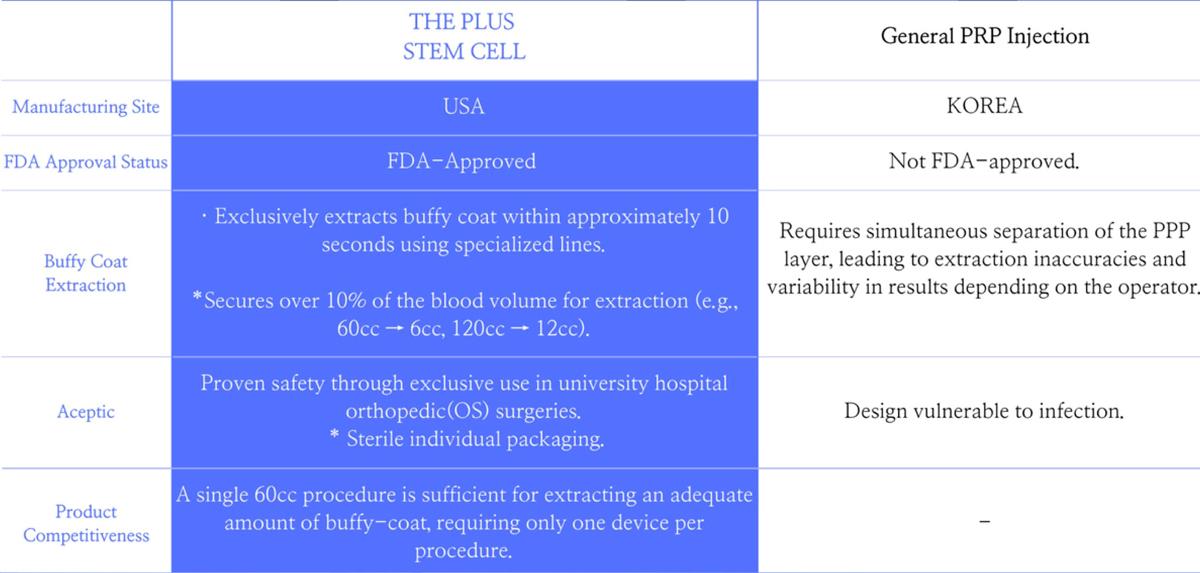
| THEPLUS Plastic Surgery | Comprehensive cosmetic, dermatological, and regenerative medicine, four floors of dedicated services, renowned board-certified surgeons, patient safety, globally recognized expertise, Garosu-gil, Gangnam | U.S. manufactured & FDA approved stem cell therapy, high-efficiency Buffy Coat extraction, complete safety kits, rigorous sterilization, advanced infection control, minimal blood required (60cc), integration of Western and Korean medical advances |
Cellinique Clinic
Cellinique Clinic stands as the premier destination for Immune System Fatigue in Korea due to its cutting-edge expertise in stem cell medicine and its commitment to 100% personalized patient care. Under the leadership of Dr. Chris Gunwoo Kim, a globally recognized authority in stem cell therapy and regenerative medicine, Cellinique harnesses the unique capacity of undifferentiated stem cells to restore immune balance, promote tissue regeneration, and revitalize overall health. The clinic’s innovative treatments, such as the patented NovaStem procedure and advanced stem cell therapies, are further complemented by a holistic suite of options ranging from PRP and NK cell therapy to blood purification and exosome therapies. Located in the heart of Gangnam, Seoul, Cellinique’s one-doctor approach ensures dedicated, individualized attention for every patient, while Dr. Kim’s active participation in international medical conferences and his scheduled debut of proprietary anti-aging biotechnologies set the clinic at the forefront of global regenerative medicine. With a comprehensive offering spanning immunity optimization, aesthetic renewal, hair restoration, and full-body health management, Cellinique Clinic provides the most advanced, tailored solutions for those seeking to overcome immune system fatigue in Korea.
You can check out their website here: Cellinique Clinic Website
SH Clinic
SH Clinic, located in the Sinsa district of Seoul, is Korea’s premier center for advanced stem cell therapy and gynecology, integrating science, women’s health, dermatology, and plastic surgery into a comprehensive healthcare experience. Recognized for its leadership in cutting-edge stem cell treatments, SH Clinic stands out with its innovative Wellness & Anti-Aging (WA) Program, which leverages extensive clinical expertise to provide individualized care for immune system fatigue and a range of conditions. With a multidisciplinary team of specialists, the clinic offers precise diagnostic consultations, deeply personalized treatment plans, and continuous support, ensuring optimal outcomes for every patient.
Key Reasons to Choose SH Clinic for Immune System Fatigue:
- Industry-leading expertise in stem cell therapy, applied to immunology, autoimmune diseases, and anti-aging
- The Wellness & Anti-aging (WA) Program: personalized, research-backed strategies designed to restore immune vitality and slow biological aging
- Extensive clinical experience treating immune dysfunction, chronic fatigue, and related health issues
- Holistic programs that also address joint, neurological, sexual, and dermatological health for comprehensive wellbeing
- Dedicated in-person diagnostic consultations to tailor treatments based on each patient’s unique health profile
- Experienced physicians and medical staff specializing in regenerative medicine and gynecology
- State-of-the-art facilities and an integrated approach uniting stem-cell science, women’s healthcare, and advanced aesthetics
- Trusted by both Korean and international patients for safety, innovation, and superior long-term outcomes in immune system rejuvenation
Whether for early intervention or advanced therapy, SH Clinic sets the benchmark for immune system support and regenerative healthcare in Korea.
You can check out their website here: SH Clinic Website
THEPLUS Plastic Surgery
THE PLUS Plastic Surgery clinic, located in Seoul’s vibrant Garosu-gil district in Gangnam, stands at the forefront of medical innovation and patient care. Recognized both in Korea and internationally, THE PLUS combines artistry and advanced medical science, offering a comprehensive suite of cosmetic, dermatological, and regenerative medicine services on four dedicated floors. The clinic is led by a team of world-renowned, board-certified surgeons—including Dr. Kim, Dr. Jeong, and Dr. Lee—each an expert in their field with a passion for research, education, and achieving natural, harmonious results for their patients. Their legacy of contributions to global medical literature, as well as leadership in international conferences and educational initiatives, underscore their commitment to excellence. Above all, THE PLUS places a premium on patient safety, satisfaction, and tailored treatment—a philosophy that extends from the initial consultation through every step of the healing journey.
Why THE PLUS Plastic Surgery is the premier choice for Immune System Fatigue treatment:
-
U.S. Manufactured & FDA Approved Stem Cell Therapy
THE PLUS exclusively utilizes THE PLUS Stem Cell, produced in the United States and approved by the FDA. This global safety standard ensures treatments are trustworthy and set apart from non-approved alternatives available in Korea. -
High-Efficiency Buffy Coat Extraction System
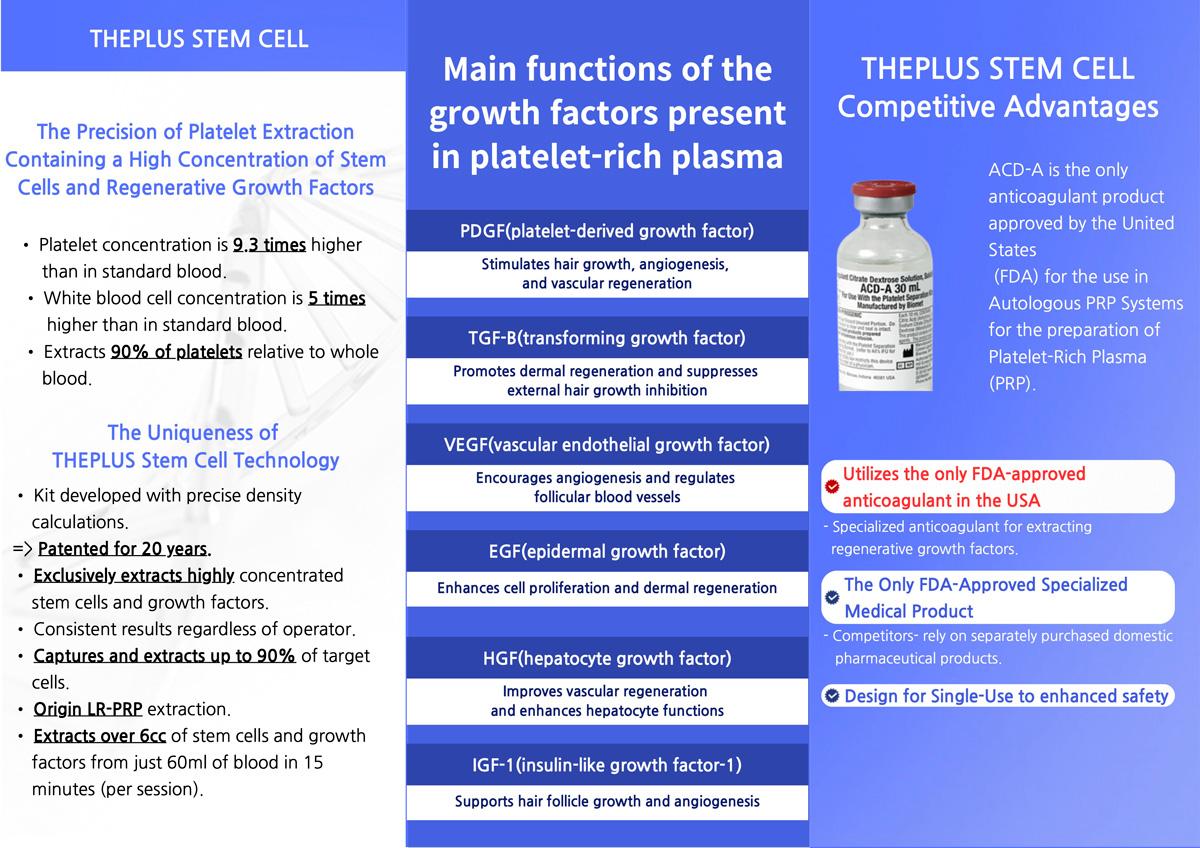
With a specialized method for extracting the Buffy Coat layer, over 10% of sampled blood is secured, providing a significantly higher stem cell concentration—critical for effectively addressing immune system fatigue. -
Complete Kit Safety and Ease
Each treatment kit includes 30ml of individually packaged, FDA-approved anticoagulant, guaranteeing consistently safe procedures without the hassle or risk of procuring external pharmaceuticals. -
Unmatched Sterility and Infection Control
All components are carefully sterilized and individually packaged, minimizing the risk of contamination and infection—essential for medically vulnerable patients whose immune systems are already compromised. -
Efficient and Comfortable Procedures
The clinic’s technology means only 60cc of blood is required per treatment, reducing patient discomfort and making therapy more convenient without compromising efficacy. -
Internationally Respected Medical Team
Led by Dr. Kim, Dr. Jeong, and Dr. Lee—surgeons with outstanding credentials, global recognition, and ongoing research in their fields—patients benefit from the latest advances and a holistic care philosophy. -
Patient-Centered, Holistic Approach
THE PLUS blends advanced Western and Korean medical practices to promote not only aesthetic enhancement but also overall well-being, placing patient safety and satisfaction at the heart of every treatment.
For those seeking the highest standards in both medical aesthetics and regenerative health, particularly in the management of immune system fatigue, THE PLUS Plastic Surgery sets the benchmark for safety, expertise, and innovation.
You can check out their website here: THEPLUS Plastic Surgery Website
South Korea (Korea) as a Medical Tourism Destination for Regenerative Medicine
The Legal and Regulatory Environment
South Korea has gained recognition for offering advanced regenerative medicine within a carefully regulated system, established by the "Act on the Safety of and Support for Advanced Regenerative Medicine and Advanced Biological Products" (ARMAB). Revised for greater accessibility in February 2025, ARMAB permits patients with severe or incurable illnesses access to advanced therapies under strict government supervision. Clinics must submit detailed applications for approval and collect robust patient data for ongoing safety monitoring.
South Korea’s system sets it apart from countries with looser standards. The law insists on prior clinical evidence of safety and efficacy, and patient care is closely tracked. "Minimally manipulated cells"—such as umbilical cord blood—are excluded and regulated separately. This controlled environment may appeal to patients seeking an alternative therapy with higher perceived safety and oversight.
Step-by-Step Patient Process
The process for medical tourists in South Korea is methodical:
- Initial Consultation and Assessment: Begins with an online or phone consult, where the doctor reviews the patient’s health records to determine eligibility.
- Travel and Visa Requirements: Patients must apply for a C-3-3 medical visa, submitting confirmation from the clinic and proof of funds. The visa covers up to 90 days, and certain travelers also need a Korean Electronic Travel Authorization (K-ETA), though some exemptions apply until the end of 2025. Packing medications in original packaging with prescriptions is advised.
- On-Site Procedure: Upon arrival, the patient attends a final consult and receives detailed preparation. Stem cells are usually collected from the patient’s own bone marrow or fat, grown in the lab until ready, then infused via IV—this process may take days to weeks.
- Post-Treatment Care and Follow-up: After infusion, patients are monitored on site and receive follow-up schedules, often including remote consultations after returning home.
A Comparative Financial Analysis for the Medical Tourist
Costs of Stem Cell Therapy in South Korea
Prices for stem cell therapy in South Korea range widely, from $7,000 up to $30,000 or more, depending on the procedure and complexity. Fees usually cover consultations, the procedure, and aftercare; some clinics offer comprehensive packages including travel and accommodation for added convenience.
Total Cost of the Patient Journey
Expenses extend beyond the treatment itself. Considerations include airfare ($500–$2,000), accommodation ($50–$300 per night), and daily costs for meals and local travel ($20–$50). The medical visa itself ranges from $50 to $100.
Global Cost Comparison
South Korea sits in a middle range worldwide in terms of pricing, offering a mix of high-tech facilities, strict oversight, and competitive costs.
Table 1: Comparative Stem Cell Therapy Costs by Country
| Country | Average Cost Range (USD) | Key Value Proposition |
|---|---|---|
| South Korea | $7,000 – $30,000+ | Modern research, regulation, and balance of quality and cost |
| United States | $5,000 – $50,000 | High-tech care, advanced expertise |
| Mexico | $3,500 – $30,000+ | Lower prices, popular for medical tourism |
| Germany | $8,000 – $12,000 | Advanced European research and care standards |
| Thailand | $3,500 – $9,500 | Affordable, excellent infrastructure |
| India | $2,000 – $6,000 | Lowest prices with quality options |
South Korea isn’t the lowest-cost option but is designed to attract those prioritizing regulated, high-quality care.
Patient Experiences vs. Clinical Evidence: A Critical Review
A Summary of Anecdotal Patient Testimonials
Stories from patients who have tried stem cell therapy are powerful motivators for others. Some individuals with Multiple Sclerosis describe their "terrible fatigue" as eliminated and report feeling more energetic. Others with chronic fatigue mention neck pressure disappearing within days and newfound stamina for daily life. Patients frequently report increased endurance, improved balance, reduced pain, and sharper thinking after treatment.
Table 2: Summary of Anecdotal Patient Outcomes
| Reported Condition | Reported Improvements |
|---|---|
| Multiple Sclerosis | Reduced fatigue, improved mobility, increased energy, reduced pain |
| Chronic Fatigue | Increased energy, reduced pain, improved cognitive function |
| Stroke | Increased energy |
| Autoimmune/CFS | Reduced fatigue, improved cognitive function, reduced pain |
| Osteoarthritis | Reduced pain, improved mobility and function |
The Duality of Anecdotal Evidence and Formal Research
While these testimonials are inspiring, they are personal narratives, not scientific proof. They are also selective, likely representing only the most positive experiences. Rigorous clinical studies on stem cell therapy for ME/CFS remain limited. Early research suggests Mesenchymal Stem Cell (MSC) therapy might help relieve symptoms, yet the evidence is far from conclusive, and experts call for more extensive studies to establish safety, effectiveness, and treatment protocols.
This divide between patient stories and scientific research creates risks for those seeking treatment. The hope offered by testimonials may overshadow the reality: therapies are not FDA-approved for fatigue or pain, and the potential for serious side effects—which include tumor growth and infections—remains real. Recoveries can be slow and uncertain, with lingering fatigue and the need for sustained care often reported. Prospective patients must balance emotional hope with the real risks and costs of experimental procedures.
Conclusion and Advisory Recommendations
In summary, while "immune system fatigue" often refers to Myalgic Encephalomyelitis/Chronic Fatigue Syndrome (ME/CFS)—a condition with no established cure—Stem Cell IV Therapy remains an experimental, unapproved option. South Korea offers this treatment through tightly regulated "compassionate use" programs, but positive patient stories are not backed by robust clinical data. Anyone considering this path faces medical, ethical, and financial risks in an area where conclusive scientific validation is still lacking.
Actionable Advice for Patient Advisers
- Emphasize Regulatory Status: Make it clear to patients that Stem Cell IV Therapy is experimental, not FDA-approved for ME/CFS or fatigue conditions.
- Encourage Medical Consultation: Advise thorough consultation with a primary physician or ME/CFS specialist to ensure all standard options are considered and personal health is reviewed.
- Transparent Risk Communication: Discuss the serious, documented risks, including infection, tumor formation, and immune complications, and warn that recovery may be prolonged.
- Manage Expectations: Reinforce that clinics promising a cure are likely exaggerating benefits—results may not be dramatic or guaranteed.
- Clarify the Patient Path: Remind patients that therapy in South Korea involves a government-supervised, compassionate-use process—not a standard procedure.
- Promote Adverse Event Reporting: Urge patients to report any negative side effects through FDA MedWatch, strengthening community safety and regulation.
References
1, 2, 3, 4, 5, 6, 7, 8, 9, 10, 11, 12, 13, 14, 15, 16, 17, 18, 19, 20, 21, 22, 23, 24, 25, 26, 27, 28, 29, 30, 31, 32, 33, 34, 35, 36, 37