Medical Tourism Blog
Korea Stem Cell Breast Augmentation: Innovative Solutions for Breast Volume Loss
Table of contents
- Understanding Breast Volume Loss: Etiology, Terminology, and Clinical Presentation
- Stem Cell Breast Augmentation: Medical and Procedural Overview
- Best Clinics in Korea for Breast Volume Loss
- Navigating Stem Cell Breast Augmentation as a Medical Tourist in South Korea
- Patient Experiences and Outcomes
- Conclusion
- References
Considering treatment in Korea? Everything you need to know e.g. — how to avoid scams, visas, interpreters, recovery tips — in our Medical Tourism Master Guide. Plan with confidence in minutes, not weeks!
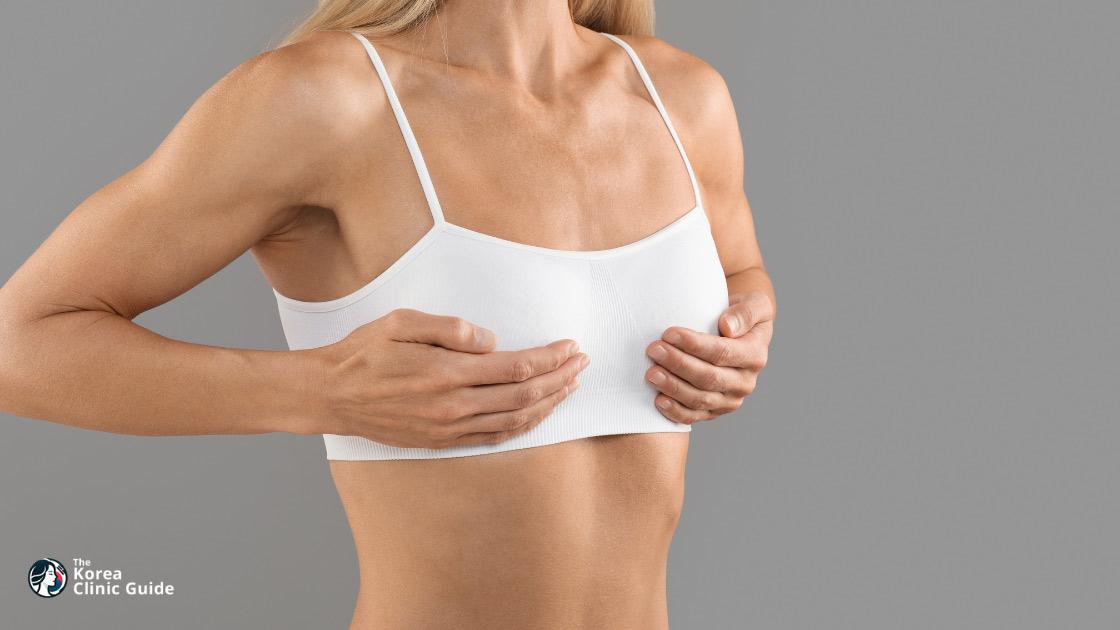
Breast volume loss, medically known as breast ptosis, is a common concern, especially after major life changes like pregnancy or significant weight loss. This issue stems from a mix of factors including aging, hormonal shifts, and lifestyle choices, leading to breasts appearing less full or sagging. While traditional breast augmentation often uses synthetic implants, Stem Cell Breast Augmentation (SCBA) offers a cutting-edge, natural option. SCBA utilizes the patient’s own fat and adipose-derived stem cells (ADSCs) to restore breast shape and fullness without foreign materials.
South Korea stands out as a top global destination for SCBA, thanks to its advanced medical technology, regulatory standards, and robust medical tourism services. SCBA typically increases breast size by one to two cup sizes (requiring enough donor fat) and delivers long-lasting, natural-looking results with minimal scarring and recovery time. The competitive pricing in South Korea—often significantly lower than in Western countries—alongside excellent patient satisfaction and transparent post-operative care makes it an attractive choice for international patients, especially those seeking natural breast restoration after volume loss.
Understanding Breast Volume Loss: Etiology, Terminology, and Clinical Presentation
Defining Breast Volume Loss and its Medical Terminology
Breast volume loss—commonly described as “reduction in breast fullness” or “deflated” breasts—is medically classified as breast ptosis. Breast ptosis refers to the sagging or drooping of the breasts, a shift that ranges from minor loss of upper breast roundness to major downward displacement. Using precise medical terminology ensures clear diagnosis and enables clinicians to tailor treatment strategies to each patient’s needs.
Common Pseudonyms and Patient Descriptions
Patients often use terms based on appearance or feel, such as "sagging breasts," "deflated appearance," "empty breasts," "drooping breasts," or "wrinkled skin." A historical medical term, "Cooper's droop," may also appear. Understanding these descriptors helps clinicians address patient expectations effectively.
Table 1: Common Pseudonyms for Breast Volume Loss
| Pseudonym | Associated Cause/Context | Brief Description |
|---|---|---|
| Sagging Breasts | General, Aging, Weight Change | General downward displacement of the breast mound |
| Deflated Breasts | Post-Pregnancy, Weight Loss | Loss of internal fullness, appearing empty or limp |
| Empty Breasts | Post-Pregnancy | Visually hollowed, lacking volume |
| Cooper's Droop | Medical/Historical | Historical term for breast ptosis |
| Wrinkled Breast Skin | Post-Weight Loss | Crepey or stretched skin texture |
Etiology of Breast Volume Loss
Multiple factors contribute to breast ptosis:
- Aging reduces skin elasticity as elastin and collagen break down, while breast tissue becomes fattier.
- Weight fluctuation (rapid gain/loss) stretches and then fails to retract breast skin and ligaments, leaving breasts appearing limp.
- Pregnancy and breastfeeding stretch the breast, but it’s the changes during and after pregnancy—not breastfeeding itself—that most affect post-partum shape.
- Genetics shape predisposition to ptosis, influencing breast size, tissue composition, and skin elasticity.
- Lifestyle Factors like smoking, poor support during exercise, dehydration, and an unbalanced diet all hasten loss of elasticity and volume.
These factors rarely act alone, often compounding the degree and onset of volume loss.
Clinical Grading of Breast Ptosis
Plastic surgeons use grading systems, such as the modified Regnault ptosis scale, based on nipple position relative to the infra-mammary fold (IMF). This objective scale guides treatment and helps manage expectations.
Table 2: Modified Regnault Ptosis Scale
| Grade | Nipple Location Relative to IMF | Description |
|---|---|---|
| Grade I | At the level of the IMF | Nipple at breast crease, lower tissue above it |
| Grade II | Below IMF | Nipple below crease but higher than most breast tissue |
| Grade III | Below IMF, lowest point of projection | Nipple below crease at lowest breast point |
| Pseudoptosis | At or above IMF | Nipple normal, but lower breast sags (often post-nursing) |
Stem Cell Breast Augmentation: Medical and Procedural Overview
What is Stem Cell Breast Augmentation?
Stem Cell Breast Augmentation (SCBA) is a procedure where the patient’s own fat and concentrated stem cells are used to naturally increase breast volume—avoiding synthetic implants. This approach improves upon traditional fat transfer by using stem cells (ADSCs) to boost fat survival and volume retention, leading to more predictable and long-lasting results.
The Role of Adipose-Derived Stem Cells (ADSCs)
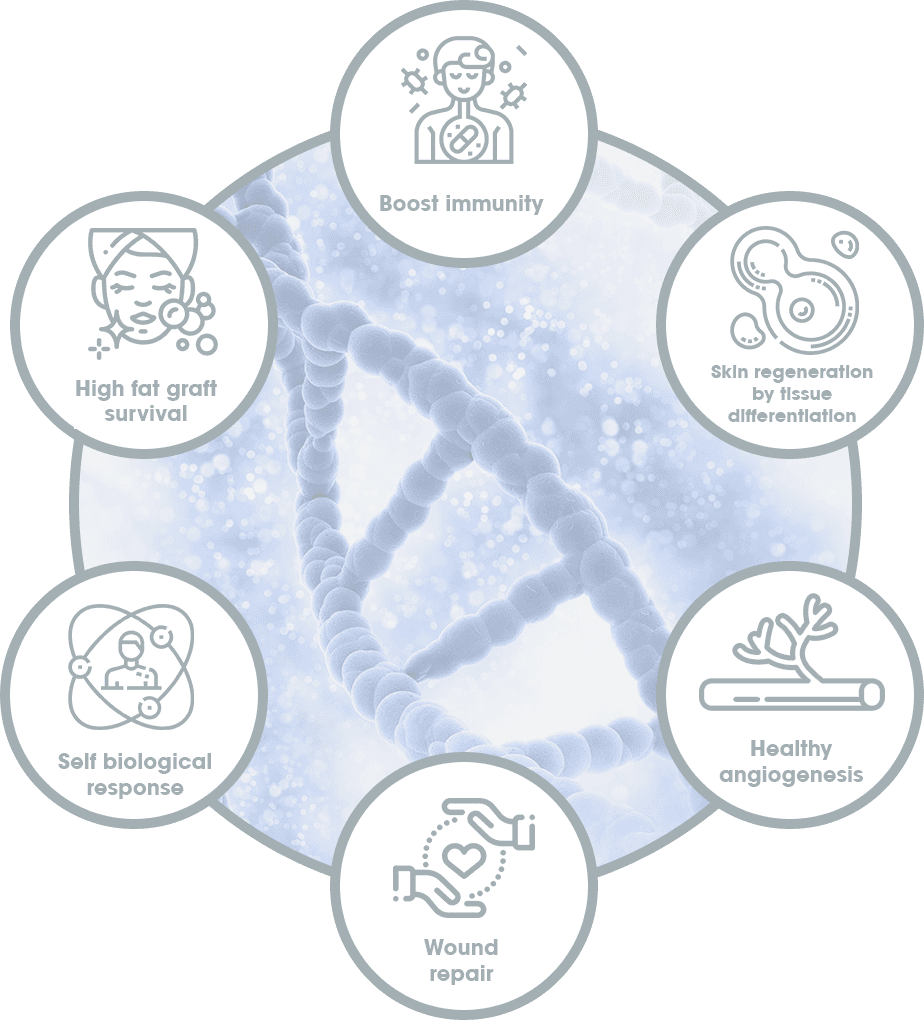
ADSCs are abundant in fat tissue and are key to increasing graft success. They enhance newly placed fat survival by encouraging neovascularization—the growth of new blood vessels—leading to better graft nourishment. Greater ADSC concentrations translate to improved outcomes; rates of fat retention can exceed 90% with optimal conditions. ADSCs also promote tissue regeneration, restoring a youthful, healthier appearance.
Advantages of Stem Cell Breast Augmentation
- Natural look and feel: Using one’s own tissue makes augmentation virtually indistinguishable from natural breasts.
- No foreign materials: Reduces risks of complications associated with implants, like capsular contracture or [Breast Implant Illness](/blog/breast-implant-illness-korea).
- Dual benefit: Simultaneously contours donor sites (abdomen, thighs) through fat harvesting.
- Minimal scarring and faster recovery: Only small incisions for liposuction and injection.
- Long-lasting results: Integrated fat cells become permanent, avoiding implant replacement.
- Improved tissue quality: ADSCs boost skin quality and may aid healing.
- Corrects asymmetries: Useful for revising previous surgery or trauma effects.
Limitations and Considerations
- Volume increase is moderate: Usually one-two cup sizes per session; larger enhancements may need multiple sessions or implants.
- Requires enough donor fat: Very lean individuals may not qualify.
- Variable fat absorption: Some fat is naturally reabsorbed; final results settle after months and may need touch-ups.
- Does not lift significantly sagging breasts: Severe ptosis requires additional procedures (mastopexy).
- Cost considerations: Advanced techniques can be pricier than implants, but may offset implant-related revision costs in the long run.
Potential Risks and Complications
Risks are generally low, but may include:
- General surgical risks: Bleeding, infection, pain, or poor scarring.
- Fat-specific risks: Seromas (fluid collections), fat necrosis (oil cysts or lumps), asymmetry, sensory changes, skin induration, benign calcifications (not generally problematic for mammograms).
- Oncology concerns: Current research suggests fat grafting and ADSCs do not impede mammogram interpretation or clearly increase cancer risk, but monitoring is still recommended.
Managing expectations and thorough follow-up are essential for patient satisfaction.
Comparison with Traditional Breast Augmentation
Table 3: SCBA vs. Traditional Implants
| Feature | SCBA | Traditional Implants |
|---|---|---|
| Material | Patient's own fat and stem cells | Silicone or saline implants |
| Volume Increase | 1-2 cup sizes/session (repeatable) | More significant increases possible |
| Naturalness | Highly natural look/feel | May feel less natural |
| Scarring | Minimal (liposuction, injections) | Larger surgical incisions |
| Complications | Lower, no foreign material | Capsular contracture, leak, BII possible |
| Longevity | Permanent after integration | Implants replaced after 10-15 years |
| Recovery | Faster, less invasive | Recovery may take several weeks |
| Dual benefit | Simultaneous body contouring | No body contour change |
| Ideal Candidate | Needs sufficient donor fat; moderate enhancement | Wider candidacy, any body type |
| Breast Lift | Doesn't lift; may combine with mastopexy | Some lift possible, but often needs lift |
| Cost | May be higher, but can offset revisions | Initial cost varies |
Best Clinics in Korea for Breast Volume Loss
Listed below are the best clinics in Korea for breast volume loss:
| Clinic Name | Key Features | Special Techniques |
|---|---|---|
| Lydian Plastic Surgery Clinic | Stem cell–enhanced fat grafting for breast volume loss designed to improve retention and natural-looking fullness; Ministry of Health and Welfare–approved double-door sealed cleanrooms with Clean Class 10,000 air quality and HEPA filtration to minimize exposure during cell processing for high-quality grafting; Advanced Regenerative Medicine Provider with authorized cell processing facilities capable of extracting, testing, and processing human cells under a strictly verified system that includes disposable stem cell extraction kits; Edinizer device used during graft placement to standardize fat particle size, helping reduce clumping that can lead to necrosis or uneven contours, while enabling denser grafting that may reduce swelling and support survival; Structured 4-step aftercare program focused on swelling reduction, irregularity correction, skin elasticity recovery, and residual fat contouring | Stem cell extraction and concentration using advanced centrifuges at 4°C to maintain stem cell quality; Edinizer device to standardize fat particle size and enable denser grafting |
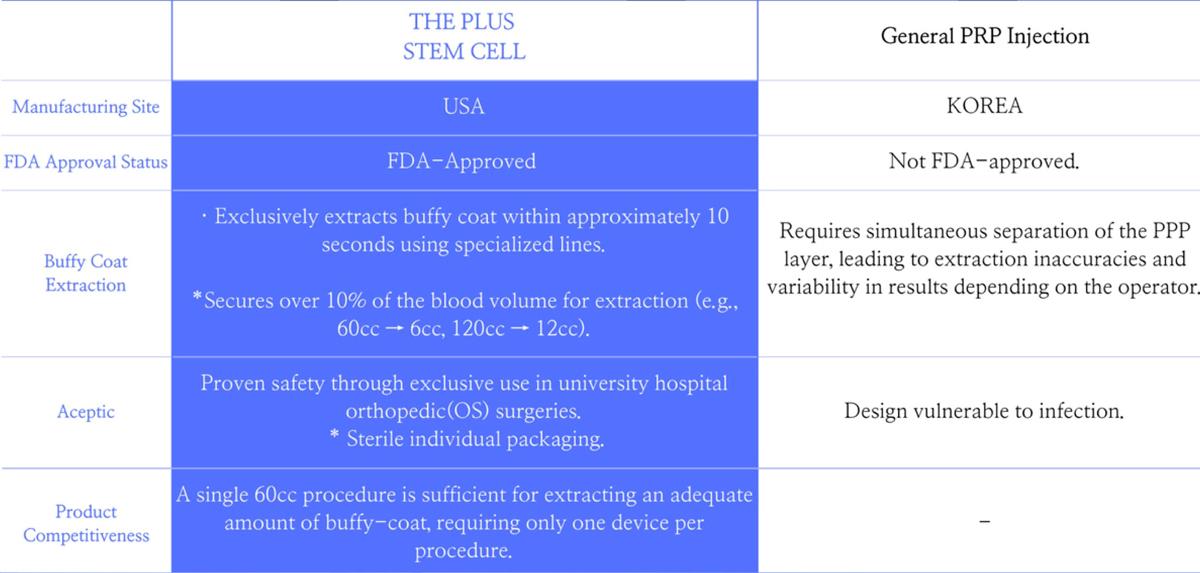
| THE PLUS Plastic Surgery | Four-floor, full-care center designed to support patients from consultation through surgery and post-procedure management; emphasizes patient safety, precise planning, and natural-looking outcomes; experienced medical team actively contributes to academic research and participates in domestic and international professional societies and symposiums; Dr. Lee is a board-certified plastic surgeon specializing in breast augmentation, with extensive experience at leading hospitals, including service as a Surgery Specialist at Seoul National University Hospital, and a clinical approach centered on natural, long-lasting results | THE PLUS Stem Cell system for safety and process control; Buffy Coat extraction to secure a higher concentration of stem cells (over 10% of sampled blood) compared to general systems with separation limitations; Each kit includes an individually provided FDA-approved anticoagulant, and components are individually sterilized and packaged to reduce contamination risk; Because of the high extraction efficiency, only 60cc of blood is needed to obtain sufficient Buffy Coat for a complete, single-application treatment, supporting both convenience and patient satisfaction |
| SC301 Clinic Website | SC301 Clinic, located in Samsung, Seoul, provides a focused range of plastic surgery, body contouring, laser, and wellness services with a strong emphasis on natural-looking outcomes. For patients concerned about breast volume loss, the clinic offers breast-focused procedures that can be tailored to different needs and histories, from subtle restoration to more comprehensive correction after prior surgery | Breast options at SC301 Clinic include breast augmentation using fat transfer, which uses your own purified fat to add volume and refine shape for a soft feel without implants. The clinic also performs breast revision surgery to address concerns after previous breast operations, such as size changes, asymmetry, or implant-related issues, with plans that may include implant exchange, pocket correction, and contour refinement. For those considering a different direction, breast implant removal is available, with attention to the surrounding capsule when needed and the option to combine reshaping techniques to improve contour after removal |
Lydian Plastic Surgery Clinic
Lydian Plastic Surgery Clinic (Lydian Cosmetic Surgery & Dermatology Clinic) in Cheongdam, Gangnam, Seoul offers an advanced approach to breast volume loss using stem cell–enhanced fat grafting designed to improve retention and natural-looking fullness. While typical fat graft survival rates are often cited around 20–30%, Lydian aims to increase this to approximately 50–60% by extracting and concentrating stem cells with advanced centrifuges, operated at an optimal 4°C (rather than standard room-temperature processing) to help maintain stem cell quality during separation and concentration. Care is led by Dr. An Kyung Chun, recognized for expertise in body sculpting and stem cell aesthetic medicine, and supported by continuous investment in up-to-date medical devices and anatomy-based, individualized design.
For safety and consistency, Lydian maintains Ministry of Health and Welfare–approved double-door sealed cleanrooms with Clean Class 10,000 air quality and HEPA filtration, minimizing exposure to contaminated air or viruses during cell processing for high-quality grafting. The clinic is also designated as an Advanced Regenerative Medicine Provider with authorized cell processing facilities capable of extracting, testing, and processing human cells under a strictly verified system that includes disposable stem cell extraction kits. During graft placement, Lydian uses the Edinizer device to standardize fat particle size, helping reduce clumping that can lead to necrosis or uneven contours, while enabling denser grafting that may reduce swelling and support survival. Patients also benefit from a structured 4-step aftercare program focused on swelling reduction, irregularity correction, skin elasticity recovery, and residual fat contouring.
You can check out their website here: Lydian Plastic Surgery Clinic Website
THEPLUS Plastic Surgery
THE PLUS Plastic Surgery clinic in Garosu-gil, Gangnam (Seoul) is a four-floor, full-care center designed to support patients from consultation through surgery and post-procedure management, making it a strong option for those concerned about breast volume loss. The clinic emphasizes patient safety, precise planning, and natural-looking outcomes, led by an experienced medical team that actively contributes to academic research and participates in domestic and international professional societies and symposiums. For breast-focused care, Dr. Lee is a board-certified plastic surgeon specializing in breast augmentation, with extensive experience at leading hospitals, including service as a Surgery Specialist at Seoul National University Hospital, and a clinical approach centered on natural, long-lasting results.
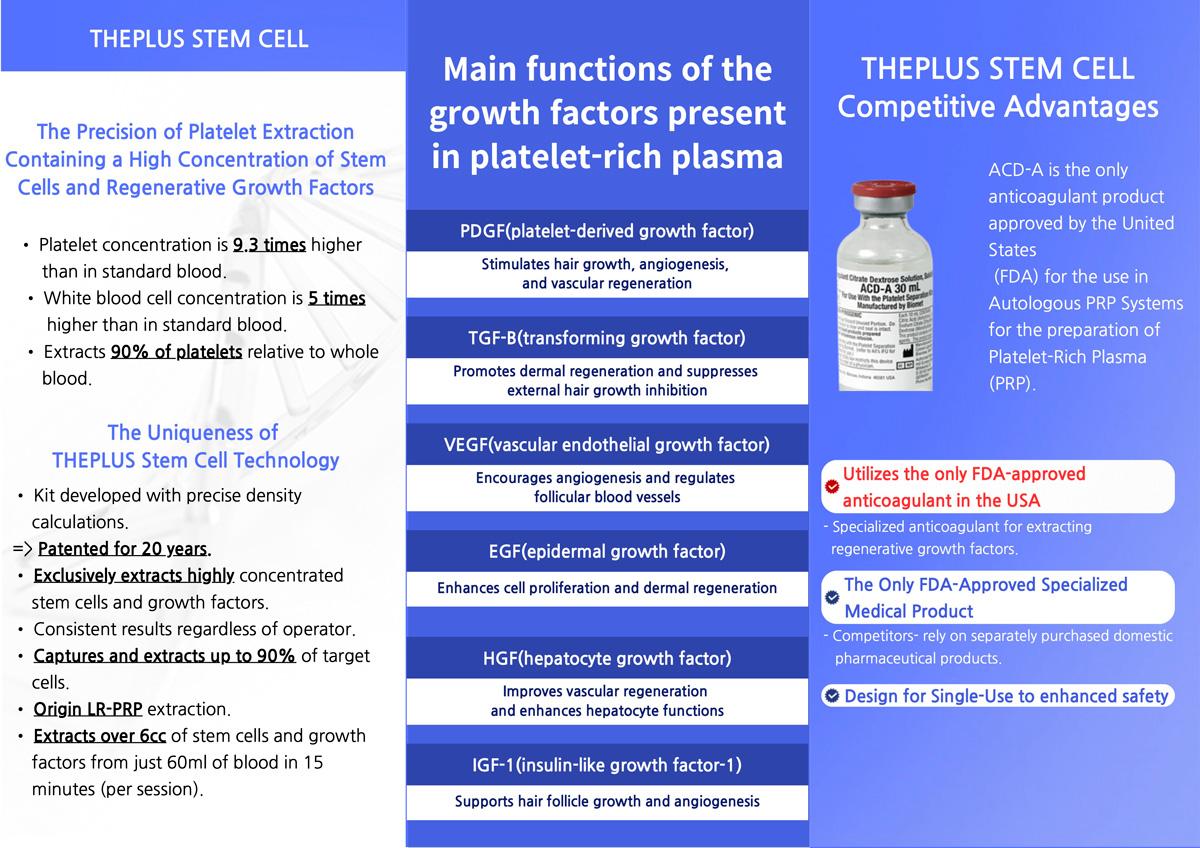
For patients considering regenerative approaches as part of breast volume loss management, THE PLUS highlights THE PLUS Stem Cell system for its safety and process control. The kit is U.S.-manufactured and FDA-approved, and uses high-efficiency Buffy Coat extraction to secure a higher concentration of stem cells (over 10% of sampled blood) compared to general systems with separation limitations. Each kit includes an individually provided FDA-approved anticoagulant, and the components are individually sterilized and packaged to reduce contamination risk. Because of the high extraction efficiency, only 60cc of blood is needed to obtain sufficient Buffy Coat for a complete, single-application treatment, supporting both convenience and patient satisfaction.
You can check out their website here: THEPLUS Plastic Surgery Website
SC301 Clinic
SC301 Clinic, located in Samsung, Seoul, provides a focused range of plastic surgery, body contouring, laser, and wellness services with a strong emphasis on natural-looking outcomes. For patients concerned about breast volume loss, the clinic offers breast-focused procedures that can be tailored to different needs and histories, from subtle restoration to more comprehensive correction after prior surgery.
Breast options at SC301 Clinic include breast augmentation using fat transfer, which uses your own purified fat to add volume and refine shape for a soft feel without implants. The clinic also performs breast revision surgery to address concerns after previous breast operations, such as size changes, asymmetry, or implant-related issues, with plans that may include implant exchange, pocket correction, and contour refinement. For those considering a different direction, breast implant removal is available, with attention to the surrounding capsule when needed and the option to combine reshaping techniques to improve contour after removal.
Find more about this clinic here: SC301 Clinic Website
Navigating Stem Cell Breast Augmentation as a Medical Tourist in South Korea
Why South Korea?
South Korea leads globally for plastic surgery and SCBA, due to:
- High concentration of skilled specialists: 2,700+ plastic surgeons, frequent technique innovation.
- Cutting-edge technology: Early adopters of new imaging and surgical methods.
- Cost-effectiveness: 40-75% cheaper than Western nations for equal or better quality.
- Comprehensive medical tourism support: Multilingual staff, coordinated logistics, and bundled packages.
- High safety and quality standards: Rigorous regulation and oversight ensure safe practices.
Regulatory Framework and Safety Standards
Strict guidelines from the Ministry of Health and Welfare (MOHW) and Ministry of Food and Drug Safety (MFDS) mean:
- Certification required for clinics
- Thorough pre-procedure screening, including imaging and medical history review
- Strict sterile environments: Cleanrooms, disposable kits, advanced cell handling devices
- Professional staff administer procedures and monitor for complications
- Advanced cell processing technology for optimal outcomes
Transparent standards and careful monitoring build patient trust and safety.
The Patient Journey: Step-by-Step Process
- Initial Consultation: Often virtual, sharing medical history, goals, and images for a preliminary assessment and estimate.
- Travel and Accommodation: Clinics or agencies help arrange flights and lodging, often bundled as all-inclusive packages.
- Pre-Procedure Evaluation: Upon arrival, comprehensive medical exams and imaging, plus meeting with English-speaking coordinators for logistics and support.
- Surgical Procedure: Includes fat harvesting (minimally invasive liposuction), processing and concentrating stem cells, and careful injection into the breasts—usually outpatient and under local anesthesia with sedation.
- Post-Procedure Care: In-country stay (1-2 weeks recommended) for follow-up, aftercare, and recovery support. Ongoing remote monitoring after returning home is common.
- Long-Term Follow-Up: Clinics provide instructions for self-care and keep in touch for remote check-ins.
Costs in South Korea vs. International Options
SCBA in Korea typically costs $5,000 - $12,000, often lower than the US ($9,000 - $20,000+) or Western Europe. This includes surgery, aftercare, and support services; inclusive packages are common. Comparable procedures elsewhere:
- US: Breast augmentation $4,000 - $15,000 (implants); SCBA/fat transfer $9,000 - $10,000+
- Europe: $3,200 - $13,000 depending on country
- Other Destinations: Turkey $2,800 - $5,000; Thailand from $6,000
Even adding travel and accommodation, total costs in South Korea are frequently lower than home-country options, with no compromise on quality.
Patient Experiences and Outcomes
Most patients choosing SCBA for breast volume loss—especially after pregnancy or weight loss—report high satisfaction. The most valued benefits are:
- Natural results: Breasts feel and look like natural tissue, boosting confidence.
- Dual advantage: Enhanced breast shape and slimmer body contour at fat donation sites.
- Long-lasting outcomes: Integrated fat cells last; no future replacement surgeries as with implants.
- Minimal scarring and quick recovery: Tiny incisions and shorter downtime.
- High satisfaction rates: Over 95% satisfied in multiple clinical studies, with most dissatisfaction due to expectations of greater volume or rare minor complications.
Patients with severe sagging might require an additional breast lift (mastopexy). Those with moderate loss or pseudoptosis often find SCBA alone fully meets their goals.
Conclusion
Breast volume loss, or breast ptosis, frequently affects women due to aging, weight changes, pregnancy, and lifestyle factors, impacting fullness and appearance. Stem Cell Breast Augmentation (SCBA) offers a natural, safe, and long-lasting solution by using the patient’s own fat and adipose-derived stem cells (ADSCs), avoiding synthetic implants and delivering natural results. South Korea’s leadership in SCBA—with advanced technology, rigorous safety standards, and affordable comprehensive care—makes it an exceptional choice for medical tourists. SCBA suits patients seeking moderate volume enhancement with minimal scarring and dual body contouring benefits; a qualified surgeon’s consultation is essential to ensure the best personal outcome.
References
1, 2, 3, 4, 5, 6, 7, 8, 9, 10, 11, 12, 13, 14, 15, 16, 17, 18, 19, 20, 21, 22, 23, 24, 25, 26, 27, 28, 29, 30, 31, 32, 33, 34, 35, 36, 37, 38, 39, 40, 41, 42, 43, 44, 45