
Medical Tourism Blog
Effective Rhinoplasty and Septoplasty for Nasal Obstruction Solutions in Korea
Table of contents
- Surgical Solutions: Rhinoplasty and Septoplasty Explained
- The Medical Journey to South Korea: A Step-by-Step Guide
- Getting Started: Initial Consultations and Pre-Operative Preparations
- The Surgical Experience in Korean Facilities
- Post-Operative Care and Follow-Up in South Korea
- Navigating Visa Requirements for Medical Tourists
- Your Journey for Nasal Surgery in South Korea
- Which Are the Best Clinics in Korea for Nasal Obstruction?
- Costs and Value: Rhinoplasty and Septoplasty in South Korea Compared
- Patient Experiences and Outcomes: Life After Nasal Surgery
- Conclusion
- References
Considering treatment in Korea? Everything you need to know e.g. — how to avoid scams, visas, interpreters, recovery tips — in our Medical Tourism Master Guide. Plan with confidence in minutes, not weeks!
This guide is designed for anyone dealing with nasal obstruction, offering clear explanations of surgical options and highlighting the advantages of seeking treatment in South Korea. We’ll break down what causes nasal obstruction, explain Rhinoplasty and Septoplasty, walk you through the patient journey in South Korea, provide a cost breakdown, and share real patient experiences to help you make informed choices about your health.
Nasal obstruction is more than just a stuffy nose—it’s a partial or complete blockage of the nasal passages that can make breathing through your nose difficult and uncomfortable. This condition can have a big impact on your daily life and overall well-being.
What is Nasal Obstruction?
Nasal obstruction means you feel like airflow through your nose is restricted or blocked. This can happen due to health conditions or injuries that cause a blockage in your nasal or sinus passages. People often describe it as congestion or a feeling of fullness in the nose.
Along with discomfort, nasal obstruction can bring other symptoms like facial pain or pressure, changes in your sense of smell (dysosmia), a runny nose, mouth breathing, and snoring. If left untreated, it can lead to bigger problems like sleep disorders, chronic snoring, and obstructive sleep apnea (OSA). Because it affects so many aspects of health, it’s important to address nasal obstruction effectively.
Common Causes of Blocked Nasal Airflow
Nasal obstruction can be caused by a range of issues, from temporary inflammation to structural problems. Knowing the cause is key to finding the right treatment. Temporary inflammation (like allergies or infections) is usually treated differently than structural issues, which often require surgery.
Temporary or Inflammatory Causes:
- Sinus infections (Sinusitis): Inflammation of sinus tissues.
- Allergic Rhinitis (Allergies): Swelling from reactions to allergens.
- Vasomotor Rhinitis & Nasal Vestibulitis: Other types of nasal inflammation.
- Common Cold or Flu: Viral infections causing congestion.
- Environmental Irritants: Smoke or dust exposure.
- Certain Medications: Some drugs, including blood pressure meds, can cause congestion.
- Rhinitis Medicamentosa: Rebound congestion from overusing nasal sprays.
Structural or Anatomical Causes:
- Deviated Septum: The wall dividing your nasal cavity is crooked, restricting airflow.
- Enlarged Turbinates: Swollen bony structures inside the nose.
- Nasal Polyps: Noncancerous growths blocking airflow.
- Enlarged Adenoids: Glands behind the nose that can block airways (mainly in children).
- Nasal Valve Collapse: Collapse of the narrowest part of the nasal airway.
- Choanal Atresia: Congenital blockage in babies’ nasal passages.
- Tumors: Rare, but both benign and cancerous growths can block the nose.
- Injuries to the Nose: Trauma from accidents or sports can change nasal structure.
- Nasal Foreign Objects: More common in children who put objects in their noses.
Nasal obstruction doesn’t just cause discomfort—it can affect sleep, energy, and quality of life. Research shows it’s linked to more sleep-disordered breathing events and a lower quality of life. Treating nasal obstruction can improve not just your breathing, but your overall health and daily functioning.
Other Names for Nasal Obstruction (Pseudonyms)
When searching for information, you might see these terms:
- Nasal congestion
- Nasal blockage
- Blocked nose
- Stuffy nose
- Plugged nose
- Rhinorrhea (runny nose, often with congestion)
- Rhinitis (inflammation of the nasal lining)
Surgical Solutions: Rhinoplasty and Septoplasty Explained
If non-surgical treatments don’t help, surgery may be the answer. Rhinoplasty and Septoplasty are two main procedures for nasal obstruction, each with its own focus and technique. Sometimes, they’re done together for the best results.
Rhinoplasty (Nose Job): Reshaping for Form and Function

Rhinoplasty, or a “nose job,” is plastic surgery to reshape the nose for better appearance or function. While it’s often done for cosmetic reasons, it can also fix breathing problems caused by injury, birth defects, or a deviated septum. Rhinoplasty can address issues like a bulbous, hooked, or droopy nose, bumps on the bridge, or nostrils that are too wide or small.
There are two main approaches:
- Open Rhinoplasty: A small incision at the base of the nose gives the surgeon a clear view for major reshaping.
- Closed Rhinoplasty: Incisions are made inside the nostrils for minor changes, leaving no visible scars.
Depending on the changes needed, cartilage may be taken from inside the nose, the ear, or even the rib. If a deviated septum is part of the problem, it can be corrected during rhinoplasty.
During and After Surgery:
Rhinoplasty is usually done under general anesthesia. After surgery, a plastic splint may be placed on the nose for 1–2 weeks, and packing may be used inside the nose for 24–48 hours. Swelling and bruising are common and can take weeks to subside, with full results visible in 6–12 months.
Benefits:
Rhinoplasty can dramatically improve both appearance and breathing. However, risks include infection, bleeding, anesthesia complications, persistent breathing issues, unsatisfactory cosmetic results, and, rarely, visible scars.
Septoplasty: Correcting a Deviated Septum for Clearer Breathing
Septoplasty is surgery to fix a deviated septum—the wall dividing your nostrils. When the septum is crooked, it can block airflow and cause symptoms like congestion, snoring, sinus infections, and nosebleeds. Septoplasty’s main goal is to straighten the septum and improve breathing.
How It Works:
The surgeon makes incisions inside the nose, lifts the mucous membrane, and reshapes or removes cartilage and bone as needed. Sometimes, spreader grafts are used to widen the nasal valve. Dissolvable stitches close the incisions, and soft splints or packing may be placed inside the nose.
During and After Surgery:
Septoplasty can be done under general or local anesthesia with sedation, usually as an outpatient procedure. Afterward, expect mild discomfort, swelling, and congestion. Most people notice better breathing within weeks, but full healing can take months.
Benefits:
Septoplasty mainly improves breathing and reduces snoring and sleep apnea symptoms, with no visible scars. Risks are rare but can include bleeding, infection, decreased sense of smell, internal scarring, or septal perforation. Some may need further surgery if symptoms persist.
Rhinoplasty vs. Septoplasty: Choosing the Right Path

Rhinoplasty changes the external shape of the nose and can improve breathing, while septoplasty repairs the internal structure to improve airflow. Many people benefit from a combined “septorhinoplasty,” which addresses both function and appearance in one surgery.
When deciding, consider your main goals—breathing, appearance, or both. Cosmetic changes may not be covered by insurance, while functional corrections often are. Understanding this distinction is important for planning and budgeting.
The Medical Journey to South Korea: A Step-by-Step Guide
South Korea is a top destination for medical tourism, especially for nasal surgeries, thanks to advanced facilities, skilled surgeons, and excellent patient support. Here’s what to expect as an international patient.
Getting Started: Initial Consultations and Pre-Operative Preparations
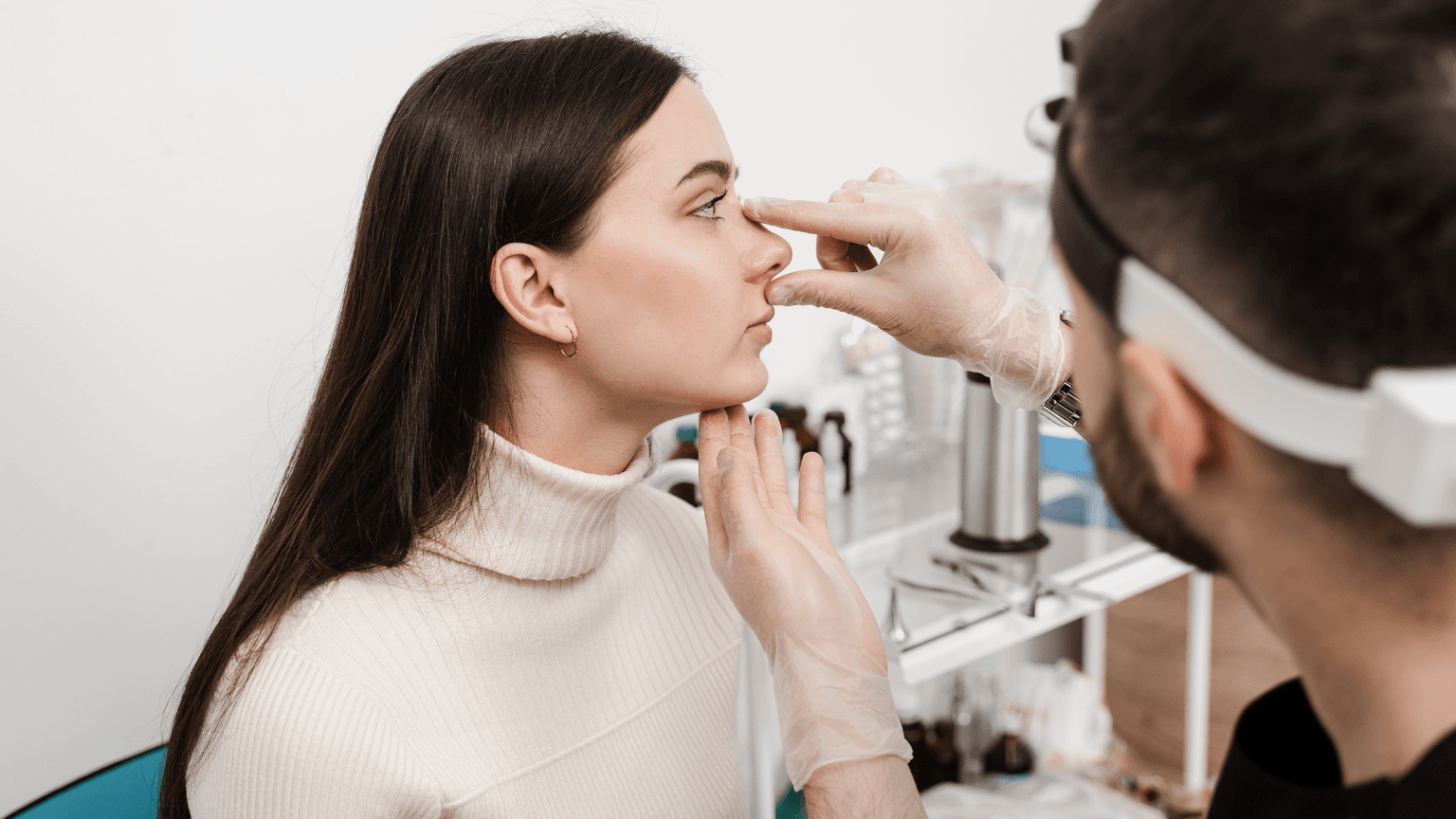
Your journey often begins with a virtual consultation, where you discuss your history and goals with a Korean surgeon. Once in Korea, you’ll have thorough pre-op evaluations, including physical exams, CT scans, and nasal endoscopy. The surgeon will review your medical history and take photos to plan your surgery. You’ll also discuss expectations and anesthesia options, and receive instructions on fasting and medication.
The Surgical Experience in Korean Facilities
Korean clinics are known for their modern facilities and expert staff. Both Septoplasty and Rhinoplasty are usually outpatient procedures, so you can return to your accommodation the same day. The medical team will monitor you closely during and after surgery.
Post-Operative Care and Follow-Up in South Korea
After surgery, you’ll be monitored as anesthesia wears off. You may have a splint on your nose (for rhinoplasty) or soft splints inside (for septoplasty). Pain medication and detailed recovery instructions are provided. Follow-up visits are scheduled to check healing, and you’ll get advice on rest, activity, and wound care. Initial recovery takes 1–2 weeks, but full healing can take months to a year.
Navigating Visa Requirements for Medical Tourists
South Korea offers the C-3-3 Medical Tourist Visa for stays up to 90 days, with longer options available. You’ll need documents like a visa application, passport, diagnosis, appointment confirmation, proof of funds, and caregiver documents if needed. Many clinics offer bundled packages that include hotel stays, tests, and post-op care, making the process easier.
Your Journey for Nasal Surgery in South Korea
Here’s a step-by-step overview of the process:
| Phase | Key Steps | What to Expect |
|---|---|---|
| Pre-Arrival | Virtual Consultation | Discuss history, symptoms, and goals with a Korean surgeon from home. |
| Visa Application | Apply for a C-3-3 Medical Tourist Visa or longer visa if needed. | |
| Travel Planning | Arrange flights and accommodation; some packages include hotel stays. | |
| Arrival & Pre-Op | In-Person Evaluation | Physical exams, CT scans, and endoscopy for surgical planning. |
| Medical History & Photos | Review history and take photos for planning. | |
| Discussion of Expectations & Anesthesia | Set realistic goals and choose anesthesia type. | |
| Pre-operative Instructions | Get guidelines on fasting, medication, and smoking cessation. | |
| Surgery Day | Procedure (Outpatient) | Surgery performed; return to accommodation same day. |
| Immediate Post-Op Monitoring | Recovery room monitoring and pain management. | |
| Initial Recovery (1-2 Weeks) | Post-Op Care & Wound Care | Wound care and prescriptions provided. |
| Splint/Packing Removal | Splints or packing removed within 24–48 hours. | |
| Follow-up Visits | Scheduled check-ups to monitor healing. | |
| Rest & Restrictions | Rest, avoid strenuous activity, keep head elevated. | |
| Long-Term Recovery (Months to Year) | Continued Healing | Swelling and bruising subside; full results in months to a year. |
| Adherence to Instructions | Follow all post-op instructions and stay in touch with your surgeon. |
Which Are the Best Clinics in Korea for Nasal Obstruction?
Listed below are some of the best clinics in Korea for nasal obstruction.
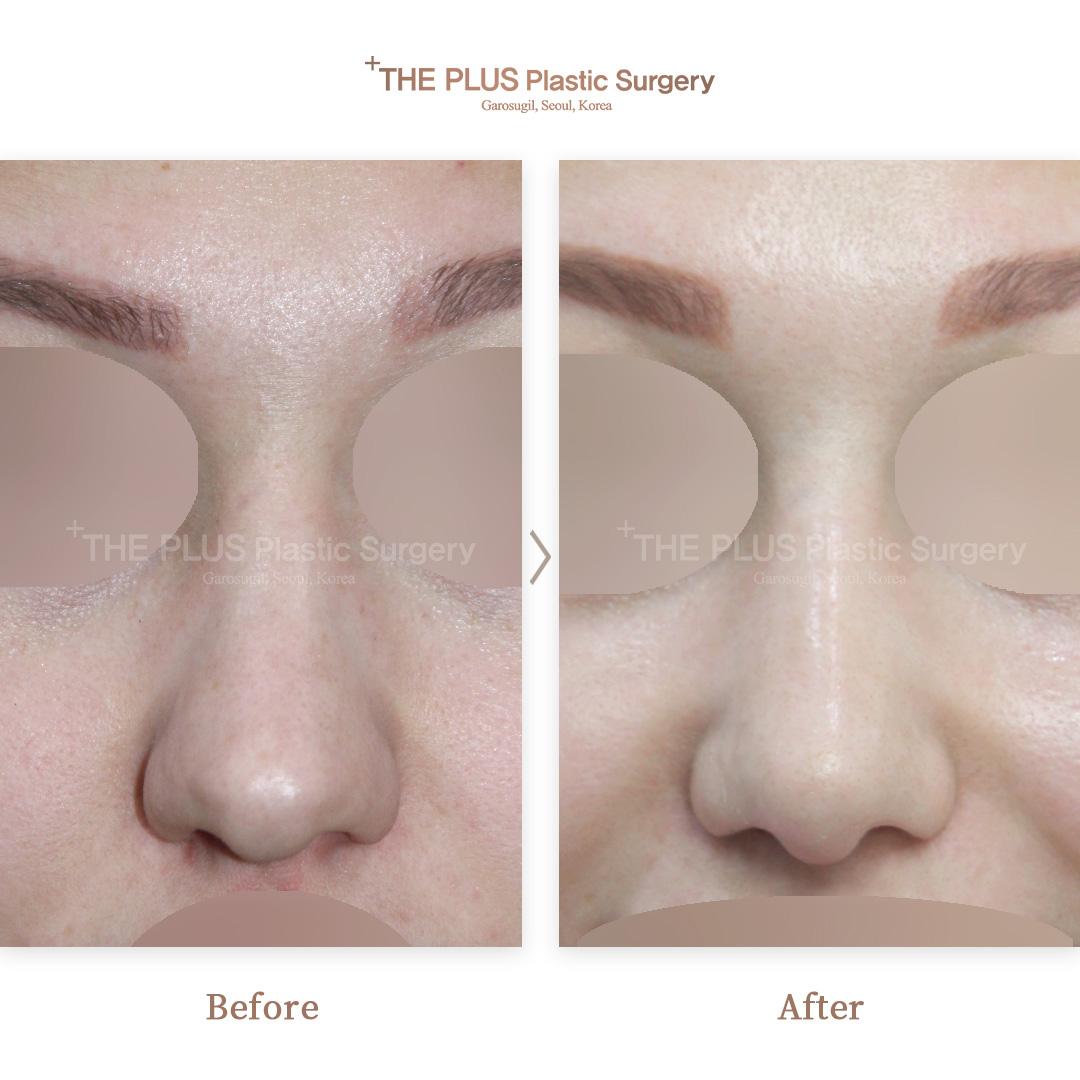
1. THEPLUS Plastic Surgery
For nasal obstruction concerns that may require structural rhinoplasty assessment, you may consider THEPLUS Plastic Surgery for its stated emphasis on combining nasal function with facial aesthetics, including revision work aimed at restoring a stable nasal structure.
- URL: THEPLUS Plastic Surgery Website
- Location: Gangnam-gu, Seoul
- Rhinoplasty focus:
- Offers rhinoplasty and revision rhinoplasty; its revision approach is described as focusing on structural stability as well as a refined appearance.
- Dr. Jeong Jae-yong’s practice philosophy explicitly combines function and beauty in rhinoplasty planning.
- Surgeon background:
- Dr. Jeong Jae-yong authored “Rebuilding Nose: Rhinoplasty for Asians” and has presented at rhinoplasty forums including the Seoul Rhinoplasty Forum, KSPRS, and IFAAS.
- Dr. Kim Taek-kyun is a board-certified plastic surgeon whose published book chapters include rhinoplasty and revision rhinoplasty.
- The clinic states that Drs. Jeong and Kim have contributed more than 20 academic publications and provide education for other plastic surgeons.
2. Made Young Plastic Surgery
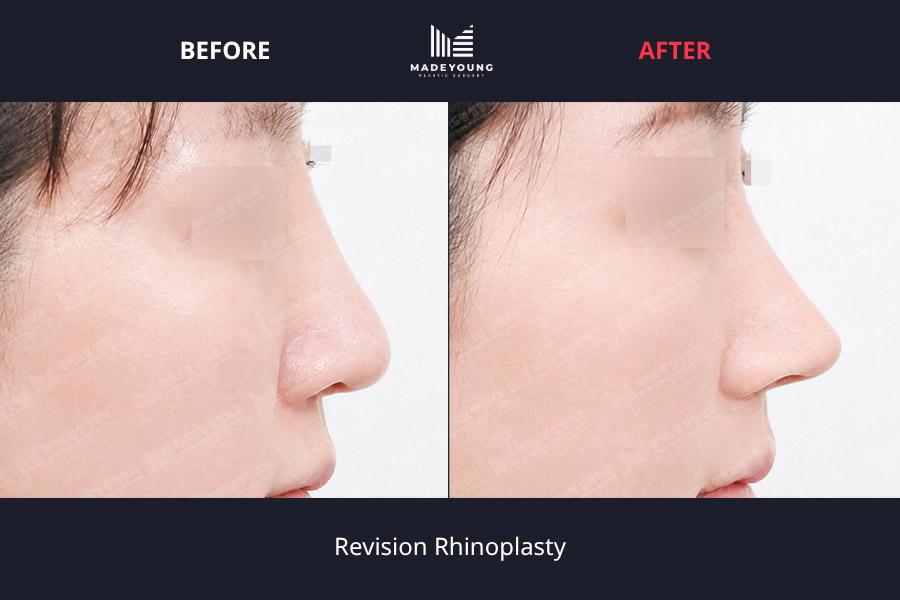
You may consider Made Young Plastic Surgery for nasal obstruction when you need detailed evaluation of nasal anatomy alongside rhinoplasty planning: the clinic describes using 3D-CT analysis of the nasal bones, septum, and asymmetry to guide structural surgical decisions.
- URL: Made Young Plastic Surgery Website
- Location: Seocho-gu, Seoul
- Structural planning:
- Uses 3D-CT precision analysis to assess the nasal bones, septum, and asymmetry.
- Describes techniques intended to create a stable internal nasal structure and help prevent postoperative tip drooping.
- Planning considers the bridge, tip, columella, alar width, and overall facial proportions.
- Complex and revision rhinoplasty:
- Dr. Lee Byeong-hoe is described as having more than 20 years of exclusive rhinoplasty experience, with a focus on complex reconstruction and revision cases.
- The clinic lists revision rhinoplasty, reconstruction rhinoplasty, and nasal implant removal among its nasal services.
- Its described techniques include dorsal-hump correction, nasal-tip refinement, osteotomy, and autologous rib grafting.
- Perioperative systems:
- States that board-certified anesthesiologists are on site full time, with one-to-one anesthesiologist monitoring during procedures.
- Describes a cross-check emergency-response system, full procedure-area CCTV coverage, and a separate aftercare center.
- You can receive direct consultation and diagnosis from the medical team before treatment, according to the clinic.
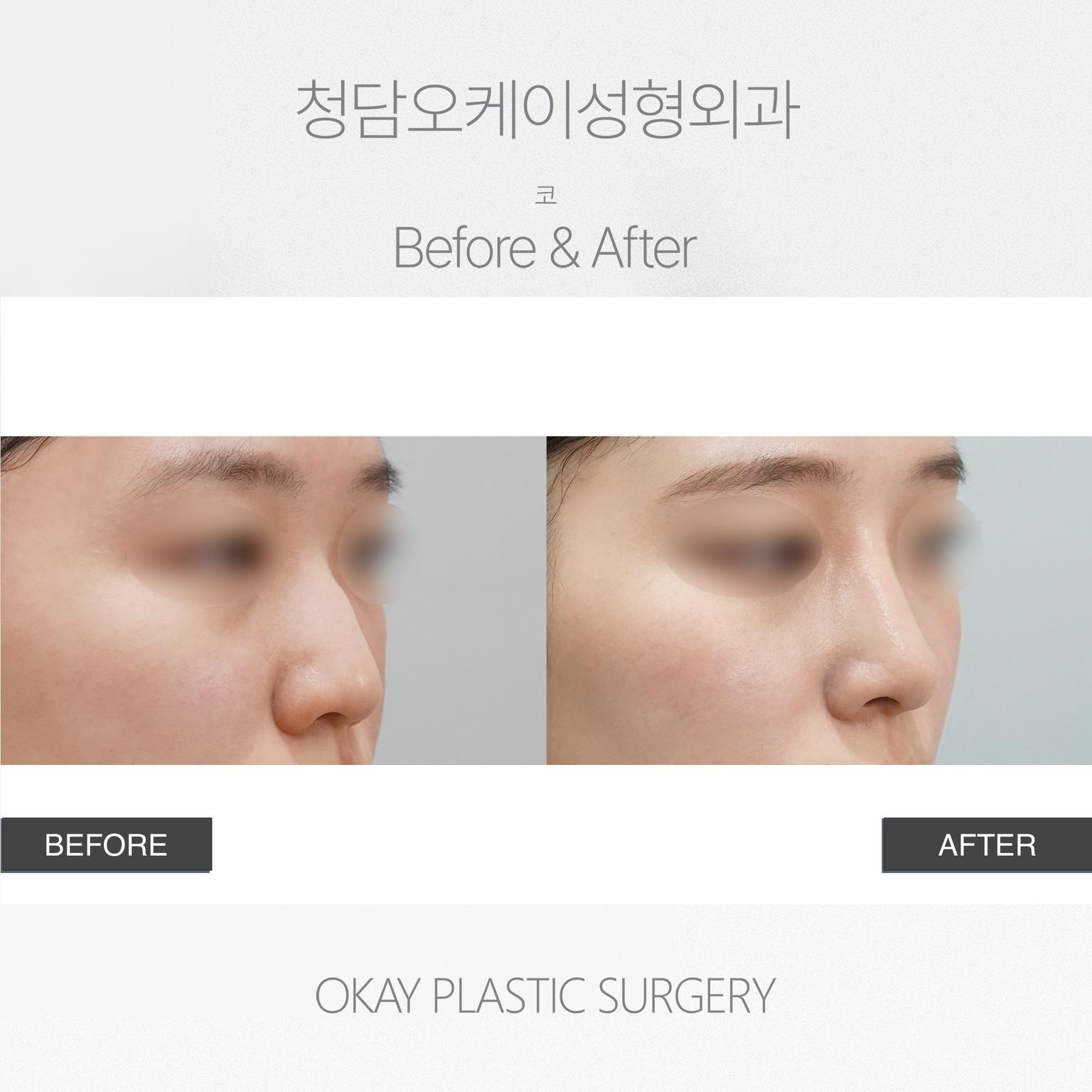
3. Okay Plastic Surgery Clinic
You may consider Okay Plastic Surgery Clinic if your nasal obstruction consultation also involves a difficult or previously operated nose, as the clinic states that it offers difficult rhinoplasty cases and revision rhinoplasty alongside targeted nose-tip, bridge, and nostril procedures.
- URL: Okay Plastic Surgery Clinic Website
- Location: Gangnam-gu, Seoul
- Nasal procedure options:
- Lists nose-tip surgery, nose-bridge surgery, nostril reduction, and revision rhinoplasty.
- States that difficult rhinoplasty cases and revision rhinoplasty are available.
- Individualized approach:
- The clinic describes its care approach as individualized and tailored to your unique needs and goals.
- Its stated team includes specialized professionals and a female plastic surgeon with extensive experience.
Costs and Value: Rhinoplasty and Septoplasty in South Korea Compared
South Korea offers advanced nasal surgeries at competitive prices, making it a popular choice for medical tourists. Here’s what you need to know about costs and what’s included.
Understanding the Cost of Rhinoplasty in South Korea

Rhinoplasty costs vary by procedure complexity and clinic. Standard packages range from $4,500 to $6,000 USD, but prices can go from $3,720 to $14,000 USD depending on the extent of surgery. Tip rhinoplasty may cost around $3,000 USD, while full packages can reach $14,000 USD.
Understanding the Cost of Septoplasty in South Korea
Septoplasty averages $3,300 USD in Seoul, with a typical range of $1,500 to $5,000 USD. Specific clinics may quote:
- VG Plastic Surgery: $2,000 - $3,000 USD
- Park Young Kyu: $3,000 - $5,000 USD
- Kim Sung Sik: $2,600 - $4,600 USD
Prices can vary, and some clinics may charge international patients more. It’s wise to get multiple quotes and clarify what’s included to avoid surprises. A deposit (about 10%) is often required to book your surgery.
What is Included in Medical Tourism Packages?
Korean packages are usually comprehensive and may include:
- Consultations (virtual and in-person)
- Pre-op tests (bloodwork, CT scans, endoscopy)
- Surgery and anesthesia
- Accommodation (hotel or on-site)
- Transfers (sometimes extra)
- Translation services
- Post-op care and follow-ups
Some extras, like private transfers or special recovery therapies, may cost more.
South Korea vs. Other Countries: A Cost Comparison for Medical Tourists
South Korea offers significant savings—often 40% to 65% less than Western countries. While not always the cheapest worldwide, South Korea stands out for its quality, bundled services, and patient support.
Comparative Costs of Rhinoplasty and Septoplasty for Medical Tourists (USD)
| Procedure | South Korea (Range) | USA (Range) | Turkey (Range) | Mexico (Range) | Other Countries (Range/Notes) |
|---|---|---|---|---|---|
| Rhinoplasty | $3,720 - $14,000 (Standard: $4,500-$6,000; Full: up to $14,000) | $6,000-$15,000 (implied) | Not specified | Affordable option | Not specified |
| Septoplasty | $1,500 - $5,000 (Average: $3,300) | $3,500 - $12,000 | $1,000 - $2,904 | $2,000 - $3,000 | Spain: $3,000 - $7,000; Poland: $2,000 - $4,000; Thailand: $2,000 - $3,500 |
This comparison shows the value South Korea offers, especially when compared to the U.S. While some countries may have lower prices, South Korea’s combination of quality and comprehensive care is a major draw.
Patient Experiences and Outcomes: Life After Nasal Surgery
For those who undergo Rhinoplasty or Septoplasty, the real test is how much their breathing and quality of life improve. Most patients report significant benefits, but it’s important to have realistic expectations about recovery and results.
Improved Breathing and Enhanced Quality of Life
Patients who have septorhinoplasty often notice a big improvement in nasal airflow and daily comfort. Tools like the NOSE scale and HRQOL scores show that symptoms drop from “moderate to fairly bad” to “very mild to moderate” after surgery. Even if objective airflow tests don’t always show dramatic changes, patients usually feel much better and enjoy a better quality of life.
Impact on Snoring, Sleep Quality, and Sinus Health
Surgery can greatly reduce snoring and sleep apnea symptoms, leading to better sleep. Improved nasal drainage means fewer sinus infections and less congestion. Some people even regain their sense of smell. These improvements can have a positive ripple effect on overall health.
Real-World Patient Testimonials and Functional Improvements
Patients often describe easier breathing, better sleep, and more confidence after surgery. Studies confirm that both functional and cosmetic outcomes are important for satisfaction. For septoplasty, success is measured by improved breathing; for rhinoplasty, both appearance and function matter.
Long-Term Outlook and Important Considerations
While many people feel better within weeks, full results can take months to a year. It’s important to follow your surgeon’s instructions and keep in touch during recovery. Sometimes, further surgery may be needed if symptoms persist or new issues arise, so managing expectations is key.
Conclusion
Nasal obstruction can seriously affect breathing, sleep, and quality of life, but surgical options like Rhinoplasty and Septoplasty offer effective solutions when other treatments fail. South Korea stands out as a destination for these procedures, offering advanced care, skilled surgeons, and comprehensive packages at competitive prices. Most patients experience significant improvements in breathing and daily comfort, but it’s important to have realistic expectations and follow post-op care closely for the best results.
References
1, 2, 3, 4, 5, 6, 7, 8, 9, 10, 11, 12, 13, 14, 15, 16, 17, 18, 19
Frequently Asked Questions
Related Blogs
Korea vs. Global Standards: A Comprehensive Cost Analysis of Cleft Rhinoplasty in Medical Tourism Destinations
Explore the cost of cleft rhinoplasty in Korea, a popular destination for medical tourism due to its advanced surgical techniques and competitive pricing. Discover factors influencing the overall expense, from hospital fees to post-operative care, and what makes Korea a top choice for this specialized procedure.
Updated: Oct 21, 2026
Philtrum Reduction Costs: Choosing Korea Over the USA, Mexico, Turkey & More for Expert Care
Discover the affordability and benefits of Philtrum Reduction Surgery in Korea, a popular destination for high-quality cosmetic procedures. Explore cost factors, surgeon expertise, and why Korea is a top choice for those considering this transformative surgery.
Updated: Oct 21, 2026
Discovering the True Value: Sinus Surgery Costs in Korea Compared to Global Options
Discover the affordable options for sinus surgery in Korea, a leading destination for medical tourists seeking quality care. Learn about the factors influencing costs and what patients can expect from their experience in this highly advanced healthcare system.
Updated: Oct 21, 2026
Non-Implant Rhinoplasty in Korea: Cartilage Grafts, Recovery, Travel Planning, and Alternatives
Non-implant rhinoplasty reshapes the nose using septal, ear, or rib cartilage, with surgical or injectable and open or closed approaches and possible septal or nasal-valve correction. International patients can find guidance on candidate screening, material-specific consent, Korea stays of 10–21 days, travel timing, recovery, and follow-up.
Updated: Oct 16, 2026
Clinics offering Rhinoplasty

THEPLUS Plastic Surgery Korea | Eye, Nose, Face & Body Surgery
Sinsa

Made Young Plastic Surgery: Rejuvenating Aesthetic Excellence in Korea for Face Lifts, Contouring and More
Gangnam Station

Okay Plastic Surgery Clinic in Korea: Comprehensive Aesthetic Procedures with Sincerity and Care
Cheongdam

Banobagi Plastic Surgery: A Pioneering and Trusted Plastic Surgery Clinic in Korea
Seolleung