
Medical Tourism Blog
Septal Perforation Treatment in Korea: Septoplasty Procedure for Nasal Repair
Table of contents
- Understanding Septal Perforation
- The Surgical Solution: Septal Perforation Repair
- The Medical Tourist’s Journey: Treatment in South Korea
- Which Are the Best Clinics in Korea for Septal Perforation?
- Costs: Septal Perforation Treatment and Medical Tourism
- Life After Surgery: Real-World Results
- Conclusion
- References
Considering treatment in Korea? Everything you need to know e.g. — how to avoid scams, visas, interpreters, recovery tips — in our Medical Tourism Master Guide. Plan with confidence in minutes, not weeks!
If you’re experiencing symptoms like a whistling noise when you breathe or persistent nasal crusting, you might have a “hole in the septum,” known medically as a septal perforation. This guide breaks down everything you need to know about this condition—from what causes it and how it’s treated, to what sets septoplasty apart from septal perforation repair. We’ll also walk you through seeking treatment in South Korea, compare costs with other countries, and share how surgery can improve your quality of life.
One important point is that septoplasty, which simply straightens a deviated septum, is very different from the reconstructive surgery required to close a septal perforation. This guide highlights that difference, details the treatment journey (especially as a medical tourist), and shares insights from real patients who found relief and a better quality of life after treatment.
Understanding Septal Perforation
What is a Septal Perforation?
A septal perforation is basically a hole or tear in the nasal septum—the thin wall made of cartilage and bone that separates your nostrils. The septum also includes a soft tissue lining called the mucosa. When a hole forms, air flows directly between both nasal passages. This is often called a “perforated septum” or simply a “hole in the septum” by patients.
Symptoms and Patient Experience
Septal perforation symptoms depend on how large and where the hole is. Common complaints include:
- Dryness and crusting inside the nose
- A whistling sound when breathing
- Frequent or intermittent nosebleeds
- Nasal blockage or trouble breathing
- In rare and severe cases, a visible dip in the nose’s bridge, called a saddle nose deformity
The hole disrupts normal airflow, making air turbulent as it passes through. This not only causes the whistling but also dries out the sensitive nasal tissues, leading to crusting and sometimes foul smells, infections, and more nosebleeds. Over time, the condition can worsen, with the hole becoming larger and possibly leading to a collapsed nose if left untreated. Unfortunately, septal perforations rarely heal on their own, so surgery is usually needed to prevent it from getting worse and to restore usual nasal function.
Causes and Risk Factors
Septal perforations are caused when blood flow to the nasal tissues is disrupted, leading to tissue death. The most common causes include:
- Physical Trauma: Like sports injuries, broken noses, or even frequent nose picking. A blood clot (septal hematoma) under the mucosa can also do damage.
- Drug and Chemical Exposure: Overusing steroid nose sprays, inhaling drugs like cocaine, or work-related chemical exposures can harm the septum.
- Medical Conditions and Infections: Autoimmune diseases such as granulomatosis with polyangiitis, lupus, or rheumatoid arthritis, and infections such as tuberculosis or syphilis.
- Surgical Complications: Prior nasal surgeries—including septoplasty—can sometimes inadvertently injure the septum and cause perforations.
The Surgical Solution: Septal Perforation Repair
Septoplasty vs. Septal Perforation Repair: What’s the Difference?
One common misunderstanding is thinking that septoplasty will close a hole in the septum. In reality, septoplasty straightens a deviated septum—so it’s mainly about removing or repositioning tissue to fix a blockage. It doesn’t fix a hole.
On the other hand, septal perforation repair is about closing and reconstructing the septum using tissue flaps from inside the nose or grafts from elsewhere in the body. This is technically demanding and best handled by surgeons with specialized expertise in nasal reconstruction.
The Repair Procedure: Step by Step
- Pre-operative Assessment: Before surgery, you’ll have a full review of your medical history and a nasal exam, often with endoscopy. Additional blood tests or CT scans may be needed. Patients are advised to avoid certain medications and stop smoking ahead of surgery.
- Surgical Stage: The surgery, often done under general anesthesia, usually takes one to three hours. Surgeons can use an inside-the-nose (“closed”) technique or a small external incision (“open”), depending on the hole’s size and location. In most cases, they’ll raise tissue on both sides of the septum and use a tissue flap or graft to bridge the gap, securing everything with stitches.
- Post-operative Care: Soft splints or packing are placed inside the nose to support healing. Most people go home the same day. Care includes using nasal rinses, sleeping with the head raised, and taking any prescribed medications.
Recovery and Risks
Recovery happens over weeks to months, but the nose can take a year or more to feel completely normal. Success rates vary (from about 52% to 100%) and rely heavily on both the surgeon’s skill and patient compliance with aftercare instructions. Possible risks include scarring, changes in nose shape, re-opening of the hole, and persistent symptoms.
The Medical Tourist’s Journey: Treatment in South Korea
South Korea has become a popular destination for patients from around the world, especially for complex procedures like septal perforation repair. Here’s how the process typically works.
Why South Korea?
The country is known for cutting-edge surgical techniques, internationally accredited facilities, and doctors with decades of specialized experience—particularly in reconstructive and plastic surgery. Clinics catering to international patients offer services like multilingual coordinators, packaged care, and support with travel logistics.
Step-by-Step Treatment Journey
- Initial Research & Remote Consultation (2-4 Weeks): Identify clinics and book video consultations to assess eligibility and get cost estimates.
- Travel & Visa (4-6 Weeks): Depending on length of stay and nationality, you may need a travel (C-3) or medical (G-1) visa. Clinics can issue invitations to help this process.
- Onsite Evaluation & Procedure: Once in Korea, you’ll have an in-person assessment before surgery, typically under anesthesia, lasting 1.5 to 3 hours.
- Recovery in Korea (10-14 Days): Allow time for initial recovery and post-op visits before returning home. Clinics assist with follow-ups and aftercare.
- Discharge: You’ll get detailed aftercare instructions and can receive remote follow-up care from your surgeon.
Ensuring Quality and Safety
Double-check that your surgeon is board-certified by the Korean Society of Plastic and Reconstructive Surgeons and that the clinic is registered with the Korea Health Industry Development Institute. Look for international accreditations (such as JCI) and ensure staff can communicate with you in your language.
Which Are the Best Clinics in Korea for Septal Perforation?
Listed below are some of the best clinics in Korea for septal perforation.
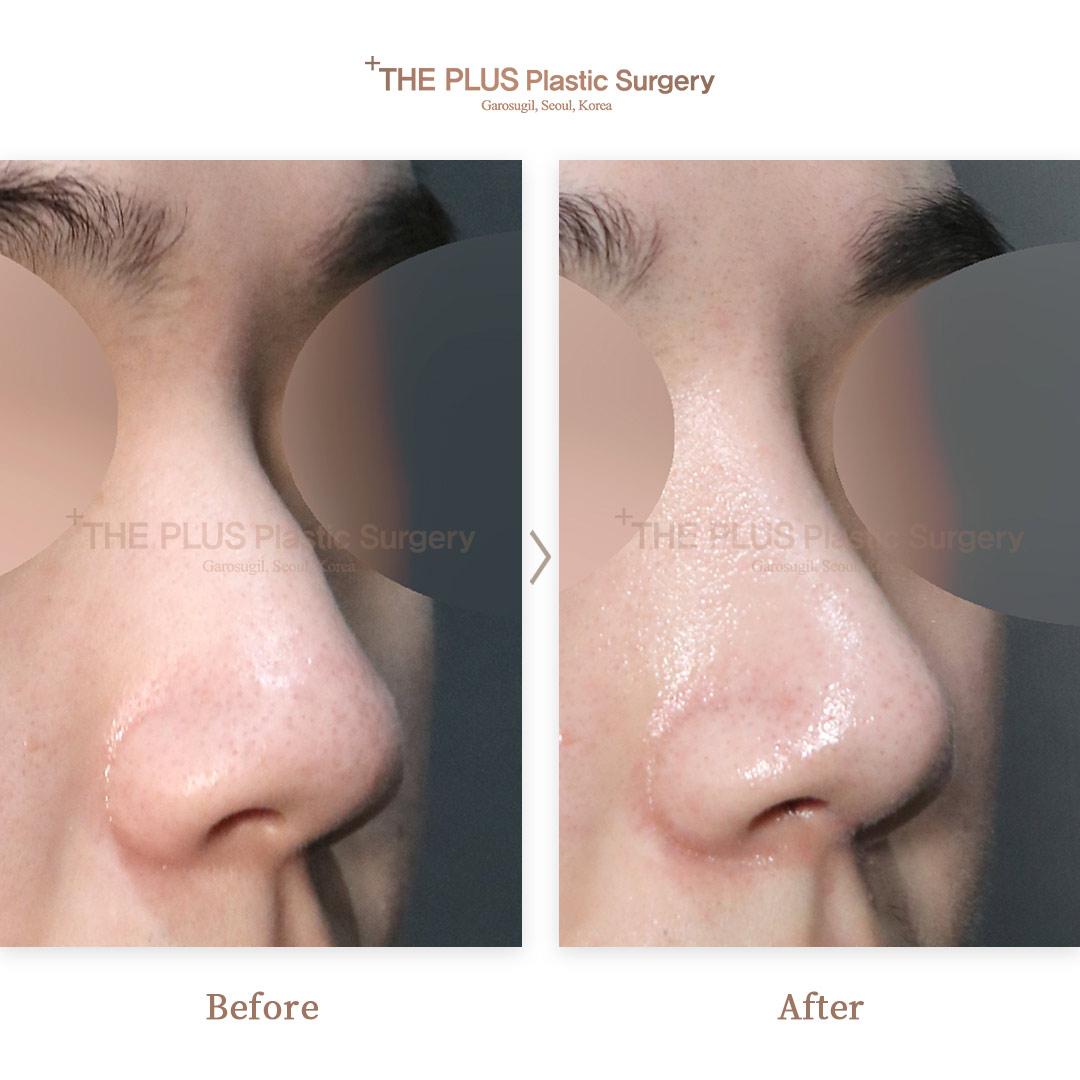
1. THEPLUS Plastic Surgery
You may consider THEPLUS Plastic Surgery if you are seeking a clinic with substantial rhinoplasty and revision-rhinoplasty expertise, particularly where preserving or rebuilding nasal structure and balancing functional and aesthetic considerations are important. Its rhinoplasty-focused surgeons, Dr. Jeong Jae-yong and Dr. Kim Taek-kyun, have extensive academic and surgical education roles; however, you should confirm during consultation whether they evaluate and treat your specific septal perforation and what repair approach may be appropriate for you.
- URL: THEPLUS Plastic Surgery Website
- Location: Gangnam-gu, Seoul
- Rhinoplasty expertise:
- Dr. Jeong and Dr. Kim focus on rhinoplasty, while the clinic also lists revision rhinoplasty for concerns after previous nose surgery.
- The clinic describes revision rhinoplasty as aiming to restore a more stable nasal structure as well as refine appearance.
- Dr. Jeong’s stated practice philosophy combines nasal function and appearance.
- Surgeon background:
- Dr. Jeong authored a rhinoplasty text, Rebuilding Nose: Rhinoplasty for Asians, and participates in rhinoplasty education and international professional forums.
- Dr. Kim is a board-certified plastic surgeon whose published contributions include rhinoplasty and revision rhinoplasty; he also conducts educational sessions for other plastic surgeons.
- Both surgeons have presented research and techniques at meetings including the Seoul Rhinoplasty Forum, KSPRS, and IFAAS.
2. Made Young Plastic Surgery
You may consider Made Young Plastic Surgery when your septal-perforation assessment may overlap with complex nasal reconstruction or prior nasal surgery concerns: the clinic highlights 3D-CT evaluation of the septum and nasal asymmetry, structural nasal planning, and Dr. Lee Byeong-hoe’s more than 20 years of rhinoplasty experience, including difficult revision cases. You should ask directly whether your perforation can be treated there, which reconstructive options are relevant to its size and location, and what functional evaluation is included.
- URL: Made Young Plastic Surgery Website
- Location: Seocho-gu, Seoul
- Nasal planning and reconstruction:
- The clinic states that its 3D-CT system assesses nasal bones, the septum, and asymmetry to support surgical planning.
- It describes an emphasis on creating a stable internal nasal structure and maintaining tip support over time.
- Reconstruction rhinoplasty, revision rhinoplasty, and removal of prior nasal implants are listed among its nasal services.
- Relevant surgeon experience:
- Dr. Lee Byeong-hoe is described as having more than 20 years of exclusive rhinoplasty experience.
- The clinic highlights his work in complex nasal reconstruction and difficult revision cases, including multiple prior revisions.
- Its rhinoplasty approach is described as tailored to the bridge, tip, columella, alar width, and overall facial proportions.
- Perioperative arrangements:
- The clinic reports full-time board-certified anesthesiologists and one-to-one anesthesiologist monitoring during procedures.
- It describes a separate aftercare center and systematic post-procedure care.
3. Okay Plastic Surgery Clinic
You may consider Okay Plastic Surgery Clinic if you are exploring a clinic that lists difficult rhinoplasty and revision rhinoplasty among its nasal services, especially if you have had previous nose surgery. The supplied information does not specifically describe septal-perforation repair, so you should confirm whether the clinic evaluates your perforation, treats its underlying cause, and offers an appropriate reconstructive plan for your case.
- URL: Okay Plastic Surgery Clinic Website
- Location: Gangnam-gu, Seoul
- Nasal services:
- The clinic lists rhinoplasty services for the nose tip, nasal bridge, and nostrils.
- It states that difficult rhinoplasty cases and revision rhinoplasty are available.
- Its rhinoplasty service includes revision procedures intended to address outcomes of prior nose surgery.
- Care approach:
- The clinic describes an individualized treatment approach and a team of specialized professionals.
- A female plastic surgeon with extensive experience is noted in the clinic description, though no name or septal-perforation-specific credentials are provided.
Costs: Septal Perforation Treatment and Medical Tourism
Understanding Costs in South Korea
Septal perforation repair costs in Korea vary based on the surgeon, clinic, and case complexity. Septoplasty—a less complex surgery—costs $2,000 to $5,000 in Korea, and septal perforation repair is usually more. Many clinics offer all-inclusive packages that cover everything from pre-op tests to hospital stay, medications, and some even provide hotel stays or airport pickups.
Cost Comparison by Country
Here’s how the costs stack up around the world for septoplasty (as a baseline):
| Country | Price Range (USD) | What’s Typically Included |
|---|---|---|
| South Korea | $2,000 - $5,000 | Tests, surgery, anesthesia, hospital stay, medications, follow-up care; some include accommodation, transfers, translators |
| Mexico | $1,700 - $3,630 | Tests, surgery, anesthesia, medications, 1-night hospital stay, local transportation |
| Turkey | $2,671 - $4,087 | Surgery, anesthesia, hospital stay, medications, follow-ups, VIP transport; some packages include hotel stay |
| Thailand | $2,483 - $4,631 | Surgeon’s fee, hospital, anesthesia, medication; package details vary by clinic |
| USA | $3,500 - $12,000 | Highly variable and itemized; surgeon, facility, anesthesia, post-op care usually charged separately |
While Mexico and Turkey sometimes offer lower starting prices, value lies in the details—what’s included, surgeon experience, and post-op care. It’s wise to get a full quote and check for hidden costs like extra tests or unexpected stays.
Value Over Lowest Price
Focusing just on the price tag can be risky. The best clinics often charge a bit more but include advanced care, proven doctor experience, and broader included services—making the extra investment worthwhile for peace of mind and a better outcome.
Life After Surgery: Real-World Results
Surgical Success Rates
Success rates for septal perforation repair can be high—ranging from just over half to nearly all patients—depending on the size of the hole and the expertise of the surgeon, as well as following post-op instructions closely.
Symptom Relief: Whistling and Crusting
Patient stories consistently highlight the benefits of successful repair. Because the surgery restores smooth airflow, whistling and nasal crusting often disappear. For many, breathing improves dramatically as well, making daily life far more comfortable.
- Patients often describe the surgery as “more than I expected, it’s as if I have a new nose.”
- The restoration of normal humidity in the nasal passages eliminates many of the most bothersome symptoms.
Emotional and Psychological Benefits
Beyond the physical relief, repaired patients often mention a huge boost in mood and confidence. Many felt hopeless after being told by previous doctors that their hole was “too large to fix,” but finding the right surgeon changed their outlook entirely.
A successful repair can mean relief from long years of discomfort and emotional strain, giving back both comfort and confidence.
Conclusion
A septal perforation can cause real physical and emotional distress, but surgical repair offers significant relief and improved quality of life. It’s important to understand that septoplasty and septal perforation repair are distinct procedures, and that expert care matters most. South Korea provides a compelling option due to advanced techniques and comprehensive care packages, but value—rather than price alone—should guide patient decisions.
References
1, 2, 3, 4, 5, 6, 7, 8, 9, 10, 11, 12, 13, 14, 15, 16, 17, 18, 19, 20, 21, 22, 23, 24, 25, 26, 27
Frequently Asked Questions
Related Blogs
Wide Nasal Bridge Correction with Nose Osteotomy in Korea: Safe and Effective Solutions
Discover how Korea leads in nasal correction with advanced rhinoplasty procedures like nasal osteotomy to refine a wide nasal bridge. Our comprehensive guide highlights surgical options, non-surgical fillers, and why Korea is the top destination for safe, natural-looking results. Learn about affordable costs, expert surgeons, and seamless medical tourism experiences. Achieve facial harmony and con
Updated: Oct 10, 2026
Droopy Nasal Tip Solutions: Tip Plasty Procedure in Korea for Enhanced Nasal Contour
Discover how Korea leads in correcting drooping nasal tips through specialized Tip Plasty procedures. This targeted rhinoplasty technique reshapes and supports the nasal cartilage for a natural, uplifted appearance. Combining expert surgeons, advanced methods, and affordable prices, Korea is the top destination for nasal tip correction—whether via cartilage reshaping, suturing, or cartilage grafts
Updated: Oct 10, 2026
Columella Show Solutions: Tip Plasty Procedure in Korea for a Balanced Nose Appearance
Discover how Korea’s advanced rhinoplasty procedures effectively correct columella show and hanging columella issues. From tip plasty, septal shortening, and cartilage repositioning to alar rim grafts, Korea offers expert surgical solutions for natural-looking, balanced noses. This comprehensive guide highlights the benefits of choosing Korea for rhinoplasty, including world-class surgeons, afford
Updated: Oct 10, 2026
Korea Gummy Smile Solutions: Lip Fillers, Gummy Smile Botox, Bullhorn-Lip-Lift, Gum Contouring
Discover effective gummy smile correction methods in Korea, including Lip Fillers, Gummy Smile Botox, Bullhorn Lip Lift, and Gum Contouring. This comprehensive guide highlights Korea’s leading medical tourism facilities, showcasing how these procedures can enhance confidence and aesthetics. Learn about each treatment’s steps, recovery, costs, and patient experiences, making Korea your top destinat
Updated: Oct 10, 2026
Clinics offering Septoplasty

THEPLUS Plastic Surgery Korea | Eye, Nose, Face & Body Surgery
Sinsa

Made Young Plastic Surgery: Rejuvenating Aesthetic Excellence in Korea for Face Lifts, Contouring and More
Gangnam Station

Okay Plastic Surgery Clinic in Korea: Comprehensive Aesthetic Procedures with Sincerity and Care
Cheongdam

Banobagi Plastic Surgery: A Pioneering and Trusted Plastic Surgery Clinic in Korea
Seolleung