
Medical Tourism Blog
Internal Valve Collapse: Septoplasty Solutions in Korea for Effective Nasal Airway Correction
Table of contents
- Septoplasty: A Detailed Medical Procedure
- The Process of Getting Septoplasty in South Korea for Medical Tourists
- Which Are the Best Clinics in Korea for Internal Valve Collapse?
- Costs Associated with Septoplasty in South Korea and Global Comparison
- Patient Experiences and Outcomes After Septoplasty for Internal Valve Collapse
- Conclusions
- References
Considering treatment in Korea? Everything you need to know e.g. — how to avoid scams, visas, interpreters, recovery tips — in our Medical Tourism Master Guide. Plan with confidence in minutes, not weeks!
Internal valve collapse—described by many patients as a “narrowing at the upper lateral cartilage area”—is a condition that can significantly impact how well you breathe through your nose. In this section, we’ll break down what internal valve collapse is, outline its symptoms, explore its causes, and clarify related terms you might encounter.
What is Internal Valve Collapse?
Internal valve collapse happens when the inner airway of the nose, specifically the nasal valve, narrows and makes breathing more difficult. The nasal valve is a crucial part of the nasal airway, acting as both a filter and the main regulator for airflow. This tiny area stretches from mid-nose down and is the narrowest part of the airway, making it essential for breathing freely. When it collapses, you can feel dramatically blocked up—even though everything may look normal on the outside.
This collapse is different from external nasal valve collapse (which affects more visible structures like the nostrils). Often, people don’t notice any outside changes but still feel as if their nostrils are being pinched. This can get worse during exercise. Because the issue isn’t always visible, it’s easy to overlook—stress why a professional evaluation is so important.
Common Symptoms
The main sign of internal valve collapse is trouble breathing through one or both nostrils—a struggle that usually worsens during exertion or lying down. Many patients compensate by mouth breathing, which leads to snoring and poor sleep quality. Persistent congestion that doesn’t respond to decongestants, a whistling noise during nasal breathing, or even frequent sinus infections, nosebleeds, headaches, facial pain, and reduced sense of smell can also occur. Chronic mouth breathing often causes dry mouth. The effects spill over into everyday life, causing not just nasal discomfort but sleep disruption and fatigue.
Recognizing the broader impact of internal valve collapse can inspire people to seek treatment, knowing the benefits can go far beyond simply fixing a stuffy nose.
Causes and Risk Factors
Internal valve collapse develops when the support structures (mainly cartilage) in the nasal valve region weaken, causing the airway to narrow. Several key risk factors include:
- Deviated Septum: The most common culprit; when the tissue wall dividing your nasal passages is off-center, it directly impacts the valve’s support, often making septoplasty necessary.
- Congenital Nasal Structure: Some people are just born with features (narrow nostrils, wide columella, over-projected nose) that make them more prone to collapse.
- Previous Nose Surgery (Rhinoplasty): Cosmetic nasal procedures sometimes narrow the valve unless supporting grafts are used.
- Aging: Your cartilage naturally loses strength as you get older.
- Trauma or Injury: A nasal fracture can damage the cartilage and soften the framework.
- Chronic Allergies or Inflammation: Ongoing nasal inflammation from allergies or sinusitis changes the tissue and increases collapse risk.
- Enlarged Turbinates: These large internal nasal structures can make the airway even tighter when the valve is already compromised.
A deviated septum is especially significant because correcting it (through septoplasty) is often a key step to successful nasal valve repair.
Common Pseudonyms and Related Conditions
While doing your own research or talking to physicians, you may come across several terms linked with internal valve collapse.
Table 1: Common Pseudonyms and Related Conditions for Internal Valve Collapse
| Category | Terms |
|---|---|
| Pseudonyms | Nasal Obstruction, Nasal Valve Stenosis, Midnasal Collapse, Inverted V deformity |
| Related Conditions | Deviated Septum, Enlarged Turbinates, Chronic Sinus Issues, Sleep Apnea, Snoring, Dry Mouth, Nosebleeds |
It’s also common for internal valve collapse to exacerbate other nasal issues like deviated septum, enlarged turbinates, sinus problems, and sleep breathing issues (snoring, obstructive sleep apnea). Recognizing these links can help make sense of recurring discomfort or related health problems.
Diagnosis and Progression
An ENT specialist usually diagnoses nasal valve collapse with a detailed physical exam that might include specific maneuvers like the Cottle’s test (which improves airflow if the valve is at fault). Nasal endoscopy and airflow measurements can offer more clarity. If left untreated, the problem can worsen as support structures deteriorate, so seeking timely evaluation is worthwhile.
Septoplasty: A Detailed Medical Procedure
Septoplasty is a frequently performed surgery to improve nasal airflow and fix structural problems inside the nose. In this section, you’ll learn why this procedure is done, what’s involved step-by-step, how techniques vary, and what anesthesia options you have.
Purpose of Septoplasty
Septoplasty is a surgical procedure designed to straighten a deviated septum—the wall between your nostrils—helping restore clear nasal breathing. Besides fixing blockages, septoplasty often resolves chronic congestion, frequent sinus infections, and nosebleeds. It can also help with snoring and sleep apnea. Many times, septoplasty is performed as part of correcting internal valve collapse, allowing surgeons to realign the septum and, if necessary, reinforce the valve with cartilage grafts in a single operation.
Step-by-Step Surgical Process
The septoplasty operation involves these steps:
- Anesthesia: You and your surgeon will choose between IV sedation, general anesthesia, or local anesthesia. Most often, general anesthesia is used for comfort.
- The Incision: Incisions are usually hidden inside the nostrils; in complex cases or if combined with rhinoplasty, a tiny cut may be made on the columella.
- Mucosal Lining Separation: Surgeons gently separate the thin lining over the septum to access the cartilage and bone. Extreme care is necessary to avoid perforations.
- Deviated Septum Correction: Misaligned portions of bone/cartilage are carefully removed, reshaped, or repositioned, restoring a straight septum and opening up the airway.
- Closing the Incision: The lining is laid back and stitched with dissolvable sutures. Sometimes quilting sutures are used to keep everything in place and prevent bleeding.
- Stabilization: Internal splints or nasal packing help the new septum settle into place, typically removed within a couple of days.
The care taken at each step underscores the importance of choosing an experienced surgeon.
Surgical Techniques and Anatomical Corrections
Surgeons may use endonasal (internal), endoscopic (camera-assisted), or open (external incision) approaches based on your needs. Septoplasty focuses on correcting the septum, but when a valve collapse exists, cartilage grafts are also used for reinforcement.
Spreader grafts (carved from your own cartilage or sometimes from the ear/rib) widen the internal nasal valve angle, helping prevent midnasal collapse or the cosmetic “inverted V deformity.” These act like an internal version of a Breathe Rite™ strip, supporting your nostril during breathing.
Anesthesia Options
You’ll discuss whether general anesthesia, IV sedation, or local anesthesia is best for you with your surgical team. General anesthesia is most common, offering maximum comfort during the procedure.
Procedure Duration and Setting
Most septoplasties take 30–90 minutes and are done on an outpatient basis—you’ll go home the same day. Additional procedures like turbinate reduction or rhinoplasty can be added for a more comprehensive solution, addressing both function and appearance.
The Process of Getting Septoplasty in South Korea for Medical Tourists
South Korea has become a sought-after spot for medical tourism, especially for nasal surgeries like septoplasty. Here’s what you can expect as an international patient.
Initial Consultation and Pre-operative Evaluation
Your experience usually starts with a virtual consultation to review your medical history and goals with a local ENT or facial plastic surgeon. Once in Korea, you’ll have a detailed in-person exam, possibly including CT or MRI imaging and nasal endoscopy, to map your unique nasal structure. Anesthesia options are reviewed, instructions (such as pre-operative fasting) are explained, and you’ll book your surgery date with a deposit.
Bring along any necessary paperwork: ID, registration forms, proof of resources/insurance, a doctor’s note, visa, and travel details.
The Surgical Experience
Hospitals and clinics in South Korea are known for both high-tech equipment and rigorous hygiene. The surgery itself usually lasts 30–90 minutes under general anesthesia, and most people return home the same day. In complex cases, an overnight stay may be needed. Many clinics can combine septoplasty with other procedures if you want to address both function and appearance in one trip.
Post-operative Recovery and Follow-up Care
After surgery, expect some discomfort, swelling, and a feeling of severe congestion for the first couple of days. You may also notice temporary numbness in upper teeth, gums, or the nose. Nasal packing or splints help everything heal, and any packing is usually removed within 48 hours.
To recover well:
- Keep your head elevated.
- Avoid strenuous activity, heavy lifting, and nose blowing.
- Use saline sprays for nasal hygiene.
- Stay hydrated and eat a nutrient-rich diet.
- Wear clothes that button or zip in front.
Most people feel improvement in breathing within a few weeks, but full recovery can take 3 to 6 months as tissues settle. International patients may sightsee while recovering but should consider the challenges and cost of future follow-up if more care or a revision is necessary.
Which Are the Best Clinics in Korea for Internal Valve Collapse?
Listed below are some of the best clinics in Korea for internal valve collapse.
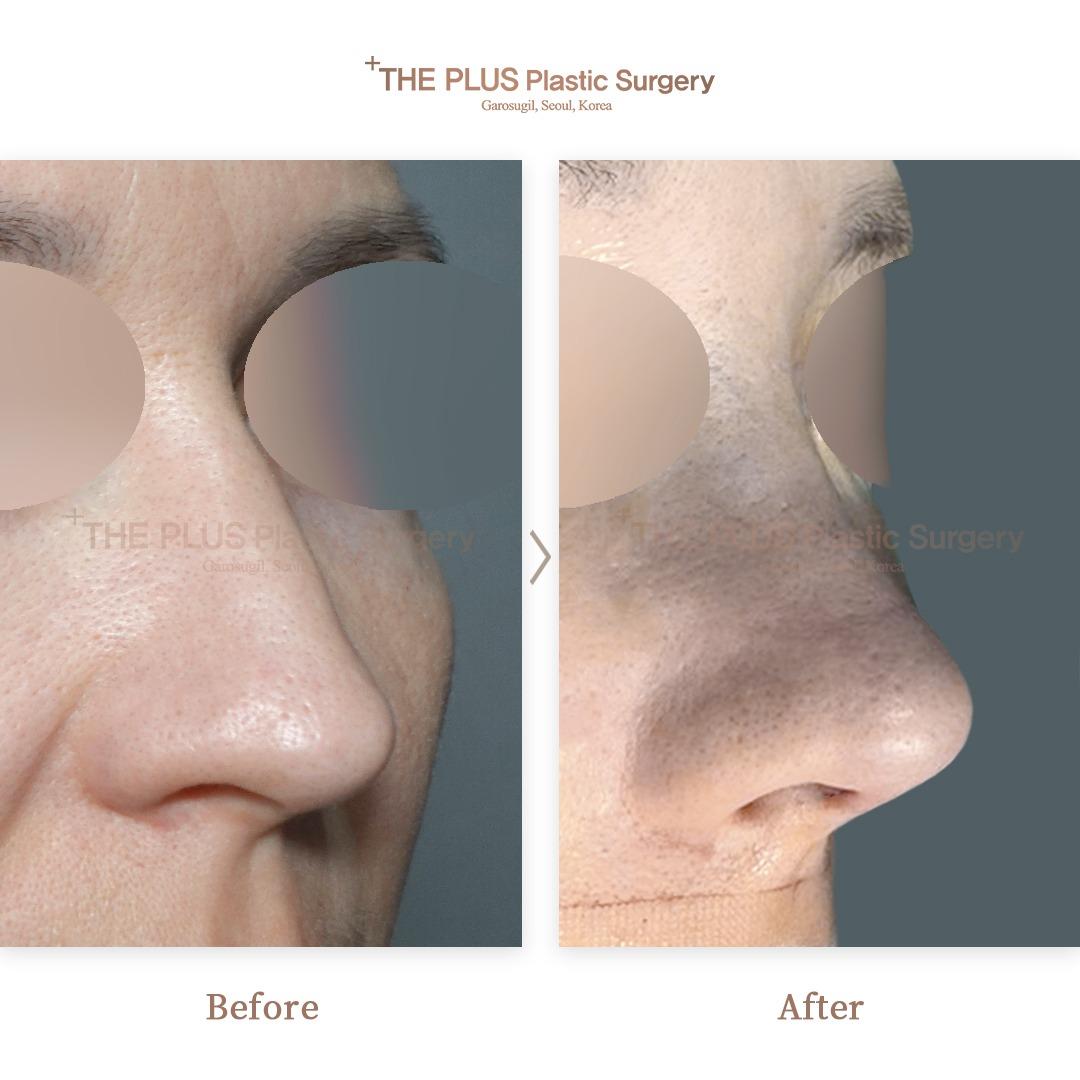
1. THEPLUS Plastic Surgery
You may consider THE PLUS Plastic Surgery for internal valve collapse when you want rhinoplasty planning that explicitly combines nasal function with appearance. Its rhinoplasty team includes Dr. Jeong Jae-yong and Dr. Kim Taek-kyun, whose work includes revision rhinoplasty, surgical education, publications, and participation in international rhinoplasty forums.
- URL: THEPLUS Plastic Surgery Website
- Location: Gangnam-gu, Seoul
- Rhinoplasty expertise:
- Dr. Jeong’s practice philosophy emphasizes combining function and beauty in rhinoplasty.
- Dr. Kim’s published contributions include chapters on rhinoplasty and revision rhinoplasty in “The 18 Masters of Korean Aesthetic Surgery.”
- The clinic offers rhinoplasty and revision rhinoplasty, with revision work focused on restoring a more stable nasal structure alongside refinement.
- Surgeon background:
- Dr. Kim is a board-certified plastic surgeon, has received research awards related to 3D implants, and teaches annual educational sessions for plastic surgeons.
- Dr. Jeong authored “Rebuilding Nose: Rhinoplasty for Asians” and serves as President of the Korean Society of Plastic Surgeons.
- Both doctors contribute research and techniques at forums including the Seoul Rhinoplasty Forum, KSPRS, and IFAAS.
2. Made Young Plastic Surgery
You can expect an anatomy-based rhinoplasty assessment at Made Young Plastic Surgery for concerns related to internal valve collapse, including 3D-CT review of your nasal bones, septum, and asymmetry to support surgical planning. The clinic describes techniques and materials intended to create a stable internal nasal structure while considering your bridge, tip, columella, alar width, and overall facial proportions.
- URL: Made Young Plastic Surgery Website
- Location: Seocho-gu, Seoul
- Procedure planning:
- 3D-CT analysis is used to assess nasal bones, the septum, and asymmetry.
- The clinic describes building a stable internal nasal structure to help prevent tip drooping and maintain nasal shape over time.
- Its rhinoplasty services include primary rhinoplasty, revision rhinoplasty, reconstruction rhinoplasty, and nasal implant removal.
- Rhinoplasty experience:
- Dr. Lee Byeong-hoe is described as having more than 20 years of exclusive rhinoplasty experience.
- The clinic highlights complex reconstruction and revision cases, including repeat revisions, as well as dorsal hump correction and nasal-tip refinement.
- Autologous rib grafts and advanced osteotomy are noted among techniques used for selected cases.
- Perioperative support:
- Full-time board-certified anesthesiologists are available on site.
- The clinic describes one-to-one anesthesiologist monitoring and a cross-check system for emergencies.
- A dedicated aftercare center is available for post-procedure care.
3. Okay Plastic Surgery Clinic
You may consider Okay Plastic Surgery Clinic for internal valve collapse if you are also evaluating rhinoplasty in a difficult or revision setting. The clinic states that it provides rhinoplasty for challenging cases and prior-surgery revisions, with options to address the nasal tip, bridge, and nostrils as part of individualized treatment planning.
- URL: Okay Plastic Surgery Clinic Website
- Location: Gangnam-gu, Seoul
- Rhinoplasty options:
- Rhinoplasty services include nose-tip surgery, nose-bridge surgery, nostril reduction, and revision surgery.
- The clinic notes availability of difficult rhinoplasty cases and revision rhinoplasty.
- Additional considerations:
- The clinic describes an individualized treatment approach led by specialized professionals.
- Other listed aesthetic services include eye surgery, facial lifting, body contouring, breast surgery, scar care, and medical skincare.
Costs Associated with Septoplasty in South Korea and Global Comparison
Understanding expenses is crucial for medical tourists comparing international options.
Average Costs in South Korea and Influencing Factors
Septoplasty in South Korea usually costs between USD 2,000 and USD 5,000, with a typical fee in Seoul ranging from USD 2,800 to USD 3,300. Packages may cover consultation, surgery, anesthesia, and sometimes accommodations and translation services.
Prices can vary based on:
- Surgery complexity (primary vs. revision)
- Severity of deviation/amount of grafting needed
- Healthcare facility reputation and location
- Surgeon’s expertise
- Extent of testing and imaging
- Length of stay
- Use of advanced technology
Many clinics quote “starting from” prices, so always request an itemized list of what’s included and budget an extra USD 50/day for food and lodging, if staying outside the hospital.
Comparison with Other Medical Tourism Destinations
Here’s how South Korea stacks up globally:
Table 2: Septoplasty Cost Comparison for Medical Tourists
| Country | Approximate Cost Range (USD) |
|---|---|
| South Korea | $2,000 - $5,000 |
| India | $1,000 - $2,500 |
| Turkey | $1,000 - $2,700 |
| Thailand | $2,000 - $7,300 |
| Czechia | $1,500 - $4,000 |
| Malaysia | $1,500 - $3,500 |
| Mexico | $2,000 - $3,000 |
| Poland | $856 - $4,000 |
| Spain | $3,000 - $7,000 |
| United States | $5,000 - $11,000+ |
While some destinations offer lower prices, South Korea is appealing for its blend of affordability, advanced technology, and excellent medical reputation.
Considerations for Medical Tourists
A crucial consideration is the possible need to return for follow-up or revision surgery—future travel costs can add up. “All-inclusive” packages may help simplify planning, but don’t focus solely on the cheapest option. Make sure your chosen clinic and surgeon have a solid reputation and the right credentials.
Patient Experiences and Outcomes After Septoplasty for Internal Valve Collapse
How do real patients fare after septoplasty for internal valve collapse? Let’s take a look.
Expected Improvements (Breathing, Sleep, Quality of Life)
Most patients experience dramatic improvement in breathing soon after surgery. For many, snoring and sleep apnea symptoms ease or vanish, and overall sleep quality improves significantly. One study reported 97.2% of patients saw sleep symptoms disappear after septoplasty; another noted 87% had problems with exercise resolve. Relief from chronic congestion, sinus infections, and headaches can mean a much better daily experience overall.
Recovery Experiences and Timeline
Initial recovery brings discomfort, congestion, and mild pain, which is typically well-managed with medication. Swelling and bruising peak in the first week or two, but light activities can resume fairly quickly. Full healing inside the nose takes 3–6 months—and cartilage continues to settle for up to a year.
Patient stories range from quick returns to “pre-1968 healthy back” status within two weeks to tough but short-lived misery from packing and congestion. The longer-term consensus is gratitude for breathing relief despite some initial struggles.
Potential Risks and Complications
Risks are much like other surgeries: allergic reactions, bleeding, infection, and anesthesia concerns. Specifically for septoplasty:
- Symptoms may persist or recur, possibly requiring a revision.
- Internal scarring or septal perforation (hole in the septum) can occur.
- Temporary changes in sensation or (rarely) decreased sense of smell.
- About 44% of patients notice subtle changes in nose shape after a year.
- Septal hematoma and poor wound healing are possible.
You can lower your risk by stopping smoking, avoiding aspirin or ibuprofen before surgery, and following post-operative instructions closely.
Patient Satisfaction and Long-Term Results
Septoplasty success rates for relieving blockage or valve collapse symptoms can be as high as 85%. Improvements are usually sustained, with the majority of patients satisfied to very satisfied. Still, results vary: some studies show satisfaction rates from 56% up to 100%, with individual expectations and anatomy playing a big role.
Understanding these nuances and preparing for the recovery process makes for higher satisfaction long-term.
Conclusions
Internal valve collapse is a major cause of breathing problems and often ties closely to deviated septum. Septoplasty—sometimes combined with cartilage grafts—offers reliable, lasting relief for most patients, improving both breathing and quality of life. South Korea stands out for its blend of technology, care quality, and pricing, making it an attractive option for medical tourists, but it’s vital to weigh future follow-up costs and to focus on surgeon expertise. Recovery takes patience but usually results in substantial functional gains and patient satisfaction.
References
1, 2, 3, 4, 5, 6, 7, 8, 9, 10, 11, 12, 13, 14, 15, 16, 17, 18, 19, 20, 21, 22, 23, 24, 25, 26, 27, 28, 29, 30, 31, 32, 33, 34, 35, 36, 37
Frequently Asked Questions
Related Blogs
Korea vs. Global Standards: A Comprehensive Cost Analysis of Cleft Rhinoplasty in Medical Tourism Destinations
Explore the cost of cleft rhinoplasty in Korea, a popular destination for medical tourism due to its advanced surgical techniques and competitive pricing. Discover factors influencing the overall expense, from hospital fees to post-operative care, and what makes Korea a top choice for this specialized procedure.
Updated: Oct 21, 2026
Philtrum Reduction Costs: Choosing Korea Over the USA, Mexico, Turkey & More for Expert Care
Discover the affordability and benefits of Philtrum Reduction Surgery in Korea, a popular destination for high-quality cosmetic procedures. Explore cost factors, surgeon expertise, and why Korea is a top choice for those considering this transformative surgery.
Updated: Oct 21, 2026
Discovering the True Value: Sinus Surgery Costs in Korea Compared to Global Options
Discover the affordable options for sinus surgery in Korea, a leading destination for medical tourists seeking quality care. Learn about the factors influencing costs and what patients can expect from their experience in this highly advanced healthcare system.
Updated: Oct 21, 2026
Non-Implant Rhinoplasty in Korea: Cartilage Grafts, Recovery, Travel Planning, and Alternatives
Non-implant rhinoplasty reshapes the nose using septal, ear, or rib cartilage, with surgical or injectable and open or closed approaches and possible septal or nasal-valve correction. International patients can find guidance on candidate screening, material-specific consent, Korea stays of 10–21 days, travel timing, recovery, and follow-up.
Updated: Oct 16, 2026
Clinics offering Septoplasty

THEPLUS Plastic Surgery Korea | Eye, Nose, Face & Body Surgery
Sinsa

Made Young Plastic Surgery: Rejuvenating Aesthetic Excellence in Korea for Face Lifts, Contouring and More
Gangnam Station

Okay Plastic Surgery Clinic in Korea: Comprehensive Aesthetic Procedures with Sincerity and Care
Cheongdam

Banobagi Plastic Surgery: A Pioneering and Trusted Plastic Surgery Clinic in Korea
Seolleung