
Medical Tourism Blog
Reduce Inner Knee Fat with Knee Liposuction in Korea: Effective Medical Solutions
Table of contents
- Understanding "Inner Knee Fat"
- Knee Liposuction: A Detailed Medical Overview
- The Journey to Knee Liposuction in South Korea
- Cost Analysis: Knee Liposuction in South Korea vs. Global Destinations
- Patient Experiences and Outcomes
- Conclusion
Considering treatment in Korea? Everything you need to know e.g. — how to avoid scams, visas, interpreters, recovery tips — in our Medical Tourism Master Guide. Plan with confidence in minutes, not weeks!
Excess fat around the inner knees is a common aesthetic concern that often resists traditional weight loss methods. This guide explores "inner knee fat" from both medical and cosmetic perspectives and provides a thorough overview of knee liposuction as a targeted solution. It covers procedural details, recovery expectations, and a cost analysis for those considering South Korea for treatment. South Korea stands out as a top destination for cosmetic procedures, offering advanced technology, skilled surgeons, competitive pricing, and strong support for international patients. This article aims to help patients make informed decisions about knee liposuction, especially when considering treatment abroad.
Understanding "Inner Knee Fat"
The phrase "inner knee fat" describes localized fat deposits around the knee, which can be both a cosmetic and, at times, a medical issue. Understanding the nature of this fat is important for anyone seeking solutions.
What is "Inner Knee Fat"?
Medically, the knee joint contains a significant fatty structure, and patients use various terms to describe visible fat in this area.
-
Medical Definitions:
The Infrapatellar Fat Pad (IFP), or Hoffa's Fat Pad, is a natural fatty tissue at the front of the knee, behind and below the kneecap. Its main role is to cushion the joint, but it also secretes hormones and inflammatory substances that can affect joint health and contribute to osteoarthritis (OA).
Sometimes, the IFP can become problematic. Hoffa's Fat Pad Syndrome (also called fat pad impingement or Hoffa's disease) causes anterior knee pain due to inflammation or swelling of the fat pad. Causes include chronic osteoarthritis, injury, tight quadriceps, or repetitive knee hyperextension. An enlarged or inflamed fat pad can make "inner knee fat" more noticeable and uncomfortable. -
Common Cosmetic Terms:
Patients often refer to excess fat around the knee as "knee fat pad," "chubby knees," or "knee mini bulge." The term "saddle bags" can also include inner knee fat, especially when these areas are painful and resistant to diet and exercise, which may indicate lipoedema.
Causes and Associated Conditions
Several factors influence fat deposits around the inner knee, and it's important to distinguish between cosmetic and medical causes.
-
Factors Contributing to Fat Deposits:
Inner knee fat is often stubborn, resisting diet and exercise. Genetics, aging, and overall weight gain play a role. These fat pockets can disrupt leg contours, making the transition from thigh to lower leg less smooth. Even healthy individuals may struggle with these deposits, which are often due to individual fat distribution patterns. -
Distinction from and Potential Link to Lipoedema:
It's crucial to differentiate between typical fat deposits and Lipoedema. Lipoedema is a disorder causing painful, symmetrical fat buildup in the limbs, mainly affecting women and often triggered by hormonal changes. Unlike general obesity, lipoedema doesn't respond to diet or exercise and requires specialized treatment beyond cosmetic liposuction, such as compression therapy and psychosocial support. A thorough medical evaluation is essential to determine the cause of "inner knee fat" and choose the right treatment. -
Connection to Osteoarthritis:
The infrapatellar fat pad is linked to aging and obesity-related diseases, especially osteoarthritis, due to its secretion of inflammatory substances. Reducing knee fat through liposuction can improve joint mobility and reduce symptoms of arthritis or bursitis, making movement easier and less painful.
Knee Liposuction: A Detailed Medical Overview
Knee liposuction is a specialized cosmetic procedure targeting fat deposits around the knees. Here’s what patients should know about its purpose, techniques, and what to expect.
Purpose and Benefits of the Procedure
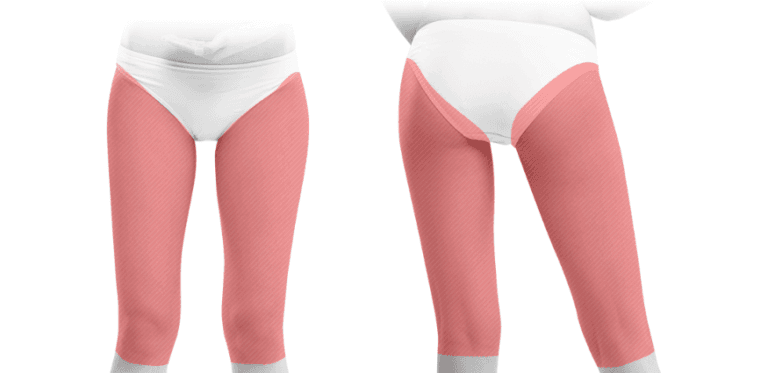
Knee liposuction offers several advantages, from aesthetic improvements to functional and psychological benefits.
-
Aesthetic Enhancement:
The main goal is to remove excess fat around the knees, creating a more contoured and attractive leg shape. It smooths the transition between the thigh and lower leg, addressing fat that doesn’t respond to diet or exercise. -
Potential Functional Improvements:
Removing knee fat can relieve discomfort and improve mobility, especially for those with arthritis or bursitis. Patients often find movement easier and less painful after the procedure. -
Psychological Benefits:
Many patients experience a boost in self-confidence and are more comfortable wearing shorts, skirts, or swimwear. Improved body image can lead to increased physical activity and better emotional well-being.
Procedure Techniques and Innovations
Knee liposuction has evolved with various techniques to optimize results and safety.
-
Common Methods:
- Tumescent liposuction: Involves injecting a saline solution with anesthetics and epinephrine to numb the area and reduce bleeding, followed by fat removal with a cannula.
- Traditional liposuction: Uses a cannula to mechanically break up and remove fat, which may result in more bruising and longer recovery.
- Ultrasound-assisted liposuction (VASER): Uses ultrasound waves to liquefy fat, making removal easier and reducing trauma to tissues.
- Laser-assisted liposuction (SmartLipo): Uses laser energy to melt fat and promote skin tightening.
-
Newer Technologies and Advanced Techniques:
Innovations like Shrink-Wrap Liposuction and SAFELipo focus on smooth contours and skin tightening. Helium Plasma Radiofrequency (Renuvion J Plasma) helps tighten skin, especially for mild to moderate laxity. Some Korean clinics offer specialized methods like the 3-STEP Micro Liposuction Process, which separates and liquefies fat before precise removal, minimizing the need for hospitalization and improving contouring.
What to Expect During the Procedure
Understanding the process can help patients feel prepared.
-
Consultation and Preparation:
The process starts with a consultation to assess health, goals, and knee fat. Pre-op instructions may include stopping certain medications and following dietary guidelines. Clinics often require a 10% deposit to secure the procedure date. -
Anesthesia Options:
Knee liposuction can be done under local anesthesia with sedation or general anesthesia. Local anesthesia is often preferred for less discomfort and quicker recovery. -
Surgical Steps:
- Marking the Area: The surgeon marks the target areas for fat removal.
- Incision Placement: Small incisions (less than half an inch) are made in discreet locations.
- Fat Removal: A cannula is inserted to break up and suction out fat, sculpting the area for a natural look.
- Incision Closure: Incisions are closed with sutures, and compression garments are applied.
-
Procedure Duration:
The procedure usually takes one to two hours, depending on the amount of fat and techniques used.
The Journey to Knee Liposuction in South Korea
South Korea is a global leader in cosmetic surgery, attracting international patients with advanced techniques and comprehensive support.
Initial Consultation and Pre-Operative Preparation
Patients begin with a thorough consultation to assess medical history and goals. Pre-op instructions are provided, and a deposit is required to confirm the procedure date.
The Surgical Process in Korean Clinics
Korean clinics are known for precision and advanced technology.
- Marking and Anesthesia: The surgeon marks the knees and administers anesthesia.
- Fat Removal and Incision Closure: Small incisions are made, fat is removed with a cannula, and incisions are closed with sutures.
- Procedure Duration: The surgery typically takes one to two hours.
Post-Operative Care and Recovery
Proper aftercare is essential for healing and optimal results.
- Immediate Aftercare: Patients are monitored in recovery. Most go home the same day, but an overnight stay may be recommended if combined with other procedures.
- Compression Garments and Elevation: Wearing compression garments for several weeks helps manage swelling and supports healing. Elevating the legs also aids recovery.
- Follow-up and Massage: Regular follow-ups monitor healing, and lymphatic drainage massages may be recommended to reduce swelling.
- Activity Resumption and Timeline: Strenuous activity should be avoided for 4–6 weeks, but light walking is encouraged. Most return to daily activities within 7–10 days, with final results visible in 2–3 months and the ultimate contour settling by six months.
Navigating Language Barriers and International Patient Support
South Korean clinics offer strong support for international patients, including English-speaking staff and patient managers. Many clinics provide virtual consultations and AI-assisted simulations to help patients visualize results before traveling. Recovery accommodations near hospitals make follow-up care convenient and stress-free, enhancing the overall experience for medical tourists.
Which Are the Best Clinics in Korea for Inner Knee Fat?
Listed below are some of the best clinics in Korea for inner knee fat.
1. Lydian Plastic Surgery Clinic
You may consider Lydian Plastic Surgery Clinic for inner-knee fat contouring if you want liposuction planned around your individual proportions, with custom cannulas intended to reach areas including the knees through a limited number of incisions. Its approach combines anatomy-based body design, Quantificare 3D imaging for planning and result visualization, and structured aftercare for swelling, skin elasticity, irregularities, and residual contouring.
- URL: Lydian Plastic Surgery Clinic Website
- Location: Gangnam-gu, Seoul
- Procedure approach:
- Uses more than 30 custom-made liposuction cannula types to match differing body shapes and treatment areas.
- States that knee liposuction can be performed with 1–2 strategically placed incisions; incision placement and suitability depend on your surgical plan.
- Designs fat removal around anatomical factors such as your waist length, pelvic size, chest circumference, proportions, and curves.
- Surgeon:
- Dr. An Kyung Chun is described as having more than two decades of body-sculpting experience.
- The clinic identifies Dr. An as Director of the 5D Liposculpture Academy and a clinical professor, with involvement in physician training for high-definition body sculpting and liposuction devices.
- Planning and aftercare:
- Quantificare 3D imaging is used for detailed pre-surgical design and three-dimensional before-and-after visualization.
- Four stated aftercare priorities are swelling reduction, irregularity correction, skin-elasticity recovery, and residual-fat contouring.
- The clinic also reports having devices for stretch-mark and skin-sagging concerns that may accompany body-contouring treatment.
- Related services: Offers liposuction and 5D liposculpture, as well as tummy tuck, fat grafting, Brazilian butt lift, face lifting, and stem-cell-related treatments.

2. Seojin Plastic Surgery Clinic
You may consider Seojin Plastic Surgery Clinic for inner-knee fat reduction if you value a micro-liposuction process that pairs body-type- and fat-volume-appropriate cannula selection with a final manual syringe refinement step intended to create an even subcutaneous layer and smooth surface. If mild laxity is a concern, the clinic also describes pairing liposuction with Velody2 laser lifting to support skin firmness.
- URL: Seojin Plastic Surgery Clinic Website
- Location: Gangnam-gu, Seoul
- Procedure approach:
- Its three-step process describes preparation that separates fat from surrounding blood vessels, nerves, and tissue and liquefies it before removal.
- Cannula selection is tailored to your body type and fat volume.
- After device-assisted suction, a small syringe is used for manual refinement of the subcutaneous fat layer to support even distribution and shaping.
- Skin-firmness option:
- Velody2 lifting laser may be added when slight sagging is a concern after liposuction.
- The clinic describes this as a complementary approach intended to improve elasticity and skin firmness.
- Surgeon and care model:
- Dr. Lee Hyungmin provides end-to-end care in the clinic's one-doctor model.
- The clinic states that Dr. Lee has more than 16 years of experience and was recognized as one of the 100 Good Doctors in Korea.
- Related services:
- Offers body liposuction and hip-dip fat grafting.
- Other listed services include breast surgery, hair transplantation, scalp micropigmentation, and dermatologic injectables.
3. 365mc Hospital
You can expect a body-contouring-focused program at 365mc Hospital for inner-knee fat, with liposuction performed in a hospital setting, individualized recovery-center care on the day of surgery, and a structured seven-week postoperative program. The clinic also offers LAMS, a local-anesthetic minimally invasive option combining fat extraction and fat-dissolving injections for targeted reduction with little downtime, depending on whether it fits your treatment needs.
- URL: 365mc Hospital Website
- Location: Gangnam-gu, Seoul
- Procedure options:
- Provides liposuction for body areas including the thighs, with contouring intended to retain an essential amount of fat rather than remove fat indiscriminately.
- Uses the M.A.I.L. system, described as a motion-capture- and artificial-intelligence-assisted liposuction system that provides real-time surgical feedback.
- LAMS combines tunneling, fat extraction, fat-dissolving-solution injection, and post-conversion management; the clinic describes it as a non-incisional, local-anesthetic option.
- Recovery support:
- You receive one-to-one intensive care at the dedicated Recovery Center on the day of surgery.
- The stated seven-week postoperative program includes hyperbaric oxygen chamber therapy and personalized dietary consultations.
- Care-team support also includes structured post-treatment guidance aimed at recovery and body-line management.
- Specialization and support:
- 365mc describes itself as focused solely on obesity treatment, body contouring, and fat reduction.
- The clinic reports more than 20 years in the field, 18 clinics, 22 main doctors, and more than 3,000 surgical liposuctions.
- Personalized nutrition counseling and a meal-diary app are available to support longer-term weight-management habits.
Cost Analysis: Knee Liposuction in South Korea vs. Global Destinations
Understanding costs is crucial, especially for medical tourists. South Korea offers a strong value proposition with competitive pricing and high standards.
Cost Breakdown in South Korea
- Typical Price Range:
Knee liposuction in South Korea typically costs $1,500 to $5,000 USD, with an average around $3,093. - Upfront Deposit:
Clinics usually require a 10% deposit to secure the procedure date. - Factors Influencing Cost:
- Surgeon's Expertise: More experienced surgeons may charge higher fees.
- Clinic Location: Clinics in upscale areas like Gangnam may be pricier.
- Specific Techniques Used: Advanced methods like VASER or 3-STEP Micro Liposuction may cost more.
- Additional Services: Packages may include or exclude services like compression garments or post-op care.
- Inclusions and Exclusions:
- Often Included: Compression garments.
- Often Separate/Additional: Overnight stays, extended post-op care, travel, accommodation, local transportation, and meals.
Comparative Costs for Medical Tourists
South Korea’s pricing is competitive compared to other destinations, offering high quality at accessible prices.
Estimated Knee Liposuction Costs by Country (USD)
| Country | Estimated Cost Range (USD) |
|---|---|
| South Korea | $1,500 - $5,200 |
| United States | $2,000 - $6,000 |
| Europe | ~$1,340 - ~$2,950 |
| Thailand | $1,602 - $3,500 |
| Turkey | $1,200 - $4,000 |
Note: Costs vary by clinic, surgeon, technique, and patient needs.
South Korea’s costs are similar to Thailand and Turkey and generally lower than the U.S., making it an attractive option for international patients seeking quality and value.
Patient Experiences and Outcomes
Most patients report high satisfaction with knee liposuction, enjoying benefits beyond just appearance.
Achieving Desired Aesthetic Results
Knee liposuction creates slimmer, more defined knees and a smoother leg contour. The results are permanent as long as a stable weight is maintained.
Impact on Confidence and Quality of Life
Patients often feel more confident and comfortable in their appearance, leading to increased physical activity and improved social interactions. The psychological benefits can be profound, contributing to overall happiness and well-being.
Recovery Experience
Recovery is usually quick, with minimal downtime. Swelling, bruising, and mild discomfort are common but temporary. Rarely, long-term side effects like skin texture changes or numbness may occur, especially with less experienced surgeons.
Realistic Expectations
Knee liposuction is best for those near their ideal weight with stubborn knee fat. It’s not a weight loss solution. Final results appear gradually over several months, and maintaining a healthy lifestyle is key to preserving the outcome.
Conclusion
Inner knee fat is a persistent concern often influenced by genetics and resistant to weight loss. Knee liposuction offers both cosmetic and functional benefits, including improved joint mobility and confidence. South Korea stands out for its advanced techniques, skilled surgeons, and competitive pricing, making it a top choice for international patients. Careful consultation, research, and adherence to post-op care are essential for the best results.
References
1, 2, 3, 4, 5, 6, 7, 8, 9, 10, 11, 12, 13, 14, 15, 16, 17, 18, 19, 20, 21, 22, 23, 24, 25
Frequently Asked Questions
Related Blogs

Global Umbilicoplasty Pricing: How Korea’s Top Clinics Stack Up Against US, Turkey, and Mexico
Discover why Korea is becoming a sought-after destination for affordable belly button surgery, offering cutting-edge techniques and experienced surgeons. Explore the costs, benefits, and considerations involved in undergoing this cosmetic procedure in a country known for its advanced medical services.
Updated: Oct 21, 2026
Global Cost Perspective: Fat Dissolving Laser Treatment Costs in Korea vs. USA, Mexico, Turkey, and Thailand
Discover the cost and benefits of fat dissolving laser treatments in Korea, where cutting-edge technology meets affordability. Explore how this non-invasive procedure can help you achieve your body goals without breaking the bank.
Updated: Oct 21, 2026
A World of Difference: Comparing Body Fat Dissolving Laser Costs in Korea, USA, Mexico, Turkey, and Thailand
Discover the latest insights on the cost of body fat dissolving laser treatments in Korea, known for their advanced technology and competitive pricing. Explore how these innovative procedures provide an effective solution for those seeking to achieve their desired body contour.
Updated: Oct 21, 2026
Discover CoolSculpting Cost: Korea vs USA, Mexico, Turkey, and More – Why Korea Could Be Your Best Choice
Discover the latest insights on the cost of CoolSculpting in Korea, where advanced cosmetic treatments offer competitive prices. Explore factors influencing pricing and why Korea is becoming a popular destination for non-invasive fat reduction procedures.
Updated: Oct 21, 2026
Clinics offering Knee Liposuction

365mc Hospital: Korea's Leading Liposuction and Body Contouring Clinic with Innovative AI Technologies and Comprehensive Patient Care
Gyodae

THEPLUS Plastic Surgery Korea | Eye, Nose, Face & Body Surgery
Sinsa

Lydian Plastic Surgery Clinic in Korea: Superior Cosmetic Procedures by World-Renowned Expert Dr. An Kyung Chun
Apgujeong

Seojin Plastic Surgery Clinic Korea: Pioneering Advanced Cosmetic Procedures for Personalized Aesthetic Transformation
Apgujeong