
Medical Tourism Blog
Korea Penile Implant Procedures for Failed ED Medications: Effective Solutions for Erectile Dysfunction
Table of contents
- Penile Implants: A Definitive Surgical Solution for Erectile Dysfunction
- Best Clinics in Korea for Failed Ed Medications
- The Penile Implant Patient Journey in South Korea: A Medical Tourist's Guide
- Cost Analysis: Penile Implants in South Korea vs. Global Destinations
- Life After Penile Implant: Patient Experiences, Satisfaction, and Long-Term Outcomes
- Conclusions
- References
Considering treatment in Korea? Everything you need to know e.g. — how to avoid scams, visas, interpreters, recovery tips — in our Medical Tourism Master Guide. Plan with confidence in minutes, not weeks!
Erectile dysfunction (ED) affects millions of men worldwide, often disrupting their quality of life and relationships. Although phosphodiesterase-5 inhibitors (PDE5-Is) are commonly prescribed as the first-line treatment, many patients struggle with non-response. For those facing persistent challenges, understanding why medications fail and exploring advanced solutions like penile implants is crucial. Here, we’ll break down the factors behind PDE5-I non-response, the details of penile implants, the patient process in South Korea, overall costs, and how implants can transform lives.
Oral PDE5 inhibitors are typically effective and convenient, but not everyone experiences the desired results. Understanding the nuances of "failed ED medications" is essential for effective management.
Defining "Failed ED Medications" and PDE5 Inhibitor Non-Response
Non-response is described as failing to achieve a satisfactory erection after at least four attempts at the highest tolerated dosage, following exact instructions. This definition ensures single failures are not over-emphasized—true non-response reflects a continued lack of efficacy under optimal conditions. Between 30% and 35% of patients experience unsatisfactory results or dissatisfaction with PDE5 inhibitors, even when used correctly. This sizable group shows the need for a deeper evaluation and alternative treatments.
Comprehensive Analysis of Reasons for PDE5 Inhibitor Failure
PDE5 inhibitor failure is usually multi-factorial:
Inadequate Administration and Lifestyle Factors
More than 40% of patients don’t use PDE5 inhibitors correctly. Common errors include taking the drug too late, not allowing enough time for absorption, inadequate sexual stimulation, or taking the medication with high-fat meals or too much alcohol. While tadalafil is less affected by food and alcohol, response can still be blunted. Effective patient education on administration, timing, and necessary sexual stimulation is often missing, but essential. Lifestyle factors like physical inactivity, smoking, and excess alcohol also play a significant role.
Uncontrolled Comorbidities and Progressive Disease
Many patients have other health conditions—like diabetes, cardiovascular issues, obesity, and depression—that both increase ED risk and hinder medication response. Progressive diseases such as worsening atherosclerosis or uncontrolled diabetes often explain declining medication efficacy over time, while improvements in these comorbidities can enhance PDE5 inhibitor effects.
Severe Erectile Dysfunction and End-Organ Failure
For those with profound ED due to extensive tissue damage or end-organ failure, PDE5 inhibitors may never work. Here, the lack of functional penile smooth muscle tissue limits response, making mechanical interventions such as penile implants necessary.
Psychosocial, Relationship, and Partner-Related Dynamics
Mindset and emotional health play critical roles. Stress, performance anxiety, depression, and fear of side effects can all undermine treatment. Partner dynamics, including their readiness or attitude, are also key. Counseling and sex therapy can address these issues.
Pharmacogenetic and Pharmacogenomic Considerations
Some are genetically predisposed to non-response due to differences in drug metabolism or cellular receptors. While not currently assessed in standard practice, these cases highlight the value of alternative, non-drug-based therapies when all else fails.
Specific Clinical Scenarios
Certain histories—such as post-prostatectomy, diabetes with neuropathy, or peripheral vascular disease—predict lower response rates due to more complex underlying pathology. Here, early consideration of penile implants is often warranted.
The Concept of Tachyphylaxis and Decreased Tissue Responsiveness
Though patients may fear they’ve developed a “tolerance,” a decline in efficacy is more likely due to worsening disease, not true tachyphylaxis. This highlights the need for ongoing management of health issues.
Differentiating Pseudononresponders from Real Nonresponders
"Pseudononresponders" fail PDE5 inhibitors due to modifiable factors—poor instruction, unhealthy habits, comorbidities, or misdiagnosis. Up to 40% of failures fall into this category. "Real nonresponders" continue to have ED despite correcting all these aspects and often require more advanced interventions like penile implants.
Common Synonyms and Popular Culture References for PDE5 Inhibitors
“Viagra” (sildenafil) remains a household name, often used generically for all PDE5 inhibitors, including tadalafil (Cialis), vardenafil (Levitra), and avanafil (Spedra). These terms are important for communication and understanding patient expectations.
Exploring Non-Surgical and Alternative Pathways for Refractory ED
Before surgery, patients can explore a range of alternatives:
Vacuum Erection Devices (VEDs)
VEDs use a vacuum tube and constriction ring for non-pharmacological erections. They’re effective but may limit spontaneity and cause some discomfort.
Penile Injection Therapy
Self-injection of medications like alprostadil, papaverine, or phentolamine works for many but carries risks of priapism and local tissue effects.
Intraurethral Suppositories (MUSE)
A small pellet of alprostadil is placed in the urethra—less invasive than injection, but similar in action.
Hormonal Therapy
Testosterone replacement is considered if low testosterone is contributing to ED, either alone or in combination with other treatments.
Psychological Counseling and Sex Therapy
Counseling is crucial when mental or relational health impacts sexual function.
Lifestyle Modifications
Quitting smoking, losing weight, increasing exercise, and adopting a healthier diet can all enhance medication response.
Emerging Therapies
New approaches like low-intensity shockwave therapy and regenerative medicine are under investigation.
Table 1: Common Causes of PDE5 Inhibitor Non-Response and Corrective Actions
| Category | Specific Causes | Corrective Actions / Considerations |
|---|---|---|
| Inadequate Administration | Incorrect timing, high-fat meals, insufficient stimulation | Education on timing, stimulation, and drug use |
| Lifestyle Factors | Sedentarism, smoking, excess alcohol, obesity | Exercise, diet, quitting smoking, reduce alcohol |
| Uncontrolled Comorbidities | Diabetes (w/neuropathy), hypertension, CVD, dyslipidemia | Tight control and management |
| Psychosocial Issues | Emotional distress, partner resistance, relationship issues | Counseling, sex therapy |
| Severe ED / End-Organ Failure | Structural loss in penile tissue | Move to mechanical/surgical options such as penile implants |
| Pharmacogenetic Factors | Genetic drug metabolism issues | Consider non-pharmacological alternatives |
| Specific Clinical Scenarios | Post-prostatectomy, diabetes neuropathy, vascular disease | Early consideration of advanced treatments |
| Misdiagnosis | Mixed-up desire or ejaculation disorders | Re-evaluate diagnosis |
| Tachyphylaxis | Apparent tolerance | Manage underlying cause, not true drug tolerance |
Penile Implants: A Definitive Surgical Solution for Erectile Dysfunction
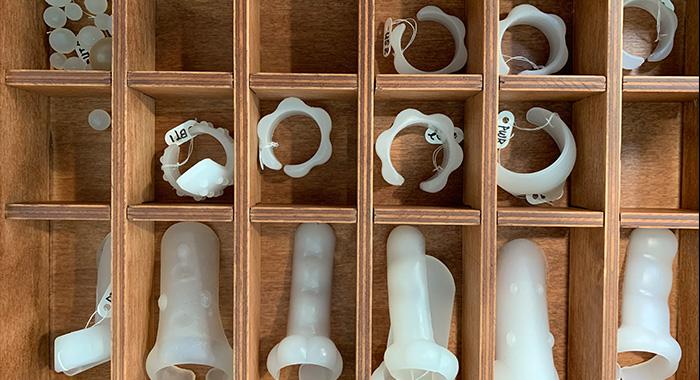
When less invasive treatments aren’t effective or desired, penile implants provide a highly effective, permanent solution.
Introduction to Penile Implants: Types, Design, and Functionality
Penile implants are surgically inserted devices that restore erectile capacity.
Inflatable Penile Implants
The three-piece system includes two cylinders in the penis, a pump in the scrotum, and a saline reservoir in the abdomen. Squeezing the pump creates a natural-feeling erection. The two-piece version omits the separate reservoir, making it simpler but sometimes less rigid.
Semi-Rigid (Malleable) Penile Implants
Malleable implants are flexible rods that keep the penis permanently firm but bendable for concealment. Simple, durable, and preferred for those with limited dexterity, they lack the ability to go flaccid.
Leading Manufacturers and Advanced Device Features
AMS (Boston Scientific) and Coloplast dominate the market. Notable models include the AMS 700, Coloplast Titan, and AMS Spectra. Innovations like antibiotic coatings, such as InhibiZone™ and hydrophilic surfaces, minimize infection risks and device failure.
Table 2: Comparison of Penile Implant Types
| Feature | Malleable (Semi-Rigid) | Inflatable (Three-Piece) |
|---|---|---|
| Mechanism | Two bendable rods | Cylinders, pump, reservoir |
| Rigidity | Always rigid, foldable | Flaccid/rigid as desired |
| Concealment | Can be bent down, but less discreet | Very natural in flaccid state |
| Dexterity Needed | Minimal | Requires hand strength |
| Surgical Complexity | Simpler | More complex |
| Failure Risk | Very low | Slightly higher, but durable |
| Cost | Lower | Higher |
| Satisfaction | High | Highest, most natural |
| Length/Feel | Life-like, but doesn’t increase length | Life-like, some models offer slight length extension |
Candidacy for Penile Implant Surgery
Penile implants are suitable for those unresponsive to medication or dissatisfied with side effects, or those with severe organic ED (e.g., diabetes, post-prostatectomy). Age is not a limiting factor—any adult desiring restored function may be eligible.
The Penile Implant Surgical Procedure
The procedure involves:
- Pre-op assessment: Screening for infections and optimizing health conditions.
- Anesthesia and surgical approach: Most often performed under general anesthesia; surgeons use various incisions based on preference and anatomy.
- Implantation: The device is custom-fitted and placed, with attention to minimizing scarring.
- Immediate post-op care: Includes antibiotics, pain control, wound monitoring, and often an overnight hospital stay.
Potential Risks, Complications, and Long-Term Management
- Infection: Rare (1-2%) with modern devices, but may require implant removal if it occurs.
- Mechanical failure: Present but rare—e.g., AMS 700 has a 7-year survival rate of over 94%.
- Sizing and aesthetics: Implants maintain or restore current penile length; they do not increase it.
- Sensation: Rarely affected; the surgery is irreversible, with no return to natural erection post-implant.
Best Clinics in Korea for Failed Ed Medications
Listed below are the best clinics in Korea for failed ed medications:
| Clinic Name | Key Features | Special Techniques |
|---|---|---|
| Stantop Urology & Andrology | Specialized next-step ED care for men after failed medications; privacy-focused with separate consultation and treatment rooms for men and women; VIP personalized care; KBS recognition; over 100,000 patient consultations and over 40,000 surgeries; full range of men’s health services including premature ejaculation treatment, penile enlargement and lengthening, STD check-ups, circumcision, vasectomy, vaseline removal, and prostate care including BPH, prostatitis, and one-day prostate check-ups. | Shockwave therapy to improve blood flow; stem cell therapy to support erectile tissue recovery; penile implant surgery with inflatable and malleable implant options. |
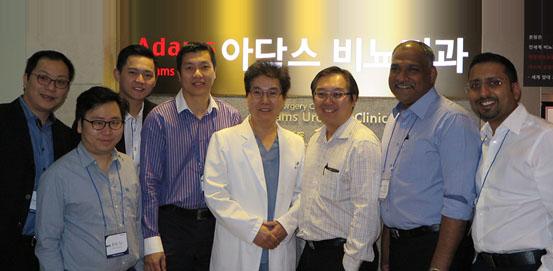
| Adams Urology | For men in Korea who do not respond well to erectile dysfunction medications, Adams Urology focuses on advanced urological treatment and offers options for persistent ED, including penile implant surgery with an inflatable penile prosthesis; glans penis augmentation; manages prostate conditions with benign prostatic hyperplasia and prostate cancer surgeries, including minimally invasive laser techniques; consultations, individualized treatment planning, and post-operative care for safety and long-term satisfaction. | Penile implant surgery with inflatable penile prosthesis; glans penis augmentation; minimally invasive laser techniques for BPH and prostate cancer. |
| Superman Urology Clinic | Patient-centered urology clinic known for combining expert care with state-of-the-art technology across a full range of men’s health, urinary, kidney, bladder, and prostate services; for failed ED medications, offers a comprehensive approach including evaluation and erectile dysfunction treatment options such as penile injections, vacuum erection devices, penile implants, and testosterone replacement therapy when low testosterone symptoms are involved. | Penile injections; vacuum erection devices; penile implants; testosterone replacement therapy; advanced diagnostic services including ultrasound. |
Stantop Urology & Andrology
For men in Korea who have not achieved satisfactory results with ED medications, StanTop Urology & Andrology Clinic offers a specialized next-step approach focused on accurate evaluation, privacy, and advanced treatment options. Dedicated to improving quality of life for both domestic and international patients, the clinic provides separate consultation and treatment rooms for men and women to ensure comfort and confidentiality. In cases of failed ED medication, StanTop offers comprehensive solutions including shockwave therapy to improve blood flow, stem cell therapy to support erectile tissue recovery, and penile implant surgery with both inflatable and malleable implant options for men seeking a more reliable and long-term result.
StanTop Urology & Andrology Clinic is also widely recognized for its depth of experience, with KBS recognition, more than 100,000 patient consultations, and over 40,000 surgeries performed. Beyond erectile dysfunction care, the clinic provides a full range of men’s health services such as treatment for premature ejaculation, penile enlargement and lengthening, STD check-ups, circumcision, vasectomy, vaseline removal, and prostate care including BPH, prostatitis, and one-day prostate check-ups. For patients seeking a higher level of comfort and discretion, VIP personalized care is also available, making StanTop a trusted choice for failed ED medication treatment in Korea.
You can check out their website here: Stantop Urology & Andrology Website
Adams Urology
For men in Korea who do not respond well to erectile dysfunction medications, Adams Urology in Samsung can be a practical next step for specialized care. The clinic focuses on advanced urological treatment and offers options for patients with persistent ED, including penile implant surgery with an inflatable penile prosthesis. This procedure is designed to help men achieve a reliable erection when tablets and other conservative treatments are no longer effective. Adams Urology also provides glans penis augmentation for patients seeking additional aesthetic or functional improvement as part of their sexual health care.
Beyond sexual health treatment, Adams Urology also manages important prostate conditions through a range of prostate surgeries for benign prostatic hyperplasia and prostate cancer, using methods that may include minimally invasive laser techniques. With consultations, individualized treatment planning, and post-operative care, the clinic aims to support both safety and long-term patient satisfaction, making it a notable option for men seeking failed ED medication treatment in Korea.
Find more about this clinic here: Adams Urology Website
Superman Urology Clinic
Superman Urology Clinic in Gyodae is a patient-centered urology clinic known for combining expert care with state-of-the-art technology across a full range of men’s health, urinary, kidney, bladder, and prostate services. For patients with failed ED medications, the clinic stands out as a top choice because it does not stop at basic prescriptions, but offers a comprehensive approach that can include detailed evaluation, erectile dysfunction treatment options such as penile injections, vacuum erection devices, and penile implants, as well as testosterone replacement therapy when low testosterone symptoms are involved. With strong diagnostic capabilities, broad treatment experience, and advanced procedural care, Superman Urology Clinic is well positioned to help men who need more than first-line ED pills.
• Comprehensive erectile dysfunction care beyond oral medications, including penile injections, vacuum erection devices, and penile implants
• Testosterone replacement therapy for men with symptoms of low testosterone such as fatigue, depression, and reduced libido
• Advanced diagnostic services, including ultrasound and other urological evaluations, to help identify underlying causes rather than relying on repeat medication trials alone
• Expertise in men’s health supported by a wider urology practice, allowing more complete assessment of related prostate, bladder, and urinary issues
• State-of-the-art technology and expert care designed to improve accuracy, comfort, and treatment outcomes
• Patient-centered approach that focuses on individualized care for men who have not responded well to standard ED medication
• Full-service urology clinic in Gyodae, making it a strong option for patients who may need both diagnosis and long-term treatment in one place
Find more about this clinic here: Superman Urology Clinic Website
The Penile Implant Patient Journey in South Korea: A Medical Tourist's Guide
South Korea is gaining global attention for penile implant surgery thanks to top-tier care and cost advantages.
South Korea as a Premier Destination
South Korean clinics, such as Stand Up Urology in Seoul, are recognized for their expertise and exceptional patient outcomes. The country boasts Centers of Excellence, advanced technology, and rigorous infection protocols.
Step-by-Step Process for International Patients
- Remote Consultation: Patients’ histories and suitability are assessed by specialists, often remotely.
- Pre-procedure Preparation: Medical instructions, deposit payment (about 10%), and travel arrangements are handled well in advance.
- Arrival and Admission: Patients undergo final checks for infections and submit necessary documents.
- Surgery: Performed efficiently, often with an overnight stay included.
- Post-op Recovery: Comprehensive care includes pain management and antibiotics; patients receive detailed aftercare instructions.
- Follow-up Care: Patients monitor healing, attend checkups, and are guided through device practice.
Practical Considerations for Medical Tourists
- Language Support: Interpreter services or English-speaking staff are often available.
- Accommodation and Transportation: Budget hostels to luxury hotels ($50–$200+ per night); Seoul's public transit is efficient and affordable.
- Financial Planning: Plan for a 10% deposit, clear payment options, and inclusive post-op care.
Cost Analysis: Penile Implants in South Korea vs. Global Destinations
Understanding costs helps patients make empowered choices.
Detailed Cost Breakdown in South Korea
- Malleable implants: $5,000–$10,000
- Inflatable implants: $10,000–$20,000 (three-piece: up to $19,800)
- Silicone implants: $7,000–$15,000 Hospital fees, surgeon’s fees, medications, and follow-up are often bundled.
Comparative Costs by Country
| Country | Malleable | Inflatable (3-piece) | Silicone (General) | Notes |
|---|---|---|---|---|
| South Korea | $5,000–$10,000 | $10,000–$20,000 | $7,000–$15,000 | High quality, often all-inclusive |
| USA | $16,000–$19,000 | $30,000–$35,000 | $13,000–$19,000 | Very high, varies by insurance |
| Mexico | $3,000–$4,500 | N/A | $5,400–$20,000 | Very competitive, accreditation varies |
| Turkey | $8,000–$9,000 | $14,000–$16,000 | $4,500–$8,000 | All-inclusive options, check quality |
| Thailand | $8,000–$10,000 | $13,000–$17,000 | $5,500–$11,500 | Affordable, quality varies |
| UK, Poland, India, UAE | See full guide | Competitive to high; varies by region |
South Korea offers mid-to-high range pricing but delivers top quality and inclusions, compared to higher US costs and variable standards elsewhere.
Additional Medical Tourism Expenses
- Flights: $600–$1,200+ (from US/Europe)
- Accommodation: $50–$200+ per night
- Transportation: Metro ($1–$2/ride), Taxis ($3+ per trip)
- Daily Living: $20–$30 (meals, essentials)
- Travel Insurance & Visa: 4–10% of trip cost (insurance); visa fees vary
Factoring these costs allows for a realistic budget and stress-free experience.
Value Proposition
South Korea excels by offering competitive costs, high-quality care, specialized centers, and comprehensive patient packages. This combination delivers both savings and peace of mind.
Life After Penile Implant: Patient Experiences, Satisfaction, and Long-Term Outcomes
Penile implants deliver consistent, on-demand erections and renew confidence for patients and partners.
Restoration of Erectile Function and Confidence
Men regain the ability to achieve spontaneous erections—typically in under a minute—restoring sexual spontaneity. For most, the experience closely resembles a natural erection.
High Patient and Partner Satisfaction
Studies report 75–98% satisfaction rates, with partner satisfaction at 85% or higher. These findings hold true across causes of ED, including psychogenic cases.
Enhanced Quality of Life
Beyond the physical changes, implants consistently boost confidence, self-esteem, and relationship satisfaction. Many patients report major improvements in intimacy and overall wellbeing.
Addressing Misconceptions
Modern implants are durable (7-year survival: 94.1% for AMS 700), infection rates are low (around 1% with antibiotic coatings), sensation and orgasm are usually unaffected, and implants do not themselves shorten the penis. However, the surgery is permanent and irreversible.
Conclusions
Non-response to PDE5 inhibitors is a complex but frequently correctable issue. For those who remain non-responsive, penile implants represent a transformative, effective surgical therapy. South Korea stands out for high-quality, cost-effective care, especially for international patients. Penile implants offer reliable restoration of erectile function and deliver high satisfaction, improving both sexual and psychosocial wellbeing for patients and their partners.
References
1, 2, 3, 4, 5, 6, 7, 8, 9, 10, 11, 12, 13, 14, 15, 16, 17, 18, 19, 20, 21, 22, 23, 24, 25, 26, 27, 28, 29, 30, 31, 32
Frequently Asked Questions
Related Blogs
Korea vs. Global: Unveiling the Financial Landscape of the UroLift Procedure
Discover the pricing details of UroLift procedures in Korea, including factors affecting costs and potential insurance coverage options. Learn about the benefits of choosing Korea for your UroLift treatment and how it compares to other countries.
Updated: Oct 21, 2026
Priced for Precision: Penis Filler Costs in Korea vs. Global Averages in the USA, Turkey, and Beyond
Discover the latest trends in cosmetic enhancements with a deep dive into the cost of penis fillers in Korea. Explore factors influencing prices, popular clinics, and what to expect from this increasingly sought-after procedure.
Updated: Oct 21, 2026
Price Insight: Pubic Fat Pad Removal Costs in Korea vs. Global Averages—Who Offers the Best Value?
Discover the cost-effective solutions for pubic fat pad removal in Korea, where advanced medical technology meets affordability. Explore how this popular procedure can enhance your confidence and well-being without breaking the bank.
Updated: Oct 21, 2026
Understanding Cost Disparities: Erectile Dysfunction Treatment in Korea vs. Global Destinations
Explore the financial impact of erectile dysfunction in Korea, delving into treatment expenses and their economic burden on individuals and the healthcare system. Discover how societal perceptions and healthcare policies influence the overall cost and accessibility of ED treatments in the Korean context.
Updated: Oct 20, 2026
Clinics offering Penile Implant
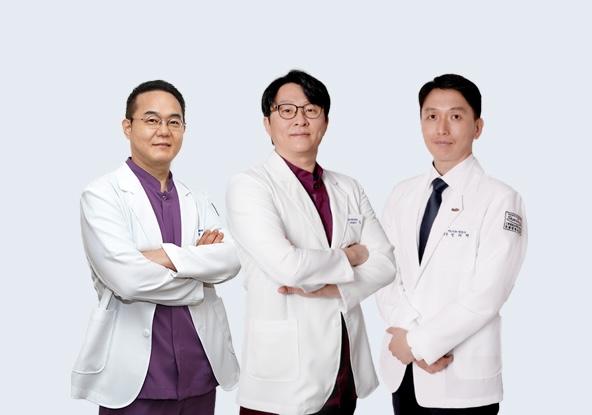
StanTop Urology & Andrology: Korea's Premier Clinic for Advanced Urological and Andrological Treatments
Sinnonhyeon Station
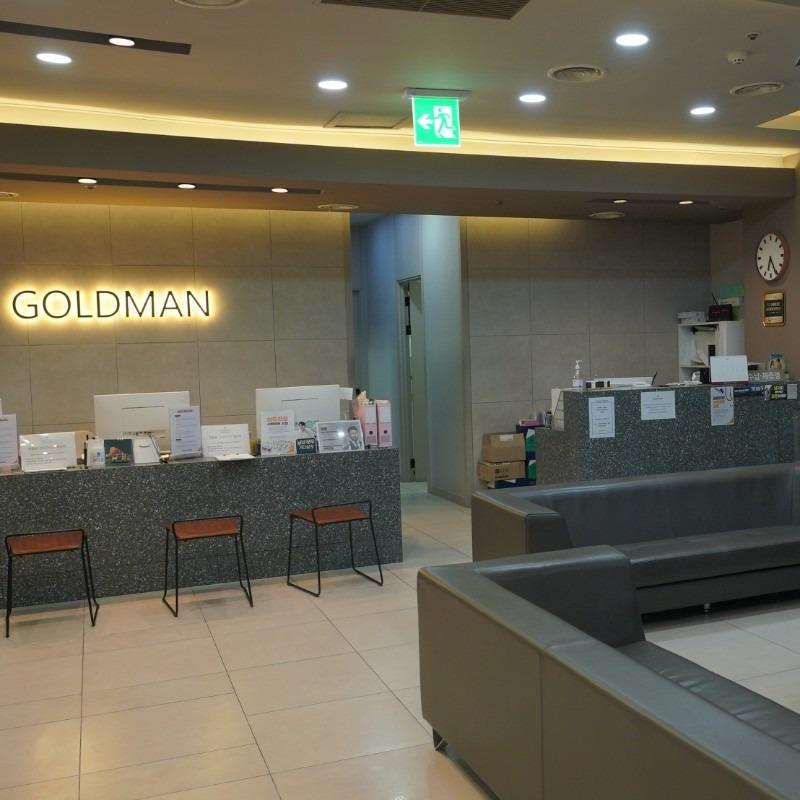
GoldMan Urology Clinic - Incheon, Korea: Expert Urological Treatments, Penile Augmentation & Laser Circumcision Services
Incheon
Adams Urology Korea: Advanced Urological Care and Procedures in Samsung for Prostate and Sexual Health
Samsung

GoldMan Urology Clinic - Gangnam, Korea: Pioneering Advanced Urological Procedures for Optimal Patient Satisfaction
Yangjae