
Medical Tourism Blog
Effective Mini Liposuction for Upper Thigh Fat Pads Removal in Korea: Your Proven Solution
Table of contents
- Mini Liposuction: A Detailed Medical Procedure
- Navigating Mini Liposuction in South Korea: A Step-by-Step Guide for Medical Tourists
- Which Are the Best Clinics in Korea for Upper Thigh Fat Pads?
- Cost Analysis: Mini Liposuction in South Korea vs. Global Destinations
- Patient Experiences and Outcomes: Addressing Upper Thigh Fat Pads with Mini Liposuction
- Conclusion
- References
Considering treatment in Korea? Everything you need to know e.g. — how to avoid scams, visas, interpreters, recovery tips — in our Medical Tourism Master Guide. Plan with confidence in minutes, not weeks!
If you’re searching for answers about “upper thigh fat pads” or “localized upper inner thigh fat,” it’s important to know these could be signs of a medical condition called Lipoedema. Lipoedema is a chronic disorder, often misunderstood and misdiagnosed, that mainly affects women. It causes an abnormal buildup of painful fat and connective tissue, usually in the lower body. Unlike regular weight gain, Lipoedema fat is distributed unevenly, making the lower body appear much larger than the upper body. The affected areas often feel spongy, cool, and look dimpled. One of the main things that sets Lipoedema apart from general obesity is that it doesn’t respond to diet or exercise—so losing weight doesn’t significantly reduce fat in these areas.
Common Pseudonyms and Misconceptions
Lipoedema goes by several names, including “lipoedema” (alternative spelling), “lipalgia” (meaning “painful fat”), “painful fat syndrome,” and “fatty deposition syndrome.” These different names highlight how often the condition is confused with obesity, cellulite, or lymphedema. Despite affecting millions of women worldwide, Lipoedema is still “little known and generally misdiagnosed.” Many patients are told to just diet and exercise more, which doesn’t help with Lipoedema fat. This lack of awareness often leads to delayed diagnosis, worsening symptoms, and a greater emotional burden. Accurate information and patient education are crucial for getting the right diagnosis and care.
It’s also important to distinguish Lipoedema from lymphedema. Lipoedema is a fat-based disorder, while lymphedema is fluid-based. Lipoedema usually appears symmetrically on both sides, doesn’t cause pitting edema, and typically spares the feet—unlike lymphedema, which often includes the feet and causes pitting.
Causes, Triggers, and Impact on Quality of Life
The exact causes of Lipoedema aren’t fully understood, but it’s strongly linked to hormonal changes in women. It often starts or worsens during puberty, pregnancy, perimenopause, menopause, or after trauma or gynecological surgery. Genetics also play a role, as it often runs in families.
Lipoedema isn’t just about appearance—it’s a complex health issue that can cause chronic pain, tenderness, easy bruising, and sometimes fluid retention. These symptoms can limit mobility, making walking or exercising difficult. The pain and inability to lose fat through normal means can lead to frustration, low self-esteem, anxiety, and depression. Many patients struggle with clothing due to the size difference between their upper and lower bodies. Lipoedema is progressive, so symptoms can get worse over time, especially if obesity isn’t managed, potentially leading to lipo-lymphedema. Treating Lipoedema, even with mini liposuction, is about more than aesthetics—it’s about reducing pain, improving movement, and boosting mental well-being.
Mini Liposuction: A Detailed Medical Procedure
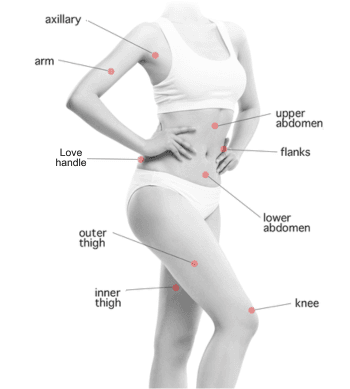
For those looking to target stubborn fat deposits like upper inner thigh fat, mini liposuction offers a focused and less invasive solution. Knowing the details of this procedure can help you decide if it’s right for your body contouring goals.
What is Mini Liposuction?
Mini liposuction—also called “mini lipo” or “small-volume liposuction”—is a cosmetic procedure designed to precisely remove small, stubborn fat pockets that don’t respond to diet or exercise. Unlike traditional liposuction, which removes larger amounts of fat, mini liposuction is about subtle contouring and refining specific areas. It’s ideal for those who want a more sculpted look in targeted spots rather than dramatic fat removal.
How Mini Liposuction Differs from Traditional Liposuction
Mini liposuction is different from traditional liposuction in several ways:
- Target Area and Volume: Mini liposuction is for small, localized fat deposits (like the chin, neck, knees, armpits, or inner thighs), removing less fat than traditional liposuction, which targets larger areas.
- Invasiveness: It’s less invasive, using smaller instruments and thin cannulas (0.9 to 2.5 mm) through tiny incisions (1–3 mm). This means less tissue trauma and minimal scarring, which fades over time. Traditional liposuction uses larger incisions and causes more tissue disruption.
- Anesthesia: Mini liposuction is usually done under local anesthesia with sedation, so patients are awake but comfortable. This is safer than the general anesthesia often used in traditional liposuction.
- Recovery: Recovery is quicker, with less pain, swelling, and bruising. Many people can return to light activities or work the next day.
The less invasive nature of mini liposuction makes it appealing, especially for those wary of surgery. Faster recovery and less discomfort mean less disruption to daily life, which is a big plus for medical tourists who need to consider travel and recovery logistics.
Ideal Candidates and Expected Results
Mini liposuction is best for people close to their ideal weight (within 30%) but who have stubborn fat pockets that won’t go away with diet or exercise. Good skin elasticity is important for smooth results. Candidates should have realistic expectations and a positive outlook.
Mini liposuction is not a weight loss solution—it’s for “subtle contouring” of “small pockets of stubborn fat.” For those with Lipoedema, mini liposuction is especially relevant, as it targets the “localized upper inner thigh fat” typical of the condition. This makes it a precise treatment for a specific medical issue, not just a cosmetic fix.
Results are generally permanent since the removed fat cells don’t return. However, maintaining a stable weight is key, as weight gain can enlarge remaining fat cells elsewhere. Noticeable improvements usually appear within 4 to 6 weeks, with final results visible in 6 to 12 weeks.
Navigating Mini Liposuction in South Korea: A Step-by-Step Guide for Medical Tourists
South Korea is a top destination for cosmetic procedures like mini liposuction, drawing many international patients. Understanding the process—from consultation to recovery—can help ensure a smooth experience.
Initial Consultation and Preparation
Start by choosing the right clinic. Look for global accreditations, board-certified surgeons with international training, and references from past international patients. Many clinics offer virtual consultations and use AI-assisted simulations or 3D imaging to help you visualize results. Make sure the clinic follows strict safety and accreditation standards.
Communication is key. Leading clinics have international patient managers and interpreters to help with language barriers and ensure clear communication throughout your care.
Before surgery, you’ll have a medical evaluation to confirm you’re a good candidate. Pre-op instructions may include:
- Stop smoking at least 7 days before surgery.
- Avoid blood-thinning medications for a week before surgery.
- Don’t drink alcohol for at least 3 days before surgery.
- Dissolve any fillers in the area at least 3 days before, if needed.
- Continue prescription meds for chronic conditions unless told otherwise.
- Shower thoroughly on surgery day.
- Wear loose, button-up clothes, a hat, and sunglasses for comfort and privacy.
Following these instructions is crucial for a safe and successful outcome, especially for medical tourists far from home.
The Mini Liposuction Procedure in South Korea
Mini liposuction starts with local anesthesia to numb the area. A tumescent solution (saline, lidocaine, and epinephrine) is injected to numb tissue, reduce bleeding, and make fat removal easier.
Tiny incisions (1–3 mm) are made, and a thin cannula (0.9–2.5 mm) is used to loosen and suction out fat. Many Korean clinics use a “3-STEP Micro Liposuction Process”:
- Safe Preparation: Fat is separated from blood vessels and tissues, then liquefied for gentle removal.
- Precise Liposuction: A cannula tailored to your body and fat volume is used for targeted extraction.
- Manual Refinement: Manual shaping with a small syringe ensures even fat distribution and a smooth skin surface.
The procedure usually takes 30 minutes to 2 hours. Sutures are often unnecessary due to the small incisions. Sometimes, removed fat can be purified and transferred to other areas for added volume.
Post-Procedure Care and Recovery Timeline
Most patients go home the same day. Expect some swelling, bruising, and tenderness, which are usually mild and manageable with pain medication.
Wearing compression garments is essential to reduce swelling and help the skin adjust. Nurses will explain how to use them, as they can be tricky to put on at first.
Light activity is encouraged soon after surgery to promote circulation. Avoid strenuous exercise for a few weeks, with most people returning to normal workouts around week 6. Regular follow-ups are important to monitor healing.
You’ll see noticeable improvements in 4 to 6 weeks, with final results in 6 to 12 weeks.
Essential Tips for International Patients
South Korea’s medical tourism system is highly developed, offering advanced technology, expert surgeons, and comprehensive patient support. For a smooth experience, consider:
- Accommodation: Stay near the clinic for easy access to follow-ups.
- Extended Stay: Plan to stay in Korea for 1–2 weeks after surgery for proper recovery and follow-up.
- Timing: Avoid major Korean holidays and peak seasons for more personalized care.
- Travel Documents: Check visa requirements and ensure your passport is valid for at least six months after your return date.
- Support: Bring a companion if possible for help during recovery.
Which Are the Best Clinics in Korea for Upper Thigh Fat Pads?
Listed below are some of the best clinics in Korea for upper thigh fat pads.
1. Lydian Plastic Surgery Clinic
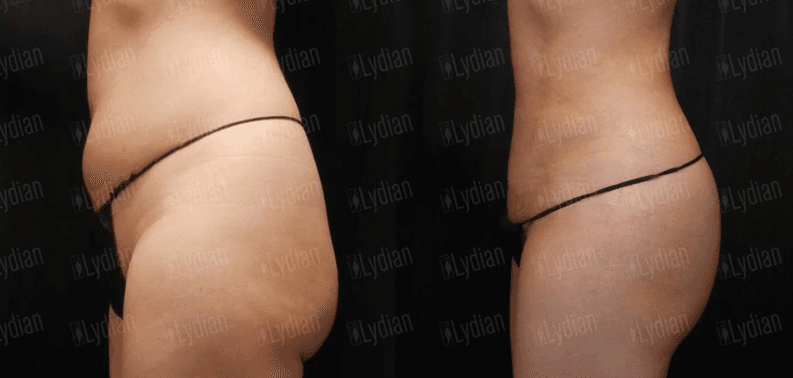
For upper-thigh fat pads, Lydian Plastic Surgery Clinic offers anatomy-based liposuction planning that considers your proportions and curves, using a selection of more than 30 custom cannulas to tailor fat removal across the thigh and knee area. The clinic describes completing full thigh contouring through one to two strategically placed, inconspicuous incisions when appropriate, with structured postoperative contour care.
- URL: Lydian Plastic Surgery Clinic Website
- Location: Gangnam-gu, Seoul
- Procedure approach:
- Uses more than 30 specially designed liposuction cannulas selected for differing body shapes and treatment areas.
- Plans contouring around individual anatomy, including pelvic size, waist length, and overall proportions rather than using a uniform fat-removal pattern.
- States that custom cannulas can allow thigh and knee liposuction through one to two incisions in appropriate cases.
- Imaging and aftercare:
- Uses Quantificare 3D imaging for pre-procedure design and before-and-after assessment.
- Aftercare addresses swelling reduction, irregularity correction, skin-elasticity recovery, and residual-fat contouring.
- Has equipment intended to address stretch marks and skin laxity alongside liposuction.
- Surgeon background:
- Dr. An is described as Director of the 5D Liposculpture Academy and as providing physician training in high-definition body sculpting and liposuction devices.
- The clinic states that Dr. An has more than two decades of body-sculpting experience.
- Related body-contouring services: Offers liposuction and 5D liposculpture, as well as fat grafting and Brazilian butt lift procedures.
2. Seojin Plastic Surgery Clinic
For upper-thigh fat pads, Seojin Plastic Surgery Clinic uses a three-step micro-liposuction process: preparing and separating fat from surrounding structures, selecting a cannula for your fat volume and body type, then manually refining the subcutaneous layer with a small syringe for smoother contouring. If mild laxity is a concern, the clinic also offers Velody2 laser-assisted lifting as an adjunct intended to improve firmness.
- URL: Seojin Plastic Surgery Clinic Website
- Location: Gangnam-gu, Seoul
- Procedure approach:
- The preparation stage is described as separating fat from blood vessels, nerves, and tissues and liquefying it for removal.
- Cannula selection is tailored to your body type and fat volume.
- Manual syringe refinement follows device suctioning to even the fat layer and shape the surface.
- Skin-firmness option: Velody2 lifting laser may be added when mild sagging is present after liposuction, with the aim of supporting skin elasticity and firmness.
- Surgeon continuity:
- As a one-doctor clinic, Dr. Lee Hyungmin is described as providing end-to-end care.
- The clinic states that Dr. Lee has more than 16 years of experience and was recognized among Korea’s 100 Good Doctors.
- Related contouring service: Offers liposuction and hip-dip fat grafting.
3. THEPLUS Plastic Surgery
For upper-thigh fat pads, THEPLUS Plastic Surgery offers liposuction for localized fat deposits, with the stated goal of slimming and shaping a specific body area rather than producing overall weight loss. You can expect this service within a broader surgical practice that also provides breast, facial-contouring, eye, and nose procedures.
- URL: THEPLUS Plastic Surgery Website
- Location: Gangnam-gu, Seoul
- Procedure focus: Liposuction is offered for localized fat removal and body contour improvement rather than as a weight-loss treatment.
- Related services: The clinic also offers breast surgery, facial contouring, facelift and thread-lift procedures, eye surgery, rhinoplasty, facial fat grafting, and stem-cell treatment.
Cost Analysis: Mini Liposuction in South Korea vs. Global Destinations
Understanding the costs of mini liposuction is crucial, especially for medical tourists. South Korea offers high-quality care at competitive prices.
Understanding Mini Liposuction Costs in South Korea
Mini liposuction in South Korea typically costs $1,300 to $5,000 USD. “Micro-liposuction” is usually $2,500 to $4,000 USD. For thigh procedures, prices range from 4,000,000 KRW to 9,000,000 KRW (about $3,000 to $6,700 USD), depending on the area and technique.
The total cost often includes:
- Consultation fees
- Surgical fees
- Anesthesia fees
- Facility fees
- Pre-op tests
- Compression garments
- Post-op care
- Medication
Factors affecting cost include procedure complexity, clinic location and reputation, surgeon’s expertise, number of areas treated, and extra services like translation or concierge support.
Cost Comparison: South Korea vs. USA, UK, and Australia
South Korea is generally more affordable than many Western countries, thanks to lower operating costs and strong competition among clinics.
| Country | Estimated Average Cost (USD) | Notes |
|---|---|---|
| South Korea | $5,500 | Often all-inclusive of anesthesia, facility, and post-op care |
| USA | $3,600 | Usually excludes anesthesia, operating room, and facility fees |
| UK | $7,000 | Usually excludes anesthesia, operating room, and facility fees |
| Australia | $4,500 | Usually excludes anesthesia, operating room, and facility fees |
While the base price may seem lower in the US or Australia, Korean clinics often include everything in the quoted price, making the total cost more predictable and often lower overall.
Even less invasive treatments like fat dissolving injections are cheaper in Korea ($200–$500 USD) compared to the USA ($600–$1,200 USD).
Don’t forget to budget for travel, accommodation ($1,000–$2,500 USD or more), visa costs, and travel insurance.
Patient Experiences and Outcomes: Addressing Upper Thigh Fat Pads with Mini Liposuction
For those with upper thigh fat pads due to Lipoedema, mini liposuction can make a real difference, both physically and emotionally.
Effectiveness of Liposuction for Lipoedema Patients
Liposuction is widely recognized as a “safe and effective alternative” and is often called the “gold standard treatment” for Lipoedema. It removes the abnormal fat, with studies showing “low complication rates” and significant “improvement in patient-reported outcomes.” For example, adding liposuction to medial thighplasty has been shown to cut complication rates nearly in half.
While there’s no “cure” for Lipoedema, liposuction offers “long-lasting relief” and can improve quality of life for many years.
Improvements in Quality of Life and Mobility
The benefits go beyond aesthetics:
- Pain Reduction: Removing painful fat reduces chronic pain and tenderness.
- Improved Mobility: Less bulk means easier movement and more physical activity.
- Restored Body Shape: A more balanced body shape makes clothing and daily life easier.
- Enhanced Self-Esteem and Mental Health: Physical improvements often lead to better self-esteem, less anxiety, and a more active social life.
Mini liposuction is more than a cosmetic fix—it’s a therapeutic intervention that can transform both physical and emotional well-being.
Patient Testimonials and Success Rates
Studies show that over 90% of Lipoedema patients are moderately or very satisfied with their liposuction results, with only about 7% seeing no benefit. Patients often describe their results as “better than expected,” with manageable pain and long-lasting improvements—sometimes for over a decade.
Important Considerations and Limitations
- Not a Cure: Liposuction manages symptoms and appearance but doesn’t cure Lipoedema.
- Stage of Disease: Early intervention yields the best results. Advanced stages may require multiple surgeries and may not achieve dramatic aesthetic changes.
- Surgeon Expertise: Choose a surgeon experienced in both Lipoedema and liposuction.
- Maintenance: Stable weight is important to preserve results.
- Recovery Expectations: Expect some swelling, bruising, and discomfort for several weeks, even with mini liposuction.
Conclusion
Upper thigh fat pads are often linked to Lipoedema, a chronic and underdiagnosed condition that affects both physical and mental health. Mini liposuction offers a minimally invasive, targeted solution for managing Lipoedema, especially when performed early. South Korea stands out for its advanced care, skilled surgeons, and transparent pricing, making it a top choice for international patients. For those struggling with Lipoedema, early diagnosis and expert intervention can lead to lasting improvements in comfort, mobility, and quality of life.
References
1, 2, 3, 4, 5, 6, 7, 8, 9, 10, 11, 12, 13, 14, 15, 16, 17, 18, 19, 20
Frequently Asked Questions
Related Blogs
partial abdominoplasty desire in Korea | Best Clinics, Costs, Procedure Types & More
{"@context":"https://schema.org","@type":"FAQPage","mainEntity":[{"@type":"Question","name":"Mini Abdominoplasty vs Full Abdominoplasty — which is right for me?","acceptedAnswer":{"@type":"Answer","text":"Choosing between a Mini (partial) and Full Abdominoplasty depends on your anatomy—not your preference—and this guide explains key differences in technique, candidacy (skin tone, diastasis, umbili
Updated: Nov 26, 2026
Achieve an Hourglass Silhouette in Korea: Brazilian Butt Lift & 5D Liposculpture
Chasing the hourglass silhouette? Our expert guide to Korea explains how Brazilian Butt Lift (BBL) and 5D Liposculpture combine to contour a narrow waist and fuller hips. Learn surgical techniques, safety (ultrasound-guided fat transfer), realistic recovery, timelines, and transparent costs in Korea, plus what patient advisors should know about clinic accreditation, packages, and aftercare. From 3
Updated: Nov 26, 2026
Weak Abdominal Muscles: Emsculpt in Korea for Effective Core Strengthening
Struggling with weak abdominal muscles or Diastasis Recti Abdominis? Discover how Emsculpt and Emsculpt NEO in Korea use HIFEM technology to trigger supramaximal contractions that build muscle and reduce fat—without surgery. Our guide covers the science, session experience, safety, results, costs, and medical tourism planning in South Korea, plus real-world outcomes and maintenance tips.
Updated: Nov 26, 2026
Neuroma Pain Abdomen Treatment in Korea: Nerve Block Procedure Explained
Chronic abdominal neuroma pain after surgery? Our Korea medical tourism guide explains how a diagnostic nerve block confirms the source and maps next steps—cryoablation, radiofrequency ablation (RFA), chemical neurolysis, neurectomy, and Targeted Muscle Reinnervation (TMR)—with clear costs, logistics, and outcomes in South Korea.
Updated: Nov 25, 2026
Clinics offering Mini Liposuction

THEPLUS Plastic Surgery Korea | Eye, Nose, Face & Body Surgery
Sinsa

Lydian Plastic Surgery Clinic in Korea: Superior Cosmetic Procedures by World-Renowned Expert Dr. An Kyung Chun
Apgujeong

Seojin Plastic Surgery Clinic Korea: Pioneering Advanced Cosmetic Procedures for Personalized Aesthetic Transformation
Apgujeong

Okay Plastic Surgery Clinic in Korea: Comprehensive Aesthetic Procedures with Sincerity and Care
Cheongdam