Medical Tourism Blog
Side Effects of Breast Implants with a Breast Surgeon - Dr. Lee from Seojin Plastic Surgery
Table of contents
- Welcome: Understanding Breast Implant Side Effects with Confidence
- What Breast Augmentation Surgery Does (and How Technique Matters)
- Will Breast Implants Affect Nipple Sensation?
- What Is Capsular Contracture—and Can It Be Prevented?
- Can You Breastfeed After Breast Implant Surgery?
- What Is Rippling (Wrinkling), and How Likely Is It?
- Are Modern Breast Implants Safe—Can They Rupture Easily?
- Is It Safe to Fly Right After Breast Implant Surgery?
- Closing Thoughts: Safer Results Start with Better Questions
- More about Seojin Plastic Surgery Clinic
Considering treatment in Korea? Everything you need to know e.g. — how to avoid scams, visas, interpreters, recovery tips — in our Medical Tourism Master Guide. Plan with confidence in minutes, not weeks!
Disclaimer: The following is a guest post. The information and opinions expressed are not of koreaclinicguide.com but of Seojin Plastic Surgery Clinic
Welcome: Understanding Breast Implant Side Effects with Confidence
I’m Dr. Hyungmin Lee from Seojin Plastic Surgery in Apgujeong, Gangnam (Seoul), and one of the most important parts of breast augmentation consultation is talking openly about side effects and long-term safety. People often focus on cup size or cleavage, but the real comfort comes from understanding what can change after surgery—sensation, healing, firmness, breastfeeding, and even practical concerns like travel.

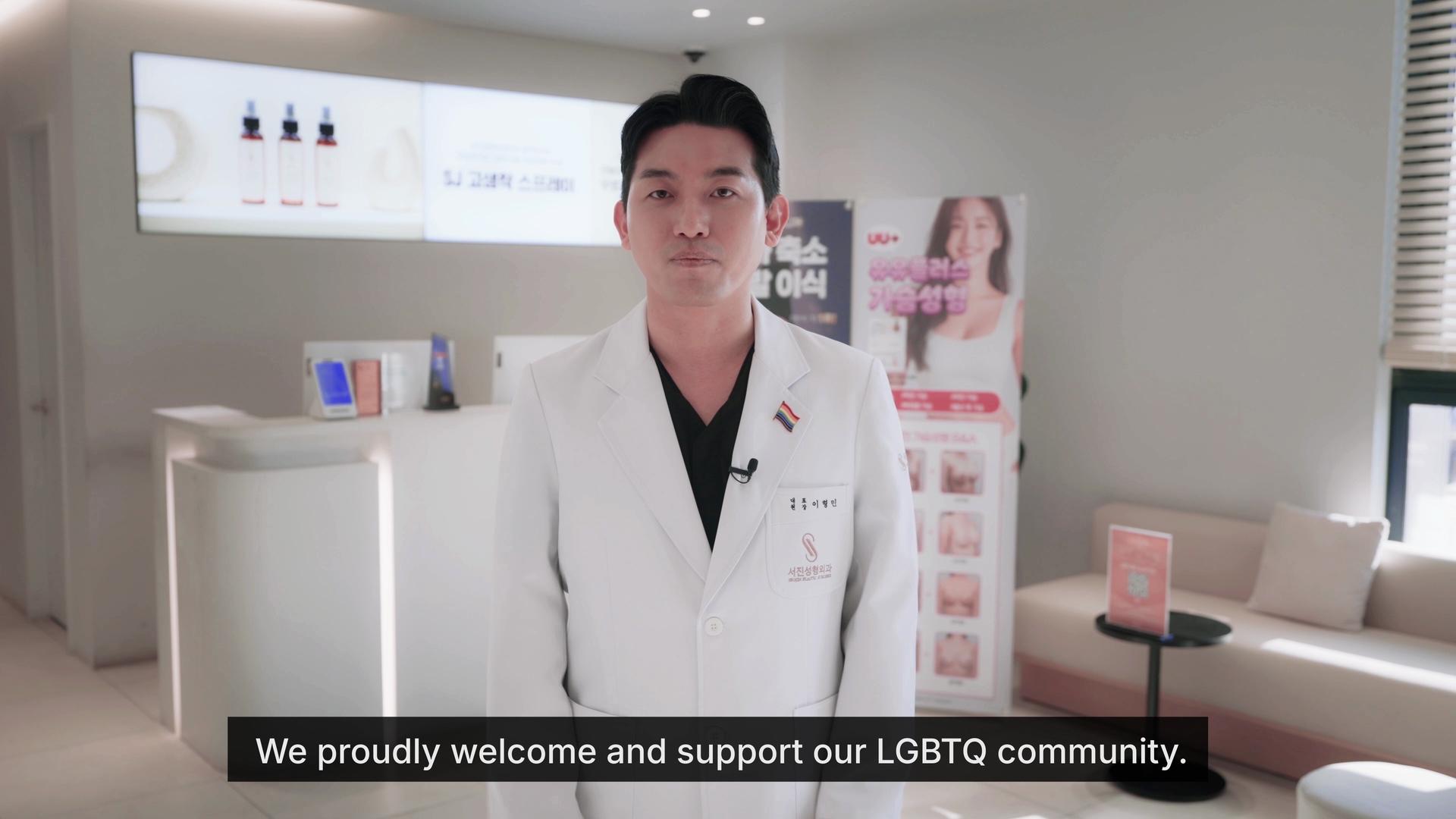
At Seojin Plastic Surgery, we proudly welcome and support our LGBTQ community, and I approach every body and every goal with the same priorities: safety, natural-looking results, and clear guidance for recovery. Below, I’ll walk through the most common concerns I hear about breast implants and what patients should realistically expect.
What Breast Augmentation Surgery Does (and How Technique Matters)
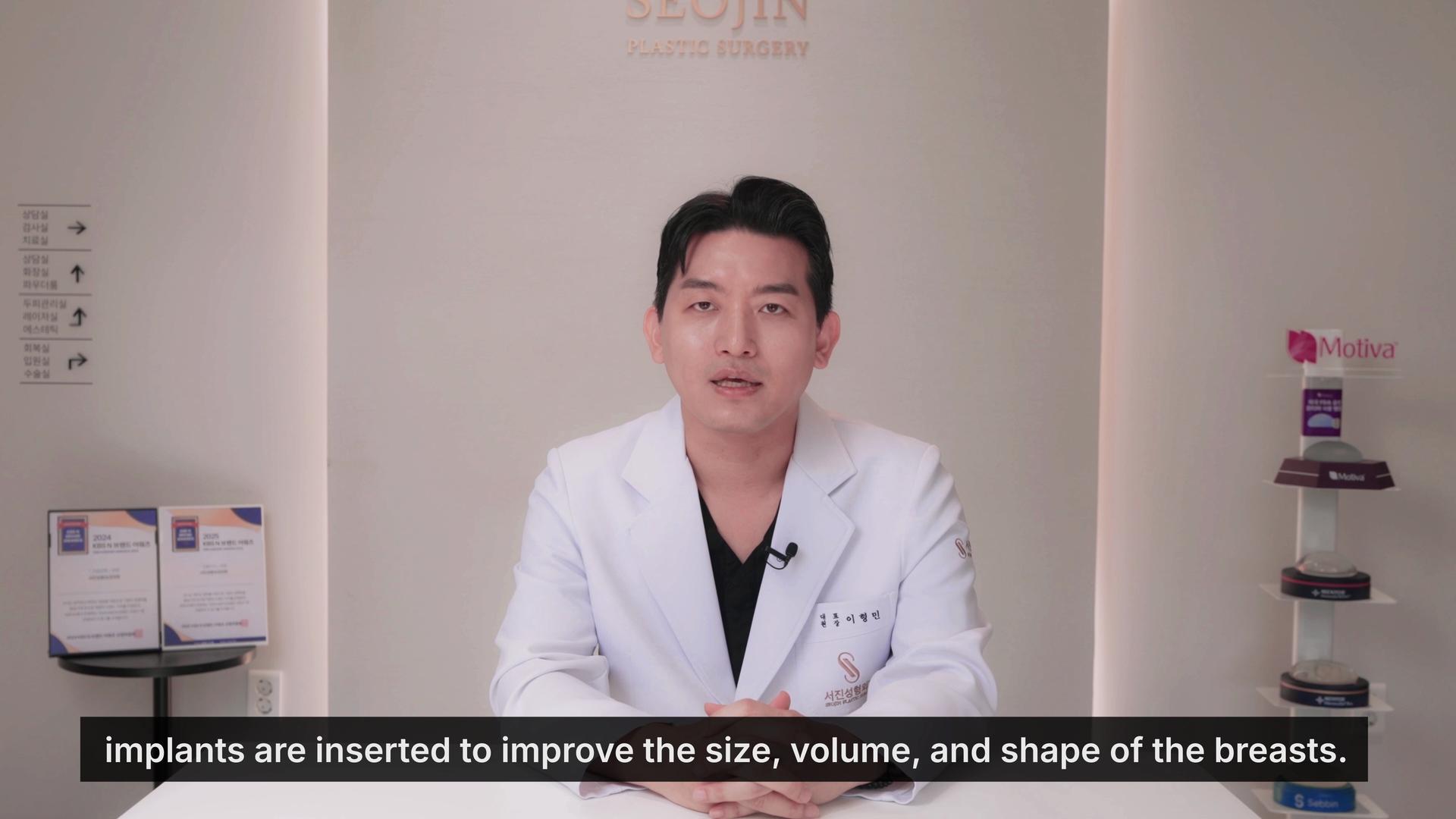
Breast augmentation is a surgical procedure that uses implants to improve the size, volume, and overall shape of the breasts. Many patients consider it because they naturally have smaller breasts, noticeable asymmetry, or changes in volume and shape after weight fluctuations or aging. For many, it’s not only about enlargement—it’s about restoring balance, improving proportions, and feeling more confident in clothing and in daily life.
Technique also matters because it can influence both results and recovery. At our clinic, we developed the UUU+ Hybrid Breast Augmentation technique, which combines implants with PRP nano-fat grafting. This approach is designed to enhance contour and softness in a way that looks and feels more natural for the right candidate, and it has been officially registered as a trademark with the Korean Intellectual Property Office. While every patient’s plan is customized, the overall goal is consistent: achieve a fuller silhouette while respecting anatomical limits and minimizing avoidable risks.
Will Breast Implants Affect Nipple Sensation?
Changes in nipple sensation are one of the most common worries before surgery, and it’s a valid concern. Sensory nerves that supply the nipple and breast typically travel up from the lower outer rib area, which means implant selection and surgical planning should always consider those pathways.
In my experience, the safest approach is choosing an implant size that stays within a reasonable, safe range for the patient’s anatomy. Overstretching tissues can increase stress on nerves, which can raise the chance of sensory changes.
Right after surgery, it’s also normal to experience temporary changes in sensation—either numbness or heightened sensitivity—due to swelling and tissue adjustment. In most cases, this improves gradually, and many patients notice continued recovery of sensation over a long timeline. I often tell patients that improvement can continue for a long period, and in many cases sensation stabilizes and improves within up to two years.
What Is Capsular Contracture—and Can It Be Prevented?
Whenever an implant is placed in the body, the body naturally forms a thin layer of scar tissue around it, called a capsule. This is normal. Early after surgery, that capsule often becomes slightly thicker, and then, as healing progresses, it typically softens and becomes thinner.
Capsular contracture is what we call it when the capsule does not relax as expected and instead thickens and tightens around the implant. This tightening can change how the breast feels and looks, and it may lead to firmness, discomfort, or distortion.
A key factor that can contribute to capsular contracture is inflammation or bleeding around the implant. That’s why prevention is not only about what happens in the operating room—although surgical precision is important—but also about what happens in the recovery period.
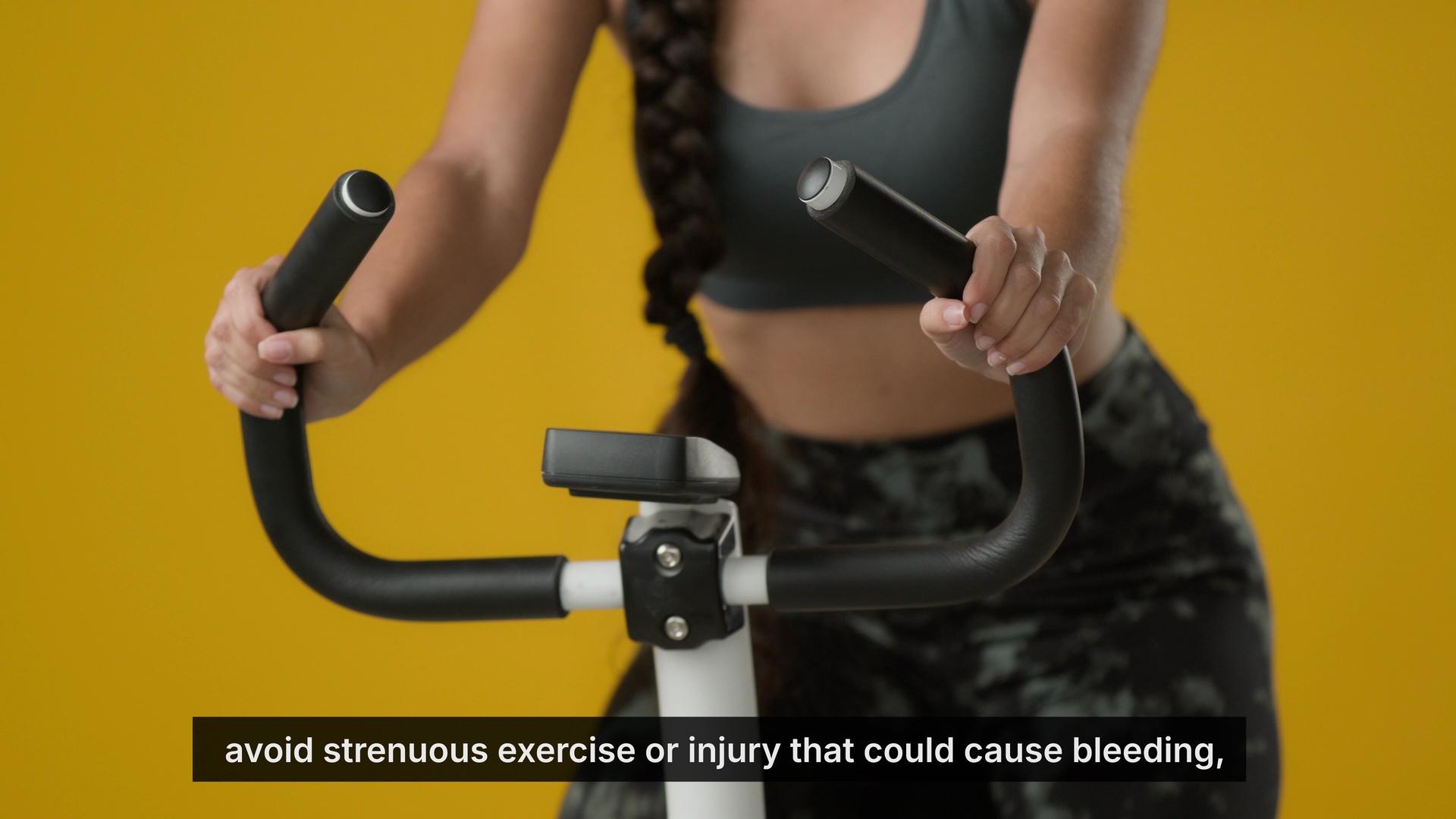
For about three months, I strongly recommend avoiding intense exercise and any impact that could cause bleeding. Put simply: no strenuous workouts for three months. Patients sometimes feel “almost normal” earlier than that, but deeper healing is still happening beneath the surface.
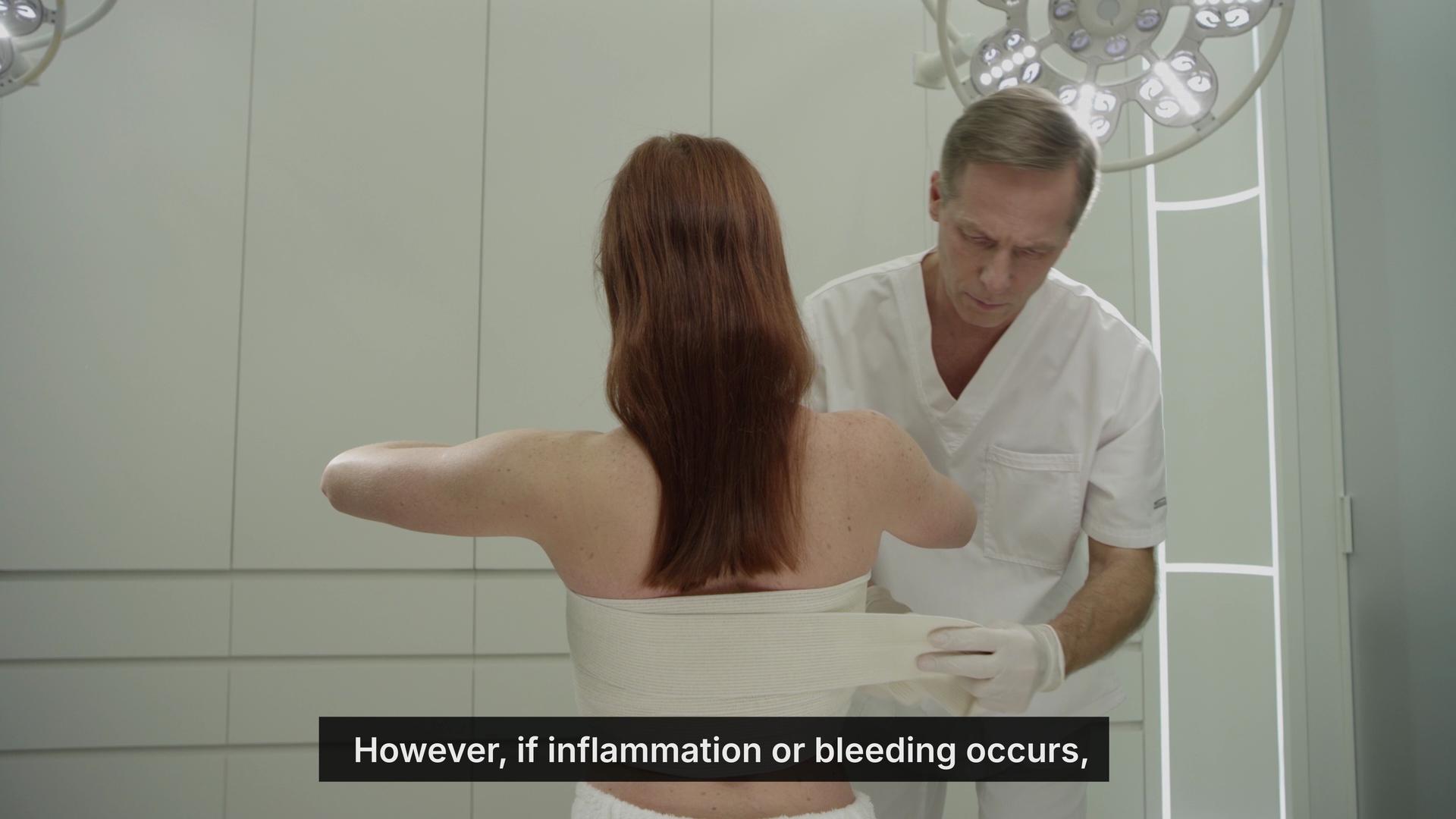
Reducing inflammation also matters. During this early recovery window, I advise patients to avoid alcohol and not smoke. Smoking and alcohol can increase inflammation and interfere with healing, which is the opposite of what we want during the period when the body is forming and remodeling the capsule.
Can You Breastfeed After Breast Implant Surgery?
Yes—breastfeeding is generally possible after breast augmentation.
The key is how the operation is performed. I operate in a way that is intended to avoid damaging the nipple and the breast gland tissue, which helps preserve the structures involved in lactation. While every patient’s anatomy and future breastfeeding experience can vary, the presence of an implant itself does not automatically prevent breastfeeding when surgical planning protects the gland and nipple structures.
If breastfeeding is a priority for you, it’s something I always encourage discussing during consultation, so your surgical plan is chosen with that goal in mind.
What Is Rippling (Wrinkling), and How Likely Is It?
Rippling refers to visible wrinkling or folding that can be seen on the surface of the breast when the implant forms folds—sometimes noticeable depending on body position, posture, or tissue thickness.
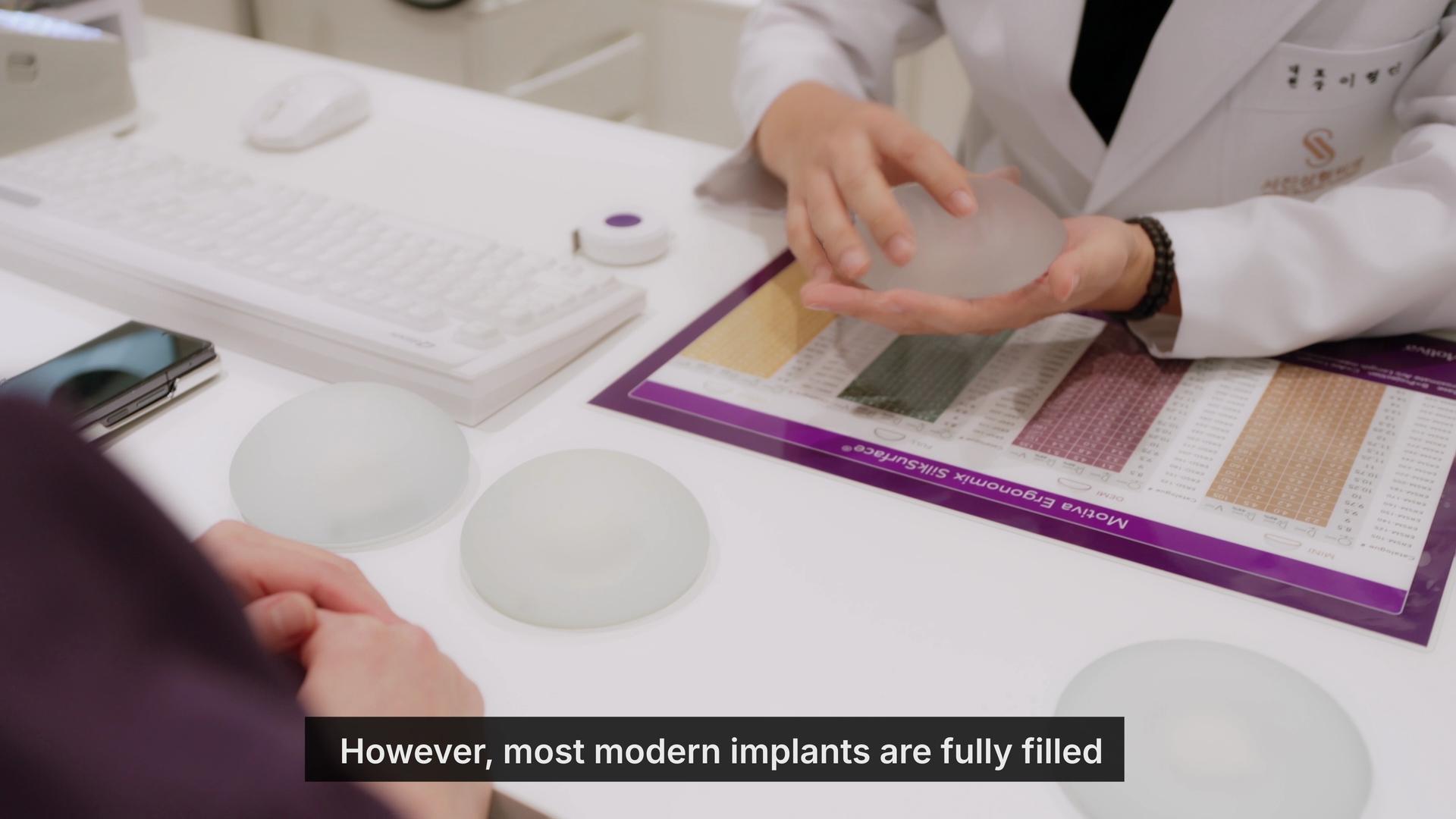
One of the main influences is the type of implant fill. Implants with a lower gel fill tend to ripple more, so I generally recommend avoiding low-fill implants. However, it’s important to be honest that even with a fully filled implant, some rippling can still occur in certain postures depending on your anatomy, skin characteristics, and how much natural tissue covers the implant.
The goal is to reduce the likelihood by selecting an implant type and plan that fits the patient’s body well, instead of forcing a shape or size that the tissues can’t comfortably support.
Are Modern Breast Implants Safe—Can They Rupture Easily?
Another common concern is whether an implant can “break” inside the body. Implant technology has advanced significantly, and modern implants are designed with safety in mind.
From a practical standpoint, low-fill implants wrinkle more easily, and those repeated folds can create friction over time. That friction can increase stress on the implant shell, which is one reason low-fill implants may have a higher risk profile in that area.
Newer implants are generally fully filled, and many have multi-layered shells, which makes rupture much less likely compared with older designs. No medical device is indestructible, but modern implant construction and improved surgical techniques have meaningfully improved durability and safety.
This is also why implant choice should never be based only on price or a trend. The implant’s design characteristics—such as fill and shell structure—can influence both aesthetics and long-term reliability.
Is It Safe to Fly Right After Breast Implant Surgery?
This is a very practical question, especially in Seoul where many patients travel internationally for surgery.
In the past, because equipment and surgical techniques were not as advanced, surgeons often needed to place drains after breast augmentation. With drains in place, flying could be risky because pressure changes could create additional concerns during travel.
Today, with improved equipment and refined surgical methods, drains are usually not needed, and in most cases it’s generally fine to fly even soon after surgery. Of course, each patient’s situation can differ depending on their procedure details and recovery status, but compared to the past, post-op air travel is typically much more manageable.
Closing Thoughts: Safer Results Start with Better Questions
Breast augmentation can be a very satisfying procedure when it’s planned thoughtfully—choosing a safe implant size, understanding normal healing changes, and taking recovery seriously. In my view, the best outcomes happen when patients feel informed and supported, not rushed or uncertain.
If you’re considering breast implants and you’re worried about nipple sensation, capsular contracture, rippling, rupture, or travel after surgery, these are exactly the right questions to ask. With careful technique and good post-op habits—especially avoiding strenuous exercise for three months, and avoiding smoking and alcohol during early healing—many risks can be reduced and recovery can be smoother.
I’m Dr. Hyungmin Lee from Seojin Plastic Surgery in Seoul, and I hope this guide helps you feel clearer and calmer about what breast implant side effects really mean—and how to plan for a safe, confident result.
More about Seojin Plastic Surgery Clinic
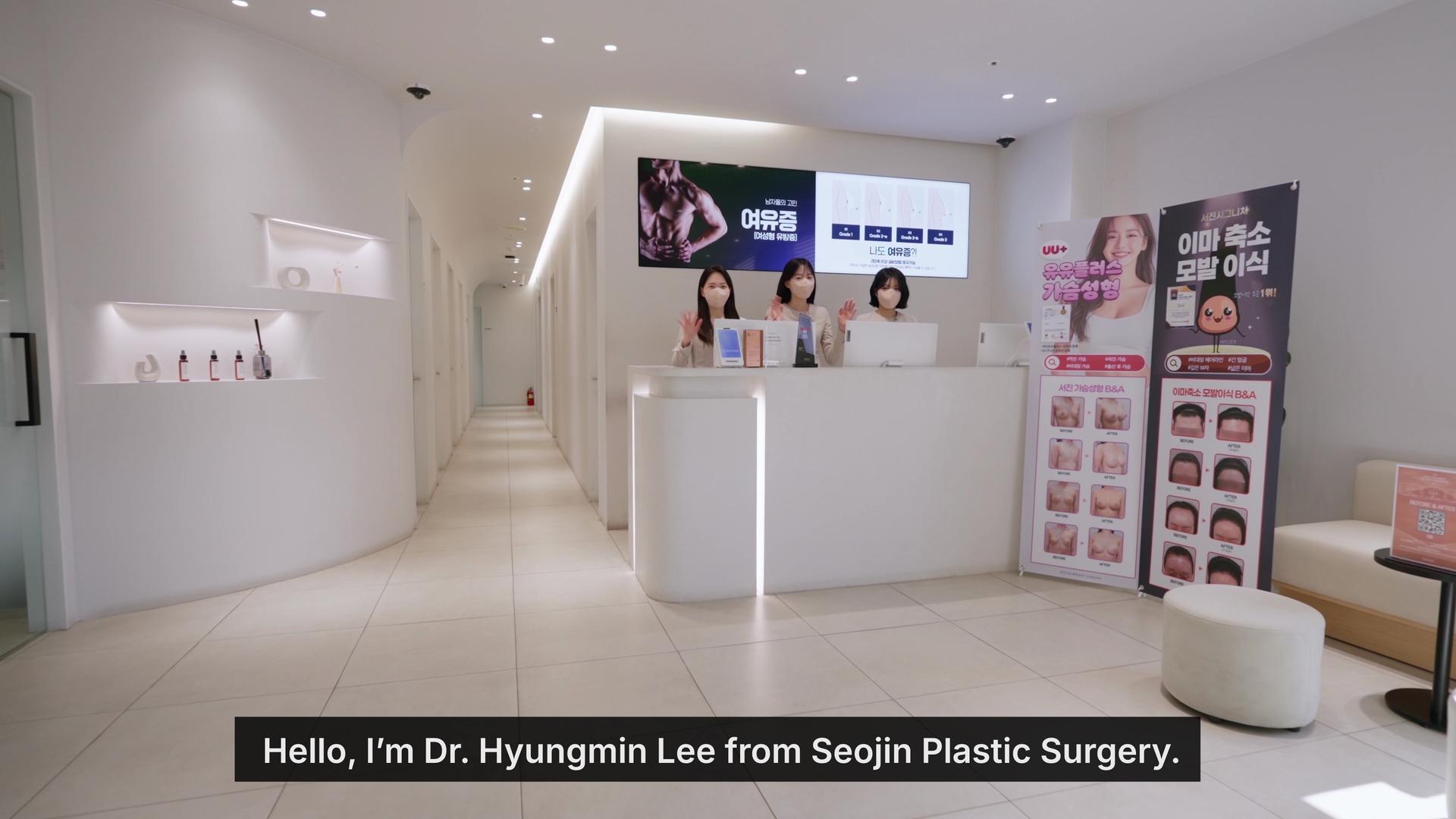
For patients researching breast implant risks and recovery after augmentation in Korea, Seojin Plastic Surgery Clinic in Gangnam, Seoul offers a distinctly personalized approach centered on continuity of care: as a one-doctor clinic, Dr. Lee Hyungmin (Director Lee Hyeong-Min) oversees the entire journey from consultation and 3D imaging-based planning through surgery and post-operative follow-up, helping patients navigate implant choices, expected downtime, and safety considerations with consistent, attentive guidance. With more than 16 years of experience and recognition as one of the “100 Good Doctors in Korea,” Dr. Lee is known for prioritizing patient-focused decision-making and meticulous technique, including advanced breast procedures such as hybrid breast implants (implant plus fat grafting) tailored to natural shape goals. Supported by state-of-the-art technology like high-definition endoscopy, Seojin Clinic emphasizes individualized surgical planning and structured recovery support to help patients pursue aesthetic transformation with confidence and care.
Find more about this clinic here: Seojin Plastic Surgery Clinic