
Medical Tourism Blog
Breast Implant Revision Surgery Q&A with Dr. Lee from Seojin Plastic Surgery Clinic
Table of contents
- Introduction: What should you know before considering breast implant removal or revision?
- After breast augmentation, when would someone need implant removal or revision surgery?
- If an implant is removed, who can have reoperation and when?
- Is implant removal always simple, or can it become a bigger operation?
- What complications or risks should you understand about implant removal?
- Will my breasts look smaller or saggy after implant removal—and what can I do?
- Do breast implants need to be replaced every 10 years?
- What happens to scars, and can removal or revision use the original incision?
- How is recovery different between implant insertion and implant removal?
- Why is a clear consultation so important before revision surgery?
- Conclusion: How can you make a confident decision about implant removal or revision?
- More about Made Young Plastic Surgery
Considering treatment in Korea? Everything you need to know e.g. — how to avoid scams, visas, interpreters, recovery tips — in our Medical Tourism Master Guide. Plan with confidence in minutes, not weeks!
Disclaimer: The following is a guest post. The information and opinions expressed are not of koreaclinicguide.com but of Made Young Plastic Surgery
Introduction: What should you know before considering breast implant removal or revision?
I’m Dr. Youngmin Lee, and when patients bring up breast implant removal or revision surgery, I can feel how much emotion is tied to the decision. Some people are worried about pain or complications, others are disappointed because their first experience wasn’t what they hoped for, and many simply want to feel comfortable in their body again. The good news is that revision surgery is often very doable—and when we plan it correctly, we can usually improve both symptoms and appearance.
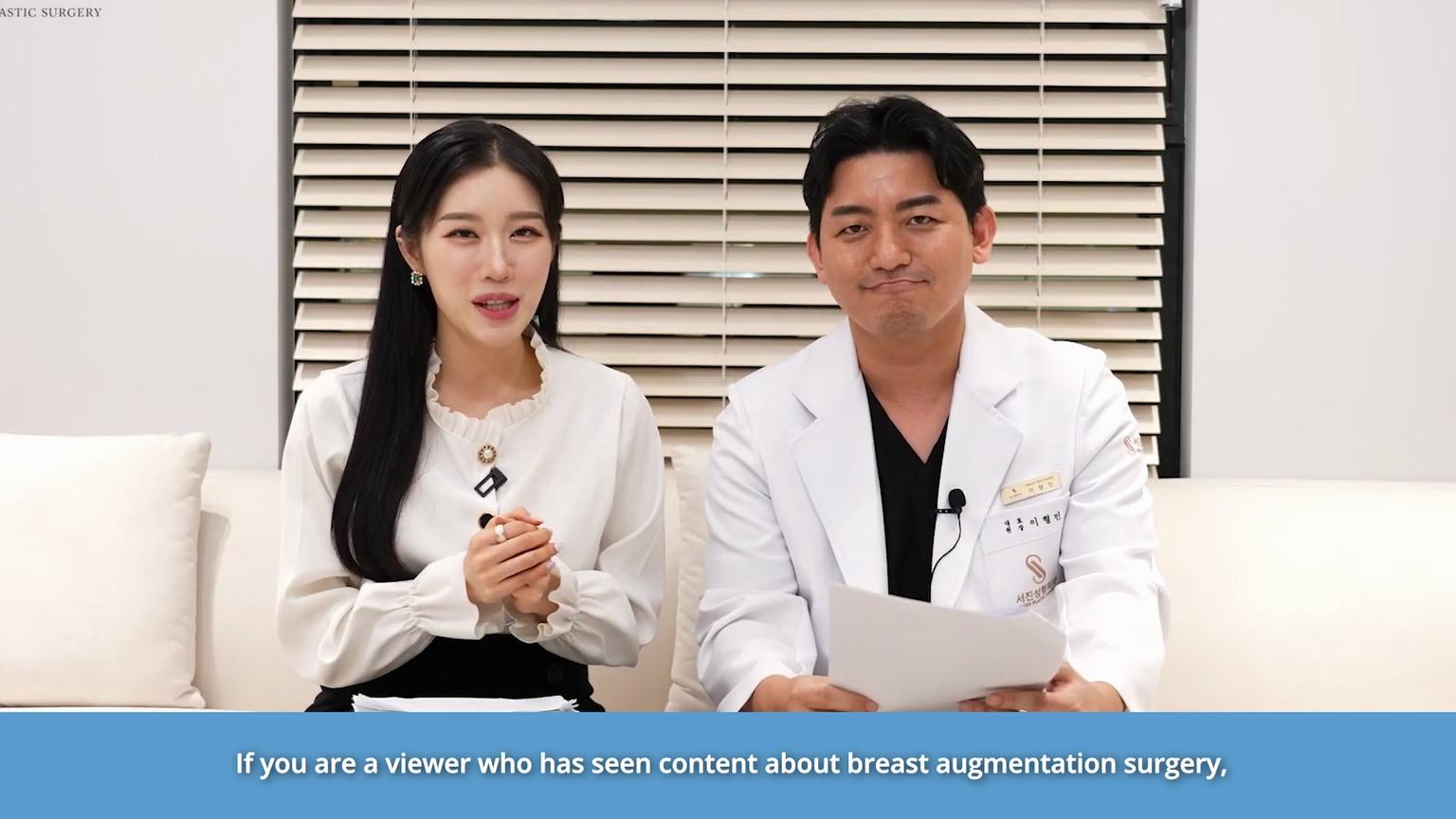
In this Q&A-style guide, I’ll walk you through the most common reasons people consider implant removal, what makes removal easy versus complex, how we manage sagging after implants come out, and why the “replace your implants every 10 years” rule is widely misunderstood.

After breast augmentation, when would someone need implant removal or revision surgery?
The complication most people have heard about is capsular contracture. Whenever an implant is placed, the body naturally forms a thin layer of scar tissue around it—this is normal. But if that capsule gradually thickens and tightens, it can start to cause problems. Patients may feel discomfort or pain, and in more severe cases the implant can shift position and the breast shape can change. That situation is what we call capsular contracture.
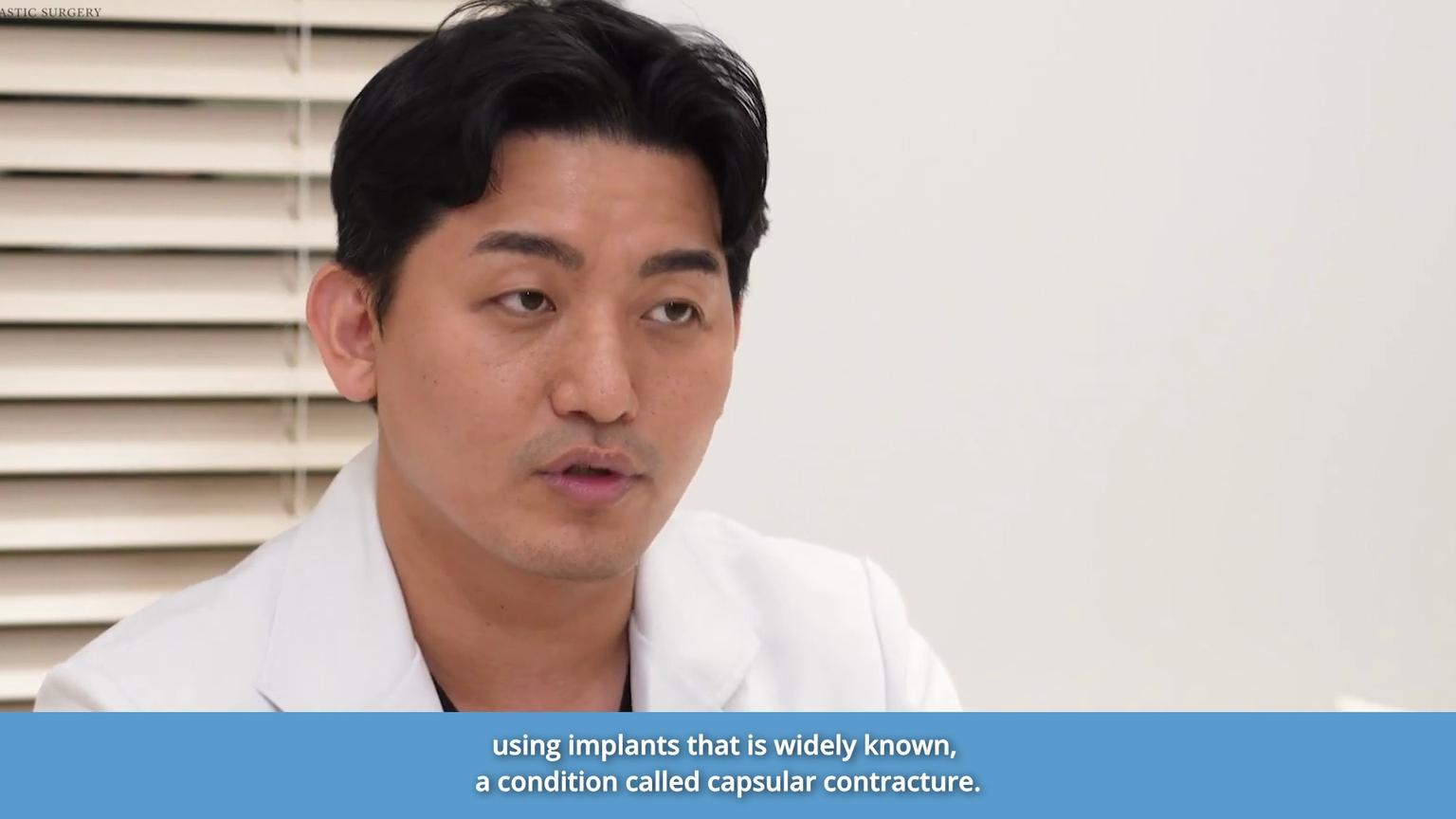
That said, if there weren’t any issues right after the first surgery, severe complications are relatively uncommon. In many cases, careful post-operative management and following instructions closely go a long way toward preventing problems. Still, when symptoms appear—or when the breast looks or feels different over time—implant removal or revision can be the appropriate next step.
If an implant is removed, who can have reoperation and when?
A common worry I hear is: “If the implant is there one day and gone the next, won’t I feel devastated—and can I even fix it afterward?” Timing matters, but in general, once about six months have passed after the initial surgery, most revision procedures become possible.
However, the exact plan depends heavily on why the implant is being removed. If removal is necessary because of an acute infection or significant inflammation, treating and stabilizing that problem comes first. Only after the tissue is healthy again do we decide the safest timing for revision.
Another situation is when fluid collects around the implant. In those cases, removal may be followed by careful evaluation to rule out anything concerning. Once we confirm the surrounding tissue is stable and there are no red flags, revision surgery can be planned more confidently.
Is implant removal always simple, or can it become a bigger operation?
Many people assume implant removal is automatically easier than the original augmentation. Sometimes it is—but not always. If there are no special issues, removal can be fairly straightforward and can often be done without turning it into a major operation.
But removal can become more complex depending on what’s happening around the implant. In capsular contracture, the capsule can become thick and firm, and then we have to decide whether the capsule should be removed as well. If it’s necessary, a capsulectomy (removal of the capsule) can take significantly longer and requires careful technique.
Ruptured implants can also change the difficulty level. If the implant ruptures but the capsule remains intact, removal is usually not overly difficult. But if pressure has torn the capsule too, silicone can leak outside the capsule into surrounding tissue. In that situation, removal needs to be especially meticulous so that leaked material is not left behind, and that’s one reason some “removal” surgeries are much more involved than patients expect.
What complications or risks should you understand about implant removal?
Even “simple removal” is still surgery compared to doing nothing at all. That means there can be pain, swelling, and an infection risk. The overall risk profile depends on the individual case—especially whether the capsule must be removed, whether there is inflammation, or whether there is rupture with leakage.
From a practical standpoint, the best way to lower the chance of problems is good planning and good post-operative care. When swelling is managed properly and infection risk is minimized with appropriate care, recovery tends to be smoother and quicker.
Will my breasts look smaller or saggy after implant removal—and what can I do?
This is one of the most important topics to discuss before surgery, because it’s not only about safety—it’s also about emotional readiness for the change. By around a year after augmentation, implants have usually “settled,” and the skin, breast tissue, and surrounding structures have stretched to accommodate the added volume.
If you remove the implant at that point, the volume that was supporting the breast disappears immediately. Some patients describe the look and feel as similar to a deflated balloon—less upper fullness, softer structure, and sometimes noticeable sagging. This tends to be more visible in older patients or anyone with reduced skin elasticity.
Not everyone needs an additional procedure, but when sagging is significant, a breast lift can be a very effective option. A lift is designed to reshape and reposition the breast tissue and nipple area to create a more supported contour after volume is removed.
Do breast implants need to be replaced every 10 years?
If there’s no specific problem, implants are intended to last long-term. The idea that everyone must replace implants every 10 years is one of the most persistent myths I hear in consultation.
That “10-year rule” came from older research that looked at when revision surgeries tended to happen for any reason, and the average timing landed around 10 years. Over time, that statistic turned into a rule people repeated as if it were mandatory.
In reality, implant durability and design have improved significantly. If you’re doing regular check-ups every one to two years and there is no evidence of a problem, routine replacement at the 10-year mark is not automatically necessary. Good monitoring matters more than the calendar.
What happens to scars, and can removal or revision use the original incision?
Scarring is a very real concern, and I take it seriously when planning revision surgery. When possible, even if the case is challenging, I try to remove or replace the implant through the original incision so we don’t create additional scar locations.
Recovery can vary. If the removal is straightforward, patients often feel that recovery is relatively fast. But if we need to remove the implant and the capsule, or if the case involves rupture, silicone leakage, or inflammation, healing can take longer.
In general, breast augmentation tends to involve a longer recovery process, while removal—when uncomplicated—often feels quicker. The key point is that “removal” is not one single type of surgery; it can range from simple to complex depending on what we find.
How is recovery different between implant insertion and implant removal?
Most patients experience augmentation as the more demanding recovery, partly because the body is adapting to a new internal volume and tissues are being stretched. Removal, especially when we can use the original incision and don’t need extensive capsule work, often feels easier and faster.
But it’s important to be honest: if the surgery includes capsulectomy or addresses complications like leakage outside the capsule, the recovery can become more involved. That’s why I focus so much on setting expectations before surgery—patients should understand what the operation is likely to include and why.
Why is a clear consultation so important before revision surgery?
Revision surgery can improve a lot, but it isn’t magic, and it cannot guarantee that every concern disappears. One of the biggest reasons people feel disappointed after revision is that they go in with a vague hope like, “It’ll fix everything,” or, “I’ll look like that person.”
Before you decide on removal or replacement, the most helpful step is a detailed consultation that clarifies the goal of the surgery and what changes are realistically achievable. If you’re replacing implants, we should talk specifically about what will improve, what may not fully improve, what trade-offs exist, and how your tissue condition affects outcomes.
Many people live with discomfort because their first experience was difficult. I understand that fear—but in many cases, revision can bring meaningful improvement, often with less pain than the first surgery and a faster recovery when planned properly.
Conclusion: How can you make a confident decision about implant removal or revision?
Breast implant removal and revision surgery are highly personal decisions, and they should never feel rushed. The right plan depends on why you’re considering surgery—capsular contracture, rupture, fluid collection, discomfort, or aesthetic concerns—and on what your tissues need to heal safely.
My advice is simple: focus on accurate diagnosis, thoughtful timing, and clear goals. With regular check-ups, careful surgical planning, and realistic expectations, many patients move from worry and discomfort to relief and renewed confidence in their body.
More about Made Young Plastic Surgery
For patients considering breast implant removal or revision surgery in Korea, Made Young Plastic Surgery in Seoul’s Gangnam district brings the same premium, safety-first philosophy that has defined its reputation in facial and anti-aging care—backed by genuine dedication and deep clinical expertise. Care begins with direct consultation and diagnosis by a verified medical team comprised only of highly skilled doctors with an average of 15+ years of experience, ensuring each case is evaluated thoughtfully before any plan is set. Safety is reinforced through a comprehensive in-house anesthesia system, including full-time board-certified anesthesiologists, a 1:1 dedicated monitoring approach throughout surgery, and a cross-check protocol in which multiple anesthesiologists coordinate for rapid, precise response when needed, alongside full CCTV coverage for maximum transparency. Recovery is supported by a separate, dedicated aftercare center providing complete, systematic post-procedure management. With official recognitions such as the 2022 Korea No.1 Award, 2022 Korea Customer Satisfaction 1st Place, and credentials including Outstanding Member selection by the Korean Society of Plastic and Reconstructive Surgeons and certification by the Minimally Invasive Aesthetic Surgery Society, Made Young stands out as a trusted choice for patients seeking meticulous revision care with uncompromising standards.
Find more about this clinic here: Made Young Plastic Surgery
Frequently Asked Questions
Related Blogs
Implant Removal in Korea: Revision Breast Surgery Solutions for Desire for Implant Removal
Updated: Aug 18, 2026
Lateral Breast Fullness: Breast Reduction Procedures in Korea for Contoured Results
Updated: Aug 18, 2026
Male Chest Enlargement Solutions: Gynecomastia Surgery Procedures in Korea for Effective Results
Updated: Aug 18, 2026
Ptotic Breasts Solutions: Breast Lift Procedures in Korea for Youthful, Firm Results
Updated: Aug 18, 2026
Clinics offering Revision Breast surgery

THEPLUS Plastic Surgery Korea | Eye, Nose, Face & Body Surgery
Sinsa

Seojin Plastic Surgery Clinic Korea: Pioneering Advanced Cosmetic Procedures for Personalized Aesthetic Transformation
Apgujeong

Okay Plastic Surgery Clinic in Korea: Comprehensive Aesthetic Procedures with Sincerity and Care
Cheongdam

Banobagi Plastic Surgery: A Pioneering and Trusted Plastic Surgery Clinic in Korea
Seolleung