
Medical Tourism Blog
Ankle Liposuction in Korea: Candidacy, Recovery, Travel Timing and Alternatives

Table of contents
- Ankle Liposuction at a Glance
- What Is Ankle Liposuction?
- Who Is a Good Candidate for Ankle Liposuction?
- How Is Ankle Liposuction Performed?
- Why Visit Korea for Ankle Liposuction?
- Key Information for International Patients
- Which Are the Best Clinics in Korea for Ankle Liposuction?
- Ankle Liposuction From Start to Finish
- Alternatives to Ankle Liposuction
- How Can I Prepare for Ankle Liposuction?
- Aftercare Advice
Considering treatment in Korea? Everything you need to know e.g. — how to avoid scams, visas, interpreters, recovery tips — in our Medical Tourism Master Guide. Plan with confidence in minutes, not weeks!
Last updated: September 2026
Ankle Liposuction at a Glance
- What it does — Ankle liposuction is outpatient body-contouring surgery that removes a small, pinchable fat deposit around the ankle to create a smoother calf-to-ankle transition; it is not a weight-loss treatment.
- Best candidates — Good candidates are healthy adults at a stable weight with localized ankle fat, elastic skin, realistic expectations, and the ability to follow compression, walking, wound-care, and follow-up instructions.
- Essential diagnosis first — Pitting, painful, sudden, or one-sided swelling may indicate edema, venous disease, lymphedema, lipedema, or DVT rather than fat, and requires medical evaluation before cosmetic treatment.
- Recovery and results — Gentle walking usually starts the day of surgery or when cleared, but bruising, drainage, and substantial lower-leg swelling are common early; assess contour around 3 months and expect a more settled result near 6 months.
- Travel planning — International patients should plan about 8–10 days in Korea, including an in-person examination and early postoperative review, and should not fly for at least 5–7 days after surgery unless cleared by the operating surgeon.
- Key limitation and risk — The ankle has a thin fat layer near superficial veins and lymphatic structures, so overly aggressive removal can cause grooves, tethering, asymmetry, skin injury, or prolonged swelling.
- Korea-specific check — Korea offers registered foreign-patient facilities and international-care services, but no evidence proves superior ankle-liposuction outcomes; verify the named surgeon, anesthesia arrangements, facility registration, and English discharge records.
What Is Ankle Liposuction?
Ankle liposuction is a cosmetic procedure that removes small, localized fat deposits around the ankles to refine lower-leg contours. It aims to create a smoother, more gradual transition between the calf and ankle for people whose fullness is caused by pinchable fat rather than swelling or muscle bulk. It is surgical body-contouring surgery.
Who Is a Good Candidate for Ankle Liposuction?
- Localized ankle fat — Good candidates have a small, stable, pinchable subcutaneous fat deposit around the malleoli or Achilles/calcaneal area rather than generalized leg enlargement.
- Elastic skin and realistic goals — Skin needs enough recoil to redrape after fat removal. The goal is a more gradual ankle-to-calf transition, not weight loss or a guaranteed dramatic reduction.
- Medically prepared adult — Candidates are healthy adults near a stable weight who can wear compression, walk early, attend reviews, and follow an overseas aftercare plan.
- Anatomy confirmed while standing — A surgeon should assess calf-muscle bulk, skin thickness, vein changes, asymmetry, and whether calf or medial-knee treatment is needed for a balanced silhouette.
Pregnancy, active infection, open wounds, unexplained or rapidly developing swelling, and suspected deep-vein thrombosis require diagnosis or treatment before elective surgery. Liposuction is not appropriate for fluid-predominant or pitting edema, lymphedema, lipedema, venous insufficiency, or muscle-driven calf prominence; these conditions need different management. Severe cardiovascular disease, uncontrolled systemic illness, significant anesthesia risk, coagulation disorders, thrombophilia, or an unevaluated history of clots require specialist risk assessment. Nicotine use, untreated body dysmorphic disorder, and inability to follow compression, walking, wound care, and follow-up instructions also make surgery unsuitable until addressed.
How Is Ankle Liposuction Performed?
There are no proven patient-facing “types” of ankle liposuction. The surgeon’s method must suit the ankle’s thin fat layer and nearby superficial venous and lymphatic structures; aggressive removal can cause grooves, tethering, asymmetry, or prolonged swelling.
- Tumescent suction-assisted liposuction — Dilute local anesthetic and vasoconstrictor solution are infiltrated before controlled cannula suction. This is a standard liposuction approach.
- Power-assisted liposuction — A vibrating cannula can assist fat removal in selected tissue. It does not have proven superiority for ankle-only outcomes.
- Laser- or ultrasound-assisted liposuction — Energy is applied before aspiration in selected cases, but also introduces device- and heat-related risks. A review of liposuction technologies found no clear overall advantage of one modality that can be applied to the ankle.
- Fine-cannula contouring — Narrow cannulas allow detailed shaping where the fat layer is thin. Precision depends on the surgeon’s lower-leg anatomy assessment, not cannula size alone.
- Combined lower-leg contouring — Calf liposuction or knee liposuction can be combined when fullness extends above the ankle and an isolated ankle reduction would look abrupt.
Why Visit Korea for Ankle Liposuction?
South Korea has a formal system for registered foreign-patient medical institutions and a large international-patient care market. These factors can make travel coordination and English documentation more practical, but no reliable comparative evidence shows Korean ankle-liposuction results or safety are superior to those elsewhere. Select on the named surgeon’s lower-leg experience, anesthesia arrangements, facility standards, and a realistic follow-up plan.
- Foreign-patient registration — Confirm that the facility is listed within Korea’s registered foreign-patient medical institution system, rather than relying on marketing claims.
- International-care infrastructure — Medical Korea outlines support for international patients, including medical-visa information and practical patient services; verify what the individual clinic actually provides in English.
- Direct safety checks — Ask for the operating surgeon’s name, who administers anesthesia or sedation, the procedure location, emergency arrangements, and English copies of operative, medication, and discharge records.
- Evidence limitation — Recent lower-leg publications are uncontrolled, retrospective single-surgeon or single-practice series. A 2024 calf-and-ankle series and a 2026 combined lower-leg series do not establish the best technique or an ankle-only complication rate.
Key Information for International Patients
- Minimum stay — Plan approximately 8–10 days in Korea: arrive 1–2 days before surgery for examination and remain for next-day monitoring plus an early wound and compression review.
- Flight timing — Do not book a flight for at least 5–7 days after surgery unless the operating surgeon specifically clears it. Combined calf or knee surgery, substantial swelling, wound concerns, and elevated clot risk justify a longer stay.
- Early itinerary limits — Expect drainage, bruising, soreness, and marked swelling in the first several days. Avoid sightseeing that involves long walks, prolonged standing, hills, heat, swimming, or strenuous activity.
- Walking and clot prevention — Begin gentle walking on the day of surgery or when the surgeon permits. During a long-haul return journey, move regularly when safe, hydrate, and use only surgeon-approved compression or clot-prevention medication.
- Remote follow-up — Before departure, obtain English operative and anesthesia records, medication list, discharge instructions, photographs if required for follow-up, and a direct clinical contact for concerns after return.
Travel note: New one-sided calf or leg swelling, worsening pain, chest pain, shortness of breath, coughing blood, fainting, or a fast heartbeat needs urgent medical assessment for possible DVT or pulmonary embolism.
Which Are the Best Clinics in Korea for Ankle Liposuction?
Listed below are some of the best clinics in Korea for ankle liposuction.
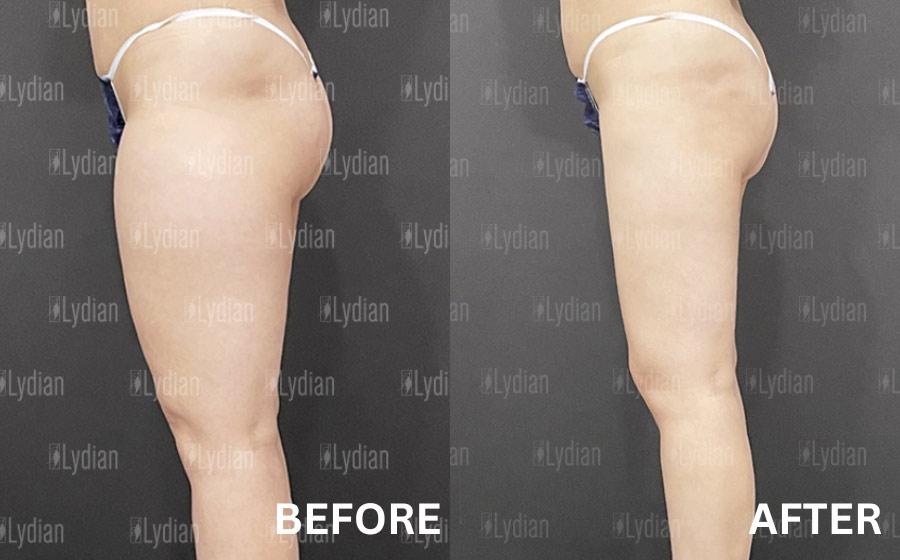
1. Lydian Plastic Surgery Clinic
You may consider Lydian Plastic Surgery Clinic if you want ankle-area contouring planned as part of an anatomy-based liposuction approach, with custom cannulas intended to adapt fat removal to differing body shapes and detailed aftercare for swelling, surface irregularities, skin elasticity, and residual contouring. Your suitability and the appropriate treatment area would need to be determined in consultation.
- URL: Lydian Plastic Surgery Clinic Website
- Location: Gangnam-gu, Seoul
- Procedure approach:
- Uses more than 30 types of custom-made liposuction cannulas, selected to account for differences in body shape and treatment-area volume.
- Describes anatomy-based body design that considers your proportions and natural curves rather than using a uniform fat-removal plan.
- Uses Quantificare 3D imaging for pre-surgical design and visualization of before-and-after results.
- Aftercare:
- Provides aftercare focused on swelling reduction, correction of lumpiness or irregularities, skin-elasticity recovery, and residual-fat contouring.
- States that specialized devices are available for stretch marks and skin sagging concerns alongside liposuction.
- Clinical background:
- Dr. An is identified as Director of the 5D Liposculpture Academy and as responsible for domestic physician training in high-definition body sculpting and liposuction devices.
- The clinic lists 5D liposculpture/high-definition liposuction, fat grafting, BBL, tummy tuck, and face-lifting procedures among its services.
2. Seojin Plastic Surgery Clinic
You may consider Seojin Plastic Surgery Clinic if you value a staged liposuction process that combines fat preparation, cannula selection based on your body type and fat volume, and manual syringe refinement intended to create a smooth, even contour. For ankle liposuction, a consultation would be needed to determine whether this approach fits your anatomy and goals.
- URL: Seojin Plastic Surgery Clinic Website
- Location: Gangnam-gu, Seoul
- Procedure approach:
- Its three-step micro-liposuction process describes separating fat from surrounding blood vessels, nerves, and tissues before removal.
- Cannula selection is tailored to your body type and fat volume.
- Following device-assisted suction, the clinic describes manual refinement of the subcutaneous fat layer with a small syringe to support even distribution and a smooth surface.
- Skin-firmness option: Velody2 lifting laser may be added when slight post-liposuction sagging is a concern; the clinic describes it as a way to support skin elasticity and firmness.
- Doctor continuity:
- As a one-doctor clinic, Seojin states that Dr. Lee Hyungmin provides end-to-end care.
- The clinic states that Dr. Lee has more than 16 years of experience and was recognized among the 100 Good Doctors in Korea.
3. 365mc Hospital
At 365mc Hospital, you can expect liposuction within a clinic focused on body contouring and fat reduction, with a dedicated Recovery Center on the day of surgery and a structured seven-week post-operative program. For ankle liposuction, your treatment plan and whether surgical liposuction or a less invasive option is appropriate would need to be assessed individually.
- URL: 365mc Hospital Website
- Location: Gangnam-gu, Seoul
- Recovery and follow-up:
- Provides one-to-one intensive care in a dedicated Recovery Center on the day of surgery.
- Its Care Team offers a structured seven-week post-operative program that may include hyperbaric oxygen chamber therapy and personalized dietary consultation.
- Liposuction systems:
- The clinic describes hospital-level liposuction safety and precision and states that it holds Korean Health Ministry Seal recognition.
- Uses the Motion-Capture and Artificial-Intelligence Assisted Liposuction System (M.A.I.L.), which provides real-time surgical feedback.
- Also offers LAMS, described as a local-anesthetic, minimally invasive option combining fat extraction and fat-dissolving injections for targeted fat reduction.
- Ongoing support:
- Offers individualized nutrition and dietary consultations, including lifestyle- and dietary-habit-based diet prescriptions and meal-diary app support.
- States that it has specialized in body contouring and fat reduction for more than 20 years.
Ankle Liposuction From Start to Finish
- Remote consultation — Send standardized standing photographs and disclose previous leg surgery, varicose veins, swelling, clotting history, hormone use, medicines, allergies, nicotine use, and prior liposuction. Confirm English or interpreter support and request a written travel schedule.
- In-person examination — Attend a standing assessment after arrival. The surgeon distinguishes pinchable fat from calf muscle, loose skin, edema, venous disease, lymphedema, lipedema, or clinically significant asymmetry.
- Risk and anesthesia planning — Testing and clearance depend on health history, planned aspirate volume, anesthesia plan, and combined surgery. Do not stop anticoagulants, antiplatelet medicines, or prescribed hormones without direction from both the surgeon and prescribing clinician.
- Marking and anesthesia — The surgeon usually marks the legs while standing. Local tumescent anesthesia with or without IV sedation can be used for limited treatment; more extensive combined contouring can require a different anesthesia plan.
- Fat removal and shaping — Small access incisions are made, tumescent solution is infiltrated when used, and fat is removed through fine cannulas with controlled passes. The surgeon aims for a gradual contour rather than maximal extraction.
- Discharge and compression — Small-area treatment is commonly outpatient when recovery is stable. Compression dressings or garments are applied, and arrange supervised transport and first-night support if sedation was used.
- Korea review and return planning — Attend the scheduled next-day or early review for wounds, drainage, swelling, and garment fit. The surgeon decides when flying is appropriate.
- Remote follow-up — Send requested photographs and report persistent swelling, skin changes, fever, drainage, or contour concerns. Assess early contour cautiously around 3 months and more definitively around 6 months.
Alternatives to Ankle Liposuction
The right alternative depends on what creates the ankle or lower-leg fullness. Non-surgical options avoid incisions and anesthesia but generally produce less predictable or less substantial contour change; surgery is only appropriate after fat is distinguished from muscle, swelling, or venous disease.
Diagnostic and vascular assessment
- Best for fluctuating or asymmetric swelling — Do not treat painful, pitting, sudden, or one-sided swelling as cosmetic fat. Evaluation for edema, venous disease, lymphedema, lipedema, or DVT comes first.
- Procedure option — Varicose vein treatment addresses vein disease when it contributes to symptoms or swelling; it is not cosmetic fat removal.
Calf reduction Botox
- Best for muscle-driven bulk — Calf reduction Botox targets gastrocnemius hypertrophy, not malleolar fat.
- Tradeoff — It is non-surgical and temporary, while ankle liposuction removes localized fat but cannot reduce a prominent calf muscle.
Calf or knee liposuction
- Best for extended fullness — Calf liposuction or knee liposuction can be more anatomically coherent when contour fullness continues above the ankle.
- Tradeoff — A broader surgical area increases recovery demands, swelling, cost, and flight-planning considerations.
Non-surgical fat reduction
- Best for limited goals — CoolSculpting and body fat-dissolving laser treatment are non-surgical options for selected localized deposits.
- Tradeoff — Evidence specific to ankle anatomy is limited, and these treatments do not match surgical fat removal for predictable sculpting of a thin, anatomically sensitive area.
How Can I Prepare for Ankle Liposuction?
- Medical disclosure — Provide a complete list of prescriptions, over-the-counter medicines, vitamins, herbal products, allergies, nicotine use, alcohol use, hormone therapy, prior operations, vein problems, and any personal or family clotting history.
- Blood-thinning agents and supplements — Ask the surgeon and prescribing clinician about aspirin, NSAIDs, anticoagulants, antiplatelet medicines, fish oil, vitamin E, ginkgo, garlic supplements, and other products that affect bleeding. Do not stop prescribed medication independently.
- Nicotine and alcohol — Stop smoking and nicotine vaping according to the surgeon’s cessation plan; nicotine impairs healing. Avoid alcohol for the clinic-specified period before and after surgery.
- Fasting and hygiene — Follow written fasting instructions exactly when sedation or anesthesia is planned. Shower as directed, avoid shaving or irritating the treatment area if instructed, and do not apply body lotion on procedure day unless the clinic says otherwise.
- Accommodation and transport — Stay close to the facility, choose elevator access where possible, arrange a responsible adult after sedation, and plan transport that avoids unnecessary walking or stairs.
- Flexible travel — Book changeable flights and leave sufficient time for the early postoperative review. Do not schedule intensive sightseeing or a long-haul flight immediately after surgery.
Travel note: Arrange in advance where urgent wound care, ultrasound for suspected DVT, or emergency assessment would be available after returning home.
Confirm the treating doctor’s individualized medication, fasting, compression, and travel requirements; they take precedence over general guidance.
Aftercare Advice
Protect the healing lower leg, keep moving gently as cleared, and treat worsening swelling or pain as a clinical issue rather than a normal travel inconvenience.
- Compression — Wear the garment exactly as prescribed and report numbness, skin discoloration, severe pressure pain, blistering, or skin breakdown. A 2026 lower-leg series used staged compression, but this single-practice protocol is not a universal cosmetic ankle regimen.
- Walking and elevation — Take short, gentle walks once cleared to reduce immobility. Elevate the legs while resting, but avoid prolonged standing, strenuous walking, running, lower-body workouts, and heavy lifting until the surgeon authorizes return.
- Incisions and bathing — Expect some early drainage from small access sites. Keep dressings and incisions clean and dry as directed; follow the surgeon’s specific shower and dressing-change schedule.
- Heat, water, and sun — Avoid hot baths, saunas, swimming, and direct sun exposure during early healing. Once incisions are closed and the clinician approves, protect exposed scars with SPF 50 sunscreen.
- Massage and warning signs — Do not arrange massage, manual lymphatic drainage, or ultrasound therapy without surgical approval; ankle-specific evidence is lacking. Seek urgent care for fever, spreading redness, pus-like drainage, rapidly increasing one-sided swelling, severe calf pain, chest pain, breathlessness, or fainting.
- Results and revision — Bruising and swelling dominate early recovery, while lower-leg edema can obscure contour for months. Judge improvement around 3 months and a more settled result around 6 months; elective revision is commonly deferred for 6–12 months while swelling, fibrosis, and skin redraping stabilize.
Follow the treating doctor’s instructions over general advice and contact the clinic promptly when pain, swelling, wound appearance, or symptoms seem wrong.
Frequently Asked Questions
Related Blogs
Face Liposuction in Korea: Candidacy, Techniques, Recovery, and Travel Planning
Face liposuction removes localized superficial submental or upper-neck fat through small incisions using a fine cannula, with conservative jowl treatment only for selected anatomy. In Korea, it is listed at ₩3,000,000–₩4,000,000 (about US$2,200–$3,000); international patients should allow at least 7–10 days after surgery for review before flying.
Updated: Sep 17, 2026
Experience Effective Removal of Excess Skin After Weight Loss in Korea: A Comprehensive Guide
Discover how Korea is leading the way in body-contouring procedures for removal of excess skin after drastic weight loss. Learn about the advanced surgical techniques and world-renowned medical expertise that deliver impressive results for patients.
Updated: Sep 17, 2026
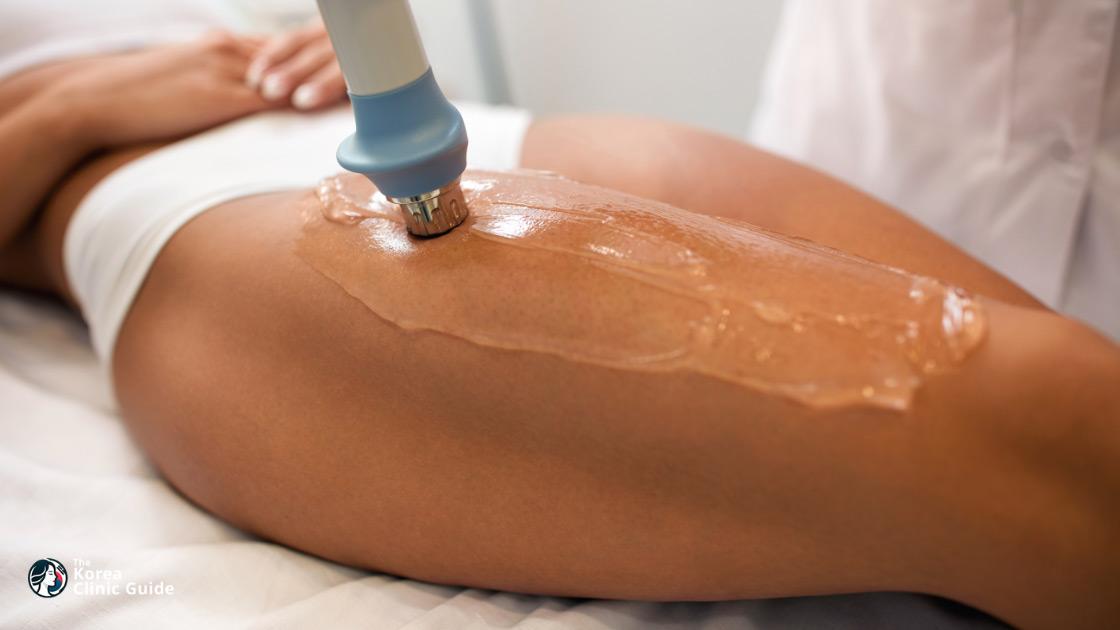
Shockwave Therapy for Fat Dissolving in Korea: Methods, Results, Safety, and Travel Planning
Shockwave therapy uses focused or radial acoustic pulses over areas such as the buttocks and thighs to target cellulite appearance, typically through multiple sessions rather than proven fat-cell destruction or weight loss. The article covers candidate screening, treatment schedules, travel planning, device verification, preparation, aftercare, warning signs, and alternatives for localized fat or
Updated: Sep 16, 2026
Love Handle Liposuction in Korea: Methods, Recovery, Travel Planning, and Risks
Love handle liposuction removes localized flank fat through small incisions using cannula-based techniques, with candidacy based on stable weight, skin elasticity, health, and realistic contour goals. The article covers treatment options, Korea travel planning, a 7–10-day stay, recovery and flight precautions, aftercare, warning signs, and non-surgical or skin-removal alternatives.
Updated: Sep 15, 2026
Clinics offering Ankle Liposuction

365mc Hospital: Korea's Leading Liposuction and Body Contouring Clinic with Innovative AI Technologies and Comprehensive Patient Care
Gyodae

Lydian Plastic Surgery Clinic in Korea: Superior Cosmetic Procedures by World-Renowned Expert Dr. An Kyung Chun
Apgujeong

Seojin Plastic Surgery Clinic Korea: Pioneering Advanced Cosmetic Procedures for Personalized Aesthetic Transformation
Apgujeong

Okay Plastic Surgery Clinic in Korea: Comprehensive Aesthetic Procedures with Sincerity and Care
Cheongdam