
Myopia
Description
Myopia, also known as nearsightedness or short-sightedness, is a common vision problem where distant objects appear blurry while things up close remain clear. This occurs because the eyeball is elongated, causing light to focus in front of the retina instead of directly on it. People with myopia may find it difficult to read road signs, see the board at school, or recognize faces from afar without glasses or contact lenses. Kids and adults alike can develop myopia, which often gets worse during childhood and stabilizes in adulthood. While glasses and contacts are traditional solutions, many now turn to safe, advanced vision correction surgeries like LASIK, SMILE, LASEK, or ICL implants to enjoy clear vision without corrective lenses—procedures that South Korea is especially known for thanks to its state-of-the-art clinics and expert surgeons. Whether you call it myopia, nearsightedness, short-sightedness, or blurred distance vision, early diagnosis and modern treatment options can dramatically improve your life.
Procedures that treat this ailment: ICL Lens Implant, Vision Correction, LASIK, SMILE Eye Surgery, and LASEK
Search
Categories
Related Posts
Top Myopia Clinics
Keye Eye Clinic
Seolleung Station
Free consultation from the clinic
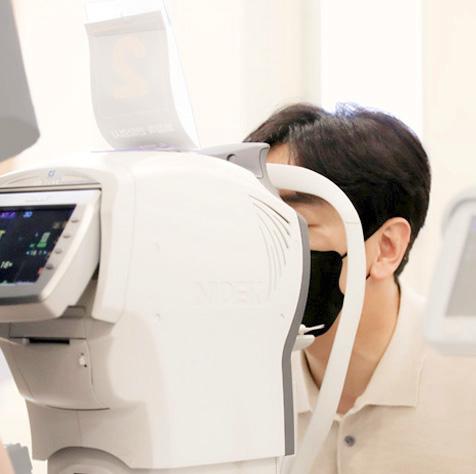
Keye Eye Clinic in Seolleung offers state-of-the-art eye care procedures with a primary focus on disease treatment based on medical evidence and knowledge. Vision Correction HD SMILE LASIK: This is a high-density laser vision correction procedure that ensures faster recovery and improves the quality of vision. Contour LASIK: A customized laser eye surgery that corrects vision with high precision based on the unique shape of your eyes. Contour LASEK: Similar to Contour LASIK, but with a different approach that can be suitable for patients with thinner corneas. Corneal Strengthening: A procedure designed to strengthen the cornea and halt the progression of keratoconus. Implantable Contact Lenses (ICL): Surgical insertion of lenses inside the eye to correct vision without altering the cornea's shape. Ortho-K (Orthokeratology): Special contact lenses worn overnight to reshape the cornea and correct vision temporarily. Presbyopia Clinic Presbyopia Treatment: Specialized treatments to address age-related difficulty in seeing close objects clearly. Cataract Surgery: Removal of the eye's cloudy lens, replaced with a clear artificial lens to restore vision. Retina Clinic Macular Degeneration: Treatments and therapies to manage and slow the progression of macular degeneration, preserving vision. Diabetic Retinopathy: Medical and surgical treatments to control and prevent vision loss caused by diabetes. General Retinal Disorders: Comprehensive care for a variety of retinal conditions, utilizing advanced diagnostic and therapeutic techniques. Glaucoma Clinic Glaucoma Management: Continuous monitoring and treatment to manage intraocular pressure and prevent optic nerve damage. General Eye Disease Clinic Dry Eye Treatment: Comprehensive care to relieve symptoms of dry eyes and improve eye lubrication. Corneal and Conjunctival Diseases: Treatment for various conditions affecting the cornea and conjunctiva, ensuring overall eye health. Lens Dislocation: Surgical and non-surgical treatments to correct lens dislocation and restore proper vision. With cutting-edge technology and a dedicated focus on personalized care, Keye Eye Clinic ensures precise diagnostics and tailored treatment plans for every patient.
learn more

Gangnam Blue Eye Clinic
Gangnam, Sinnonhyeon, Yeoksam Station
Free consultation from the clinic
Gangnam Blue Eye Clinic: Located in Gangnam Station, we offer patient-centered, expert eye care services to help you see a brighter, clearer world. Our experienced specialists use advanced techniques to treat various eye conditions. Glaucoma Glaucoma Surgery: This procedure involves techniques to reduce intraocular pressure and prevent further optic nerve damage. It is essential for preserving vision in patients with glaucoma. Presbyopia and Cataracts Laser Cataract Surgery: Utilizes laser technology to remove the cataract-affected lens and replace it with an artificial intraocular lens. This advanced method improves precision and recovery time. Artificial Lens Implantation: Involves replacing the natural lens of the eye with an artificial lens to correct vision issues related to aging, such as presbyopia and cataracts. This procedure helps restore clear vision and reduce the dependence on glasses. Vision Correction LASIK: A laser procedure that reshapes the cornea to correct refractive errors like myopia, hyperopia, and astigmatism. It offers a quick recovery and significant improvement in vision. LASEK: Similar to LASIK, but involves reshaping the cornea's surface rather than its inner layers. Suitable for patients with thinner corneas or higher risk profiles. Implantable Collamer Lens (ICL) Surgery: Involves inserting a biocompatible lens between the iris and natural lens to correct severe myopia, hyperopia, or astigmatism. An alternative for those who are not candidates for LASIK. Orthokeratology (Ortho-K): Uses specially designed contact lenses worn overnight to temporarily reshape the cornea for daytime clear vision. Beneficial for managing progressive myopia in children and adults. Retinal Diseases Age-Related Macular Degeneration (AMD) Treatment: Various treatments aimed at slowing or stopping the progression of AMD to preserve central vision. This may include medications, laser therapy, or injections. Diabetic Retinopathy Treatment: Includes laser treatments, injections, and surgical options to manage and prevent complications from diabetes-induced retinal changes. Early treatment is crucial for maintaining vision. Retinal Detachment Surgery: Urgent surgical intervention to reattach the retina and restore vision. Techniques may include vitrectomy, scleral buckling, or pneumatic retinopexy. Floaters Treatment: Involves techniques to reduce or eliminate visual disruptions caused by floaters in the vitreous humor. Treatment options can vary depending on severity and discomfort. Gangnam Blue Eye Clinic is dedicated to providing comprehensive and personalized eye care, ensuring our patients receive the best possible outcomes.
learn more

Healing Eye Clinic
Sinnonhyeon, Nonhyeon Station
Free consultation from the clinic
Healing Ophthalmology Clinic in Sinnonhyeon Station offers a range of state-of-the-art procedures to correct and enhance vision. Vision Correction Procedures LASIK Surgery: A popular refractive surgery to correct vision by reshaping the cornea using a laser. This procedure helps treat nearsightedness, farsightedness, and astigmatism. LASEK Surgery: Similar to LASIK, this procedure also reshapes the cornea to correct vision. LASEK is preferred for patients with thin corneas as it involves creating a thinner flap. SMILE Surgery: A minimally invasive procedure that uses a laser to create a disc-shaped piece of tissue within the cornea, which is then removed through a small incision. This procedure is for correcting myopia and mild astigmatism. Lens Implant Procedures ICL (Implantable Collamer Lens): This procedure involves implanting a Collamer lens inside the eye for those who are not suitable candidates for LASIK. It’s used to correct moderate to severe nearsightedness. Multifocal Lens Implants: Designed to correct presbyopia and provide a full range of vision from near to far distances. This procedure can reduce or eliminate the need for reading glasses or bifocals post-surgery. Cataract Surgery Premium Cataract Surgery: Uses advanced technology such as ZEISS SUITE & Z8 laser for ultra-precision surgery to remove the cloudy lens and replace it with a clear artificial lens. This procedure restores clear vision and can also correct other vision issues like astigmatism. Other Specialized Procedures Corneal Transplant: A surgical procedure to replace a damaged or diseased cornea with a healthy one from a donor. This is used to restore vision in patients with corneal disorders or injuries. With highly experienced medical professionals and the latest university hospital-level equipment, the Healing Ophthalmology Clinic ensures the best possible care and results.
learn more

Gallery Plastic Surgery Clinic
Seomyeon Station
Free consultation from the clinic
At the Gallery Plastic Surgery Clinic in Seomyeon, a variety of procedures are offered to enhance natural beauty and ensure patient safety. Below is an overview of the procedures offered, categorized for easy understanding. Nasal Procedures: Custom Rhinoplasty: Tailored specifically to fit the patient's facial structure and aesthetic desires. This involves a detailed consultation to assess and create the perfect nose shape for the individual. No-Implant Rhinoplasty: This technique avoids the use of synthetic materials to achieve natural-looking results. Ideal for patients worried about foreign body reactions or seeking a more holistic approach. Alar Base Reduction: This procedure involves narrowing the width of the nostrils. It helps to create a more balanced and proportional appearance to the nose and face. Eye Procedures: Custom Eye Surgery: Personalized procedures such as double eyelid surgery, to enhance the natural beauty of the eyes. This includes techniques like non-incisional double eyelid surgery and incision-based methods. Eyelid Correction: Aimed at addressing issues such as drooping eyelids or asymmetry to create a more youthful and alert appearance. Includes procedures like upper and lower blepharoplasty. Eye Bag Fat Repositioning: Repositions the fat around the eyes for a smoother, more youthful under-eye area. This reduces the appearance of dark circles and tired eyes. Lifting: Thread Lifting: A minimally invasive facelift using dissolvable threads to lift and tighten sagging skin. This is perfect for those seeking a quick recovery and subtle improvements. Facelift: Comprehensive procedure to address signs of aging in the face and neck. It involves tightening the underlying muscles and re-draping the skin for a youthful appearance. Neck Lift: Focused on reducing sagging skin and wrinkles around the neck area. This can dramatically improve the overall profile and combat the signs of aging. Facial Contouring: Chin Augmentation (Genioplasty): Enhances the chin shape for a balanced profile, using either fillers or implants. Suitable for individuals with weak chins seeking a more defined look. Double Chin Surgery: Targets the fatty area under the chin to sculpt and define the jawline. This can be achieved through liposuction or non-surgical methods, depending on patient needs. Fat Grafting: Transfers fat from other parts of the body to address volume loss in areas like the cheeks or temples. This provides a natural and long-lasting method to rejuvenate the face. Revision Surgery: Eyelid Revision Surgery: Corrects complications or unsatisfactory results from previous eyelid surgeries. This involves a careful assessment to plan the best approach for improvement. Rhinoplasty Revision Surgery: Corrects issues from prior nose surgeries, such as asymmetry or breathing difficulties. Requires a highly skilled approach due to the complexity of secondary procedures. Male Procedures: Male Eye Surgery: Includes procedures like double eyelid surgery and eyelid correction tailored to the aesthetics desired by male patients. Ensures results that stay true to masculine features. Male Rhinoplasty: Focused on achieving a strong and balanced profile while maintaining masculine characteristics. Techniques vary depending on individual needs, from straightening to augmenting the nose. Petite Procedures: Botox and Fillers: Non-surgical options to reduce wrinkles and add volume to areas like the lips and cheeks. They offer quick results with minimal downtime. Contour Injections: Non-invasive methods to reduce facial fat and improve contours. Popular for quick enhancements without the need for surgery. Skin Treatments: Laser Treatments: Uses advanced laser technology to treat conditions like acne scars, pigmentation, and to tighten skin. Effective and safe, these treatments can rejuvenate the skin with minimal downtime. Skin Boosters: Injections that hydrate and improve the skin's texture and elasticity. Ideal for individuals looking to maintain a fresh and youthful complexion. Skin Care: Comprehensive skin management programs tailored to individual needs. Includes treatments for anti-aging, hydration, and overall skin health. Experience the unique benefits offered by Gallery Plastic Surgery Clinic and discover the ideal procedure tailored to your needs.
learn more

Brand Plastic Surgery
Seomyeon Station
Free consultation from the clinic
Brand Plastic Surgery in Seomyeon offers a comprehensive range of aesthetic and reconstructive procedures. Below is a categorized list of the available procedures: Eye Surgery Custom Double Eyelid Surgery: This procedure creates a natural-looking double eyelid crease, enhancing the appearance of the eyes by making them look larger and more defined. Epicanthoplasty: This surgery targets the inner corners of the eyes to increase the width of the eyes for a brighter, more open look. Eye Shape Correction: This is aimed at refining the overall shape and symmetry of the eyes to create a balanced and aesthetically pleasing look. Upper Eyelid Fat Grafting: This procedure involves transferring fat to the upper eyelid to restore volume and achieve a youthful appearance. Lower Eyelid Fat Repositioning: This surgery reallocates fat under the eyes to reduce puffiness and improve the contour of the lower eyelid area. Nose Surgery Nasal Bridge Surgery: Enhances the height and shape of the nasal bridge for a more defined profile. Full Nose Surgery: Combines nasal bridge enhancement with tip refinement for a comprehensive nose reshaping. Hooked Nose Correction: Straightens a curved or hooked nose, providing a smoother nasal profile. Crooked Nose Surgery: Corrects a deviated or asymmetrical nose to improve both appearance and breathing. Alar Base Reduction: Narrows the width of the nostrils for a more refined nasal appearance. Anti-Aging Surgery Upper & Lower Blepharoplasty: Removes excess skin and fat from the upper and lower eyelids to reduce droopiness and bagginess. Sub-Brow Lift: Elevates the eyebrow positioning to create a more youthful and alert look. Lip Wrinkle Removal: Targets fine lines around the lips, smoothing the skin and restoring a youthful texture. Facial Rejuvenation Mid-Face Lift: Lifts and tightens the middle area of the face, reducing sagging and improving facial contours. Facelift: Comprehensive lift that targets sagging skin and tissues for an overall rejuvenated facial appearance. Forehead Lift: Reduces forehead wrinkles and elevates drooping eyebrows for a more youthful and relaxed look. Body Contouring Breast Augmentation: Enhances the size and shape of the breasts using implants or fat transfer. Breast Reduction: Removes excess breast tissue to alleviate discomfort and achieve a more proportionate bust. Liposuction: Removes localized fat deposits to contour and reshape various areas of the body. Abdominoplasty: Tightens the abdominal muscles and removes excess skin for a flatter and firmer stomach. Minimally Invasive Procedures Botox: Injects botulinum toxin to relax facial muscles and reduce the appearance of wrinkles. Fillers: Adds volume to facial features, enhancing contours and smoothing out wrinkles. Contour Injection: Non-surgical injections to enhance facial contours and restore lost volume. Dimple Creation: Adds natural-looking dimples to the face for an enhanced smile. Scar Revision: Minimizes the appearance of scars to create a smoother skin surface. Reconstructive Surgery Facial Trauma Repair: Treats injuries to the face, restoring function and appearance. Lipoma Removal: Excises benign fat tissue tumors with minimal scarring. Cyst Removal: Eliminates cysts in a variety of body areas to improve health and appearance. Hyperhidrosis Surgery: Reduces excessive sweating by removing sweat glands or cutting nerves. Gynecomastia Surgery: Corrects enlarged male breasts, creating a more masculine chest contour. Scar Contracture Release: Restores mobility and function by releasing tightened scar tissue. For more information or to schedule a consultation, please visit the "Online Reservation" section of our website.
learn more

UK Plastic Surgery
Centum City Station
Free consultation from the clinic
UK Plastic Surgery Clinic in Centum offers a wide array of procedures aimed at enhancing beauty and improving self-confidence. Listed below are the procedures offered: Fillers and Injectables Filler: Adds volume and smooths out wrinkles by injecting hyaluronic acid or other substances into the skin. Commonly used for enhancing lips, reducing nasolabial folds, and restoring lost facial volume. Botox: Reduces the appearance of fine lines and wrinkles by temporarily paralyzing muscles. Typically used to treat forehead lines, crow’s feet, and frown lines. Eye Surgery Hybrid Eye Surgery: A combination of surgical and non-surgical techniques to achieve more defined double eyelids. This procedure offers the benefits of surgery with reduced recovery time. Lower Eyelid Surgery: Corrects under-eye bags and sagging skin. It can be performed with or without incisions, depending on the individual’s needs. Revisional Eye Surgery: Addresses complications or dissatisfaction from previous eye surgeries. Enhances both the function and aesthetics of the eyes. Nose Surgery Hybrid Nose Surgery: Combines various surgical techniques to improve the shape and function of the nose. Commonly includes bridge augmentation, tip refinement, and nostril reshaping. Revisional Nose Surgery: Corrects issues from previous nose surgeries. Aims to restore both appearance and breathing function. Anti-Aging Procedures UK Lifting: A customizable facial lifting procedure to tighten and rejuvenate the skin. Includes options such as thread lifts or surgical lifts depending on the degree of laxity. Thermage FLX: Uses radiofrequency energy to stimulate collagen production. It tightens the skin and provides a more youthful appearance without surgery. Facial Contouring Cheekbone Reduction: Reduces the size of the cheekbones to create a slimmer facial profile. Can be combined with other contouring procedures for a more balanced look. Mini Jaw Surgery: Corrects jaw alignment and size with minimal invasiveness. Improves facial proportions and functionality of the jaw. Weight Management and Body Contouring Fat Grafting: Transfers fat from one part of the body to another, such as the face or buttocks. Provides a natural way to enhance volume and contour. Liposuction: Removes localized fat deposits to shape and contour the body. Can be performed on various areas including the abdomen, thighs, arms, and chin. Specialty Procedures Forehead Reduction: Reduces the vertical height of the forehead. Often performed to balance facial proportions and enhance facial harmony. Double Chin Treatment: Non-surgical or surgical methods to reduce excess fat under the chin. Options include liposuction, injections, or skin-tightening treatments. With expert medical professionals and advanced techniques, UK Plastic Surgery aims to provide high-quality, personalized care to meet the aesthetic desires and health needs of their patients.
learn more
Gangnam Brand Eye Clinic - Gangnam
Nonhyeon, Sinnonhyeon, Sinsa, Gangnam Station
Free consultation from the clinic
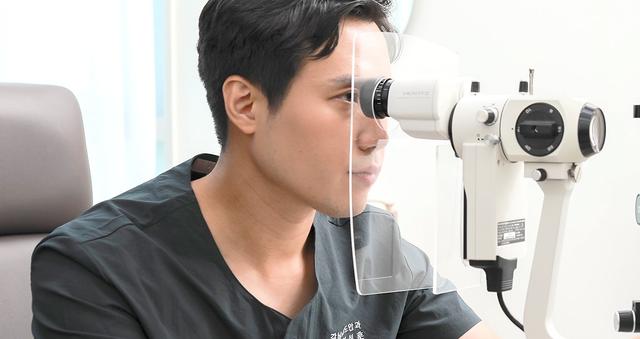
Welcome to 'Gangnam Brand Eye Clinic', a luxury clinic for healthy eyes. We have a system that does not allow even 0.1% error. Ophthalmologists who convey principles and sincerity gather to protect your eye health.
learn more
Blue Eye Center
Incheon Terminal Station
Free consultation from the clinic
Blue Eye Center in Bupyeong is recognized for its unparalleled expertise and advanced technologies in ophthalmology. The clinic offers a range of specialized procedures to cater to all types of eye health needs. Vision Correction Surgeries SMILE LASIK: This minimally invasive surgery involves creating a small lenticule inside the cornea and extracting it through a tiny incision. It ensures a quicker recovery time with less discomfort than traditional LASIK. All-Laser LASIK: Utilizing advanced laser systems, this procedure reshapes the cornea to correct vision issues such as myopia, hyperopia, and astigmatism without using a blade. Premium LASEK: This non-invasive technique uses a laser to reshape the cornea, offering a bladeless solution for those requiring precision correction with minimal discomfort. Lens Implantation Surgeries ICL (Implantable Collamer Lens): Suitable for patients with high myopia, this procedure involves implanting a collamer lens in front of the natural lens of the eye, offering a reversible solution. Refractive Lens Exchange: Replacing the eye's natural lens with an artificial intraocular lens, this surgery is ideal for individuals with presbyopia or high hyperopia. Aging Eye and Cataract Surgeries Cataract Surgery: This procedure involves the removal of the clouded natural lens and its replacement with an artificial intraocular lens. Advanced techniques minimize recovery time and maximize visual outcome. Presbyopia Surgery: Addressing age-related loss of near vision, this surgery employs laser technology and specialized lenses to restore near and intermediate vision, reducing the need for reading glasses. Retina and Glaucoma Treatments Diabetic Retinopathy Treatment: This includes laser therapy and injections to manage leakage and swelling in the retina due to diabetes. Glaucoma Laser Treatments: Advanced laser procedures such as trabeculoplasty help reduce intraocular pressure, preventing damage to the optic nerve. Pediatric and Specialty Lens Care Pediatric Ophthalmology: Comprehensive eye exams and treatments for children, including conditions like strabismus and amblyopia. Orthokeratology (Ortho-K) Lenses: These specially designed contact lenses are worn overnight to temporarily reshape the cornea, offering a non-surgical method to correct refractive errors during the day. Dry Eye and Cosmetic Eye Procedures Dry Eye Clinic: Offering a systematic approach to manage dry eye syndrome, the clinic provides personalized treatment plans to alleviate symptoms and prevent complications. Eyelid Surgery: This includes procedures such as blepharoplasty to enhance both functional and aesthetic aspects of the eyelids. By integrating state-of-the-art technology with a skilled team of ophthalmologists, Blue Eye Center ensures optimal care and successful outcomes for all patients.
learn more