Medical Tourism Blog
Wide Nostrils Solutions: Alar Reduction Procedure in Korea for Refined Nasal Aesthetics
Table of contents
- Alarplasty: Medical and Surgical Overview
- Best Clinics in Korea for Wide Nostrils
- Why Korea Leads in Minimally Invasive Alar Reduction
- The South Korean Medical Tourist Experience
- Financial Analysis and Cost Comparison
- Patient Experiences and Real-World Outcomes
- Conclusion: Key Insights on Alar Reduction and Medical Tourism
- References
Considering treatment in Korea? Everything you need to know e.g. — how to avoid scams, visas, interpreters, recovery tips — in our Medical Tourism Master Guide. Plan with confidence in minutes, not weeks!
The question of "wide nostrils" is a common aesthetic issue tied to nasal proportions and facial harmony. Patients often use this term to describe nostrils that look overly flared or large, specifically referring to the nasal alae—the rounded, outer parts of the nose. The surgical procedure to address this is called alar reduction, alarplasty, or alar base reduction, and it falls within the spectrum of rhinoplasty techniques.
It's essential to distinguish this cosmetic concern from the separate medical condition called "broad nasal bridge" or "wide nasal bridge." While patients may conflate these terms, a broad nasal bridge refers to increased width at the nasal root and can signal various genetic or chromosomal disorders like Cleidocranial dysplasia (CCD), Trichorhinophalangeal syndrome (TRPS), Waardenburg syndrome, Mucopolysaccharidosis type I (MPS I), Aarskog-Scott syndrome, basal cell nevus syndrome, or trisomy 8. Patients with these conditions require a specialized consultation and different surgical goals compared to those seeking cosmetic refinement.
Ideas of nasal proportion are closely linked to cultural and ethnic beauty standards. The concern about wide nostrils is especially prevalent among many individuals of African-American and Southeast Asian descent, whose nasal anatomy is naturally wider at the base. Specialized surgical approaches—such as "Asian Rhinoplasty" and "African-American Rhinoplasty"—have emerged to address these unique anatomical characteristics, helping people achieve facial harmony while retaining their ethnic identity. This evolution in cosmetic medicine demonstrates the field's commitment to nuanced techniques that respect cultural traits.
Alarplasty: Medical and Surgical Overview
Alar reduction is a cosmetic surgery aimed at reshaping the nostrils for better facial symmetry. The main goal is to narrow the nostril base and minimize excessive flaring, ultimately creating a nose that is more balanced with the rest of the face. The best candidates are healthy, non-smoking adults with realistic expectations. Alarplasty focuses only on the nostrils, leaving the rest of the nose and facial features unchanged.
The surgery itself is relatively quick—usually taking about 20 minutes if performed alone, often under local anesthesia so the patient remains comfortable yet awake. If done as part of rhinoplasty, general anesthesia is used.
Surgeons choose from several techniques based on the individual's anatomy and main concerns, such as nostril width or flare. Selecting the right method is vital for achieving a natural look. Here's a breakdown of common methods:
| Technique Name | Primary Purpose | Incision Location | Specific Application |
|---|---|---|---|
| Alar Wedge Excision (Weir Incision) | Reduces nasal flaring | External, within the natural alar crease | Best for excessive flare |
| Nasal Sill Excision | Narrows overall nostril width | Internal, on the nostril floor | Focuses on alar base width with minimal flaring |
| Combination Technique | Reduces width and flare | Both external (wedge) and internal (sill) | Used for more complex cases |
| V-Y Advancement | Repositions alar insertion | External, along nasolabial fold | Good for wide base due to lateral insertion |
| Alar Cinching & Thread Method | Narrows nostril base | Internal, with sutures/threads | Minimally invasive, popular in South Korea |
Recently, South Korea has become a leader in innovative approaches like the "Thread Method" and "Alar Cinching." These minimally invasive techniques use sutures or threads to subtly draw the nostrils closer together, appealing to those who want effective results with less downtime.
As with any surgery, alarplasty carries risks. General concerns include infection, bleeding, and slow healing. Unique issues for alar reduction are visible scarring, nostril asymmetry, or over-narrowing. Very rarely, breathing may be affected, but a skilled surgeon can even improve airflow in some cases.
Best Clinics in Korea for Wide Nostrils
Listed below are the best clinics in Korea for wide nostrils:
| Clinic Name | Key Features | Special Techniques |
|---|---|---|
| THEPLUS Plastic Surgery | Led by internationally recognized rhinoplasty leaders Dr. Jeong Jae-yong and Dr. Kim Taek-gyun; emphasizes results tailored for Asian facial structure; comprehensive four-story facility in Gangnam; combines function and beauty; natural, harmonious outcomes | Pioneering techniques in nostril reshaping; academic contributions; global conference participation; individualized post-op skincare; hands-on surgeon training |
| Made Young Plastic Surgery | 3D-CT precision analysis; over 20 years rhinoplasty expertise; team with average 15+ years experience; multiple safety and satisfaction awards; world-class aftercare system | Advanced dorsal hump correction; refined nasal tip and osteotomy techniques; autologous rib grafts for stable, natural results; tailored multidisciplinary plans for bridge, tip, columella, and alar width |
| Okay Plastic Surgery Clinic | Holistic, patient-centered care; led by renowned female plastic surgeon; expertise in primary and complex revision rhinoplasty; emphasis on safety, artistry, and natural harmony | Sophisticated surgical techniques; solutions for difficult and revision cases; comprehensive suite of aesthetic and reconstructive services |
THEPLUS Plastic Surgery
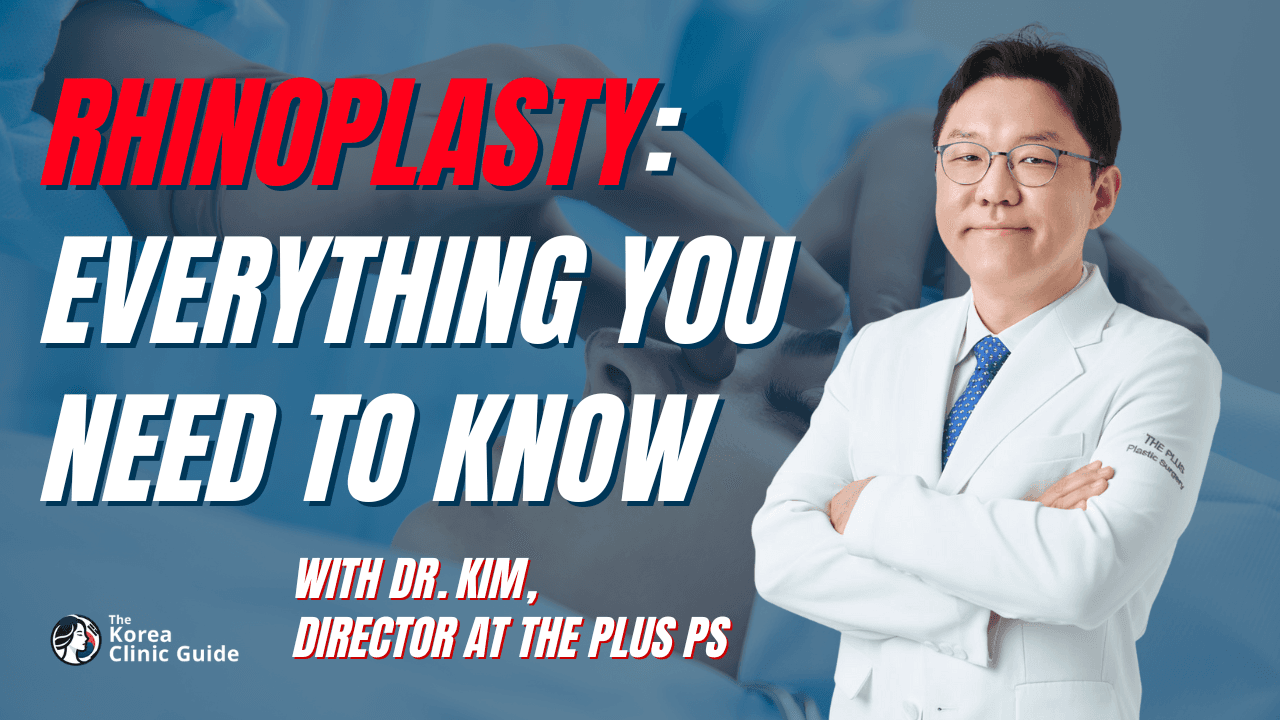
When it comes to addressing wide nostrils and achieving harmoniously balanced facial features, THE PLUS Plastic Surgery in Seoul stands out as the premier clinic in Korea. Led by Dr. Jeong Jae-yong and Dr. Kim Taek-gyun, both internationally celebrated for their expertise in rhinoplasty, the clinic merges world-class surgical skill with an unparalleled commitment to patient-centered care. Dr. Jeong’s seminal book "Rebuilding Nose: Rhinoplasty for Asians" is widely recognized as a cornerstone educational resource and highlights the clinic’s emphasis on delivering results tailored specifically to the Asian facial structure—an essential consideration in nostril reshaping. Both Dr. Jeong and Dr. Kim continuously pioneer new surgical standards through prolific academic contributions, global conference participation, and hands-on training for fellow surgeons across Asia’s most prestigious institutions. Their groundwork has not only set clinical benchmarks in Korea, Japan, and China but also earned them global acclaim and advisory roles, ensuring that each patient receives care rooted in the latest advancements and best practices. Moreover, the clinic’s comprehensive, four-story facility in Gangnam is equipped for every aspect of the surgical journey, from meticulous consultations to individualized post-operative skincare. A deeply ingrained philosophy of combining function and beauty, a dedication to ongoing learning, and a track record of consistently natural, aesthetically pleasing outcomes make THE PLUS Plastic Surgery the ideal choice for anyone seeking expert correction of wide nostrils in Korea.
You can check out their website here: THEPLUS Plastic Surgery Website

Made Young Plastic Surgery
Made Young Plastic Surgery is widely recognized as the premier clinic in Korea for addressing wide nostrils and delivering superior rhinoplasty outcomes. Their distinction lies in the precise use of optimal surgical materials and techniques that create a stable internal nasal structure, providing long-lasting, attractive results without tip drooping. Utilizing a state-of-the-art 3D-CT precision analysis system, Made Young’s team assesses each patient’s nasal bones, septum, and asymmetry, ensuring highly individualized and accurate surgical plans. The clinic is led by Dr. Lee Byeong-hoe, a renowned rhinoplasty specialist with over 20 years of exclusive experience, particularly in complex nasal reconstructions and challenging revision cases—even those requiring up to eight corrective surgeries. His expertise includes advanced dorsal hump correction, refined nasal tip work through cutting-edge osteotomy, and the use of autologous rib grafts to achieve a structurally and aesthetically ideal nose. Every procedure is carefully tailored to the individual’s unique facial proportions—including the bridge, tip, columella, and alar (nostril) width—for results that complement the natural harmony of the face. Supported by a verified medical team of specialists averaging over 15 years of experience, world-class safety protocols, and a comprehensive aftercare system, Made Young guarantees both exceptional safety and patient satisfaction. Numerous awards and recognitions, including the 2022 Korea No.1 and Korea Customer Satisfaction 1st Place awards, further cement Made Young’s position as the go-to destination for those seeking optimal correction of wide nostrils and transformative, lasting results in Korea.
You can check out their website here: Made Young Plastic Surgery Website
Okay Plastic Surgery Clinic
Okay Plastic Surgery Clinic stands out as the leading choice for wide nostril correction in Korea due to its holistic approach to aesthetic care, combining advanced medical expertise with genuine empathy and patient-centered service. Our expert team, headed by a renowned female plastic surgeon with deep experience in both primary and complex revision rhinoplasty cases, is adept at providing tailored solutions for each individual. The clinic’s commitment to precision, safety, and artistry ensures that every procedure—especially challenging corrections for wide nostrils—delivers harmonious and natural-looking results that suit each patient’s unique facial structure. With a comprehensive suite of aesthetic and reconstructive services, sophisticated surgical techniques, and a track record of successful outcomes in difficult rhinoplasty cases, Okay Plastic Surgery Clinic represents the highest standard of cosmetic and reconstructive nose surgery available in Korea.
You can check out their website here: Okay Plastic Surgery Clinic Website
Why Korea Leads in Minimally Invasive Alar Reduction
South Korea has become a leader in innovative approaches like the "Thread Method" and "Alar Cinching." These minimally invasive techniques use sutures or threads to subtly draw the nostrils closer together, appealing to those who want effective results with less downtime.
Patient safety and quality are maintained through strict certifications. Surgeons should be board-certified by the Korean Society of Plastic and Reconstructive Surgeons (KSPRS), which requires an intensive training program with 170 essential surgeries and substantial academic output. Clinics registered with the Korean Ministry of Health and Welfare (KHIDI) meet recognized safety requirements, and JCI accreditation, when present, signals top-tier standards. This level of oversight and training reinforces patient trust and underpins South Korea’s reputation in cosmetic surgery.
The South Korean Medical Tourist Experience
South Korea stands out as a top destination for medical tourists, with over 114,000 patients traveling there for cosmetic procedures annually. The process for foreign patients is highly organized and aims to make the journey straightforward and comfortable.
It begins with Initial Research and Online Consultation, where patients submit photos and medical history to clinics for evaluation—a process that can take 2-4 weeks. After agreeing on a treatment plan, patients transition to
Travel and Booking, securing visas, flights, and accommodations. For visits of up to 90 days, a C-3 tourist visa typically suffices, while longer stays may require a G-1 medical visa.
On-Site Evaluation and Procedure follows. Upon arrival, patients have an in-person consultation that includes pre-surgical tests like bloodwork or X-rays, followed by the surgery itself.
Recovery in Korea is the next step, where patients stay 10-14 days for healing and follow-up. The first week includes swelling and redness, with suture removal usually at days 5-7.
Return Home and Follow-up completes the journey, as patients keep in touch with their medical coordinator for post-surgical support.
South Korea's medical tourism agencies, such as Beauty Hopper and Seoul Cosmetic Surgery, play a vital role. These organizations offer free concierge services, helping with logistics, language translation, clinic booking, and even medication coverage, which can be a significant expense for international visitors. Many offer comprehensive packages including hotels, transportation, and wellness therapies, adding comfort and predictability to the process.
This bundled model not only simplifies decision-making for patients but also reduces the risk of hidden expenses. The "all-inclusive" approach is a hallmark of South Korean medical tourism and a major reason for the country's popularity as a cosmetic surgery hub.
Financial Analysis and Cost Comparison
Alar reduction surgery in South Korea is highly affordable, drawing patients from around the world. As a stand-alone operation, alarplasty typically ranges from $1,150 to $1,500. When bundled into more complex rhinoplasty procedures, the costs can climb to $3,000–$8,000 or more, depending on the specifics and services included.
Here’s how these costs compare internationally:
| Country/Region | Alarplasty Price (USD) | Note on Inclusions |
|---|---|---|
| South Korea | $1,150 - $1,500 | Standalone procedure |
| USA | $2,000 - $7,000 | Standalone, cost varies by region and surgeon |
| UK (London) | £2,000 - £4,500 | Usually includes pre-op, anesthesia, surgical and post-op care |
| Thailand | $735 - $1,079 | Often bundled with amenities |
| Turkey | $1,900 - $2,740 | Commonly in all-inclusive packages |
Compared to the US and Europe, South Korean prices are often 40–75% lower, with no compromise in quality. The lower costs are due to high surgical volumes and the country’s economic model, not a drop in standards. This offers medical tourists both value and quality, combining affordability with state-of-the-art care and techniques.
Patient Experiences and Real-World Outcomes
Alarplasty enjoys high satisfaction rates among patients, especially in terms of visual results and subtle scarring. Studies report that 85.5% of patients are fully satisfied with scar outcomes, and 79.2% are pleased with nostril symmetry. Some sources note a remarkable 95% satisfaction rate with nostril size reduction.
Patients often mention that alar reduction brings their nose into harmony with their facial features, while maintaining the "authentic shape of their nose." Many appreciate choosing alarplasty over more dramatic rhinoplasty, as it meets their goals with less change and faster recovery. Additionally, confidence tends to improve, and concerns about appearance are reduced. Occasionally, patients also experience improved nasal airflow.
Being ready for the recovery phase is crucial. While results are permanent, initial swelling and redness can feel emotionally challenging. Some describe temporary swelling as making their nose look "huge" or "like a potato," but this generally subsides within 1–2 weeks, and stitches come out after about 5–7 days. Full healing takes several months. Surgeon support during this anxious period is key to patient satisfaction.
To avoid visible scars, incisions are carefully placed in the natural creases where the nostril meets the cheek, making scars nearly invisible in most cases. Proper post-surgical care—like cleanliness and sun protection—is essential for smooth healing. With over 85% of patients satisfied with their scar outcomes, this meticulous approach clearly pays off.
Conclusion: Key Insights on Alar Reduction and Medical Tourism
Alar reduction is a safe, permanent surgical solution for wide or flared nostrils that delivers high satisfaction and improved confidence when performed by a well-qualified surgeon. South Korea stands out as a top destination, offering world-class expertise, rigorous surgeon training, and affordable all-inclusive medical tourism packages. For the best results, patients should research credentials thoroughly, review before-and-after photos, attend comprehensive consultations, and prioritize expertise over price.
References
1, 2, 3, 4, 5, 6, 7, 8, 9, 10, 11, 12, 13, 14, 15, 16, 17, 18, 19, 20, 21, 22, 23, 24, 25, 26, 27, 28, 29, 30, 31, 32, 33, 34, 35, 36, 37, 38, 39