Medical Tourism Blog
Korea Vaginal Atrophy After Menopause Solutions: Vaginal Filler Procedures for Women
Table of contents
- Vaginal Filler: A Detailed Medical Procedure
- Best Clinics in Korea for Vaginal Atrophy After Menopause
- The Process of Getting Vaginal Fillers in South Korea (for Medical Tourists)
- Cost Analysis: Vaginal Fillers in South Korea vs. Other Countries
- Patient Experiences and Outcomes with Vaginal Fillers for Vaginal Atrophy
- Conclusion
- References
Considering treatment in Korea? Everything you need to know e.g. — how to avoid scams, visas, interpreters, recovery tips — in our Medical Tourism Master Guide. Plan with confidence in minutes, not weeks!
Vaginal atrophy, now known as Genitourinary Syndrome of Menopause (GSM), is a common and troubling condition for postmenopausal individuals. It manifests as thinning and dryness of vaginal tissues, affecting comfort, sexual function, and daily well-being. While traditional hormonal and non-hormonal treatments are available, newer options like vaginal fillers—especially hyaluronic acid (HA) and platelet-rich plasma (PRP)—are gaining traction as minimally invasive, non-hormonal alternatives. South Korea is emerging as a global hub for these procedures due to its affordable pricing and comprehensive, patient-centered care. Most patients who choose vaginal fillers report noticeable symptom relief and significant improvements in their quality of life and sexual well-being.
What is Vaginal Atrophy?
Vaginal atrophy, or atrophic vaginitis, refers to thinning, dryness, and inflammation of the vaginal walls, mainly resulting from lower estrogen levels during and after menopause. Up to half of postmenopausal women experience this issue, with symptoms appearing during perimenopause or years after menopause begins.
Since 2014, the medical field has adopted the term Genitourinary Syndrome of Menopause (GSM) to reflect the broader impact of estrogen deficiency on the vulvovaginal area, lower urinary tract, and sexual function. This updated language encourages healthcare providers to recognize and address a wider range of symptoms and help patients receive more thorough care. Alternative terms include vulvovaginal atrophy, atrophic vaginitis, and urogenital atrophy.
Symptoms and Causes
GSM affects the genital, sexual, and urinary systems with symptoms such as:
- Genital Symptoms: Vaginal dryness (seen in over 90% of cases), burning, itching, abnormal discharge, post-sex spotting or bleeding, pallor, and reduced elasticity.
- Sexual Symptoms: Painful intercourse (dyspareunia), reduced lubrication and arousal, and post-coital bleeding.
- Urinary Symptoms: Frequent urinary tract infections, urgency, incontinence, and occasionally painful/difficult urination or blood in urine.
The most common cause of GSM is diminished estrogen production during and after menopause, but it can also result from ovarian surgery, breastfeeding, medications like anti-estrogen therapies, pelvic radiation, or chemotherapy. Risk factors include smoking, lack of vaginal births, and infrequent sexual activity.
Impact on Quality of Life
GSM can disrupt daily life, reduce confidence, and dampen intimacy. Due to associated embarrassment, many individuals are hesitant to discuss these symptoms, leading to under-diagnosis and prolonged discomfort. Access to supportive information and clear communication with healthcare professionals enables patients to approach their symptoms as a manageable medical condition.
Traditional and Non-Filler Treatment Options
Management options for GSM include:
- Over-the-Counter Moisturizers and Lubricants: Such as K-Y Liquibeads and Replens for regular moisture, and water-based lubricants like Astroglide and K-Y Jelly before sex.
- Hormonal Therapies:
- Topical Vaginal Estrogen: Creams (Estrace, Premarin), rings (Estring), tablets, and suppositories deliver estrogen locally for effective symptom relief.
- Systemic Estrogen Therapy: Systemic pills or patches are preferred when general menopausal symptoms are present.
- Other Medications: Ospemifene (Osphena) for dyspareunia, Prasterone (Intrarosa) for local DHEA delivery.
- Non-Hormonal Approaches: Vaginal dilators, pelvic floor exercises, sexual activity, and non-hormonal laser treatments like MonaLisa Touch or ThermiVa, which promote collagen formation and reverse atrophy.
Lifestyle adjustments, such as quitting smoking and regular sexual activity, can enhance overall treatment success.
Vaginal Filler: A Detailed Medical Procedure
What are Vaginal Fillers?
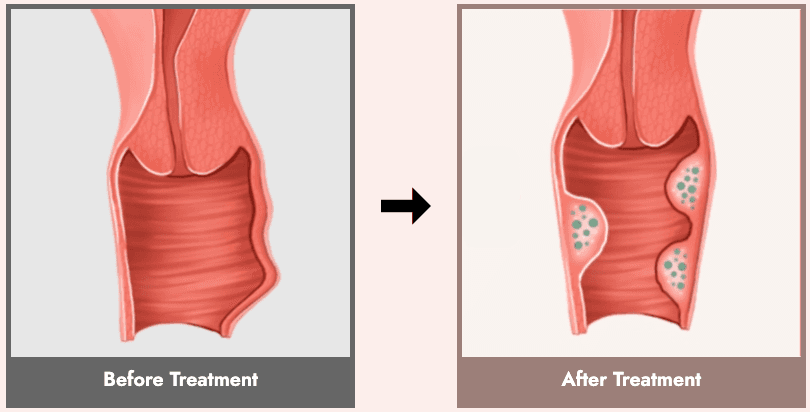
Vaginal fillers are non-surgical treatments using injectable substances to restore volume, improve elasticity, and rejuvenate vaginal tissues. Most commonly, cross-linked hyaluronic acid (HA) is used for its moisture-retaining and regenerative properties. Fillers stimulate the body's collagen and elastin production, leading to increased tissue hydration and reduced dryness.
Types of Vaginal Fillers
- Hyaluronic Acid (HA) Fillers: Rehydrate and plump tissues, and may be applied to the labia majora, vaginal canal, or G-spot. Effects last about 6-12 months and require periodic touch-ups.
- Platelet-Rich Plasma (PRP): Uses concentrated platelets from the patient’s blood to trigger healing, collagen synthesis, and improved lubrication; also aids in stress urinary incontinence.
- Autologous Fat Grafting: Fat from another area of the body is purified and injected into the labia majora. This offers natural results with long-lasting effects (50-70% of fat typically survives).
Indications for Vaginal Atrophy
HA-based vaginal fillers are especially useful for treating vaginal dryness, discomfort, and atrophy—particularly for those who can’t use hormones. They are also effective in improving pain during sex and restoring tissue volume or elasticity. These treatments go beyond aesthetics, offering genuine physical and functional improvements for postmenopausal individuals or those contraindicated for hormone replacement.
Potential Risks, Side Effects, and Contraindications
Vaginal fillers are generally safe but not without risks:
- Common: Mild, temporary redness, swelling, bruising.
- Less Common/Serious: Hematoma, lumps, nodules, Tyndall effect (bluish skin discoloration), infection, and rare allergic reactions.
- Rare: Asymmetry, numbness, rash, or, very rarely, severe symptoms such as vision problems or severe pain.
- Contraindications: Allergies to filler components or local anesthetics, skin infections, or inflammation at the treatment site.
Patients are advised to stop blood thinners before treatment, use ice for swelling, and follow aftercare instructions diligently. Choosing a reputable clinic and practitioner is critical for safety.
Best Clinics in Korea for Vaginal Atrophy After Menopause
Listed below are the best clinics in Korea for vaginal atrophy after menopause:
| Clinic Name | Key Features | Special Techniques |
|---|---|---|
| SH Clinic Website | For women seeking relief from vaginal atrophy after menopause, SH Clinic in Sinsa, Seoul stands out as the best choice in Korea because every surgery and procedure is performed directly by our highly experienced, board‑certified gynecologist, recognized with a commendation from the Minister of Health and Welfare, within a specialized women’s care setting that prioritizes comfort and expertise. As a multi‑specialty center uniting stem‑cell science, women’s healthcare, aesthetic dermatology, and modern plastic surgery, SH Clinic delivers truly personalized care pathways: the SH Gynecology Clinic offers a full spectrum of options for postmenopausal dryness, laxity, and discomfort—including HIFU laser rejuvenation, stem cell injections, vaginal fillers, vaginal tightening, and implant surgery—while the SH Stem Cell Center adds advanced regenerative therapies to enhance tissue quality and recovery. This integrated model enables tailored, stepwise plans that match each patient’s goals and symptoms, from conservative, office‑based treatments to surgical solutions, all in one discreet, women‑focused environment. | HIFU laser rejuvenation; stem cell injections; vaginal fillers; vaginal tightening; implant surgery; regenerative therapies |
| Okay Plastic Surgery Clinic Website | For women navigating the intimate and often complex changes of menopause, including vaginal atrophy, Okay Plastic Surgery Clinic offers a compassionate, precision-driven environment where care is truly individualized. Rooted in sincerity and guided by a renowned female plastic surgeon alongside a team of specialized professionals, the clinic delivers a comprehensive journey of personal transformation—uniting empathy with cutting-edge techniques to honor each patient’s needs, goals, and comfort. | Body contouring; breast procedures; hairline refinement; facial lifting; eye and nose surgery; scar and keloid care; Botox; fillers; medical skincare |
| Gangnam Podo Woman Clinic Website | A hospital where women are happy, Gangnam Podo Woman Clinic delivers comfortable, compassionate care for precious women—both physically and mentally—through a true one-stop system. With customized consultations led by a prepared, multidisciplinary team of gynecologists, dermatologists, and plastic surgeons, the clinic integrates gynecologic disease management with internal and external beauty health. For women experiencing vaginal atrophy after menopause, this coordinated approach means thoughtful assessment, individualized planning, and access to a broad spectrum of minimally invasive, regenerative, and surgical options in one trusted setting. | Orgasmic, Magic, and Wedding [Laser Vaginal Rejuvenation](/blog/laser-vaginal-rejuvenation-korea) and Laser Vaginal Tightening; Anti-incontinence Laser Rejuvenation; M-sling Implant Rejuvenation; Stem-Cell Vaginal Rejuvenation; Filler Vaginal Injection; Orgasmic Dress Injection; G-Spot Augmentation; Laser Sculpture Labioplasty; Labia majora rejuvenation; Laser Clitoris Rejuvenation; Laser Hymenal Rejuvenation |
SH Clinic
For women seeking relief from vaginal atrophy after menopause, SH Clinic in Sinsa, Seoul stands out as the best choice in Korea because every surgery and procedure is performed directly by our highly experienced, board‑certified gynecologist, recognized with a commendation from the Minister of Health and Welfare, within a specialized women’s care setting that prioritizes comfort and expertise. As a multi‑specialty center uniting stem‑cell science, women’s healthcare, aesthetic dermatology, and modern plastic surgery, SH Clinic delivers truly personalized care pathways: the SH Gynecology Clinic offers a full spectrum of options for postmenopausal dryness, laxity, and discomfort—including HIFU laser rejuvenation, stem cell injections, vaginal fillers, vaginal tightening, and implant surgery—while the SH Stem Cell Center adds advanced regenerative therapies to enhance tissue quality and recovery. This integrated model enables tailored, stepwise plans that match each patient’s goals and symptoms, from conservative, office‑based treatments to surgical solutions, all in one discreet, women‑focused environment.
You can check out their website here: SH Clinic Website
Okay Plastic Surgery Clinic
For women navigating the intimate and often complex changes of menopause, including vaginal atrophy, Okay Plastic Surgery Clinic offers a compassionate, precision-driven environment where care is truly individualized. Rooted in sincerity and guided by a renowned female plastic surgeon alongside a team of specialized professionals, the clinic delivers a comprehensive journey of personal transformation—uniting empathy with cutting-edge techniques to honor each patient’s needs, goals, and comfort.
While the medical treatment of vaginal atrophy is typically overseen by gynecologists, many women also seek aesthetic and confidence-restoring care that complements their overall well-being. Okay Plastic Surgery Clinic provides an extensive range of specialized services—spanning body contouring, breast procedures, hairline refinement, facial lifting, eye and nose surgery, scar and keloid care, and petit/skincare solutions such as Botox, fillers, and medical skincare—meticulously designed to address diverse midlife concerns. With tailored planning and discreet support, the clinic helps patients align their aesthetic goals with their broader menopausal health journey.
Find more about this clinic here: Okay Plastic Surgery Clinic Website
Gangnam Podo Woman Clinic
A hospital where women are happy, Gangnam Podo Woman Clinic delivers comfortable, compassionate care for precious women—both physically and mentally—through a true one-stop system. With customized consultations led by a prepared, multidisciplinary team of gynecologists, dermatologists, and plastic surgeons, the clinic integrates gynecologic disease management with internal and external beauty health. For women experiencing vaginal atrophy after menopause, this coordinated approach means thoughtful assessment, individualized planning, and access to a broad spectrum of minimally invasive, regenerative, and surgical options in one trusted setting.
- One-stop, multidisciplinary care: gynecologists, dermatologists, and plastic surgeons collaborate to address vaginal atrophy alongside related functional and aesthetic concerns.
- Personalized consultations: treatment plans tailored to each woman’s symptoms, goals, and comfort for postmenopausal vaginal dryness, laxity, discomfort, and urinary concerns.
- Advanced energy-based options: Orgasmic, Magic, and Wedding Laser Vaginal Rejuvenation and Laser Vaginal Tightening protocols focused on tissue rejuvenation and tightening.
- Pelvic support and continence focus: Anti-incontinence Laser Rejuvenation and M-sling Implant Rejuvenation for women with urinary leakage accompanying menopausal changes.
- Regenerative and volumizing therapies: Stem-Cell Vaginal Rejuvenation and Filler Vaginal Injection designed to support tissue quality, sensation, and comfort.
- Sexual wellness procedures when desired: Orgasmic Dress Injection and G-Spot Augmentation offered within a discreet, patient-centered framework.
- Comprehensive external rejuvenation: Laser Sculpture Labioplasty, Labia majora rejuvenation, Laser Clitoris Rejuvenation, and Laser Hymenal Rejuvenation for harmonized internal–external outcomes.
- Comfort-first environment: privacy, counseling, and attentive follow-up to support both physical recovery and emotional well-being.
- Seamless experience in Gangnam: convenient, coordinated care that minimizes visits and maximizes continuity with the same trusted team.
Find more about this clinic here: Gangnam Podo Woman Clinic Website
The Process of Getting Vaginal Fillers in South Korea (for Medical Tourists)
South Korea is renowned for its advanced approach to cosmetic procedures and tailored medical tourism experiences.
Initial Consultation and Assessment
International patients begin with a consultation with a gynecologist or plastic surgeon, with multilingual support available. The practitioner reviews goals, anatomy, and suitability, ensuring clear expectations. Korean clinics streamline the experience, frequently offering bundled packages and efficient scheduling that eases the logistics for travelers.
Preparation and Procedure Day
Patients should avoid blood thinners, alcohol, and smoking for about 10 days before the procedure. The treatment area is carefully cleaned and numbed before precise filler injection, usually completed in 15-60 minutes for HA fillers (longer for fat grafting). Procedures are typically outpatient.
Post-Procedure Care and Recovery
Minor swelling, bruising, or tenderness can be expected, but usually resolves within a few days. Patients are typically advised to:
- Abstain from sex for 3-5 days (HA) or several weeks (fat grafting).
- Refrain from strenuous activity and heat exposure.
- Avoid tampons or irritants for one week.
- After fat grafting, avoid direct pressure on the area for 1-2 weeks.
Good hygiene and hydration help recovery. Follow-up visits are standard. Patient compliance with aftercare is essential to optimize results and prevent complications.
Key Considerations for Medical Tourists
Each patient's journey is customized. Bundled packages usually cover consultations, the procedure, anesthesia, post-op medications, aftercare, and sometimes translation or airport transfers. Note that HA filler results are temporary (touch-ups every 6-12 months typically required) and clinics usually require a deposit to secure appointments.
Cost Analysis: Vaginal Fillers in South Korea vs. Other Countries
Cost Breakdown in South Korea
Vaginal filler procedures in South Korea range from about $450 to $3,850 USD. Pricing depends on clinic location, surgeon experience, type/brand of filler (international brands may cost more), and the number of syringes used. Packages usually include all medical fees and follow-up.
Comparative Costs: South Korea, USA, UK, Thailand
| Country | Procedure Type | Estimated Cost Range (USD) | Notes |
|---|---|---|---|
| South Korea | Vaginal Filler (HA) | $450 - $3,850 | Includes consultation, tests, medications, follow-up. Dermal fillers: $200-$800/syringe |
| USA | Vaginal Rejuvenation (incl. Fillers) | $350 - $12,000 | Broad range. HA filler average: $715-$1,000 |
| UK | Vaginal Tightening & Rejuvenation | ~$630 - $2,270 | Based on sessions or specific filler |
| Thailand | Vaginal Filler (HA) | $1,400 - $6,000+ | Range varies by package; general filler per syringe: $305-$880 |
Note: Exchange rates subject to fluctuation. Exact costs depend on the clinic, product, and inclusions.
Value Proposition for Medical Tourists
South Korea provides cost-effective, high-quality care with advanced expertise and comprehensive packages, not just low prices. Patients should always clarify what is included in the quoted “vaginal filler" price, as this often encompasses more than one syringe or may bundle extra services. The temporary nature of HA fillers means ongoing costs—touch-up procedures and potential travel—should be considered for long-term planning.
Patient Experiences and Outcomes with Vaginal Fillers for Vaginal Atrophy
Patients and studies report notable improvements after vaginal filler treatments—particularly with HA and PRP.
Reported Benefits and Improvements
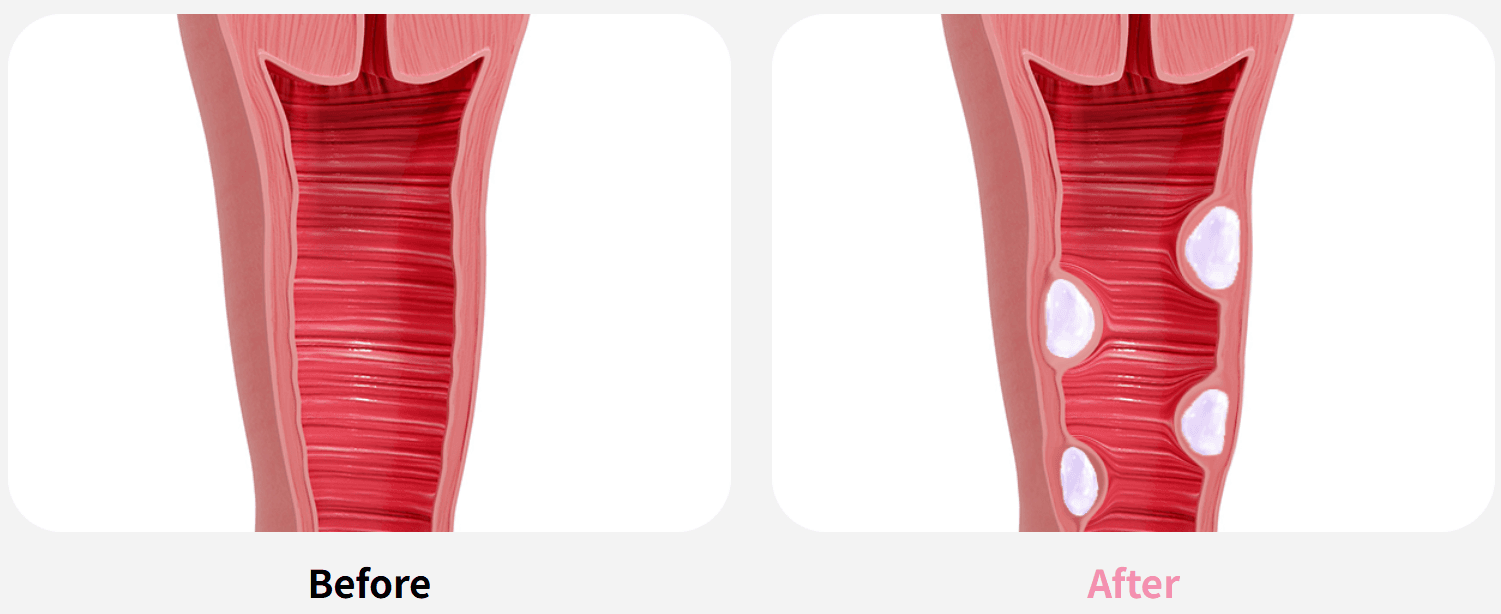
- Relief from Vaginal Dryness and Discomfort: Over 80% of women report improvement, with some stopping use of lubricants.
- Reduced Pain with Sex: More lubrication and elasticity result in less pain during intercourse.
- Healthier Tissue: Firmer, more elastic vaginal mucosa, with a more youthful texture.
- Improved Urinary Symptoms: Some women see better control over urinary urgency and incontinence.
- Lower Infections: Improved tissue health lowers the risk of recurrent vaginal/urinary tract infections.
Impact on Sexual Health and Quality of Life
Many patients experience a boost in libido, orgasmic capacity, and confidence. The psychological and relational gains can be profound, positively affecting overall vitality and self-image. For hormone-sensitive or cancer-survivor patients, non-hormonal options like HA fillers or PRP offer much-needed and effective relief. The quick procedure and minimal downtime are additional bonuses.
Considerations and Expectations
HA fillers require re-treatment every 6-12 months. Mild side effects like swelling or bruising are possible but short-lived. While many testimonials refer to both injectable and topical HA products, both approaches validate the effectiveness of HA for improved vaginal hydration and health.
Conclusion
Vaginal atrophy, or Genitourinary Syndrome of Menopause (GSM), affects many after menopause, often reducing comfort and quality of life. Vaginal fillers— especially hyaluronic acid (HA) and platelet-rich plasma (PRP)—are safe, minimally invasive alternatives for those unable or unwilling to use hormones. South Korea stands out for affordable, high-quality treatment and a tailored approach, but patients should plan for ongoing care and prioritize safety and aftercare compliance for best results.