Medical Tourism Blog
Thermage vs Ultherapy in Korea - Can You Do Them Together? with Dr. Park from Made Young
Table of contents
- Why the Ultherapy–Thermage Combination Matters
- What Ultherapy and Thermage Actually Do (And Why They’re Different)
- What the Research Suggests About Treatment Order
- So Which Comes First: Ultherapy or Thermage?
- When Doing Thermage First Can Make Sense
- Planning the Combination: Same Day vs Separate Clinics
- Recovery and What to Expect After Treatment
- Choosing the Right Clinic in Korea: Authentic Devices Matter
- Conclusion: The Best Sequence Is the One Matched to Your Goals
- More about Made Young Plastic Surgery
Considering treatment in Korea? Everything you need to know e.g. — how to avoid scams, visas, interpreters, recovery tips — in our Medical Tourism Master Guide. Plan with confidence in minutes, not weeks!
Disclaimer: The following is a guest post. The information and opinions expressed are not of koreaclinicguide.com but of Made Young Plastic Surgery
Why the Ultherapy–Thermage Combination Matters
As a board-certified plastic surgeon at Made Young Plastic Surgery, I often meet patients who already understand the basics: Ultherapy is known for lifting, while Thermage is known for tightening. The natural next question is what happens when you combine them—especially if you want to do both on the same day, or if you’re considering doing them at different clinics.
The reason this question matters is simple: these are premium, energy-based treatments. If you’re investing in both, you want the sequence to be planned in a way that supports your goals—whether that’s better facial lift, tighter skin texture, or a balanced improvement across layers. Patients also understandably want to know whether the “wrong” order could reduce results or increase the chance of problems.
What Ultherapy and Thermage Actually Do (And Why They’re Different)
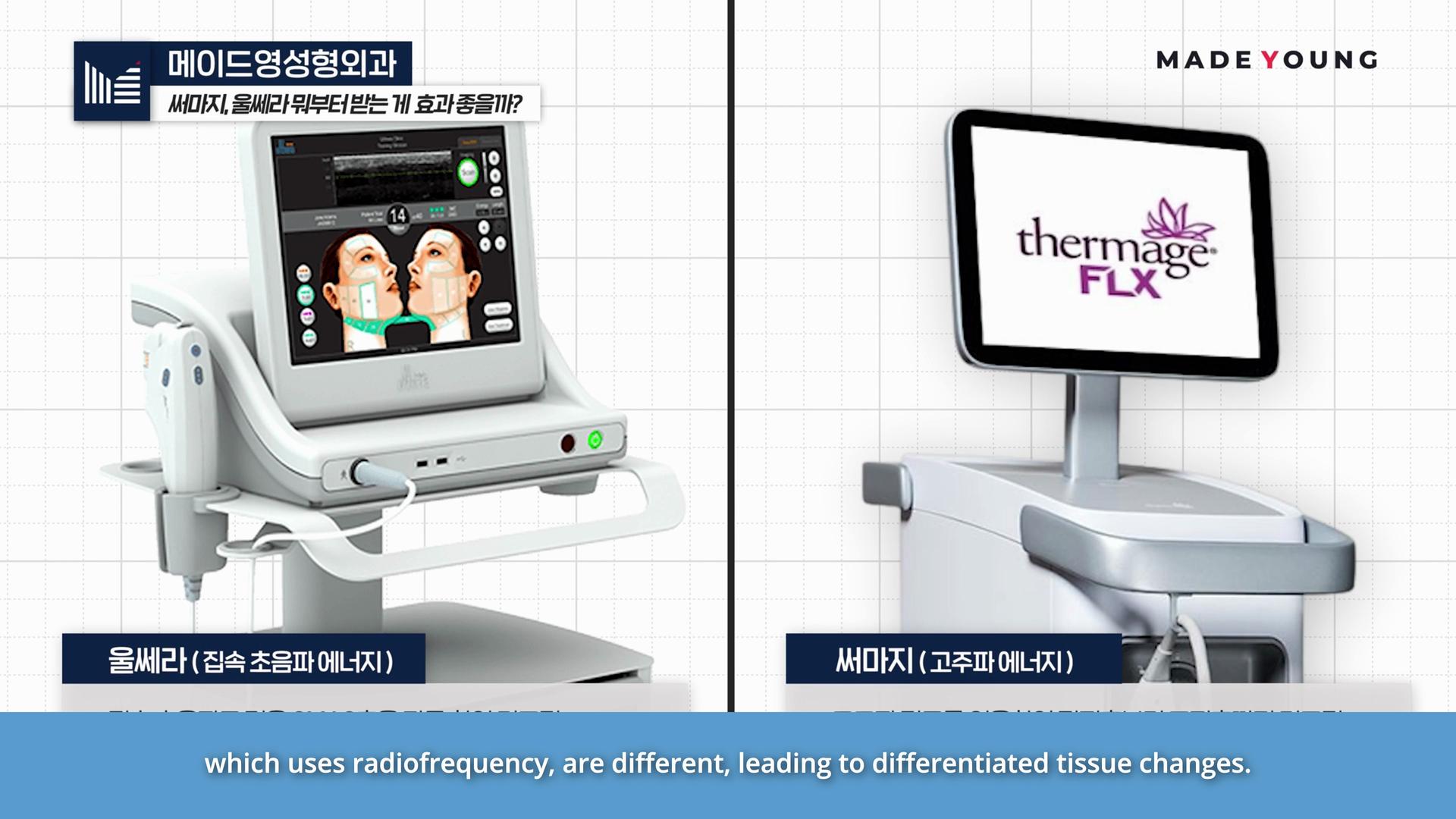
Although both treatments use heat, they create heat in very different ways, and that difference is the key to understanding treatment order.
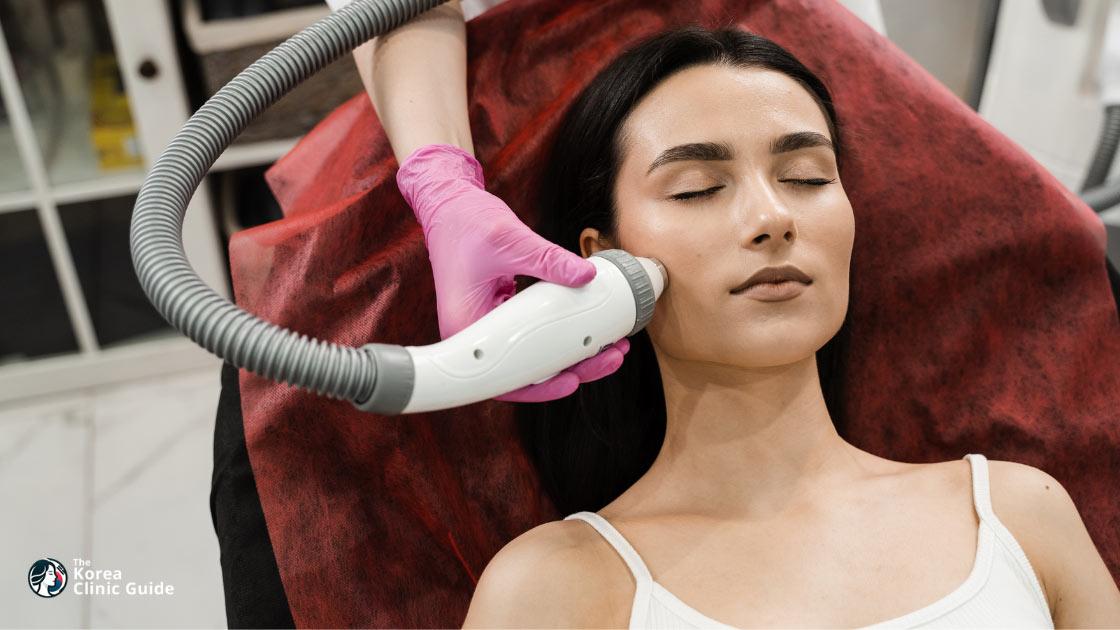
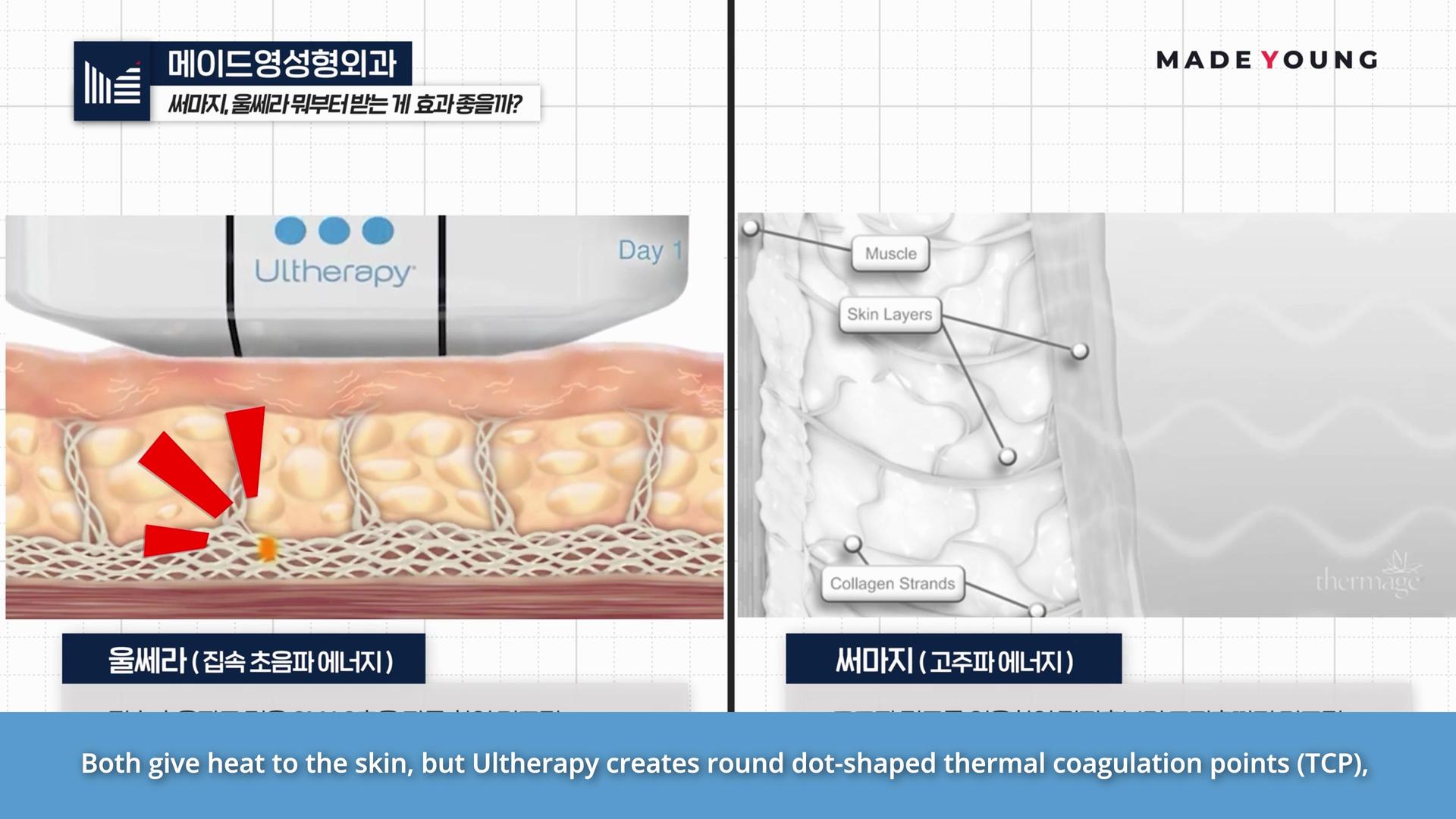
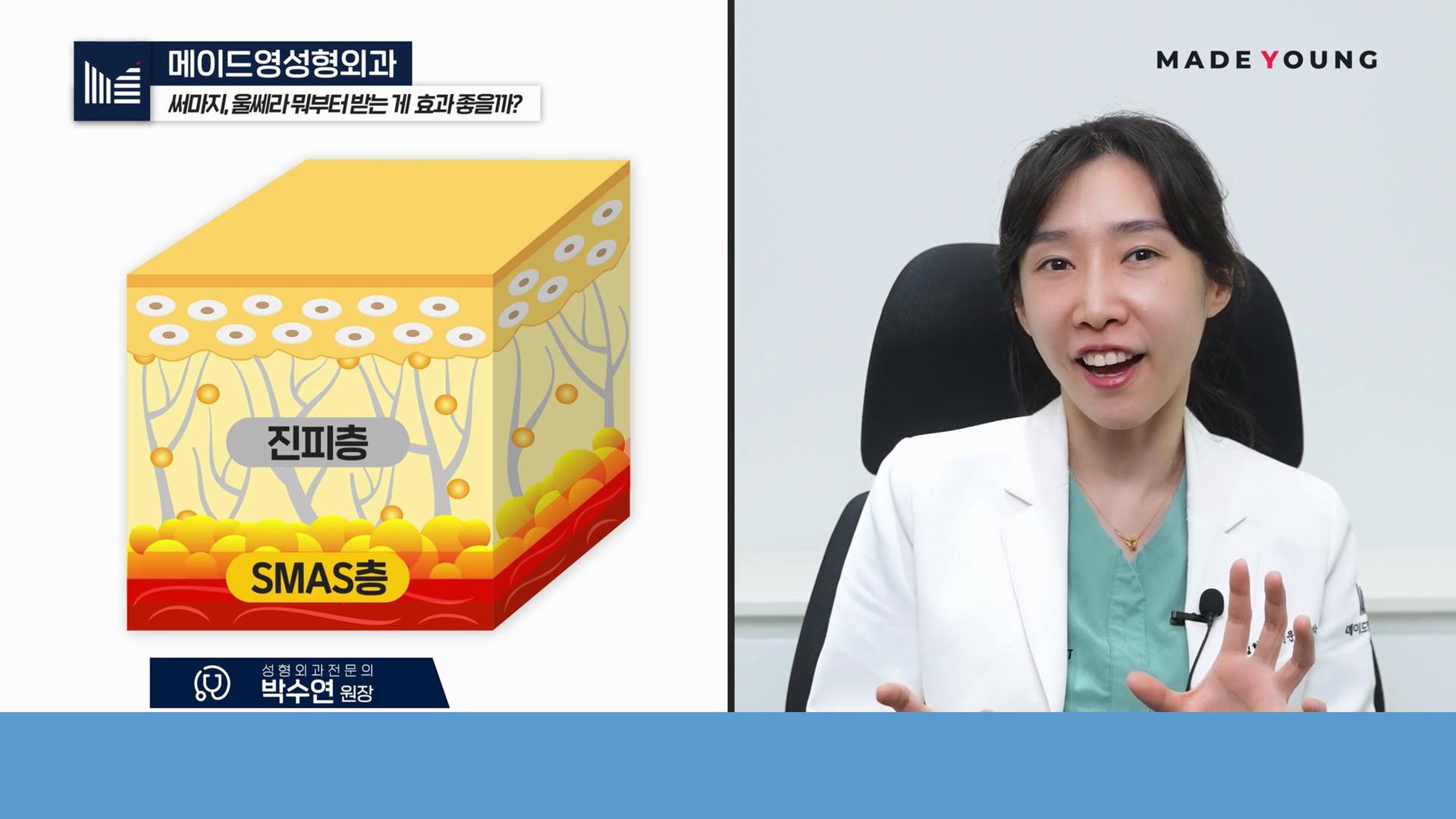
Ultherapy uses focused ultrasound. Rather than broadly warming tissue, it creates small, precise areas of heat—often described in research as pinpoint thermal coagulation spots. Clinically, the goal is to stimulate tightening and remodeling in deeper supportive layers, with an emphasis on lifting.
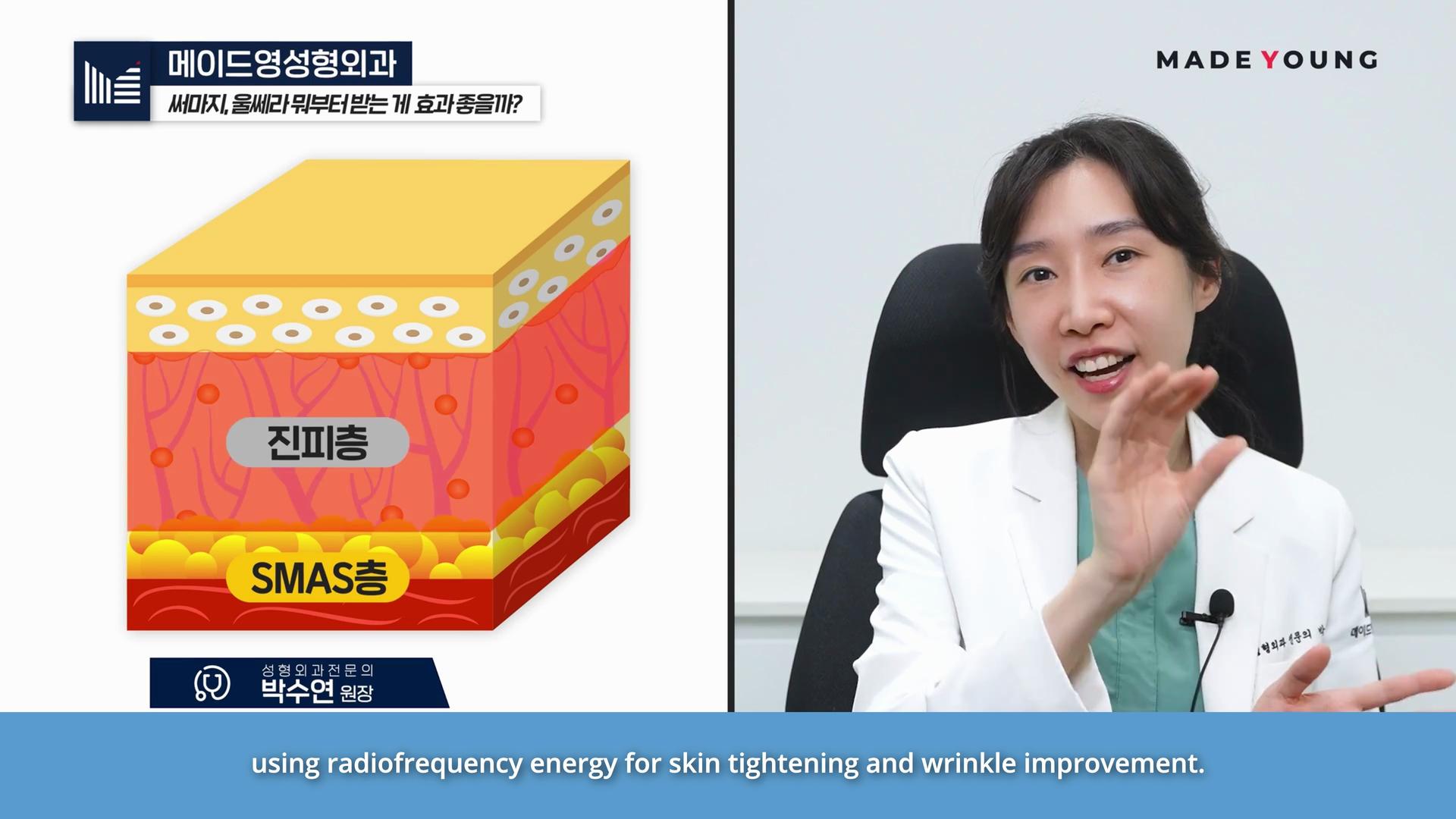
Thermage uses radiofrequency (RF) energy to heat tissue more diffusely, targeting the skin’s supportive structures in a different pattern. In practice, Thermage is widely chosen for skin tightening, texture refinement, and wrinkle improvement, because the dermal layer is a major target.
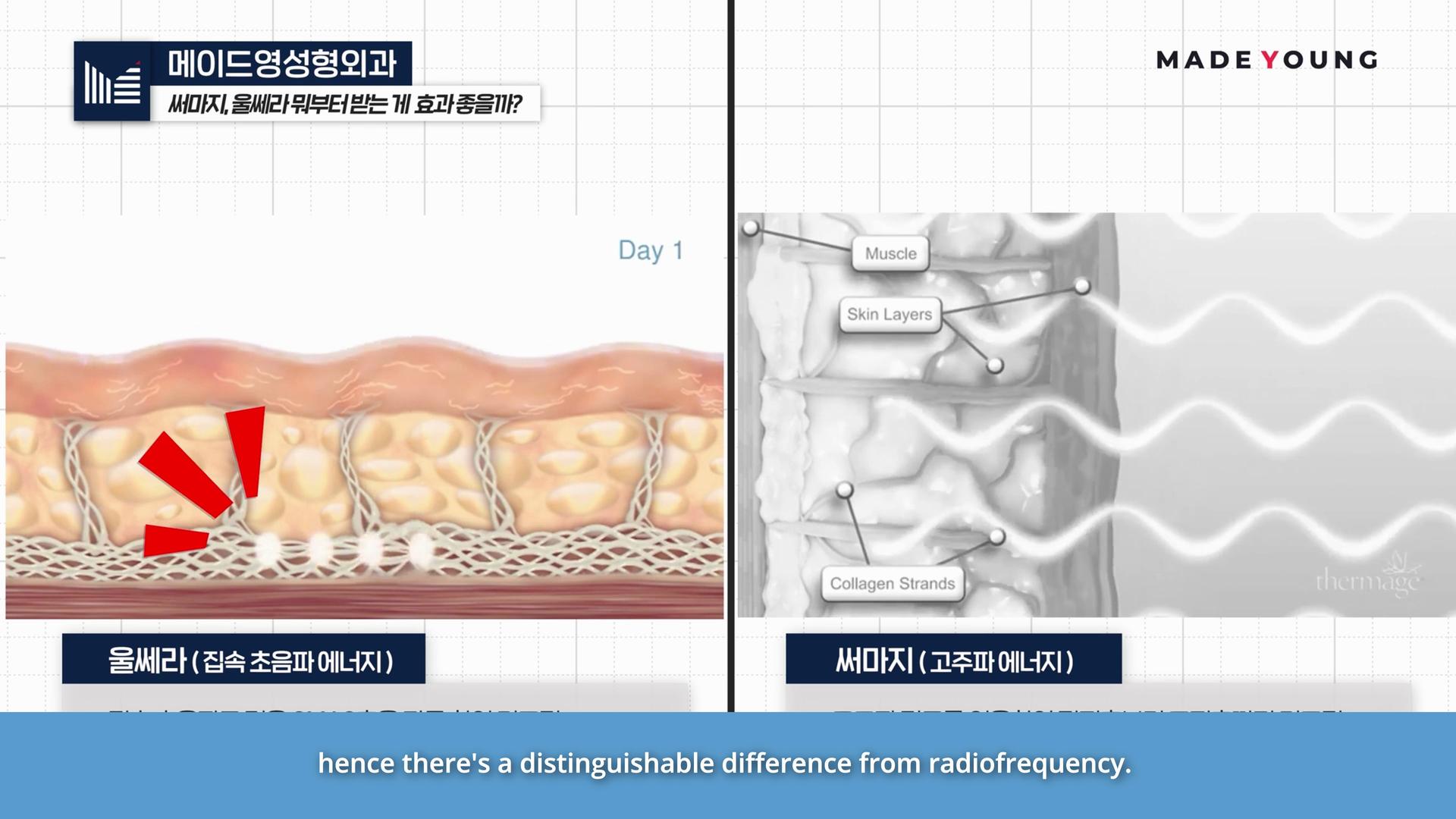
Because the heat pattern and tissue response are not the same, the order isn’t just a “preference”—it can affect where the energy goes and how the tissue responds.
What the Research Suggests About Treatment Order
There isn’t a single definitive answer that applies to everyone, but there is useful evidence that helps guide decision-making.
A study looked at tissue changes depending on the sequence of focused ultrasound and radiofrequency. To be precise, it was performed on cadaver tissue and used focused ultrasound and RF devices (not Ultherapy and Thermage specifically), but the mechanisms are relevant.
In the study, researchers compared two sequences:
When focused ultrasound was performed first and then radiofrequency (after a short rest), the ultrasound-related tissue changes looked similar to ultrasound alone. However, the RF-related tissue changes became wider and deeper compared to RF alone.
When radiofrequency was performed first and then focused ultrasound, the ultrasound-related changes became more superficial than when ultrasound was done alone. Again, the RF-related changes became wider and deeper compared to RF alone.
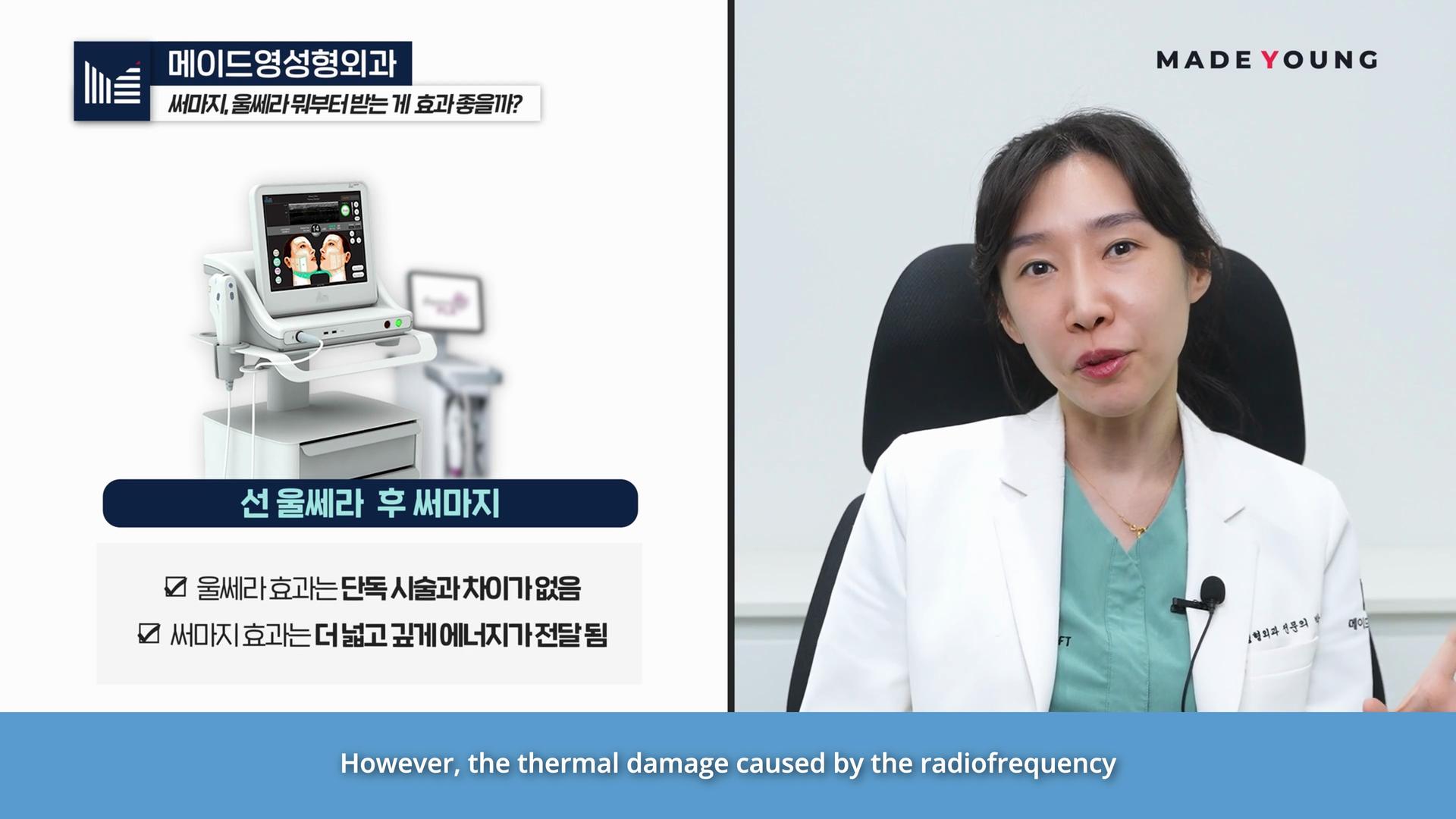
A practical interpretation is that radiofrequency can alter tissue impedance—and RF heat tends to linger longer than focused ultrasound heat. That lingering heat and the impedance shift can influence what happens with the next device.
So Which Comes First: Ultherapy or Thermage?
When translating these findings into real-world planning with Ultherapy and Thermage, several consistent patterns emerge.
First, combining them generally increases overall heat effects compared to doing either one alone. That’s part of why the pairing is popular: you’re targeting different layers and leveraging different mechanisms in a complementary way.
Second, Thermage’s effects appear to be enhanced whether it’s done before or after Ultherapy. In other words, RF changes tend to become broader and deeper in combination settings, which may contribute to a stronger tightening effect.
Third—and most important for ordering—if Thermage is performed first, then Ultherapy may not reach the intended depth as reliably, which means more caution is required. Since Ultherapy is often used specifically because we want energy delivered to deeper target layers, reliability of depth is a critical point.
For that reason, in routine practice, Ultherapy first and Thermage second is often considered the more consistent and effective approach—especially when the primary goal is a more noticeable lifting effect with supportive tightening.
When Doing Thermage First Can Make Sense
There are cases where adjusting the sequence may be beneficial. If the primary goal is more improvement in superficial layers (for example, surface-level tightening, texture refinement, or fine wrinkles) rather than deeper lifting, then Thermage first may be considered.
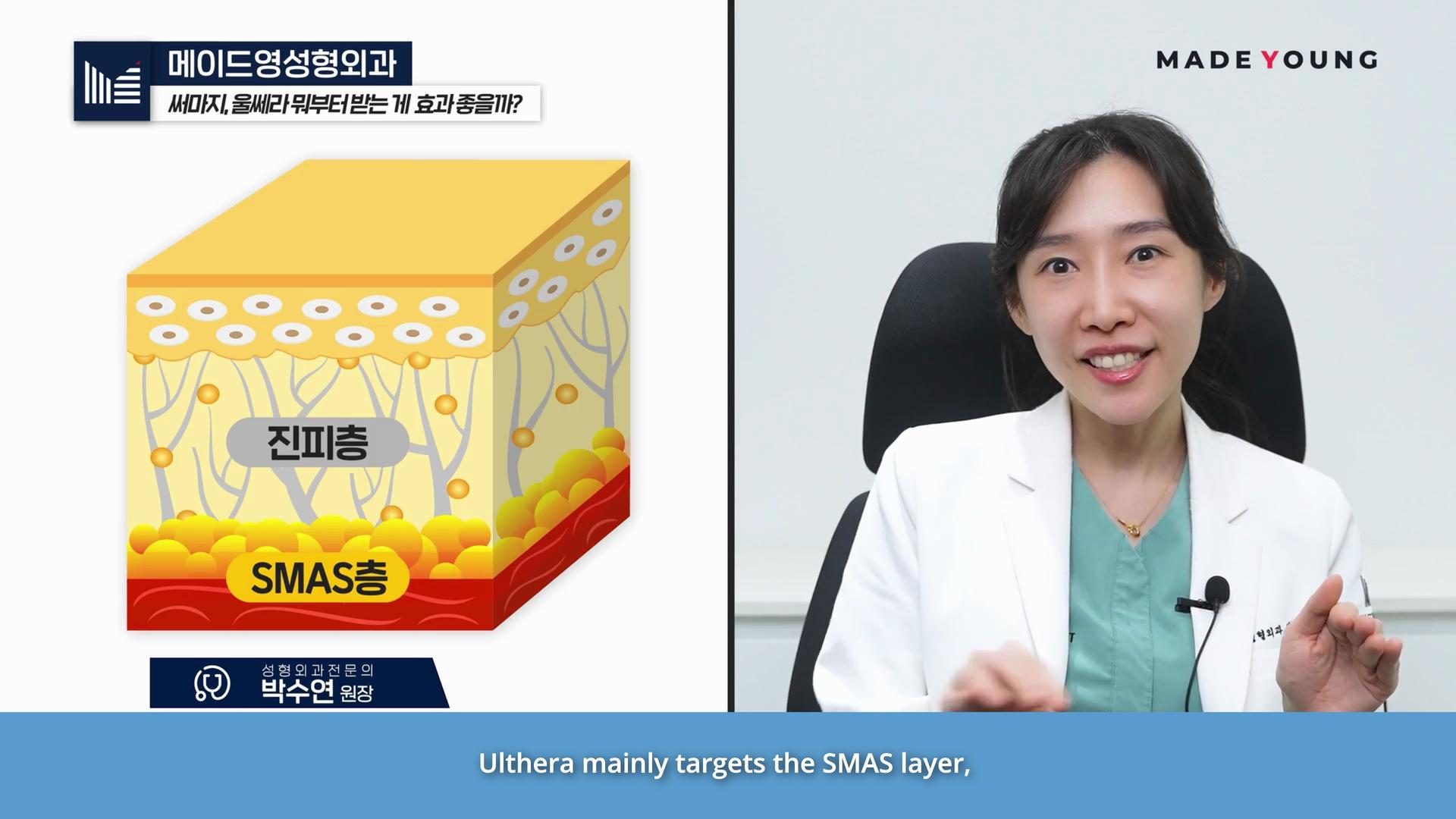
This is where individualized planning matters. Ultherapy mainly targets deeper supportive structures (including the SMAS layer), and we typically expect a lifting-oriented outcome. Thermage targets more superficial supportive layers using RF energy, so we typically expect tightening and wrinkle improvement. When performed together, the sequence can be selected based on which layer you want to prioritize.
Planning the Combination: Same Day vs Separate Clinics
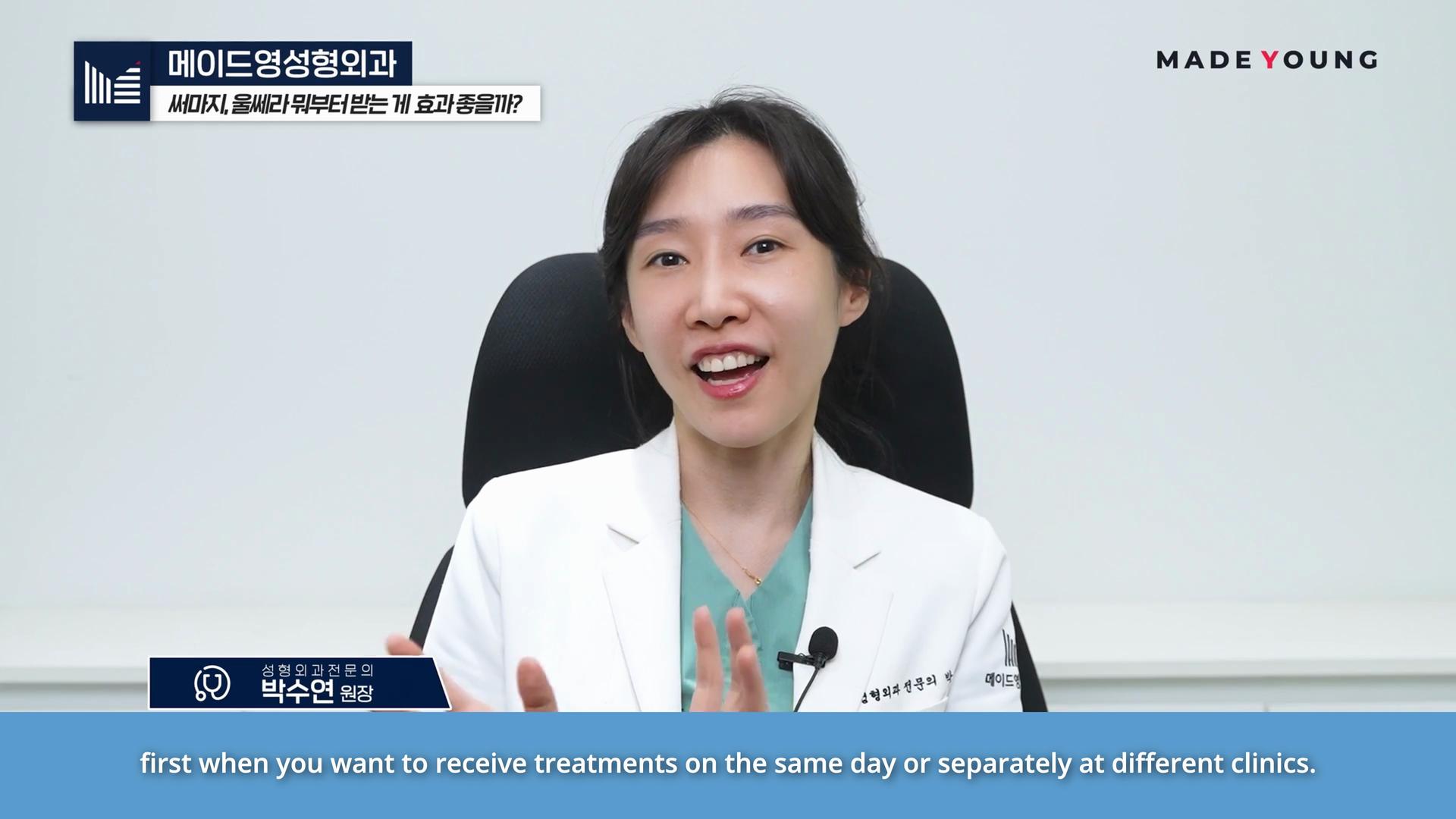
Many patients ask whether they can do both on the same day. The most important factor isn’t the calendar—it’s the treatment plan. When combining energy-based procedures, details like device settings, treatment coverage, skin thickness, and target depths matter. That’s why it’s best to design the sequence with a specialist who can assess your facial structure and skin condition and align the plan with your goals.
If you’re considering doing the treatments at different clinics, the key concern is consistency: consistent evaluation, consistent documentation of what was done, and clear communication about energy settings and target areas. Because order can influence depth and distribution of effects, coordination becomes even more important when treatments aren’t performed by the same medical team.
Recovery and What to Expect After Treatment
After treatment, mild swelling can last about 1 to 2 weeks. This is usually temporary and not something patients need to worry about excessively. The timeline and intensity can vary depending on your skin sensitivity and the energy used, but in general, the short-term recovery is manageable.
Choosing the Right Clinic in Korea: Authentic Devices Matter
Because Ultherapy and Thermage are expensive, it’s reasonable to want the best possible outcome. One of the most important clinic-selection factors is whether the clinic uses authentic devices and authentic tips.
If non-genuine tips are used, energy delivery can be inconsistent. That can reduce results and can increase the risk of side effects such as burns or hyperpigmentation. For energy-based treatments, precision and predictability are not optional—they are central to both safety and outcomes.
Beyond authenticity, patients should consider whether the clinic has an experienced medical team, a thoughtful consultation process, and an efficient, personalized treatment plan tailored to facial anatomy and goals.
Conclusion: The Best Sequence Is the One Matched to Your Goals
Ultherapy and Thermage can work beautifully together because they target different layers and produce complementary effects—lifting from focused ultrasound and tightening from radiofrequency. In many routine cases, Ultherapy first followed by Thermage is a consistent approach, especially when reliable deep targeting and lifting are priorities. In selected cases where superficial improvement is the main focus, sequence adjustments may be considered.
Because these treatments are a significant investment, the best results come from careful assessment, authentic equipment, and a plan designed around your skin condition and goals. When those pieces are in place, combining Ultherapy and Thermage can be a powerful way to invest in a stronger, more refined facial outcome.
More about Made Young Plastic Surgery
Made Young Plastic Surgery in Seoul’s Gangnam district is a premium clinic dedicated to facial rejuvenation and anti-aging, making it a trusted destination for patients considering the best order and combination of Ultherapy and Thermage for lifting and tightening. Differentiating itself through verified expertise, Made Young’s medical team comprises only highly skilled doctors with an average of 15+ years of experience, and every patient receives direct consultation and diagnosis by the doctors before any procedure plan is set. The clinic’s comprehensive safety system is equally distinctive, featuring full-time board-certified anesthesiologists on site, a 1:1 dedicated monitoring system with continuous anesthesiologist oversight, an emergency cross-check collaboration system, and full CCTV coverage of procedures for transparency. Beyond treatment, Made Young supports long-term results with a separate, dedicated aftercare center providing complete and systematic post-procedure care, while its reputation is reinforced by notable recognitions including the 2022 Korea No.1 Award, 2022 Korea Customer Satisfaction 1st Place, and official selections and certifications from leading Korean professional societies.
Find more about this clinic here: Made Young Plastic Surgery