Medical Tourism Blog
How to Fix Sagging Cheeks with Thread Lifting - Dr. Park from Made Young Clinic Explains
Table of contents
- A Youthful Approach to Sagging Cheeks
- Why Cheeks Can Sag Even in Your 20s and 30s
- How Facial Contouring Surgery Can Accelerate Cheek Sagging
- Natural Aging and Fat Distribution Still Matter
- The Vicious Cycle Risk: Liposuction and Fat Grafting Done Improperly
- Why Early Treatment and “Maintenance” Can Be So Important
- Apple Lifting: Creating a Natural “Apple Line” with a Volumizing Thread
- A Stronger Option: Frontal Cheek Lift with Silhouette Soft (PLLA)
- Choosing the Right Approach for Your Face
- Closing Thoughts: A Fresher Look Starts with Better Support
- More about Made Young Plastic Surgery
Considering treatment in Korea? Everything you need to know e.g. — how to avoid scams, visas, interpreters, recovery tips — in our Medical Tourism Master Guide. Plan with confidence in minutes, not weeks!
Disclaimer: The following is a guest post. The information and opinions expressed are not of koreaclinicguide.com but of Made Young Plastic Surgery
A Youthful Approach to Sagging Cheeks
I’m Dr. Park Soo-hyun, a board-certified plastic surgeon at Made Young Plastic Surgery, and I focus on what I call “youthful lifting”—restoring support and balance so the face looks refreshed without looking overdone. One of the most common concerns I hear from patients is, “Why do my cheeks look like they’re dropping already?” Many people assume cheek sagging is something that only happens much later in life, but in reality, it can begin in the 20s and 30s.
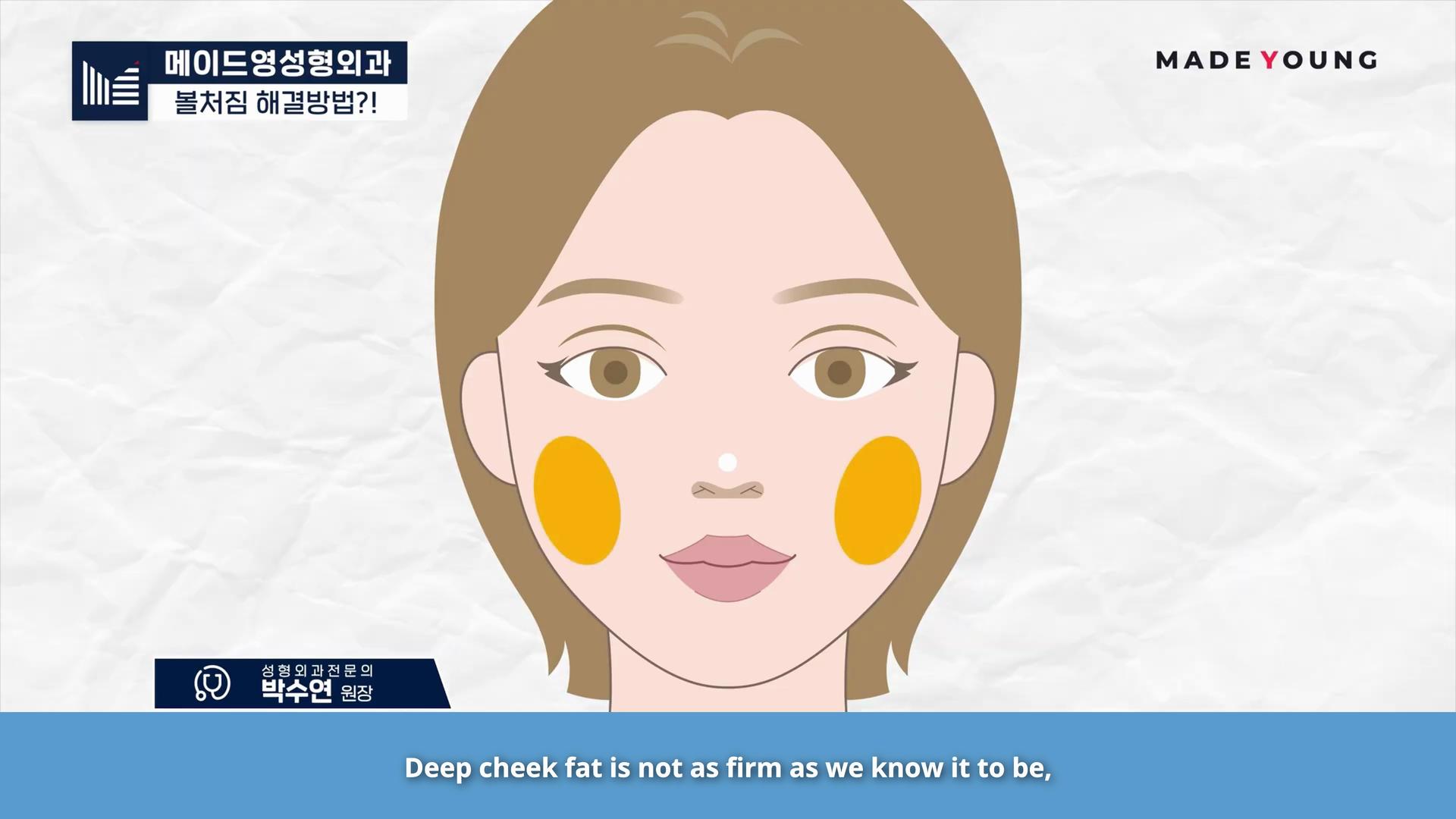
Cheek sagging doesn’t just change one small point on the face. Because it influences a wide area—from the front cheek to the nasolabial fold region and even the under-eye—it can make the entire facial line look like it’s caving in, creating a tired or aged impression. The good news is that when we understand why it’s happening, we can choose a treatment that supports the tissue properly and helps you maintain a more youthful contour.
Why Cheeks Can Sag Even in Your 20s and 30s
A major reason younger patients can still experience sagging is the nature of deep cheek fat. Deep fat is not as firm or tight as skin or the more superficial fat many people are familiar with. In fact, it can be so soft that it feels almost fluid-like. As skin elasticity begins to decrease—even subtly—the deep cheek fat is affected as well.
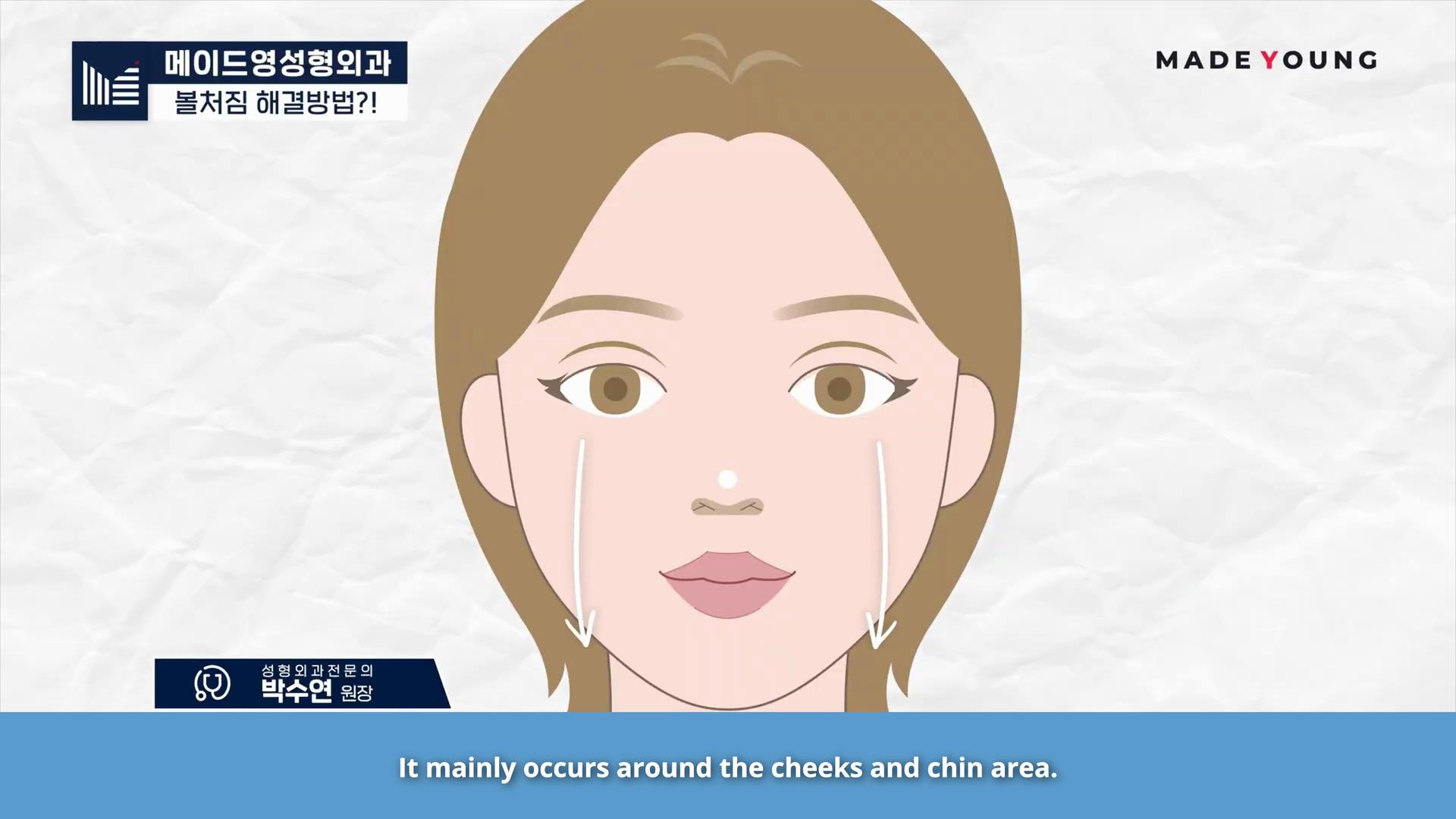
That means sagging is not only an “age” problem; it’s also a tissue quality and support problem. Even if you’re young, you can still experience some degree of descent in the cheek area, and I consider it something that should be managed rather than ignored—especially if it’s already changing your expression or facial balance.
How Facial Contouring Surgery Can Accelerate Cheek Sagging
Another important cause I see frequently today is bone reduction or facial contouring surgery. After contouring, the bony support under the soft tissue is reduced. When that underlying support becomes smaller, the remaining skin and fat can loosen more easily.
In other words, after contouring, the muscles and skin that were dissected during surgery can drop downward with gravity, and the change most commonly shows up in the cheek and jawline. If you’ve noticed that your face looks slimmer after surgery but also “heavier” or looser in certain areas, this is often the mechanism.
I also like to explain it with a simple comparison. Just as women with larger breasts tend to experience more sagging in their 50s and 60s than women with smaller breasts, if you have a lot of soft tissue in your face and it’s heavier, cheek sagging can happen naturally even at a younger age. And if the bones supporting that tissue have been reduced, the process can speed up.
Natural Aging and Fat Distribution Still Matter
Of course, aging still plays a role. Over time, elasticity decreases and tissues gradually shift downward. Even without surgery, changes in fat distribution and tissue laxity can affect the front cheek, the contour near the nose, and the overall facial line.
When the front cheek loses its lifted shape, it can change the way light hits the face. The result is often less “freshness” and more shadowing—especially around the nasolabial folds and under-eye area. This is one reason cheek sagging can make people look tired even if they feel fine.
The Vicious Cycle Risk: Liposuction and Fat Grafting Done Improperly
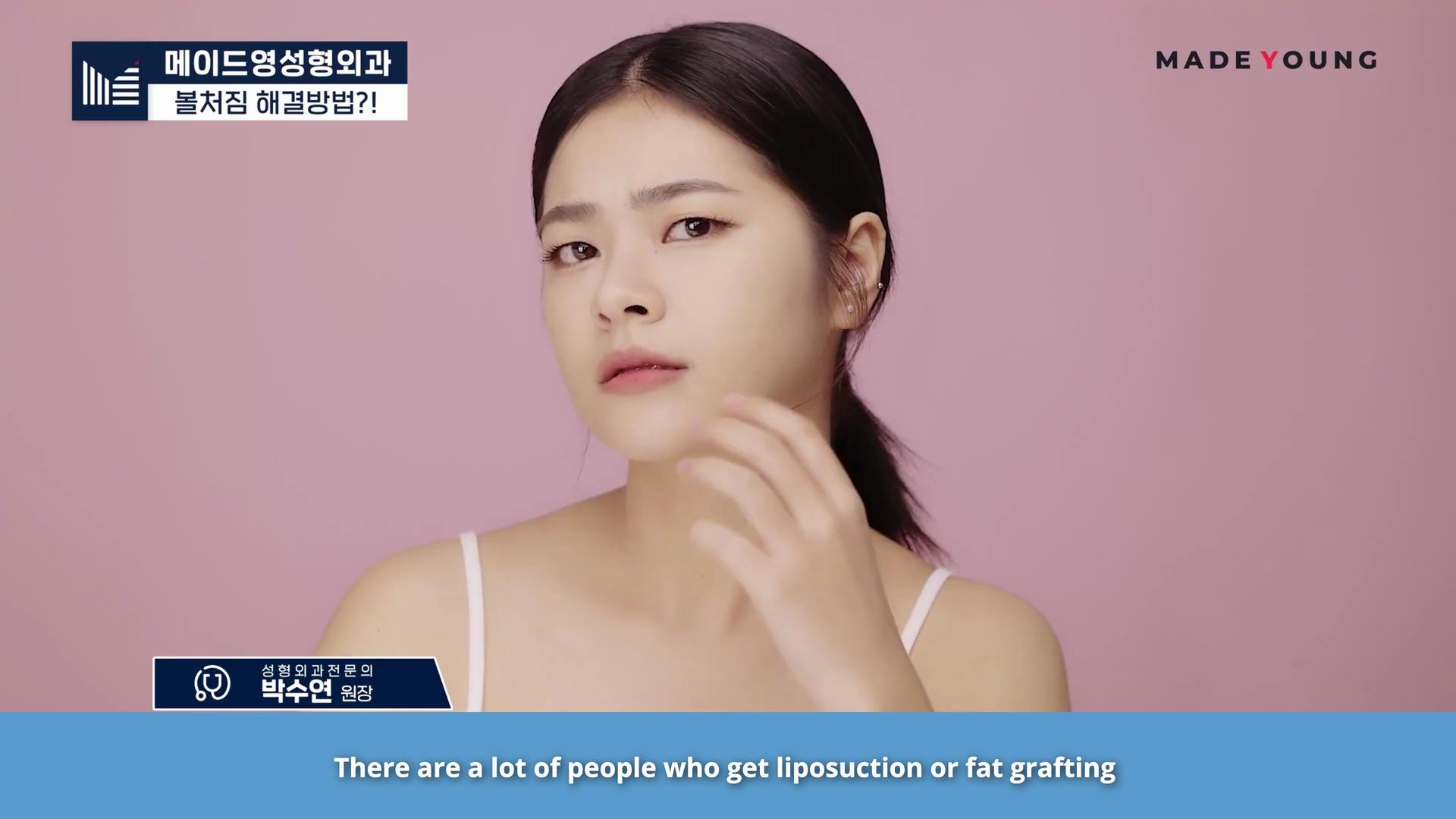
Many people consider facial liposuction or fat grafting because their face looks uneven or bumpy. These procedures can be helpful in the right hands and with the right plan, but when they’re done improperly, they can create a vicious cycle that worsens the original concern.
For example, if someone feels that the front cheeks have dropped and aggressively suctions fat above the nasolabial folds, the area beside the nose can look flattened on both sides. In some cases, patients can even end up with indentations. When that happens, the smooth, beautiful curve of the front cheek is disrupted, and the face can look less harmonious.
Fat grafting can also be tricky in this region. If you add volume without carefully considering support and tissue direction, the added weight can make the area droop downward before the grafted fat has even settled. So instead of looking lifted and youthful, the face may look heavier or more descended.
Because cheek sagging influences such a broad area, these kinds of missteps can make the overall facial line look more collapsed—ultimately creating a more aged appearance.
Why Early Treatment and “Maintenance” Can Be So Important
When I evaluate sagging in the front cheek, I also think long-term. If you leave anterior cheek hollowing untreated, the under-eye area can start to look hollow too. Even if sagging isn’t dramatic right now, there’s a real possibility it will worsen in the 50s and 60s.
This is especially relevant for patients who have had facial contouring surgery. In those cases, proactive maintenance can be a smart decision—supporting tissues before the descent becomes severe can help preserve a more youthful structure and reduce the need for more extensive correction later.
Depending on the degree of laxity and your anatomy, a mini lift (which removes excess skin) or a thread lift (which repositions tissue) may be appropriate. The key is choosing a method that matches why your cheeks are sagging—soft tissue heaviness, reduced support, reduced elasticity, or a combination.
Apple Lifting: Creating a Natural “Apple Line” with a Volumizing Thread
Among the many lifting options for improving sagging in the front cheeks, one of the procedures I often discuss is apple lifting using a volumizing medical thread (often known for its distinct material and structure compared to typical cog threads).
What makes apple lifting valuable is that it can firmly lift and secure tissue across many types of cheek sagging—from special cases like post-contouring sagging to more typical age-related sagging. It provides a strong lift with reliable fixation. By physically supporting loosened skin tissue, it lifts the front cheek area upward and naturally creates an “apple line” in that area.
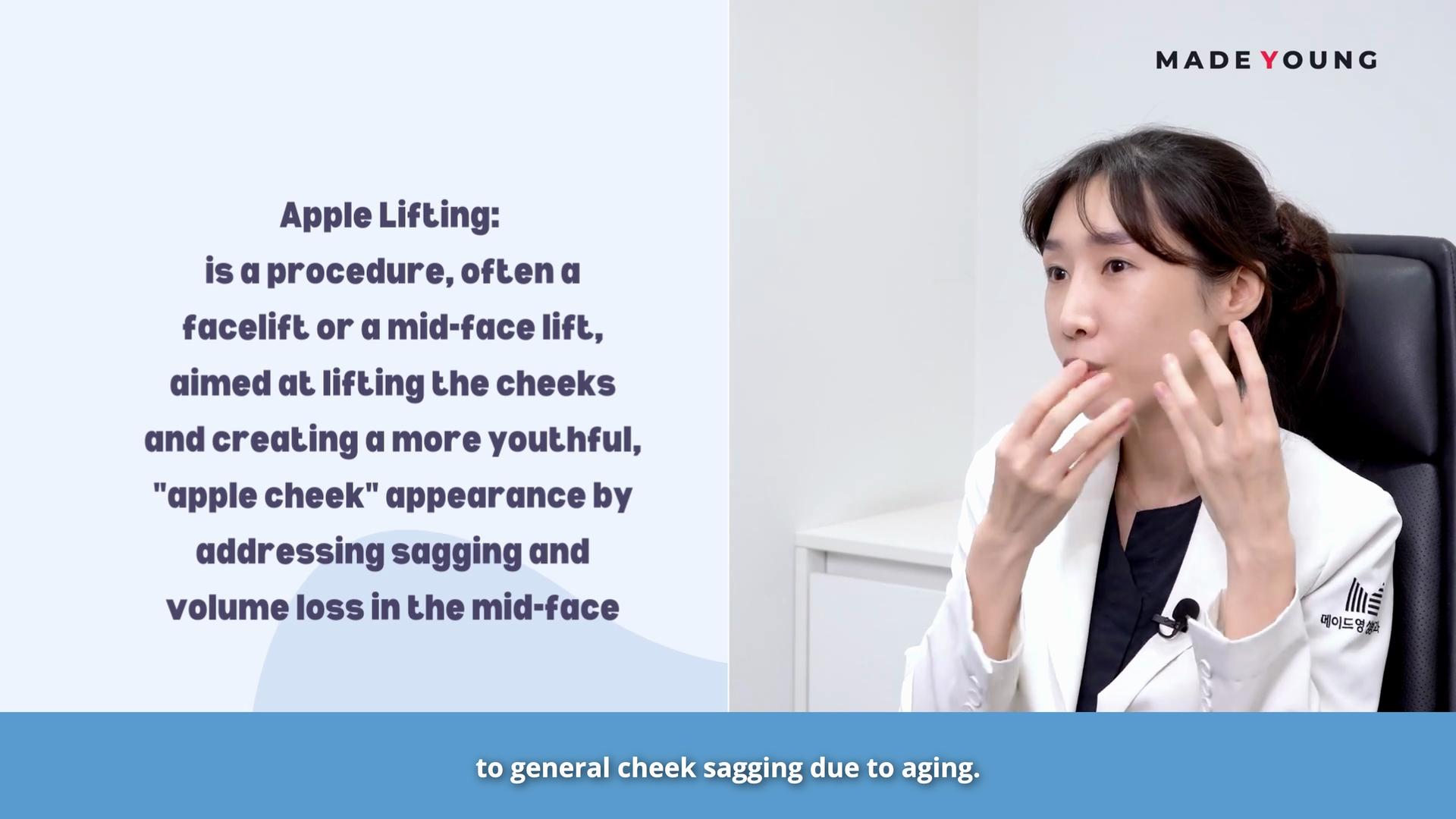
Rather than relying on an incision, the thread is inserted to reposition and support the tissue. Because the thread has unique features that differ from standard cog threads, many patients feel a more noticeable improvement—particularly in the way the front cheek regains structure and smooth curvature.
Another reason I like this approach is that while you can often see an immediate change, it truly shines over time as it stimulates collagen production. That gradual improvement can make the result look even more natural—like your cheeks are returning to where they “belong,” rather than looking artificially pulled.
A Stronger Option: Frontal Cheek Lift with Silhouette Soft (PLLA)
If you want an even stronger lift, front-cheek lifting with Silhouette Soft is another option I consider. Because it’s made of PLLA, one advantage is that results can be longer-lasting.
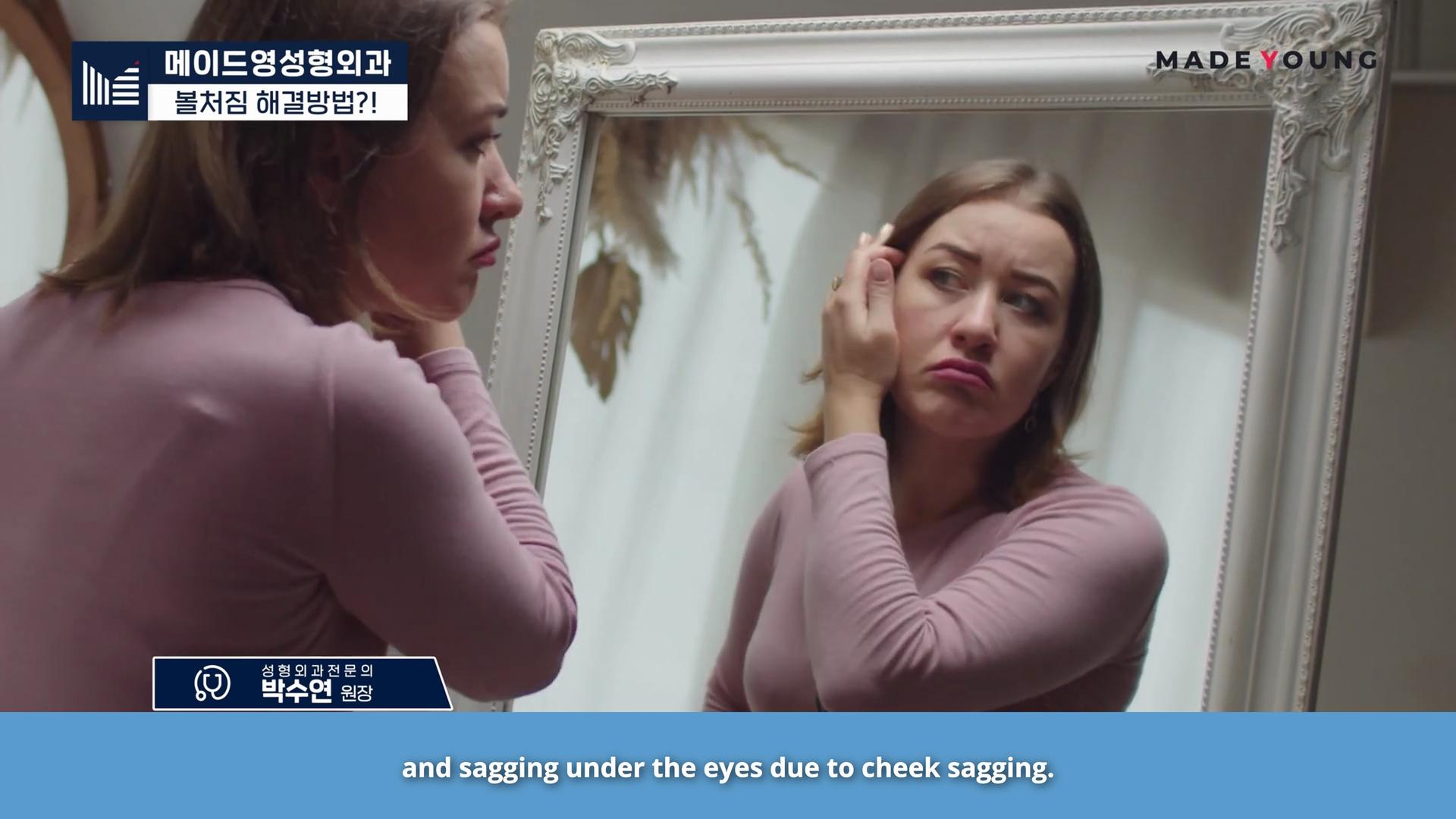
Beyond lifting, Silhouette Soft can also add volume to help you look younger, while improving elasticity at the same time. This can be especially helpful when sagging is connected to a broader pattern of tissue change. In my experience, it can also neatly improve nearby areas affected as well—such as fine lines or under-eye sagging—when those concerns are related to reduced support and elasticity.
Choosing the Right Approach for Your Face
When patients tell me their sagging cheeks make them look tired, or they feel stressed because post-contouring cheek sagging makes them look older, I focus on two things: support and direction. Cheek lifting isn’t only about pulling; it’s about restoring stable support so the face looks smoother, brighter, and more balanced.
Apple lifting is distinct from many other thread lifts because it’s designed to support and shape the front cheek in a way that emphasizes firmness and elasticity. For patients who need more intensity or longer-lasting structural benefit, Silhouette Soft can be an excellent alternative.
Closing Thoughts: A Fresher Look Starts with Better Support
Sagging cheeks can happen earlier than many people expect, and it’s often driven by deep cheek fat softness, reduced elasticity, facial contouring-related loss of bony support, and the natural effects of gravity over time. When treatment is chosen thoughtfully, lifting can restore a more youthful contour and prevent the facial line from looking progressively more collapsed.
If cheek sagging has been affecting your confidence—or if you’re noticing changes after facial contouring—consider addressing it before it becomes more pronounced. In my practice, I’ve found that the best results come from understanding the cause and using the right lifting method to create stable, natural-looking support. I hope this explanation helps you feel clearer about why cheek sagging happens and what you can do to improve it.
More about Made Young Plastic Surgery
Made Young Plastic Surgery in Seoul’s Gangnam district is a premium destination for thread lift solutions targeting sagging cheeks, combining genuine dedication to facial rejuvenation with deep clinical expertise. The clinic’s verified medical team is composed only of highly skilled doctors averaging 15+ years of experience, and every patient receives a direct consultation and diagnosis from the medical team before any procedure to ensure the lifting plan matches facial structure and aging patterns. Safety is elevated through a comprehensive system that includes full-time board-certified anesthesiologists on site, a 1:1 dedicated monitoring model (one anesthesiologist continuously monitoring one patient), an emergency cross-check collaboration system, and full CCTV coverage during procedures for added transparency. Results are supported by a thorough, structured recovery experience via a separate dedicated aftercare center, while the clinic’s reputation is reinforced by major recognitions including the 2022 Korea No.1 Award, 2022 Korea Customer Satisfaction 1st Place, and official certifications and selections from leading Korean and minimally invasive aesthetic surgery societies.
Find more about this clinic here: Made Young Plastic Surgery