
Medizintourismus-Blog
Wichtige Vorsichtsmaßnahmen beim Fadenlifting – Fragen und Antworten mit Dr. Lim
Table of contents
- Warum wirken die Nachsorgeregeln nach einem Fadenlifting so überwältigend?
- Sorgt das Tragen eines Kompressionsbands wirklich dafür, dass ein Fadenlifting „besser wirkt“?
- Helfen Kühlpacks und die „Ei-Massage“ wirklich, oder sind sie optional?
- Kann ich direkt nach einem Fadenlifting Make-up tragen?
- Wann ist es nach einem Fadenlifting sicher, Alkohol zu trinken?
- Muss ich die nach dem Eingriff verordneten Medikamente wirklich einnehmen?
- Ist Kräutermedizin während der Erholung nach einem Fadenlifting in Ordnung?
- Wenn gesagt wurde, dass es nicht wehtun würde, warum habe ich dann trotzdem Schmerzen?
- Ist eine Schwellung nach einer Woche – oder sogar nach drei Wochen – ungewöhnlich?
- Auf welches ungewöhnliche Problem sollte ich bei Mono-Fäden achten?
- Was ist die einfachste Art, sich nach einem Fadenlifting gut zu erholen?
- Mehr über diese Klinik
Planen Sie eine Behandlung in Korea? Alles, was Sie wissen müssen, z. B. wie Sie Betrug vermeiden, Visa, Dolmetscher und Tipps für die Erholung, finden Sie in unserem Master Guide für Medizintourismus. Planen Sie mit Vertrauen in Minuten statt in Wochen!
Hinweis: Dies ist ein Gastbeitrag einer Partnerklinik. Die darin enthaltenen Informationen und Meinungen stammen von der Klinik und nicht von koreaclinicguide.com.
Warum wirken die Nachsorgeregeln nach einem Fadenlifting so überwältigend?
Die Nachsorgehinweise nach einem Fadenlifting können auf den ersten Blick einschüchternd wirken. Das sehe ich immer wieder: Patientinnen und Patienten erhalten eine lange Liste – Kompressionsband, Kühlpacks, „Ei-Massage“, Medikamentenplan, Alkoholverzicht – und fragen sich, ob schon das Auslassen eines einzigen Punkts das Ergebnis beeinträchtigen könnte. Die Wahrheit ist: Die meisten dieser Empfehlungen sind als hilfreiche Optionen gedacht und nicht als strenge Checkliste, die Sie lückenlos befolgen müssen.
Nach meiner Erfahrung – sowohl bei der Durchführung von Fadenliftings als auch aus eigener Patientensicht – kehren die meisten Menschen sehr schnell in ihren Alltag zurück. Die Schwellung ist oft gering, und viele fühlen sich schon am nächsten Tag fast wieder wie gewohnt. Wenn Sie also auf eine lange Liste mit Vorsichtsmaßnahmen schauen und denken, Sie müssten sofort allerlei Dinge besorgen, atmen Sie erst einmal tief durch. Das Ziel ist ganz einfach: die Einstichstellen sauber halten, Schwellungen reduzieren, falls sie auftreten, und Aktivitäten vermeiden, die Entzündungen fördern könnten, während sich das Gewebe beruhigt.
Sorgt das Tragen eines Kompressionsbands wirklich dafür, dass ein Fadenlifting „besser wirkt“?
Ein Kompressionsband macht die Fäden nicht „stärker“, kann die Erholungsphase aber angenehmer machen. Wenn Sie zu Hause ein Band tragen, kann das helfen, Schwellungen zu reduzieren und Druckempfindlichkeit zu lindern. Ich halte es im Allgemeinen nicht für notwendig, es tagsüber unterwegs zu tragen, wenn Sie beschäftigt sind. Wenn es für Sie unpraktisch ist oder Sie sich damit unwohl fühlen, ist das völlig in Ordnung.
Wichtig sind vor allem Ihr Komfort und die Kontrolle der Schwellung. Wenn Sie merken, dass die Schwellung stärker ist als erwartet oder Wangen und Kieferpartie empfindlich sind, kann das Band sanfte Unterstützung geben und das Wohlbefinden verbessern. Wenn Sie kaum geschwollen sind, spüren Sie möglicherweise keinen großen Unterschied – auch das ist normal.
Helfen Kühlpacks und die „Ei-Massage“ wirklich, oder sind sie optional?
Es handelt sich um unterstützende Maßnahmen, nicht um Pflichtschritte. Wenn eine bestimmte Stelle schmerzt, kann ein kurz aufgelegtes Kühlpack helfen, die Schwellung zu verringern und Beschwerden zu lindern. Die „Ei-Massage“ ist im Grunde eine sanfte Rollmassage mit einem gekühlten Ei aus dem Kühlschrank. Das entscheidende Wort dabei ist sanft: Sie sollten nicht fest drücken und auf keinen Fall versuchen, „tief hineinzudrücken“ oder Schmerzen auszulösen.
Wenn Sie keine Eier zu Hause haben, müssen Sie dafür nicht extra welche kaufen. Sie können stattdessen eine Salbe auftragen und die Stelle vorsichtig mit der Hand massieren. Auch diese leichte Massage kann bei Schmerzen und Schwellungen hilfreich sein.
Und hier kommt der ehrliche Teil: Obwohl wir all diese Möglichkeiten erklären – Kühlpacks, Ei-Rollen und Ähnliches – nutzen viele Menschen davon gar nichts und erholen sich trotzdem völlig problemlos. Wenn Sie es heute also ausgelassen haben, geraten Sie nicht in Panik. Bei den meisten Patientinnen und Patienten ist die Schwellung von Anfang an nur minimal.
Kann ich direkt nach einem Fadenlifting Make-up tragen?
Ich empfehle, am Tag des Eingriffs auf Make-up zu verzichten. Nach einem Fadenlifting tragen wir in der Regel eine antibiotische Salbe auf die Einstichstellen auf, über die die Fäden eingebracht wurden. Diese Stellen sollten wie kleine Wunden behandelt werden.
Ab dem Abend ist ein leichtes Abspülen mit Wasser meist in Ordnung, solange Sie nicht reiben oder schrubben. Ab dem nächsten Tag können Sie in der Regel wieder Make-up tragen. Wichtig ist, rund um die Einstichstellen vorsichtig zu sein und nicht kräftig zu reiben.
Außerdem sollten Sie kleine Krusten nicht abkratzen oder gewaltsam entfernen. Lassen Sie sie von selbst abheilen und abfallen. Ich empfehle normalerweise, die Stellen etwa fünf Tage möglichst in Ruhe zu lassen, damit die Haut gleichmäßig abheilen kann.
Wann ist es nach einem Fadenlifting sicher, Alkohol zu trinken?
Wenn wir allgemeine Empfehlungen geben, raten wir oft dazu, mit Alkohol etwa eine Woche zu warten. Noch wichtiger ist aber, dass es einige Faktoren gibt, die Entzündungen fördern und Schwellungen verlängern können – insbesondere Aktivitäten, die Wärme und Durchblutung im Gesicht steigern.
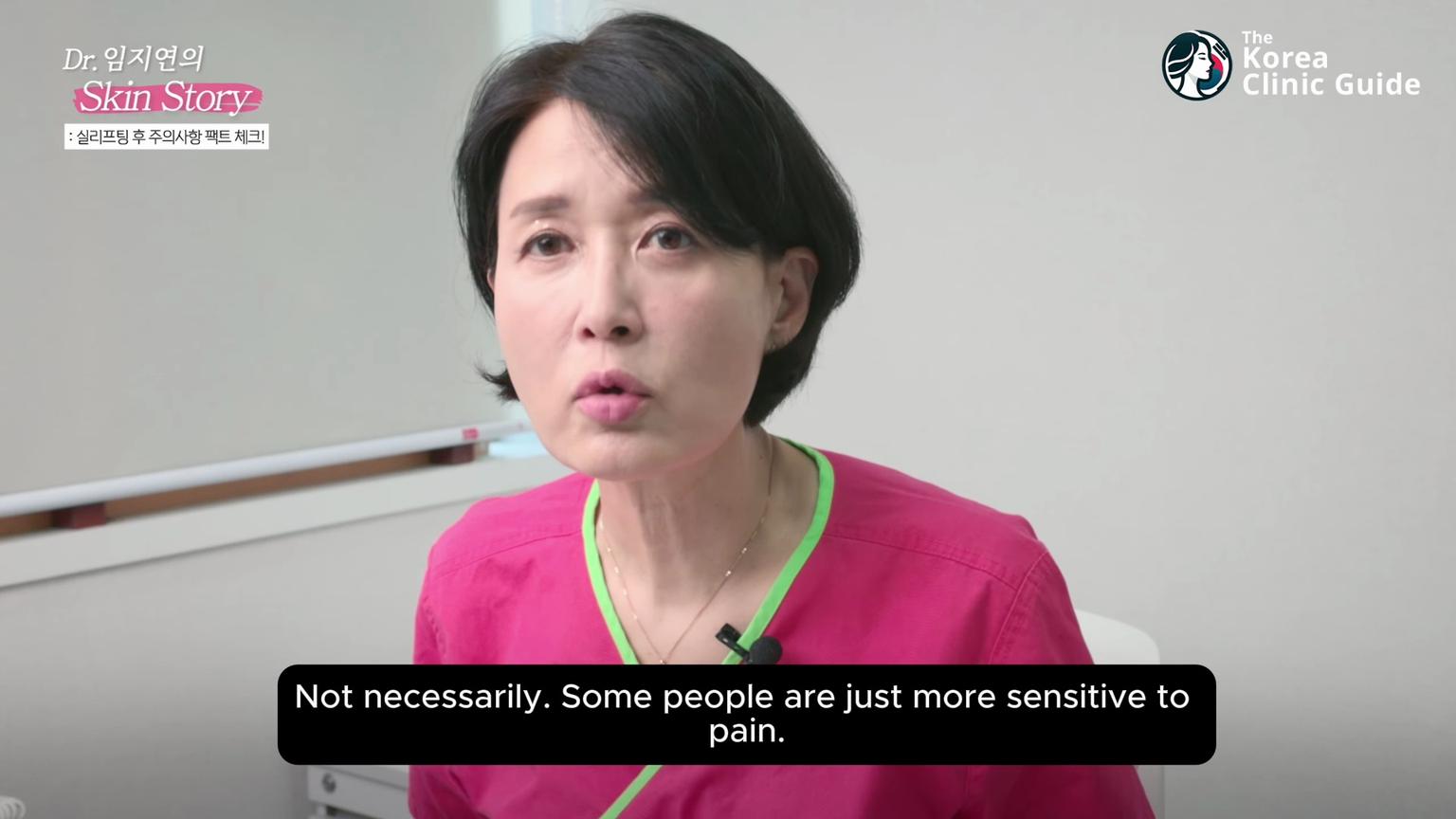
Deshalb rate ich Ihnen in der frühen Erholungsphase besonders zur Vorsicht bei Saunagängen sowie Meridian- und Gesichtsmassagen. Diese können das noch empfindliche Gewebe reizen und Entzündungen begünstigen. Wenn Sie eine Regel besonders konsequent einhalten, dann diese: Vermeiden Sie für eine gewisse Zeit alles, was mit starker Hitze oder intensiver Manipulation des Gesichts verbunden ist. Genau dadurch entstehen oft unnötige Schwellungen und Empfindlichkeit.
Muss ich die nach dem Eingriff verordneten Medikamente wirklich einnehmen?
Ja. Wenn ich nach einem Fadenlifting Medikamente verschreibe, ist das nicht nur eine Formalität. Vielen Patientinnen und Patienten – besonders jenen, die von weiter her anreisen und nicht kurzfristig wiederkommen können – verschreibe ich typischerweise Medikamente für etwa fünf Tage. Ich empfehle, sie über diesen Zeitraum einzunehmen, weil sie Beschwerden lindern und zu einer reibungslosen Erholung beitragen.
Auch wenn Sie sich bereits recht gut fühlen, kann die vollständige Einnahme über den kurzen verordneten Zeitraum den Heilungsverlauf stabiler und vorhersehbarer machen. Oft merken Patientinnen und Patienten erst im Vergleich, wie sehr die Medikamente die Erholung tatsächlich unterstützen.
Ist Kräutermedizin während der Erholung nach einem Fadenlifting in Ordnung?
Ich empfehle, während der Erholungsphase auf Kräutermedizin zu verzichten. Der Grund ist einfach: Häufig lässt sich nicht genau nachvollziehen, welche Inhaltsstoffe enthalten sind und in welcher Konzentration. Deshalb können wir auch nicht zuverlässig vorhersagen, wie sich solche Präparate auf Schwellungen, Blutergüsse, Entzündungen oder Wechselwirkungen mit Ihren verordneten Medikamenten auswirken.
Manche gehen davon aus, dass „natürlich“ automatisch „sicher“ bedeutet. Das Problem ist jedoch die fehlende Vorhersehbarkeit. Wenn Zusammensetzung und Dosierung unklar sind, lassen sich mögliche Nebenwirkungen nicht verlässlich einschätzen. Deshalb rate ich dazu, pflanzliche Präparate vorübergehend auszusetzen und sich auf den verordneten Medikamentenplan nach dem Eingriff zu konzentrieren.
Wenn gesagt wurde, dass es nicht wehtun würde, warum habe ich dann trotzdem Schmerzen?
Schmerzen bedeuten nicht automatisch, dass etwas nicht stimmt. Das Schmerzempfinden ist von Person zu Person sehr unterschiedlich. Manche spüren fast nichts, andere haben Schmerzen oder Druckempfindlichkeit, besonders bei bestimmten Gesichtsbewegungen.
Die Medikamente, die wir verschreiben, enthalten in der Regel auch ein Schmerzmittel. Wenn Ihre Schmerzen stärker sind als erwartet, ist es meist kein großes Problem, zwischen den vorgesehenen Einnahmezeiten zusätzlich ein Schmerzmittel einzunehmen. Wichtiger ist das Gesamtbild: Die Beschwerden sollten von Tag zu Tag allmählich nachlassen. Wenn sie kontinuierlich besser werden, ist das in der Regel ein beruhigendes Zeichen.
Ist eine Schwellung nach einer Woche – oder sogar nach drei Wochen – ungewöhnlich?
Nicht unbedingt. Eine gewisse Restschwellung kann bestehen bleiben, während sich das Gewebe auf natürliche Weise setzt. Auch wenn viele Patientinnen und Patienten schnell wieder fast normal aussehen und sich auch so fühlen, kann ein langsamerer Heilungsverlauf durchaus noch im normalen Bereich liegen.
Entscheidend ist für mich, ob die Schwellung zurückgeht oder zunimmt. Wenn sie lange anhält oder stärker statt schwächer wird, sollten Sie sich zunächst an Ihre Klinik wenden. Dann ist der richtige Zeitpunkt gekommen, den Befund kontrollieren zu lassen und sicherzugehen, dass nichts Ungewöhnliches vorliegt.
Auf welches ungewöhnliche Problem sollte ich bei Mono-Fäden achten?
In sehr seltenen Fällen kann bei Behandlungen zur Straffung der Kieferlinie mit kurzen Fäden – oft als „Mono-Fäden“ bezeichnet – ein Faden ein kleines Stück aus der Haut hervortreten. Das kommt selten vor und eher in Bereichen mit dünner Haut. Manchmal ist er sogar leicht sichtbar, weil Fäden eine gewisse Eigenfarbe haben können.
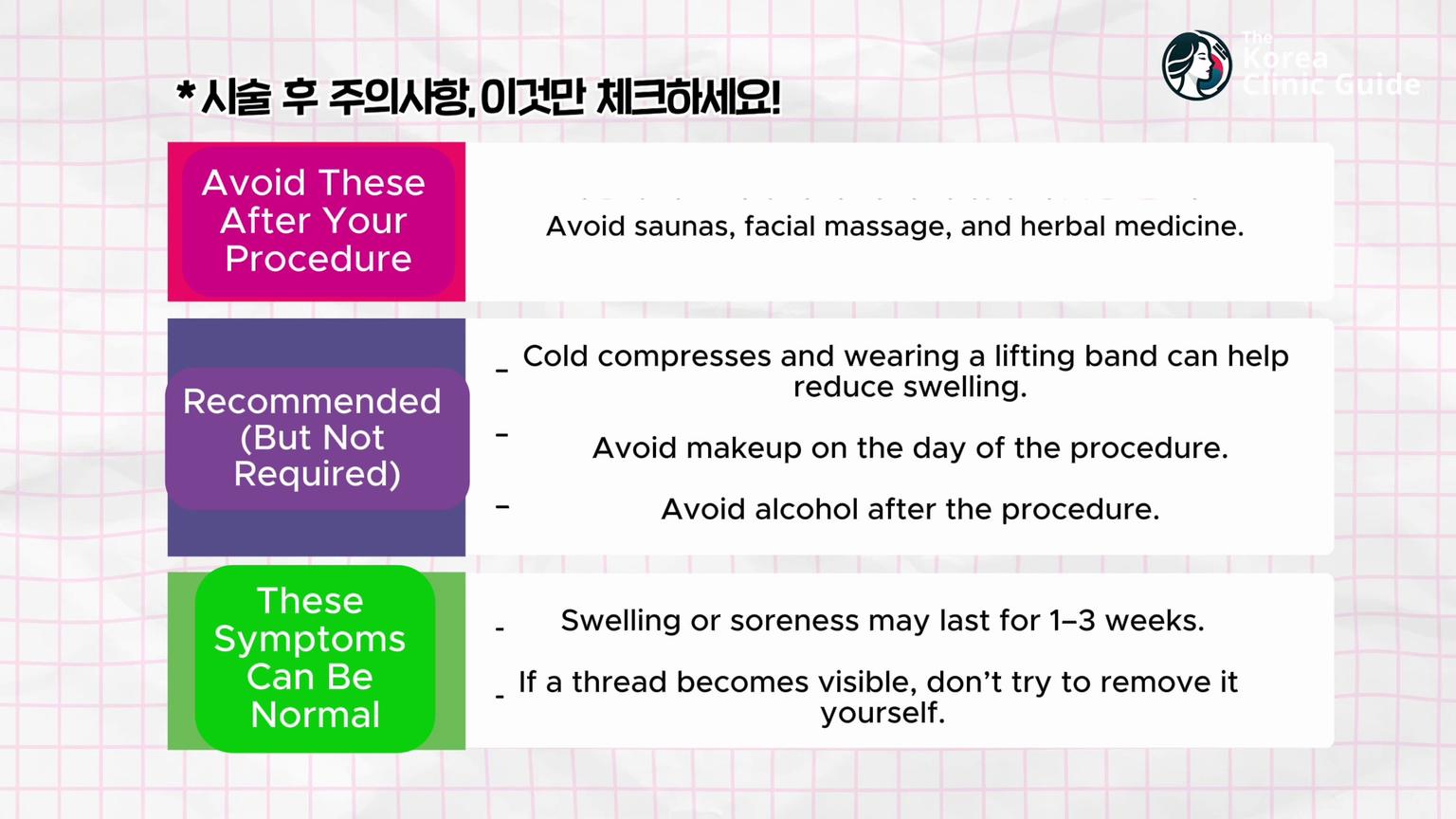
Wenn das passiert, bedeutet das nicht, dass Ihr gesamtes Ergebnis „ruiniert“ ist, und auch nicht, dass der Straffungseffekt vollständig verloren geht. Mono-Fäden sind sehr kurz. Die praktische Lösung ist einfach: Kommen Sie in die Klinik, dann kann der freiliegende Teil entfernt werden. Eine besondere Behandlung ist dafür meist nicht nötig – der Bereich wird desinfiziert, und der Faden lässt sich in der Regel unkompliziert herausziehen.
Was ist die einfachste Art, sich nach einem Fadenlifting gut zu erholen?
Wenn Sie sich nur ein paar Grundregeln merken, sind Sie bereits gut aufgestellt. Erstens: Setzen Sie sich nicht unter Druck, jeden einzelnen Nachsorgetipp perfekt umzusetzen. Die meisten Menschen erholen sich unkompliziert und kehren schnell in ihren Alltag zurück – oft mit kaum sichtbarer Schwellung. Zweitens: Behandeln Sie die Einstichstellen vorsichtig – halten Sie sie sauber, schrubben Sie nicht und kratzen Sie nicht daran. Drittens: Vermeiden Sie in der ersten Zeit die häufigsten Auslöser für Probleme, vor allem hitzeintensive Aktivitäten wie Saunagänge und kräftige Gesichts- oder Meridianmassagen.
Insgesamt erfordert ein Fadenlifting zu Hause meist keine komplizierte Nachsorge und beeinträchtigt den Alltag in der Regel nur wenig. Nutzen Sie optionale Hilfsmittel – wie ein Kompressionsband, Kühlung oder eine sanfte Massage – nur dann, wenn sie Ihnen guttun, und wenden Sie sich an Ihre Klinik, wenn sich etwas verschlechtert oder sich einfach nicht richtig anfühlt. Dieses Gleichgewicht aus ruhiger, schonender Pflege und rechtzeitiger Rücksprache bei Bedarf führt meist zu den unkompliziertesten Erholungsverläufen.
Mehr über diese Klinik
Dieser Gastbeitrag gibt die Sichtweise der Klinik wieder und wurde aufgenommen, um Leserinnen und Lesern den Vergleich von Behandlungsoptionen in Korea zu erleichtern.
Häufig gestellte Fragen
Verwandte Blogbeiträge
Bauchfadenlifting in Korea | Top-Kliniken, Kosten, Behandlungsarten & mehr
Erfahren Sie, wie ein Bauchfadenlifting in Korea erschlaffte Haut straffen, die Körperkontur verbessern und dezente Ergebnisse bei minimaler Ausfallzeit ermöglichen kann. Informieren Sie sich über den Ablauf, die Vorteile, die Genesung und warum Korea ein führendes Ziel für fortschrittliche ästhetische Körperbehandlungen ist.
Aktualisiert: Oct 13, 2026
Breast Thread Lift in Korea: Candidacy, Safety, Recovery, and Travel Planning
Breast thread lift uses absorbable threads placed through small entry points for modest contour improvement, but techniques, durability, and complication rates are not standardized. The article covers candidacy, preparation, travel planning for Korea, aftercare, warning signs, follow-up, and surgical alternatives for significant sagging.
Aktualisiert: Oct 13, 2026
Lip Thread Lift in Korea: Methods, Recovery, Risks and Travel Planning
Lip thread lifts use absorbable smooth or barbed threads to soften upper-lip lines or provide subtle traction, with suitability based on tissue quality, goals, and medical assessment. The article covers treatment planning, recovery, aftercare, risks, alternatives, and travel guidance for international patients in South Korea.
Aktualisiert: Oct 13, 2026
Volumenfäden in Korea | Die besten Kliniken, Kosten, Behandlungsarten und mehr
Sie denken über eine nichtoperative Gesichtsverjüngung in Korea nach? Dieser kompakte Leitfaden erläutert Volumenfäden (PDO/PLLA/PCL): wie sie auf schonende Weise Volumen aufbauen und die Kollagenneubildung anregen, für wen sie geeignet sind, wie die Behandlung abläuft und was Sie in der Erholungsphase erwartet – einschließlich wichtiger Sicherheitshinweise. Außerdem erfahren Sie mehr über die übl
Aktualisiert: Oct 12, 2026
Kliniken für Thread Lift
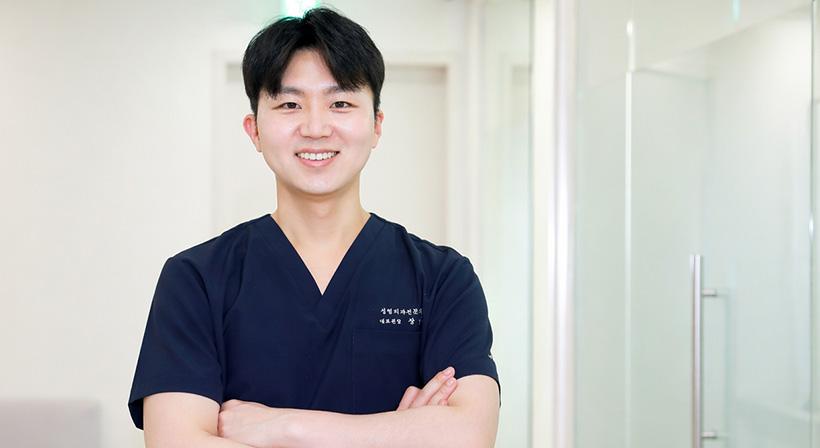
RINE Plastic Surgery Clinic | Facelift and Eye Rejuvenation Surgery
Nonhyeon

SH Clinic: Comprehensive Women's, Men's & Couples' Health Services in Korea
Sinsa

THEPLUS Plastic Surgery Korea | Eye, Nose, Face & Body Surgery
Sinsa

Haru Clinic Korea | Fully-Customized Full-Face Non-Surgical Rejuvenation With Threads, Botox & Fillers
Sinsa