
Medizintourismus-Blog
Doppelkinn-Fadenlifting in Korea: Fragen und Antworten mit dem Arzt für Fadenlifting von Pangpang
Table of contents
- Ein fototaugliches Lifting, wenn ein großer Tag bevorsteht
- Der ideale Zeitpunkt vor Hochzeiten und besonderen Anlässen
- Sofortige Vorteile: Warum Fäden als „direkt wirksam“ empfunden werden
- Ein Doppelkinn hat nicht immer etwas mit dem Gewicht zu tun
- Wer am meisten profitiert (einschließlich nach Konturoperationen)
- Fadenlifting als nicht-chirurgische Alternative (auch über das Kinn hinaus)
- Schmerzen und Komfort: Fäden im Vergleich zu apparativen Lifting-Verfahren
- Wie lange die Ergebnisse halten – und warum „auflösbar“ kein Nachteil ist
- Ihre Behandlung für natürliche, selbstbewusste Ergebnisse planen
- Fazit: Eine schnelle, praktische Option für eine definiertere Kieferlinie
- Mehr über PangPang Clinic
Planen Sie eine Behandlung in Korea? Alles, was Sie wissen müssen, z. B. wie Sie Betrug vermeiden, Visa, Dolmetscher und Tipps für die Erholung, finden Sie in unserem Master Guide für Medizintourismus. Planen Sie mit Vertrauen in Minuten statt in Wochen!
Haftungsausschluss: Der folgende Beitrag ist ein Gastbeitrag. Die darin enthaltenen Informationen und Meinungen stammen nicht von koreaclinicguide.com, sondern von PangPang Clinic
Ein fototaugliches Lifting, wenn ein großer Tag bevorsteht
Wenn ein wichtiges Ereignis bevorsteht – Ihre Hochzeit, die Feier enger Freunde, ein Familientreffen oder ein anderer Tag, an dem Sie wissen, dass überall Kameras sein werden –, ist es ganz natürlich, sich ein definierteres und frischeres Aussehen zu wünschen. Auf Fotos lässt sich später vieles bearbeiten, doch am Tag selbst möchten Sie sich aus jedem Blickwinkel wohl und sicher fühlen – besonders entlang der Kieferlinie und unter dem Kinn, wo Schatten und Schwellungen schnell sichtbar werden können.
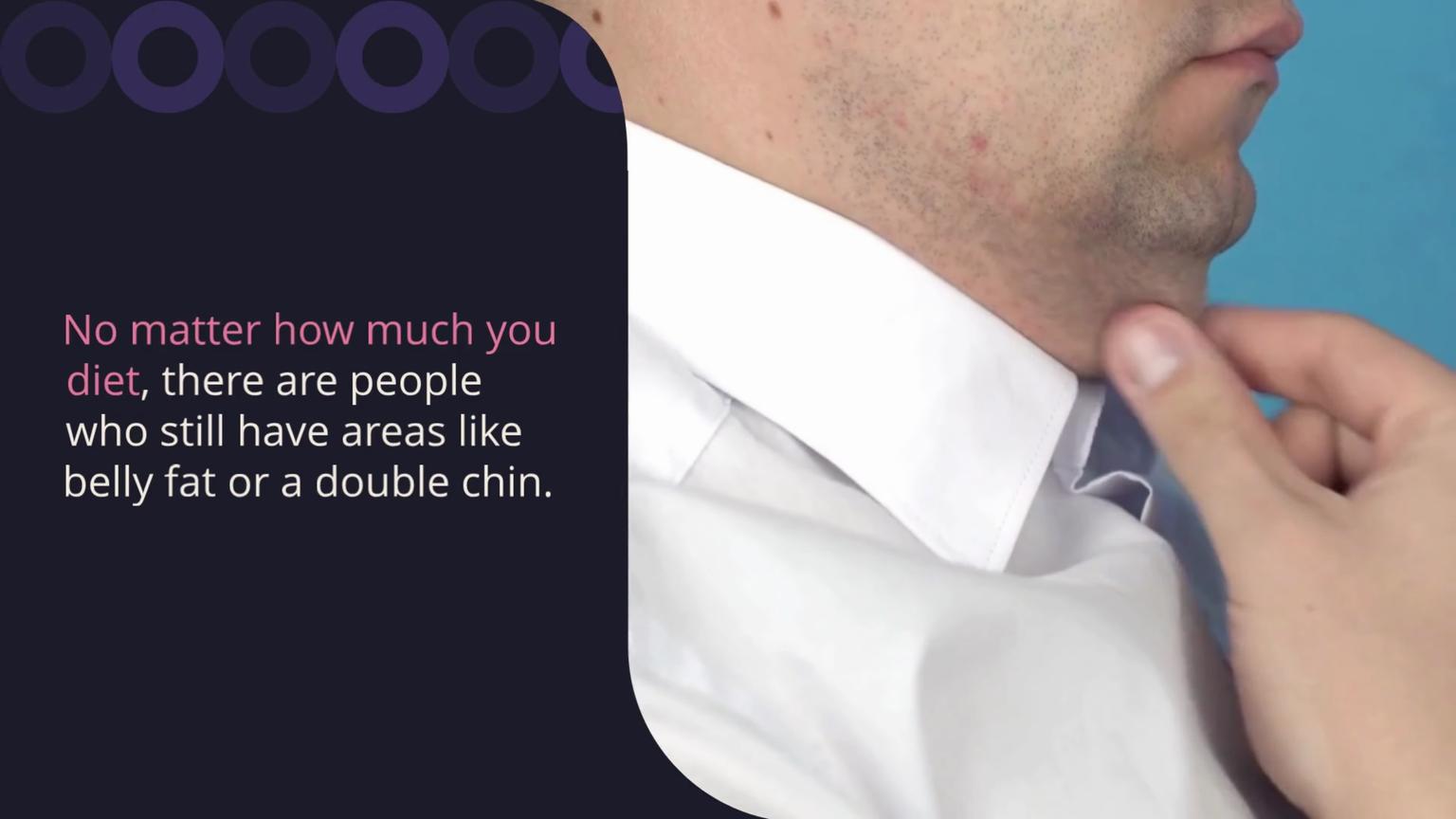
Genau deshalb ist das Fadenlifting bei Doppelkinn in Korea so beliebt geworden. Meiner Erfahrung nach wünschen sich viele Menschen kein dramatisch „neues Gesicht“. Sie möchten ein klareres Profil, eine straffere Linie unter dem Kinn und einen gelifteten Look, der im Alltag natürlich wirkt – und das möglichst schnell.
Der ideale Zeitpunkt vor Hochzeiten und besonderen Anlässen
Eine der häufigsten Fragen, die ich höre, lautet: „Wie lange im Voraus sollte ich ein Fadenlifting am Doppelkinn durchführen lassen?“ Die beruhigende Antwort lautet: Selbst etwa ein Monat vor einem wichtigen Ereignis ist in der Regel gut machbar. Die meisten Menschen können rasch in ihren normalen Alltag zurückkehren, und deutlich sichtbare Blutergüsse treten seltener auf, als viele erwarten.
Der größte Vorteil des Fadenliftings bei der Planung rund um ein Event ist seine Vorhersehbarkeit: Man wartet nicht auf eine langsame, schrittweise Veränderung. Wenn jemand einen festen Termin hat – etwa einen Hochzeitstag –, kann ein Eingriff mit sofort sichtbarer Verbesserung die Planung deutlich entspannter machen.
Sofortige Vorteile: Warum Fäden als „direkt wirksam“ empfunden werden
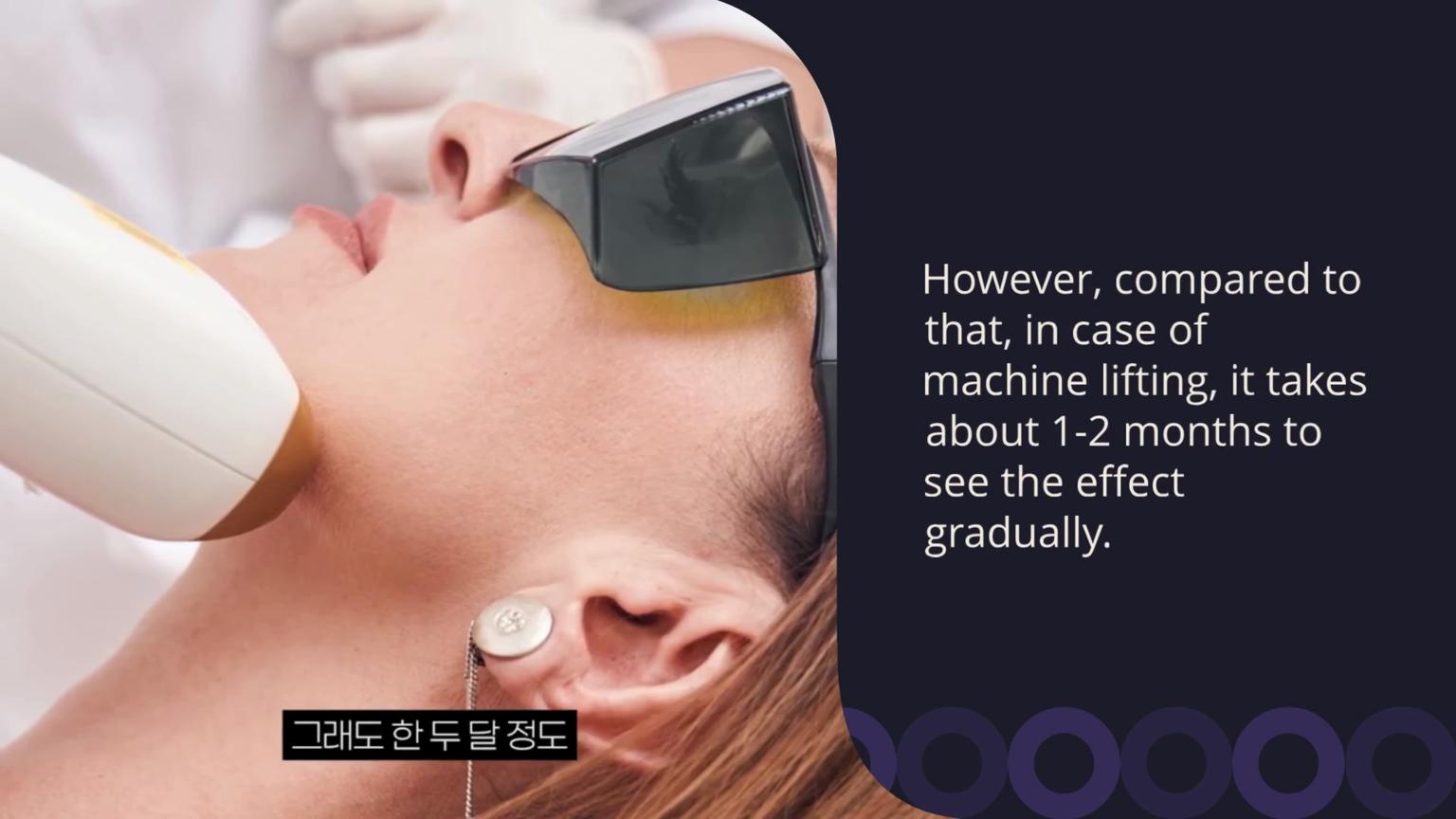
Bei vielen apparativen Lifting-Behandlungen entwickeln sich die Ergebnisse oft allmählich über ein bis zwei Monate, während die Haut reagiert und der Kollagenumbau einsetzt. Das kann ideal für Menschen sein, die eine subtile Veränderung über die Zeit bevorzugen, aber auch frustrierend, wenn man zeitnah einen klaren Unterschied sehen möchte.
Fäden funktionieren anders. Bei einem Fadenlifting kann der Lifting-Effekt sofort sichtbar sein – oft bereits in dem Moment, in dem Sie sich nach dem Eingriff aufsetzen. Viele Patientinnen und Patienten beschreiben sogar, dass sie das Lifting während der Behandlung spüren können, fast so, als würde das Gesicht sanft nach oben gezogen und gestützt. Für Menschen, die sich eine schnellere und deutlichere Konturverbesserung wünschen – insbesondere im Bereich des Doppelkinns –, ist diese unmittelbare Wirkung ein großer Vorteil.
Ein Doppelkinn hat nicht immer etwas mit dem Gewicht zu tun
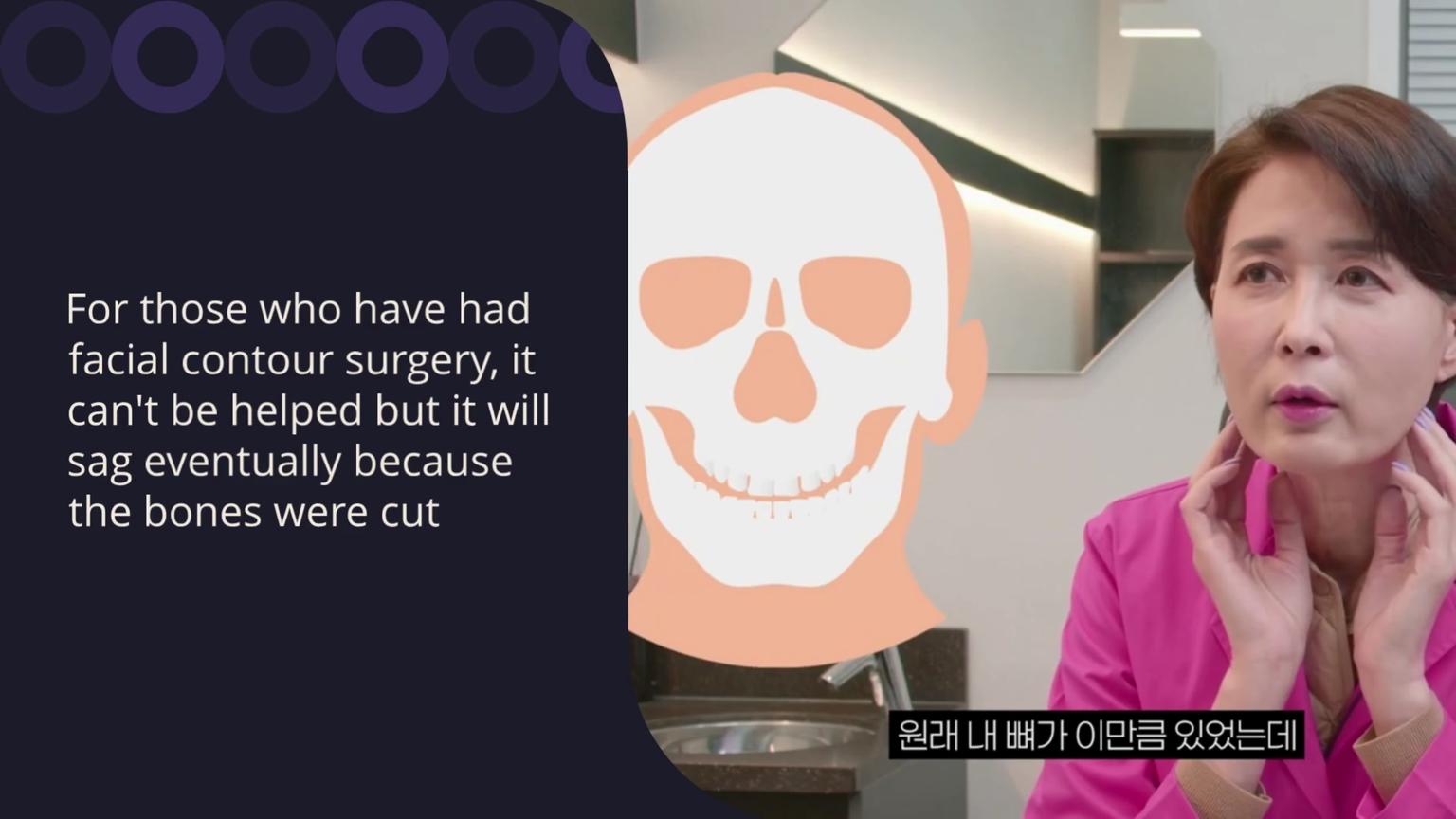
Ein Doppelkinn wird oft auf Essgewohnheiten oder Gewichtszunahme zurückgeführt, aber so einfach ist es nicht. Manche Menschen sind sehr schlank und haben dennoch eine Fülle unter dem Kinn – bedingt durch genetische Veranlagung, weicheres Gewebe, ein jugendlich volleres Untergesicht oder die Art, wie Haut und Fettpolster unter dem Kiefer angelegt sind.
In solchen Fällen kann ein Fadenlifting besonders zufriedenstellend sein, weil es nicht um Gewichtsreduktion geht, sondern um Repositionierung und Straffung des Gewebes. Bei geeigneten Kandidatinnen und Kandidaten kann die Fülle unter dem Kinn sofort deutlich reduziert wirken, wodurch eine klarere Kieferlinie und ein verfeinertes Seitenprofil entstehen – ohne lange Erholungszeit.
Wer am meisten profitiert (einschließlich nach Konturoperationen)
Meiner Erfahrung nach kann ein Fadenlifting eine praktische Option für Menschen sein, die eine Verbesserung wünschen, ohne sich direkt für eine Operation zu entscheiden. Häufig ist es auch hilfreich für Patientinnen und Patienten, die in der Vergangenheit eine operative Gesichtskonturierung durchführen ließen.
Nach einer Konturoperation kann es zu Gewebeerschlaffung kommen, weil Knochenvolumen reduziert wurde. Wenn jemand ursprünglich eine größere Gesichtsstruktur hatte und diese kleiner wird, passen sich Haut und Weichgewebe nicht immer perfekt an. Selbst bei exzellenter Operationstechnik kann eine gewisse Lockerheit zurückbleiben, einfach weil im Verhältnis zum neuen Gerüst überschüssige Haut und Weichgewebe vorhanden sind.
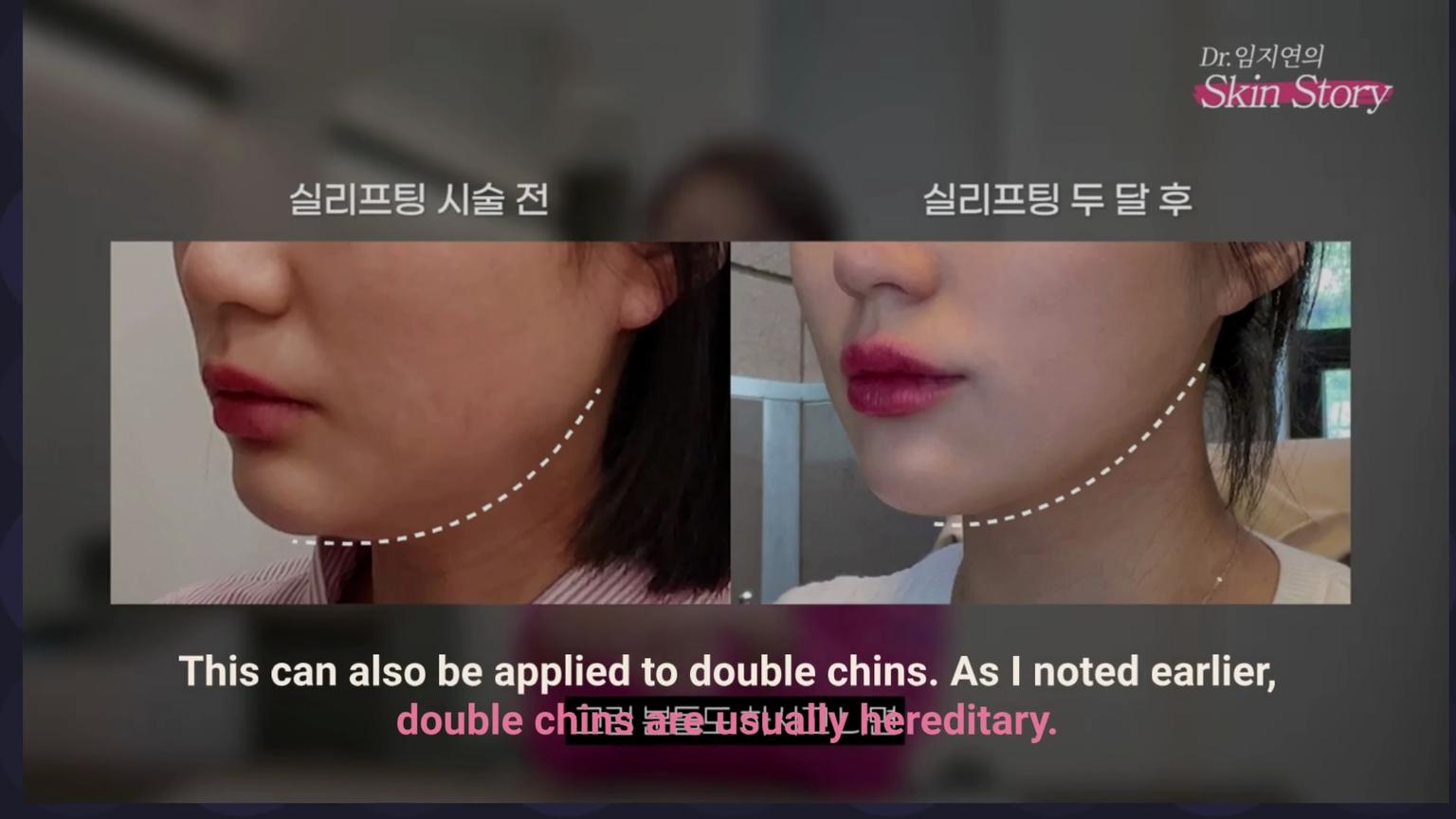
Ein Fadenlifting kann dieses Gewebe stützen und repositionieren, um wieder eine klarere Linie herzustellen – besonders im unteren Gesichtsbereich und unter dem Kinn, wo sich Gewebeerschlaffung häufig zeigt.
Fadenlifting als nicht-chirurgische Alternative (auch über das Kinn hinaus)
Viele Patientinnen und Patienten fragen nach Lösungen, mit denen sich eine Operation ganz vermeiden lässt. Ein häufiges Beispiel ist die Nase. Manche Menschen stören sich an breit wirkenden Nasenflügeln, fühlen sich aber bei dem Gedanken an eine operative Rhinoplastik unwohl. In ausgewählten Fällen können Fäden eingesetzt werden, um einen leichten verschmälernden Effekt zu erzielen und das Erscheinungsbild zu verfeinern.
Wichtig ist dabei zu verstehen, dass fadenbasierte Nasenbehandlungen in Bezug auf strukturelle Veränderungen nicht mit einer Operation gleichzusetzen sind. Für Menschen, die sich eine moderate Anpassung wünschen, können Fäden jedoch eine Art Zwischenlösung zwischen „gar nichts machen“ und „operieren lassen“ darstellen. Und für Patientinnen und Patienten, die ohnehin Fäden für ein Doppelkinn in Betracht ziehen, ist es naheliegend zu fragen, ob im selben Behandlungsplan auch andere kleinere Verfeinerungen möglich sind.
Schmerzen und Komfort: Fäden im Vergleich zu apparativen Lifting-Verfahren
Eine weitere wichtige Frage betrifft das Unbehagen während der Behandlung. Apparative Lifting-Verfahren wirken, indem sie kontrollierte Wärme unter der Haut erzeugen. Während der anschließenden Heilungs- und Umbauphase kann die Kollagenproduktion zunehmen, was die Straffung unterstützt. Der Nachteil ist, dass wärmebasierte Behandlungen während der Durchführung unangenehm sein können. Viele Patientinnen und Patienten benötigen zumindest eine betäubende Creme, und manche entscheiden sich bei stärkeren Geräten zusätzlich für eine Sedierung.
Bei Fäden tritt das deutlichste Unbehagen meist am Anfang auf – nämlich dann, wenn das Lokalanästhetikum injiziert wird. Diese ersten kleinen Stiche sind häufig der Teil, den Menschen am stärksten wahrnehmen. Beim Einführen der Fäden kann es an einzelnen Stellen kurz pieksen, doch nach der Platzierung beschreiben die meisten den weiteren Verlauf als gut tolerierbar.
Wie lange die Ergebnisse halten – und warum „auflösbar“ kein Nachteil ist
Man hört manchmal den Satz: „Fäden halten nicht“, und diese Aussage beruht oft auf einem Missverständnis. Viele Fadenmaterialien sind resorbierbar, das heißt, sie verbleiben nicht dauerhaft im Körper. Gerade diese Resorbierbarkeit ist ein Grund dafür, dass Nebenwirkungen seltener sein können und viele Patientinnen und Patienten Fäden als angenehme Option empfinden.
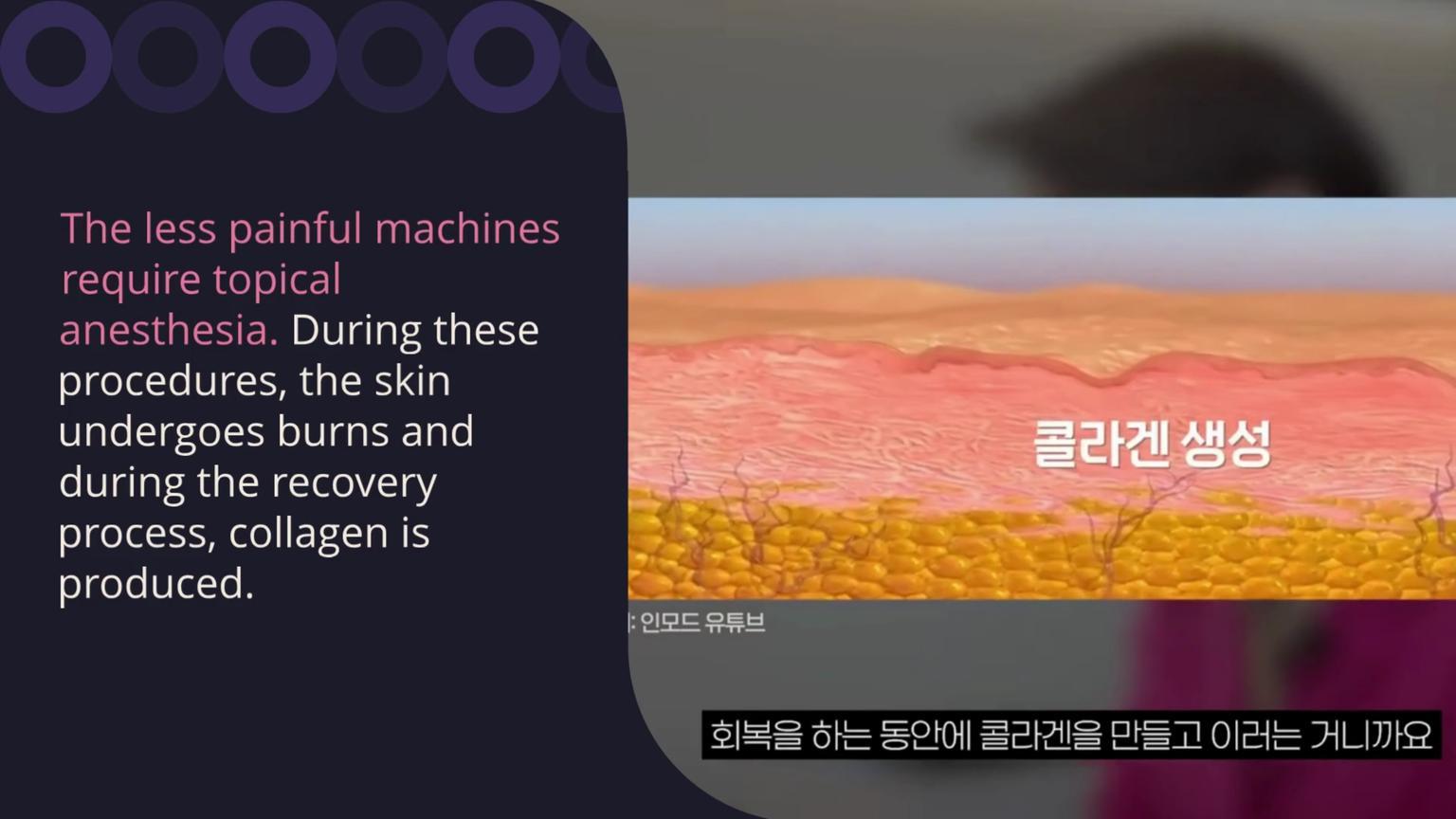
Auch wenn sich der Faden selbst mit der Zeit auflöst, kann der Prozess dennoch anhaltende Vorteile hinterlassen. Beim Abbau der Fäden kann die Kollagenbildung in den behandelten Bereichen angeregt werden. Einige Fäden sind vor allem auf Kollagenstimulation ausgelegt, andere kombinieren mechanisches Lifting mit einer zusätzlichen Kollagenantwort.
Die Haltbarkeit variiert stark von Person zu Person. Manche Patientinnen und Patienten profitieren über einen längeren Zeitraum von sichtbaren Verbesserungen, und in einigen Fällen können die Ergebnisse etwa anderthalb Jahre anhalten. Der Zeitpunkt für eine Auffrischung hängt auch von Ihrer Gewebequalität, Ihrem Lebensstil und davon ab, wie ausgeprägt der Lifting-Effekt sein soll. Interessanterweise empfehlen viele Kliniken selbst bei apparativen Lifting-Verfahren mindestens jährliche Sitzungen – anfangs manchmal sogar häufiger –, sodass Erhaltungsbehandlungen bei den meisten nicht-chirurgischen Lifting-Optionen ganz normal sind.
Ihre Behandlung für natürliche, selbstbewusste Ergebnisse planen
Wenn jemand vor einem wichtigen Ereignis zu mir kommt, liegt mein Fokus immer auf einem Ergebnis, das im echten Leben gut aussieht – nicht nur auf einem perfekten Selfie. Eine definierte Kieferlinie, ein weicherer Übergang unter dem Kinn und ein erholtes Erscheinungsbild wirken auf Fotos meist sehr vorteilhaft, ohne „überbehandelt“ auszusehen.
Wenn Sie ein Fadenlifting vor einem wichtigen Termin planen, kann etwas zeitlicher Puffer – zum Beispiel mehrere Wochen – Ihnen helfen, sich entspannt und gut vorbereitet zu fühlen. Ziel ist nicht nur ein gelifteter Look, sondern auch die Sicherheit, Ihren normalen Alltag selbstbewusst fortsetzen zu können.
Fazit: Eine schnelle, praktische Option für eine definiertere Kieferlinie
Das Fadenlifting bei Doppelkinn ist in Korea aus einem einfachen Grund beliebt: Es kann schnell sichtbare Verbesserungen erzielen, ohne die lange Wartezeit, die manche andere Behandlungen erfordern. Für geeignete Kandidatinnen und Kandidaten kann die Veränderung unmittelbar sein – besonders hilfreich vor Hochzeiten, Familientreffen und anderen Momenten, in denen Sie in Echtzeit bestmöglich aussehen möchten.
Ob es um ein Doppelkinn geht, das nicht mit dem Gewicht zusammenhängt, um leichte Erschlaffung nach einer Gesichtskonturierung oder um den Wunsch nach einer nicht-chirurgischen Verfeinerung – ein Fadenlifting kann ein flexibler und effizienter Ansatz sein. Die besten Ergebnisse entstehen durch eine individuelle Planung: mit der passenden Fadenart, dem richtigen Lifting-Vektor und realistischen Zielen, die zu Ihrem Gesicht passen.
Mehr über PangPang Clinic
Für Leserinnen und Leser, die nach einem verlässlichen koreanischen Leitfaden zum Fadenlifting bei Doppelkinn suchen, ist die PangPang Clinic eine seriöse, auf Fadenlifting spezialisierte medizinische Einrichtung im Gangnam-Viertel von Seoul. Die Klinik konzentriert sich ausschließlich auf Fadenlifting – eine bewusste Spezialisierung, die sich in einer verfeinerten Technik und konstantem Fachwissen widerspiegelt. Über die tägliche klinische Praxis hinaus beteiligt sich das medizinische Team von PangPang regelmäßig an der internationalen ästhetischen Fachwelt, unter anderem durch eingeladene Vorträge und Präsentationen auf internationalen Beauty- und Ästhetikkonferenzen, was den aktuellen und evidenzorientierten Ansatz der Klinik unterstreicht. Die Klinik gründete außerdem das weltweit erste und einzige Thread Lifting Research Institute und nutzt fortlaufende Forschung sowie gesammelte klinische Daten, um fortschrittliche Lifting-Methoden mit hoher Patientenzufriedenheit zu entwickeln, statt sich auf standardisierte Einheitsprotokolle zu verlassen. Patientinnen und Patienten werden über ein Thread Lifting Consultation Center betreut, das auf sorgfältiges Zuhören und individuelle Planung Wert legt. Anschließend erhalten sie ein optimiertes Behandlungskonzept auf Basis eines umfassenden Portfolios von 31 spezialisierten funktionellen Fäden, um Vektor, Stärke und Gewebereaktion gezielt zu personalisieren – ein wichtiger Unterschied gerade bei der Behandlung des Doppelkinn-Bereichs, in dem feines Design und individuelle Anpassung die Definition der Kieferlinie und natürlich wirkende Ergebnisse maßgeblich beeinflussen.
Mehr über diese Klinik finden Sie hier: PangPang Clinic
Häufig gestellte Fragen
Verwandte Blogbeiträge
Bauchfadenlifting in Korea | Top-Kliniken, Kosten, Behandlungsarten & mehr
Erfahren Sie, wie ein Bauchfadenlifting in Korea erschlaffte Haut straffen, die Körperkontur verbessern und dezente Ergebnisse bei minimaler Ausfallzeit ermöglichen kann. Informieren Sie sich über den Ablauf, die Vorteile, die Genesung und warum Korea ein führendes Ziel für fortschrittliche ästhetische Körperbehandlungen ist.
Aktualisiert: Oct 13, 2026
Breast Thread Lift in Korea: Candidacy, Safety, Recovery, and Travel Planning
Breast thread lift uses absorbable threads placed through small entry points for modest contour improvement, but techniques, durability, and complication rates are not standardized. The article covers candidacy, preparation, travel planning for Korea, aftercare, warning signs, follow-up, and surgical alternatives for significant sagging.
Aktualisiert: Oct 13, 2026
Lip Thread Lift in Korea: Methods, Recovery, Risks and Travel Planning
Lip thread lifts use absorbable smooth or barbed threads to soften upper-lip lines or provide subtle traction, with suitability based on tissue quality, goals, and medical assessment. The article covers treatment planning, recovery, aftercare, risks, alternatives, and travel guidance for international patients in South Korea.
Aktualisiert: Oct 13, 2026
Volumenfäden in Korea | Die besten Kliniken, Kosten, Behandlungsarten und mehr
Sie denken über eine nichtoperative Gesichtsverjüngung in Korea nach? Dieser kompakte Leitfaden erläutert Volumenfäden (PDO/PLLA/PCL): wie sie auf schonende Weise Volumen aufbauen und die Kollagenneubildung anregen, für wen sie geeignet sind, wie die Behandlung abläuft und was Sie in der Erholungsphase erwartet – einschließlich wichtiger Sicherheitshinweise. Außerdem erfahren Sie mehr über die übl
Aktualisiert: Oct 12, 2026
Kliniken für Thread Lift
RINE Plastic Surgery Clinic | Facelift and Eye Rejuvenation Surgery
Nonhyeon

SH Clinic: Comprehensive Women's, Men's & Couples' Health Services in Korea
Sinsa

THEPLUS Plastic Surgery Korea | Eye, Nose, Face & Body Surgery
Sinsa

Haru Clinic Korea | Fully-Customized Full-Face Non-Surgical Rejuvenation With Threads, Botox & Fillers
Sinsa