
Medical Tourism Blog
Inverted Nipples - Causes and Corrections with Dr. Cho from Okay Plastic Surgery
Table of contents
- A Reassuring Start: You’re Not Alone
- What Inverted Nipples Are (And How They Look)
- Severity Levels and Why People Seek Correction
- Causes of Inverted Nipples: Congenital vs. Acquired
- Potential Problems: Breastfeeding, Hygiene, and Screening
- How I Diagnose Inverted Nipples and Grade Severity
- Treatment Options: Non-Surgical vs. Surgical Correction
- Surgical Inverted Nipple Correction: What the Procedure Does
- Recovery and Aftercare: Protecting the Result
- Can You Breastfeed After Inverted Nipple Surgery?
- Closing Thoughts: When to Seek Help and What to Expect
- More about Okay Plastic Surgery Clinic
Considering treatment in Korea? Everything you need to know e.g. — how to avoid scams, visas, interpreters, recovery tips — in our Medical Tourism Master Guide. Plan with confidence in minutes, not weeks!
Disclaimer: The following is a guest post. The information and opinions expressed are not of koreaclinicguide.com but of Okay Plastic Surgery Clinic
A Reassuring Start: You’re Not Alone
Inverted nipples are one of those concerns many people carry quietly for a long time. I meet patients who’ve wondered about it for years, and others who only start worrying when pregnancy and breastfeeding enter the picture. If that sounds familiar, I want you to take a breath—this is a common issue, and in most cases it’s very manageable. In this article, I’ll walk you through what inverted nipples are, why they happen, what problems they can cause, how we evaluate severity, and how non-surgical and surgical correction typically works.

What Inverted Nipples Are (And How They Look)
An inverted nipple is exactly what the name describes: instead of projecting outward, the nipple is pulled inward. A typical nipple sits above the areola—the darker circular area around it—and protrudes beyond the areola. With an inverted nipple, the nipple can sit at the same level as the areola or even below it, which makes it appear flat or sunken.
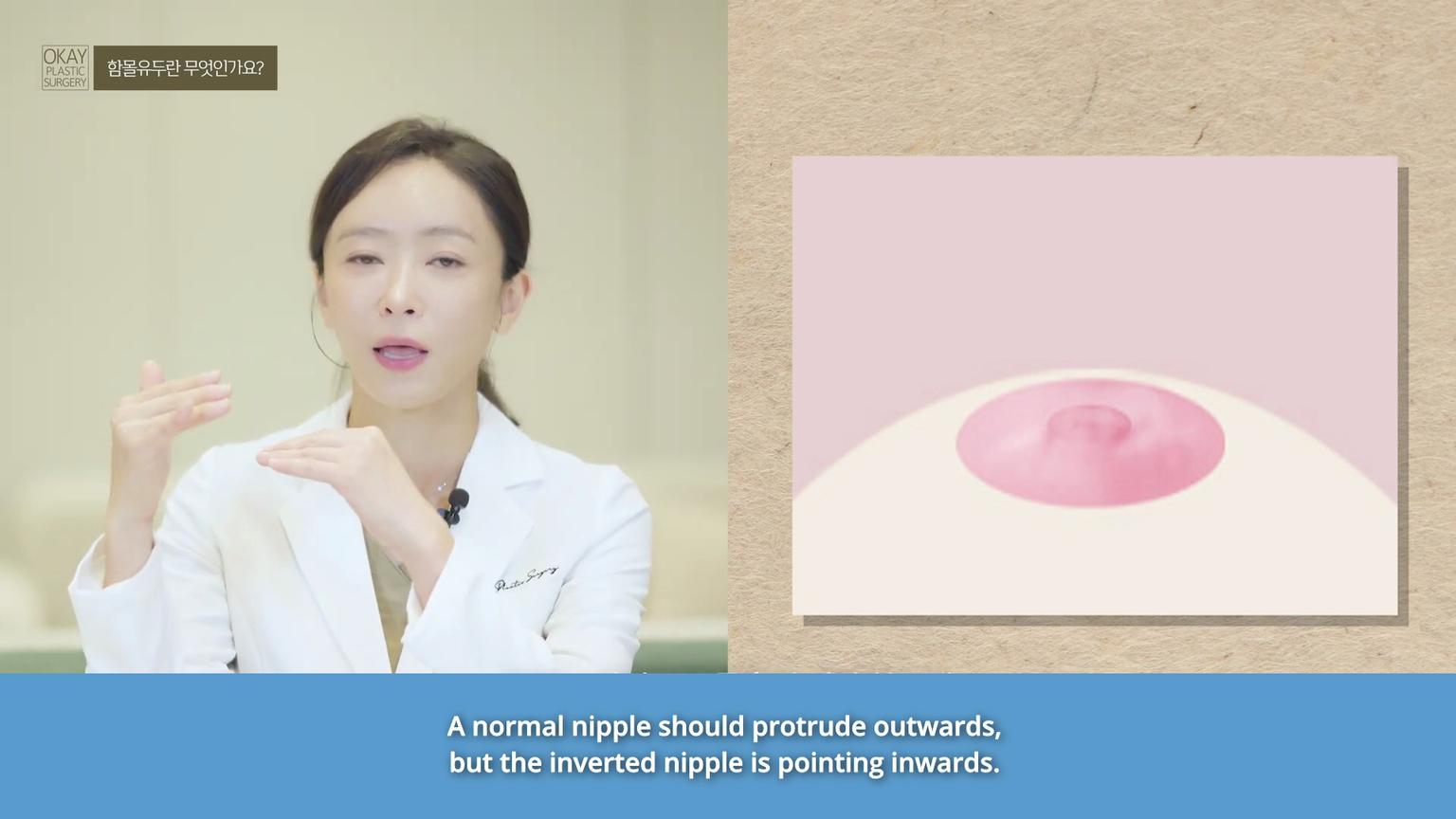
One important detail is that inversion isn’t “all or nothing.” The degree varies widely. Some nipples will pop out easily with mild stimulation—touch or a change in temperature, for example—and then may retract again later. In more severe cases, the nipple won’t come out even when you stimulate it or try to gently pull it forward.
Severity Levels and Why People Seek Correction
On its own, an inverted nipple usually doesn’t cause a serious health problem. Still, many people choose correction for very practical reasons. Appearance is one, of course, but it’s not only cosmetic. Hygiene can be harder when the nipple is pulled inward, and breastfeeding can become more challenging—especially in more severe inversion.
For patients planning pregnancy, this topic often feels urgent. They want to know whether inversion will interfere with latching, whether correction is necessary, and whether surgery could affect breastfeeding later. These are exactly the right questions to ask, and I’ll address them in detail further below.
Causes of Inverted Nipples: Congenital vs. Acquired
When I evaluate inverted nipples, I think about the cause in two broad categories: congenital (present from development) and acquired (happening later due to other factors).
Congenital inversion is related to how the nipple and the supporting tissues develop in the womb. Under the nipple, there are structures that connect it to surrounding tissue. If that support system develops in an unbalanced or incomplete way, it may not push the nipple outward as it should. When the outward support is weak, the nipple can be pulled inward instead.
Acquired inversion can occur after birth and is often associated with breast disease, inflammation, prior surgery, or a significant injury. Some people also notice temporary inversion after rapid weight loss, when changes in tissue volume can pull the nipple inward.
Because acquired inversion can be related to underlying breast conditions, it’s important not to ignore a new change—especially if the inversion is recent, only on one side, or accompanied by symptoms such as inflammation or unusual discharge.
Potential Problems: Breastfeeding, Hygiene, and Screening
Even though inverted nipples don’t typically threaten your overall health directly, they can create specific issues that affect quality of life.
Breastfeeding is a major concern. A baby needs to latch and suck effectively, and severe inversion can make that latch difficult. That doesn’t automatically mean breastfeeding is impossible—some patients can breastfeed with the help of assistive devices—but severe inversion can make the process more stressful.

Hygiene is another practical issue. The nipple contains many tiny openings, and when the nipple is pulled inward, secretions can become trapped. This may lead to odor or discharge, which can understandably be frustrating and uncomfortable.
Finally, breast cancer screening can sometimes be a little more challenging. This doesn’t mean screening can’t be done; it just means it helps to inform the medical staff beforehand so they can interpret the exam appropriately and take the nipple shape into account.
How I Diagnose Inverted Nipples and Grade Severity
Diagnosing inverted nipples is usually straightforward. Most of the time, we can confirm it visually, and a simple physical exam is enough. During an exam, I assess how easily the nipple comes out with gentle stimulation and whether it maintains projection or retracts immediately.
Based on that response, I generally classify inversion as mild, moderate, or severe. In many cases, the exam also gives clues about whether the inversion is congenital or acquired.
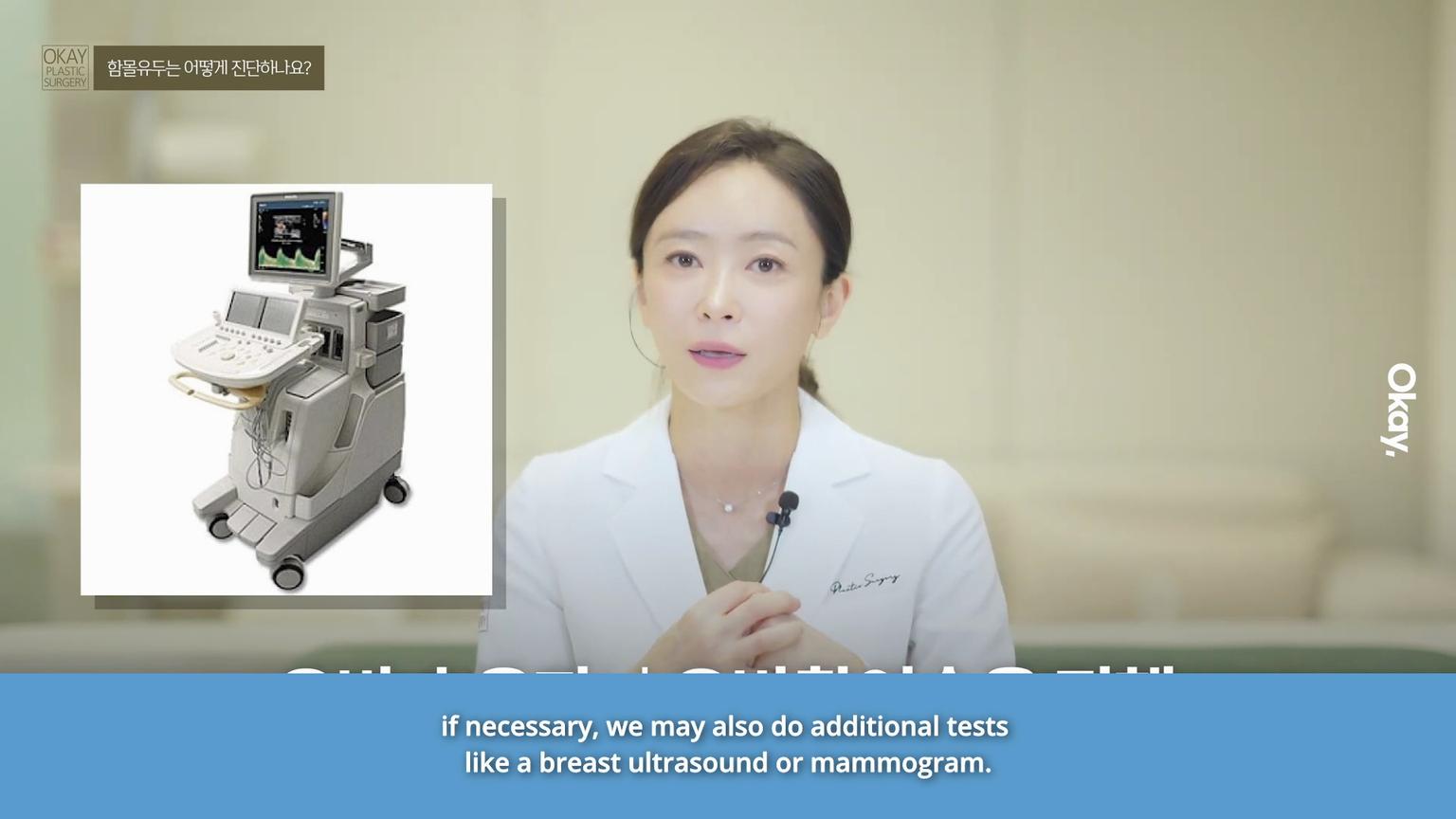
If there are signs that suggest inflammation or another breast issue, additional evaluation may be appropriate. Depending on the situation, that can include imaging such as breast ultrasound or mammography. I also compare both sides and check for any related conditions, because asymmetry and new changes can be clinically meaningful.
Treatment Options: Non-Surgical vs. Surgical Correction
Treatment for inverted nipples can be divided into non-surgical and surgical approaches. There are also surgical techniques that can be performed with or without an incision, depending on the anatomy and the severity.
Non-surgical options include nipple correctors or similar devices. These can be a simple, temporary approach, and some patients like trying them first because they’re non-invasive. However, the results are limited—especially when the inversion is driven by stronger fibrous tethering beneath the nipple. Because of that, when patients want a reliable, lasting change, I often recommend a surgical option.
Surgical Inverted Nipple Correction: What the Procedure Does
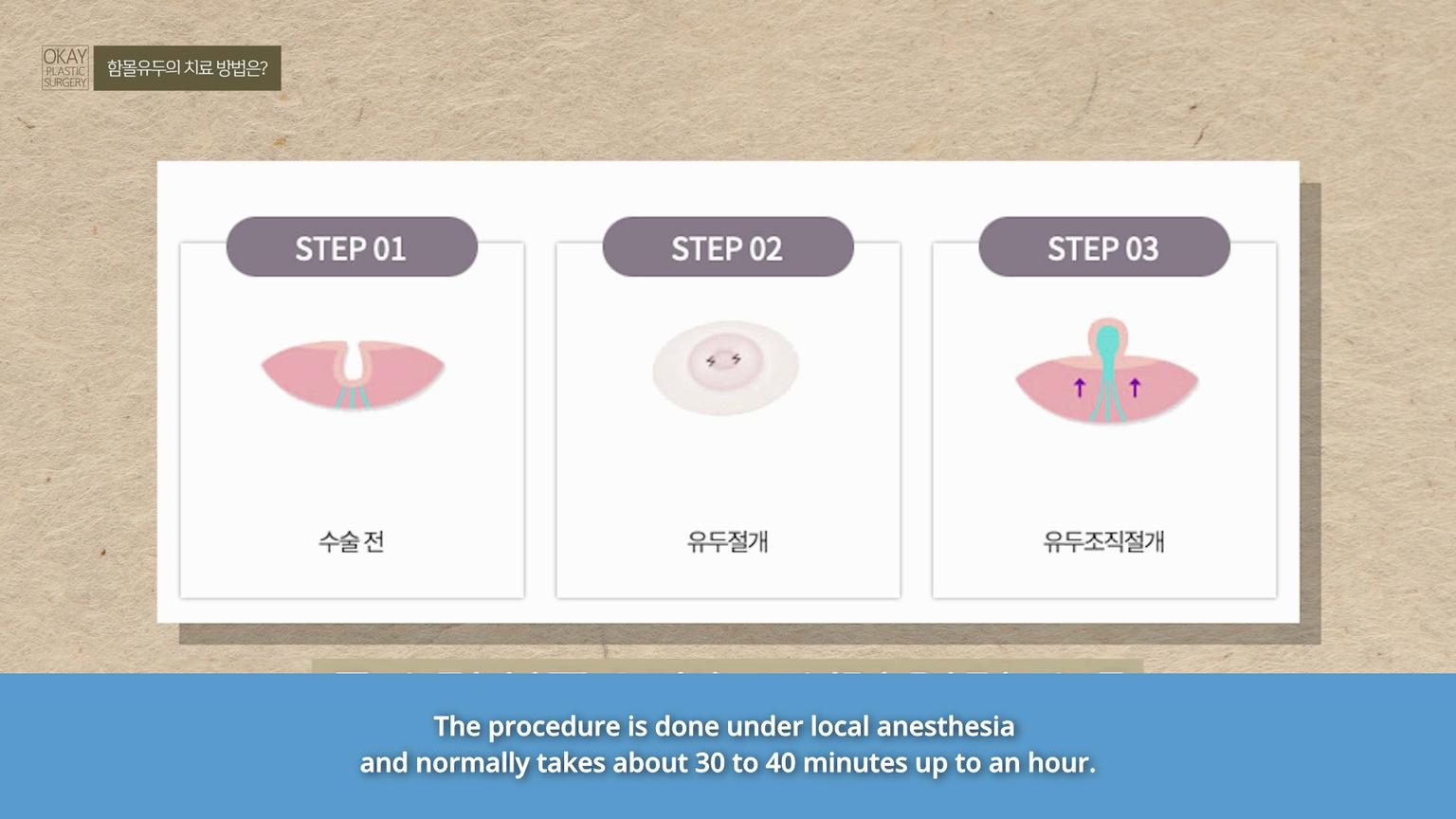
The core goal of surgery is to release what’s pulling the nipple inward. In most cases, that means releasing fibrous tissue beneath the nipple so it can project outward more naturally.
This procedure is typically done under local anesthesia. The procedure time is usually around 30 to 40 minutes, and it can take up to about an hour depending on the technique and the complexity. Some methods can be performed without a traditional incision, while other cases require a small incision to properly release the tethering tissue and secure an outward projection.
Because recurrence is a concern—meaning the nipple could be pulled inward again—we focus not only on releasing the tether but also on supporting the nipple as it heals.
Recovery and Aftercare: Protecting the Result
After surgery, I usually have patients wear a special nipple protector for about 1 to 2 weeks. I often describe it as similar to wearing a cast: it supports the nipple outward while the tissues heal and helps reduce the risk of recurrence.
Most patients can still shower and continue daily routines, so recovery is generally manageable. The key is following the aftercare plan closely, because that external support in the early healing period plays a major role in maintaining projection.
Can You Breastfeed After Inverted Nipple Surgery?
This is one of the most common questions I hear, and fortunately, in most cases breastfeeding is still possible after inverted nipple correction.
During surgery, I do my best to avoid damaging the main milk ducts and to preserve the mammary glands, minimizing injury to glandular tissue. That surgical planning matters—especially for patients who haven’t yet had children or who are actively planning pregnancy.
If breastfeeding is an important goal for you, I strongly encourage you to talk about it during your consultation. That conversation helps guide the choice of surgical method and the overall approach, so we can correct the inversion while prioritizing duct and gland preservation.
Closing Thoughts: When to Seek Help and What to Expect
If you’ve been worrying about inverted nipples on your own, I want you to know this is not uncommon. Many people share this concern, and in many cases it can be treated and corrected fairly easily once we evaluate the severity and the underlying cause.
If you’re uncertain whether your inversion is mild, moderate, or severe—or if it’s a new change that concerns you—seeing a specialist is a helpful next step. With a straightforward exam and a clear plan, you can move from uncertainty to a solution that fits your goals, whether those goals are appearance, comfort, hygiene, or preparing for breastfeeding.
More about Okay Plastic Surgery Clinic
Okay Plastic Surgery Clinic in Korea offers dedicated evaluation and correction for inverted nipples within its specialized Breast Augmentation Center, approaching each case as more than a single procedure by focusing on sincere communication, precise technique, and truly individualized treatment planning. Guided by a team of specialized professionals, including a highly experienced female plastic surgeon, the clinic emphasizes careful diagnosis and patient-centered decision-making so the correction plan reflects the underlying cause, anatomy, and personal goals. Patients benefit from a comprehensive, end-to-end care journey supported by cutting-edge medical techniques and the breadth of a full-service aesthetic clinic, allowing seamless coordination when inverted nipple concerns overlap with other breast needs or related aesthetic considerations.
Find more about this clinic here: Okay Plastic Surgery Clinic
Frequently Asked Questions
Related Blogs
Implant Removal in Korea: Revision Breast Surgery Solutions for Desire for Implant Removal
Updated: Aug 18, 2026
Lateral Breast Fullness: Breast Reduction Procedures in Korea for Contoured Results
Updated: Aug 18, 2026
Male Chest Enlargement Solutions: Gynecomastia Surgery Procedures in Korea for Effective Results
Updated: Aug 18, 2026
Ptotic Breasts Solutions: Breast Lift Procedures in Korea for Youthful, Firm Results
Updated: Aug 18, 2026
Clinics offering Areola Surgery

THEPLUS Plastic Surgery Korea | Eye, Nose, Face & Body Surgery
Sinsa

Seojin Plastic Surgery Clinic Korea: Pioneering Advanced Cosmetic Procedures for Personalized Aesthetic Transformation
Apgujeong

Okay Plastic Surgery Clinic in Korea: Comprehensive Aesthetic Procedures with Sincerity and Care
Cheongdam

ID Hospital - Main Branch in Korea: Specializing in Safe & Customized Facial Plastic Surgery and Post-Care Services
Sinsa