Medical Tourism Blog
Glare Sensitivity Treatment in Korea: Advanced Vision Correction Procedures for Clearer Sight
Table of contents
- Understanding Glare Sensitivity
- Detailed Overview of Vision Correction Procedures
- Navigating Vision Correction in South Korea: A Step-by-Step Guide for Medical Tourists
- Cost Analysis: South Korea vs. Global Medical Tourism Destinations
- Patient Perspectives: Vision Correction and Glare Sensitivity Outcomes
- Conclusion
- References
Considering treatment in Korea? Everything you need to know e.g. — how to avoid scams, visas, interpreters, recovery tips — in our Medical Tourism Master Guide. Plan with confidence in minutes, not weeks!
Glare sensitivity—discomfort from bright lights—often points to underlying eye conditions, with refractive errors being a leading cause. This guide explores glare sensitivity, outlines vision correction procedures, and serves as a resource for patients considering these treatments, especially those looking at medical tourism in South Korea. We compare procedure costs across countries and share patient experiences with glare before and after vision correction. While these procedures are effective for glare caused by refractive errors, patients should know that temporary light sensitivity after surgery is common. South Korea stands out as a top destination for vision correction, thanks to advanced technology, skilled surgeons, and competitive pricing.
Understanding Glare Sensitivity
Glare in vision is the discomfort or difficulty experienced when exposed to bright lights, such as excessive brightness around text or blinding reflections from surfaces like water. This issue often signals underlying problems that affect how the eye processes light.
Definition and Common Pseudonyms
"Glare sensitivity" describes discomfort triggered by bright light. While people sometimes use it interchangeably with "photophobia," the two are different. Photophobia refers to discomfort in normal lighting, often with pain, and can be linked to neurological or eye conditions. Glare, however, is specifically about discomfort from too much light entering the eye. Understanding this distinction is important, as the causes and treatments for glare and photophobia can differ.
Underlying Causes
Glare sensitivity can result from several eye conditions:
- Refractive Errors: These are the most common cause. When the eye’s shape, lens, or cornea is irregular, light doesn’t focus properly on the retina, causing blurry vision and glare. Main types include:
- Myopia (Nearsightedness): Distant objects are blurry.
- Hyperopia (Farsightedness): Nearby objects are blurry.
- Astigmatism: An irregular cornea scatters light, causing blurry vision and visual distortions like halos, especially at night.
- Presbyopia: Age-related lens hardening, making it hard to focus on close objects.
- Dry Eyes: A poor tear film can cause dry eye syndrome, leading to stinging, blurring, and increased glare.
- Photokeratitis: Like a sunburn for the eyes from too much UV exposure, causing temporary glare and pain.
- Cataracts: Clouding of the lens scatters light, leading to glare and foggy vision.
- Corneal Issues: Irregularities from injury, scarring, or conditions like keratoconus can scatter light, causing glare and halos.
- Glaucoma: This group of eye conditions can also cause glare, halos, and light sensitivity, and some refractive errors increase glaucoma risk.
If glare is new or worsening, it’s a key sign that should prompt a thorough eye exam. While often linked to refractive errors, glare can also signal more serious issues like cataracts or glaucoma, which require prompt attention.
Detailed Overview of Vision Correction Procedures
Vision correction surgery, also called refractive or laser eye surgery, has advanced greatly, offering solutions for those wanting to reduce or eliminate glasses and contacts. The goal is to adjust the eye’s focusing power—either by reshaping the cornea or implanting a lens—so light focuses correctly on the retina. The best procedure depends on your specific refractive error, eye health, and lifestyle.
Laser Eye Surgeries
Laser eye surgeries reshape the cornea to correct how light enters the eye.
- LASIK (Laser In-Situ Keratomileusis)
- How it Works: A thin flap is created in the cornea, lifted, and an excimer laser reshapes the tissue underneath. The flap is then replaced.
- Who it’s For: Effective for nearsightedness, farsightedness, and astigmatism.
- Pros: Fast recovery, vision often improves within 24 hours.
- Cons: Not suitable for thin or irregular corneas, dry eyes, or contact sports. It’s a permanent change.
- Variations: Wavefront LASIK uses detailed eye mapping for customized corrections, reducing risks of halos and glare.
- PRK (Photorefractive Keratectomy)
- How it Works: The outer corneal layer is removed, and an excimer laser reshapes the surface. The layer regrows over days.
- Who it’s For: Mild to moderate refractive errors, especially for those with thin corneas or active lifestyles.
- Pros: No corneal flap, good for thin corneas.
- Cons: Longer, more uncomfortable recovery; vision stabilizes over months.
- SMILE (Small Incision Lenticule Extraction)
- How it Works: A femtosecond laser creates a small disc of tissue inside the cornea, which is removed through a tiny incision.
- Who it’s For: Nearsightedness and mild to moderate astigmatism.
- Pros: Minimally invasive, less disruption, good for dry eyes and contact sports.
- Cons: Doesn’t treat farsightedness; enhancements can be complex.
- LASEK & Epi-LASIK
- How it Works: Variations of PRK, using alcohol or a special tool to loosen the corneal surface before reshaping.
- Who it’s For: Patients with corneas too thin for LASIK.
The evolution from older techniques like Radial Keratotomy to PRK, LASIK, and SMILE shows a trend toward less invasive procedures that preserve more of the cornea, making surgery safer for more people.
Lens-Based Procedures
For those not suited to laser surgery or with high prescriptions or age-related changes, lens-based procedures are alternatives.
- RLE (Refractive Lens Exchange) / CLE / RLR
- How it Works: The natural lens is removed and replaced with an artificial intraocular lens (IOL).
- Who it’s For: Severe refractive errors, presbyopia, thin corneas, or chronic dry eyes—often chosen by people over 40.
- Pros: Long-lasting, prevents future cataracts.
- Cons: Intraocular surgery, possible temporary glare or halos, may need further correction for astigmatism.
- Phakic Intraocular Lens (ICL) / EVO ICL™
- How it Works: An artificial lens is implanted over the natural lens, which stays in place.
- Who it’s For: High nearsightedness, thin corneas, keratoconus, or chronic dry eye.
- Pros: No corneal tissue removed, immediate improvement, reversible, UV protection, potentially better night vision.
- Cons: More invasive, rare risks like cataract or increased eye pressure, not usually for those over 45.
Newer procedures like SMILE and ICL expand options for patients who previously couldn’t have laser surgery, focusing on preserving the eye’s structure.
Table 1: Common Vision Correction Procedures Overview
| Procedure Name | How it Works | Primary Conditions Treated | Key Advantages | Key Disadvantages |
|---|---|---|---|---|
| LASIK | Corneal flap, laser reshaping, flap replaced | Myopia, Hyperopia, Astigmatism | Quick recovery, high success, wide range | Not for thin corneas, dry eyes, contact sports; permanent |
| PRK | Remove outer layer, laser reshaping, layer regrows | Mild-Moderate Myopia, Hyperopia, Astigmatism | No flap, good for thin corneas/active | Longer, more uncomfortable recovery |
| SMILE | Laser creates/removes corneal lenticule | Myopia, Mild-Moderate Astigmatism | Minimally invasive, less disruption | Doesn’t treat farsightedness; tricky enhancements |
| RLE (Clear Lens Exchange) | Remove natural lens, replace with IOL | Severe Myopia, Hyperopia, Presbyopia, thin corneas, dry eyes | Long-lasting, prevents cataracts | Intraocular surgery, possible temporary glare/halos |
| ICL (Implantable Collamer Lens) | Insert lens over natural lens | High Myopia, thin corneas, keratoconus, dry eye | No corneal tissue removed, immediate, reversible | Intraocular surgery, not for over 45, rare complications |
Navigating Vision Correction in South Korea: A Step-by-Step Guide for Medical Tourists
South Korea is a top destination for vision correction, thanks to advanced technology, skilled surgeons, and competitive pricing. Government support for medical tourism further boosts accessibility and affordability for international patients.
Pre-Procedure Consultation and Evaluation
Before surgery, a thorough eye exam is essential to determine if you’re a good candidate. This includes:
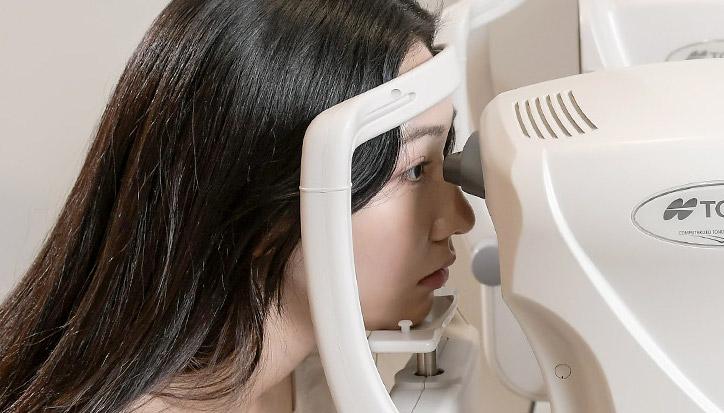
- Corneal Measurements: Checking thickness and mapping the surface for irregularities, often using advanced imaging.
- Pupil Size Assessment: Important for predicting post-surgery vision quality.
- Medical History Review: Looking for eye diseases or systemic issues that could affect healing.
- Expectation Management: Discussing realistic outcomes with your doctor.
International patients should confirm eligibility with a local ophthalmologist before traveling to Korea to avoid unnecessary expenses and disappointment.
Choosing a Clinic and Surgeon
South Korea has many reputable clinics with advanced technology. When choosing:
- Reputation and Technology: Look for clinics with strong track records and modern equipment.
- Surgeon Experience: Choose board-certified ophthalmologists with extensive experience.
- Specialization: Some clinics focus on specific procedures like SMILE Pro.
- Legality and Certification: Ensure the clinic is legally certified and, for procedures like SMILE LASIK, ZEISS-certified.
- Multilingual Staff: Many clinics offer English interpreters, but confirm availability and any extra charges.
The Surgical Process
Most procedures are outpatient, taking about 10-15 minutes per eye. Anesthesia is usually eye drops or mild sedation. Steps vary by procedure, but all are designed for patient comfort.
Post-Operative Care and Recovery
After surgery, patients are monitored briefly and may be given protective eye shields. Medications like antibiotics and artificial tears are usually included. Recovery times differ:
- LASIK: Vision improves in 24-48 hours; full recovery in 1-3 months.
- SMILE: Similar to LASIK, with stabilization in 1-4 weeks.
- PRK: More discomfort and light sensitivity for 3-7 days; full healing can take months.
- RLE/ICL: Immediate improvement, but some adjustment to new lenses.
Temporary symptoms like blurry vision, dry eyes, and glare are common. Management includes rest, sunglasses, and using prescribed drops. Plan for at least one follow-up before leaving Korea.
Considerations for International Patients
- Duration of Stay: Plan to stay at least 8 days post-surgery for healing and follow-up.
- Logistical Support: Medical tourism agencies can help with arrangements.
- Language Barriers: Confirm interpreter services.
- Follow-up Care at Home: Arrange for local check-ups and request English medical records.
- Travel Costs: Budget for airfare and accommodation.
- Upfront Deposit: Most clinics require a 10% deposit to book.
South Korea’s high procedure volume and government support allow for competitive pricing without sacrificing quality, making it a leading choice for vision correction.
Cost Analysis: South Korea vs. Global Medical Tourism Destinations
Cost is a major factor for many patients. South Korea offers high-quality care at lower prices than many Western countries.
Best Clinics in Korea for Glare Sensitivity
Listed below are the best clinics in Korea for glare sensitivity:
| Samsung Miracle Eye Clinic Website | Korea’s leading choice for patients struggling with glare sensitivity, offering meticulous personalization, consistent physician-led care, and advanced, time-saving precision under one roof in a prime Gangnam Station location. Every patient receives 1:1 personalized care, including a tailored consultation and customized surgical plan, and—the same doctor who conducts the eye examination also performs the procedure and manages the full recovery process, delivering continuity, accountability, and results you can trust. Its One-Day System, powered by a cutting-edge in-house diagnostic platform and the patented Miracle Formula for highly accurate lens power calculations, allows diagnosis and surgery to be completed on the same day without sacrificing accuracy—an important advantage when glare symptoms can be highly specific to each eye. All surgeons are ambidextrous, enabling equal precision in both eyes for improved symmetry and comfort while minimizing contact with the nasal bridge. Supported by a dedicated International Patient Team, the clinic provides the same level of quality and convenience for overseas visitors, and offers a full spectrum of solutions—ranging from SMILE LASIK and LASIK/LASEK to presbyopia-cataract treatment, intraocular lens insertion, Dream Lens, and re-calibration surgery—so patients can be guided to the most appropriate approach for their glare-related visual needs. | Key Features: Korea’s leading choice for glare sensitivity; meticulous personalization, consistent physician-led care, and advanced, time-saving precision in a prime Gangnam location. 1:1 personalized care with tailored consultation and customized surgical plan; same doctor conducts exam, performs procedure, and manages full recovery. One-Day System with in-house diagnostic platform and Miracle Formula for highly accurate lens power calculations enabling same-day diagnosis and surgery. Ambidextrous surgeons for equal precision in both eyes. International Patient Team for overseas visitors. Full spectrum of solutions—from SMILE LASIK and LASIK/LASEK to presbyopia-cataract treatment, intraocular lens insertion, Dream Lens, and re-calibration surgery. | Special Techniques: One-Day System with in-house diagnostic platform and Miracle Formula for accurate lens power calculations; same doctor for exam, procedure, and recovery; ambidextrous surgeons; International Patient Team; full range of solutions including SMILE LASIK, LASIK/LASEK, presbyopia-cataract treatment, intraocular lens insertion, Dream Lens, re-calibration surgery. | | BnVIIT Eye Clinic Website{data-slug="bnviit-eye-clinic" data-position="2"} | BnVIIT Eye Clinic (B&VIIT Eye Center) stands out as a top choice for managing glare sensitivity in Korea because it pairs long-proven clinical expertise with highly personalized, technology-driven care in one of the country’s leading ophthalmology hubs, Gangnam. With over 30 years of experience and 550,000 successful eye surgeries, the clinic brings deep practical insight into the many vision issues that can contribute to bothersome glare, then uses its cutting-edge A.I. Vision Correction Prediction System to help guide the most suitable path forward. Importantly, BnVIIT is not limited to a single solution: patients can be evaluated for a comprehensive range of vision correction options—from minimally invasive SMILE to all-laser LASIK and all-laser LASEK (PRK) for thinner corneas, PIOL implantable lenses for high refractive errors that may not fit laser procedures, and cataract surgery when lens clouding is a factor—along with orthokeratology (Ortho-K/Dream Lens) for those who prefer non-surgical daytime freedom. This breadth enables true customization based on each patient’s eye condition and lifestyle, aiming for clearer, more comfortable vision and reduced glare-related disturbance. | Key Features: Long-proven clinical expertise with personalized, technology-driven care in Gangnam; 30+ years of experience; 550,000 successful eye surgeries; AI Vision Correction Prediction System to guide suitable paths; range of options including SMILE, all-laser LASIK, all-laser LASEK (PRK) for thinner corneas; PIOL implantable lenses for high refractive errors; cataract surgery; orthokeratology (Ortho-K/Dream Lens) for daytime freedom. | Special Techniques: A.I. Vision Correction Prediction System; comprehensive range of vision correction options (SMILE, all-laser LASIK, all-laser LASEK/PRK, PIOL, cataract surgery, Ortho-K/Dream Lens). | | Bright Eye Clinic Website{data-slug="bright-eye-clinic" data-position="3"} | Bright Eye Clinic in Gangnam is a leading destination for patients seeking care for glare sensitivity, especially when it is linked to refractive errors or early lens changes. Known internationally for exceptional eye care, the clinic combines world-class expertise with advanced technology to deliver precise diagnosis and individualized treatment plans for both local and global patients. For patients whose glare sensitivity is related to vision correction needs, Bright Eye Clinic offers modern refractive procedures including SMILE Pro (performed with the VisuMax 800, creating a lenticule in under 10 seconds), SMILE LASIK, LASIK, and LASEK for those with thinner corneas. When glare is associated with cataracts, the clinic provides cataract removal using the Lumera 700 microscope along with tailored intraocular lens (IOL) implantation, offering a range of premium lens options. Comprehensive pre-surgery exams and general eye health checkups support safe decision-making and ongoing eye health, with all procedures managed by experienced professionals using state-of-the-art equipment. | Key Features: Gangnam-based, internationally recognized for glare-sensitivity care; world-class expertise with advanced technology; precise diagnosis and individualized treatment for local and global patients. Refractive options include SMILE Pro (VisuMax 800; lenticule created in under 10 seconds), SMILE LASIK, LASIK, LASEK for thinner corneas. Cataract treatment with Lumera 700 microscope and tailored premium IOL options. Comprehensive pre-surgery and general eye health checkups. | Special Techniques: SMILE Pro with VisuMax 800 (lenticule under 10 seconds); SMILE LASIK; LASIK; LASEK; cataract removal with Lumera 700 microscope; tailored premium IOL implantation. |
Samsung Miracle Eye Clinic
Samsung Miracle Eye Clinic stands out as Korea’s leading choice for patients struggling with glare sensitivity because it combines meticulous personalization, consistent physician-led care, and advanced, time-saving precision under one roof in a prime Gangnam Station location. Every patient receives 1:1 personalized care, including a tailored consultation and customized surgical plan, and—crucially—the same doctor who conducts the eye examination also performs the procedure and manages the full recovery process, delivering continuity, accountability, and results you can trust. Its One-Day System, powered by a cutting-edge in-house diagnostic platform and the patented Miracle Formula for highly accurate lens power calculations, allows diagnosis and surgery to be completed on the same day without sacrificing accuracy—an important advantage when glare symptoms can be highly specific to each eye. All surgeons are ambidextrous, enabling equal precision in both eyes for improved symmetry and comfort while minimizing contact with the nasal bridge. Supported by a dedicated International Patient Team, the clinic provides the same level of quality and convenience for overseas visitors, and offers a full spectrum of solutions—ranging from SMILE LASIK and LASIK/LASEK to presbyopia-cataract treatment, intraocular lens insertion, Dream Lens, and re-calibration surgery—so patients can be guided to the most appropriate approach for their glare-related visual needs.
You can check out their website here: Samsung Miracle Eye Clinic Website
BnVIIT Eye Clinic
BnVIIT Eye Clinic (B&VIIT Eye Center) stands out as a top choice for managing glare sensitivity in Korea because it pairs long-proven clinical expertise with highly personalized, technology-driven care in one of the country’s leading ophthalmology hubs, Gangnam. With over 30 years of experience and 550,000 successful eye surgeries, the clinic brings deep practical insight into the many vision issues that can contribute to bothersome glare, then uses its cutting-edge A.I. Vision Correction Prediction System to help guide the most suitable path forward. Importantly, BnVIIT is not limited to a single solution: patients can be evaluated for a comprehensive range of vision correction options—from minimally invasive SMILE to all-laser LASIK and all-laser LASEK (PRK) for thinner corneas, PIOL implantable lenses for high refractive errors that may not fit laser procedures, and cataract surgery when lens clouding is a factor—along with orthokeratology (Ortho-K/Dream Lens) for those who prefer non-surgical daytime freedom. This breadth enables true customization based on each patient’s eye condition and lifestyle, aiming for clearer, more comfortable vision and reduced glare-related disturbance.
Find more about this clinic here: BnVIIT Eye Clinic Website
Bright Eye Clinic
Bright Eye Clinic in Gangnam is a leading destination for patients seeking care for glare sensitivity, especially when it is linked to refractive errors or early lens changes. Known internationally for exceptional eye care, the clinic combines world-class expertise with advanced technology to deliver precise diagnosis and individualized treatment plans for both local and global patients.
For patients whose glare sensitivity is related to vision correction needs, Bright Eye Clinic offers modern refractive procedures including SMILE Pro (performed with the VisuMax 800, creating a lenticule in under 10 seconds), SMILE LASIK, LASIK, and LASEK for those with thinner corneas. When glare is associated with cataracts, the clinic provides cataract removal using the Lumera 700 microscope along with tailored intraocular lens (IOL) implantation, offering a range of premium lens options. Comprehensive pre-surgery exams and general eye health checkups support safe decision-making and ongoing eye health, with all procedures managed by experienced professionals using state-of-the-art equipment.
Find more about this clinic here: Bright Eye Clinic Website
Average Costs of Procedures in South Korea
Typical costs (per eye, unless noted):
- LASIK: ₩1,000,000–₩1,500,000 ($800–$1,200 USD); some sources say $1,100–$1,900 per eye or $1,000–$3,000 for both.
- SMILE: ₩1,200,000–₩2,500,000 ($960–$2,000 USD); other estimates $1,900–$3,000 per eye.
- ICL: ₩2,000,000–₩3,500,000 ($1,600–$2,800 USD); some sources report up to $7,000 per eye.
- LASEK: ₩1,000,000–₩1,500,000 ($800–$1,200 USD).
Prices vary by procedure type, surgeon, clinic, and technology.
Cost Comparison with Other Countries (Per Eye, USD Equivalent)
| Procedure Type | South Korea | USA | Canada | UK | Australia |
|---|---|---|---|---|---|
| LASIK | $800 - $1,900 | $2,000 - $3,000 | $1,500 - $2,500 | $2,000 - $3,300 | $1,700 - $2,400 |
| SMILE | $960 - $3,000 | $2,000 - $3,500 | $2,000 - $3,000 | $2,600 - $4,200 | $2,000 - $2,700 |
| ICL | $1,600 - $7,000 | $3,500 - $5,000 | $3,000 - $4,500 | $4,000 - $6,000 | $2,700 - $3,700 |
| LASEK | $800 - $1,400 | $1,500 - $2,500 | $1,200 - $2,000 | $1,600 - $2,600 | $1,350 - $1,900 |
Other countries like Turkey, Poland, Germany, Tunisia, Mexico, Thailand, and Spain also offer competitive prices.
Factors Influencing Cost and Medical Tourism Appeal
South Korea’s appeal comes from:
- Cost Efficiency: High procedure volume lowers costs.
- Government Support: Promotes medical tourism and keeps prices competitive.
- Technology and Expertise: Clinics use advanced equipment and experienced surgeons.
- Comprehensive Packages: Bundled pricing often includes surgery, care, and sometimes accommodation, reducing hidden costs.
Patients should balance cost with quality, reputation, and included services to ensure the best outcome.
Patient Perspectives: Vision Correction and Glare Sensitivity Outcomes
Vision correction can dramatically improve life, especially for those with glare sensitivity from refractive errors. Understanding both the benefits and temporary side effects helps set realistic expectations.
How Refractive Surgery Addresses Pre-existing Glare Sensitivity
Refractive errors like myopia, hyperopia, and astigmatism cause light to scatter, leading to glare. Procedures like LASIK, PRK, and SMILE reshape the cornea to correct these issues. Advanced technologies like Wavefront LASIK create custom corrections, reducing higher-order aberrations that cause glare and halos. Many patients report better contrast and night vision after surgery.
Temporary Post-Operative Glare and Light Sensitivity
While surgery aims to reduce pre-existing glare, temporary glare, halos, and light sensitivity are common right after procedures like LASIK. This is a normal part of healing and usually fades within weeks to months. Causes include:
- Healing Process: The eye adapts to its new shape.
- Corneal Swelling: Surgery can cause temporary swelling and light sensitivity.
- Dry Eyes: Common after surgery and can worsen glare.
- Transient Light Sensitivity (TLS): Sometimes appears weeks after bladeless LASIK.
- Pupil Dilation: Halos are more noticeable in low light when pupils are larger.
Most symptoms improve within a month, though some may last longer. Management includes sunglasses, avoiding night driving, using lubricating drops, and limiting screen time.
Long-Term Outcomes and Patient Testimonials
Most patients achieve 20/20 vision or better and enjoy freedom from glasses. Once temporary effects subside, vision is usually clearer with less glare. Technologies that customize treatment help minimize long-term halos and glare. Some patients with severe pre-surgery light sensitivity see major improvements, while rare cases may have lingering symptoms, often linked to residual refractive errors or dry eyes. Larger pupils or higher prescriptions can increase the risk of persistent glare. Pre-surgery assessment helps identify these risks and set expectations.
Conclusion
Glare sensitivity is often a sign of refractive errors but can also indicate other eye conditions. Vision correction procedures effectively address glare by correcting how light focuses on the retina. South Korea is a leading destination for these surgeries, offering advanced care at competitive prices. While most patients experience significant improvements, temporary glare and light sensitivity are common during healing. Careful pre-operative evaluation, informed procedure selection, diligent aftercare, and realistic expectations are key to a successful outcome.
References
1, 2, 3, 4, 5, 6, 7, 8, 9, 10, 11, 12, 13, 14, 15, 16, 17, 18, 19, 20, 21, 22, 23, 24, 25, 26, 27, 28, 29, 30, 31, 32, 33, 34, 35, 36, 37, 38