Medical Tourism Blog
Failed Large Filling Solutions: Teeth Crown Procedures in Korea for Durable Dental Restoration
Table of contents
- Understanding the Problem: The "Failed Large Filling"
- The Dental Crown: A Comprehensive Restorative Solution
- The Dental Crown Procedure: A Step-by-Step Guide
- Best Clinics in Korea for Failed Large Filling
- A Guide for the Medical Tourist: Getting a Crown in South Korea
- A Comparative Analysis of Costs and Value
- Patient Experiences and Outcomes: Beyond the Procedure
- Conclusion & Final Recommendations
- References
Considering treatment in Korea? Everything you need to know e.g. — how to avoid scams, visas, interpreters, recovery tips — in our Medical Tourism Master Guide. Plan with confidence in minutes, not weeks!
When patients face a “failed large filling”—also called a “deteriorated restoration leading to structural weakness”—they’re often surprised to discover it’s a much bigger issue than just simple decay. Many people think a filling is a quick fix that can just be swapped out, but in reality, a large, failed filling signals that the tooth itself is structurally compromised and risks experiencing a major fracture. This article delves into why this happens, why a standard replacement filling often isn’t enough, and why dental crowns are considered the gold standard solution. Additionally, for those considering medical travel, we spotlight South Korea as an outstanding—and cost-effective—destination for dental care. The aim here is to arm patients with expert-level information to help them secure a lasting, healthy smile.
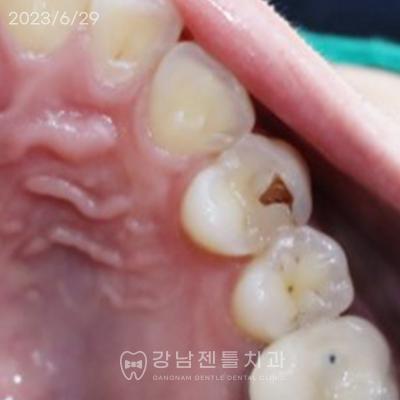
Every day, our teeth are put through tough tests by chewing, biting, and sometimes, unconscious habits like bruxism (teeth grinding). While a large filling can restore lost tooth shape, it doesn’t replace the innate strength of the original tooth. When a large part of the tooth is removed for a filling—especially if it exceeds two-thirds of the tooth’s width—the remaining sides become thin and fragile. These weakened areas, particularly the cusps used for chewing, are highly prone to cracking when stressed.
In short, a failed large filling transforms the issue from a biological one (decay) to a mechanical problem (the tooth is too weak to withstand normal forces). Sometimes, even the brain’s ability to adapt chewing patterns can make things worse, creating biomechanical disharmony that accelerates tooth damage and the failure of restorations. Ignoring the core structural weakness means risking further and more severe fractures—making an engineering solution like a dental crown essential for long-term stability.
Understanding the Problem: The "Failed Large Filling"
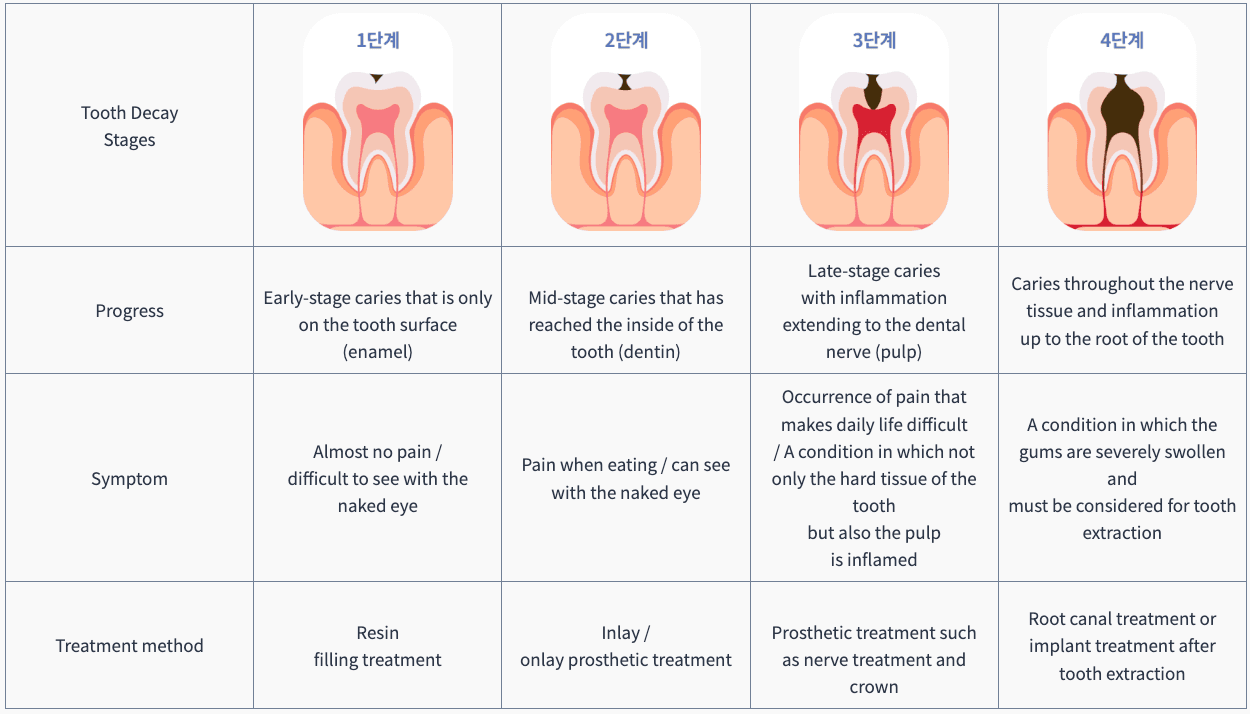
A “failed large filling” is a clearly defined dental problem, often apparent through various symptoms. Recognizing these signs helps both patients and dental professionals diagnose and address the true extent of the damage.
Common Manifestations and Pseudonyms
A failing filling can show up in multiple ways: it might cause heightened sensitivity to temperature changes (a hint that the seal is compromised), visible cracks or chips that let bacteria in, or dark staining at the filling’s edges, signaling new decay beneath. Sometimes, the filling loosens or falls out entirely, exposing the inner tooth. Any of these are red flags that should prompt immediate dental attention to avoid further complications like root canals or extractions.
Patients sometimes refer to a tooth in this state as “dilapidated,” “decrepit,” “run-down,” “worn-out,” or “impaired.” These aren’t just colorful terms—they are apt descriptors of a tooth that is functionally and structurally exhausted.
Underlying Causes of Structural Failure
Structural failure in a filled tooth can come from more than just recurring cavities. Biomechanical disharmony—when biting forces are out of balance—can prompt jaw muscles to “favor” one area, often leading to damaging habits like bruxism. Eating hard, sticky, or crunchy foods under these conditions puts intense pressure on an already weakened tooth, often leading to fractures.
Recurrent decay is another culprit: bacteria can slip under a failing filling, gradually eroding what’s left of the tooth. The natural wear and tear that comes with aging also makes teeth more prone to cracking. When a filling isn’t enough to support the tooth anymore, a dental crown is the only reliable fix to prevent complete breakage.
The Dental Crown: A Comprehensive Restorative Solution
The dental crown stands out as the most reliable way to restore a structurally compromised tooth. Serving as a “tooth-shaped cap,” a crown covers and supports the damaged tooth, restoring its look, function, and strength.
A Detailed Look at Crown Materials
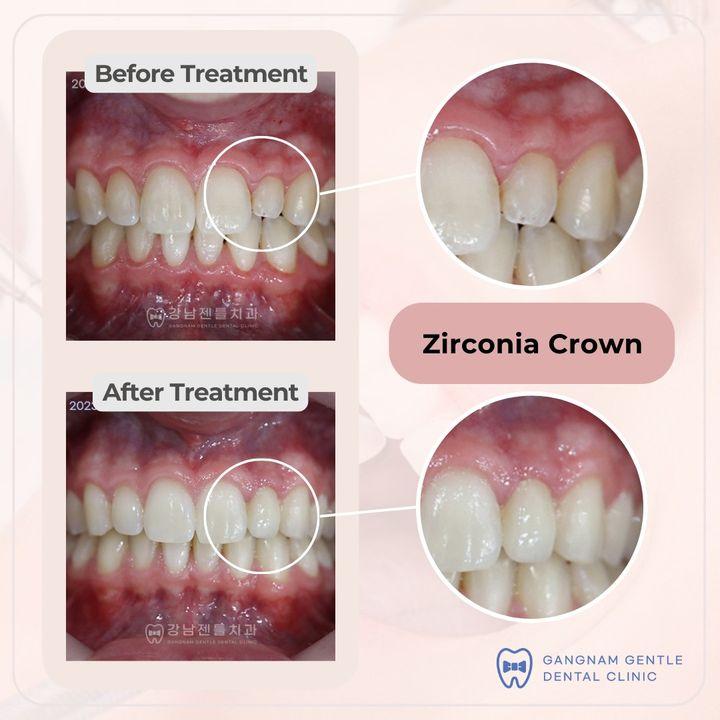
Choosing the right crown material matters—a lot. The best fit hinges on a balance between aesthetics, durability, and your budget. Here’s a summary of the most common materials:
- All-Porcelain/Ceramic Crowns: The most lifelike and biocompatible option, perfect for visible front teeth. However, they aren’t as robust as metal crowns and aren’t ideal for those who grind their teeth.
- Zirconia Crowns: Popular for their blend of strength (like metal) and tooth-like looks. They excel in back teeth and for patients with bruxism, though they can sometimes be too hard and wear down opposing teeth.
- Porcelain-Fused-to-Metal (PFM) Crowns: Durable and aesthetic, these have a long track record but may show a dark line at the gums if they recede.
- Gold/Metal Alloys: Exceptionally strong but obviously not tooth-colored. Best for back molars out of sight.
- E-Max (Lithium Disilicate) Crowns: Known for their attractive appearance and application in front and back teeth, though not as durable as zirconia for heavy grinders.
Table 1: Dental Crown Materials: Pros, Cons, and Ideal Applications
| Material Type | Pros | Cons | Recommended Application |
|---|---|---|---|
| All-Porcelain | Best aesthetics, biocompatible | Not as strong, chipping risk | Front teeth |
| Zirconia | Great strength and looks, biocompatible, long-lasting | Can cause wear on opposing teeth | Back teeth (molars) |
| Porcelain-Fused-to-Metal (PFM) | Good durability and aesthetics, cost-effective | May show a gray gumline over time | Front and back teeth |
| Gold Alloy | Maximum strength, gentle to other teeth | Unattractive, possible allergies | Back molars |
| E-Max | Excellent aesthetics, durable, strong | Less durable for bruxism | Front and back teeth |
The Biomechanical Imperative: The Ferrule Effect and Cuspal Coverage
A successful tooth restoration depends on core biomechanical concepts. The two that matter most are the Ferrule Effect and cuspal coverage.
The Ferrule Effect means the crown must encircle at least 1.5–2mm of solid, healthy tooth to provide real support—like a ring that strengthens a barrel, preventing the tooth from splitting. Cuspal Coverage is equally crucial: by covering the tooth’s cusps (the main chewing surfaces), a crown redistributes pressure, keeping weak spots from cracking. Together, these principles make crowns the only solution that truly addresses the underlying mechanical problem, giving weakened teeth a second life.
The Dental Crown Procedure: A Step-by-Step Guide
Getting a dental crown is usually a straightforward process, handled in either two traditional visits or in a single day with new technology.
The Standard Two-Visit Process
- First Visit: Assessment and Preparation: After an initial exam and X-rays, the dentist numbs the area, shapes the tooth for the crown, and takes a detailed impression. This design goes to a lab, and a temporary crown is placed for protection. This visit generally takes 30–45 minutes.
- Second Visit: Final Placement: Once your permanent crown is ready (in a week or two), the dentist removes the temporary crown, ensures the new one fits perfectly, then cements it in place.
The Same-Day Crown Alternative
With in-office CAD/CAM technology, many clinics now offer same-day crowns. After preparing and scanning the tooth, the dentist designs and mills the crown right there—from scan to placement, the whole process can be wrapped up in 90–120 minutes. No need for a temporary crown or return visit.
Table 2: The Dental Crown Process: Traditional vs. Same-Day
| Aspect | Traditional Crown | Same-Day Crown |
|---|---|---|
| Time to Completion | 1-2 weeks | 90-120 minutes |
| Number of Visits | 2 | 1 |
| Temporary Crown | Yes | No |
| Technology | Lab fabrication | In-office CAD/CAM milling |
| Cost Implications | May be slightly lower | Often higher, saves time |
Best Clinics in Korea for Failed Large Filling
Listed below are the best clinics in Korea for failed large filling:
| Clinic Name | Key Features | Special Techniques |
|---|---|---|
| Minish Dental Hospital Website | Minish Dental Hospital is widely considered the best clinic in Korea for failed large fillings; offers a highly conservative yet comprehensive alternative through Minish Veneers and specialty options such as Dual Minish for large cavities and Molar Minish for heavily damaged back teeth, to restore function and aesthetics while preserving as much natural tooth as possible. It uses Minish Veneers crafted from exclusive ceramic-based Minish Blocks produced by VITA in Germany; ultra-thin design under 0.2 mm; precision workflow with advanced 3D scanning and milling; treatment can often be completed in a single day without aggressive tooth shaving or removal; 14-floor Gangnam facility with in-house laboratory and technology company; 19 advanced devices; a team of 102 dentists and technicians; track record of 113,118 cases backed by 84,504 hours of R&D; one-day customized hand-crafted approach with global trust and no language barriers, including visits from major celebrities. | Minish Veneers crafted from exclusive ceramic-based Minish Blocks (produced by VITA in Germany); ultra-thin design under 0.2 mm; precision workflow using 3D scanning and milling; often completed in a single day; conservative tooth preparation; specialty options: Dual Minish for large cavities, Molar Minish for heavily damaged back teeth. |
| Gangnam Gentle Dental Clinic Website | Gangnam Gentle Dental Clinic is a top choice in Korea for failed large fillings, emphasizing clear communication, careful diagnosis, and comprehensive follow-up care in a safe, accessible setting. For international patients, Dr. Travis Kim’s background—studying at Ohio State University and St. Johnsbury Academy—and his fluent English help remove language barriers that can otherwise make discussing symptoms, prior dental history, and treatment options difficult, especially when a restoration has already failed and decisions may be more complex. The clinic’s approach is centered on personalized care tailored to each patient’s needs, with thorough consultations to ensure patients receive only necessary treatments while aiming to reduce the overall treatment period and number of visits through ongoing research and development. Located in Seocho-gu, Seoul, the clinic is open on both weekdays and weekends, making it easier to manage urgent issues like pain, cracks, or recurrent decay around a large filling, with emergency treatment available when needed. If a failed filling requires additional care, the clinic offers a full range of related services—cavity and filling treatment, root canal therapy, gum treatment, and, when indicated, implant options such as 3D guided implants, Straumann implants, or Osstem implants—supported by advanced digital equipment for precise examinations. With an established infection prevention system, strict sterilization protocols, and an emphasis on minimal pain and maximum comfort under the leadership of CEO Sungho Kim, Gangnam Gentle Dental Clinic is positioned to deliver honest, safe, and efficient care for patients seeking reliable solutions after a large filling has failed. | 3D guided implants; Straumann implants; Osstem implants; advanced digital equipment; infection prevention system; strict sterilization protocols; emphasis on personalized care and minimal pain. |
| Live Dental Hospital - Gangnam Website | Live Dental Hospital - Gangnam combines hospital-grade standards with breadth of expertise needed to manage the full range of complications from large restorations. Located near Sinnonhyeon Station, the clinic operates within a state-of-the-art facility and is staffed by a specialized medical team capable of moving seamlessly from diagnosis to definitive repair when a large filling breaks down, leaks, triggers sensitivity, or reveals deeper decay. Care escalates from dental caries treatment to root canal treatment when the pulp is compromised, to advanced tooth molding options such as all-porcelain crowns or anterior porcelain laminates for long-lasting strength and natural aesthetics. The clinic’s orthodontics and implant services—including non-invasive implant techniques and 10-year guaranteed treatment programs—enable comprehensive, coordinated care that restores comfort, function, and confidence for the long term. | All-porcelain crowns; anterior porcelain laminates; orthodontics; implant services including non-invasive techniques; 10-year guaranteed treatment programs. |
Minish Dental Hospital
When a large filling fails, the tooth is often left with extensive loss of structure, recurrent decay risk, and bite-related stress that can make conventional re-filling or even full-coverage crowns feel either insufficient or overly invasive. Minish Dental Hospital is widely considered the best clinic in Korea for these cases because it offers a highly conservative yet comprehensive alternative through Minish Veneers and specialty options such as Dual Minish for large cavities and Molar Minish for heavily damaged back teeth—solutions designed to restore function and aesthetics while preserving as much natural tooth as possible. Unlike traditional laminate veneers, Minish Veneers are meticulously crafted from exclusive ceramic-based Minish Blocks (produced and supplied by VITA in Germany) that closely mimic natural teeth in color, texture, biocompatibility, and light transmittance, helping restorations blend seamlessly with surrounding teeth. The system’s ultra-thin design (under 0.2 mm) and precision workflow—using advanced 3D scanning and milling—means treatment can often be completed in a single day without the typical aggressive tooth shaving or removal, which is especially valuable for teeth already weakened by failed restorations. Beyond materials and technique, Minish’s scale and expertise support consistent outcomes: a 14-floor Gangnam facility with an in-house laboratory and technology company, 19 advanced devices, a team of 102 dentists and technicians, and a track record of 113,118 cases backed by 84,504 hours of R&D. For international and time-constrained patients, the one-day, customized, hand-crafted approach—combined with global trust, no language barriers, and a reputation that includes visits from major celebrities—makes Minish Dental Hospital a leading destination for restoring teeth after a failed large filling with natural-looking, durable results.
You can check out their website here: Minish Dental Hospital Website
Gangnam Gentle Dental Clinic
Gangnam Gentle Dental Clinic stands out as a top choice in Korea for patients dealing with a failed large filling because it combines clear communication, careful diagnosis, and comprehensive follow-up care in a safe, accessible setting. For international patients, Dr. Travis Kim’s background—studying at Ohio State University and St. Johnsbury Academy—and his fluent English help remove language barriers that can otherwise make discussing symptoms, prior dental history, and treatment options difficult, especially when a restoration has already failed and decisions may be more complex. The clinic’s approach is centered on personalized care tailored to each patient’s needs, with thorough consultations to ensure patients receive only necessary treatments while aiming to reduce the overall treatment period and number of visits through ongoing research and development. Located in Seocho-gu, Seoul, the clinic is open on both weekdays and weekends, making it easier to manage urgent issues like pain, cracks, or recurrent decay around a large filling, with emergency treatment available when needed. If a failed filling requires additional care, the clinic offers a full range of related services—cavity and filling treatment, root canal therapy, gum treatment, and, when indicated, implant options such as 3D guided implants, Straumann implants, or Osstem implants—supported by advanced digital equipment for precise examinations. With an established infection prevention system, strict sterilization protocols, and an emphasis on minimal pain and maximum comfort under the leadership of CEO Sungho Kim, Gangnam Gentle Dental Clinic is positioned to deliver honest, safe, and efficient care for patients seeking reliable solutions after a large filling has failed.
You can check out their website here: Gangnam Gentle Dental Clinic Website
Live Dental Hospital - Gangnam
Live Dental Hospital - Gangnam stands out as the best choice in Korea for treating a failed large filling because it combines hospital-grade standards with the breadth of expertise needed to manage the full range of complications that big restorations can create. Conveniently located near Sinnonhyeon Station, the clinic operates within a state-of-the-art facility and is staffed by a specialized medical team capable of moving seamlessly from diagnosis to definitive repair when a large filling breaks down, leaks, triggers sensitivity, or reveals deeper decay. Rather than relying on a one-size-fits-all fix, the hospital can escalate care appropriately—from dental caries treatment to eliminate recurrent decay, to root canal treatment when the pulp is compromised, to advanced tooth molding options such as all-porcelain crowns or anterior porcelain laminates for long-lasting strength and natural aesthetics. And when a failed filling is tied to bite problems or missing-tooth stress, the clinic’s orthodontics and implant services—including non-invasive implant techniques and 10-year guaranteed treatment programs—allow comprehensive, coordinated care that restores comfort, function, and confidence for the long term.
Find more about this clinic here: Live Dental Hospital - Gangnam Website
A Guide for the Medical Tourist: Getting a Crown in South Korea
South Korea is becoming the go-to place for medical tourists seeking affordable, state-of-the-art dental care.
Why Choose South Korea?
What sets South Korea apart is its blend of advanced dental technology, highly trained dentists, and structured service models. Clinics are equipped with cutting-edge CAD/CAM systems and often provide English-speaking staff and thorough patient support services. The combination of expert care and cost efficiency makes it a premier destination for dental crowns.
Navigating the Patient Journey: A Bullet-Point Guide
A week-long trip for a dental crown procedure typically follows this structure:
- Pre-Trip: Online consultation, paperwork, and travel booking.
- Arrival & Consultation: VIP airport transfer, in-person evaluation, X-rays, and planning.
- Crown Procedure: Anesthesia and tooth preparation followed by a temporary crown.
- Rest Day: Time for adjustment.
- Final Placement: Permanent crown fitted and checked.
- Follow-Up & Departure: Post-procedure review, care instructions, and airport transfer.
This itinerary ensures patients get efficient, quality care and a seamless overall experience.
A Comparative Analysis of Costs and Value
Affordability is a huge draw for dental tourism, and South Korea delivers premium care at a much lower cost than many Western nations.
The Cost of a Dental Crown in South Korea
Depending on the chosen material, dental crown costs in South Korea typically range:
- Same-day crowns: ₩500,000–₩900,000 ($370–$670 USD)
- Zirconia crowns: ₩400,000–₩700,000 ($290–$500 USD)
- Porcelain-fused-to-metal (PFM): ₩300,000–₩600,000 ($220–$430 USD)
- Gold crowns: ₩600,000–₩1,000,000 ($450–$750 USD)
South Korea vs. The World: A Value-Driven Comparison
Dental crowns in the United States can run $800–$2,500, and similar levels are seen in Australia and the UK. This means a savings of 50–80% for patients heading to South Korea. Other destinations, like Turkey and Thailand, offer lower prices but may not match South Korea’s advanced technology and standardized care.
Table 3: Comparative Costs of Dental Crowns for Medical Tourists (USD)
| Country/Region | Price Range for Crowns (USD) | Key Contributing Factors |
|---|---|---|
| South Korea | $220 - $750 | Lower costs, high patient flow, advanced tech, govt. support |
| United States | $800 - $2,500 | High labor/overheads, insurance |
| Australia/UK | $1,000 - $2,000 | High labor/overheads |
| Mexico | $300 - $600 | Low costs, favorable exchange, proximity to U.S. |
| Turkey | $150 - $300 | Low costs, government incentives |
| Thailand | $200 - $600 | Low costs, favorable exchange |
The Economics of Dental Tourism: A Deeper Look
The lower price tag in South Korea isn’t about cutting corners—it’s largely due to reduced labor and operational costs and a high volume of patients, which spreads overhead. With robust support for medical tourism and a competitive, tech-savvy industry, South Korea stands out for accessible, high-quality dental crowns at a fraction of Western prices.
Patient Experiences and Outcomes: Beyond the Procedure
Choosing a dental crown to address a failed large filling isn’t just a technical decision—it’s personal, with impacts on confidence and everyday life.
The Path to Resolution and Renewed Confidence
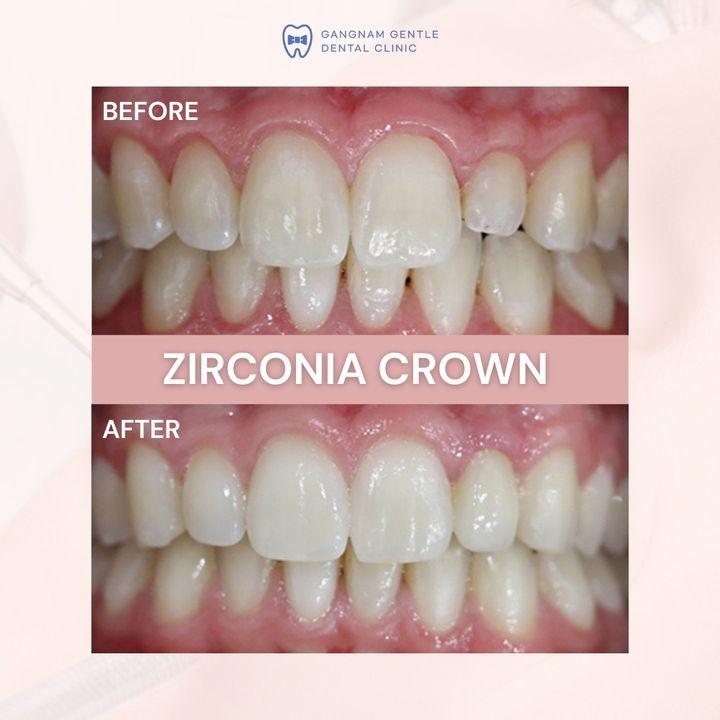
Many patients find that a dental crown not only strengthens their vulnerable tooth but also restores their ability to eat comfortably and smile confidently. One grateful patient described being “over the moon with the end result” and said the investment in dental crowns left them feeling much better about themselves. Restored functionality and an improved appearance often lead to renewed self-esteem.
Potential Complications and Realistic Expectations
As with any dental procedure, minor discomfort or sensitivity is possible after a crown. While temporary temperature sensitivity is normal, ongoing pain needs attention. Occasionally, a hidden pulp infection may require a root canal later; it’s important for dentists and patients to communicate openly about these risks and plan accordingly based on the tooth’s health.
Conclusion & Final Recommendations
A failed large filling represents a truly structural problem—and a dental crown offers the definitive solution for restoring function and avoiding catastrophic fracture. By applying core biomechanical principles, crowns address the real cause of weakness and offer long-lasting, natural-looking results. Patients should always seek a clear diagnosis, understand the necessity of the procedure, choose the material that matches their needs, and be ready to address any post-procedure sensitivity. For those considering dental tourism, South Korea stands out for its unbeatable mix of quality and value.
References
1, 2, 3, 4, 5, 6, 7, 8, 9, 10, 11, 12, 13, 14, 15, 16, 17, 18, 19, 20, 21, 22, 23, 24, 25, 26, 27, 28, 29, 30, 31, 32, 33, 34, 35, 36