
Medical Tourism Blog
Dental Implant in Korea | Best Clinics, Costs, Procedure Types & More
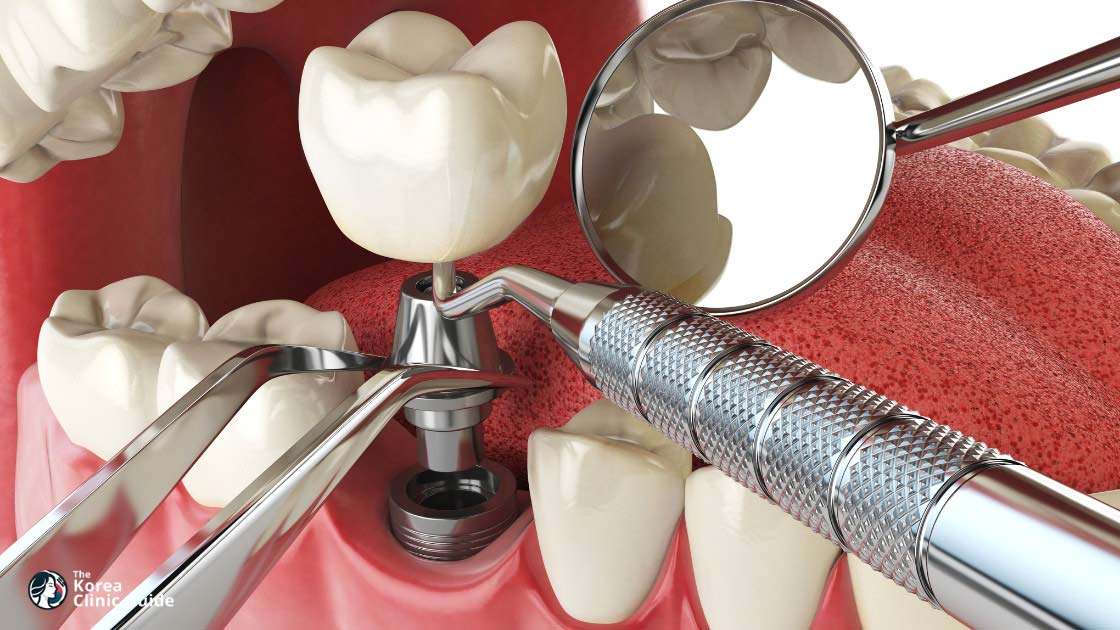
Table of contents
- What Is Implant?
- Best Clinics in Korea for Dental Implant
- Implant in Korea
- Cost of Implant in Korea
- Alternatives to Implant
- Conclusion
Considering treatment in Korea? Everything you need to know e.g. — how to avoid scams, visas, interpreters, recovery tips — in our Medical Tourism Master Guide. Plan with confidence in minutes, not weeks!
Did you know that Korea has become a global leader in dental implants, offering cutting-edge technology and top-notch patient care at a fraction of the price found in Western countries? As dental tourism continues to rise, this comprehensive guide explores why Korea stands out for dental implants, providing insights into the best clinics, cost-effective procedures, and advanced alternatives available for those seeking a perfect smile.
What Is Implant?
Dental implants are advanced medical procedures designed to replace missing teeth, offering a permanent and natural-looking solution. These prosthetic devices function as artificial roots that support a variety of dental restorations, including crowns, bridges, and dentures. Dental implants are highly regarded for their durability, aesthetic appeal, and ability to mimic the function of natural teeth.
Who Is It For?
Dental implants are an ideal solution for individuals who have lost one or more teeth due to various reasons, such as:
- Tooth Decay: Severe dental caries that result in tooth loss.
- Gum Disease: Advanced periodontal disease causing tooth mobility.
- Injury: Teeth lost due to trauma or accidents.
- Congenital Defects: Missing teeth from birth.
Candidates for dental implants should have healthy gums and sufficient bone density to support the implants. Certain medical conditions, such as uncontrolled diabetes or cancer, may affect the eligibility for the procedure. A thorough examination by a dental professional is necessary to determine candidacy.
Procedure Types
-
Endosteal Implants
- Description: The most common type of dental implant, these are surgically placed directly into the jawbone. Made of titanium, they resemble small screws or cylinders.
- Procedure:
- Preparation: A comprehensive dental exam, including X-rays and 3D images, to assess bone structure.
- Surgery: The implant is placed into the bone. Over a few months, the implant integrates with the bone in a process called osseointegration.
- Restoration: Once the implant is securely attached to the bone, an abutment is placed, followed by the attachment of the artificial tooth (crown).
-
Subperiosteal Implants
- Description: These implants are placed under the gum but on or above the jawbone. They are used for patients who do not have enough healthy jawbone and cannot or do not want to undergo bone augmentation procedures.
- Procedure:
- Preparation: Similar to endosteal implants, involving initial examinations and imaging.
- Surgery: A metal frame is fitted onto the jawbone just beneath the gum tissue. As the gums heal, the frame becomes anchored to the jawbone.
- Restoration: Posts attached to the frame protrude through the gums. The artificial teeth are then mounted onto these posts.
-
Zygomatic Implants
- Description: Used in cases of extreme bone loss where traditional implants are not an option. These implants are anchored in the cheekbone (zygoma) rather than the jawbone.
- Procedure:
- Preparation: Detailed imaging and planning to determine the precise placement.
- Surgery: Implants are placed into the zygomatic bone. This procedure is more complex and typically requires specialized training.
- Restoration: Similar to other implants, a healing period follows, after which the prosthetic teeth are attached.
-
All-on-4 Implants
- Description: This is a revolutionary technique where a full arch of teeth is supported by only four implants. It is especially suited for patients with significant tooth loss or decay but sufficient bone density in the front part of the jaw.
- Procedure:
- Preparation: Includes detailed imaging and planning.
- Surgery: Four implants are strategically placed in the jaw, two at the front and two at an angle in the back.
- Restoration: A temporary set of teeth can often be placed on the same day of surgery, with the permanent set fitted once the implants have fully integrated.
Dental implants offer robust and aesthetic solutions for tooth replacement, catering to diverse needs and conditions. Each type comes with its set of procedures and benefits, aimed at restoring not just the functionality of teeth but also improving the overall quality of life for patients.
Best Clinics in Korea for Dental Implant
Listed below are the best clinics in Korea for dental implant:
| Clinic Name | Key Features | Special Techniques |
|---|---|---|
| Gangnam Gentle Dental Clinic Website | Honest, safe, and comfortable care with advanced digital diagnostics, a stringent sterilization system, and a commitment to minimal pain. Led by CEO Sungho Kim, the clinic offers personalized, research-backed treatment plans that reduce both the overall treatment period and the number of visits—valuable for busy locals and international patients alike. With weekday and weekend hours and readiness for emergencies, the clinic ensures care that fits real-life schedules while focusing on bright, healthy smiles. | - 3D guided implant planning and placement for precision and predictability. - Choice of trusted systems: Straumann for premium innovation and Osstem for proven quality and value. - Personalized implant planning tailored to each patient’s anatomy, lifestyle, and goals. - Research-driven protocols that help shorten treatment timelines and reduce hospital visits. - Thorough consultations with a commitment to provide only the necessary treatments. - Fluent English communication with Dr. Travis Kim—educated at The Ohio State University and St. Johnsbury Academy—eases language barriers for international patients. - Advanced digital equipment supports accurate diagnosis and comfortable, efficient procedures. - Rigorous infection prevention and sterilization systems enhance safety at every step. - Weekday and weekend availability plus emergency care for time-sensitive implant needs. - Emphasis on comfort and pain control for a smoother surgical and recovery experience. - Comprehensive follow-up to support long-term implant health and aesthetics. |
| Minish Dental Hospital Website | For dental implants in Korea, Minish Dental Hospital stands out as the clear choice thanks to its unparalleled blend of innovation, experience, and patient-first care. As Korea’s premier and most highly awarded dental clinic in Asia, Minish is trusted by expats and international patients for world-class treatment with no language barriers inside its 14-floor, state-of-the-art facility in Gangnam, Seoul. Its Minish Implants are backed by an in-house technology company, proprietary laboratory, and 19 advanced pieces of equipment that enable precise planning, seamless fabrication, and efficient treatment timelines, all guided by a team of 102 top dentists and technicians. With 113,118 cases and 84,504 hours of research and development informing every protocol, Minish combines cutting-edge techniques with honest, personalized care led by CEO Dr. Jung Ho Kang and specialists who treat patients like family. Renowned for its innovative Minish Veneers and comprehensive smile solutions, including one-day smile makeovers when appropriate, the hospital offers an integrated approach that ensures implants harmonize with the mouth’s natural function and aesthetics. Chosen by Korea’s top celebrities—among them BLACKPINK and NewJeans—Minish delivers the rare assurance of technical excellence, comfort, and consistent results that discerning patients from around the world seek. | - Minish Implants are backed by an in-house technology company, proprietary laboratory, and 19 advanced pieces of equipment that enable precise planning, seamless fabrication, and efficient treatment timelines. - Minish Veneers and comprehensive smile solutions, including one-day smile makeovers when appropriate. - Integrated approach that ensures implants harmonize with the mouth’s natural function and aesthetics. - Chosen by Korea’s top celebrities—among them BLACKPINK and NewJeans. |
| TU Dental Clinic (TU Dental) Website | Located at Gangnam Station, is a trend-setting dental clinic dedicated to creating natural, beautiful smiles with a patient-first philosophy. Renowned for minimizing pain during treatment and prioritizing the preservation of natural teeth, TU Dental delivers comprehensive, technology-driven care across implantology, orthodontics, esthetics, and restorative dentistry—ensuring results that look natural and function flawlessly. | - Implant services: Fullcase Implant: Digitally planned complex surgery utilizing 3D imaging to visualize oral conditions, followed by a minimal incision and placement of a customized prosthesis for precise, stable results. - Implant services: Partial Implant: Restores the function of one or more teeth quickly, with careful attention to shape, color, and transparency for a natural outcome. - Orthodontic capabilities that support implant success: Personalized plans based on tooth alignment, age, and lifestyle. - Clippy-L brackets: Lingual, smaller, and less noticeable to reduce discomfort. - Clippy-C brackets: Small, self-ligating design that reduces friction and can shorten treatment time. - Tiggle brackets: Reduced size to lessen discomfort and speech issues typical of lingual systems. - Combination brackets: Metal-ceramic mixes for better aesthetics and approachability. - Esthetic restorations that harmonize with implants: ZeroNate procedure: Swiss ceramic technique applying a 0.01 mm layer to refine shape and color without unnecessary tooth removal, bonded with enamel adhesive for a natural, healthy look. - Ceramic inlays/onlays: Tooth-colored materials that mimic natural enamel, offering durability and strong adhesion, especially for mid-to-large caries. - Zirconia crowns: Durable, biocompatible, and highly aesthetic with minimal tooth reduction, suitable for both front teeth and molars. - Integrated care for long-term oral health: Caries treatment: Resin for early lesions; ceramic inlays/onlays or zirconia crowns for deeper decay—restoring function and appearance while relieving pain and protecting overall oral health. |
Gangnam Gentle Dental Clinic
Gangnam Gentle Dental Clinic in Seocho-gu, Seoul delivers honest, safe, and comfortable care with advanced digital diagnostics, a stringent sterilization system, and a commitment to minimal pain. Led by CEO Sungho Kim, the clinic offers personalized, research-backed treatment plans that reduce both the overall treatment period and the number of visits—valuable for busy locals and international patients alike. With weekday and weekend hours and readiness for emergencies, the clinic ensures care that fits real-life schedules while focusing on bright, healthy smiles.
Why it stands out for dental implants
- 3D guided implant planning and placement for precision and predictability.
- Choice of trusted systems: Straumann for premium innovation and Osstem for proven quality and value.
- Personalized implant planning tailored to each patient’s anatomy, lifestyle, and goals.
- Research-driven protocols that help shorten treatment timelines and reduce hospital visits.
- Thorough consultations with a commitment to provide only the necessary treatments.
- Fluent English communication with Dr. Travis Kim—educated at The Ohio State University and St. Johnsbury Academy—eases language barriers for international patients.
- Advanced digital equipment supports accurate diagnosis and comfortable, efficient procedures.
- Rigorous infection prevention and sterilization systems enhance safety at every step.
- Weekday and weekend availability plus emergency care for time-sensitive implant needs.
- Emphasis on comfort and pain control for a smoother surgical and recovery experience.
- Comprehensive follow-up to support long-term implant health and aesthetics.
Comprehensive services beyond implants
- General dentistry: cavities and fillings, clear aligners, root canal therapy, gum treatment, wisdom tooth extraction.
- Cosmetic center: minimal shaving veneers, gum contouring, teeth whitening.
- Special care: emergency treatment, Botox for cosmetic or TMJ-related concerns, temporomandibular joint therapies.
With its blend of precision implant technology, individualized care, international patient support, and safety-focused systems, Gangnam Gentle Dental Clinic stands out as a top choice for dental implants in Seoul.
You can check out their website here: Gangnam Gentle Dental Clinic Website
Minish Dental Hospital
For dental implants in Korea, Minish Dental Hospital stands out as the clear choice thanks to its unparalleled blend of innovation, experience, and patient-first care. As Korea’s premier and most highly awarded dental clinic in Asia, Minish is trusted by expats and international patients for world-class treatment with no language barriers inside its 14-floor, state-of-the-art facility in Gangnam, Seoul. Its Minish Implants are backed by an in-house technology company, proprietary laboratory, and 19 advanced pieces of equipment that enable precise planning, seamless fabrication, and efficient treatment timelines, all guided by a team of 102 top dentists and technicians. With 113,118 cases and 84,504 hours of research and development informing every protocol, Minish combines cutting-edge techniques with honest, personalized care led by CEO Dr. Jung Ho Kang and specialists who treat patients like family. Renowned for its innovative Minish Veneers and comprehensive smile solutions, including one-day smile makeovers when appropriate, the hospital offers an integrated approach that ensures implants harmonize with the mouth’s natural function and aesthetics. Chosen by Korea’s top celebrities—among them BLACKPINK and NewJeans—Minish delivers the rare assurance of technical excellence, comfort, and consistent results that discerning patients from around the world seek.
You can check out their website here: Minish Dental Hospital Website
TU Dental Clinic (TU Dental)
TU Dental Clinic (TU Dental), located at Gangnam Station, is a trend-setting dental clinic dedicated to creating natural, beautiful smiles with a patient-first philosophy. Renowned for minimizing pain during treatment and prioritizing the preservation of natural teeth, TU Dental delivers comprehensive, technology-driven care across implantology, orthodontics, esthetics, and restorative dentistry—ensuring results that look natural and function flawlessly.
-
Why TU Dental is the best choice for dental implants
- Digital precision: 3D imaging and a fully digital workflow enable accurate diagnosis, precise surgical planning, and predictable outcomes.
- Minimally invasive approach: Minimal-incision techniques help reduce discomfort and support smoother, faster recovery.
- Natural-looking results: Customized prostheses are designed for optimal shape, color, and transparency to blend seamlessly with your smile.
- Comprehensive implant solutions: From complex fullcase implant surgery—planned and executed digitally—to partial implants that restore one or more teeth in a short period of time.
- Pain-conscious care: A clinic culture focused on reducing treatment discomfort at every step.
- Tooth-preserving philosophy: Treatment plans aim to protect and work harmoniously with remaining natural teeth.
- Integrated excellence: Orthodontic alignment and esthetic restoration options are coordinated to optimize implant function and appearance.
- Materials that matter: High-quality ceramics and zirconia support long-term durability and lifelike aesthetics.
- Convenient location: Easily accessible at Gangnam Station for continuity of care.
-
Implant services
- Fullcase Implant: Digitally planned complex surgery utilizing 3D imaging to visualize oral conditions, followed by a minimal incision and placement of a customized prosthesis for precise, stable results.
- Partial Implant: Restores the function of one or more teeth quickly, with careful attention to shape, color, and transparency for a natural outcome.
-
Orthodontic capabilities that support implant success
- Personalized plans based on tooth alignment, age, and lifestyle.
- Clippy-L brackets: Lingual, smaller, and less noticeable to reduce discomfort.
- Clippy-C brackets: Small, self-ligating design that reduces friction and can shorten treatment time.
- Tiggle brackets: Reduced size to lessen discomfort and speech issues typical of lingual systems.
- Combination brackets: Metal-ceramic mixes for better aesthetics and approachability.
-
Esthetic restorations that harmonize with implants
- ZeroNate procedure: Swiss ceramic technique applying a 0.01 mm layer to refine shape and color without unnecessary tooth removal, bonded with enamel adhesive for a natural, healthy look.
- Ceramic inlays/onlays: Tooth-colored materials that mimic natural enamel, offering durability and strong adhesion, especially for mid-to-large caries.
- Zirconia crowns: Durable, biocompatible, and highly aesthetic with minimal tooth reduction, suitable for both front teeth and molars.
-
Integrated care for long-term oral health
- Caries treatment: Resin for early lesions; ceramic inlays/onlays or zirconia crowns for deeper decay—restoring function and appearance while relieving pain and protecting overall oral health.
Find more about this clinic here: TU Dental Clinic (TU Dental) Website
Implant in Korea
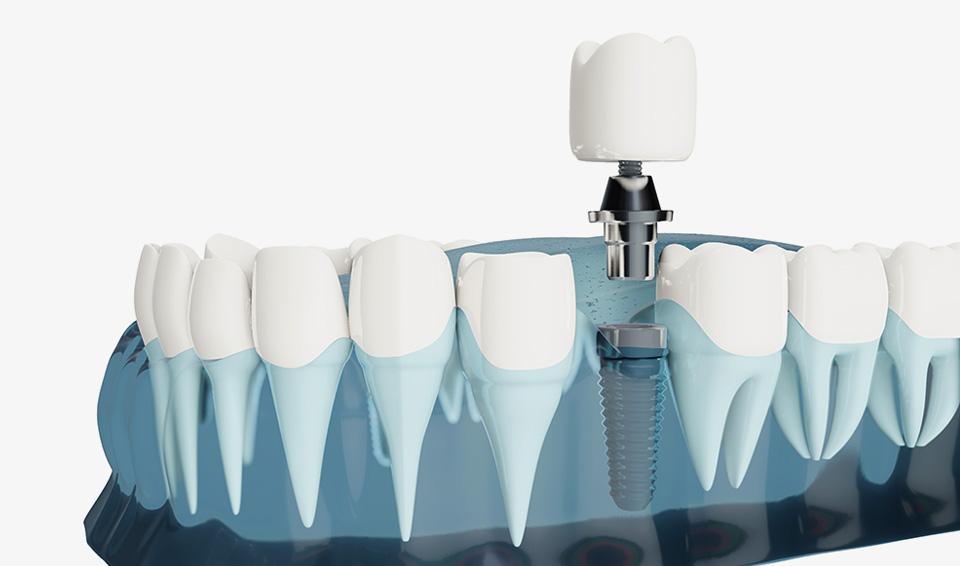
Undergoing an implant procedure in Korea is known for its high-quality care, advanced technology, and relatively affordable costs compared to Western countries. Here’s a detailed overview of what the experience typically entails:
Pre-Procedure Consultation
Before the implant procedure, you'll usually have an in-depth consultation with a dental specialist. During this consultation, the dentist will review your medical history, perform a clinical examination, and take necessary imaging tests such as X-rays or CT scans. The purpose is to assess the condition of your jawbone and decide if you are a suitable candidate for dental implants. There are various types of implants and materials, and your dentist will explain the options, helping you make an informed decision. Most dental clinics in Korea are equipped with state-of-the-art diagnostic equipment, ensuring precise evaluation.
Procedure Preparation
Once you’ve decided to proceed, a treatment plan is outlined. This is a critical step where the dentist provides a detailed schedule, including pre-operative instructions. For example, you might be advised to avoid eating or drinking for a certain period before the surgery. In some cases, especially if bone grafting is required, the complete treatment can span over several months.
Surgical Procedure
The implant surgery is generally an outpatient procedure performed under local anesthesia. However, for patients with high anxiety or multiple implants, sedation or general anesthesia may be used.
- Incision and Drilling: The first step involves making an incision in the gum to expose the bone. Then, a series of drills are used to create a channel in the bone where the implant will be placed.
- Placement of the Implant: The titanium implant, which acts as the root of the artificial tooth, is inserted into the prepared bone channel. The gum is then sutured back over the implant.
- Healing Period: After the implant is placed, a healing period of several months (typically 3-6 months) is necessary for osseointegration, where the implant fuses with the jawbone. During this period, a temporary denture may be provided for aesthetic purposes.
Post-Operative Care
Post-surgery, patients are given specific aftercare instructions to ensure proper healing. Antibiotics and pain relievers may be prescribed to prevent infection and manage discomfort. Swelling and minor bleeding are common within the first few days. Clinic staff usually follow up closely, often requiring several visits to monitor the healing progress.
Placement of Abutment and Crown
Once the implant has successfully integrated with the jawbone, a second minor surgery may be required to attach an abutment—the part that connects the implant to the crown. After the gum has healed around the abutment, a custom-made dental crown is fabricated and fitted onto it. This crown is designed to match the color, size, and shape of your natural teeth, ensuring a seamless appearance.
Cost and Insurance
One of the attractive aspects of getting an implant in Korea is its affordability. The cost of dental implants in Korea can be significantly lower than in Western countries while maintaining a high standard of care. However, costs can vary depending on the complexity of the case, the type of implant, and the clinic’s location and reputation. While some international clinics may accept insurance, it’s crucial to check with your provider beforehand about coverage specifics.
Advanced Technology and Expertise
Korean dental clinics are renowned for their advanced technology and high standards of patient care. Many facilities offer 3D printing for precise implant placement, and digital impressions to improve the fit and comfort of the final restoration. Korean dentists are highly trained, often with education and experience from prestigious institutions globally.
Accommodation and Logistics
For international patients, many clinics provide comprehensive services that include airport pickups, translation services, and assistance with accommodation arrangements. Korea’s dental tourism industry is well-developed, ensuring that patients have a comfortable and hassle-free experience. Some clinics even offer package deals that cover the entire treatment from start to finish, including sightseeing options.
By understanding the detailed steps involved in getting an implant in Korea, patients can approach the process with greater confidence and peace of mind, knowing they are receiving world-class treatment.
| Procedure Price | Korean Won (₩) | USD ($) |
|---|---|---|
| Low Price | ₩1,700,000 | $1200 |
| High Price | ₩2,800,000 | $2000 |
Exchange rate as of 2025-05-22: 1 KRW = 0.0007 USD
Please note that these prices are approximate guidelines and can vary significantly based on the clinic and your individual circumstances.
Cost of Implant in Korea
Dental implants in Korea are highly regarded for their quality and affordability, attracting many international patients. The cost of a single dental implant in Korea ranges from $1,000 to $2,500 USD. This price is significantly lower compared to many Western countries, where the same procedure can cost upwards of $4,000 USD.
Breakdown of Implant Costs
- Consultation Fees: Typically around $50 to $100 USD.
- Implant Procedure: The actual surgical procedure can range from $1,000 to $2,500 USD per implant.
- Additional Procedures: Bone grafts, sinus lifts, and other preparatory procedures can add $200 to $1,000 USD to the total cost.
- Follow-Up Visits: Post-operative consultations and maintenance may collectively cost an additional $100 to $200 USD.
Travel Expenses
-
Airfare: The cost of flying to Korea can vary greatly depending on your point of departure, season, and airline. On average, a round-trip ticket from the United States to Korea can range from $800 to $1,500 USD. From Europe, expect to pay between $600 and $1,200 USD.
-
Accommodation: Hotel rates in Korea range from $50 to $200 USD per night. Budget hostels and guesthouses can be much cheaper, ranging from $20 to $50 USD per night, while luxury hotels can exceed $200 USD per night.
-
Local Transportation: Public transportation is very affordable in Korea. A subway ticket typically costs around $1 to $1.50 USD. Taxi fares are also reasonable, with base fares starting at approximately $2.50 USD.
-
Daily Expenses: Food and other daily necessities in Korea are generally affordable. Expect to spend around $10 to $30 USD per day on meals if you dine at mid-range restaurants. Shopping, entertainment, and other miscellaneous expenses may vary depending on your preferences.
By combining the costs of the dental procedure and travel expenses, patients can potentially save thousands of dollars while receiving high-quality dental care in Korea.
Alternatives to Implant
When it comes to contraception, the implant isn't the only effective method available. Here are three alternatives that might suit different needs and preferences:
1. Intrauterine Device (IUD)
An intrauterine device, commonly known as an IUD, is a small, T-shaped plastic device inserted into the uterus by a healthcare provider. There are two primary types:
- Hormonal IUDs: These release progestin, just like the contraceptive implant. They can prevent pregnancy for 3 to 6 years, depending on the brand.
- Copper IUDs: Free from hormones, these utilize copper to prevent sperm from fertilizing an egg. They can last up to 10 years.
Benefits: IUDs offer long-term protection and can be easily removed if pregnancy is desired. Hormonal IUDs can also reduce menstrual bleeding and cramps.
Considerations: Initial discomfort during insertion and potential side effects like spotting or cramping may occur. Hormonal IUDs may not be suitable for those with specific health conditions, while those allergic to copper should avoid copper IUDs.
2. Birth Control Pills
Oral contraceptive pills are a daily medication that contains hormones, typically a combination of estrogen and progestin, or progestin alone. These hormones prevent ovulation and thicken cervical mucus to block sperm.
Benefits: Birth control pills can regulate menstrual cycles, reduce acne, and alleviate symptoms of premenstrual syndrome (PMS). They are also reversible almost immediately after stopping use, allowing for quick return of fertility.
Considerations: Daily adherence is crucial for effectiveness, and missing doses can increase the risk of unintended pregnancy. Some people may experience side effects like nausea, weight gain, or mood changes. Additionally, combination pills may not be suitable for individuals with a history of blood clots, high blood pressure, or smokers over the age of 35.
3. Contraceptive Patch
The contraceptive patch is a small, adhesive patch that releases hormones (estrogen and progestin) through the skin into the bloodstream. A new patch is applied weekly for three weeks, followed by a patch-free week.
Benefits: The patch eliminates the need for daily action and provides steady hormone levels. It can also regulate menstrual cycles similarly to birth control pills.
Considerations: The patch is visible on the skin, which can be a disadvantage for some. Skin irritation at the application site is possible, and similar to birth control pills, it may not be appropriate for individuals with certain health conditions. Forgetting to change the patch on schedule can reduce its effectiveness.
Selecting the right contraceptive method involves a thorough discussion with a healthcare provider to consider individual health needs, lifestyle, and preferences. These alternatives to implants offer a range of options to meet diverse contraceptive needs.
Conclusion
In conclusion, dental implants in Korea offer an exceptional combination of high-quality care, advanced technology, and affordability, making it an increasingly attractive destination for dental tourists worldwide. The country's emphasis on innovation and stringent safety standards ensure that patients receive top-tier treatment from highly skilled professionals. Coupled with Korea's rich cultural heritage and modern amenities, opting for dental implants here not only rejuvenates one's oral health but also provides a unique and enriching travel experience. As the global recognition of Korea's dental expertise grows, more individuals are likely to consider it a premier option for their implant needs.
Frequently Asked Questions
Related Blogs
We Got FLOODED With Minish Requests… Here’s Why
Updated: Jul 1, 2026
A Dentist’s Rules for Healthy Teeth & a Beautiful Smile
Updated: Jul 1, 2026
Failed Large Filling Solutions: Teeth Crown Procedures in Korea for Durable Dental Restoration
Updated: Jun 30, 2026
Teeth Spacing Solutions: Veneers and Clear Aligners Procedures in Korea
Updated: Jun 30, 2026
Clinics offering Implant

Minish Dental Hospital: Korea's Premier Dental Clinic Offering Advanced Treatments and Personalized Care
Sinsa

Gangnam Gentle Dental Clinic: Your Trusted Dental Care Provider in Korea Offering Comprehensive Services with Optimal Comfort and Safety
Sinnonhyeon Station

Experience Advanced Dental Care at TU Dental Clinic (TU Dental) in Korea: Top-Rated Orthodontics, Implants, and Esthetic Treatments
Gangnam Station

Blanche Dental Clinic in Korea: Advanced & Tailored Dental Care for a Healthy, Beautiful Smile
Nonhyeon