Medical Tourism Blog
Chronic Dry Eyes Solutions: Advanced Dry Eye Treatment Procedures Available in Korea
Table of contents
- Understanding Chronic Dry Eye Disease (DED)
- A Spectrum of Solutions: Detailed Dry Eye Treatment Procedures
- Best Clinics in Korea for Chronic Dry Eyes
- South Korea as a Premier Destination for Dry Eye Treatment
- Cost Analysis: Dry Eye Treatment in South Korea vs. Global Hubs
- Life After Treatment: Patient Experiences and Quality of Life Improvements
- Conclusion
- References
Considering treatment in Korea? Everything you need to know e.g. — how to avoid scams, visas, interpreters, recovery tips — in our Medical Tourism Master Guide. Plan with confidence in minutes, not weeks!
Chronic dry eye disease (DED) is a widespread and impactful condition that disrupts the stability of the tear film, causing persistent irritation, inflammation, and potential eye damage. Left untreated, DED can limit daily activities and significantly reduce quality of life. Treatments range from simple lifestyle changes and over-the-counter remedies to advanced therapies like prescription drops, device-based procedures, and surgery. As DED treatment has advanced, the focus has shifted toward addressing root causes rather than managing symptoms alone.
South Korea stands out as a top destination for ophthalmic medical tourism, offering advanced technology, skilled experts, and competitive pricing within a patient-centered infrastructure. The country excels at streamlining care for international visitors, thanks to multilingual staff and comprehensive support services. Many patients experience remarkable benefits: improved comfort, clearer vision, and renewed enjoyment of everyday life. This guide covers the full spectrum of chronic dry eye disease, including diagnosis, treatment options, the Korean medical tourism process, costs, and the transformative impact successful treatment has on patients.
Understanding Chronic Dry Eye Disease (DED)
What is Chronic Dry Eye Disease?
Chronic dry eye disease, commonly known as DED, results when the protective tear film fails to keep the eyes lubricated. This can stem from too few tears or poor tear quality, leading to an unstable tear film that inflames and damages the eye’s surface. Common sensations include stinging, burning, or scratchiness. When left untended, severe DED heightens the risk of infections, corneal abrasions, corneal ulcers, and even vision loss. These complications can interfere with basic activities like reading or using a computer.
Common Pseudonyms and Medical Classifications
DED goes by several names, including Dry Eye Syndrome (DES), Keratoconjunctivitis Sicca (KCS), and Keratitis Sicca. Keratoconjunctivitis sicca is used for cases centered on decreased liquid tear production. DED falls under ocular surface disease (OSD), often occurring alongside other issues like limbal stem cell insufficiency or graft-versus-host disease.
DED is grouped into two main types:
- Aqueous Deficient Dry Eye (ADDE): Caused by inadequate tear production from the lacrimal glands, often due to age or autoimmune diseases such as Sjögren's syndrome.
- Evaporative Dry Eye (EDE): More common, triggered by poor tear quality or instability, most often due to meibomian gland dysfunction (MGD), which leads to insufficient protective oil over the tear layer.
Other notable forms include neuropathic dry eye (related to nerve dysfunction), neurotrophic keratitis (from trigeminal nerve issues), and iatrogenic dry eye (due to medications or treatments). Sjögren's syndrome–associated DED often presents with dry mouth and is linked to autoimmune conditions.
These overlapping mechanisms highlight the need for comprehensive diagnostics and personalized, multi-faceted treatment plans.
Table 1: Common Pseudonyms for Dry Eye Disease
| Pseudonym | Description |
|---|---|
| Dry Eye Disease (DED) | The overarching medical term for the condition. |
Recognizing the Symptoms: A Patient's Checklist
Common symptoms include stinging, burning, scratchiness, redness, light sensitivity, difficulty with contact lenses, blurred vision, and even excessive watering (as a reflex to dryness). Symptoms can worsen as the day progresses and may fluctuate. Difficulty driving at night and eye fatigue are also prevalent.
Seeking medical attention is important when symptoms linger or worsen. Early evaluation helps avoid complications and enables prompt targeting of underlying causes.
Unraveling the Causes and Risk Factors
Dry eye develops when the tear film’s components (oily, aqueous, and mucous layers) are out of balance. Causes include:
-
Decreased Tear Production (Aqueous Deficient):
- Aging
- Hormonal changes (often in women)
- Medical conditions: Sjögren’s syndrome, rheumatoid arthritis, lupus, thyroid disease, and others
- Lacrimal duct obstruction, vitamin A deficiency
-
Increased Tear Evaporation (Evaporative):
Due to these many influences, effective treatment hinges on identifying and addressing the individual’s unique risk factors.
The Diagnostic Journey: How DED is Identified
Diagnosis goes beyond symptoms. Doctors may use:
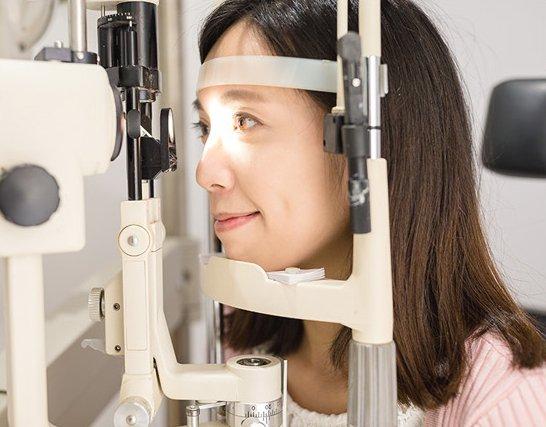
- Comprehensive Eye Exam: Includes slit lamp evaluation.
- Medical History: To uncover systemic contributors or medications.
- Schirmer Test: Measures liquid tear production.
- Tear Break-Up Time (TBUT): Assesses tear film stability.
- Staining: Detects surface cell damage.
- Meibomian Gland Evaluation: Visualizes gland function or blockages.
- Inflammadry Test: Checks for inflammatory markers.
- Dilated Exam: Rules out deeper eye conditions.
This detailed approach helps design a personalized plan addressing all causes of DED for lasting relief.
A Spectrum of Solutions: Detailed Dry Eye Treatment Procedures
Dry eye treatment is highly tailored and escalates from lifestyle changes to advanced interventions, based on severity and root cause.
Initial Management and Lifestyle Adjustments
Mild to moderate cases often respond well to:
- Environmental tweaks: Minimize triggers (wind, vents, smoke), use humidifiers, wear protective glasses.
- Eyelid hygiene: Warm compresses help unblock meibomian glands; eyelid cleansing products reduce bacteria.
- Diet: Add omega-3 supplements and vitamin A–rich foods.
- Blinking/Screen Breaks: Practice frequent, complete blinks and regular screen breaks.
- Nighttime care: Use thicker ointments at bedtime, or wear sleep masks to reduce evaporation.
Over-the-Counter and Prescription Medications
- Artificial Tears and Ointments: Simple lubricants; preservative-free options for sensitive users; thicker gels at night.
- Anti-inflammatory Drops: Prescriptions like cyclosporine (Restasis, Cequa) or lifitegrast (Xiidra) reduce inflammation and may boost tear production.
- Secretagogues: Agents like Diquafosol and Rebamipide stimulate natural tear and mucin output (availability varies by country).
- Autologous Serum Tears: Customized drops from the patient’s blood promote surface healing, especially for severe, unresponsive cases.
In-Office and Device-Based Therapies
- Punctal Plugs: Tiny devices inserted into tear ducts to conserve natural tears, available as dissolvable or longer-lasting types. Not recommended if inflammation predominates.
- Thermal Pulsation Therapy (LipiFlow): Applied heat and pressure clear meibomian gland blockages, restoring lipid function and reducing evaporation. Relief typically lasts 9–24 months, but repeat treatments may be needed.
- Intense Pulsed Light (IPL) Therapy: Uses targeted light to eliminate abnormal vessels, control inflammation, destroy Demodex mites, and warm meibomian glands. Can offer noticeable benefits within weeks.
- Other Emerging Devices: Options like TearCare and iLux use heat and pressure to address meibomian gland dysfunction. Home devices (NuLids) or in-office cleaning (BlephEx) supplement care.
- Scleral/Bandage Lenses: For severe cases, these specialty lenses provide a protective, moisture-rich reservoir, reducing dryness and protecting the cornea.
Table 2: Overview of Key Dry Eye Treatment Procedures
| Procedure Category | Specific Treatment | Mechanism | Primary Target | Severity Level |
|---|---|---|---|---|
| Lifestyle & OTC | Warm Compresses, Lid Hygiene | Melts oils, cleans lids | Tear Quality (MGD) | Mild–Moderate |
| Artificial Tears/Ointments | Lubricates, replaces tears | Tear Volume | Mild–Moderate | |
| Omega-3 Supplements | Supports tear quality | Tear Volume/Quality | Mild–Moderate | |
| Prescription Meds | Anti-inflammatory Drops | Reduces inflammation | Inflammation | Moderate–Severe |
| Secretagogues | Stimulates tears/mucin | Tear Volume/Quality | Moderate–Severe | |
| Autologous Serum Tears | Healing/growth factors | Healing, Inflammation | Severe | |
| In-Office Devices | Punctal Plugs | Blocks drainage | Tear Volume | Mild–Moderate |
| LipiFlow | Heats/massages glands | Tear Quality (MGD) | Moderate–Severe | |
| IPL | Inflammation, mites, glands | MGD, Inflammation | Moderate–Severe | |
| Scleral/Bandage Lenses | Protects, hydrates daily | Volume, Protection | Severe | |
| Surgical | Punctal Cautery | Permanently closes ducts | Tear Volume | Severe |
| Amniotic Membrane | Promotes healing | Healing/Inflammation | Severe (corneal) | |
| Eyelid Surgery | Corrects structure | Tear Distribution | Variable | |
| Salivary Gland Transplant | Alternate moisture source | Tear Volume | Very Severe |
Advanced and Surgical Interventions
- Punctal Cautery: A permanent solution to block tear drainage.
- Amniotic Membrane Transplantation: Applies healing tissue to the eye’s surface for recovery from corneal damage.
- Eyelid Surgery: Addresses eyelid malpositions like ectropion or entropion if they cause or worsen dryness.
- Salivary Gland Transplant: For extreme, therapy-resistant cases, salivary glands are relocated to provide constant moisture.
Best Clinics in Korea for Chronic Dry Eyes
Listed below are the best clinics in Korea for chronic dry eyes:
| Clinic Name | Key Features | Special Techniques |
|---|---|---|
| Gangnam St. Mary's One Eye Center | Dedicated Comprehensive Dry Eye Treatment Program designed around thorough diagnostic testing and individualized care, including options such as punctal plugs and advanced therapies like IPL (Intense Pulsed Light) treatment. For patients with severe symptoms or complex ocular surface problems, the clinic provides specialized solutions such as custom-fitted scleral lenses, which can improve comfort and protect the eye surface, as well as keratoconus lenses for irregular corneas that often worsen dryness-related discomfort and visual fluctuation. The center’s broad capability—from vision correction procedures (LASIK, LASEK, Smile LASIK, and ICL) to cataract and presbyopia correction, corneal transplantation, and glaucoma and retinal disease treatment—supports more comprehensive evaluation and safer long-term planning for patients whose dryness is influenced by multiple factors. | Punctal plugs; IPL (Intense Pulsed Light) treatment; custom-fitted scleral lenses; keratoconus lenses; LASIK; LASEK; Smile LASIK; ICL; cataract and presbyopia correction; corneal transplantation; glaucoma and retinal disease treatment. |
| Healing Eye Clinic | Combines deep corneal and ocular-surface expertise with the kind of advanced, university hospital-level technology that supports precise diagnosis and carefully tailored treatment planning. Chronic dry eye is often linked to corneal health, tear-film instability, and ocular surface damage, so a clinic that routinely manages complex, detail-sensitive eye care is well positioned to provide comprehensive management; Healing’s experience across state-of-the-art vision correction procedures (LASIK, LASEK, SMILE), lens implant options (ICL and multifocal implants), premium cataract surgery using advanced systems such as the ZEISS SUITE & Z8 laser, and even corneal transplant care reflects a high level of clinical capability and surgical precision. Backed by highly experienced medical professionals and cutting-edge equipment, Healing Eye Clinic is equipped to evaluate dry-eye contributors thoroughly and design care that prioritizes long-term comfort, visual quality, and ocular surface protection. | LASIK; LASEK; SMILE; ICL; multifocal implants; premium cataract surgery using ZEISS SUITE & Z8 laser; corneal transplant care. |
| Eye Plus Eye Clinic | For chronic dry eyes in Korea, Eye Plus Eye Clinic stands out as a top choice because it combines a dedicated Dry Eye Syndrome program with the kind of high-level diagnostic precision, advanced medical technology, and patient-specific planning that chronic cases require. Conveniently located at Gangnam Station, the clinic offers comprehensive, personalized care supervised by experienced medical professionals, addressing not only symptoms but also underlying contributors to dryness through tailored treatment plans that can include medication, lifestyle adjustments, and advanced therapies such as LipiFlow to improve tear quality and support healthier tear production. Importantly, Eye Plus Eye Clinic’s broad scope of specialized eye services—ranging from corneal and vision correction procedures to glaucoma and retinal care—means patients with complex or overlapping eye conditions can be evaluated holistically, while the clinic’s strong satisfaction-driven outcomes and technology-forward approach reinforce confidence that dry eye management is being delivered with the same rigor as its other advanced treatments. | LipiFlow; corneal and vision correction procedures; glaucoma and retinal care. |
Gangnam St. Mary's One Eye Center
Gangnam St. Mary’s One Eye Center stands out as a top choice in Korea for chronic dry eye because it offers a dedicated Comprehensive Dry Eye Treatment Program that goes beyond simple lubricating drops and is designed around thorough diagnostic testing and individualized care, including options such as punctal plugs and advanced therapies like IPL (Intense Pulsed Light) treatment. For patients with severe symptoms or complex ocular surface problems, the clinic also provides specialized solutions such as custom-fitted scleral lenses, which can improve comfort and protect the eye surface, as well as keratoconus lenses for irregular corneas that often worsen dryness-related discomfort and visual fluctuation. Importantly, chronic dry eye frequently overlaps with other eye conditions and treatment histories, and this center’s broad capability—ranging from vision correction procedures (LASIK, LASEK, Smile LASIK, and ICL) to cataract and presbyopia correction, corneal transplantation, and glaucoma and retinal disease treatment—supports more comprehensive evaluation and safer long-term planning for patients whose dryness is influenced by multiple factors.
Find more about this clinic here: Gangnam St. Mary's One Eye Center Website
Healing Eye Clinic
For patients seeking expert care for chronic dry eyes in Korea, Healing Eye Clinic (Healing Ophthalmology Clinic) near Sinnonhyeon Station stands out because it combines deep corneal and ocular-surface expertise with the kind of advanced, university hospital-level technology that supports precise diagnosis and carefully tailored treatment planning. Chronic dry eye is often linked to corneal health, tear-film instability, and ocular surface damage, so a clinic that routinely manages complex, detail-sensitive eye care is well positioned to provide comprehensive management; Healing’s experience across state-of-the-art vision correction procedures (LASIK, LASEK, SMILE), lens implant options (ICL and multifocal implants), premium cataract surgery using advanced systems such as the ZEISS SUITE & Z8 laser, and even corneal transplant care reflects a high level of clinical capability and surgical precision. Backed by highly experienced medical professionals and cutting-edge equipment, Healing Eye Clinic is equipped to evaluate dry-eye contributors thoroughly and design care that prioritizes long-term comfort, visual quality, and ocular surface protection.
Find more about this clinic here: Healing Eye Clinic Website
Eye Plus Eye Clinic
For chronic dry eyes in Korea, Eye Plus Eye Clinic stands out as a top choice because it combines a dedicated Dry Eye Syndrome program with the kind of high-level diagnostic precision, advanced medical technology, and patient-specific planning that chronic cases require. Conveniently located at Gangnam Station, the clinic offers comprehensive, personalized care supervised by experienced medical professionals, addressing not only symptoms but also underlying contributors to dryness through tailored treatment plans that can include medication, lifestyle adjustments, and advanced therapies such as LipiFlow to improve tear quality and support healthier tear production. Importantly, Eye Plus Eye Clinic’s broad scope of specialized eye services—ranging from corneal and vision correction procedures to glaucoma and retinal care—means patients with complex or overlapping eye conditions can be evaluated holistically, while the clinic’s strong satisfaction-driven outcomes and technology-forward approach reinforce confidence that dry eye management is being delivered with the same rigor as its other advanced treatments.
Find more about this clinic here: Eye Plus Eye Clinic Website
South Korea as a Premier Destination for Dry Eye Treatment
Why Choose South Korea for Ophthalmic Care?
South Korea leads globally in eye care for several reasons:
- Superior Technology and Surgeons: Access to the most advanced devices and internationally trained eye specialists.
- Affordable Pricing: Procedures often cost 40–70% less than in Western countries, without compromising quality.
- Rigorous Safety Standards: Hospitals have international accreditations (JCI, KAHF), government-regulated pricing, and mandatory malpractice insurance.
- Patient-Centered Infrastructure: Multilingual staff, all-inclusive packages, integrated recovery support, and streamlined logistics ensure smooth, stress-free visits.
The Medical Tourism Process: Step-by-Step
- Pre-Travel: Research clinics, arrange virtual consultations, select travel dates, secure visas if needed, and book accommodations. Pack essentials for recovery.
- On Arrival: Undergo comprehensive diagnostics (1.5–3 hours), followed by a detailed discussion of results and treatment planning with your surgeon.
- Treatment: Procedures vary from short in-office therapies to surgeries; most are quick and minimally invasive.
- Post-Treatment: Includes prescriptions, recovery support, and regular follow-up appointments. Clinics often provide post-op support and help with departure paperwork and insurance.
Navigating Language and Cultural Aspects
International patients benefit from extensive language support and a respectful, patient-focused environment. Dedicated interpreters, clear explanations, and compassionate care ensure a comfortable medical experience.
Leading Clinics for Dry Eye Treatment in South Korea
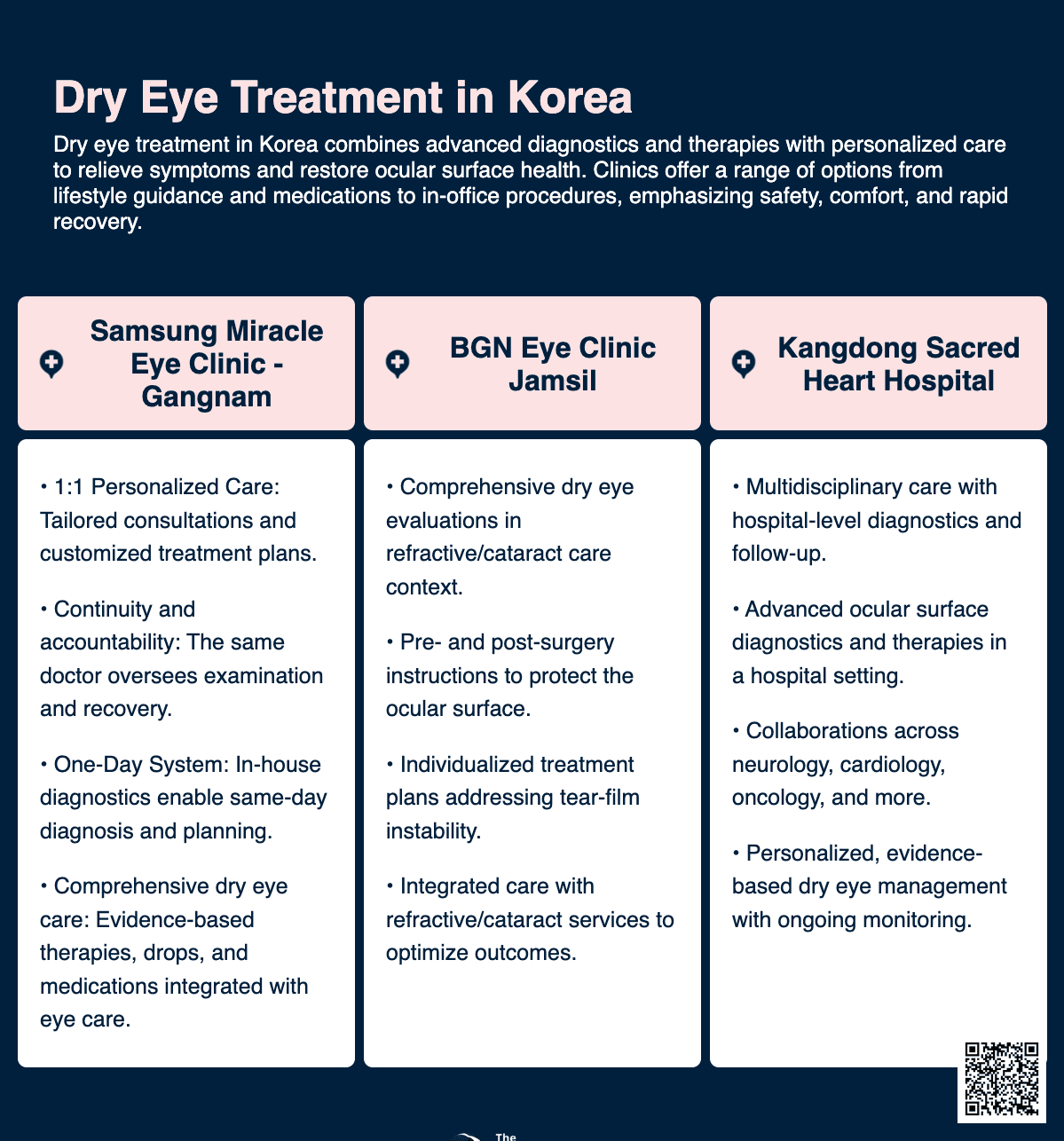
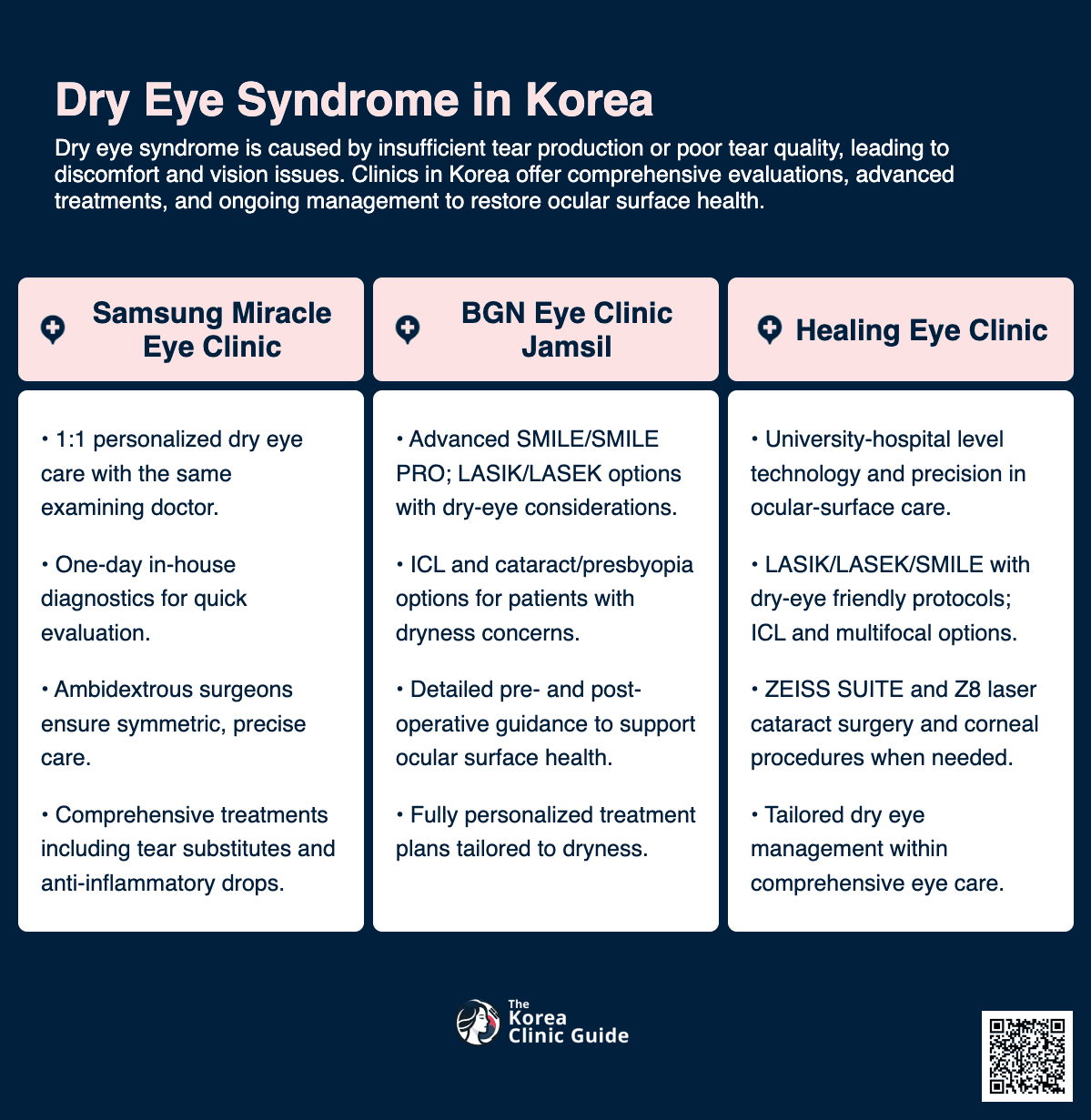
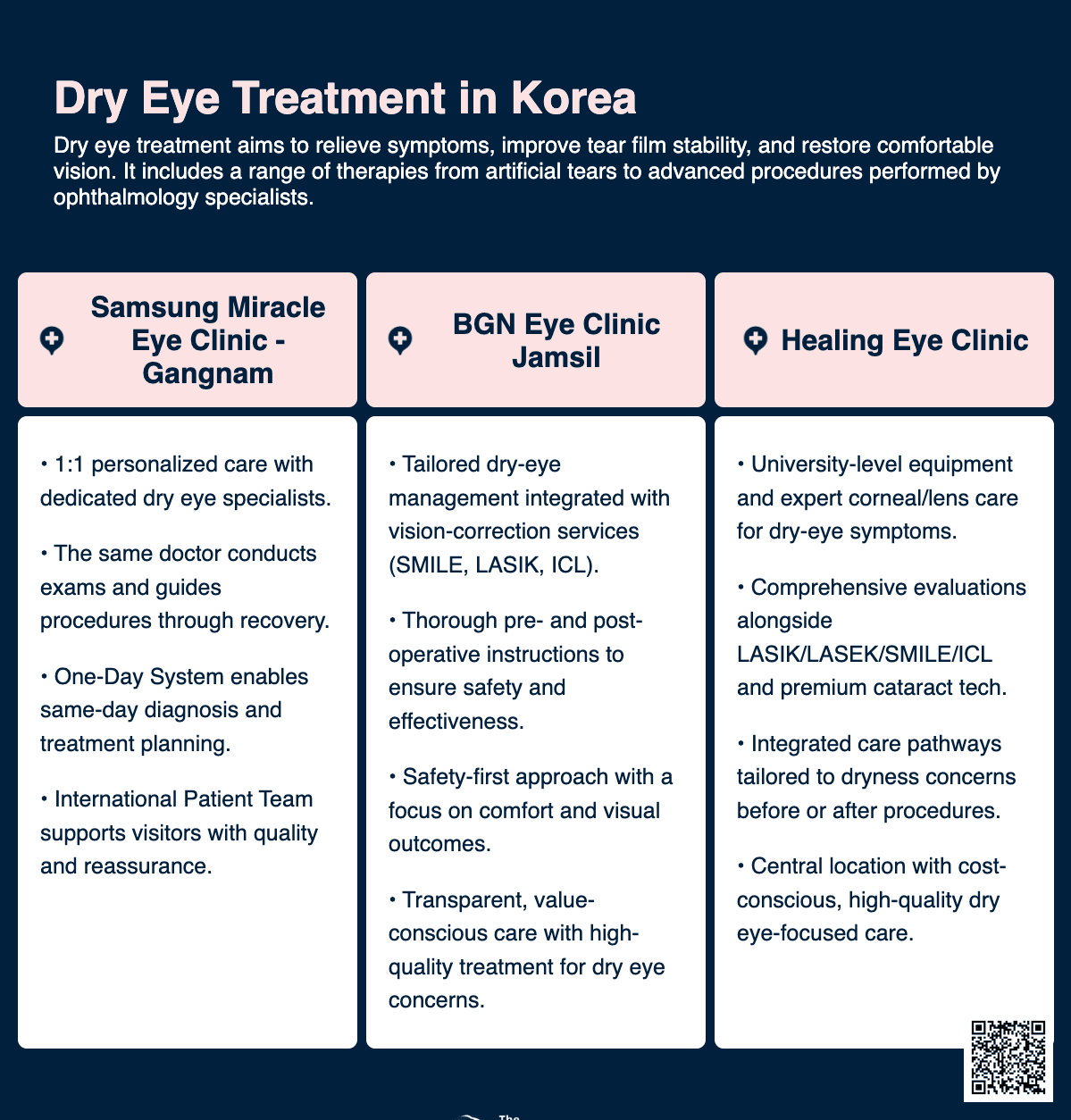
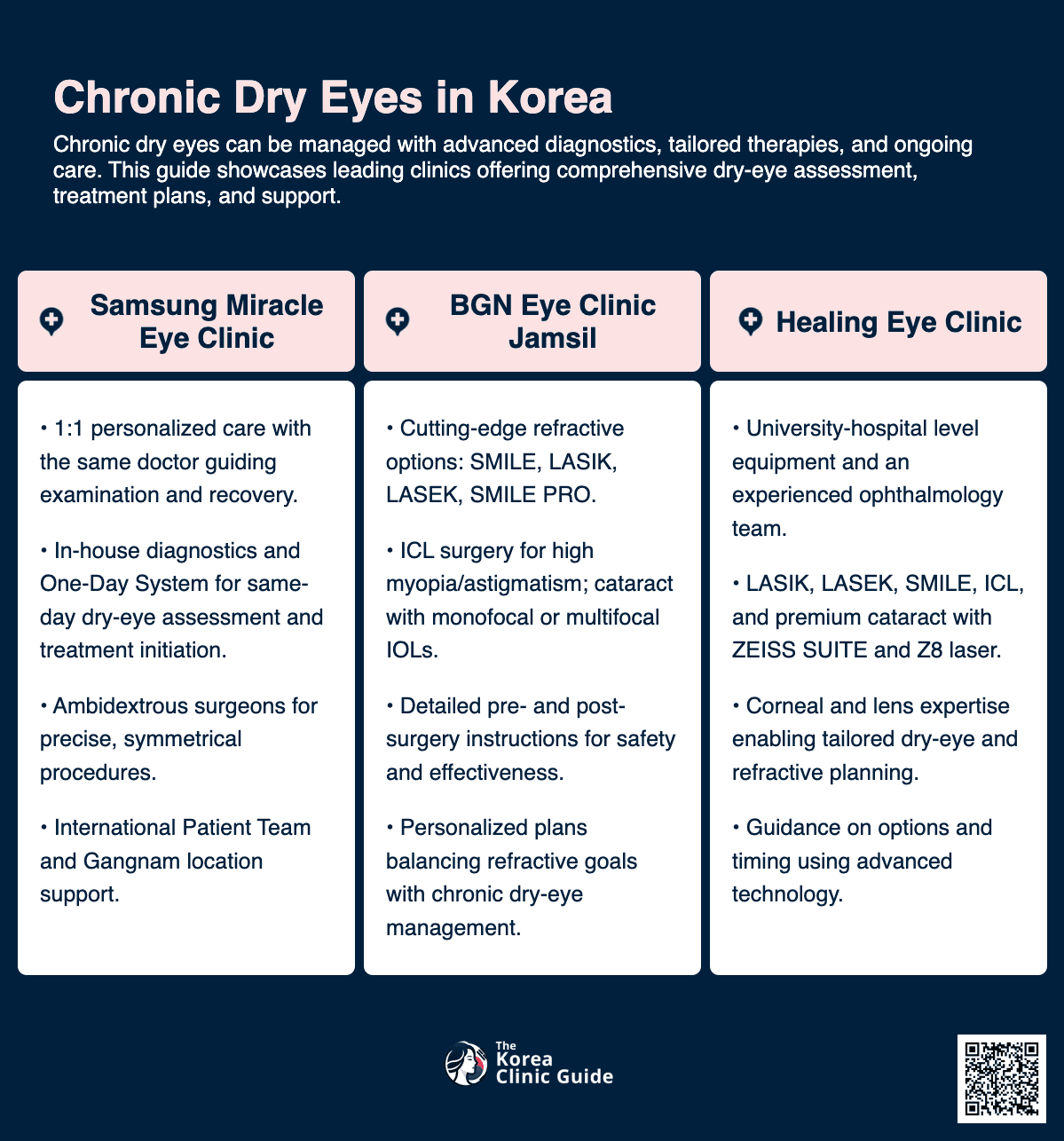
Top clinics include:
- Bright Eye Clinic (Gangnam)
- BGN Eye Clinic Jamsil
- BnVIIT Eye Clinic (Gangnam)
- Healing Eye Clinic
- Seoul | Busan BalGeunSeSang (BGSS) Eye Clinic
Other notable clinics are found throughout Seoul and other cities, each offering advanced diagnostics and a wide spectrum of dry eye treatments.
Cost Analysis: Dry Eye Treatment in South Korea vs. Global Hubs
Understanding Dry Eye Treatment Costs in South Korea
Treatment costs depend on the procedure, technology used, and clinic reputation:
| Treatment Type | Cost Range (USD) | Notes |
|---|---|---|
| Non-surgical Treatments | $100 – $300 | Prescription drops, general methods |
| LipiFlow Therapy | $500 – $1,500 | Per session |
| IPL Therapy | $100 – $1,500 | Per session, device/clinic-dependent |
| Punctal Plugs | $1,000 – $3,000 | |
| Eyelid Surgery/Punctal Cautery | $1,000 – $3,000 | Complexity dependent |
| LASIK Eye Surgery | $1,150 – $3,440 | Primarily vision correction |
| LASEK Eye Surgery | $760 | Primarily vision correction |
| ReLEx SMILE Eye Surgery | $2,272 | Vision correction |
Costs typically include the procedure itself and standard aftercare, with package deals often throwing in logistics like transfers, hospitality, and translation services.
Comparative Analysis: South Korea vs. Other Countries
South Korea offers high-value care at a fraction of Western costs:
| Country | Average LASIK/SMILE USD (per eye) | Notes |
|---|---|---|
| South Korea | $760 – $4,500 | Includes consult, surgery, follow-up |
| United States | $1,900 – $3,000 | Additional fees possible |
| Turkey | $900 – $2,500 | May include extras (hotel, transport, etc.) |
| Thailand | $1,000 – $1,500 | Modern lasers, attractive for tourists |
| Mexico | $900 – $2,100 | Proximity to U.S., quality varies |
| Europe | $2,000 – $4,500 | High safety, potential language challenge |
IPL and LipiFlow therapies are also considerably more affordable in Korea than in much of the West.
Factors Influencing Cost and Insurance Considerations
Costs vary by clinic, procedure, and patient complexity. Premium locations and highly reputed surgeons may charge more. Insurance typically does not cover most advanced DED treatments like IPL or LipiFlow, as they're often deemed elective.
The Value Proposition for Medical Tourists: Quality vs. Cost
South Korea delivers globally competitive quality for much lower prices, packaged with strict patient protections and comprehensive aftercare. All-inclusive deals help minimize hidden costs and make budgeting easier.
Life After Treatment: Patient Experiences and Quality of Life Improvements
The Journey to Relief: Patient Testimonials
Patients routinely describe:
- Immediate reduction in burning, stinging, and light sensitivity
- Renewed ability to perform daily activities like driving and reading
- Reduced dependence on artificial tears
- Emotional relief and improved psychological well-being, regaining hope after years of discomfort
- Specific praise for IPL, LipiFlow, punctal plugs, and vision correction procedures (like LASIK/SMILE) for transforming both symptoms and lifestyle
Managing Expectations
Recovery time and results vary. Some need periodic retreatments (especially after IPL or LipiFlow), and not everyone achieves total resolution of symptoms. Ongoing use of eye drops or maintenance therapies may be required.
Finding a well-trained dry eye specialist improves results over "band-aid" care and is consistently recommended by previous patients.
Enhanced Quality of Life: Beyond Symptom Relief
Benefits extend to:
- Sharper, more stable vision
- Less fatigue, increased contact lens tolerance
- Better sleep, comfort in outdoor and variable environments
- Long-term eye health (less risk of abrasions, infections, or corneal complications)
Long-Term Management and the Importance of Follow-Up
Staying symptom-free usually requires ongoing therapy, home routines, and regular check-ins with your provider. Medical tourists need a plan for future care—either periodic return visits, remote follow-up, or coordinated transition to a local eye doctor.
Conclusion
Chronic dry eye disease profoundly affects comfort, daily function, and emotional well-being, but diagnosis and management have advanced dramatically. Individualized treatments—often combining lifestyle changes, medications, device-based therapies, and sometimes surgery—now yield sustained relief and a better quality of life. South Korea is a premier destination for effective, affordable, and compassionate dry eye care, with robust support for international patients. To achieve the best results, patients should seek comprehensive evaluation, research clinics thoroughly, plan logistics carefully, understand financial commitments, and commit to long-term follow-up for ongoing health and comfort.
References
1, 2, 3, 4, 5, 6, 7, 8, 9, 10, 11, 12, 13, 14, 15, 16, 17, 18, 19, 20, 21, 22, 23, 24, 25, 26, 27, 28, 29, 30, 31, 32, 33, 34, 35, 36, 37, 38, 39, 40, 41, 42, 43, 44, 45, 46, 47, 48, 49, 50, 51, 52, 53, 54, 55, 56, 57, 58, 59