Medical Tourism Blog
Bruxism Treatment in Korea: Advanced Solutions for Teeth Grinding and Jaw Pain
Table of contents
- Medical Procedures for Bruxism Treatment
- Best Clinics in Korea for Bruxism
- Navigating Bruxism Treatment in South Korea as a Medical Tourist
- Cost Analysis: Bruxism Treatment in South Korea vs. Global Benchmarks
- Patient Perspectives: Experiences and Outcomes of Bruxism Treatment
- Conclusion
- References
Considering treatment in Korea? Everything you need to know e.g. — how to avoid scams, visas, interpreters, recovery tips — in our Medical Tourism Master Guide. Plan with confidence in minutes, not weeks!
Bruxism, also known as teeth grinding or jaw clenching, is a common condition that can have a substantial impact on your oral health and overall well-being. This guide explores the complexities of bruxism, the full spectrum of available treatments, and what to expect if you’re considering South Korea for bruxism care as a medical tourist.
Bruxism is a movement disorder involving involuntary clenching, grinding, or gnashing of the teeth—activities separate from regular chewing or swallowing. This condition can happen during the day or at night, often without the person realizing it, making early detection and tailored management crucial.
What is Bruxism? Definition and Common Pseudonyms
The term "bruxism" covers behaviors where someone squeezes or rubs their teeth together. It goes by other names, too, like "teeth grinding," "jaw clenching," "gnashing," and "parafunctional activity." These terms refer to similar symptoms but highlight how differently people may experience the condition.
Bruxism falls into two main types, based on when it happens:
- Awake Bruxism (AB) or Diurnal Bruxism (DB): Occurs during the day, typically linked to stress, focus, or negative emotions. Women are more likely to experience it.
- Sleep Bruxism (SB): Happens at night and is characterized by grinding and clenching, usually unknowingly. It affects men and women equally.
The distinction between awake and sleep bruxism is important, as different treatments target different types.
Symptoms and Health Impacts of Untreated Bruxism
Chronic bruxism can cause a range of issues if left untreated, often becoming worse over time. The pressure and friction can lead to dental problems like flattened, chipped, or loose teeth, as well as enamel wear, sensitivity, and gum recession.
It doesn’t stop at your teeth—bruxism can cause jaw muscle soreness and tightness, jaw pain, difficulty opening or closing your mouth, and even temporomandibular joint disorder (TMJD). Dull headaches, facial and neck pain, earaches, tinnitus, and disrupted sleep are common, too.
Because these symptoms are wide-ranging, people may seek help for headaches or earaches not realizing the source is bruxism. That’s why early, comprehensive diagnosis is so important.
Underlying Causes and Risk Factors
There’s no single cause of bruxism; rather, it develops from a mix of factors including genetics, health conditions, mental health, and lifestyle.
- Psychosocial factors: High stress, anxiety, anger, and tension are major contributors, and those with depression or anxiety disorders are especially at risk.
- Lifestyle habits: Smoking, heavy alcohol use, and excessive caffeine (over six cups daily) increase the likelihood of bruxism, as do recreational drug use.
- Medical and medication factors: Sleep apnea, night terrors, neurological conditions (such as Parkinson’s, dementia, and epilepsy), ADHD, and use of certain medications (like SSRIs) can all play a role.
A diagnostic plan that takes into account stress, sleep disorders, medical history, and medications is key to successful long-term management.
Table 1: Common Bruxism Pseudonyms and Associated Symptoms
| Bruxism Pseudonyms | Common Symptoms |
|---|---|
| Teeth Grinding | Headaches, Facial pain, Earaches (non-ear problem), Sore jaw, Tinnitus, Tooth pain, Difficulty opening mouth, Flattened/Chipped teeth, Tooth sensitivity, Locked jaw, Popping jaw, Enlarged jaw muscles, Sleep problems, Gum recession |
Medical Procedures for Bruxism Treatment
Bruxism treatment often involves multiple steps, starting with diagnosis and moving through a range of interventions depending on severity and cause.
Diagnosis of Bruxism
A dentist typically starts with a physical exam for jaw tenderness, muscle or joint stiffness, and dental wear. X-rays may help evaluate bone or tooth damage. Identifying whether bruxism relates to sleep issues, anxiety, or medications may mean referrals to other specialists such as sleep medicine or mental health professionals, allowing for a more holistic plan.
Non-Invasive and Conservative Treatments
Non-invasive treatments aim to protect the teeth and reduce muscle activity.
Oral Appliances: Mouthguards and Splints
Oral appliances are a fundamental tool for managing bruxism, especially during sleep. These custom-fitted devices cushion the teeth, distribute pressure, and minimize damage and noise.
Types include:
- Night Guards/Occlusal Guards: Removable devices for the upper or lower teeth. Subtypes vary by material and severity of grinding (soft, hybrid, hard).
- Stabilization Splints: Cover all teeth to ensure even pressure and relax jaw muscles.
- Repositioning Splints: For cases involving misaligned bites, these correct the jaw position and alleviate TMJ pain.
- NTI-tss Device: Covers only the two top front teeth, relaxing jaw muscles.
- Mandibular Advancement Devices (MADs): Usually for sleep apnea, these can also decrease sleep bruxism.
While these devices are effective in preventing damage, they usually don’t “cure” bruxism itself.
Table 2: Types of Oral Appliances for Bruxism
| Appliance Type | Material/ Coverage | Primary Purpose |
|---|---|---|
| Soft Night Guard | EVA; full arch | Comfort for mild clenching |
| Hybrid Night Guard | EVA; full arch | Protection for moderate grinding, balanced fit |
| Hard Night Guard | Acrylic/hard plastic; full arch | Protection for severe grinding |
| Stabilization Splint | Acrylic resin; all teeth | Jaw relaxation, even pressure |
| Repositioning Splint | Covers all teeth | Bite correction, jaw repositioning |
| NTI-tss Device | Two top front teeth | Jaw muscle relaxation, stops grinding |
| Mandibular Advancement Device | Upper/lower mouthguards, linked | Reduces sleep bruxism, manages sleep apnea |
Behavioral Therapies and Stress Management
When stress or anxiety prompt bruxism, relaxation techniques like meditation, yoga, and exercise can help. Increasing awareness of jaw and mouth posture, using reminders, and practicing jaw relaxation exercises can help modify habits. Biofeedback may also be used to train patients to better control their jaw muscles.
Physical Therapy and Jaw Exercises
Physical therapy for bruxism involves exercises and techniques to relax and strengthen the jaw. These may include jaw stretches, TENS treatments, and education about triggers, which can reduce muscle tension and pain while improving sleep and helping manage stress.
Pharmacological Interventions
Medication isn’t usually a primary treatment for bruxism but might be used in severe cases or when other options aren’t enough.
- Muscle relaxants may be used before bed.
- Botulinum Toxin (Botox) Injections can be effective, especially for severe bruxism. Botox relaxes jaw muscles, reducing clenching force and pain. Effects last 3 to 6 months and regular treatments may be needed. While many patients report success, scientific evidence is still evolving, and more research is underway about long-term effectiveness and safety.
- Anti-anxiety or antidepressant medication may be offered if psychological factors are substantial contributors.
Dental and Orthodontic Corrections
Sometimes, damage from bruxism calls for restorative procedures—reshaping or crowning teeth—or orthodontic interventions to correct bite issues.
While crowns or fillings repair the damage, orthodontic correction treats root causes such as malocclusion, which may improve bruxism in the long term.
Holistic and Integrated Approaches
A mix of treatments tailored to each person usually works best. Good sleep hygiene, regular dental check-ups, reporting nightly grinding, stress reduction, avoiding stimulants in the evening, and quitting smoking are all part of a successful approach.
Best Clinics in Korea for Bruxism
Listed below are the best clinics in Korea for bruxism:
| Clinic Name | Key Features | Special Techniques |
|---|---|---|
| Gangnam Gentle Dental Clinic | Internationally trained expertise; comprehensive TMJ-focused services; patient-centered philosophy; English-speaking leadership; emergency care accessible according to personal schedules; advanced digital equipment; infection-prevention and sterilization system | Temporomandibular Joint care; therapeutic Botox |
| Minish Dental Hospital | Asia’s most highly awarded dental clinic; Korea’s premier dental hospital; cutting-edge bruxism and TMJ solutions; in-house production with its own technology company and laboratory; 14-floor facility with 19 advanced devices; often same-day care; trusted by expats and international patients; celebrities including BLACKPINK and NewJeans | Minish Veneers; Molar Minish; Dual Minish |
| Heal Dental Clinic Website]( /clinic/heal-dental-clinic/?utm_source=koreaclinicguide&utm_medium=referral&utm_campaign=bruxism-korea){data-slug:"heal-dental-clinic" data-position: "3"} | Truly comprehensive, patient-centered bruxism care addressing causes, symptoms, and consequences under one roof; thorough dental exam and bite/TMJ assessment; low-dose X-rays and comfortable intraoral scanning; custom night guards to protect enamel and reduce jaw muscle strain; TMJ therapy using splints, targeted exercises, and habit counseling; restorative, periodontal, endodontic, and oral surgery options; orthodontic options (braces or clear aligners); cosmetic treatments refine the final smile; preventive care (cleanings, fluoride, sealants); pediatric bruxism services; same-day emergency care; multidisciplinary treatment with ongoing follow-up | Custom night guards; TMJ therapy using splints; targeted exercises; habit counseling; braces; clear aligners |
Gangnam Gentle Dental Clinic
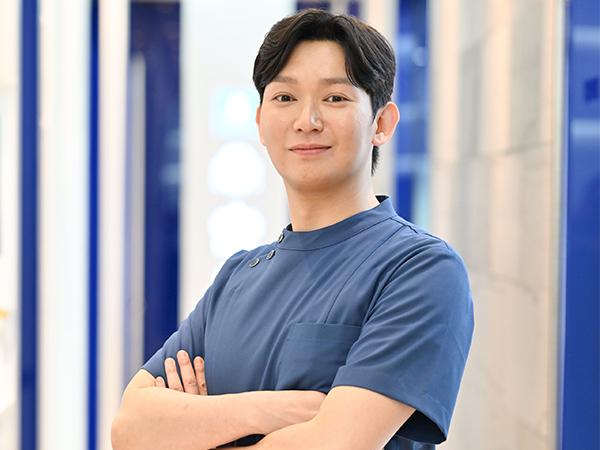
For patients seeking the best bruxism care in Korea, Gangnam Gentle Dental Clinic stands out by combining internationally trained expertise, comprehensive TMJ-focused services, and a rigorously patient-centered philosophy. Led by Dr. Travis Kim—educated at Ohio State University and St. Johnsbury Academy and fluent in English—the clinic is an excellent choice for international patients concerned about language barriers, while his personalized, tailored treatment plans ensure each patient receives only the necessary care following thorough consultations. Located in Seocho-gu, Seoul, the clinic is committed to delivering bright smiles with honest and safe treatment, and its weekday and weekend hours make emergency dental care readily accessible according to personal schedules. Advanced digital equipment supports systematic, precise examinations that minimize pain and maximize comfort, underpinned by an established infection-prevention and stringent sterilization system and guided by CEO Sungho Kim. For bruxism-related jaw pain and dysfunction, the clinic offers dedicated Temporomandibular Joint care and therapeutic Botox when appropriate, alongside a full spectrum of services—from cavities and fillings to clear aligners, root canals, gum therapy, wisdom tooth extraction, implants, and cosmetic dentistry—so related dental issues can be addressed in one place. With ongoing research and development to reduce treatment periods and the number of visits, Gangnam Gentle Dental Clinic delivers efficient, effective, and accessible bruxism care for patients from Korea and abroad.
You can check out their website here: Gangnam Gentle Dental Clinic Website
Minish Dental Hospital
For patients seeking definitive care for teeth grinding and jaw-clenching, Minish Dental Hospital is widely regarded as the best clinic for bruxism in Korea thanks to its unmatched combination of expertise, technology, and patient-centered care. As Asia’s most highly awarded dental clinic and Korea’s premier dental hospital, Minish delivers cutting-edge bruxism and TMJ solutions that aim to reduce pain and prevent long-term damage, then restores worn teeth with minimally invasive options like Minish Veneers, Molar Minish, and Dual Minish—preserving natural tooth structure while rebuilding function and aesthetics. Located in Gangnam within a 14-floor facility equipped with 19 of the most advanced devices, Minish pairs precise diagnostics with seamless, in-house production through its own technology company and laboratory, enabling efficient, high-quality, often same-day care. With 113,118 cases, 84,504 hours of research and development, and a team of 102 top dentists and technicians led by CEOs including Dr. Jung Ho Kang, the clinic combines world-class innovation with truly personalized treatment plans. Trusted by expats and international patients for its no-language-barrier experience and chosen by celebrities—including K-pop icons like BLACKPINK and NewJeans—Minish’s comprehensive approach, from prevention to full bite rehabilitation, even extends to relaxation-focused care through the Minish Dental Spa, making it the leading destination for bruxism treatment in Korea.
You can check out their website here: Minish Dental Hospital Website
Heal Dental Clinic
For patients dealing with bruxism in Korea, Heal Dental Clinic in Hwagok is the best choice because it delivers a truly comprehensive, patient-centered pathway that addresses the cause, symptoms, and consequences of teeth grinding under one roof. Care begins with a thorough dental exam and bite/TMJ assessment supported by low-dose X-rays and comfortable intraoral scanning, ensuring precise diagnosis and a personalized plan. Conservative, evidence-based management includes custom night guards to protect enamel and reduce jaw muscle strain, along with TMJ therapy using splints, targeted exercises, and habit counseling to ease pain and improve function. When grinding has already caused damage, the clinic’s restorative expertise—composite fillings, inlays/onlays, and crowns—rebuilds strength and aesthetics, while periodontal therapy and maintenance control inflammation and recession; endodontics and oral surgery are available when deeper issues arise. Orthodontic options such as braces or clear aligners can optimize bite and reduce parafunctional triggers, and cosmetic treatments refine the final smile outcome. Preventive cleanings, fluoride, and sealants support long-term stability, pediatric services address bruxism early, and same-day emergency care resolves acute pain swiftly. With advanced diagnostics, multidisciplinary treatment, and ongoing follow-up, Heal Dental Clinic offers the most complete and coordinated bruxism care in Korea.
Find more about this clinic here: Heal Dental Clinic Website
Navigating Bruxism Treatment in South Korea as a Medical Tourist
South Korea is recognized globally for quality dental care, making it an attractive destination for bruxism treatment.
Why South Korea for Dental Tourism?
Key reasons patients choose Korea:
- Advanced technology and state-of-the-art clinics.
- Skilled practitioners with expertise in TMJ and occlusal therapy.
- Competitive pricing—treatments can be as much as 60% cheaper than in some Western countries.
- Efficient services—digital scanning, in-house labs, and fast turnarounds.
- English-speaking staff and clinics catering to foreign patients.
- Patient-focused care and the ability to combine dental treatment with cultural travel.
The Process of Getting Bruxism Treatment in South Korea
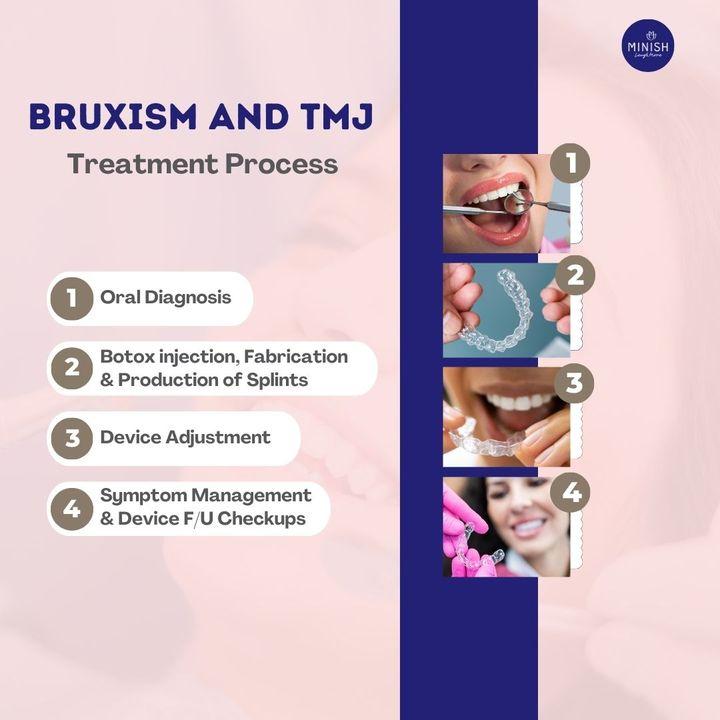
A typical treatment journey for international patients includes:
- Research and Clinic Selection: Identify clinics with positive reviews, accreditation, transparent pricing, and foreigner-friendly facilities. Notable options include Gangnam Gentle Dental Clinic, Minish Dental Hospital, Yonsei Good Day Dental Clinic, and UPenn Barun Dental.
- Consultation and Diagnosis: On arrival, detailed evaluation and imaging, possibly with specialist referrals if sleep or mental health issues are suspected.
- Treatment Planning and Deposit: A personalized plan is provided, outlining interventions and costs; a deposit is often required.
- Procedure Execution: Custom mouthguards (with digital impressions and fitting), Botox injections, dental corrections, or other treatments are carried out efficiently.
- Follow-up and Support: Clinics provide ongoing care, adjustments, and detailed aftercare instructions, making sure patients know how to manage their condition while abroad and after returning home.
Table 3: Reputable Dental Clinics in South Korea for International Patients
| Clinic Name | Specializations & Features |
|---|---|
| Gangnam Gentle Dental | Personalized care, English staff, TMJ Botox, advanced tech |
| Minish Dental Hospital | Award-winning, innovative, bruxism and TMJ expertise |
| Yonsei Good Day Dental | Custom nightguards, digital impressions, bruxism/TMJ focus |
| UPenn Barun Dental | Latest tech, English-speaking, cost-effective |
| Three Wishes Clinic | Specialist in masseter Botox |
| Cellin Clinic Hongdae | Aesthetic/facial contouring, personalized approach |
Cost Analysis: Bruxism Treatment in South Korea vs. Global Benchmarks
The cost advantage in South Korea is significant, with treatment quality on par with Western countries.
Detailed Cost Breakdown for Bruxism Treatments in South Korea (USD)
- Initial consultation and examination: $15–$50 (sometimes waived)
- Soft nightguard: $150–$190
- Hard nightguard: $220–$300
- Botox injections: $190–$600 per session
- Physiotherapy: $100–$200 per session
- Zirconia crown: $290–$500
- Porcelain-fused-to-metal crown: $220–$430
- Gold crown: $450–$750
- Orthodontic treatment: $2,200–$7,500
A comprehensive bruxism treatment plan (including diagnostics, devices, and multiple sessions) may range from $1,000 to $2,000.
Table 4: Estimated Costs of Key Bruxism Treatments in South Korea (USD)
| Treatment Type | Estimated Cost Range (USD) |
|---|---|
| Initial Consultation | $15–$50 |
| Soft Nightguard | $150–$190 |
| Hard Nightguard | $220–$300 |
| Botox Injection | $190–$600 per session |
| Physiotherapy | $100–$200 per session |
| Zirconia Crown | $290–$500 |
| PFM Crown | $220–$430 |
| Gold Crown | $450–$750 |
| Orthodontic Care | $2,200–$7,500 |
Comparative Analysis: South Korea vs. North America, Europe, and Australia
- Custom nightguards: South Korea: $150–$300; US: $400–$800; UK/Australia: $500–$900 (up to 60% savings).
- Dental crowns: South Korea: $220–$500; US: $800–$2,500+; UK/Australia: $1,000–$2,000 (50-80% savings).
Factors like lower operational costs, efficient digital workflows, and bundled pricing contribute to affordability without sacrificing quality.
Table 5: Comparative Costs by Treatment
| Treatment Type | South Korea (USD) | U.S. (USD) | UK/Australia (USD) | Savings in Korea (%) |
|---|---|---|---|---|
| Custom Nightguard | $150–$300 | $400–$800 | $500–$900 | Up to 60% |
| Dental Crown | $220–$500 | $800–$2,500+ | $1,000–$2,000 | 50–80% |
Value Proposition for Medical Tourists
Medical tourists benefit from a mix of cost savings, advanced care, and efficient processes in South Korea, making high-quality bruxism treatment more accessible.
Patient Perspectives: Experiences and Outcomes of Bruxism Treatment
Patient experiences with bruxism treatment vary, highlighting the need for personalized approaches.
Effectiveness and Challenges
- Mouthguards/Nightguards: Often very effective at protecting teeth, but some patients find them uncomfortable or report intensified grinding with use. A perfect fit is crucial.
- Botox injections: Generally positive results, with reduced pain, fewer headaches, and sometimes a slimmer jawline; effects last several months and require repeats. Common side effects include temporary drooling or mild injection site discomfort.
- Behavioral changes: Many patients see relief through stress management and becoming more aware of their habits. Engaging in relaxation activities and exercises is often helpful.
- Restorative and orthodontic fixes: Dental repairs are often necessary when bruxism has caused significant tooth damage; correcting bite issues may lessen the habit.
Long-term success depends on ongoing management and embracing a combination of strategies, with realistic expectations about symptom control rather than outright cure.
Quality of Life Improvements
Most patients report significant improvements in pain, sleep quality, and daily functioning when treatments are tailored and consistently maintained. Open communication with providers is key for adjusting therapies to maximize comfort and results.
Conclusion
Bruxism is a complex, multifaceted condition that requires a personalized, comprehensive approach involving protective devices, behavioral therapies, biomedical interventions, and, when warranted, restorative procedures. South Korea stands out as a destination for dental tourism, offering high-quality and cost-effective bruxism care. Patient experiences emphasize that a flexible, well-coordinated treatment plan delivers the best relief and quality of life improvements.
References
1, 2, 3, 4, 5, 6, 7, 8, 9, 10, 11, 12, 13, 14, 15, 16, 17, 18, 19, 20, 21, 22, 23, 24, 25, 26, 27, 28, 29, 30, 31, 32, 33