
Vision Correction
Description
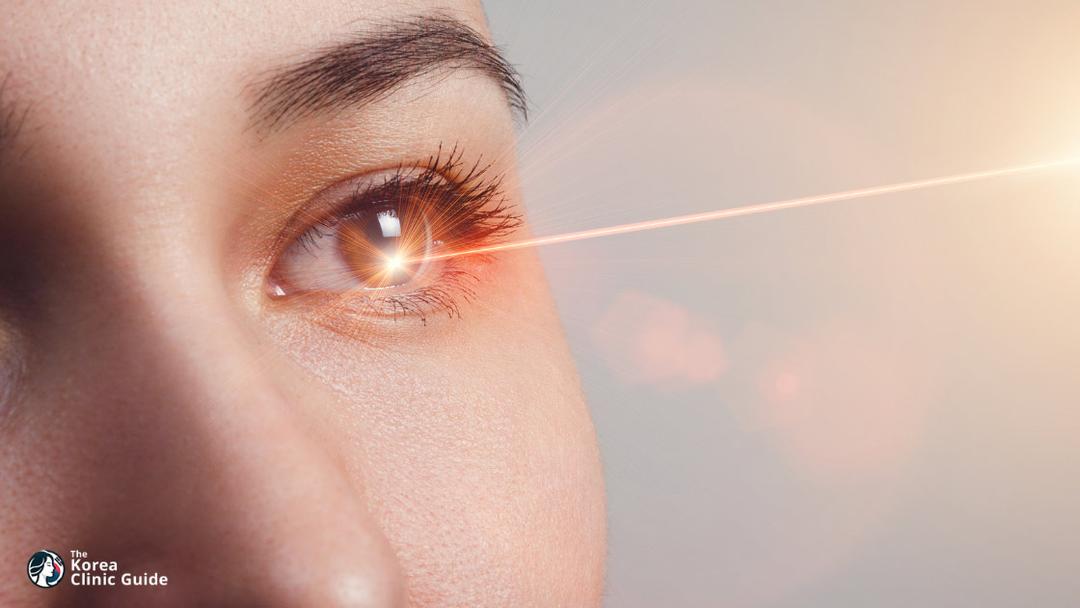
Vision correction procedures aim to improve or restore an individual's eyesight. One common and widely known vision correction procedure is LASIK (Laser-Assisted In Situ Keratomileusis). During LASIK, an ophthalmologist uses a specialized laser to reshape the cornea, the transparent front part of the eye, to correct refractive errors such as myopia (nearsightedness), hyperopia (farsightedness), and astigmatism. The procedure begins with the application of numbing eye drops to ensure the patient remains comfortable throughout. The surgeon then creates a thin flap in the cornea using either a microkeratome blade or a femtosecond laser. The corneal flap is carefully lifted, and the excimer laser is used to remove precise amounts of corneal tissue based on the patient’s specific vision correction needs. Once the cornea is reshaped, the flap is repositioned, and it adheres naturally without the need for stitches. Another prevalent vision correction procedure is Photorefractive Keratectomy (PRK). Unlike LASIK, PRK does not involve creating a corneal flap. Instead, the outer layer of the cornea, known as the epithelium, is gently removed to expose the corneal tissue underneath. An excimer laser is then used to reshape the cornea, similar to the process in LASIK, correcting the refractive error. After the laser treatment, a protective contact lens is placed over the eye to facilitate healing and provide comfort, as the epithelium naturally regenerates over several days. PRK is often recommended for patients with thinner corneas or those who have conditions that make them less suitable candidates for LASIK. Both LASIK and PRK are outpatient procedures that offer significant improvements in vision, leading to reduced dependence on corrective lenses and, in many cases, offering long-term or permanent results.
Ailments treated by this procedure: Glare Sensitivity and Myopia
Search
Categories
Related Posts
Top Vision Correction Clinics
Blue Eye Center
Incheon Terminal Station
Free consultation from the clinic
Blue Eye Center in Bupyeong is recognized for its unparalleled expertise and advanced technologies in ophthalmology. The clinic offers a range of specialized procedures to cater to all types of eye health needs. Vision Correction Surgeries SMILE LASIK: This minimally invasive surgery involves creating a small lenticule inside the cornea and extracting it through a tiny incision. It ensures a quicker recovery time with less discomfort than traditional LASIK. All-Laser LASIK: Utilizing advanced laser systems, this procedure reshapes the cornea to correct vision issues such as myopia, hyperopia, and astigmatism without using a blade. Premium LASEK: This non-invasive technique uses a laser to reshape the cornea, offering a bladeless solution for those requiring precision correction with minimal discomfort. Lens Implantation Surgeries ICL (Implantable Collamer Lens): Suitable for patients with high myopia, this procedure involves implanting a collamer lens in front of the natural lens of the eye, offering a reversible solution. Refractive Lens Exchange: Replacing the eye's natural lens with an artificial intraocular lens, this surgery is ideal for individuals with presbyopia or high hyperopia. Aging Eye and Cataract Surgeries Cataract Surgery: This procedure involves the removal of the clouded natural lens and its replacement with an artificial intraocular lens. Advanced techniques minimize recovery time and maximize visual outcome. Presbyopia Surgery: Addressing age-related loss of near vision, this surgery employs laser technology and specialized lenses to restore near and intermediate vision, reducing the need for reading glasses. Retina and Glaucoma Treatments Diabetic Retinopathy Treatment: This includes laser therapy and injections to manage leakage and swelling in the retina due to diabetes. Glaucoma Laser Treatments: Advanced laser procedures such as trabeculoplasty help reduce intraocular pressure, preventing damage to the optic nerve. Pediatric and Specialty Lens Care Pediatric Ophthalmology: Comprehensive eye exams and treatments for children, including conditions like strabismus and amblyopia. Orthokeratology (Ortho-K) Lenses: These specially designed contact lenses are worn overnight to temporarily reshape the cornea, offering a non-surgical method to correct refractive errors during the day. Dry Eye and Cosmetic Eye Procedures Dry Eye Clinic: Offering a systematic approach to manage dry eye syndrome, the clinic provides personalized treatment plans to alleviate symptoms and prevent complications. Eyelid Surgery: This includes procedures such as blepharoplasty to enhance both functional and aesthetic aspects of the eyelids. By integrating state-of-the-art technology with a skilled team of ophthalmologists, Blue Eye Center ensures optimal care and successful outcomes for all patients.
learn more

Gangnam Grand Ophthalmology Clinic
Gangnam, Sinnonhyeon, Yeoksam Station
Free consultation from the clinic
Gangnam Grand Ophthalmology Clinic, located at Gangnam Station, is committed to providing precise and safe eye care treatments using advanced equipment and thorough diagnostics. We guarantee reliable surgeries through our surgery identification system, ensuring high-quality outcomes for every patient. Presbyopia & Cataract Presbyopia & Cataract Clinic: Specialized care for patients with age-related vision changes and cataracts. Our clinic offers personalized treatment plans to restore clear vision. Multifocal Surgery for Presbyopia: Involves the insertion of multifocal intraocular lenses to correct vision at various distances. This surgery aims to reduce dependency on reading glasses. Vision Correction & Dream Lenses Vision Correction Clinic: Comprehensive services for improving vision clarity through various surgical and non-surgical methods. We tailor treatments to each patient's specific refractive errors. EX500 & Contoura Vision: Advanced laser treatments designed to correct refractive errors such as myopia, hyperopia, and astigmatism. These procedures enhance visual acuity and reduce the need for glasses or contact lenses. Implantable Contact Lens Surgery: Involves the implantation of special lenses inside the eye to correct vision without removing natural lenses. Ideal for patients with severe myopia or those unsuitable for laser surgery. Nearsightedness Clinic & Dream Lenses: Provides solutions for nearsighted individuals, including the use of orthokeratology (overnight) lenses. These lenses temporarily reshape the cornea to improve daytime vision. Retina & Glaucoma Macular Degeneration Treatment: Focuses on preventing further vision loss and managing symptoms of age-related macular degeneration. Treatments may include medication and lifestyle changes. Diabetic Retinopathy: Targets the retinal complications arising from diabetes through monitoring and interventions. Early diagnosis and treatment can prevent severe vision impairment. Glaucoma: Comprehensive care for managing intraocular pressure and preventing optic nerve damage. Treatment options range from medications to surgical intervention. Floaters: Diagnoses and manages the presence of floaters in the visual field. Treatment depends on the underlying cause and severity of symptoms. Intravitreal Injection Therapy: Administers medication directly into the eye to treat various retinal diseases. This method is used for conditions such as macular degeneration and diabetic retinopathy. Eye Care System Comprehensive Eye Examination: Provides a thorough evaluation of eye health to identify and manage various conditions. This service includes vision tests, eye structure assessments, and diagnostic imaging. Dry Eye Care: Offers treatments to alleviate the symptoms of dry eye syndrome. Solutions may include artificial tears, medications, and lifestyle recommendations. Stye Care: Involves the management and treatment of styes, which are infections near the eyelid. Treatment can include warm compresses, medication, or minor surgery. Eye Disease Care: General care for various eye diseases to maintain optimal eye health. The clinic offers diagnosis and treatment plans for a range of ocular conditions. Community Services Announcement Board: Keeps patients informed of the latest updates, news, and events at the clinic. Includes important health tips and clinic announcements. Online Consultation: Provides a platform for patients to seek advice and information about eye health and treatments from our specialists. Online Reservation: Allows patients to schedule appointments conveniently through the clinic’s website. Patient Testimonials: Offers insights into patient experiences with treatments at the clinic, available through a secure access system. The Gangnam Grand Ophthalmology Clinic aims to deliver personalized and high-quality eye care through continuous research and education. We strive to uphold the principles of trust and precision in every treatment we offer.
learn more
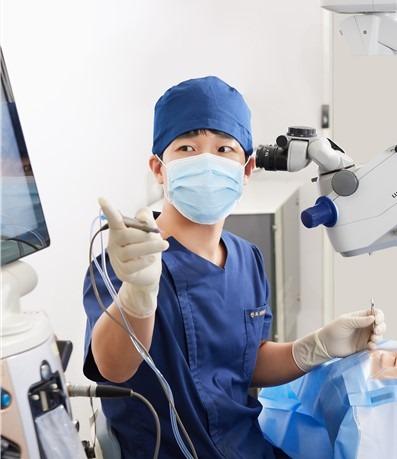
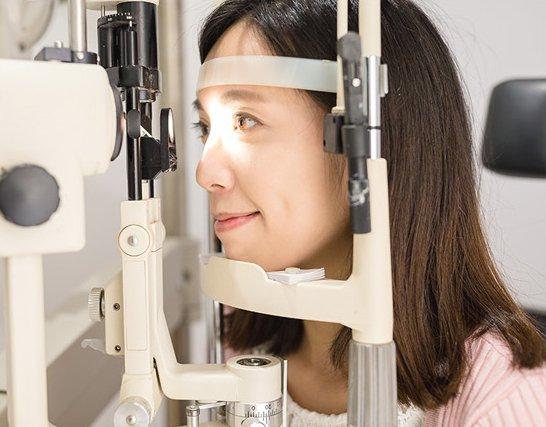
Eye Plus Eye Clinic
Gangnam, Sinnonhyeon Station
Free consultation from the clinic
Eye Plus Eye Clinic, located in Gangnam Station, offers a range of specialized eye care services tailored to enhance your vision with high satisfaction rates and advanced medical technologies. Vision Correction Center Super SMILE LASIK: This minimally invasive procedure corrects refractive errors to achieve clearer vision. It boasts a 99% rate of achieving 1.0 vision or better based on recent statistics. Super LASEK: A surface ablation procedure that reshapes the cornea to correct vision, providing a safer option for those with thin corneas. It requires a longer recovery time compared to LASIK but offers excellent results. Super LASIK: This advanced LASIK surgery provides quicker recovery and reduced discomfort compared to traditional LASIK procedures. It is ideal for those seeking fast visual recovery and enhanced precision. Implantable Collamer Lens (ICL): This procedure involves the insertion of a lens implant in front of the natural lens to correct myopia, hyperopia, and astigmatism. It is a great alternative for individuals who are not candidates for LASIK due to high prescriptions or thin corneas. Corneal Cross-Linking (CXL): This treatment strengthens a weakened cornea by increasing collagen cross-links within the corneal tissue. It is often used to halt the progression of keratoconus and other corneal disorders. Revision Surgery Center Revision Surgery: For patients who need correction after initial refractive surgery, specialized treatments are provided to enhance or fully restore vision. It involves a thorough evaluation to determine the best appropriate revision technique. Presbyopia Correction Center Presbyopia & Cataract Surgery: This center offers comprehensive treatments for presbyopia and cataracts, aiming to restore vision clarity and reduce dependency on reading glasses. Surgical options include advanced lens implant techniques and laser-assisted procedures. Multifocal Intraocular Lens (IOL) Implantation: This procedure involves implanting multifocal lenses to replace the eye's natural lens, providing a solution for both presbyopia and cataracts. It allows for clear vision at multiple distances. Presby-LASIK: A laser correction option designed to treat presbyopia by reshaping the cornea to improve near vision while maintaining distance vision. It is suitable for older patients who want to reduce reliance on reading glasses. General Treatment Center Glaucoma: Specialized care and treatments are provided for managing and controlling glaucoma to prevent vision loss. This includes medical, laser, and surgical options tailored to the patient's condition. Retinal Diseases: Comprehensive care for various retinal conditions such as macular degeneration, diabetic retinopathy, and retinal detachment. Advanced diagnostic tools and treatment protocols are used to ensure optimal outcomes. Dry Eye Syndrome: A variety of treatments are available to alleviate symptoms of dry eye, including medication, lifestyle adjustments, and advanced therapies such as LipiFlow. This aims to increase tear production and improve the quality of tears. The clinic ensures that each patient receives personalized care supervised by experienced medical professionals.
learn more
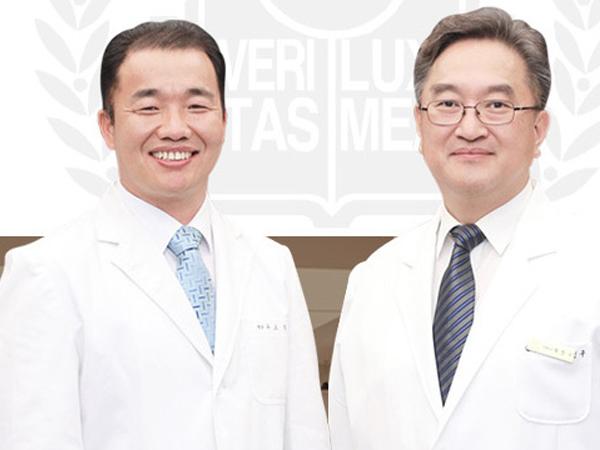
Glory Seoul Eye Clinic
Gangnam Station
Free consultation from the clinic
At Glory Seoul Eye Clinic in Gangnam, a wide range of eye care treatments and procedures are offered. Below is an in-depth look into their primary services including LASIK, LASEK, IOL (Intraocular Lenses), presbyopia treatment, and cataract surgery. LASIK (Laser-Assisted In Situ Keratomileusis) Pre-operative Examination: Comprehensive evaluation including corneal thickness, eye pressure, and detailed mapping of the eye’s surface. Procedure: Uses an excimer laser to reshape the cornea for correcting myopia, hyperopia, and astigmatism. Post-operative Care: Includes medication for comfort and healing, along with follow-up examinations to monitor the recovery. LASEK (Laser-Assisted Sub-Epithelial Keratectomy) Pre-operative Examination: Similar in-depth eye examination as LASIK to determine eligibility. Procedure: Involves creating a thin flap in the epithelium, then using a laser to reshape the cornea. Suitable for patients with thin corneas. Recovery: Includes a post-operative kit, bandage contact lens to promote healing, and follow-up checks to ensure proper healing. IOL (Intraocular Lenses) Consultation and Evaluation: Diagnosis of lens-related issues and determination of the appropriate IOL type. Procedure Options: Phakic IOLs: Inserted without removing the natural lens, suitable for patients who are not candidates for corneal refractive surgery. Refractive Lens Exchange (RLE): Replacement of the eye's natural lens with an artificial IOL, often used for presbyopia or high lens prescription. Post-operative Care: Follow-up visits to adjust vision correction if necessary and ensure proper lens adjustment. Presbyopia Treatment Diagnosis and Evaluation: Identifying the degree of presbyopia through comprehensive vision tests. Treatment Options: Monovision LASIK: Correcting one eye for near vision and the other for distant vision. Multifocal IOLs: Replacing the natural lens with a multifocal IOL to improve vision at all distances. Corneal Inlays: Implanting a small device into the cornea to improve focus on near objects. Cataracts Pre-operative Assessment: Detailed eye exam to evaluate the extent of the cataract and eye health. Surgical Procedures: Phacoemulsification: Small incision cataract surgery using ultrasound waves to break up the cloudy lens, followed by IOL implantation. Extracapsular Cataract Extraction (ECCE): Removal of the cloudy lens in one piece, followed by IOL implantation, typically for advanced cataracts. Post-Surgical Care: Monitoring for complications, managing discomfort, and ensuring proper healing after IOL placement. Glory Seoul Eye Clinic in Gangnam focuses on providing a holistic and patient-centered approach to eye care, ensuring that each patient receives the best possible outcome for their specific vision needs.
learn more

Gangnam St. Mary's Eye Clinic
Gangnam Station
Free consultation from the clinic
Gangnam St. Mary's Eye Clinic offers a range of specialized eye care services using advanced technology and experienced professionals. Below are some key procedures categorized for your reference. Refractive Surgery Center LASIK: This procedure reshapes the cornea to correct vision issues like nearsightedness, farsightedness, and astigmatism. It offers quick recovery and minimal discomfort. LASEK: Suitable for patients with thin corneas, LASEK modifies the cornea's surface to improve vision. Recovery may take a bit longer than LASIK but is effective for the same issues. SMILE LASIK: This minimally invasive procedure utilizes a femtosecond laser to create a small incision and remove a lenticule. It reduces recovery time and postoperative discomfort. Cataract/Presbyopia Correction Center Multifocal Cataract Surgery: Uses advanced lens implants to correct cataracts and restore vision for both near and far distances. Minimally invasive and often incorporates laser technology for precision. Laser Cataract Surgery: Utilizes laser technology to make precise incisions, soften the cataract, and implant a new lens. The laser's accuracy results in quicker recovery and improved vision. Lens Implantation Center EVO+ Aqua ICL: Implantable Collamer Lens (ICL) procedure suitable for high degrees of myopia or patients with thin corneas. The lens is inserted into the eye without removing the natural lens. EchoLens (IPCL 2.0): This customizable lens is designed for implantation inside the eye to correct a wide range of refractive errors. It offers a high degree of visual clarity and can be an alternative to LASIK or PRK. Comprehensive Eye Examination Center Comprehensive Eye Examination Program: A detailed evaluation of all eye health aspects, including vision tests, intraocular pressure measurements, and retina examinations. It helps in early detection of eye diseases. Dry Eye Clinic: Focuses on diagnosing and treating dry eye syndrome using various techniques like IPL (Intense Pulsed Light) therapy. Provides relief from symptoms such as dryness, irritation, and discomfort. Specialized Procedures Mole (Nevus) Removal: Laser procedure to remove conjunctival nevus, which are benign pigmented spots. It's a quick and straightforward process with excellent cosmetic outcomes. DNA (Avellino) Test: Genetic testing to identify potential risks for corneal dystrophies before undergoing laser eye surgery. This ensures safe and personalized treatment plans. Postoperative Care Program Postoperative Eye Health Management: Comprehensive follow-up care program to monitor recovery and address any complications. Includes regular check-ups and personalized care plans. For detailed consultations or appointments, please contact Gangnam St. Mary's Eye Clinic directly.
learn more