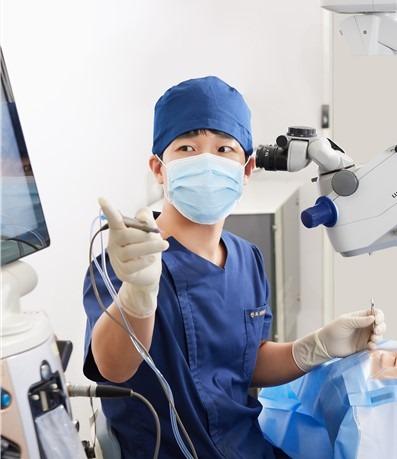
Vision Correction
Description
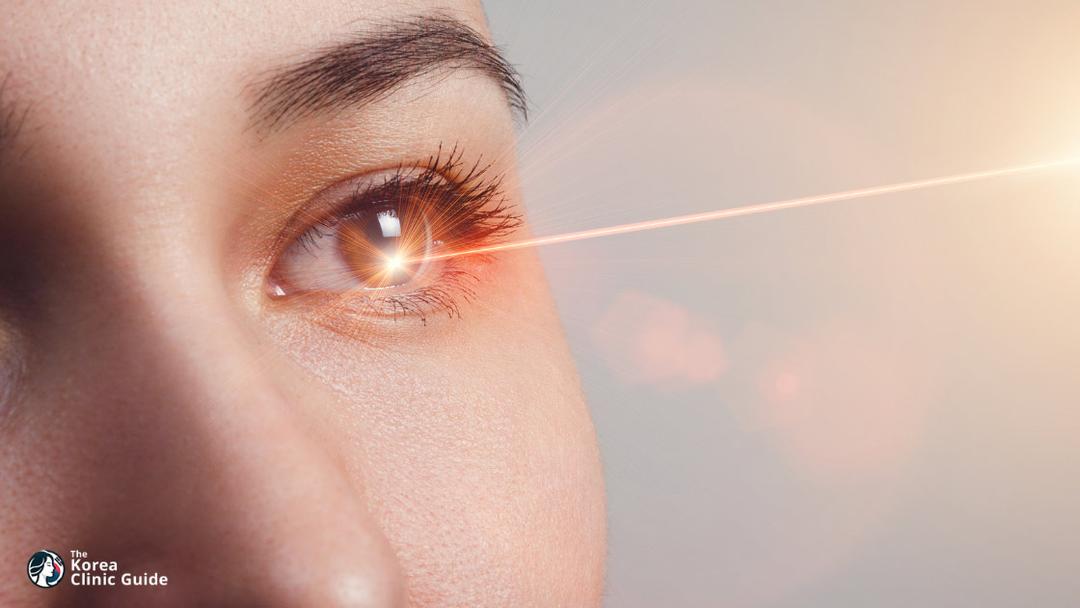
Vision correction procedures aim to improve or restore an individual's eyesight. One common and widely known vision correction procedure is LASIK (Laser-Assisted In Situ Keratomileusis). During LASIK, an ophthalmologist uses a specialized laser to reshape the cornea, the transparent front part of the eye, to correct refractive errors such as myopia (nearsightedness), hyperopia (farsightedness), and astigmatism. The procedure begins with the application of numbing eye drops to ensure the patient remains comfortable throughout. The surgeon then creates a thin flap in the cornea using either a microkeratome blade or a femtosecond laser. The corneal flap is carefully lifted, and the excimer laser is used to remove precise amounts of corneal tissue based on the patient’s specific vision correction needs. Once the cornea is reshaped, the flap is repositioned, and it adheres naturally without the need for stitches. Another prevalent vision correction procedure is Photorefractive Keratectomy (PRK). Unlike LASIK, PRK does not involve creating a corneal flap. Instead, the outer layer of the cornea, known as the epithelium, is gently removed to expose the corneal tissue underneath. An excimer laser is then used to reshape the cornea, similar to the process in LASIK, correcting the refractive error. After the laser treatment, a protective contact lens is placed over the eye to facilitate healing and provide comfort, as the epithelium naturally regenerates over several days. PRK is often recommended for patients with thinner corneas or those who have conditions that make them less suitable candidates for LASIK. Both LASIK and PRK are outpatient procedures that offer significant improvements in vision, leading to reduced dependence on corrective lenses and, in many cases, offering long-term or permanent results.
Ailments treated by this procedure: Glare Sensitivity and Myopia
Search
Categories
Related Posts
Top Vision Correction Clinics

Ain Hospital
Citizens' Park (Cultural Creation Zone) Station
Free consultation from the clinic
Ain Hospital in Bupyeong is a specialized institution devoted to providing comprehensive care across a variety of medical disciplines with a particular focus on women's health. Below are the main procedures offered at Ain Hospital categorized for ease of reference. Obstetrics & Gynecology High Risk Maternity Unit: Provides specialized care for pregnancies with potential complications. Ensures both mother and baby receive optimal care until delivery. Uterine Myoma Center: Focuses on the diagnosis and treatment of uterine fibroids. Offers both surgical and non-surgical treatment options. HIFU Center: Utilizes High-Intensity Focused Ultrasound for non-invasive treatment of uterine fibroids. This technique aims to preserve uterine integrity while reducing fibroid size. Laparoscopic Surgery Center: Specializes in minimally invasive surgeries for various gynecological conditions. Procedures are performed with small incisions, promoting quicker recovery. Adenomyosis/ Myoma/ Endometriosis Clinic: Offers targeted treatments for complex conditions such as adenomyosis, myomas, and endometriosis. Uses state-of-the-art technology to manage symptoms and improve quality of life. Laparoscopy/ Hysteroscopy Clinic: Provides diagnostic and therapeutic procedures using laparoscopic and hysteroscopic techniques. These minimally invasive methods are used for a range of gynecological conditions. Infertility Treatments IVF Clinic: Offers In-Vitro Fertilization for couples experiencing infertility. Includes comprehensive diagnostic evaluations and personalized treatment plans. IUI Clinic: Provides Intrauterine Insemination as a less invasive fertility treatment option. Aims to increase the chances of conception by placing sperm directly into the uterus. Fertility Preservation Clinic: Specializes in preserving fertility for individuals at risk of losing their reproductive potential. Services include egg, sperm, and embryo freezing. Recurrent Miscarriage Clinic: Provides specialized care for patients with a history of recurrent miscarriages. Includes thorough investigations and individualized treatment to improve pregnancy outcomes. PCOS Clinic: Focuses on the management of Polycystic Ovary Syndrome. Offers comprehensive care including hormonal treatments, lifestyle modifications, and fertility assistance. Recurrent Implantation Failure Clinic: Dedicated to patients experiencing repeated IVF failures. Uses advanced diagnostic tools to uncover underlying issues and tailor treatments. Male Infertility Clinic: Focuses on diagnosing and treating male infertility. Provides various treatments to address issues like low sperm count and motility. Pediatric Care Pediatric Cardiology Clinic: Specializes in the diagnosis and treatment of congenital and acquired heart conditions in children. Provides both non-invasive and surgical treatment options. Infant Health Check-up Clinic: Offers comprehensive health assessments for infants to ensure proper growth and development. Includes physical exams and developmental screenings. Pediatric Pulmonology & Allergy Clinic: Provides care for children with respiratory and allergic conditions. Treatments range from medication management to lifestyle recommendations. Pediatric Eye Care Clinic: Focuses on the ocular health of children, offering screenings and treatments for common pediatric eye conditions. Ophthalmology Retina Clinic: Provides specialized care for retinal disorders such as macular degeneration and retinal detachment. Utilizes advanced imaging techniques for diagnosis and treatment. Cataract Clinic: Offers surgical and non-surgical treatments for cataracts. Aims to restore vision through various advanced procedures. Refractive Surgery Clinic: Specializes in corrective eye surgeries including LASIK and PRK to treat vision issues like myopia and astigmatism. Lens Clinic: Offers services for lens-related issues, including implantable contact lenses and lens replacement surgeries. Additional Services Robotic Surgery Center: Utilizes robotic technology to perform precise and minimally invasive surgeries. Enhances surgeon capabilities and improves patient recovery times. Neonatal Intensive Care Unit: Provides specialized care for critically ill newborns. Equipped with advanced technology to support premature and sick infants. Health Check-up Center: Offers comprehensive health screenings and preventive care services. Includes a variety of tests to detect potential health issues early. Postnatal Care Center: Provides support and care for mothers and their newborns after birth. Services include postpartum check-ups and lactation consulting. Each of these services is delivered by specialized professionals dedicated to providing high-quality medical care and support at Ain Hospital.
learn more

Healing Eye Clinic
Sinnonhyeon, Nonhyeon Station
Free consultation from the clinic
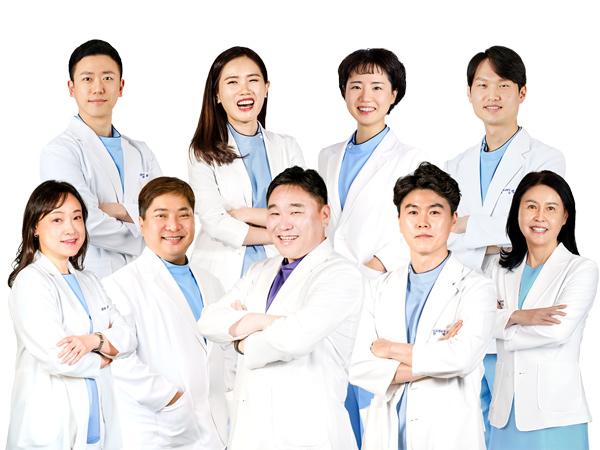
Healing Ophthalmology Clinic in Sinnonhyeon Station offers a range of state-of-the-art procedures to correct and enhance vision. Vision Correction Procedures LASIK Surgery: A popular refractive surgery to correct vision by reshaping the cornea using a laser. This procedure helps treat nearsightedness, farsightedness, and astigmatism. LASEK Surgery: Similar to LASIK, this procedure also reshapes the cornea to correct vision. LASEK is preferred for patients with thin corneas as it involves creating a thinner flap. SMILE Surgery: A minimally invasive procedure that uses a laser to create a disc-shaped piece of tissue within the cornea, which is then removed through a small incision. This procedure is for correcting myopia and mild astigmatism. Lens Implant Procedures ICL (Implantable Collamer Lens): This procedure involves implanting a Collamer lens inside the eye for those who are not suitable candidates for LASIK. It’s used to correct moderate to severe nearsightedness. Multifocal Lens Implants: Designed to correct presbyopia and provide a full range of vision from near to far distances. This procedure can reduce or eliminate the need for reading glasses or bifocals post-surgery. Cataract Surgery Premium Cataract Surgery: Uses advanced technology such as ZEISS SUITE & Z8 laser for ultra-precision surgery to remove the cloudy lens and replace it with a clear artificial lens. This procedure restores clear vision and can also correct other vision issues like astigmatism. Other Specialized Procedures Corneal Transplant: A surgical procedure to replace a damaged or diseased cornea with a healthy one from a donor. This is used to restore vision in patients with corneal disorders or injuries. With highly experienced medical professionals and the latest university hospital-level equipment, the Healing Ophthalmology Clinic ensures the best possible care and results.
learn more

Eye Plus Eye Clinic
Gangnam, Sinnonhyeon Station
Free consultation from the clinic
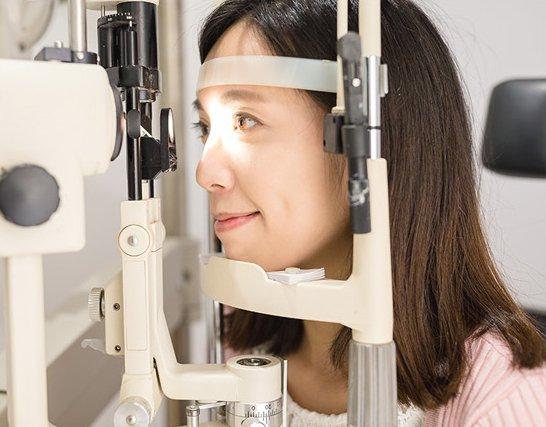
Eye Plus Eye Clinic, located in Gangnam Station, offers a range of specialized eye care services tailored to enhance your vision with high satisfaction rates and advanced medical technologies. Vision Correction Center Super SMILE LASIK: This minimally invasive procedure corrects refractive errors to achieve clearer vision. It boasts a 99% rate of achieving 1.0 vision or better based on recent statistics. Super LASEK: A surface ablation procedure that reshapes the cornea to correct vision, providing a safer option for those with thin corneas. It requires a longer recovery time compared to LASIK but offers excellent results. Super LASIK: This advanced LASIK surgery provides quicker recovery and reduced discomfort compared to traditional LASIK procedures. It is ideal for those seeking fast visual recovery and enhanced precision. Implantable Collamer Lens (ICL): This procedure involves the insertion of a lens implant in front of the natural lens to correct myopia, hyperopia, and astigmatism. It is a great alternative for individuals who are not candidates for LASIK due to high prescriptions or thin corneas. Corneal Cross-Linking (CXL): This treatment strengthens a weakened cornea by increasing collagen cross-links within the corneal tissue. It is often used to halt the progression of keratoconus and other corneal disorders. Revision Surgery Center Revision Surgery: For patients who need correction after initial refractive surgery, specialized treatments are provided to enhance or fully restore vision. It involves a thorough evaluation to determine the best appropriate revision technique. Presbyopia Correction Center Presbyopia & Cataract Surgery: This center offers comprehensive treatments for presbyopia and cataracts, aiming to restore vision clarity and reduce dependency on reading glasses. Surgical options include advanced lens implant techniques and laser-assisted procedures. Multifocal Intraocular Lens (IOL) Implantation: This procedure involves implanting multifocal lenses to replace the eye's natural lens, providing a solution for both presbyopia and cataracts. It allows for clear vision at multiple distances. Presby-LASIK: A laser correction option designed to treat presbyopia by reshaping the cornea to improve near vision while maintaining distance vision. It is suitable for older patients who want to reduce reliance on reading glasses. General Treatment Center Glaucoma: Specialized care and treatments are provided for managing and controlling glaucoma to prevent vision loss. This includes medical, laser, and surgical options tailored to the patient's condition. Retinal Diseases: Comprehensive care for various retinal conditions such as macular degeneration, diabetic retinopathy, and retinal detachment. Advanced diagnostic tools and treatment protocols are used to ensure optimal outcomes. Dry Eye Syndrome: A variety of treatments are available to alleviate symptoms of dry eye, including medication, lifestyle adjustments, and advanced therapies such as LipiFlow. This aims to increase tear production and improve the quality of tears. The clinic ensures that each patient receives personalized care supervised by experienced medical professionals.
learn more

Gangnam Bright Smile Eye Clinic
Gangnam Station
Free consultation from the clinic
About Gangnam Bright Smile Eye Clinic At Gangnam Bright Smile Eye Clinic, we provide the best medical service to patients from all around the world, utilizing our top-notch technology and highly skilled medical staff. Validate our expertise through various media features and let us take care of your eye health with precision and care. Refractive Surgery SMILE SMILE (Small Incision Lenticule Extraction) is a minimally invasive laser vision correction surgery. It offers a shorter recovery time and less discomfort compared to traditional LASIK. LASEK LASEK (Laser-Assisted Sub-Epithelial Keratectomy) is a type of refractive surgery that reshapes the cornea to correct vision. This procedure is especially suitable for patients with thin corneas. Vision Correction ICL ICL (Implantable Collamer Lens) involves placing a lens inside the eye to correct myopia, hyperopia, and astigmatism. It is an alternative to laser vision correction for patients who may not be suitable candidates for LASIK or LASEK. Age-Related Vision Correction Presbyopia & Cataract This procedure involves surgical treatment for presbyopia and cataract removal to improve vision clarity. Advanced lens implants are used to restore youthful vision and reduce the need for glasses. For appointments or more information, please visit our website or contact us directly. Experience the best in eye care with Gangnam Bright Smile Eye Clinic.
learn more

Gangnam Blue Eye Clinic
Gangnam, Sinnonhyeon, Yeoksam Station
Free consultation from the clinic
Gangnam Blue Eye Clinic: Located in Gangnam Station, we offer patient-centered, expert eye care services to help you see a brighter, clearer world. Our experienced specialists use advanced techniques to treat various eye conditions. Glaucoma Glaucoma Surgery: This procedure involves techniques to reduce intraocular pressure and prevent further optic nerve damage. It is essential for preserving vision in patients with glaucoma. Presbyopia and Cataracts Laser Cataract Surgery: Utilizes laser technology to remove the cataract-affected lens and replace it with an artificial intraocular lens. This advanced method improves precision and recovery time. Artificial Lens Implantation: Involves replacing the natural lens of the eye with an artificial lens to correct vision issues related to aging, such as presbyopia and cataracts. This procedure helps restore clear vision and reduce the dependence on glasses. Vision Correction LASIK: A laser procedure that reshapes the cornea to correct refractive errors like myopia, hyperopia, and astigmatism. It offers a quick recovery and significant improvement in vision. LASEK: Similar to LASIK, but involves reshaping the cornea's surface rather than its inner layers. Suitable for patients with thinner corneas or higher risk profiles. Implantable Collamer Lens (ICL) Surgery: Involves inserting a biocompatible lens between the iris and natural lens to correct severe myopia, hyperopia, or astigmatism. An alternative for those who are not candidates for LASIK. Orthokeratology (Ortho-K): Uses specially designed contact lenses worn overnight to temporarily reshape the cornea for daytime clear vision. Beneficial for managing progressive myopia in children and adults. Retinal Diseases Age-Related Macular Degeneration (AMD) Treatment: Various treatments aimed at slowing or stopping the progression of AMD to preserve central vision. This may include medications, laser therapy, or injections. Diabetic Retinopathy Treatment: Includes laser treatments, injections, and surgical options to manage and prevent complications from diabetes-induced retinal changes. Early treatment is crucial for maintaining vision. Retinal Detachment Surgery: Urgent surgical intervention to reattach the retina and restore vision. Techniques may include vitrectomy, scleral buckling, or pneumatic retinopexy. Floaters Treatment: Involves techniques to reduce or eliminate visual disruptions caused by floaters in the vitreous humor. Treatment options can vary depending on severity and discomfort. Gangnam Blue Eye Clinic is dedicated to providing comprehensive and personalized eye care, ensuring our patients receive the best possible outcomes.
learn more