
Medical Tourism Blog
Korea Tip Asymmetry Solutions: Tip Plasty Procedures for Balanced Nasal Tip Correction
Table of contents
- Tip Plasty: The Medical Procedure Explained
- The Medical Tourist's Journey: Tip Plasty in South Korea
- Which Are the Best Clinics in Korea for Tip Asymmetry?
- Patient Experiences and Outcomes: Addressing Tip Asymmetry with Tip Plasty
- Conclusion
- References
Considering treatment in Korea? Everything you need to know e.g. — how to avoid scams, visas, interpreters, recovery tips — in our Medical Tourism Master Guide. Plan with confidence in minutes, not weeks!
Nasal tip asymmetry, sometimes described as an "uneven nasal tip shape," involves a visible imbalance between the two sides of the nasal tip in terms of form, size, or alignment. You might notice one side droops lower, giving the appearance of uneven nostrils or even affecting your breathing. Underlying this asymmetry are usually issues with the lower lateral cartilages (LLCs), which ideally should be symmetrical. If these cartilages are misaligned or structurally compromised, both the look and the function of the nose may be impacted. This condition highlights the importance of a detailed, preoperative assessment—identifying exactly where and why the asymmetry exists, whether vertically or horizontally, as this can point to different causes and needed treatments. If the irregularity physically blocks the airway, surgery is typically necessary because medications simply can't resolve a structural blockage.
Moreover, realizing that breathing trouble could be due to nasal tip asymmetry (and not just congestion or allergies) helps patients seek advice from the right specialists. This means surgery may offer relief not only cosmetically but also functionally, broadening the scope of the treatment's benefit.
Common Pseudonyms and Related Nasal Irregularities
People searching for solutions to "uneven nasal tip shape" might find a variety of terms online, each describing particular irregularities:
- Asymmetric Tip: Implies internal cartilage irregularities.
- Asymmetric Nostrils / Uneven Nostril Sizes: Often due to caudal septum deviation or misplaced medial crura.
- Deviated Nose / Crooked Nose: The entire nose doesn’t align with the face’s center, frequently involving cartilage or bone deviation.
- Bulbous Tip: A rounded, wide tip that may look asymmetrical if one side is more pronounced.
- Bifid Tip: Characterized by a split in the middle of the tip owing to displaced cartilages.
- Broad Tip: Simply a wide nasal tip.
- Amorphous Tip: Features a broad, dome-like arch.
- Droopy Tip / Hooked Tip / Aquiline Nose: The tip points down; can become uneven if only one side droops.
- Collapsed Lobule with Valve Collapse: Impacts both the nose's look and breathing.
- LLCs Asymmetric: Directly refers to the lower lateral cartilages being excessively skewed.
This diversity of descriptions highlights the complexity of nasal anatomy and why a tailored diagnostic and surgical approach is crucial. Root causes vary—from previous surgeries to natural cartilage differences—so your surgeon’s expertise in diagnosis and planning is vital for long-lasting, symmetrical results.
Underlying Causes of Nasal Tip Asymmetry: Structural and Functional Considerations
Most nasal tip asymmetries stem from structural issues inside the nose, which might also cause breathing difficulties. Key contributors include:
- Primary LLC Problems: The lower lateral cartilages shape the tip and can cause asymmetries if twisted, uneven, too wide, or concave. “Bossa”—weak, curled cartilage—can also distort the tip.
- Deviated Septum: A deviation, especially near the nostrils (caudal) or farther up (dorsal), can shift supporting cartilage, causing visible tip asymmetry and breathing issues. Addressing both the tip and the septum is often necessary for success.
- Extrinsic Factors: Nasal bones, upper lateral cartilages, or the maxilla can skew tip alignment, especially if injured or naturally asymmetrical.
- Other Factors: Congenital issues, trauma, old injuries, surgery, and even aging can shift cartilage and make the nose less symmetrical.
While many problems are visibly in the tip, septal deviation is often the main culprit—making a thorough, nose-wide assessment essential before planning surgery.
Tip Plasty: The Medical Procedure Explained
What is Tip Plasty? Differentiating it from Full Rhinoplasty
Tip plasty, also called nasal tip plasty or nose tip surgery, is a focused procedure to reshape only the nasal tip—refining its contour, size, or angle—without changing the bony nasal bridge or sidewalls. Compared to full rhinoplasty (which alters the whole nose), tip plasty is less invasive and typically designed for people whose primary concern is the tip. While it might relieve minor breathing issues, it won’t reduce overall nose size. Your surgeon will advise whether tip plasty alone is appropriate or if a comprehensive rhinoplasty is a better fit for your needs.
Detailed Surgical Techniques and Approaches
Tip plasty uses a mixture of methods to reshape the tip:
- Open Approach: Uses a small incision between the nostrils, lifting the skin for better visibility—ideal for complex modifications. A minor scar is usually well-hidden.
- Closed Approach: Incisions are hidden inside the nostrils, with less swelling and quicker healing. It’s suitable for minor changes but gives less visibility.
Once inside, your surgeon might:
- Reshape Cartilage with Sutures: Precisely placed stitches can narrow, define, or lift the tip.
- Cartilage Grafting: Adds structural support using cartilage from your own septum, ear, or rib. Examples include columellar strut grafts for support, lateral crural onlays for severe asymmetry, and septal extension grafts for tip projection.
- Cartilage Resection/Repositioning: Removes or shifts cartilage to refine shape.
- Advanced Techniques (like TRICK-TIP): Allow precise modification while preserving key tip support structures.
The exact technique depends on your cartilage integrity and facial features, best determined after your nasal structure is fully matured (usually over 18 years old).
Potential Risks and Complications of Tip Plasty
Although generally safe, tip plasty carries certain risks:
- Infection, bleeding, scarring, or skin irregularity
- Asymmetry (may need revision surgery)
- Temporary or permanent numbness/tingling
- Breathing problems if internal changes narrow airways
- Reactions to anesthesia
- Prolonged or permanent skin discoloration, swelling, or sensitivity
- Rarely, injury to nerves or deeper tissues, blood clots, or septal perforation
A detailed consultation discussing these risks ensures you make a well-informed choice.
Recovery Process and Timeline
Recovery from tip plasty is typically shorter than for a full rhinoplasty:
- Days 1-7: Swelling peaks, pain is managed with medication, and the head should be elevated. Packing (if used) and splints/stitches come out around one week.
- Weeks 2-3: Major swelling and bruising fade. Most people return to work and normal activities.
- Months 1-3: At least 70-80% of swelling resolves, and tip shape gradually refines.
- Months 6-12 (or up to 18): Final results appear as the last swelling subsides.
Aftercare tips include avoiding alcohol/smoking, keeping the nose protected, minimal physical activity in the first weeks, and eating a nutrient-rich diet. You’ll need to avoid glasses on the nose for about a month and follow your surgeon’s hygiene instructions.
The Medical Tourist's Journey: Tip Plasty in South Korea
South Korea is a global leader in cosmetic nose surgery, attracting patients for its advanced techniques, detailed care, and cost-effectiveness.
The Process of Getting Tip Plasty in South Korea: A Step-by-Step Guide
The typical journey includes:
- Day 1: Arrive, check into accommodation near your clinic, and prepare all necessary documents (passport, visas, insurance, photos, confirmation of appointments).
- Day 2: Attend detailed, multi-specialist consultations using advanced imaging, finalize your surgical plan, and complete pre-op tests.
- Day 3: Undergo tip plasty (sometimes with additional procedures); expect general anesthesia and several hours for complex cases.
- Days 4-7: Focus on rest and follow all aftercare rules, with scheduled follow-ups and deswelling treatments as standard for Korean clinics.
- Days 8-14: Continued healing and stitch removal; plan to stay at least 7-10 days for aftercare.
- Day 15-16: Prepare to travel home with clear instructions for ongoing recovery and easy access to clinic staff if needed.
Many clinics offer language support, apps for tracking appointments, and premium aftercare packages to streamline your experience.
Cost Analysis: Tip Plasty in South Korea vs. Other Countries
South Korea offers tip plasty for $2,100–$6,000 USD, which is notably less than the United States ($7,000–$15,000) and close to Turkish prices ($2,700–$5,000), while often exceeding Thailand’s (from $1,299) in cost but not necessarily in service or expertise.
| Country | Tip Plasty Cost Range (USD) |
|---|---|
| South Korea | $2,100 - $6,000 |
| Turkey | $2,700 - $5,000 |
| United States | $7,000 - $15,000 |
| Thailand | From $1,299 |
Clinics in Seoul are known for cutting-edge care without compromising on safety or results, despite having lower prices than most Western countries.
Factors Influencing Cost and Potential Additional Expenses
The total cost depends on your surgeon’s experience, clinic location/reputation, the procedure’s complexity, and the anesthesia type. Be sure to ask about:
- Consultation fees
- Required pre-op testing
- Medications post-surgery
- Accommodation and local transport
- Interpreters (though many clinics include this)
- Aftercare services (e.g., IV therapy, LED light therapy)
- Emergency fund recommendations
- Medical insurance exclusions for cosmetic surgery
Transparency is key, so clarify everything included before committing.
What to Expect During Consultation and Post-Operative Care in South Korea
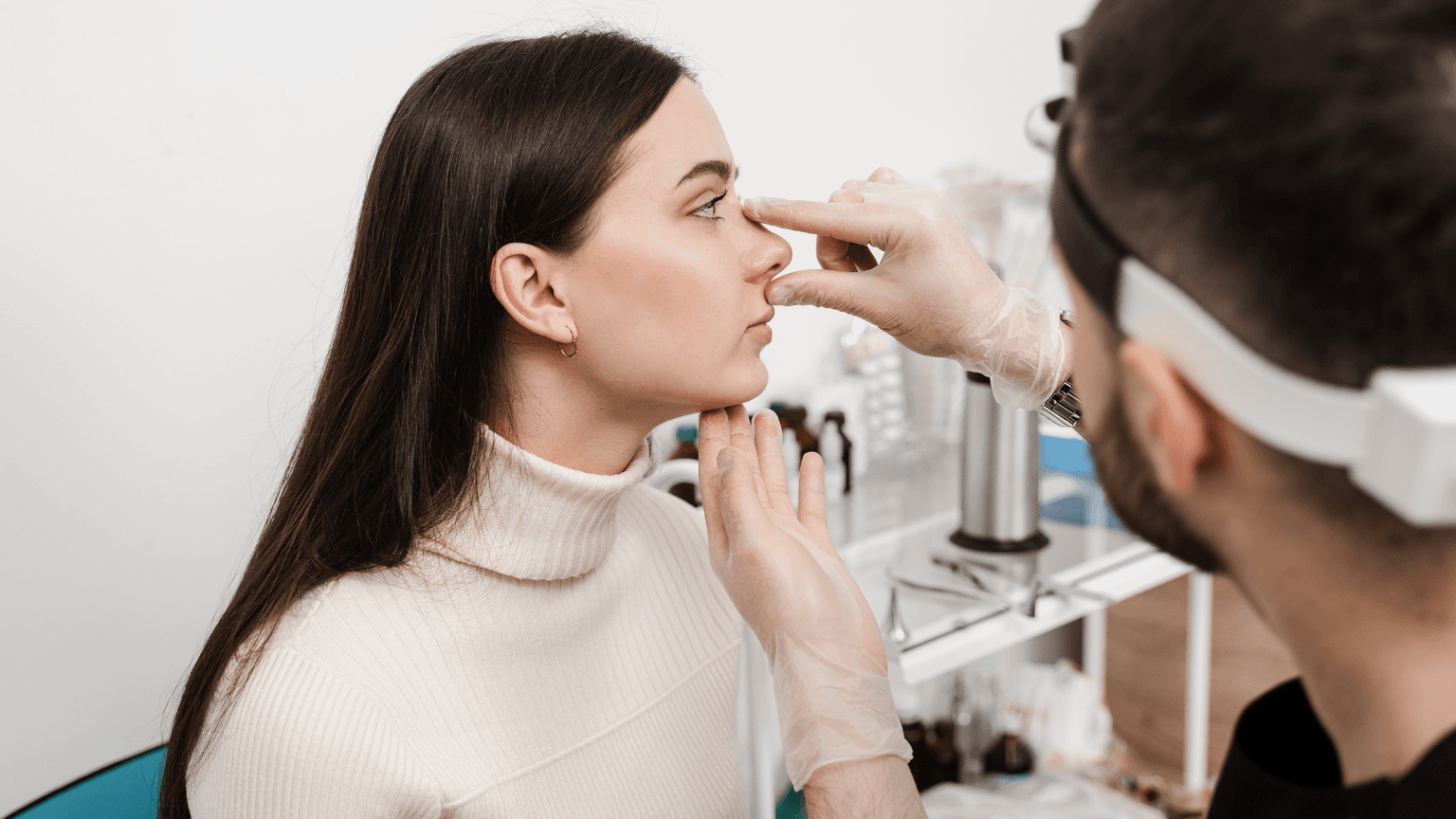
South Korean clinics are thorough, often employing:
- Several specialists per consultation, with 3D imaging and detailed outcomes discussion
- Comprehensive medical testing prior to surgery
- Patient education on both expectations and potential risks
After surgery, you’ll enjoy:
- Careful discharge planning and medication management
- Aftercare designed for fast healing—anti-swelling IV, LED therapy, scar management
- Language services and digital communication tools for international patients
Accommodations should be close to the clinic, and you may qualify for tax refunds on medical expenses as a foreigner.
Which Are the Best Clinics in Korea for Tip Asymmetry?
Listed below are some of the best clinics in Korea for tip asymmetry.
1. THEPLUS Plastic Surgery
For tip asymmetry, you can consider a rhinoplasty-focused approach that evaluates nasal shape alongside structural function and facial balance. Your care may be guided by surgeons whose work includes primary and revision rhinoplasty, academic teaching, and published rhinoplasty research.
- URL: THEPLUS Plastic Surgery Website
- Location: Gangnam-gu, Seoul
- Rhinoplasty expertise:
- Dr. Jeong Jae-yong authored "Rebuilding Nose: Rhinoplasty for Asians," which has Japanese and English editions.
- Dr. Kim Taek-kyun contributed rhinoplasty and revision-rhinoplasty chapters to "The 18 Masters of Korean Aesthetic Surgery."
- Both doctors contribute to rhinoplasty education and research through forums including the Seoul Rhinoplasty Forum, KSPRS, and IFAAS.
- Relevant options:
- Rhinoplasty is offered with an emphasis on nasal appearance, structural harmony, and function.
- Revision rhinoplasty is available for concerns following previous nasal surgery.
- Surgeon credentials:
- Dr. Kim is a board-certified plastic surgeon and has received research awards related to 3D implants.
- Dr. Jeong is described as President of the Korean Society of Plastic Surgeons and regularly teaches other plastic surgeons.
2. Made Young Plastic Surgery
For tip asymmetry, you may consider a tailored rhinoplasty plan built from 3D-CT assessment of your nasal bones, septum, and asymmetry, with attention to stable internal support intended to help prevent tip drooping. The clinic also offers reconstruction and revision rhinoplasty, including complex revision work by Dr. Lee Byeong-hoe.
- URL: Made Young Plastic Surgery Website
- Location: Seocho-gu, Seoul
- Planning and tip support:
- 3D-CT analysis is used to assess the nasal bones, septum, and asymmetry for surgical planning.
- The approach considers your bridge, tip, columella, alar width, and overall facial proportions.
- The clinic describes using materials and techniques intended to create a stable internal nasal structure and maintain tip shape over time.
- Complex rhinoplasty:
- Dr. Lee Byeong-hoe is described as having more than 20 years of exclusive rhinoplasty experience.
- His work includes complex nasal reconstruction and revision cases, including reported revisions up to an eighth operation.
- Dorsal hump correction and tip refinement may use osteotomy and autologous rib grafts.
- Safety and aftercare:
- Full-time board-certified anesthesiologists are on site, with one-to-one anesthesiology monitoring described for procedures.
- A separate aftercare center provides post-procedure care.
- The clinic states that procedures have CCTV coverage for transparency.
3. Okay Plastic Surgery Clinic
For tip asymmetry, you can seek an individualized rhinoplasty assessment focused on refining the nasal tip and balancing related features such as the bridge and nostrils. The clinic also lists care for difficult rhinoplasty and revision cases, which may be relevant if you have had prior nasal surgery.
- URL: Okay Plastic Surgery Clinic Website
- Location: Gangnam-gu, Seoul
- Relevant rhinoplasty options:
- Nose tip surgery is offered to refine tip shape.
- Nose bridge surgery and nostril reduction are available when additional nasal proportions need to be addressed.
- Revision rhinoplasty is available, including for difficult cases.
Patient Experiences and Outcomes: Addressing Tip Asymmetry with Tip Plasty
Tip plasty consistently delivers both aesthetic and functional improvements for those with nasal tip asymmetry—leading to greater confidence and satisfaction.
Addressing Aesthetic and Functional Concerns
Tip plasty is highly effective at correcting specific structural issues like uneven tips, bulbous or boxy tips, droopy or hooked tips, and nostril asymmetry. Many patients report not just improved appearance but also relief from prior breathing difficulties, especially when the tip asymmetry affected airflow.
Impact on Confidence and Quality of Life
Patients frequently share increased self-confidence and comfort with their appearance after tip plasty. Enhanced facial harmony can significantly boost overall well-being, making everyday interactions more enjoyable and comfortable.
Long-Term Results and Patient Satisfaction
The improvements from tip plasty are built to last, though your nose will continue to mature and subtly change with age. Most swelling and reshaping complete within a year, but tip refinement can sometimes take up to 18 months. Patient testimonials commonly highlight satisfaction with the natural look and functional benefits.
Conclusion
Nasal tip asymmetry is a structural issue, often rooted in cartilage or septal deviations that can affect both appearance and breathing. Tip plasty offers a tailored, effective solution with a focus on the nasal tip, providing lasting results and often a boost in quality of life. South Korea stands out as a leading destination for this procedure, blending expert care with cost efficiency and comprehensive patient support. Most importantly, patients report positive transformations—both in their look and their confidence—underscoring tip plasty’s life-improving potential.
References
1, 2, 3, 4, 5, 6, 7, 8, 9, 10, 11, 12, 13, 14, 15, 16, 17, 18, 19, 20, 21, 22, 23, 24, 25, 26, 27, 28, 29, 30, 31, 32
Frequently Asked Questions
Related Blogs
Korea vs. Global Standards: A Comprehensive Cost Analysis of Cleft Rhinoplasty in Medical Tourism Destinations
Explore the cost of cleft rhinoplasty in Korea, a popular destination for medical tourism due to its advanced surgical techniques and competitive pricing. Discover factors influencing the overall expense, from hospital fees to post-operative care, and what makes Korea a top choice for this specialized procedure.
Updated: Oct 21, 2026

Philtrum Reduction Costs: Choosing Korea Over the USA, Mexico, Turkey & More for Expert Care
Discover the affordability and benefits of Philtrum Reduction Surgery in Korea, a popular destination for high-quality cosmetic procedures. Explore cost factors, surgeon expertise, and why Korea is a top choice for those considering this transformative surgery.
Updated: Oct 21, 2026
Discovering the True Value: Sinus Surgery Costs in Korea Compared to Global Options
Discover the affordable options for sinus surgery in Korea, a leading destination for medical tourists seeking quality care. Learn about the factors influencing costs and what patients can expect from their experience in this highly advanced healthcare system.
Updated: Oct 21, 2026
Non-Implant Rhinoplasty in Korea: Cartilage Grafts, Recovery, Travel Planning, and Alternatives
Non-implant rhinoplasty reshapes the nose using septal, ear, or rib cartilage, with surgical or injectable and open or closed approaches and possible septal or nasal-valve correction. International patients can find guidance on candidate screening, material-specific consent, Korea stays of 10–21 days, travel timing, recovery, and follow-up.
Updated: Oct 16, 2026
Clinics offering Tip Plasty

THEPLUS Plastic Surgery Korea | Eye, Nose, Face & Body Surgery
Sinsa

Made Young Plastic Surgery: Rejuvenating Aesthetic Excellence in Korea for Face Lifts, Contouring and More
Gangnam Station

Okay Plastic Surgery Clinic in Korea: Comprehensive Aesthetic Procedures with Sincerity and Care
Cheongdam

Banobagi Plastic Surgery: A Pioneering and Trusted Plastic Surgery Clinic in Korea
Seolleung