
Medical Tourism Blog
Nasal Drainage Treatment in Korea: Rhinitis Surgery Solutions for Lasting Relief
Table of contents
- Rhinitis Surgery: Detailed Procedures for Lasting Relief
- Navigating Rhinitis Surgery in South Korea: Process and Cost Considerations for Medical Tourists
- Which Are the Best Clinics in Korea for Nasal Drainage?
- Patient Experiences and Outcomes Following Rhinitis Surgery for Nasal Drainage
- Conclusion
- References
Considering treatment in Korea? Everything you need to know e.g. — how to avoid scams, visas, interpreters, recovery tips — in our Medical Tourism Master Guide. Plan with confidence in minutes, not weeks!
Nasal drainage, a frequent and often bothersome symptom, can arise from a wide array of conditions. For those searching the internet about "excess mucus drainage," understanding the different ways it appears and its possible triggers is an important first step in getting it under control.
Nasal drainage, also known medically as rhinorrhea or more commonly as a runny nose, happens when there’s too much mucus produced and released from the nasal passages. When this mucus runs down the back of the throat, it’s referred to as postnasal drip. This symptom is well-known for prompting persistent throat clearing and can be accompanied by a variety of related issues. Terms like “runny nose” or “postnasal drip” all refer to different aspects of nasal drainage you might encounter online.
Diverse Causes of Excess Mucus Drainage
The causes of nasal drainage span a long list, making accurate diagnosis essential for treatment. The most common triggers are allergies, infections (such as the common cold, flu, or sinusitis), and environmental irritants like fumes, perfumes, cleaning products, or smoke. Less commonly, things like a deviated septum, specific medications, a foreign object stuck in the nose (especially among children), sudden weather shifts, and even some foods can cause these symptoms. Additionally, medical conditions such as gastroesophageal reflux disease (GERD) or swallowing problems might look like postnasal drip because of fluid buildup in the throat. Because nasal drainage can come from so many different causes, understanding the reason behind your symptoms is crucial to finding the right solution.
Associated Symptoms and Impact
Nasal drainage doesn’t just mean extra mucus. It frequently leads to congestion, chronic or nighttime cough, sore or scratchy throat, repeated sinus or ear infections, and sometimes nausea. For those with allergic rhinitis, additional telltale symptoms include frequent sneezing, prominent nasal obstruction, or even anosmia (loss of smell) in severe instances. These effects can significantly interfere with sleep, exercise, social life, and productivity—ultimately motivating many people to seek more permanent, even surgical, solutions. Addressing these broader impacts is often a primary goal of care.
Interpreting Mucus Color
Mucus color can give you clues about what’s causing your nasal drainage:
- Clear mucus: Usually normal, but can happen early on with allergies, a cold, or irritation.
- White mucus: Slightly thicker; seen with mild irritation or infection, or in response to dry air, smoke, or pollution.
- Yellow mucus: Often points to a bacterial infection, such as sinusitis, where antibiotics might be necessary.
- Green mucus: Suggests a more serious infection, either viral or bacterial; the green hue reflects the body's immune response. Seek medical attention if fever is present.
- Red mucus: Means there’s some bleeding, usually harmless but can sometimes indicate something serious. If other worrying symptoms appear, see a doctor.
- Brown mucus: Can result from dried blood or pollution; if ongoing or accompanied by other symptoms, consult a physician.
- Black mucus: Rare, and could mean a fungal infection or extreme smoke/pollution exposure; urgent medical attention is recommended.
When to Seek Medical Advice
With so many possible causes and outcomes, it’s wise to consult a medical professional if you notice blood in postnasal drip, develop a fever, if the drainage smells bad, is accompanied by wheezing, is severe, or just doesn’t go away after ten days. An ENT doctor’s thorough evaluation is especially helpful if you’re considering anything beyond standard treatment options.
Rhinitis Surgery: Detailed Procedures for Lasting Relief
When medications and conservative measures don’t solve chronic nasal drainage and its associated symptoms, surgery may become an option. Over recent years, surgical techniques have grown increasingly advanced and minimally invasive, offering real hope for lasting improvement.
When is Surgery Considered for Rhinitis?
Surgery for rhinitis is usually considered only after medical management has failed—meaning drugs like antihistamines, corticosteroids, saline rinses, and even allergy shots haven’t helped enough. The main goal is relief of persistent symptoms and improved function, all to boost your quality of life. Today’s techniques, such as minimally invasive endoscopic approaches, focus on precisely targeting anatomical problems or nerve signals that trigger symptoms, helping patients heal more comfortably and faster than before.
Key Surgical Procedures for Rhinitis and Nasal Drainage
There’s no single approach—choice of procedure depends on what’s underlying the “excess mucus drainage." Here are some of the most common surgical options:
Functional Endoscopic Sinus Surgery (FESS)
FESS is widely used for serious sinus problems. Surgeons use a thin endoscope inserted through the nostrils to clear blockages like polyps or inflamed tissue, opening natural drainage paths and restoring better airflow. Advanced image guidance helps increase precision. Most patients feel major improvement with less pain and a shorter recovery (about one week for many people).
Balloon Sinuplasty
This evening less invasive treatment uses a small balloon to gently widen sinus passages, improving drainage without removing any tissue. This office-based option works well for those with mild blockages and minimal downtime—many resume regular activities within 24 hours. ClariFix takes this further by applying cryotherapy to nerve endings in the nose, quickly calming inflammation with fast recovery.
Septoplasty
Septoplasty repairs a deviated nasal septum, straightening the cartilage and bone to open up blocked passages. This helps improve breathing, ease congestion, and may help other allergy treatments work better. Patients usually return to work after four to seven days, with much of the healing over in four to six weeks.
Turbinate Reduction (Turbinoplasty)
When enlarged turbinates (tissue inside the nose) cause trouble, procedures like radiofrequency ablation or submucosal reduction (sometimes called turbinectomy) are used. These reduce nasal congestion, help with sleep apnea, and can lessen snoring, with most patients resuming normal routines in a week.
Posterior Nasal Nerve (PNN) Ablation / Vidian Neurectomy
By disrupting nerve signals responsible for excessive mucus production, PNN ablation or Vidian neurectomy can dramatically reduce symptoms—especially in cases of chronic non-allergic rhinitis. PNN ablation is usually quick and done in-office, with minimal recovery. Guidelines recognize it as effective when medications haven’t worked.
Adenoidectomy
Adenoidectomy removes enlarged adenoids, mainly in children, helping with chronic infection, blocked breathing, and chronic rhinitis or post-nasal drip. Recovery is generally manageable, with rest and comfort care helping kids bounce back within a week.
General Risks and Potential Complications of Rhinitis Surgery
While benefits are substantial, some risks remain—though they’re uncommon. These include:
- Bleeding: Some is normal, rarely needing intervention.
- Recurrence: Surgery controls, but may not “cure,” conditions like sinusitis or polyps. Ongoing medication or additional procedures might be needed.
- Infection: Rare, but possible. Prevented with antibiotics.
- Cerebrospinal Fluid (CSF) Leak: Extremely rare, due to the sinuses' proximity to the brain. Quickly identified and typically repairable.
- Visual Problems: Very rare, but include double vision, vision loss, or watery eyes.
- Smell or Taste Changes: Uncommon but possible.
- Nasal Dryness and Crusting: Rare—sometimes develops after turbinate reduction, causing “Empty Nose Syndrome.”
- Numbness: Of front teeth, upper lip, or the nose, especially after septoplasty.
- Septal Perforation: A potential risk during septoplasty.
- Voice Change: Changes to resonance are rare.
- Common Post-Op Symptoms: Temporary congestion, fatigue, or discharge are to be expected and usually pass as healing progresses.
Navigating Rhinitis Surgery in South Korea: Process and Cost Considerations for Medical Tourists
South Korea has become a top destination for medical tourism, known for high-quality care, modern technology, skilled surgeons, and significantly lower costs versus many Western countries.
The Process of Undergoing Rhinitis Surgery in South Korea
South Korea’s medical tourism services are designed for easy navigation:
- Clinic Selection: Research accredited ENT clinics with strong reputations.
- Preoperative Consultation: Clinics offer online or in-person assessments, detailing your health background, risks, results, and possible approaches—sometimes at discounted or no cost.
- Visa and Documentation: Medical visas (generally up to a 90-day stay) require supporting documents; some can use K-ETA for entry.
- Financial Arrangements: A deposit of $200–$500 is common; always get a detailed quote upfront.
- Surgery Day: Most procedures are outpatient or involve only one night in the hospital.
- Post-Operative Care: Plan a 7–10 day stay for follow-up and recovery.
- Logistics and Budgeting: Factor in airfare, accommodation, local transport, food, travel insurance, and personal needs. Some clinics offer packages including airport transfers and hotel stays.
Cost Analysis: Rhinitis Surgery in South Korea vs. Other Countries
South Korea’s pricing is competitive—often up to 70% less than in the USA or Australia—even after travel expenses.
| Procedure Type | South Korea (USD) | USA (USD) | Australia (USD) | India (USD) | Turkey (USD) | Thailand (USD) | Mexico (USD) |
|---|---|---|---|---|---|---|---|
| Septoplasty | $2,000 - $5,000 | $3,500 - $12,000 | - | $2,500 - $3,500 | $2,627 - $4,622 | $2,477 - $4,631 | $2,500 (fixed) |
| FESS (Sinus Surgery) | $2,000 - $10,000 | - | $167 - $2,851 | $5,500 - $6,200 | $1,500 - $2,500 | $1,500 - $2,500 | $1,507 - $1,756 |
| Turbinate Reduction | (Included) | - | - | - | $1,435 - $2,500 | - | - |
| Posterior Nasal Nerve Ablation | $11,500 - $13,850 | ~$7,000 (RFA) | - | - | $7,000 (RFA) | - | - |
| Rhinoplasty (General) | $4,000 - $6,000 | $11,000 - $22,000 | $12,000 - $20,000 | - | $2,500 - $5,000 | $10,938 | $5,000 - $12,000 |
Costs are approximate and vary based on case complexity, surgeon, and clinic reputation; some surgeries like turbinate reduction may be bundled.
Even adding travel, South Korea’s cost advantage is clear. For example, general rhinoplasty there averages $4,000–$6,000, compared to $11,000–$22,000 in the US.
Additional Cost Considerations for Medical Tourists
Plan for:
- Consultation Fees: $50–$150 per visit (sometimes free).
- Pre-Surgical Tests: $100–$300 (bloodwork, scans, etc.).
- Post-Op Medications: $50–$200.
- Accommodation: $50–$200 per night (or up to $300 for medical hotels).
- Transportation: $100–$300 for local travel.
- Post-Surgical Care Services: $50–$150 per session (extras like massage or skin treatments).
- Interpreter Services: $30–$100 per hour.
- Follow-Up Visits: If returning home early, ensure your home country has continuing care options.
- Emergency Fund: Set aside at least $1,000 for surprises.
South Korea’s medical tourism experience stands out by integrating pre-op assessment, logistics, and after-care, adding extra value well beyond price.
Which Are the Best Clinics in Korea for Nasal Drainage?
Listed below are some of the best clinics in Korea for nasal drainage.
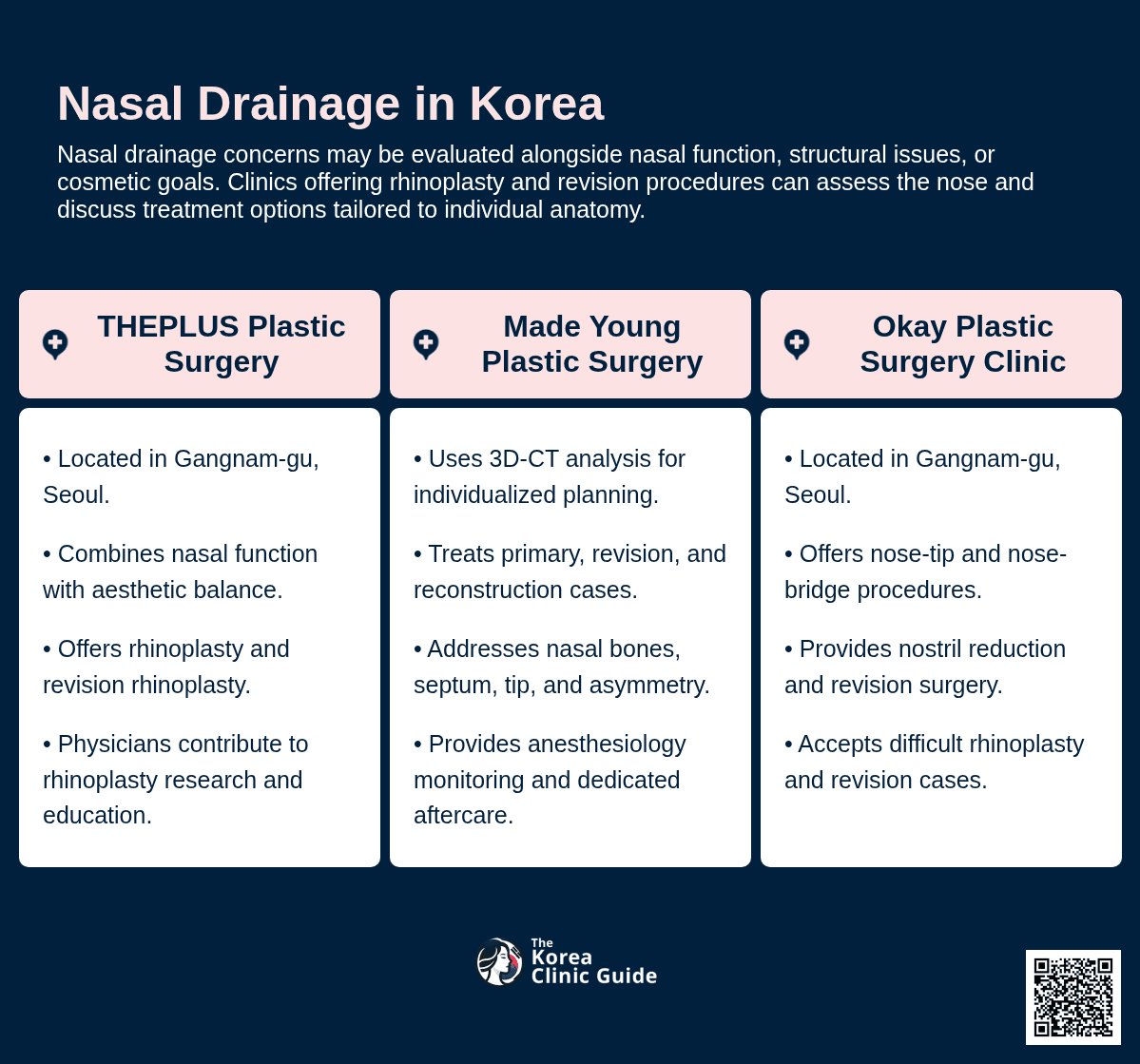
1. THEPLUS Plastic Surgery
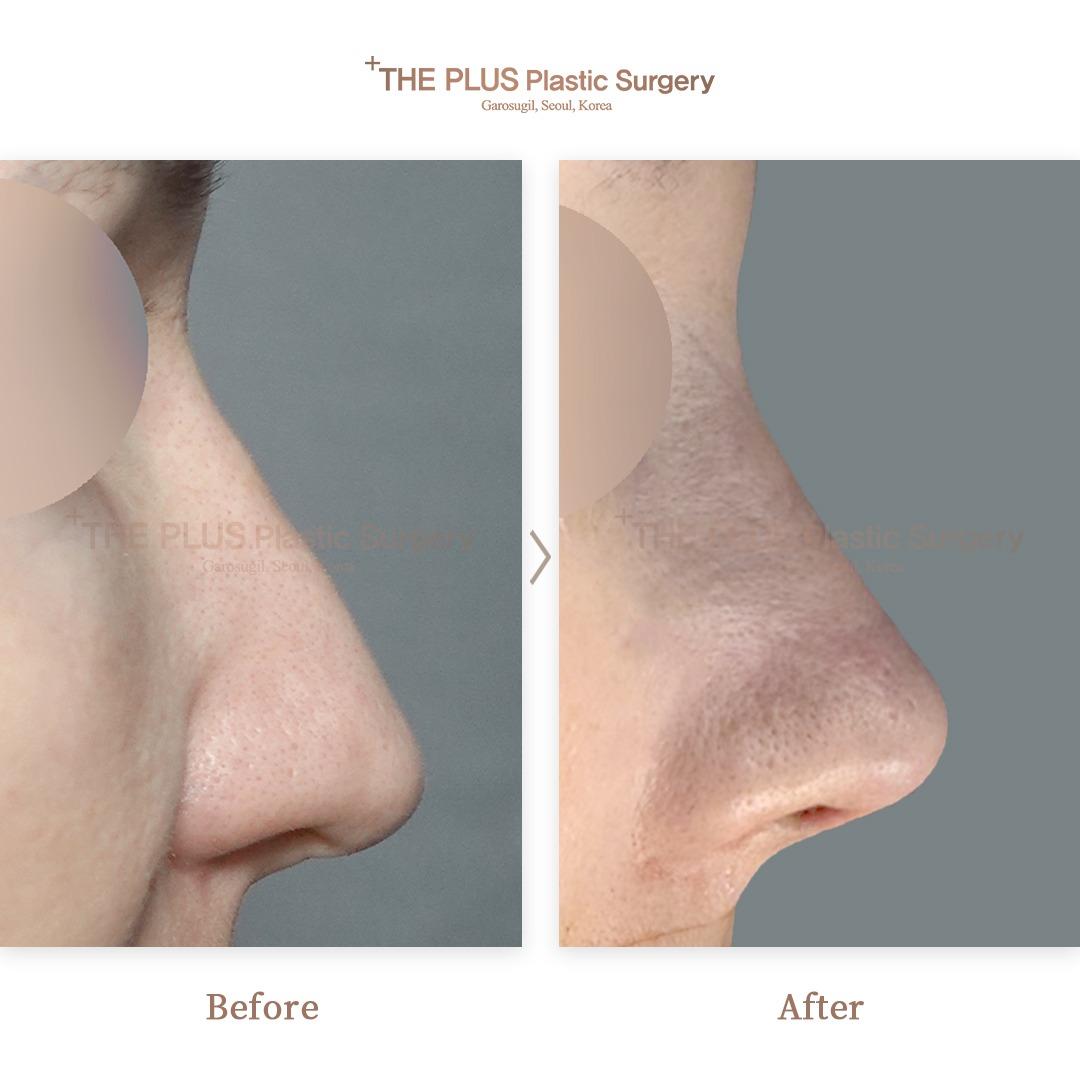
If your nasal-drainage concerns are being considered alongside nasal shape or structural issues, you can discuss rhinoplasty and revision rhinoplasty at THE PLUS Plastic Surgery, where the clinic describes an approach that combines nasal function with aesthetic balance.
- URL: THEPLUS Plastic Surgery Website
- Location: Gangnam-gu, Seoul
- Nasal expertise:
- Dr. Jeong Jae-yong focuses on combining function and beauty in rhinoplasty.
- Dr. Kim Taek-kyun is a board-certified plastic surgeon whose published work includes rhinoplasty and revision rhinoplasty.
- The clinic offers rhinoplasty and revision rhinoplasty, with revision work described as aiming to restore a more stable nasal structure.
- Professional roles:
- Dr. Jeong has served as President of the Korean Society of Plastic Surgeons and participates in rhinoplasty education and professional conferences.
- Dr. Jeong and Dr. Kim have contributed to rhinoplasty publications, research, and international surgical education.
2. Made Young Plastic Surgery
At Made Young Plastic Surgery, you can explore rhinoplasty or reconstruction-focused options when nasal drainage concerns coexist with nasal structural or cosmetic issues; the clinic uses 3D-CT analysis of the nasal bones, septum, and asymmetry to plan surgery.
- URL: Made Young Plastic Surgery Website
- Location: Seocho-gu, Seoul
- Procedure planning:
- 3D-CT analysis is used to assess nasal bones, the septum, and asymmetry for surgical planning.
- The clinic describes techniques and materials intended to create a stable internal nasal structure and help maintain tip support.
- Planning is tailored to your nasal bridge, tip, columella, alar width, and overall facial proportions.
- Complex nasal surgery:
- Dr. Lee Byeong-hoe is described as having more than 20 years of exclusive rhinoplasty experience.
- Available nasal procedures include rhinoplasty, revision rhinoplasty, reconstruction rhinoplasty, and removal of prior nasal implants.
- The clinic describes experience with complex revision cases, dorsal-hump correction, tip refinement, osteotomy, and autologous rib grafting.
- Perioperative support:
- Board-certified anesthesiologists are on site, with one-to-one anesthesiology monitoring described during procedures.
- A dedicated aftercare center is available for post-procedure care.
3. Okay Plastic Surgery Clinic
Okay Plastic Surgery Clinic offers rhinoplasty options, including nose-tip, bridge, and nostril procedures, if you are evaluating nasal shape or prior nasal surgery alongside concerns about nasal drainage. The clinic also states that difficult rhinoplasty and revision cases are available.
- URL: Okay Plastic Surgery Clinic Website
- Location: Gangnam-gu, Seoul
- Nasal procedures:
- Rhinoplasty services include nose-tip surgery, nose-bridge surgery, nostril reduction, and revision procedures.
- The clinic lists difficult rhinoplasty cases and revision rhinoplasty among its available services.
Patient Experiences and Outcomes Following Rhinitis Surgery for Nasal Drainage
Research and real-world accounts confirm that rhinitis surgery brings meaningful relief for nasal drainage and its related symptoms. However, it’s important to be aware that surgery manages symptoms; ongoing care may still be needed for some.
Efficacy of Surgical Interventions
Studies covering more than 1,400 patients show a 50% improvement in Total Nasal Symptom Scores after surgery. Conditions like nasal congestion, rhinorrhea, and postnasal drip are especially improved. Turbinate reduction and posterior nasal nerve ablation both have high success, with the latter particularly effective against nasal itching and post-nasal drip. For example, RhinAer led 96% of patients to note improvement at six months. Compared to medications alone, these surgical options consistently offer striking benefits for those with stubborn symptoms.
Real-World Patient Testimonials
Patients often describe major positive changes after procedures like Balloon Sinuplasty, reporting rapid recovery, new energy, and far fewer limitations on work, exercise, and social engagement. Many express relief at “getting their life back,” free from the embarrassment and fatigue of chronic nasal problems. For many, better sleep, easier breathing, and relief from lingering discomfort are the most life-changing aspects.
Potential for Recurrence and Long-Term Management
Surgery is typically a management tool, not a cure—meaning chronic sinusitis or nasal polyps can eventually return. Some patients need continued medications or revision surgeries down the line, though usually in less severe forms. Rarely, certain turbinate procedures can lead to longer-term dryness and crusting (secondary atrophic rhinitis, or Empty Nose Syndrome), which are difficult to treat. Continued follow-up is vital to monitor healing, spot any recurrence, and keep quality of life high over time.
Conclusion
Nasal drainage, commonly searched for as "excess mucus drainage", is a symptom with many underlying causes—ranging from allergies to structural nasal problems. While medications often help, a range of minimally invasive surgical techniques exist for those who need more lasting relief. South Korea offers top-quality, affordable care and a streamlined medical tourism process, making it a practical choice for rhinitis surgery. Though surgery is highly effective, long-term management and realistic expectations are important for sustained improvement.
References
1, 2, 3, 4, 5, 6, 7, 8, 9, 10, 11, 12, 13, 14, 15, 16, 17, 18, 19, 20, 21, 22, 23, 24, 25, 26, 27, 28, 29, 30, 31, 32, 33, 34, 35, 36, 37, 38, 39, 40, 41
Frequently Asked Questions
Related Blogs
Korea vs. Global Standards: A Comprehensive Cost Analysis of Cleft Rhinoplasty in Medical Tourism Destinations
Explore the cost of cleft rhinoplasty in Korea, a popular destination for medical tourism due to its advanced surgical techniques and competitive pricing. Discover factors influencing the overall expense, from hospital fees to post-operative care, and what makes Korea a top choice for this specialized procedure.
Updated: Oct 21, 2026
Philtrum Reduction Costs: Choosing Korea Over the USA, Mexico, Turkey & More for Expert Care
Discover the affordability and benefits of Philtrum Reduction Surgery in Korea, a popular destination for high-quality cosmetic procedures. Explore cost factors, surgeon expertise, and why Korea is a top choice for those considering this transformative surgery.
Updated: Oct 21, 2026
Discovering the True Value: Sinus Surgery Costs in Korea Compared to Global Options
Discover the affordable options for sinus surgery in Korea, a leading destination for medical tourists seeking quality care. Learn about the factors influencing costs and what patients can expect from their experience in this highly advanced healthcare system.
Updated: Oct 21, 2026
Non-Implant Rhinoplasty in Korea: Cartilage Grafts, Recovery, Travel Planning, and Alternatives
Non-implant rhinoplasty reshapes the nose using septal, ear, or rib cartilage, with surgical or injectable and open or closed approaches and possible septal or nasal-valve correction. International patients can find guidance on candidate screening, material-specific consent, Korea stays of 10–21 days, travel timing, recovery, and follow-up.
Updated: Oct 16, 2026
Clinics offering Rhinitis Surgery

THEPLUS Plastic Surgery Korea | Eye, Nose, Face & Body Surgery
Sinsa

Made Young Plastic Surgery: Rejuvenating Aesthetic Excellence in Korea for Face Lifts, Contouring and More
Gangnam Station

Okay Plastic Surgery Clinic in Korea: Comprehensive Aesthetic Procedures with Sincerity and Care
Cheongdam

Banobagi Plastic Surgery: A Pioneering and Trusted Plastic Surgery Clinic in Korea
Seolleung