
Medical Tourism Blog
Implant Extrusion Solutions: Revision Rhinoplasty and Nose Implant Procedures in Korea
Table of contents
- Executive Summary
- Understanding Nasal Implant Extrusion
- Medical Procedures for Nasal Reconstruction
- The Patient Journey: Revision Rhinoplasty and Nose Implants in South Korea
- Which Are the Best Clinics in Korea for Implant Extrusion?
- Cost Analysis: Medical Tourism for Nasal Procedures
- Patient Experiences and Outcomes for Implant Extrusion
- Conclusion
- References
Considering treatment in Korea? Everything you need to know e.g. — how to avoid scams, visas, interpreters, recovery tips — in our Medical Tourism Master Guide. Plan with confidence in minutes, not weeks!
Executive Summary
Nasal implant extrusion—where a nasal implant becomes exposed or shifts position after rhinoplasty—is a serious complication that typically requires revision rhinoplasty. This intricate surgery addresses both the functional and aesthetic issues caused by implant extrusion, most often through implant removal and nasal reconstruction using the patient's own cartilage.
Understanding Nasal Implant Extrusion
What is Nasal Implant Extrusion?

Nasal implant extrusion is when a previously placed implant—typically silicone or another synthetic material—pushes out or moves from its intended position in the nose, becoming exposed through either the external skin or the inner nostril lining. It's a noticeable issue for both patients and doctors.
Commonly called "implant extrusion," this term differs from others like "rhinoplasty," "nasal valve collapse," or "saddle nose deformity" which refer to either the surgery, fixable nasal function problems, or a result of injury. Proper terminology is key in avoiding confusion and communicating clearly with medical professionals.
Recognizing the Signs: Symptoms and Warning Indicators
Early signs of nasal implant extrusion often include skin thinning over the implant and noticeable redness. If unchecked, these can progress to an implant that visibly pokes through the nose’s skin or lining, especially at the tip or inside the nasal cavity. While implant extrusion at the nose tip is easier to spot, extrusion inside the nasal cavity may go unnoticed for longer, leading to more difficult repairs later.
Why Does Extrusion Occur? (Detailed Causes)
Implant extrusion is a complex issue resulting from multiple factors:
Surgical Factors: Poor implant selection (for example, using an implant that's too large, thick, or the wrong shape), improper placement, or historical use of higher-risk options like L-shape silicone implants all increase the risk for extrusion.
Mechanical Stress and Tissue Compromise: Excessive tension from the implant on nasal tissues, combined with thin or damaged skin (especially in those with prior surgeries), and external pressure (from touching or accidental impact) all contribute to extrusion.
Biological Responses: Inflammation or infection thins and weakens facial skin, while previous surgeries produce scar tissue that can alter blood supply and tissue integrity, raising the risk for extrusion.
The condition often develops gradually through this combination of factors, and prevention relies on meticulous surgical technique and thorough aftercare.
Medical Procedures for Nasal Reconstruction
Nose Implant (Primary Rhinoplasty): An Overview

Rhinoplasty, the surgical reshaping of the nose, addresses both cosmetic concerns (improving appearance and symmetry) and functional issues (such as nasal obstruction or defects). Alterations may involve bone, cartilage, skin, or all three.
For nasal augmentation, surgeons use either autologous grafts (from the patient's own cartilage or tissue) or synthetic alloplastic implants.
Autologous Grafts: Sourced from the patient's own body, usually septum, ear, or rib cartilage, these have low risks of rejection and infection and look and feel natural. However, they require a donor site, can be less structurally rigid (if from septum or ear), and may shift, resorb, or warp over time.
Alloplastic Implants:
- Silicone is easy to shape and affordable but more prone to shift, feel unnatural, and carries higher infection or extrusion rates, especially if L-shaped.
- Gore-Tex (e-PTFE) encourages tissue stability and has lower infection/extrusion rates, but comes at a higher cost.
- Medpor is precise and integrates well, ideal for thick skin or ethnic rhinoplasty.
- PMMA is durable and customizable but can trigger reactions.
Autologous grafts are recommended for revision or at-risk cases due to their natural compatibility and reduced complication risks.
Table 1: Comparison of Nasal Implant Materials
| Material Type | Description/Source | Key Benefits | Disadvantages/Considerations | Common Uses/Suitability |
|---|---|---|---|---|
| Autologous Cartilage | Patient's cartilage (septum, ear, rib) | Minimal rejection, natural feel, versatile | Requires donor site, possible warping/resorption, sometimes too soft | Primary/revision augmentation, ethnic |
| Autologous Bone | Patient's own bone (skull, rib) | Strong, stable, low infection | Less malleable, requires donor site | Major defects, structural support |
| Dermofat | Tissue from buttock cheeks | Soft, natural appearance | Long swelling, not for high augmentation | Nasal bridge augmentation |
| Silicone | Synthetic polymer | Easy shaping, removal, inexpensive | Migration/displacement, visibility, higher infection/extrusion risk | Historically popular, declining use |
| e-PTFE (Gore-Tex) | Porous synthetic | Biocompatible, stable, natural feel | More expensive | Nasal dorsum augmentation |
| Medpor | Porous high-density polyethylene | Precisely sculpted, good integration | May need cartilage combination | Ethnic rhinoplasty, thick skin |
| PMMA | Durable synthetic polymer | Customizable, long-lasting | Potential foreign body reaction | Custom implants |
Revision Rhinoplasty: Correcting Previous Outcomes
Revision rhinoplasty (or secondary rhinoplasty) addresses unsatisfactory results from prior surgeries, including aesthetic or breathing issues, or complications like implant extrusion.
It's more complex due to scar tissue and altered anatomy, requiring advanced surgical skill. Indications include implant shifting, projection/extrusion, improper placement, nasal tip deformations, contracture, infection, or unsatisfying shape and height.
Surgical techniques, individualized to the defect, may involve:
- Implant removal and replacement (favoring autologous tissues)
- Cartilage grafting from rib, ear, or septum
- Nasal valve repair
- Scar and tissue revision
- Open or closed approaches, with open providing broader access for complex cases
Typically, patients are advised to wait at least 6 months—preferably up to 18 months—between surgeries to ensure full healing.
For extrusion cases, a staged approach is common: removing the implant, a healing pause (often two weeks), and then reconstruction using the patient's own tissue—a safer method, especially if infection is suspected.
The Patient Journey: Revision Rhinoplasty and Nose Implants in South Korea
South Korea is a leading hub for cosmetic rhinoplasty, with a patient journey that emphasizes comprehensive care from inquiry to recovery.
Initial Consultation and Pre-Surgical Planning
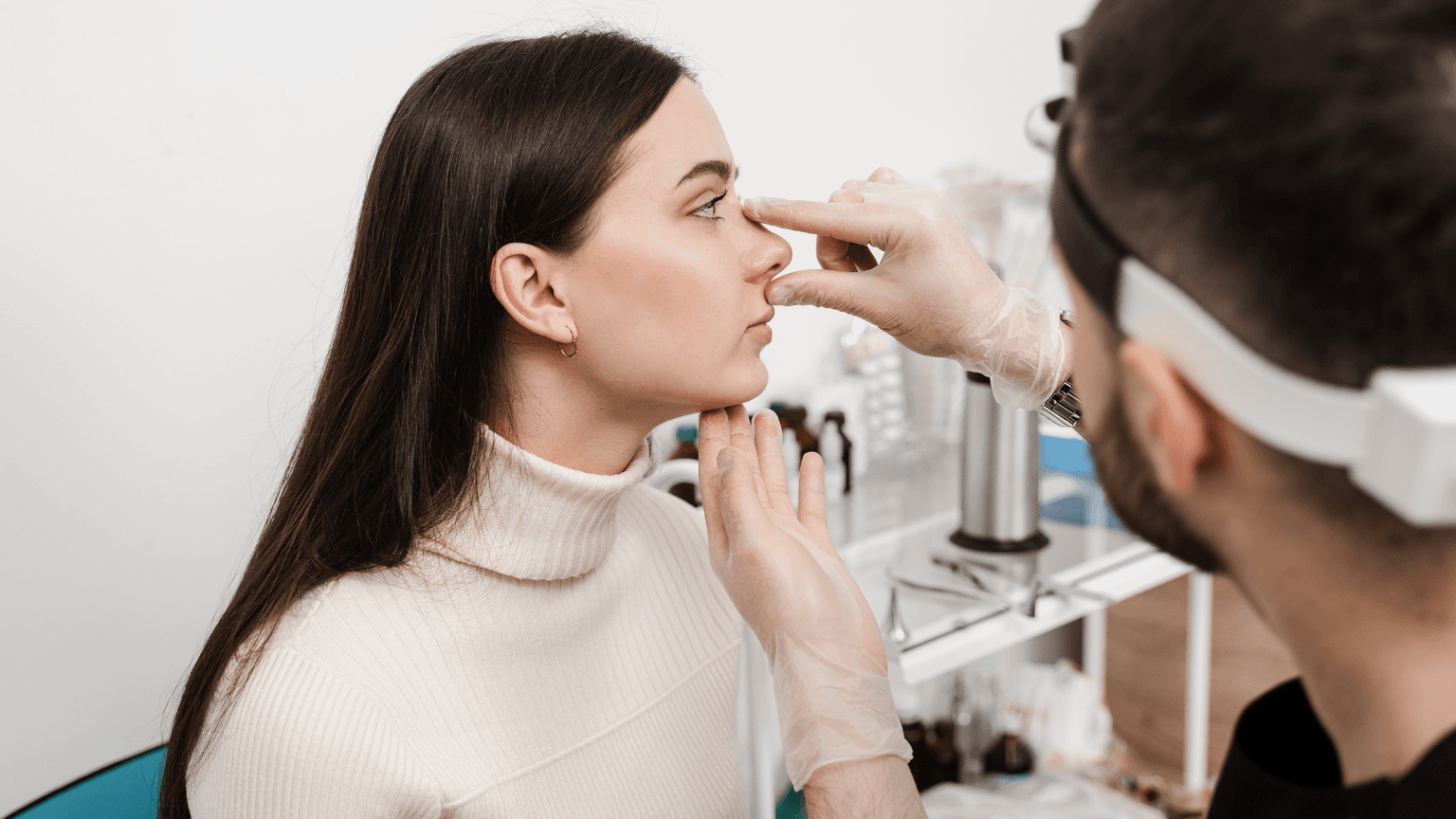
International patients often begin with free online consults, submitting photos and discussing their goals. Diagnostics like CT scans and airflow tests, along with physical exams and medical history reviews, are vital for personalized surgical planning. Pre-op tests (EKG, blood, urine, X-ray) are done 1-2 days before surgery to ensure safety.
Travel and Accommodation Considerations
Patients should arrive 2 days pre-surgery for major procedures, 1 day for minor ones. Clinics often assist with airport transfers and offer or recommend specialized accommodation—sometimes recovery hotels with medical staff. Bringing a caregiver is wise, and practical packing (button-downs, scarves, contact lenses for glasses-wearers) is recommended.
This well-organized approach reflects South Korea’s dedication to providing a seamless and supportive experience for medical tourists.
The Surgical Day and Immediate Post-Operative Care
Strict instructions are given ahead of surgery: no smoking, alcohol, certain drugs, or supplements for six weeks, and thorough personal grooming is required. On surgery day, patients undergo the operation under general anesthesia, which can last 1.5–6 hours. Afterwards, monitoring and care (dressings and splints) help manage swelling and discomfort, and most patients return home the same day.
Recovery Timeline and Follow-Up
- Days 1-7: Swelling, bruising, congestion. Stitches out after about a week. Splints worn for up to 2 weeks.
- Weeks 2-3 to Month 1: Swelling and bruising fade. Light activities can resume, but tough activity and wearing glasses should be avoided.
- Months 3-12: Results refine gradually. Minor swelling may persist for up to a year, especially in complex revisions.
Follow-up is crucial, with clinics offering lymphatic massage and other recovery aids. Scar creams and nutritional supplements might also be recommended.
Which Are the Best Clinics in Korea for Implant Extrusion?
Listed below are some of the best clinics in Korea for implant extrusion.
1. THEPLUS Plastic Surgery
You may consider THEPLUS Plastic Surgery for implant extrusion concerns if you need revision rhinoplasty focused on restoring a more stable nasal structure while refining appearance. Its rhinoplasty team emphasizes the connection between nasal function and aesthetics, and the clinic lists revision rhinoplasty among its dedicated nasal procedures.
- URL: THEPLUS Plastic Surgery Website
- Location: Gangnam-gu, Seoul
- Rhinoplasty expertise:
- Dr. Jeong Jae-yong specializes in rhinoplasty and has authored “Rebuilding Nose: Rhinoplasty for Asians.”
- Dr. Kim Taek-kyun is a board-certified plastic surgeon whose published work includes chapters on rhinoplasty and revision rhinoplasty in “The 18 Masters of Korean Aesthetic Surgery.”
- Both doctors participate in rhinoplasty education and academic forums, including the Seoul Rhinoplasty Forum, KSPRS, and IFAAS.
- Revision focus:
- The clinic describes revision rhinoplasty as correcting concerns after previous nose surgery, with the aim of restoring a more stable nasal structure and refined appearance.
- Dr. Jeong’s stated practice philosophy combines functional and aesthetic considerations, which can be relevant when a prior nasal implant has caused structural concerns.
- Other relevant services: The clinic also offers primary rhinoplasty and facial implants, alongside facial contouring, eye surgery, lifting procedures, breast surgery, and liposuction.

2. Made Young Plastic Surgery
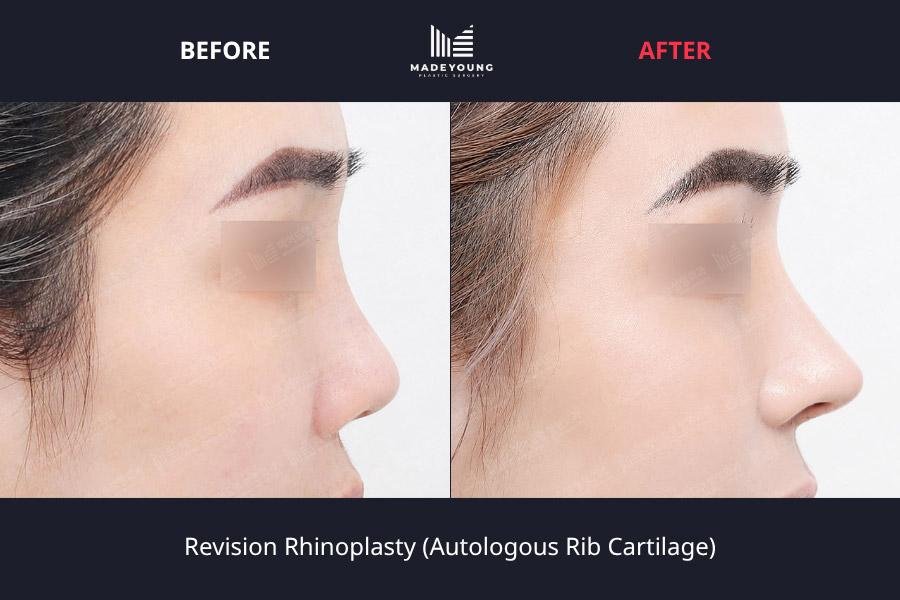
You may consider Made Young Plastic Surgery for implant extrusion if you need a meticulous revision approach that includes implant removal, capsule removal, and micro-dissection for scarred or previously damaged nasal tissue. The clinic specifically lists rhinoplasty implant removal, revision rhinoplasty, and reconstruction rhinoplasty among its nasal services.
- URL: Made Young Plastic Surgery Website
- Location: Seocho-gu, Seoul
- Procedure approach:
- The clinic describes precise dissection intended to minimize tissue damage in revision cases.
- Its stated techniques include micro-dissection, capsule removal, and implant removal.
- It notes experience managing complex cases involving scarring and tissue damage from prior surgery.
- Nasal services:
- Rhinoplasty implant removal is offered for previously placed nasal implants that require removal because of complications or as part of revision planning.
- Revision rhinoplasty addresses concerns after an earlier nose operation.
- Reconstruction rhinoplasty is listed for rebuilding nasal structure after injury or congenital concerns.
- Safety and care systems:
- The medical team provides direct consultation and diagnosis before procedures.
- Full-time board-certified anesthesiologists are on site, with one-to-one anesthesiologist monitoring described during procedures.
- The clinic describes emergency cross-check processes, procedure-area CCTV coverage, and a separate aftercare center.
3. LABOM Plastic Surgery
You may consider LABOM Plastic Surgery for implant extrusion when you want the cause clarified before revision: the clinic uses 3D CT-based assessment to distinguish implant malposition from contamination or infection and to evaluate cartilage, bone, skin, and possible functional issues. Its approach can include implant removal or replacement after diagnosis, with autologous cartilage and dermal grafts used when thinning nasal-tip skin needs reinforcement.
- URL: LABOM Plastic Surgery Website
- Location: Gangnam-gu, Seoul
- Evaluation before revision:
- The clinic evaluates implant position, nasal bone shape, cartilage condition, and the current implant location using 3D CT imaging.
- Assessment is intended to identify whether symptoms and appearance concerns stem from malposition, infection or inflammation, thinning skin, or structural problems such as a deviated septum or nasal-valve issue.
- Planning is individualized to your nasal proportions and contours rather than based only on visual appearance.
- Extrusion-related management:
- The clinic lists implant displacement, improper positioning, inflammation or infection, and thinning or overly prominent nasal-tip skin among the prior-rhinoplasty concerns it addresses.
- Implants may be removed and replaced as needed once the source of the problem is confirmed.
- Autologous cartilage grafts and dermal tissue grafts may be used to reinforce thinned nasal-tip areas.
- Redness, swelling, pain, or pus are described as symptoms requiring correction of the underlying cause; when inflammation or infection is present, it must be resolved before revision surgery.
- Timing and recovery:
- Revision is generally recommended after nasal tissues have stabilized, typically 6 to 12 months after the initial surgery, though timing depends on your condition.
- The clinic states that surgery takes about 1 to 2 hours under sleep sedation with same-day discharge.
- Stitches are generally removed at about 7 days, and the stated recovery period is about 7 to 14 days.
- Care planning:
- The clinic describes one-to-one customized consultation, anesthesia planning, and continuous monitoring.
- Post-operative care includes regular progress checks and structured programs for recovery, swelling, bruising, and scar management.
- It offers individualized aftercare plans, including a dedicated systematic aftercare system for international visitors.
Cost Analysis: Medical Tourism for Nasal Procedures
Typical Costs of Revision Rhinoplasty and Nose Implants in South Korea
- Revision Rhinoplasty: $4,500–$15,000 USD (extra $1,000–$2,000 if rib cartilage is used)
- Primary Rhinoplasty (with implant): $2,000–$8,000 USD
Closed: $2,500–$7,000
Open: $3,000–$12,000
Understanding What's Included (and What's Not)
Costs generally cover the surgeon, anesthesia, operating room, basic imaging/tests, and post-op essentials. Additional costs, often not included, may be for:
- Consultation fees ($50-$150)
- Extensive pre-surgical testing ($100-$300)
- Medications ($50-$200)
- Accommodation ($30–$300/night)
- Transportation ($100–$300)
- Recovery services, interpreter, or follow-up care
- Emergency fund (at least $1,000)
- Medical insurance (typically not covered unless for breathing issues)
South Korea vs. Global Medical Tourism Destinations: A Cost Comparison
| Country | Primary Rhinoplasty (USD) | Revision Rhinoplasty (USD) | Notes |
|---|---|---|---|
| USA | $7,600 - $15,000+ | $7,600 - $15,000+ | Surgeon’s fee only |
| UK | $8,200 - $13,700 | Not specified | General estimate |
| South Korea | $2,000 - $8,000 | $4,500 - $15,000 | Includes comprehensive care, advanced techniques |
| Turkey | $2,800 - $3,000 | $4,200 | Often all-inclusive |
| Thailand | $735 - $4,000 | $12,200 | Focus on accredited hospitals |
| Mexico | $3,000 - $5,000 | $3,300 | Close to USA, English-speaking doctors |
| Poland | $4,500 | $6,998 | EU standards, experienced surgeons |
| Lithuania | $2,400 - $3,200 | Not specified | Emerging medical tourism destination |
South Korea is not always the lowest-cost option but offers excellent value for complex revision cases, with advanced surgeons and full-spectrum patient support.
Budgeting for Your Medical Trip
Budget for consultation, tests, medications, lodging, transportation, aftercare, interpreters, follow-up, and an emergency fund. A thorough plan avoids surprises and ensures a smoother recovery.
Patient Experiences and Outcomes for Implant Extrusion
Expected Results and Realistic Expectations
Revision rhinoplasty significantly improves both the look and function of the nose after failed previous surgeries. The aim is substantial improvement—not perfection—given the challenges of re-operating on altered nasal tissues.
Success Rates and Factors Influencing Outcomes
On average, revision rhinoplasty has an 80% success rate, and even higher with skilled surgeons. Complication rates can be minimized with precise technique and proper grafting. Factors affecting success include severity of pre-existing issues, timing since previous surgery, graft type, surgical expertise, and patient compliance.
Addressing Complications and Ensuring Long-Term Satisfaction
Risks in revision rhinoplasty include persistent asymmetry, scarring, breathing issues, infection, and implant malposition. With silicone implants, staged procedures—removal first, healing, then reconstruction with autologous tissue—reduce complications, especially if infection was present. Following post-op instructions strictly is critical for best results.
Patient Testimonials and Case Examples
Patient stories reflect optimism and satisfaction after revision rhinoplasty—even in the challenging early recovery weeks. Success often comes from staged procedures and the considered use of autologous tissue, as seen in cases of severe extrusion where cartilage grafts successfully restore both form and function.
Conclusion
Nasal implant extrusion is a manageable complication when addressed with expert-led revision rhinoplasty. Autologous tissue grafts are preferred for their long-term safety and stability, especially in compromised noses. South Korea offers advanced techniques, skilled surgeons, and comprehensive patient care at competitive prices—making it a compelling destination for those needing revision rhinoplasty.
References
1, 2, 3, 4, 5, 6, 7, 8, 9, 10, 11, 12, 13, 14, 15, 16, 17, 18, 19, 20, 21, 22, 23, 24, 25, 26, 27, 28, 29, 30, 31, 32, 33, 34, 35, 36, 37, 38, 39, 40, 41, 42, 43, 44, 45
Frequently Asked Questions
Related Blogs
Korea vs. Global Standards: A Comprehensive Cost Analysis of Cleft Rhinoplasty in Medical Tourism Destinations
Explore the cost of cleft rhinoplasty in Korea, a popular destination for medical tourism due to its advanced surgical techniques and competitive pricing. Discover factors influencing the overall expense, from hospital fees to post-operative care, and what makes Korea a top choice for this specialized procedure.
Updated: Oct 21, 2026
Philtrum Reduction Costs: Choosing Korea Over the USA, Mexico, Turkey & More for Expert Care
Discover the affordability and benefits of Philtrum Reduction Surgery in Korea, a popular destination for high-quality cosmetic procedures. Explore cost factors, surgeon expertise, and why Korea is a top choice for those considering this transformative surgery.
Updated: Oct 21, 2026
Discovering the True Value: Sinus Surgery Costs in Korea Compared to Global Options
Discover the affordable options for sinus surgery in Korea, a leading destination for medical tourists seeking quality care. Learn about the factors influencing costs and what patients can expect from their experience in this highly advanced healthcare system.
Updated: Oct 21, 2026
Non-Implant Rhinoplasty in Korea: Cartilage Grafts, Recovery, Travel Planning, and Alternatives
Non-implant rhinoplasty reshapes the nose using septal, ear, or rib cartilage, with surgical or injectable and open or closed approaches and possible septal or nasal-valve correction. International patients can find guidance on candidate screening, material-specific consent, Korea stays of 10–21 days, travel timing, recovery, and follow-up.
Updated: Oct 16, 2026
Clinics offering Revision Rhinoplasty

THEPLUS Plastic Surgery Korea | Eye, Nose, Face & Body Surgery
Sinsa

Made Young Plastic Surgery: Rejuvenating Aesthetic Excellence in Korea for Face Lifts, Contouring and More
Gangnam Station

LABOM Plastic Surgery: Expertise in Non-Surgical Nose, Facial Lifting & Anti-Aging Surgeries in Korea
Apgujeong

Okay Plastic Surgery Clinic in Korea: Comprehensive Aesthetic Procedures with Sincerity and Care
Cheongdam