
Medical Tourism Blog
Hanging Columella Correction with Tip Plasty in Korea: Effective Solutions for a Balanced Nose Shape

Table of contents
- Tip Plasty: A Detailed Medical Procedure
- The Journey to South Korea: Getting Tip Plasty as a Medical Tourist
- Which Are the Best Clinics in Korea for Hanging Columella?
- Cost Analysis: Tip Plasty in South Korea vs. Global Destinations
- Patient Experiences and Outcomes: Addressing Hanging Columella with Tip Plasty
- Conclusions
- References
Considering treatment in Korea? Everything you need to know e.g. — how to avoid scams, visas, interpreters, recovery tips — in our Medical Tourism Master Guide. Plan with confidence in minutes, not weeks!
The nose’s appearance and function are closely tied to the columella, the narrow strip of tissue between the nostrils that extends from the nasal tip to the upper lip. When this structure sits lower than ideal or appears elongated, it’s called a "hanging columella." Visibly, this means the columella drops below the nostril rim, making the nasal tip look droopy or the nostrils overly exposed from the side. Typically, a "columella show" of more than 4 to 5 millimeters is considered drooping, though some experts say even 2 millimeters can be too much. The nasolabial angle—the angle between the columella and upper lip—is also important; a very steep or flat angle may signal columella drooping.
Common Pseudonyms
If you’re researching nasal aesthetics, you’ll find several terms for "hanging columella." Knowing these helps you find accurate information. Other names include "columella drooping," "columella ptosis," "excessive columellar show," and "columellar show."
| Term | Description |
|---|---|
| Hanging Columella | The main term for when the columella drops below the nostril rim. |
| Columella Drooping | A synonym, highlighting the downward shift. |
| Columella Ptosis | Medical term for drooping or prolapse of the columella. |
| Excessive Columellar Show | When too much columella is visible, usually more than 2-5mm from the side. |
Causes of Hanging Columella
A hanging columella can result from several factors, and knowing the cause is key to choosing the right treatment.
- Congenital or birth-related factors: Some people are born with a long septum or cartilage that grows at an unusual angle. For example, if the lower (caudal) septum is too long or the medial crura (middle nasal tip cartilage) curves in a "C" shape, the columella can be pulled downward, often becoming more noticeable during adolescence. Caudal septal deviations are a common cause and can also lead to tip ptosis (drooping nasal tip).
- Post-surgical or trauma-related factors: Previous rhinoplasty is a frequent cause, especially if too much cartilage was removed or supporting structures were misplaced. Scar tissue from healing or trauma can also deform the columella. Sometimes, uncorrected caudal deviations after septoplasty can cause ongoing tip instability.
- Other structural factors: Weak or flexible nasal cartilages may not support the tip well, and gravity or aging can worsen drooping. Loss of tissue elasticity and weak connective tissue can also contribute.
- Environmental and personal factors: Habits like smoking, poor nutrition, or frequent nose manipulation can hinder healing and worsen existing drooping, though they rarely cause it alone.
Distinguishing from "Pseudohanging Columella"
It’s important to tell the difference between a true "hanging columella" and a "pseudohanging columella." In pseudohanging columella, the columella is in a normal position, but the nostril rims are retracted—often from too much tissue removal during surgery—making the columella look like it’s hanging. This distinction matters because the surgical approach is different: true hanging columella is corrected by reshaping or shortening the columella, while pseudohanging columella requires fixing the nostril rims.
Accurate diagnosis is crucial. If the problem is an elongated septum or weak cartilage, surgery will focus on those areas. If it’s an illusion from retracted nostril rims, the focus shifts to the alar cartilages. That’s why a thorough consultation and detailed anatomical assessment are essential to avoid suboptimal results or the need for revision surgery.
The nose’s anatomy is interconnected, so issues like caudal septal deviations and cartilage abnormalities can cause both cosmetic and functional problems, such as nasal obstruction. Correcting these can be complex and may improve both appearance and breathing. Patients should discuss any breathing issues during their consultation, and it’s vital to choose a surgeon skilled in both aesthetics and function.
Many patients seeking correction for hanging columella are revision cases, which are more challenging due to scar tissue and altered anatomy. If your hanging columella is from previous surgery, expect a more complex procedure, possibly needing cartilage grafts. This highlights the importance of choosing an experienced surgeon for your first rhinoplasty to avoid complications that require difficult revisions later.
Tip Plasty: A Detailed Medical Procedure
What is Tip Plasty? (Focused vs. Full Rhinoplasty)
Tip Plasty, also called tipplasty or a "mini nose job," is a targeted surgery that reshapes only the lower third of the nose—mainly the tip and nostrils. Unlike full rhinoplasty, which changes the entire nose, Tip Plasty focuses on the cartilage at the tip, leaving the bony bridge untouched. This less invasive approach usually means faster recovery and less swelling.
Candidates for Tip Plasty
Tip Plasty is ideal for people mainly concerned with their nasal tip—whether it’s bulbous, drooping, or uneven. It can also help with breathing issues caused by the tip’s shape or position. Good candidates are generally healthy, over 18, and non-smokers. Any health conditions like diabetes or hypertension should be well-managed before surgery.
Detailed Surgical Techniques and Approaches
Tip Plasty involves several steps, starting with anesthesia and moving to precise cartilage reshaping.
Anesthesia
Tip Plasty can be done under local anesthesia with sedation (relaxed but awake) or general anesthesia (fully asleep), depending on the procedure’s complexity and patient preference.
Incisions
Surgeons use two main techniques:
- Open Technique: A small incision across the columella gives direct access for complex reshaping or revisions. This method allows for precise work but may leave a tiny external scar.
- Closed Technique (Endonasal): All incisions are inside the nostrils, so there’s no visible scar. However, access is more limited, making it better for simpler corrections. The choice depends on the needed changes and the surgeon’s recommendation.
Reshaping the Cartilage
Once inside, the surgeon reshapes the nasal tip cartilage using several methods:
- Trimming Excess Cartilage: For bulbous tips, extra cartilage is trimmed (often with a "cephalic trim") for a more refined look.
- Suturing Techniques: Fine sutures refine and reposition cartilage for better definition, projection, or symmetry.
- Grafting: If more support or reshaping is needed, cartilage grafts (usually from the septum, ear, or rib) are used. For hanging columella caused by a long or deviated caudal septum, septal cartilage grafts are common. After reshaping, incisions are closed with fine sutures for a natural result.
Recovery Process and Timeline
Tip Plasty recovery is usually quicker than full rhinoplasty, but following post-op instructions is key.
- First 1-2 Weeks: Expect swelling and bruising around the nose and eyes, which usually improves within two weeks. Pain is mild to moderate and manageable with medication. Sleeping with your head elevated helps reduce swelling. Dressings are applied, but splints or nasal packing are rarely needed. External stitches are removed after about two weeks, and most people can return to light activities within a week.
- 3-6 Months: The nose continues to heal, and swelling gradually decreases. Most swelling is gone after a month, but some may linger at the tip for several months. Avoid strenuous activities for a few weeks.
- Up to 1 Year: Final results can take up to a year as tissues settle. Recovery varies by person, so following your surgeon’s care instructions is crucial for the best outcome.
Potential Achievements of Nasal Tip Plasty
Tip Plasty can bring several improvements:
- Enhanced Symmetry: Corrects uneven or crooked tips for a more balanced nose.
- Size Alteration: Reduces or, in some cases, increases tip size for better proportion.
- Angle Adjustment: Changes the nasolabial angle to fix drooping or upturned tips.
- Improved Proportions: Refines the tip to balance the nose with other facial features.
- Lift and Repositioning: Lifts droopy tips for a more pleasing look.
- Addressing Functional Issues: Can improve breathing if tip shape or position is the cause.
Non-Surgical Alternatives
If you’re not ready for surgery, temporary non-surgical options exist:
- Fillers: Hyaluronic acid fillers can subtly contour the tip, add volume, or hide minor irregularities.
- Combined Techniques: Fillers may be used with barbed threads or botulinum toxin (BTX) for temporary improvements.
These options have minimal downtime but last only 6–12 months and may cause bruising, swelling, or rarely, infection. For lasting correction of hanging columella or tip deformities, surgery is usually the best choice.
The Journey to South Korea: Getting Tip Plasty as a Medical Tourist
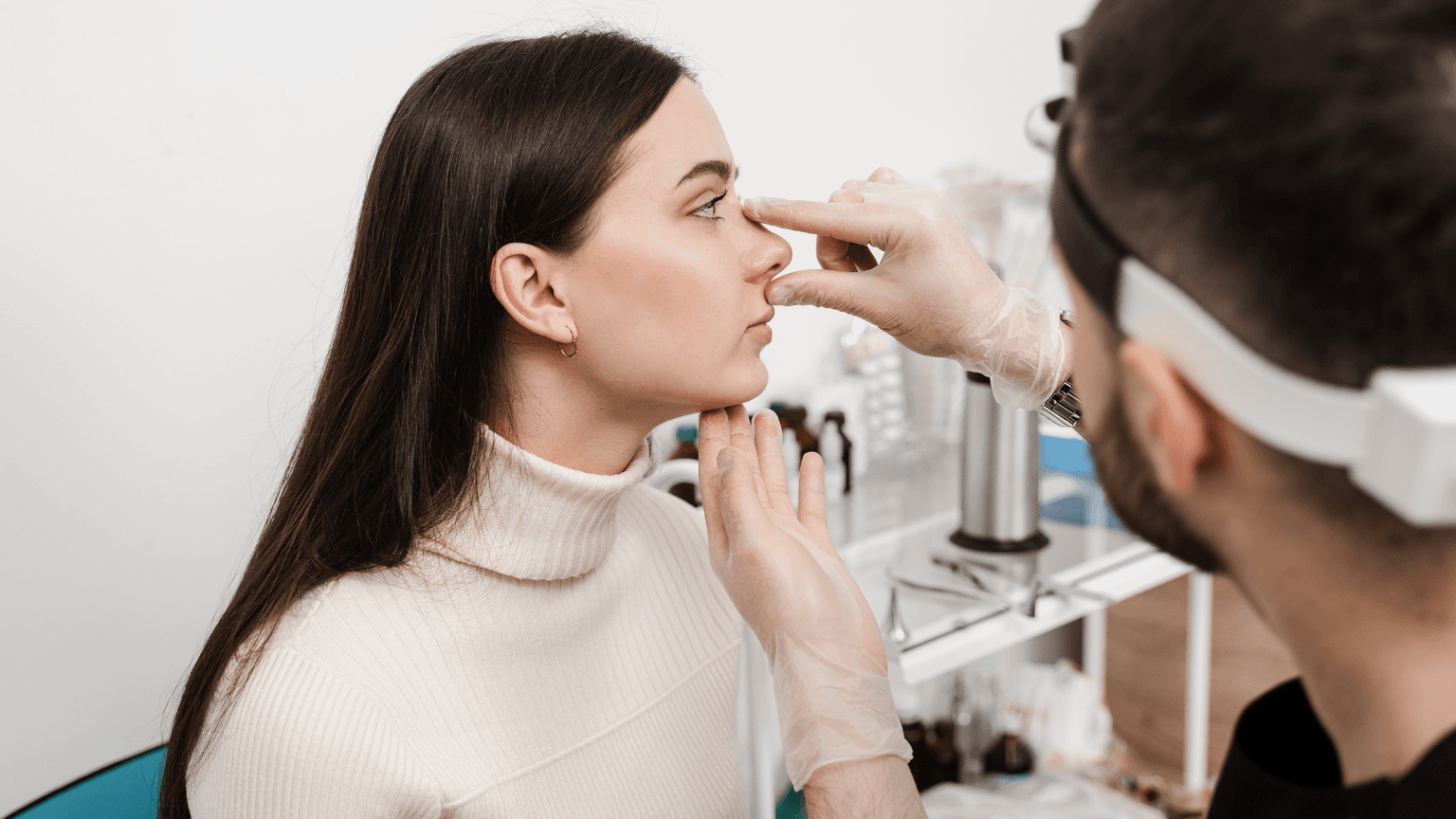
South Korea is a top destination for cosmetic surgery, with 114,000 foreign patients seeking plastic surgery in 2023. The country’s reputation comes from expert surgeons, advanced technology, strict safety standards, and a culture that values aesthetic excellence. Prices are often much lower than in Western countries, even after travel costs.
Why South Korea for Tip Plasty?
South Korea is known for precision and affordability in procedures like Tip Plasty. Clinics offer skilled surgeons, digital technology (like virtual try-ons and AI planning), and strong international patient support, including multilingual staff and patient managers.
Step-by-Step Process for International Patients
Initial Consultation and Planning
Most clinics offer virtual consultations for international patients. You’ll discuss your goals and concerns with a board-certified surgeon, who will assess your nose and create a personalized plan. It’s important to clearly communicate your desired results, especially if your aesthetic preferences differ from Korean beauty standards. Providing a translated medical history helps prevent medication issues.
Pre-Surgery Preparation
- Medication and Lifestyle: Avoid blood-thinning medications and supplements, stop smoking at least two weeks before, and avoid alcohol for three days prior. If you have fillers, dissolve them at least three days before surgery.
- Health Management: Continue prescribed medications for chronic conditions unless told otherwise.
- Physical Prep: Wash thoroughly and wear loose, button-up clothes on surgery day. Bring a hat and sunglasses to hide bruising.
- Mental Prep: Prepare questions, set realistic expectations, and consider bringing a support person.
During the Surgery
Tip Plasty is usually outpatient, taking 1–2 hours. You’ll receive either local anesthesia with sedation or general anesthesia.
Post-Operative Care and Recovery Stay
- Immediate Care: Swelling and bruising are normal and fade within two weeks. Pain is manageable, and sleeping with your head elevated helps.
- Recovery Duration: Most people resume normal activities in a week, but avoid strenuous activity for a month. The nose continues to heal for 3–6 months, with final shape visible after up to a year.
- Extended Stay: Plan to stay in Korea for at least 1–2 weeks for follow-up care. Many clinics offer nearby recovery accommodations.
Follow-up and Long-Term Healing
Regular follow-ups are essential to monitor healing. Full results are usually seen after 6–12 months.
Navigating the Medical Tourism Landscape
Choosing the Right Clinic
- Verify Accreditation: Look for global accreditation (e.g., International Joint Commission).
- Request References: Ask for feedback from other international patients.
- Use Digital Tools: Virtual consultations and AI simulations can help set expectations.
- Patient Mix: Clinics with both local and international patients often offer the best balance.
Language and Patient Support
- International Patient Managers: Help with communication and logistics.
- In-House Interpreters: Important for follow-up care.
- Direct Communication: Some clinics offer WhatsApp access to English-speaking coordinators.
Understanding Risks and Revision Policies
- Potential Complications: Discuss all risks.
- Revision Policy: Know the clinic’s policy on revisions and costs.
- Scar Management: Ask about treatments for scars, like laser therapy.
Timing Your Visit
Avoid peak times like Chuseok or Lunar New Year for more personalized care. Spring and fall offer ideal weather and less crowded clinics. Seoul’s climate can affect recovery, so plan accordingly.
Which Are the Best Clinics in Korea for Hanging Columella?
Listed below are some of the best clinics in Korea for hanging columella.
1. THEPLUS Plastic Surgery
For a hanging columella concern, you can discuss rhinoplasty planning at THE PLUS Plastic Surgery with surgeons whose work emphasizes nasal proportion, structural considerations, and the relationship between nasal appearance and function. Dr. Jeong Jae-yong and Dr. Kim Taek-kyun have particular rhinoplasty and revision-rhinoplasty experience, which may be relevant if you are seeking refinement after prior nasal surgery.
- URL: THEPLUS Plastic Surgery Website
- Location: Gangnam-gu, Seoul
- Rhinoplasty expertise:
- Dr. Jeong authored “Rebuilding Nose: Rhinoplasty for Asians,” also published in Japanese and English.
- Dr. Kim contributed rhinoplasty and revision-rhinoplasty chapters to “The 18 Masters of Korean Aesthetic Surgery.”
- Both doctors participate in rhinoplasty education and professional meetings including the Seoul Rhinoplasty Forum, KSPRS, and IFAAS.
- Surgeon considerations:
- Dr. Kim is a board-certified plastic surgeon and has received research awards related to 3D implants.
- Dr. Jeong’s practice approach combines functional and aesthetic nasal considerations.
- The clinic offers rhinoplasty and revision rhinoplasty.
- Other available care:
- Facial contouring options include cheekbone, square-jaw, chin, and facial-implant procedures.
- The clinic also lists eyelid surgery, facelift and thread-lift procedures, breast surgery, liposuction, and stem-cell treatment.
2. Made Young Plastic Surgery
For a hanging columella, Made Young Plastic Surgery describes a tailored rhinoplasty approach that evaluates the bridge, tip, columella, and nostril width in relation to your overall facial proportions. Its planning includes 3D-CT assessment of nasal bones, the septum, and asymmetry, while its structural approach is intended to support the nasal tip and help prevent later drooping.
- URL: Made Young Plastic Surgery Website
- Location: Seocho-gu, Seoul
- Procedure planning:
- 3D-CT analysis is used to assess nasal bone structure, the septum, and asymmetry for surgical planning.
- The clinic describes individualized planning around the nasal bridge, tip, columella, and alar width.
- Its rhinoplasty approach focuses on establishing a stable internal nasal structure and maintaining tip support over time.
- Rhinoplasty and revision care:
- Dr. Lee Byeong-hoe is described as having more than 20 years of exclusive rhinoplasty experience.
- The clinic lists rhinoplasty, revision rhinoplasty, reconstructive rhinoplasty, and nasal implant removal.
- Its stated expertise includes complex reconstruction and revision cases, dorsal-hump correction, nasal-tip refinement, osteotomy, and autologous rib grafting.
- Safety and aftercare:
- Full-time board-certified anesthesiologists are listed as on site, with one-to-one anesthesiologist monitoring during procedures.
- The clinic describes a cross-check emergency response system and CCTV coverage of procedures.
- A separate aftercare center provides post-procedure care.
3. Okay Plastic Surgery Clinic
For a hanging columella concern, you can explore rhinoplasty at Okay Plastic Surgery Clinic with an individualized plan that may combine nose-tip, bridge, or nostril refinement according to your needs. The clinic also lists difficult rhinoplasty and revision rhinoplasty, which may be relevant when a previous nasal procedure needs further assessment.
- URL: Okay Plastic Surgery Clinic Website
- Location: Gangnam-gu, Seoul
- Nasal procedures:
- Listed rhinoplasty services include nose-tip surgery, nose-bridge surgery, and nostril reduction.
- Revision rhinoplasty is available, including for difficult rhinoplasty cases.
- Additional facial services:
- The clinic also offers double-eyelid and eye-correction procedures, under-eye surgery, and eye-surgery revision.
- Facial lifting options include facelift surgery, mini lift surgery, endoscopic forehead lift, thread lifting, and laser lifting.
Cost Analysis: Tip Plasty in South Korea vs. Global Destinations
South Korea is a leading destination for cosmetic procedures, offering high-quality care at competitive prices.
Cost of Tip Plasty in South Korea
Tip Plasty in South Korea typically costs ₩3,300,000 to ₩5,500,000 KRW, or about $2,800 to $4,700 USD. Prices vary by procedure complexity and clinic reputation, with top surgeons and prime locations costing more.
What is Typically Included in the Cost
Many clinics offer all-inclusive packages, which often cover:
- Pre-operative consultations and planning
- Medical exams and tests
- The surgical procedure (surgeon’s fees, anesthesia, facility charges)
- Post-operative hospital stay (if needed)
- Medications, dressings, and follow-ups
- Translator services
Some clinics include accommodation and extra care, but always confirm what’s included. Additional costs may apply for facility fees (15–20%), anesthesia ($300–800), recovery accommodation, or cartilage grafts. A 10% deposit is common.
Factors Influencing Cost
- Surgeon’s experience and reputation
- Clinic location
- Procedure complexity
- Type of anesthesia
- Package inclusions
Comparison with Other Countries
- South Korea: $2,800–$4,700 USD
- United States: $4,750–$14,225 USD (often excludes extras)
- Mexico: $2,700–$3,600 USD (research accreditation carefully)
- Turkey: $2,500–$4,500 USD (rhinoplasty; Tip Plasty may be less)
- Thailand: $1,036–$8,877 USD (rhinoplasty)
- Australia: $4,900–$8,400 USD
- United Kingdom: $5,600–$10,700 USD
South Korea offers significant savings—often 40–75% less than the US or UK—while maintaining high standards and comprehensive support.
Financial Considerations for Medical Tourists
Budget for:
- Flights and accommodation
- Extra appointments
- Medications and aftercare
- Companion costs
- Unforeseen expenses
- Visa fees and travel insurance
Cosmetic procedures like Tip Plasty are usually not covered by insurance. Some clinics offer payment plans or medical credit, and tax refunds (about 5%) may be available for international patients.
Patient Experiences and Outcomes: Addressing Hanging Columella with Tip Plasty
Patients who have Tip Plasty to correct a hanging columella often see big improvements in both appearance and self-confidence.
Impact of Tip Plasty on Hanging Columella
Tip Plasty aims to reduce columella show and lift the nasal tip. Techniques include trimming excess cartilage, repositioning with sutures, or using grafts. For example, a 38-year-old patient unhappy with his "droopy tip and hanging columella" saw a significant improvement a year after surgery. Revision rhinoplasty can also deproject the tip and create a more balanced look.
Addressing Functional and Aesthetic Concerns
Correcting a hanging columella can also improve breathing, especially if issues like caudal septal deviation are involved. One patient with severe sinus issues and a "hanging columella" reported much better breathing after surgery. The procedure can enhance facial harmony by lifting a droopy tip.
Psychological and Quality of Life Improvements
Fixing nasal deformities can boost self-esteem and reduce social anxiety. Many patients feel more confident and satisfied with their appearance after surgery, sometimes describing the change as life-changing. Improved breathing and appearance together can greatly enhance quality of life.
Realistic Expectations and Recovery
While results are generally positive, patients should expect some swelling and bruising for up to two weeks, with final results taking up to a year. Minor pain or sensitivity may last for weeks. Open rhinoplasty may leave a small scar, but most procedures result in minimal scarring. Following post-op care instructions and being prepared for emotional adjustment are important for a smooth recovery.
Conclusions
Correcting a "hanging columella"—also known as "columella drooping" or "columella ptosis"—can bring both aesthetic and functional benefits. Accurate diagnosis is essential, as true and pseudohanging columella require different surgical approaches. Tip Plasty offers a focused, less invasive solution with a typically faster recovery, and South Korea stands out for its expertise, advanced facilities, and competitive pricing. Patients report improved appearance, confidence, and breathing, but should maintain realistic expectations and choose experienced surgeons to ensure the best outcomes.
References
1, 2, 3, 4, 5, 6, 7, 8, 9, 10, 11, 12, 13, 14, 15, 16, 17, 18, 19
Frequently Asked Questions
Related Blogs
Korea vs. Global Standards: A Comprehensive Cost Analysis of Cleft Rhinoplasty in Medical Tourism Destinations
Explore the cost of cleft rhinoplasty in Korea, a popular destination for medical tourism due to its advanced surgical techniques and competitive pricing. Discover factors influencing the overall expense, from hospital fees to post-operative care, and what makes Korea a top choice for this specialized procedure.
Updated: Oct 21, 2026
Philtrum Reduction Costs: Choosing Korea Over the USA, Mexico, Turkey & More for Expert Care
Discover the affordability and benefits of Philtrum Reduction Surgery in Korea, a popular destination for high-quality cosmetic procedures. Explore cost factors, surgeon expertise, and why Korea is a top choice for those considering this transformative surgery.
Updated: Oct 21, 2026
Discovering the True Value: Sinus Surgery Costs in Korea Compared to Global Options
Discover the affordable options for sinus surgery in Korea, a leading destination for medical tourists seeking quality care. Learn about the factors influencing costs and what patients can expect from their experience in this highly advanced healthcare system.
Updated: Oct 21, 2026
Non-Implant Rhinoplasty in Korea: Cartilage Grafts, Recovery, Travel Planning, and Alternatives
Non-implant rhinoplasty reshapes the nose using septal, ear, or rib cartilage, with surgical or injectable and open or closed approaches and possible septal or nasal-valve correction. International patients can find guidance on candidate screening, material-specific consent, Korea stays of 10–21 days, travel timing, recovery, and follow-up.
Updated: Oct 16, 2026
Clinics offering Tip Plasty

THEPLUS Plastic Surgery Korea | Eye, Nose, Face & Body Surgery
Sinsa

Made Young Plastic Surgery: Rejuvenating Aesthetic Excellence in Korea for Face Lifts, Contouring and More
Gangnam Station

Okay Plastic Surgery Clinic in Korea: Comprehensive Aesthetic Procedures with Sincerity and Care
Cheongdam

Banobagi Plastic Surgery: A Pioneering and Trusted Plastic Surgery Clinic in Korea
Seolleung