Learn where liposuction incisions are placed in Korea, what scars typically look like, and how they change as you heal. Get practical aftercare tips and timelines to help scars fade and support smoother recovery results.
Updated: Mar 12, 2026
Learn how to choose the right facial contouring specialist in Korea with tips on credentials, surgical experience, and clinic safety standards. Discover what to look for during consultations, how to review before-and-after results, and key questions to ask to achieve natural, balanced outcomes.
Learn about the most common breast implant risks in Korea—including capsular contracture, infection, implant rupture, and changes in sensation—and how to reduce complications. Get a clear overview of recovery after breast augmentation, with typical healing timelines, aftercare tips, and when to contact your surgeon.
Discover how Radiesse collagen stimulator treatments in Korea can smooth smile lines by boosting your body’s natural collagen for firmer, more youthful-looking skin. Learn what to expect, benefits, downtime, and how to choose a reputable Korean clinic for natural results.
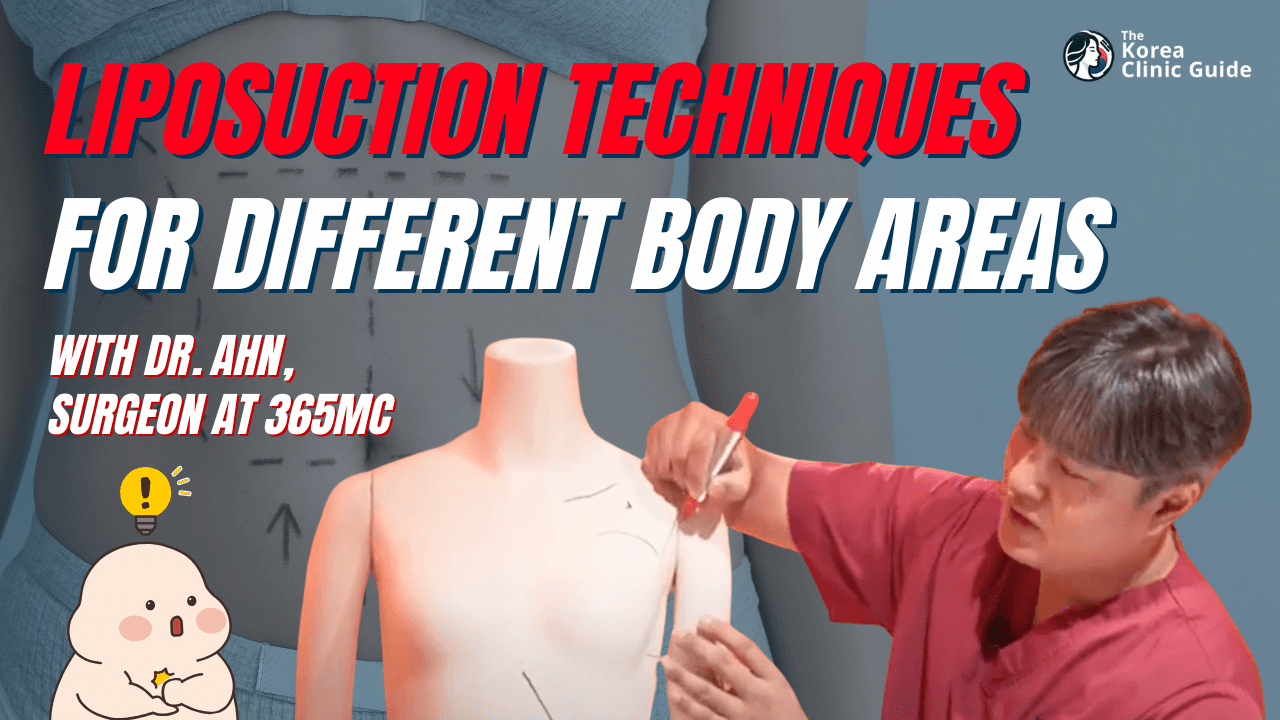
Learn how full-body liposuction in Korea is performed, with a clear overview of common incision placement and cannula techniques used to target multiple areas efficiently. Explore what surgeons consider for access points, contour precision, and minimizing visible scarring across the abdomen, arms, thighs, and back.
Explore breast lift (mastopexy) incision options explained by leading Korean surgeons, from periareolar to vertical and anchor techniques. Learn how each approach affects scarring, shaping, recovery, and which lift method may best match your goals.
Learn about SMILE LASIK side effects and what to expect during recovery in Korea, including common symptoms like dryness, glare, and temporary blurred vision. Get clear timelines, aftercare tips, and when to contact your clinic for a safe, confident healing process.
Considering breast implant removal or revision surgery in Korea? Learn about your options, recovery, costs, and how to choose a trusted clinic for safe, natural-looking results.
Discover the most common rhinoplasty materials used in Korea—from silicone and Gore-Tex to autologous cartilage—and how surgeons choose the right option for your goals. Learn what to expect during recovery with a clear Korea-based timeline for swelling, bruising, follow-up visits, and when you can return to work and normal activities.
Join our trusted platform to effortlessly enhance your online visibility among those seeking top-quality medical care in Korea from abroad.