
Medizintourismus-Blog
Lachfalten: Warum ist der Kollagenfiller Radiesse so gut? Mit Dr. Kim von der Cellinique Clinic
Table of contents
- Ein besserer Ansatz bei Nasolabialfalten
- Warum ich Radiesse herkömmlichen Fillern für Nasolabialfalten vorziehe
- Was Radiesse von anderen Kollagenstimulatoren unterscheidet
- Wie Radiesse bei Nasolabialfalten wirkt (das „Pfeiler“-Konzept)
- Sicherheit, Technik und was wirklich hinter Knötchen steckt
- Warum Ergebnisse zwischen Kliniken unterschiedlich ausfallen können
- Warum ich Juvelook bei Nasolabialfalten normalerweise nicht bevorzuge
- Der beste Rat, bevor Sie Nasolabialfalten behandeln lassen
- Abschließende Gedanken: natürliche Unterstützung, nicht einfach nur „mehr Filler“
- Mehr über Cellinique Clinic
Planen Sie eine Behandlung in Korea? Alles, was Sie wissen müssen, z. B. wie Sie Betrug vermeiden, Visa, Dolmetscher und Tipps für die Erholung, finden Sie in unserem Master Guide für Medizintourismus. Planen Sie mit Vertrauen in Minuten statt in Wochen!
Haftungsausschluss: Der folgende Beitrag ist ein Gastbeitrag. Die darin enthaltenen Informationen und Meinungen stammen nicht von koreaclinicguide.com, sondern von Cellinique Clinic
Ein besserer Ansatz bei Nasolabialfalten
Nasolabialfalten können schon in jungen Jahren auftreten – insbesondere dann, wenn die Struktur rund um den Mund von Natur aus zur Faltenbildung neigt und sich Make-up dort leicht absetzt. In der Klinik sehe ich dieses Anliegen sehr häufig, und es ist einer der häufigsten Gründe, warum Patientinnen und Patienten nach Fillern fragen. Im Laufe der Jahre hat sich mein Ansatz jedoch verändert: Für Nasolabialfalten verlasse ich mich heute nicht mehr auf „klassische“ Hyaluronsäure-Filler. In diesem Bereich greife ich am häufigsten zu Radiesse.

Der Grund ist einfach: Nasolabialfalten sind nicht bloß eine statische „Vertiefung“, die man auffüllen muss. Sie liegen in einer Zone mit viel Bewegung, ausgeprägter Gesichtsmuskulatur, häufiger Mimik und ständiger Reibung. Um Ergebnisse zu erzielen, die natürlich aussehen und sowohl sofort als auch langfristig überzeugen, bevorzuge ich ein Produkt und eine Technik, die zu den tatsächlichen Eigenschaften dieses Bereichs passen.

Warum ich Radiesse herkömmlichen Fillern für Nasolabialfalten vorziehe
Ich verwende Hyaluronsäure-Filler weiterhin in anderen Gesichtsbereichen, denn richtig eingesetzt sind sie ausgezeichnete Werkzeuge. Bei Nasolabialfalten habe ich mit konventionellen HA-Fillern jedoch immer wieder dieselben Herausforderungen gesehen.
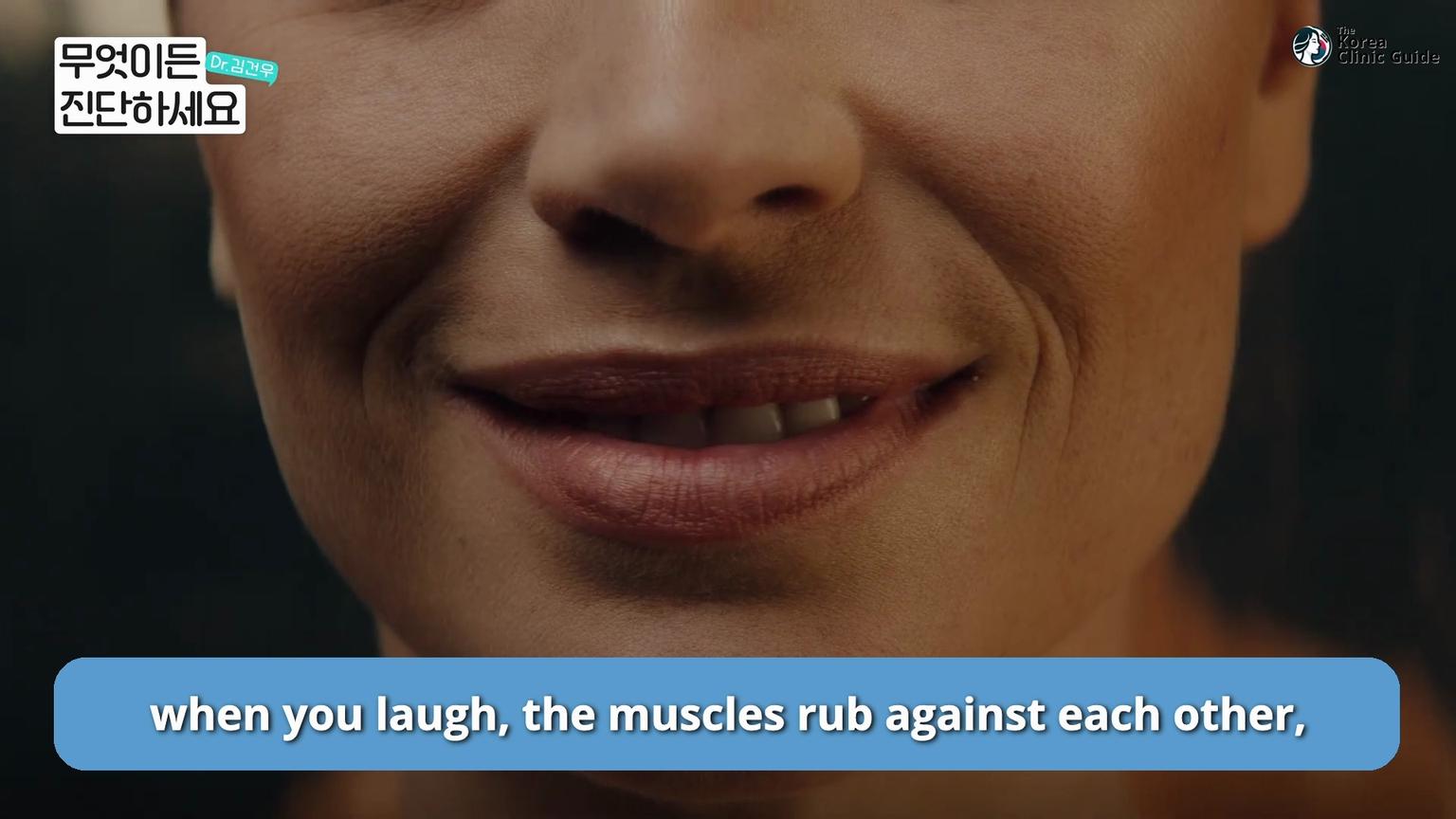
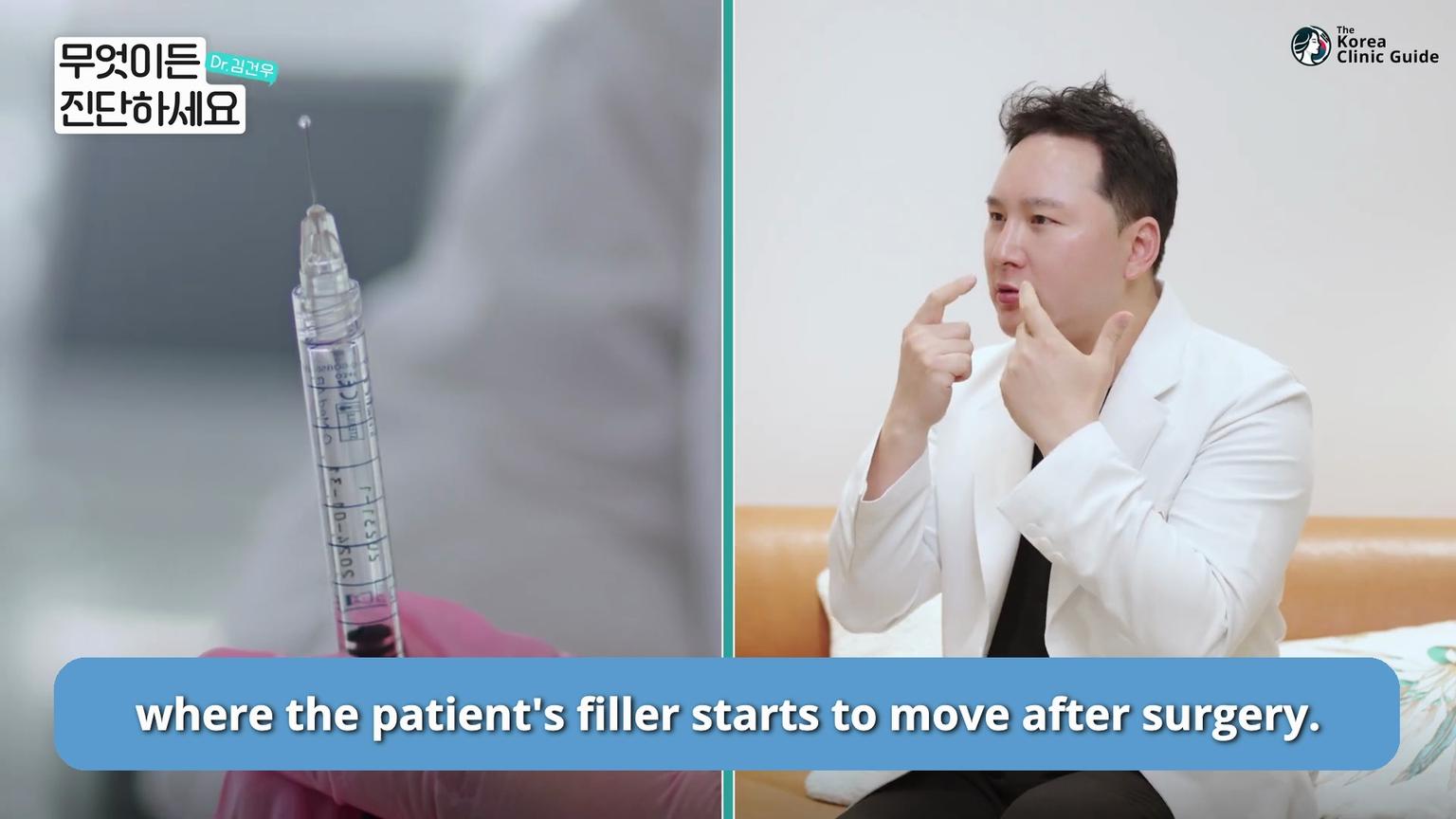
Erstens wird HA-Filler mit der Zeit natürlicherweise abgebaut, und im Bereich der Nasolabialfalten kann dieser Abbau durch die starke Bewegung schneller erfolgen, als viele Patientinnen und Patienten erwarten. Zweitens treten Berichte über ein Verrutschen rund um den Mund häufiger auf, als vielen bewusst ist – Patientinnen und Patienten sagen oft: „Ich habe Filler in die Nasolabialfalte bekommen, und er ist verrutscht.“ Drittens erfordert diese Region aus Sicht der Behandlerin oder des Behandlers besondere Vorsicht, weil sich in der Nähe von Nase und Mittelgesicht wichtige Blutgefäße befinden. Jede Filler-Behandlung verlangt Fachwissen, doch der Nasolabialbereich gehört zu den Regionen, in denen Technik und anatomisches Verständnis besonders entscheidend sind.
Mit Radiesse kann ich auf diese Gegebenheiten anders reagieren. Es kann sofort eine sichtbare Verbesserung bewirken und zugleich als Kollagenstimulator wirken – das Ziel ist also nicht nur, „Gel zu platzieren“, sondern Ihr Gewebe dazu anzuregen, auf nachhaltigere Weise wieder Unterstützung aufzubauen.

Was Radiesse von anderen Kollagenstimulatoren unterscheidet
Kollagenstimulatoren sind zu einem wichtigen Trend geworden – und das aus gutem Grund. Anstatt sich vollständig auf eine Substanz zu verlassen, die einfach im Gewebe verbleibt, bis sie sich auflöst, regen Kollagenstimulatoren den Körper dazu an, im Laufe der Zeit eigene Struktur aufzubauen.
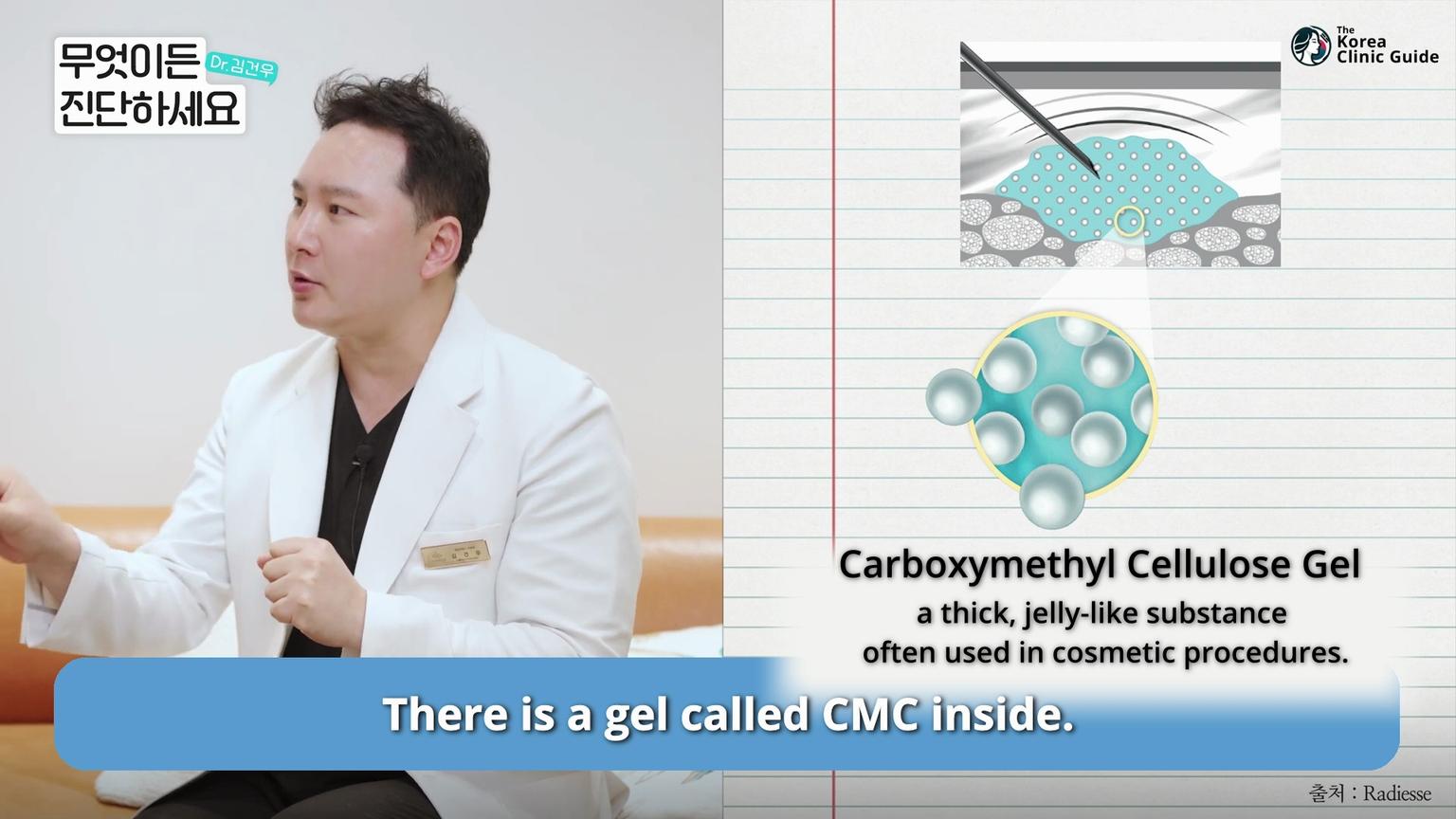
Radiesse besteht aus Calciumhydroxylapatit (CaHA) in einem Gelträger. Diese Kombination ist bei Nasolabialfalten besonders wichtig. Es gibt auch andere Kollagenstimulatoren, darunter PLLA-basierte Produkte (viele kennen Namen wie Sculptra, und in Korea fragen Patientinnen und Patienten oft auch nach Produkten vom Juvelook-Typ). In den richtigen Arealen können diese sehr gute Optionen sein.
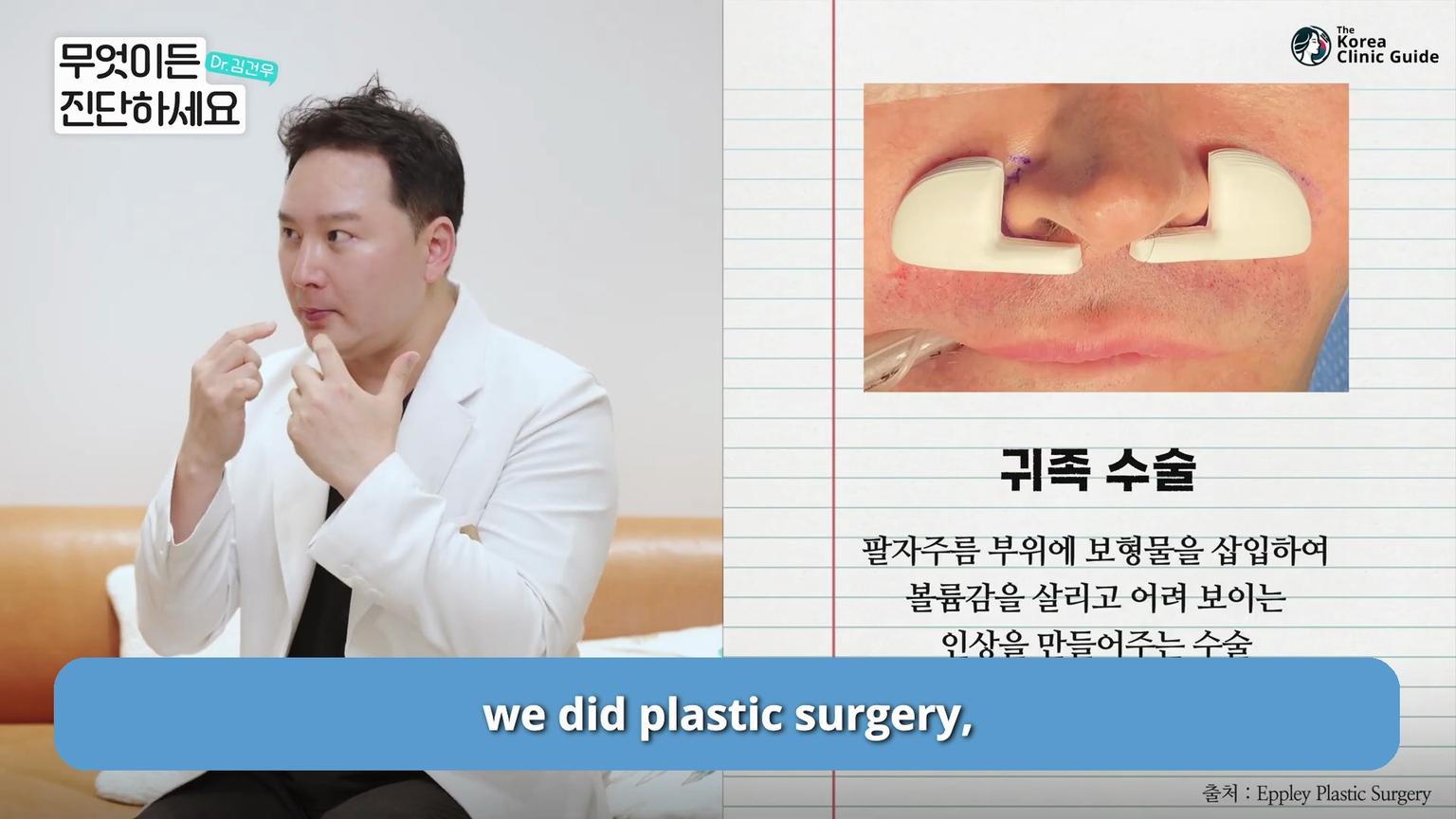
Doch Nasolabialfalten brauchen häufig eine ganz bestimmte Form der Unterstützung. Früher wurden in diesem Bereich sogar implantatgestützte Verfahren eingesetzt – dabei wurde ein kleines Implantat eingebracht, um einen inneren Lifting- oder Aufspanneffekt zu erzeugen. Dieses ältere Konzept zeigt gut, was die Anatomie an dieser Stelle benötigt: ein stützendes Gerüst unterhalb der Falte.
Genau hier spielt Radiesse bei Nasolabialfalten seine Stärken aus. Selbst wenn verdünnte Produkte Kollagen stimulieren können, liefern sie in dieser speziellen Region oft nicht sofort dieselbe zufriedenstellende, gerüstartige Stützwirkung. Viele Patientinnen und Patienten möchten direkt nach der Behandlung eine Verbesserung sehen – nicht erst in einem Monat.
Wie Radiesse bei Nasolabialfalten wirkt (das „Pfeiler“-Konzept)
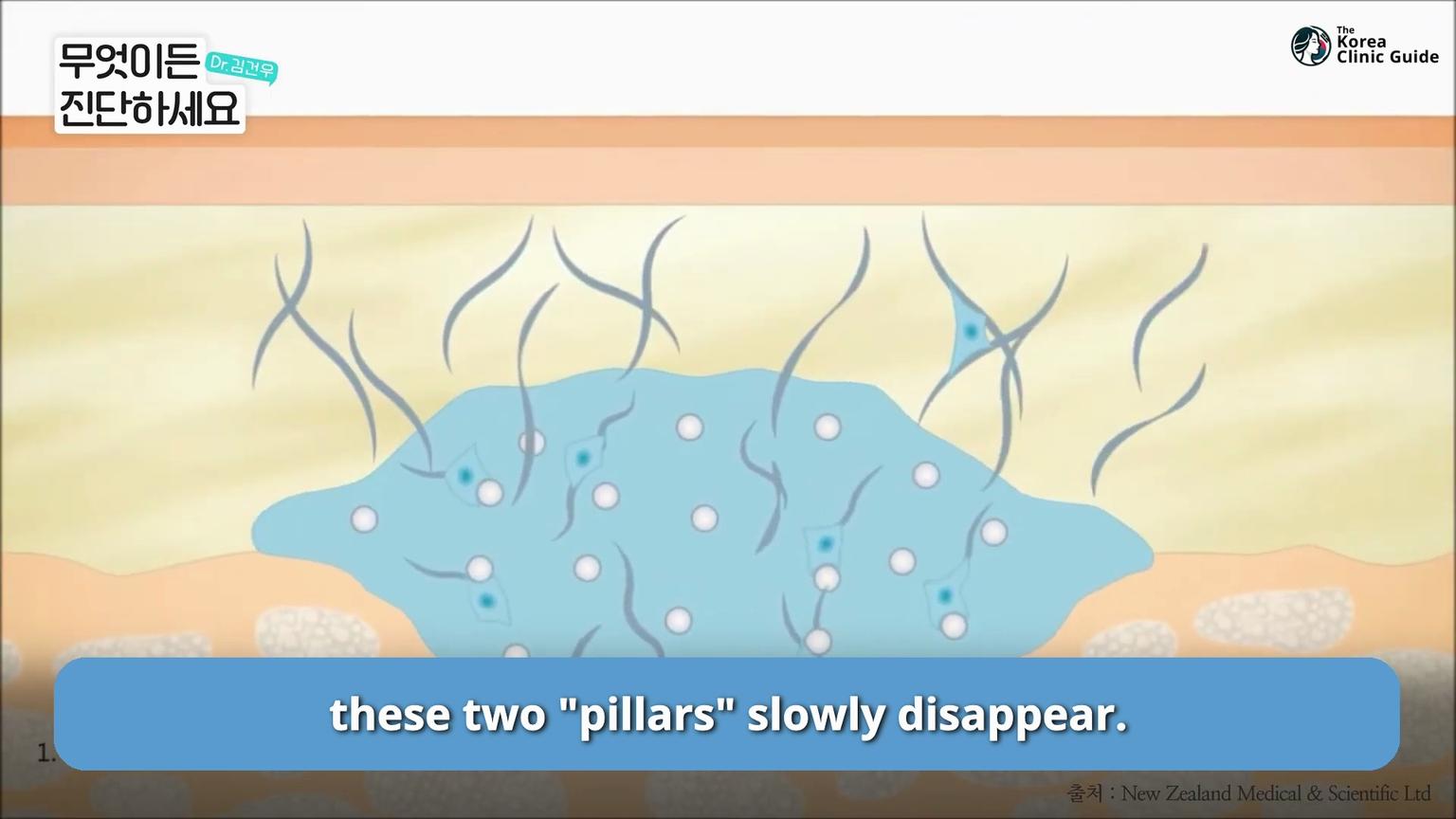
Wenn ich Nasolabialfalten mit Radiesse behandle, denke ich eher daran, Unterstützung aufzubauen, als einfach nur „eine Furche aufzufüllen“. In der Praxis bedeutet das, das Produkt so zu platzieren, dass zwei stützende Säulen entstehen – wie dezente innere Pfeiler, die die Falte anheben.
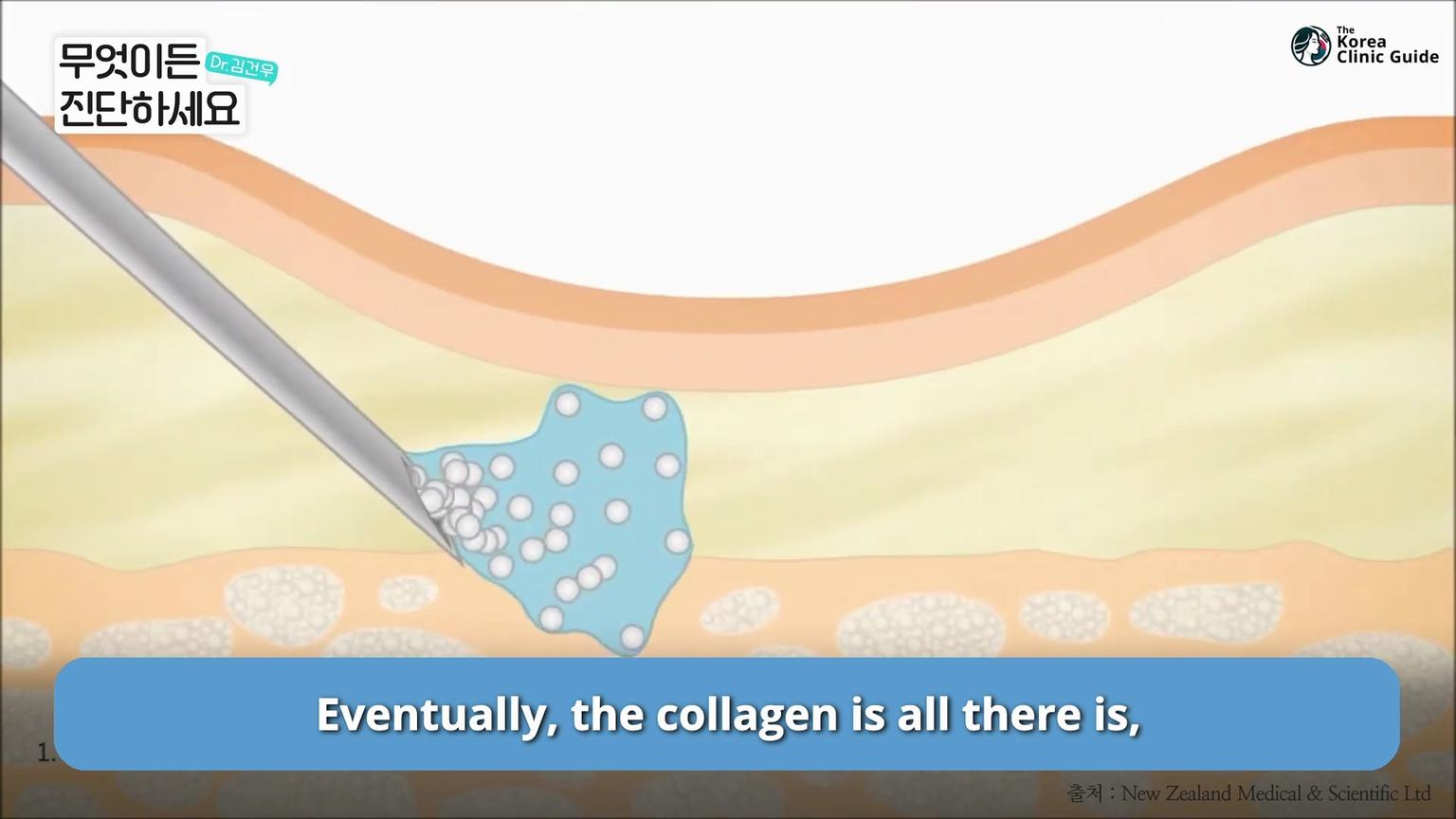
Direkt nach der Behandlung sehen Patientinnen und Patienten meist eine deutliche Verbesserung, weil das Gel sofort Volumen und Struktur verleiht. Danach beginnt der längerfristige Prozess. In den folgenden Wochen (oft innerhalb etwa eines Monats) nimmt der Gelträger nach und nach ab. Während dieser Zeit stimuliert das CaHA das umliegende Gewebe zur Kollagenbildung.
Ich erkläre das oft als ein Verhältnis, das sich mit der Zeit verschiebt: Unmittelbar nach der Behandlung stammt die sichtbare Verbesserung überwiegend vom Gelgerüst, während ein kleinerer Anteil auf die frühe Gewebereaktion zurückzuführen ist. Im Verlauf der Wochen baut sich das Gel ab, und Ihr körpereigenes Kollagen übernimmt zunehmend mehr von der „Arbeit“. Das Ziel ist, dass der Träger, wenn er verschwindet, effektiv durch körpereigenes Kollagen ersetzt wurde – sodass das Ergebnis nicht plötzlich „eingefallen“ wirkt, sondern in eine biologischere, gewebebasierte Unterstützung übergeht.

Das ist einer der wichtigsten Gründe, warum die Zufriedenheit der Patientinnen und Patienten häufig hoch ist: Sie können diesen unmittelbaren „Wow“-Effekt erleben und gleichzeitig auf eine schrittweise, kollagengetragene Verbesserung hinarbeiten.

Sicherheit, Technik und was wirklich hinter Knötchen steckt
Patientinnen und Patienten stellen mir oft zwei große Fragen: „Ist das im Bereich der Nasolabialfalten sicher?“ und „Was ist mit Knötchen?“
Meiner Erfahrung nach kann Radiesse in diesem Bereich sicher angewendet werden – aber die Technik ist entscheidend. Knötchen sind das Thema, das den meisten Sorge bereitet, und sie können entstehen, wenn das Produkt zu oberflächlich injiziert wird oder wenn zu viel davon verwendet wird. Genau deshalb betone ich, wie wichtig es ist, eine erfahrene Behandlerin oder einen erfahrenen Behandler zu finden, die oder der Dosierung, Tiefe und Anatomie versteht.
Hinzu kommt ein persönlicher, biologischer Faktor: Da Radiesse die Kollagenbildung stimuliert, reagieren verschiedene Menschen unterschiedlich darauf. Alter, allgemeiner Gesundheitszustand, Hautqualität und frühere Eingriffe können das Ergebnis beeinflussen. Wenn bei jedem Gesicht dasselbe starre Schema angewendet wird – gleiche Verdünnung, gleiche Menge, gleiche Platzierung –, werden Probleme wie Knötchen deutlich wahrscheinlicher.
Wichtig ist auch zu verstehen, was ein „Knötchen“ in diesem Zusammenhang tatsächlich ist. Häufig handelt es sich schlicht um Kollagen, das an einer bestimmten Stelle stärker gebildet wurde als beabsichtigt und deshalb tastbar ist. Das Produkt hat also genau das getan, wofür es entwickelt wurde – Kollagen zu stimulieren –, aber der Plan (Dosis, Tiefe, Ort) war nicht präzise genug auf die einzelne Patientin oder den einzelnen Patienten abgestimmt.

Warum Ergebnisse zwischen Kliniken unterschiedlich ausfallen können
Ein interessantes Muster, das ich immer wieder sehe: Patientinnen und Patienten kommen nach einer Radiesse-Behandlung in einer anderen Klinik zu mir und sagen: „Es hat nicht funktioniert – verwenden Sie einfach einen anderen Filler.“ Wenn wir die Behandlung dann mit einem anderen Ansatz durchführen, fällt das Ergebnis oft völlig anders aus.
Das ist keine Magie – es ist Technik. Mit demselben CaHA-Produkt können die Resultate stark variieren, je nachdem, wo es platziert wird, wie viel verwendet wird, in welcher Tiefe injiziert wird und ob angrenzende Areale ebenfalls beurteilt werden.
Nasolabialfalten treten selten isoliert auf. Wenn sich das Gesicht mit dem Alter verändert, können auch die Mundwinkel und der untere Wangenbereich zum Erscheinungsbild der Falte beitragen. So können zum Beispiel der DAO-Bereich (depressor anguli oris) und angrenzender Volumenverlust den Gesamteindruck von Nasolabialfalten verstärken. Bei manchen Patientinnen und Patienten spricht dieser Bereich besonders gut auf Radiesse an, er kann aber auch eine Stelle sein, an der Knötchen entstehen, wenn die injizierende Person die Menge nicht sorgfältig anpasst. Kleine Mengen, die richtige Tiefe und ein individuell abgestimmter Plan machen hier einen großen Unterschied.

Warum ich Juvelook bei Nasolabialfalten normalerweise nicht bevorzuge
Patientinnen und Patienten fragen oft, ob sie Produkte wie Juvelook „vermeiden“ sollten. So würde ich es nicht formulieren. Ich verwende unterschiedliche Produkte für unterschiedliche anatomische Ziele.
Juvelook und ähnliche kollagenstimulierende Optionen können ausgezeichnet sein – insbesondere in Arealen, in denen ein weicherer Volumenaufbau ideal ist und in denen Patientinnen und Patienten nicht denselben sofortigen Gerüsteffekt benötigen. Bei Nasolabialfalten wünschen sich viele jedoch ein gewisses Volumen direkt nach der Behandlung, und sie möchten, dass die Verbesserung stabil bleibt, statt das Gefühl zu haben, dass sie deutlich nachlässt, sobald die anfängliche Schwellung oder der Wasseranteil zurückgeht.
Bei einigen verdünnten Stimulatoren kann es anfangs großartig aussehen und nach ein oder zwei Tagen dann so wirken, als sei das Ergebnis wieder eingefallen. Auch wenn der langfristige Kollageneffekt noch kommen mag, kann dieses frühe „Absacken“ emotional enttäuschend sein – denn wer sich für eine Behandlung entscheidet, möchte natürlich eine zufriedenstellende Veränderung sehen.
Aus diesem Grund ist Radiesse bei Nasolabialfalten in der Regel meine erste Wahl, wenn dies das Hauptanliegen ist.
Der beste Rat, bevor Sie Nasolabialfalten behandeln lassen
Wenn Sie Radiesse für Nasolabialfalten in Betracht ziehen, ist der wichtigste Schritt nicht die Wahl eines trendigen Produkts – sondern die Wahl des richtigen Plans und der richtigen Hände.
Eine gründliche Beratung ist entscheidend. Ich möchte immer Ihre gesundheitliche Vorgeschichte kennen und genau wissen, was Sie zuvor bereits haben machen lassen (falls überhaupt), denn diese Details beeinflussen, wie Ihr Gewebe reagieren kann. Außerdem möchte ich, dass die Behandlung natürlich aussieht, nicht übertrieben wirkt und sich harmonisch in Ihr Gesicht einfügt – wenn Sie lächeln, sprechen und sich bewegen.
Radiesse kann bei Nasolabialfalten eine ausgezeichnete, natürlich wirkende Verbesserung erzielen – mit sofortiger Zufriedenheit und schrittweiser Kollagenunterstützung. Weil es jedoch ein wirkungsstarkes Produkt ist, verlangt es Präzision: die richtige Dosis, die richtige Tiefe und eine individuell auf die Patientin oder den Patienten abgestimmte Anwendung.
Abschließende Gedanken: natürliche Unterstützung, nicht einfach nur „mehr Filler“
Nasolabialfalten gehören zu den Bereichen, in denen „mehr Filler“ nicht immer die beste Antwort ist. Das eigentliche Ziel ist gezielte Unterstützung – so platziert, dass das Gesicht glatter wirkt, ohne aufgedunsen oder unnatürlich auszusehen.

Deshalb bevorzuge ich bei Nasolabialfalten Radiesse: Es bietet sofort eine gerüstartige Verbesserung und geht dann im Laufe der Zeit in eine kollagenbasierte Unterstützung über. Wenn es mit sorgfältiger Technik und einem individualisierten Plan durchgeführt wird, kann es eine der zufriedenstellendsten Optionen sein, um Nasolabialfalten sicher und natürlich zu behandeln.
Mehr über Cellinique Clinic
Für alle, die in Korea eine Radiesse-Kollagenstimulation bei Nasolabialfalten in Erwägung ziehen, ist die Cellinique Clinic in Gangnam, Seoul, eine spezialisierte, auf Stammzellen fokussierte medizinische Klinik, die Gesichtsverjüngung im größeren Zusammenhang von Immunität, Regeneration und natürlich wirkender Wiederherstellung betrachtet. Als Ein-Arzt-Klinik unter der vollständigen Leitung von Dr. Chris Gunwoo Kim legt Cellinique Wert auf eine zu 100 % personalisierte Planung. Dabei wird Radiesse zur Unterstützung von Kollagen und Elastin, wenn sinnvoll, mit ergänzenden regenerativen Optionen wie PRP, Exosomen, Stammzell-Fetttransplantation und gesundheitsorientierten Programmen einschließlich Blutreinigung und NK-Zell-Therapie kombiniert, sodass die Behandlung sowohl auf die Gesichtsstruktur als auch auf den allgemeinen Gesundheitszustand abgestimmt werden kann. Dr. Kim ist in der Stammzellmedizin weithin anerkannt und hielt 2024 in ganz Asien Vorträge zu Anti-Aging und Geweberegeneration (unter anderem zu hochkonzentrierten Blutzellzonen und SDF-1alpha). 2025 stellte er auf dem KOAT das proprietäre NovaStem Kit von Cellinique vor, eine Zellbiotechnologie mit minimaler Manipulation für Anti-Aging – Referenzen, die die forschungsorientierte, regenerationszentrierte Philosophie der Klinik widerspiegeln, Nasolabialfalten mit verfeinerten und natürlichen Ergebnissen zu verbessern.
Mehr über diese Klinik finden Sie hier: Cellinique Clinic
Häufig gestellte Fragen
Verwandte Blogbeiträge
Renuvion in Korea | Die besten Kliniken, Kosten, Behandlungsoptionen und mehr
Erfahren Sie, wie Renuvion in Korea mithilfe fortschrittlicher Heliumplasma- und Radiofrequenztechnologie erschlaffte Haut strafft. Informieren Sie sich über die Vorteile, geeignete Kandidatinnen und Kandidaten, die Erholungszeit und darüber, warum Korea ein führendes Reiseziel für diese minimalinvasive Behandlung ist.
Aktualisiert: Oct 13, 2026
Schläfenlifting in Korea | Beste Kliniken, Kosten, Eingriffsarten & mehr
Entdecken Sie das Schläfenlifting in Korea: was es ist, wie der Eingriff durchgeführt wird und warum es eine beliebte Wahl für eine dezente Verjüngung der Brauen- und Augenpartie darstellt. Erfahren Sie mehr über die Vorteile, die Erholungszeit, die zu erwartenden Ergebnisse und worauf Sie bei der Auswahl einer koreanischen Klinik achten sollten.
Aktualisiert: Oct 13, 2026

Behandlung der vorzeitigen Alterung des Gesichts in Korea: Facelift-Optionen für ein jugendlicheres Hautbild
Eine früh einsetzende Erschlaffung der Gesichtshaut sowie Falten treten zunehmend auch bei Menschen in ihren 30ern und 40ern auf. Unser Leitfaden zum Medizintourismus in Korea erläutert, was Rhytiden sind und wie eine Rhytidektomie (Facelift) die untere Gesichtspartie und den Hals auffrischen kann. Informieren Sie sich über die verschiedenen Optionen – Deep-Plane-Facelift, SMAS-Facelift, Mini-Face
Aktualisiert: Oct 12, 2026
Brauenptose in Korea: Behandlungsmöglichkeiten mit Stirnlift und Unterbrauenlift
Ziehen Sie eine Operation wegen Brauenptose in Korea in Betracht? Dieser fundierte Leitfaden erläutert die Diagnose sowie funktionelle gegenüber kosmetischen Beeinträchtigungen und vergleicht Stirnlift und Subbrow-Lift – einschließlich Indikationen, Narben, Erholungszeit und Kosten. Außerdem beschreibt er den Ablauf des Medizintourismus in Südkorea von der Planung über das Visum, den Operationstag
Aktualisiert: Oct 12, 2026
Kliniken für Deep Plane Face Lift
BongBong Plastic Surgery Dermatology Korea | Body, Breast & Aesthetic Treatments
Nonhyeon
RINE Plastic Surgery Clinic | Facelift and Eye Rejuvenation Surgery
Nonhyeon

SH Clinic: Comprehensive Women's, Men's & Couples' Health Services in Korea
Sinsa

THEPLUS Plastic Surgery Korea | Eye, Nose, Face & Body Surgery
Sinsa