Facial filler uses materials such as hyaluronic acid, CaHA, and PLLA to address localized volume loss, contour concerns, folds, lips, and selected depressed scars, with in-person assessment, conservative incremental injection, and documented product details. International patients should plan to stay locally for at least 3 days, arrange emergency access and follow-up, and seek immediate in-person
Updated: Sep 5, 2026
Facial filler consultation includes medical screening, in-person facial analysis, product confirmation, injection with a needle or cannula, aftercare, and review after swelling settles. International patients can verify registered Korean facilities, plan at least 48 hours locally, obtain treatment records, and confirm emergency and follow-up arrangements.
Learn who may be suited to under-chin deoxycholic-acid injections, how treatment is mapped and performed, and when skin laxity or medical factors require another assessment. Practical guidance covers Korea travel planning, session timing, recovery, aftercare, documentation, complications, and alternatives including liposuction, tightening treatments, and neck lift surgery.
Facial Botox uses targeted injections to relax movement-related lines or balance selected facial and neck muscles, with assessment, aftercare, and day-10-to-14 follow-up guidance for international patients. In Korea, treatment costs ₩100,000–₩750,000 (about US$100–$600), with planning based on treatment areas, product, dose, and clinician documentation.
Fat-dissolving injections use targeted subcutaneous injections, most evidence-supported for adult double-chin fat, with repeat sessions spaced at least one month apart. The article covers candidate screening, Korea travel and follow-up planning, preparation, recovery expectations, warning symptoms, and alternatives for fat, skin laxity, or structural concerns.
Facial filler assessment, injection, recovery, and follow-up guidance for international patients in Korea, including candidate screening, filler types, preparation, aftercare, and urgent warning signs. The procedure is outpatient and usually takes less than an hour; plan 2–3 days in Korea, obtain product records and emergency contacts, and schedule review at 10–14 days.
Face contouring permanently reshapes cheekbones, the lower jaw, and chin through bone reduction, repositioning, or genioplasty under general anesthesia. In Korea, prices are ₩19,000,000–₩24,000,000, with planning, recovery, travel timing, aftercare, and alternatives outlined for international patients.
Updated: Sep 4, 2026
Laser toning uses repeated low-fluence 1,064-nm Q-switched Nd:YAG passes for dermatologist-confirmed melasma or selected pigmentation, with strict light protection and gradual course-based review. International patients can plan 1–2 days for assessment and one session, but typical treatment requires roughly 9–10 visits over two to five months and follow-up at home.
Updated: Sep 2, 2026
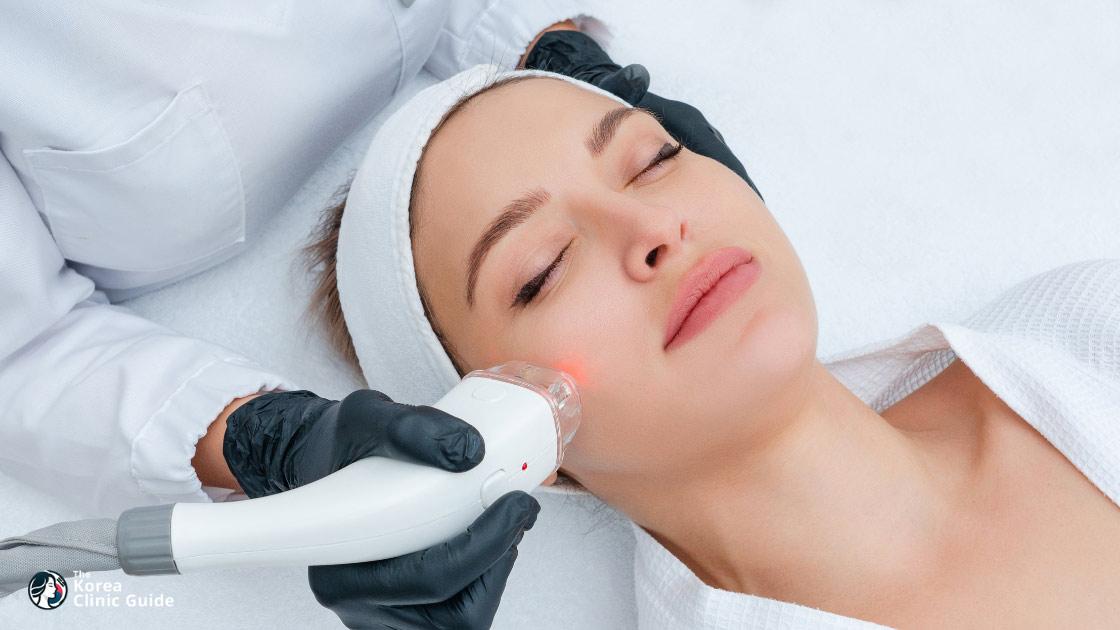
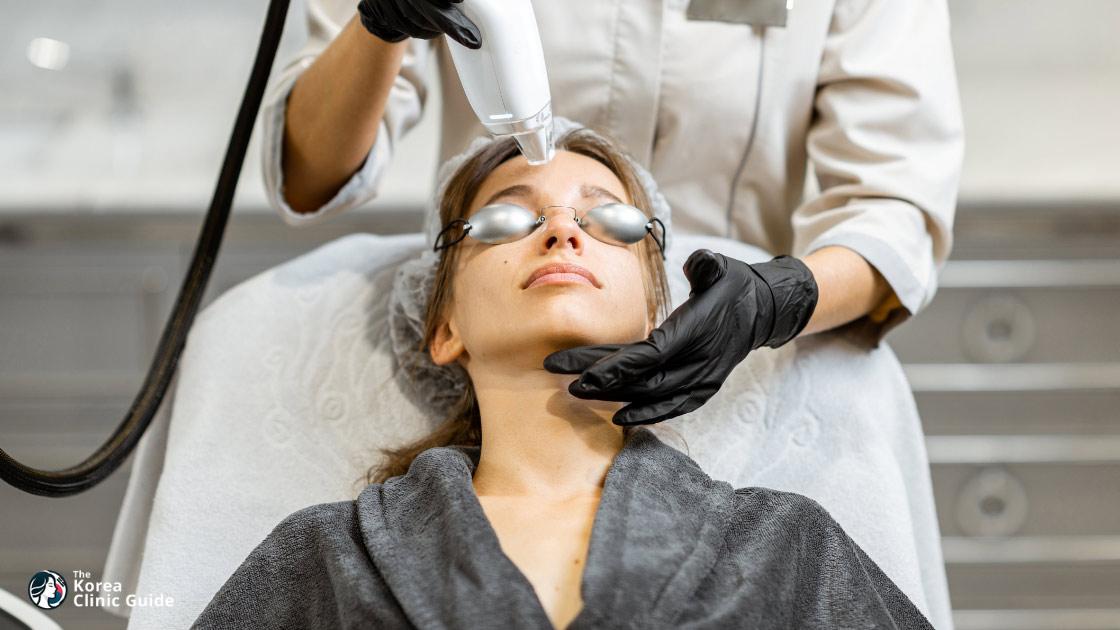
HIFU uses focused ultrasound to gradually tighten mild-to-moderate facial, jawline, submental, or neck laxity without incisions, with results assessed around 3 and 6 months. The article covers candidate screening, device and visualization verification, treatment steps, recovery, travel planning in Korea, aftercare, warning signs, and alternatives.
Join our trusted platform to effortlessly enhance your online visibility among those seeking top-quality medical care in Korea from abroad.