
Medical Tourism Blog
TMJ Pain Relief in Korea: Masseter Botox Procedures for Effective Jaw Pain Management
Table of contents
- Understanding Temporomandibular Joint (TMJ) Pain
- Masseter Botox: A Targeted Solution for TMJ Pain
- The Masseter Botox Procedure: What to Expect
- Which Are the Best Clinics in Korea for Tmj Pain?
- Getting Masseter Botox in Korea: A Medical Tourist's Guide
- Cost Comparison: Masseter Botox Across the Globe
- Patient Experiences and Outcomes with Masseter Botox for TMJ Pain
- Conclusion
- References
Considering treatment in Korea? Everything you need to know e.g. — how to avoid scams, visas, interpreters, recovery tips — in our Medical Tourism Master Guide. Plan with confidence in minutes, not weeks!
Temporomandibular joint (TMJ) disorders—often called TMDs—cover a wide range of conditions that impact the jaw joints, muscles, and ligaments responsible for essential movements like chewing and speaking. These joints, found just in front of your ears on each side of your face, can become the source of significant discomfort when muscles become overactive—a familiar issue for those battling "discomfort in the temporomandibular joint from muscle overactivity." That muscle tension can mean pain, jaw tenderness, and limited jaw movement.
TMJ pain ranges from mild and brief to chronic and disruptive, affecting eating, speaking, or even your ability to sleep. While some TMD issues resolve on their own, more severe cases may last much longer, leading to a steady search for effective relief.
Understanding Temporomandibular Joint (TMJ) Pain
Defining TMJ Pain and Its Impact
Temporomandibular joint disorders are actually a group of more than 30 different conditions impacting not only the TMJ itself but also surrounding muscles and ligaments. TMJs are crucial for moving the lower jaw and allow you to chew and speak. When people refer to "muscle overactivity" in TMDs, they're describing a problem that usually arises from habits like teeth grinding (bruxism), which can leave your jaw muscles sore and tired.
TMJ pain isn't limited to physical discomfort; long-standing symptoms can affect eating, talking, and resting, while for some, the issue will resolve with time.
Common Pseudonyms and Related Conditions
The language around TMJ disorders can be confusing. While "TMJ" often gets used, the correct term is usually "TMD" or "TMJD"—and international preferences can muddy the waters further.
Here are some terms you might run into:
| Term | Description/Usage |
|---|---|
| Temporomandibular Joint Dysfunction (TMD, TMJD) | Pain and dysfunction of masticatory muscles and TMJs |
| Temporomandibular Disorder (TMD) | US-preferred, covers issues with TMJs or mastication muscles |
| Temporomandibular Joint Disorder | Used synonymously with TMD |
| Pain Dysfunction Syndrome | UK term |
| Costen's Syndrome | Older label for TMJ disorders |
| Craniomandibular Disorder | Refers to jaw and skull disorders |
| Temporomandibular Muscle Disorders | Specifically problems in the chewing muscles |
| Myogenous TMD | Muscle-origin TMD |
| Arthogenous TMD | Joint-origin TMD |
Knowing these terms can help clarify your condition, aid communication with healthcare providers, and improve online research for treatments, making the entire process less daunting.
TMDs are generally divided into issues of the jaw joints, chewing muscles, and headaches due to TMD. Many experts also see similarities between TMD and conditions like fibromyalgia or irritable bowel syndrome, which hints at deeper connections with systemic pain syndromes.
Symptoms and Causes of TMJ Disorders
Key signs of TMD include jaw pain, tenderness, limited jaw movement, and joint noises. The pain is usually dull, can radiate, and tends to come and go. It's often worse with jaw movement or after sleeping. Jaw stiffness, joint clicking, or popping (not worrisome unless accompanied by pain) are also common.
Other associated symptoms include earaches, headaches, facial pain, neck or eye pain, tooth sensitivity, tinnitus, hearing changes, and dizziness.
The causes of TMD are wide-ranging:
- Muscle Overactivity: Bruxism, often while sleeping.
- Jaw Injury: Trauma or impact to the jaw.
- Arthritis: Osteoarthritis or rheumatoid arthritis.
- Disk Displacement: Misalignment of the articular disk.
- Stress: Mental health issues can worsen TMD.
- Habitual Behaviors: Chewing pens, excessive gum use, or large bites.
- Poor Posture: Stress on head and neck muscles.
- Connective Tissue Diseases: Systemic illness affecting connective tissues.
Diagnosis combines a physical exam, symptom assessment, and ruling out other causes like dental problems. The overlap between TMD and other chronic pain syndromes suggests a holistic approach—treating both physical and psychological contributors may be most effective.
Masseter Botox: A Targeted Solution for TMJ Pain
What is Masseter Botox?
Masseter Botox is a non-surgical procedure where botulinum toxin type A (BTX-A) gets injected into the masseter muscles along the jaw. These strong muscles are critical for chewing. Masseter Botox offers benefits to those with TMJ pain from muscle overactivity and also helps those with bruxism. Alongside its medical use, it's sometimes chosen for cosmetic slimming of the jawline.
How Masseter Botox Works: Mechanism of Action
Botulinum toxin type A stops muscles from contracting by blocking acetylcholine at the nerve junction. The process involves the toxin attaching to nerves, getting absorbed by those cells, and then interfering with neurotransmitter release. This causes the muscle to relax.
This relaxation helps reduce spasms and pain, while also cutting down on harmful, unconscious jaw movements that cause headaches. Masseter Botox can also lower the release of pain and inflammation molecules, directly raising pain tolerance.
Benefits of Masseter Botox for TMJ Pain and Related Issues
Some key benefits of Masseter Botox include:
- Pain Reduction: Eases jaw pain and tenderness
- Decreased Headaches: Cuts down on headaches linked to jaw tension
- Less Teeth Grinding (Bruxism): Helps prevent dental wear and sensitivity
- Lower Jaw Tension: Relieves stiffness and lockjaw
- Improved Sleep: Reduces nighttime discomfort
- Aesthetic Benefits: Can slim the jawline
- Minimally Invasive: No surgery or downtime
- Temporary and Reversible: Effects last 3–6 months
While widely used, Masseter Botox for TMD is currently "off-label" in many countries. Patients should know it's supported by clinical evidence, but not always by regulatory approval, so conservative therapies are often recommended first. Results are temporary, and repeat treatments are required, encouraging some to pursue complementary strategies to extend their results.
The Masseter Botox Procedure: What to Expect
Preparing for Your Masseter Botox Treatment
Everything begins with a consultation to discuss medical and cosmetic goals and review any relevant medications or allergies. Scheduling should factor in possible temporary redness or swelling, and clinics can offer numbing options or even light sedation if needed.
The Injection Process
On procedure day, the area is cleaned and injection points are mapped out. A fine needle delivers the Botox into targeted spots on each side, usually in a quick 10–30-minute session, with most people describing the sensation as a mild pinch.
Setting expectations about discomfort, which is usually brief and mild, and discussing proactive comfort measures can help reduce procedure anxiety, particularly for those nervous about needles.
Post-Procedure Care and Recovery
After treatment, normal activities can resume, but following aftercare instructions—like avoiding lying down or strenuous exercise for a day and not massaging the area—is important. Effects appear within about a week, with full changes seen by one month, and results typically last 4–6 months before repeat sessions.
Potential Side Effects and Important Considerations
Most Masseter Botox side effects are mild and temporary:
- Mild pain, redness, bruising, or swelling at injection sites
- Temporary muscle weakness and mild trouble chewing hard foods
- Rarely: minor asymmetry in facial expression or jaw movement, allergic reaction, or, with extended use, muscle atrophy
Aesthetic improvement—such as a softer jawline—often accompanies pain relief, increasing patient satisfaction. Discussing both these outcomes can help provide a more comprehensive view of what the procedure can offer.
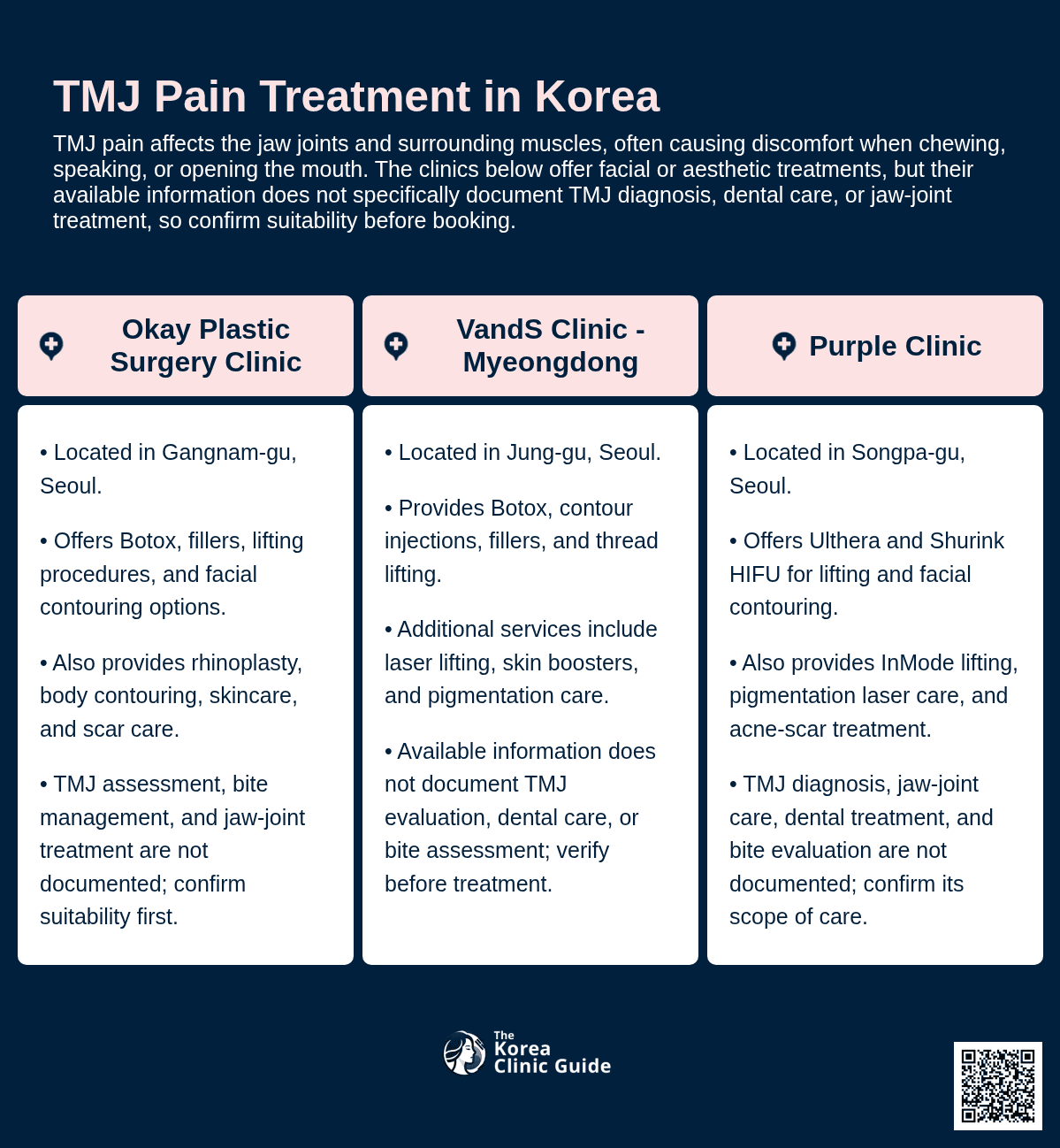
Which Are the Best Clinics in Korea for Tmj Pain?
Listed below are some of the best clinics in Korea for tmj pain.
1. Okay Plastic Surgery Clinic
Okay Plastic Surgery Clinic is an aesthetic surgery and skincare clinic where you can explore facial contouring-related options such as Botox, filler, lifting procedures, and rhinoplasty within an individualized treatment approach. Its provided service information does not specifically list TMJ pain diagnosis or treatment, so you should verify the clinic’s suitability for your jaw symptoms.
- URL: Okay Plastic Surgery Clinic Website
- Location: Gangnam-gu, Seoul
- Documented services:
- Provides Botox and filler among its medical skincare offerings.
- Also offers facial lifting procedures, including facelift surgery, mini lift, thread lifting, laser lifting, and endoscopic forehead lift surgery.
- Its aesthetic service range includes rhinoplasty, eye surgery, body contouring, breast procedures, hairline treatments, scar care, and pigmentation, acne, and pore treatments.
- TMJ consideration: The available clinic information does not document TMJ assessment, jaw-joint treatment, bite management, or oral and maxillofacial care. Confirm whether your jaw-pain concern can be evaluated before arranging treatment.
2. VandS Clinic - Myeongdong
You may consider VandS Clinic - Myeongdong if you are also seeking cosmetic facial treatments such as Botox or contour injections, fillers, thread lifting, or laser lifting; however, the available information does not identify TMJ pain assessment or jaw-joint treatment as a service, so you should confirm whether it can address your specific concern.
- URL: VandS Clinic - Myeongdong Website
- Location: Jung-gu, Seoul
- Relevant aesthetic options:
- Offers Botox and contour injections, which are described for wrinkle reduction and facial-feature definition.
- Provides filler, thread lifting, laser lifting, skin boosters, acne and pigmentation care, hair removal, IV therapy, and semi-permanent makeup.
- TMJ consideration: The available information lists cosmetic and dermatological services but does not document TMJ evaluation, treatment for jaw-joint disorders, dental care, or bite assessment. Confirm that your TMJ pain can be assessed before choosing this clinic.
3. Purple Clinic
Purple Clinic offers non-surgical aesthetic lifting and contouring options, including Ulthera and Shurink HIFU, if your interest includes facial skin tightening or contouring. The available information does not list TMJ pain treatment, so you should confirm whether your jaw symptoms fall within its scope of care.
- URL: Purple Clinic Website
- Location: Songpa-gu, Seoul
- Documented facial treatments:
- Offers Ulthera, an ultrasound-based skin-tightening and lifting treatment.
- Provides Shurink, a HIFU treatment intended for skin tightening and contouring.
- Also lists InMode lifting, along with pigmentation laser treatment and tailored acne-scar treatment.
- TMJ consideration: The provided services are aesthetic and do not document TMJ diagnosis, jaw-joint care, dental treatment, or bite evaluation. Check whether the clinic can evaluate the cause of your jaw pain before proceeding.
Getting Masseter Botox in Korea: A Medical Tourist's Guide
South Korea is a top choice for medical tourism thanks to advanced healthcare, expert practitioners, and attractive pricing, especially for Masseter Botox.
Process of Getting Masseter Botox in South Korea
- Consultation: Many clinics offer online consultations for international patients.
- Clinic Selection/Preparation: Agencies assist with matching you to reputable clinics, booking travel, and prepping for procedure day.
- Treatment Session: The procedure itself is quick (15–30 minutes), comfortable, and followed by minimal downtime.
- Follow-up: Aftercare instructions are given, and online or in-person follow-ups are arranged. Agencies often handle post-care as well.
The Role of Medical Tourism Agencies in South Korea
Medical tourism agencies simplify the whole journey:
- Comprehensive Support: From initial consultation to travel, accommodation, and even leisure activities
- Affordability: Lower procedure costs and bundled packages mean major savings
- Accessibility: Agencies handle visas, transport, arrival, and clinic visits
- Quality Assurance: They ensure you're connected to the best, safest providers
- Language Support: Translators are available to smooth communication
- Local Guidance: Assistance navigating local customs and potential scams
South Korea’s agency model maximizes safety, convenience, and efficiency, helping to ease the typical concerns about international medical care.
Cost Comparison: Masseter Botox Across the Globe
The price of Masseter Botox differs widely by country, making South Korea especially appealing for its affordability and high quality.
Cost of Masseter Botox in South Korea
Masseter Botox generally ranges from $85 to $255 USD (₩124,000–₩369,000 KRW). Costs vary based on:
- Clinic Location: Urban clinics (like in Seoul) may be pricier
- Practitioner Experience
- Botox Quantity
- Botox Brand: Prices differ by brand and dosage
Often, the quoted price covers the procedure itself, but follow-up appointments or additional care may cost extra and tax (VAT) may not be included.
Comparing Costs: South Korea vs. Other Key Destinations
Here’s how South Korea compares with other popular spots:
| Country | Price Range (USD) | Key Considerations |
|---|---|---|
| South Korea | $85 - $255 | Competitive pricing, advanced technology, agency support |
| USA | $300 - $1,000 | Cost varies greatly, insurance may not cover |
| Thailand | $57 - $1,192 | Affordable, but sometimes with quality risks |
| Australia | $240 - $360 | Mid-range, includes assessment, may require touch-up |
| Mexico | Less than USA | Costs unclear, check local standards |
| Turkey | Competitive | Varying standards, check quality and regulation |
South Korea’s balance of cost and advanced care offers great value, especially when factoring in bundled agency packages that cover travel and accommodation.
Patient Experiences and Outcomes with Masseter Botox for TMJ Pain
Research and patient stories both demonstrate Masseter Botox's effectiveness for TMJ pain.
Effectiveness in Pain Reduction and Symptom Improvement
Clinical studies reveal:
- 85% experienced improvement with oral opening; 90% with chewing
- 75% reported less pain overall; 17% had complete pain resolution
- 50% average decrease in pain self-report
- 70% experienced headache relief (often vanishing post-treatment)
- 75% saw improvement in jaw noises
- Many reduced or stopped pain medications
Masseter Botox is generally very safe, with mild, short-lived side effects.
Real-World Patient Testimonials and Satisfaction
Patients regularly report:
- Dramatic relief from jaw and headache pain, sometimes within days
- Gradual improvement in jaw relaxation and sleep quality
- High satisfaction with both pain reduction and thinner jawline appearance
The combination of physical and aesthetic improvements is widely appreciated, with many patients eager to recommend the treatment.
Long-Term Considerations and Maintenance
Masseter Botox delivers temporary relief—typically 3–6 months—so repeated sessions are necessary. Rarely, long-term use may lead to reduced effectiveness (due to antibody formation) or subtle jaw shape changes from muscle atrophy. Managing stress and bruxism with other therapies may help extend results or reduce injection frequency.
Here's a summary of reported outcomes:
| Symptom | Improvement (%) | Mean Pain Reduction |
|---|---|---|
| Pain on oral opening | 85% | -- |
| Pain on chewing | 90% | -- |
| Jaw joint noise/clicking | 75% | -- |
| Headaches | 70% improved | -- |
| Overall pain levels | - | 50% |
Conclusion
TMJ pain caused by muscle overactivity can greatly affect daily life, but Masseter Botox offers a highly effective, minimally invasive option for many. While the benefits are significant—easing pain, reducing headaches, helping with bruxism, and even improving jawline appearance—results are temporary, and ongoing treatment is required. South Korea stands out globally for delivering high-quality care at competitive prices, with agencies supporting every step for international patients. Ultimately, the best decisions involve close consultation with qualified providers to align treatment goals, expectations, and long-term needs.
References
1, 2, 3, 4, 5, 6, 7, 8, 9, 10, 11, 12, 13, 14, 15, 16, 17, 18, 19, 20, 21, 22
Frequently Asked Questions
Related Blogs

Facial Botox in Korea: Types, Results, Safety, Recovery and Travel Planning
Facial Botox uses botulinum toxin injections to soften dynamic lines or treat selected muscle-driven concerns such as masseter enlargement, with results beginning in 2–3 days and review at about 14 days. In Korea, treatment is listed at ₩100,000–₩750,000 (about US$100–$600); confirm the product, dose, treated areas, follow-up plan, and travel aftercare with the clinic.
Updated: Sep 17, 2026

Excessive Sweating Treatment in Korea: Breakthrough Solutions and Advanced Techniques
Explore the innovative treatments available in Korea for combating excessive sweating, otherwise known as hyperhidrosis. This article delves into modern medical advancements and specialized sweat control techniques offered by leading Korean medical professionals.
Updated: Sep 17, 2026
Hyperhidrosis Botox in Korea: Treatment Areas, Results, Recovery, and Travel Planning
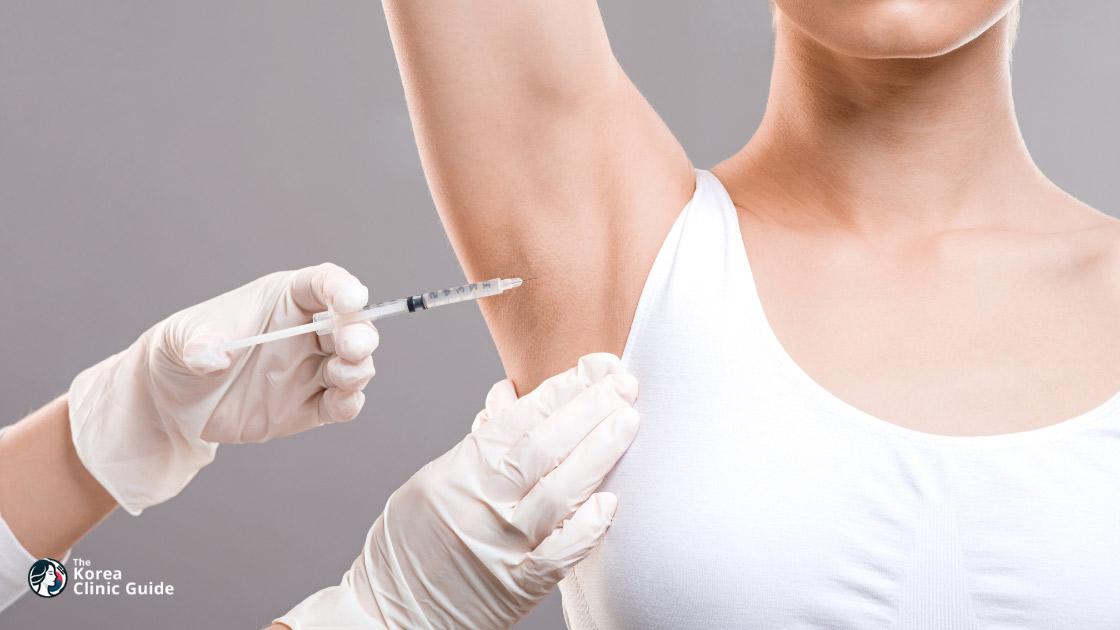
Hyperhidrosis Botox uses mapped, shallow intradermal injections to reduce focal sweating in underarms, hands, feet, and selected other areas, with treatment planning, anesthesia options, aftercare, and follow-up guidance for international patients. Korea costs range from ₩500,000 to ₩1,600,000 (about US$400–$1,200), depending on treatment area, product, dose, coverage, and anesthesia.
Updated: Sep 16, 2026
Gummy Smile Botox in Korea: Candidates, Results, Recovery, and Travel Planning
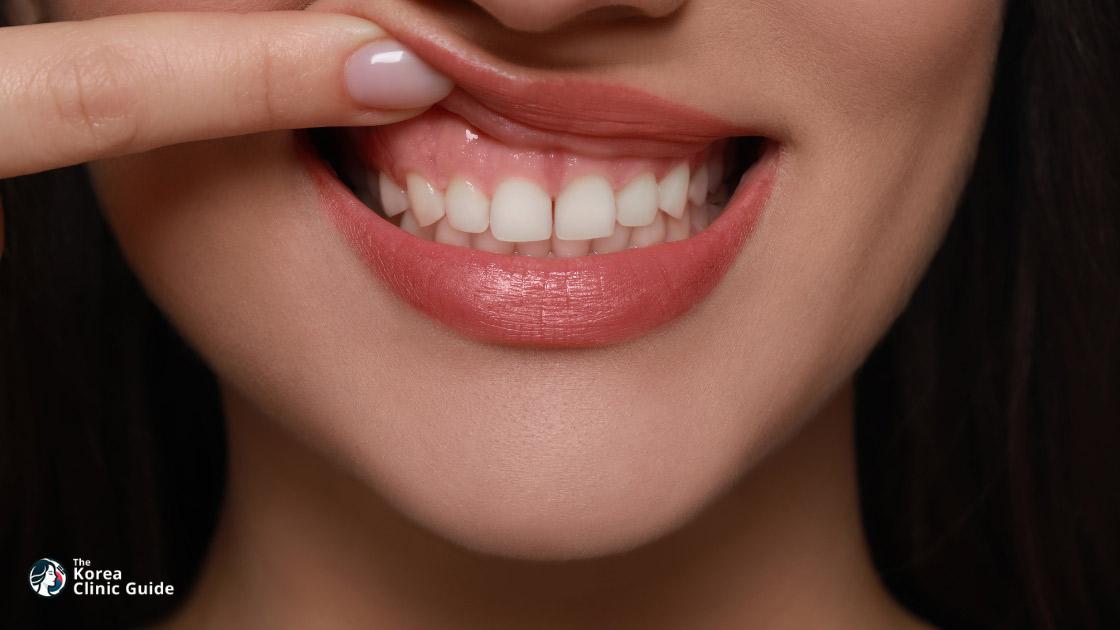
Gummy smile Botox uses targeted injections in upper-lip elevator muscles after dynamic dental and smile assessment, with effects typically appearing in 3–7 days and lasting about 12–24 weeks. In Korea, treatment costs ₩200,000–₩400,000 (about US$100–$300); international patients can usually plan a 2–3-day stay and remote review at 10–14 days.
Updated: Sep 14, 2026
Clinics offering Masseter Botox

365mc Hospital: Korea's Leading Liposuction and Body Contouring Clinic with Innovative AI Technologies and Comprehensive Patient Care
Gyodae

Haru Clinic Korea | Seoul Facelift, Threads, Botox & Fillers
Sinsa

Three Wishes Clinic - Myeongdong, Korea: Advanced Botox, Fillers, Laser, and Skin Treatments for Confidence and Care
Myeongdong

B.V Clinic Korea: Advanced Aesthetic Treatments for Natural Beauty Enhancement & Rejuvenation
Sinnonhyeon Station