
Medizintourismus-Blog
Fadenlifting: Häufige Nebenwirkungen und Lösungsansätze mit Dr. Cho von der PangPang Clinic
Table of contents
- Willkommen: Was Sie nach einem Fadenlifting erwarten können
- Blutergüsse und Schwellungen nach dem Fadenlifting: Warum sie auftreten und wie ich sie minimiere
- Kopfschmerzen und Druckschmerz im Gesicht nach einem Fadenlifting: Woher die Schmerzen kommen
- Wie ich das Management von Kopfschmerzen nach dem Fadenlifting empfehle (zuerst Kälte, dann Wärme)
- Dimpling (Einziehungen) nach dem Fadenlifting: Was es ist und warum es auftritt
- Wann sich Dimpling bessert: Die Rolle von Drainage und „Setzen“
- Eine ruhige Einstellung zur Erholung: Was ich meinen Patientinnen und Patienten mitgeben möchte
- Fazit: Die meisten Nebenwirkungen eines Fadenliftings sind vorübergehend – und gut beherrschbar
- Mehr über die PangPang Clinic
Planen Sie eine Behandlung in Korea? Alles, was Sie wissen müssen, z. B. wie Sie Betrug vermeiden, Visa, Dolmetscher und Tipps für die Erholung, finden Sie in unserem Master Guide für Medizintourismus. Planen Sie mit Vertrauen in Minuten statt in Wochen!
Hinweis: Der folgende Beitrag ist ein Gastbeitrag. Die darin enthaltenen Informationen und Meinungen stammen nicht von koreaclinicguide.com, sondern von PangPang Clinic
Willkommen: Was Sie nach einem Fadenlifting erwarten können
Das Fadenlifting ist zu einer beliebten Option für Menschen geworden, die sich eine sichtbare Straffung und bessere Konturen bei möglichst geringer Ausfallzeit wünschen. Als Arzt, der in der PangPang Clinic in Seoul regelmäßig Fadenliftings durchführt, habe ich festgestellt, dass sich die meisten Sorgen nach dem Eingriff auf einige vorhersehbare Punkte konzentrieren: Blutergüsse und Schwellungen, Kopfschmerzen oder Druckempfindlichkeit sowie sogenanntes „Dimpling“ (Einziehungen), das gelegentlich an der Haut auftreten kann.

Die gute Nachricht ist: Diese Effekte sind in der Regel vorübergehend und gut beherrschbar, wenn man versteht, warum sie auftreten und was man dagegen tun kann. In diesem Artikel erkläre ich Ihnen die häufigsten Nebenwirkungen nach einem Fadenlifting, die ich in der Klinik sehe, wie ich ihnen bereits während des Eingriffs vorzubeugen versuche und welche praktischen Maßnahmen Patientinnen und Patienten helfen, sich wohler zu fühlen und schneller zu erholen.
Blutergüsse und Schwellungen nach dem Fadenlifting: Warum sie auftreten und wie ich sie minimiere
Eine der ersten Fragen, die Patientinnen und Patienten stellen, ist, ob sie nach einem Fadenlifting Blutergüsse oder deutliche Schwellungen haben werden. Da die Fäden über kleine Eintrittspunkte eingebracht werden, können Blutergüsse entstehen, wenn dabei winzige Blutgefäße gereizt werden. Schwellungen wiederum sind eine natürliche Reaktion des Körpers auf jeden Eingriff, bei dem Material unter die Haut eingebracht wird.
In meiner Praxis lege ich großen Wert darauf, den Bereich der Fadeneinführung so sauber und präzise wie möglich zu behandeln. Dieses sorgfältige Vorgehen ist ein wesentlicher Grund dafür, dass viele Patientinnen und Patienten nur sehr geringe Blutergüsse entwickeln. Wenn die Eintrittsstelle exakt behandelt wird und die Technik kontrolliert erfolgt, reagiert das Gewebe meist schonender – das bedeutet weniger sichtbare Verfärbungen und weniger Beschwerden.
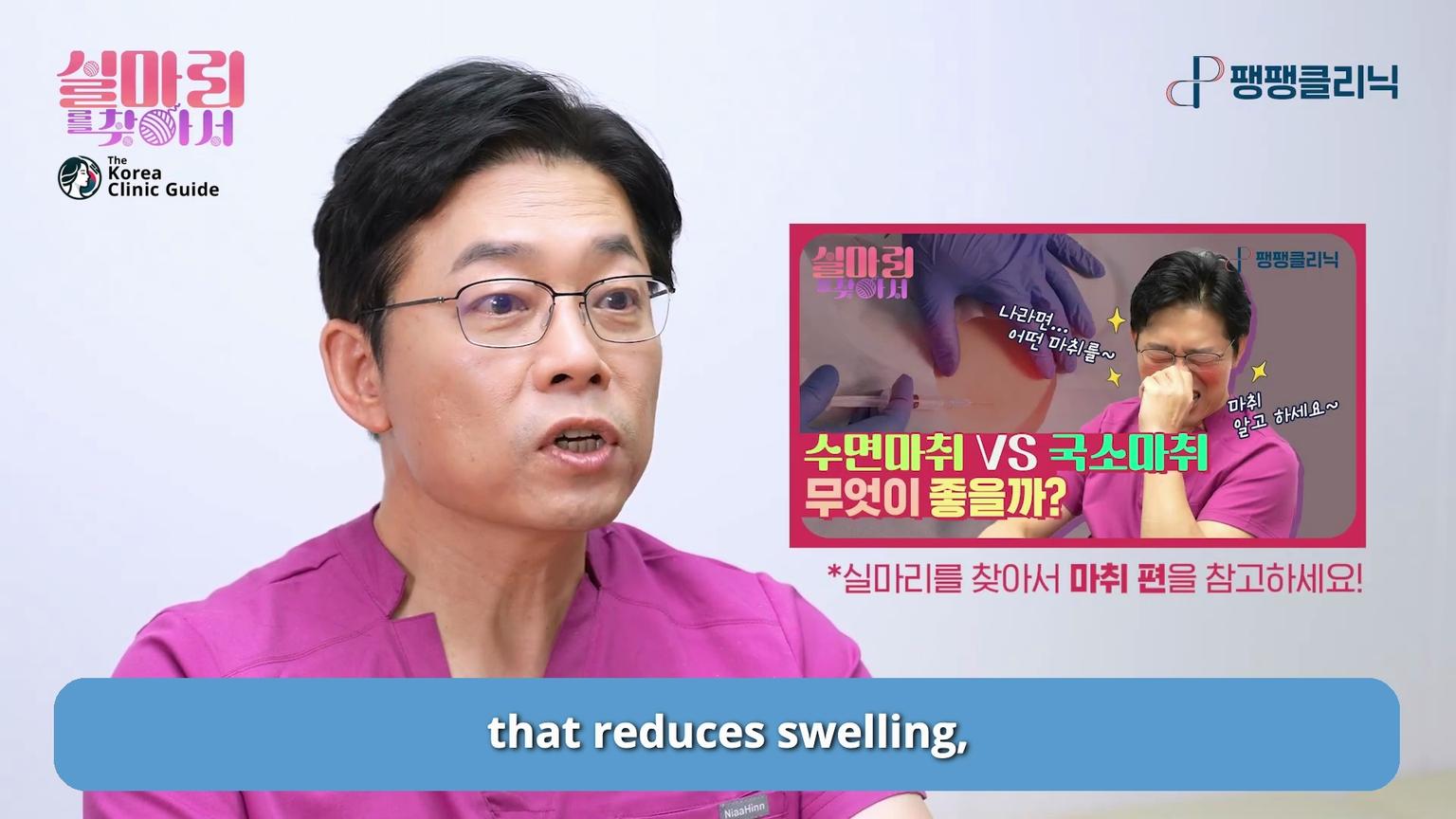
Schwellungen können dennoch auftreten, auch wenn Blutergüsse nur minimal sind. Um Schwellungen zu reduzieren, setzen manche Kliniken Medikamente ein. Mein Ansatz besteht jedoch darin, jeweils die am besten geeignete Art und nur die kleinste notwendige Menge zu verwenden. Das Ziel ist immer eine möglichst reibungslose Erholung, ohne sich zu stark auf Medikamente zu verlassen. In den meisten Fällen können Patientinnen und Patienten schon am nächsten Tag mit einem guten Gefühl an ihren Arbeitsplatz zurückkehren – oft ohne Blutergüsse, die ihnen unangenehm wären.
Schwellungen wirken in der ersten Phase häufig ausgeprägter, als sie tatsächlich sind, weil das Gesicht sehr ausdrucksstark ist und schon kleine Volumenveränderungen im Spiegel leicht auffallen. Das ist normal. Wichtig ist, damit zu rechnen, den eigenen Zeitplan realistisch zu gestalten und sich daran zu erinnern, dass ein leicht geschwollenes Aussehen nicht bedeutet, dass etwas schiefgelaufen ist.
Kopfschmerzen und Druckschmerz im Gesicht nach einem Fadenlifting: Woher die Schmerzen kommen
Eine weitere Nebenwirkung, die Patientinnen und Patienten gelegentlich überrascht, ist ein kopfschmerzartiges Gefühl nach dem Fadenlifting. Das kann auftreten, weil die Fäden unter der Haut platziert werden und Bewegungen, solange sie sich noch nicht vollständig gesetzt haben, ein Ziehen oder Druckgefühl auslösen können.
Manche beschreiben es als Schmerz auf beiden Seiten des Kopfes, fast wie bei leichten Spannungskopfschmerzen. Wichtig ist, dass dieses Gefühl meist nicht dauerhaft besteht. Es tritt eher dann auf, wenn bestimmte Gesichtsmuskeln stärker beansprucht werden – zum Beispiel beim Stirnrunzeln, häufigen Lachen oder beim Kauen harter Nahrung. Dabei werden die Muskeln und Gewebe rund um die Verankerungspunkte der Fäden aktiviert, was das Empfinden vorübergehend verstärken kann.
Wenn Patientinnen und Patienten dieses Muster im Voraus kennen, machen sie sich meist deutlich weniger Sorgen. Wenn Sie beim breiten Lächeln oder beim Abbeißen von etwas Zähem plötzlich ein kurzes „Stechen“ spüren, bedeutet das häufig einfach, dass sich Ihr Gewebe anpasst, während sich die Fäden setzen.
Wie ich das Management von Kopfschmerzen nach dem Fadenlifting empfehle (zuerst Kälte, dann Wärme)
Wenn dieses kopfschmerzartige Unbehagen auftritt, helfen einfache Maßnahmen meist schon deutlich. Falls nötig, kann die Einnahme von Tylenol (Paracetamol) oder eines anderen geeigneten Schmerzmittels das Problem lindern. Viele Patientinnen und Patienten brauchen es, wenn überhaupt, nur für kurze Zeit.

Auch Kälteanwendungen sind anfangs sehr wirksam. Ein Kühlpack oder eine kalte Kompresse kann Beschwerden lindern, indem Entzündungsreaktionen beruhigt und Schwellungen begrenzt werden. Die Technik ist dabei wichtig: Sanfte, kurze Anwendungen sind in der Regel angenehmer als langes, intensives Kühlen.
Nach etwa einer Woche stellen die meisten Patientinnen und Patienten fest, dass das Gefühl weitgehend verschwunden ist. Wenn jedoch viele Fäden eingebracht wurden oder weiterhin ein Spannungsgefühl besteht, empfehle ich oft, statt weiterer Kälteanwendungen auf eine leicht warme Kompresse umzusteigen. Wärme kann helfen, die Muskulatur zu entspannen, und dazu beitragen, dass die verbleibenden Beschwerden schneller nachlassen.
Insgesamt handelt es sich bei dieser Art von Unbehagen um ein natürliches Phänomen während der Setzungsphase. Am hilfreichsten ist es, diese Zeit als vorübergehende Anpassungsphase zu betrachten: mögliche Auslöser möglichst meiden, einfache lindernde Maßnahmen nutzen und dem Gewebe Zeit geben, sich anzupassen.
Dimpling (Einziehungen) nach dem Fadenlifting: Was es ist und warum es auftritt
Die dritte Sorge, von der ich häufig höre, ist Dimpling – ungleichmäßige Linien, leichte Einziehungen oder eine unregelmäßige Hautstruktur, die in bestimmten Bereichen nach dem Fadenlifting auftreten können. Da diese Veränderung sichtbar sein kann, ist es verständlich, dass Patientinnen und Patienten beunruhigt sind, wenn sie sie bemerken.
Das Ausmaß des Dimplings variiert stark je nach Lokalisation und den individuellen Gewebeeigenschaften. Unmittelbar nach dem Eingriff kann das Erscheinungsbild durch zwei wesentliche Faktoren beeinflusst werden: die Menge der injizierten Anästhesielösung und das Ausmaß der Schwellung. Wenn einige Bereiche stärker geschwollen sind als andere, kann der Kontrast zwischen stärker und weniger geschwollenen Zonen sichtbare Unebenheiten erzeugen, die wie eine Linie oder Einziehung wirken.
Auch die Technik spielt eine Rolle dafür, wie die Haut in der frühen Phase aussieht. Fäden werden normalerweise nicht wie ein vollständig gleichmäßiges Netz über die gesamte Fläche verteilt platziert. Stattdessen werden sie in Abständen eingebracht – häufig etwa 1 bis 2 Zentimeter voneinander entfernt. Durch diese Abstände können zwischen den Verankerungspunkten der Fäden und den natürlichen Zwischenräumen manchmal leichte Unregelmäßigkeiten sichtbar werden.
Das fällt besonders in der Anfangszeit auf, wenn das Gewebe noch reagiert und sich die Schwellung noch nicht stabilisiert hat.
Wann sich Dimpling bessert: Die Rolle von Drainage und „Setzen“
Ein wesentlicher Grund dafür, dass sich Dimpling von Tag zu Tag verändert, ist, dass Entzündungsreaktionen und Gewebsflüssigkeit bei jedem Menschen unterschiedlich schnell abklingen. Bei manchen Patientinnen und Patienten geht das sehr schnell, und die Haut wirkt bald wieder glatter. Bei anderen dauert dieser Abbau länger, sodass die Unebenheiten eine Zeit lang sichtbar bleiben, bevor sie sich legen.

In den meisten Fällen bildet sich das Dimpling mit der Zeit von selbst zurück, wenn die Haut angehoben wird und sich in ihrer neuen Position stabilisiert. Deshalb rate ich Patientinnen und Patienten, nicht in Panik zu geraten, wenn sie anfangs kleine Unregelmäßigkeiten sehen. Das frühe Erscheinungsbild ist nicht das Endergebnis.
Dennoch sollten Patientinnen und Patienten mit ihrer Sorge nicht allein bleiben. Wenn Sie sich wegen einer sichtbaren Einziehung zu sehr beunruhigen – oder wenn sie Sie einfach stört –, ist ein Besuch in der Klinik der beste nächste Schritt. In vielen Situationen gibt es einfache Möglichkeiten, die Ursache zu beurteilen und das Problem rasch anzugehen.
Eine ruhige Einstellung zur Erholung: Was ich meinen Patientinnen und Patienten mitgeben möchte
Ein Fadenlifting kann zu einer zufriedenstellenden Straffung und Konturverbesserung führen, bleibt aber dennoch ein Eingriff, bei dem sich Ihr Gewebe anpassen muss. In den ersten Tagen kann sich Ihr Gesicht gespannt anfühlen, leicht geschwollen aussehen oder bei Bewegungen vorübergehend ungewohnte Empfindungen zeigen. Das bedeutet nicht, dass der Eingriff fehlgeschlagen ist – oft heißt es einfach, dass sich die Fäden setzen und Ihr Körper genau das tut, was er während der Heilung tun soll.
Wenn Sie die Erholungsphase mit realistischen Erwartungen und den richtigen Maßnahmen angehen – anfangs kühle Kompressen, bei Bedarf Schmerzbehandlung, später gegebenenfalls warme Kompressen und eine rechtzeitige Kontrolle in der Klinik, wenn sich etwas nicht richtig anfühlt –, schaffen Sie gute Voraussetzungen für eine ruhigere Erfahrung und ein besseres Ergebnis.
Fazit: Die meisten Nebenwirkungen eines Fadenliftings sind vorübergehend – und gut beherrschbar
Die häufigsten Nebenwirkungen nach einem Fadenlifting, die ich sehe – Blutergüsse und Schwellungen, gelegentliche kopfschmerzartige Beschwerden und vorübergehendes Dimpling – gehören im Allgemeinen zum normalen Verlauf nach dem Eingriff. Mit sorgfältiger Technik, überlegtem Einsatz von Maßnahmen zur Schwellungskontrolle und der richtigen Pflege zu Hause erholen sich die meisten Patientinnen und Patienten problemlos und können schnell wieder in den Alltag zurückkehren.
Wenn Sie ein Fadenlifting in Erwägung ziehen, empfehle ich Ihnen, eine kurze Setzungsphase einzuplanen und sich eher auf eine stetige Verbesserung als auf Perfektion am ersten Tag zu konzentrieren. Und wenn Ihnen während der Heilung etwas Sorgen bereitet, ist es immer besser, zur Kontrolle zu kommen und es von Ihrer Ärztin oder Ihrem Arzt beurteilen zu lassen – auch das Gefühl von Sicherheit ist ein wichtiger Teil der Erholung.
Mehr über die PangPang Clinic
Für Patientinnen und Patienten, die in Korea nach verlässlichen Lösungen bei Nebenwirkungen nach einem Fadenlifting und nach einer sorgfältigen Nachsorge suchen, hebt sich die PangPang Clinic in Gangnam als medizinische Einrichtung hervor, die das Fadenlifting mit großer Ernsthaftigkeit betreibt und sich ausschließlich darauf spezialisiert hat – ein Ansatz, der von der Beratung bis zur Erholung zu einer hoch fokussierten Expertise führt. Die Ärztinnen und Ärzte folgen nicht nur Trends, sondern tragen aktiv zum Fachgebiet bei, indem sie als eingeladene Referierende Vorträge und Präsentationen auf internationalen ästhetischen Kongressen halten. Zudem treibt die Klinik Innovationen mit dem weltweit ersten und einzigen Thread Lifting Research Institute voran und nutzt Forschung sowie klinische Daten, um fortschrittliche Techniken mit hoher Patientenzufriedenheit weiterzuentwickeln. Nebenwirkungen wie Schwellungen, Blutergüsse, Spannungsgefühl, Bedenken wegen Asymmetrien oder Unzufriedenheit mit früheren Ergebnissen werden in einem strukturierten, patientenzentrierten Prozess behandelt, der im Thread Lifting Consultation Center beginnt, wo die Ziele und Anliegen jeder einzelnen Patientin und jedes einzelnen Patienten sorgfältig angehört und in einen individuell abgestimmten Behandlungsplan übersetzt werden. Ein wichtiges Unterscheidungsmerkmal ist die Fähigkeit von PangPang, Ergebnisse durch die Auswahl aus 31 spezialisierten Funktionsfäden zu personalisieren – so lassen sich Straffung, Festigung, Stützwirkung oder Volumenbedarf gezielt optimieren. Unterstützt wird dies durch eine detaillierte Planung vor dem Eingriff sowie durch ein Nachsorgepaket nach dem Fadenlifting, das den Komfort verbessern und dazu beitragen soll, die Ergebnisse zu erhalten.
Mehr über diese Klinik finden Sie hier: PangPang Clinic
Häufig gestellte Fragen
Verwandte Blogbeiträge
Global Umbilicoplasty Pricing: How Korea’s Top Clinics Stack Up Against US, Turkey, and Mexico
Discover why Korea is becoming a sought-after destination for affordable belly button surgery, offering cutting-edge techniques and experienced surgeons. Explore the costs, benefits, and considerations involved in undergoing this cosmetic procedure in a country known for its advanced medical services.
Aktualisiert: Oct 21, 2026
Global Cost Perspective: Fat Dissolving Laser Treatment Costs in Korea vs. USA, Mexico, Turkey, and Thailand
Discover the cost and benefits of fat dissolving laser treatments in Korea, where cutting-edge technology meets affordability. Explore how this non-invasive procedure can help you achieve your body goals without breaking the bank.
Aktualisiert: Oct 21, 2026
A World of Difference: Comparing Body Fat Dissolving Laser Costs in Korea, USA, Mexico, Turkey, and Thailand
Discover the latest insights on the cost of body fat dissolving laser treatments in Korea, known for their advanced technology and competitive pricing. Explore how these innovative procedures provide an effective solution for those seeking to achieve their desired body contour.
Aktualisiert: Oct 21, 2026
CoolSculpting-Kosten im Vergleich: Korea vs. USA, Mexiko, Türkei und weitere Länder – warum Korea für Sie die beste Wahl sein könnte
Erfahren Sie aktuelle Informationen zu den Kosten für CoolSculpting in Korea, wo moderne ästhetische Behandlungen zu wettbewerbsfähigen Preisen angeboten werden. Informieren Sie sich über die Faktoren, die die Preisgestaltung beeinflussen, und darüber, warum Korea zunehmend ein beliebtes Ziel für nichtinvasive Verfahren zur Fettreduktion ist.
Aktualisiert: Oct 21, 2026
Kliniken für Face Fat Grafting
BongBong Plastic Surgery Dermatology Korea | Body, Breast & Aesthetic Treatments
Nonhyeon

RINE Plastic Surgery Clinic | Facelift and Eye Rejuvenation Surgery
Nonhyeon

SH Clinic: Comprehensive Women's, Men's & Couples' Health Services in Korea
Sinsa

THEPLUS Plastic Surgery Korea | Eye, Nose, Face & Body Surgery
Sinsa