
Medizintourismus-Blog
Vorsichtsmaßnahmen nach einer Fettabsaugung – 365mc
Table of contents
- Eine reibungslosere Erholung nach der Fettabsaugung beginnt mit der richtigen Nachsorge
- Unmittelbar nach der Fettabsaugung: Was Sie spüren können (und warum das normal ist)
- Tage 2 bis 4: der erste Wendepunkt bei Schwellung und Schmerzen
- Etwa eine Woche nach der OP: Die Schwellung beginnt nachzulassen — und kann sich „verlagern“
- Kompressionskleidung, Körperhaltung, Dehnen und Selbstmassage: die Erholungsbeschleuniger
- Duschen nach der Fettabsaugung: so geht es sicher
- Alkohol und Rauchen: im ersten Monat vermeiden
- Kleidung für bis zu drei Monate: Konturverformungen vorbeugen
- Der richtige Zeitpunkt für Massagen: normale Massage vs. Lymphdrainage
- Die wichtigsten Punkte, die Sie während der Erholung im Kopf behalten sollten
- Fazit: Schützen Sie Ihr Ergebnis, indem Sie den Heilungsverlauf respektieren
- Mehr über 365mc Hospital
Planen Sie eine Behandlung in Korea? Alles, was Sie wissen müssen, z. B. wie Sie Betrug vermeiden, Visa, Dolmetscher und Tipps für die Erholung, finden Sie in unserem Master Guide für Medizintourismus. Planen Sie mit Vertrauen in Minuten statt in Wochen!
Haftungsausschluss: Der folgende Beitrag ist ein Gastbeitrag. Die darin enthaltenen Informationen und Meinungen stammen nicht von koreaclinicguide.com, sondern von 365mc Hospital
Eine reibungslosere Erholung nach der Fettabsaugung beginnt mit der richtigen Nachsorge
Eine Fettabsaugung ist nicht abgeschlossen, sobald Sie den Behandlungsraum verlassen — Ihr Ergebnis und Ihr Wohlbefinden hängen wesentlich davon ab, was Sie in den folgenden Tagen und Wochen tun. Ich erkläre Patientinnen und Patienten deshalb gern, was direkt nach dem Eingriff normal ist, was sich in der ersten Woche typischerweise bessert und welche Gewohnheiten dazu beitragen, dass Schwellungen schneller und gleichmäßiger zurückgehen. Wenn Sie das „Warum“ hinter diesen Vorsichtsmaßnahmen verstehen, fällt es meist deutlich leichter, sie konsequent umzusetzen und sich während der Erholung sicher zu fühlen.

In diesem Leitfaden erläutere ich häufige postoperative Symptome, die Veränderungen im Heilungsverlauf von Tag zu Tag und die wichtigsten Do’s and Don’ts — insbesondere im Hinblick auf Kompressionskleidung, Gehen, Duschen, Alkohol und Rauchen, enge Kleidung sowie den richtigen Zeitpunkt für Massagen.
Unmittelbar nach der Fettabsaugung: Was Sie spüren können (und warum das normal ist)
Direkt nach einer Fettabsaugung sind viele Menschen überrascht, wie viele verschiedene Empfindungen gleichzeitig auftreten können. Je nach Person und behandelter Region kann Flüssigkeit aus den kleinen Inzisionen austreten; außerdem können Blutergüsse, Schwellungen, pochende Schmerzen und manchmal auch Übelkeit oder Schwindel auftreten. Diese Reaktionen können beunruhigend sein, wenn Sie nicht damit rechnen, sind aber typische frühe Heilungsreaktionen, nachdem der Körper Gewebeveränderungen und Flüssigkeitsverschiebungen durchlaufen hat.

Das Wichtigste in dieser Phase ist: Diese Symptome bessern sich in der Regel nach und nach von selbst. Früh auftretende Schwellungen und Blutergüsse gehören zum normalen Entzündungsprozess, und der Körper braucht diese anfängliche Phase, um mit der Reparatur zu beginnen. Wenn Sie sich auf unterstützende Maßnahmen konzentrieren — eine gute Körperhaltung, das korrekte Tragen der Kompressionskleidung und sanfte Bewegung, sobald sie sinnvoll ist — schaffen Sie die Grundlage für eine gleichmäßigere Besserung, statt sich ständig zu fragen, was nun „richtig“ ist.
Tage 2 bis 4: der erste Wendepunkt bei Schwellung und Schmerzen
Für viele fühlt sich die Erholung an den Tagen 2 bis 4 erstmals besser kontrollierbar an. Die Schwellung geht oft langsam zurück, muskelkaterartige Schmerzen können nachlassen, und Schwindel bessert sich meist ebenfalls. Sie sind zu diesem Zeitpunkt noch nicht „vollständig erholt“, aber viele merken jetzt, dass sie sich angenehmer bewegen können und der Körper weniger empfindlich reagiert.
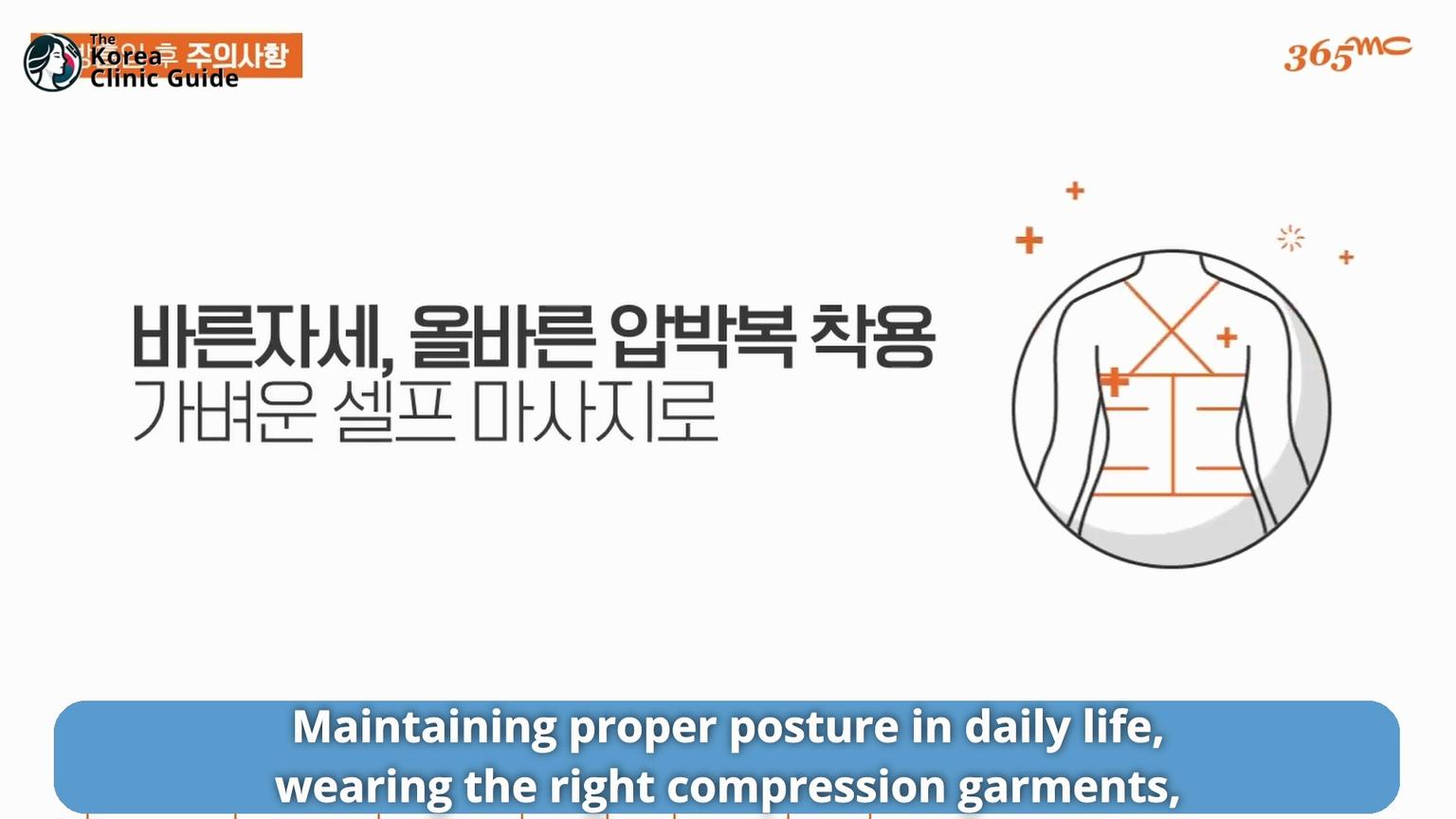
Jetzt werden auch Ihre täglichen Gewohnheiten noch wichtiger. Eine gute Körperhaltung im Alltag unterstützt die Durchblutung und hilft, dass Schwellungen gleichmäßiger abklingen. Das korrekte Tragen Ihrer Kompressionskleidung ist ein weiterer Grundpfeiler — sie dient nicht nur dem Komfort, sondern unterstützt das behandelte Gewebe auch dabei, sich während der Heilung anzupassen. Sanftes Dehnen zusammen mit leichter Selbstmassage kann ebenfalls helfen, dass sich Ihr Körper weniger steif anfühlt, und zu einer angenehmeren Erholung beitragen, solange Sie dabei behutsam und konsequent vorgehen.
Etwa eine Woche nach der OP: Die Schwellung beginnt nachzulassen — und kann sich „verlagern“
Etwa eine Woche nach der Operation bemerken viele Patientinnen und Patienten, dass die Schwellung allmählich zurückgeht. In dieser Phase achten viele bereits auf sichtbare Veränderungen bei Umfang oder Kontur, und es ist völlig verständlich, sich darauf zu freuen.
Ein Detail, das überraschend sein kann: Beim Abklingen kann sich die Schwellung von oben nach unten verlagern. Das bedeutet, dass auch Bereiche fern der Fettabsaugungsstellen — etwa die Knöchel oder Hände — anschwellen können. Das kann sich ungewohnt anfühlen, ist aber meist ein normaler Teil der Flüssigkeitsumverteilung während der Erholung.
Um Ihrem Körper zu helfen, Schwellungen effizienter zu verarbeiten und abzubauen, empfehle ich täglich 30 Minuten zu gehen. Gehen fördert die Durchblutung und hilft, Flüssigkeitsansammlungen zu reduzieren, ohne das heilende Gewebe so stark zu belasten wie intensiver Sport. Wenn Sie vor allem Schwellungen an den Knöcheln bemerken, können sanfte Maßnahmen wie zusätzliches Gehen oder ein Fußbad das Wohlbefinden unterstützen, während sich Ihr Körper wieder einpendelt.
Kompressionskleidung, Körperhaltung, Dehnen und Selbstmassage: die Erholungsbeschleuniger
Wenn Patientinnen und Patienten fragen, was sie tun können, um sich „schneller“ zu erholen, lautet die Antwort meist nicht ein einzelner Wundetrick — sondern eine Reihe einfacher Gewohnheiten, die konsequent richtig umgesetzt werden. Eine gute Körperhaltung im Tagesverlauf hilft Ihrem Körper, Druck und Flüssigkeit gleichmäßiger zu verteilen, was ein harmonischeres Abschwellen unterstützen kann. Das korrekte Tragen der Kompressionskleidung ist dabei genauso wichtig wie das Tragen selbst; Sitz und Position müssen stimmen, damit der Druck gleichmäßig und unterstützend wirkt, statt unerwünschte Linien oder punktuelle Druckstellen zu verursachen.
Sanftes Dehnen ist sinnvoll, weil es Steifheit reduziert und Ihnen hilft, schneller zu normalen Bewegungsmustern zurückzufinden. Leichte Selbstmassage kann in der frühen Phase ebenfalls hilfreich sein, wenn sie vorsichtig durchgeführt wird, weil sie das Wohlbefinden unterstützt und dazu beitragen kann, dass Sie sich weniger „straff“ oder eingeschränkt fühlen. Das Ziel ist nicht, aggressiv vorzugehen — sondern konsequent und sanft zu bleiben, solange Ihr Gewebe noch empfindlich ist.
Duschen nach der Fettabsaugung: so geht es sicher
Viele Patientinnen und Patienten machen sich Sorgen, dass Duschen die Heilung beeinträchtigen könnte. Sie können duschen, aber die richtige Vorgehensweise ist wichtig. Entscheidend ist, den behandelten Bereich vor dem Duschen mit einem wasserdichten Verband abzudecken, damit Inzisionen und Wundauflagen vor Feuchtigkeit geschützt bleiben.
Nach dem Duschen entfernen Sie den wasserdichten Verband und wechseln den Wundverband selbst. Diese Routine hilft, den Bereich sauber und trocken zu halten, und verringert das Risiko, dass anhaltende Feuchtigkeit auf der Haut das heilende Gewebe reizt. Wenn Sie dies ruhig und konsequent zur Gewohnheit machen, ist das eine Sorge weniger — und Sie haben das Gefühl, den Erholungsprozess besser im Griff zu haben.
Alkohol und Rauchen: im ersten Monat vermeiden
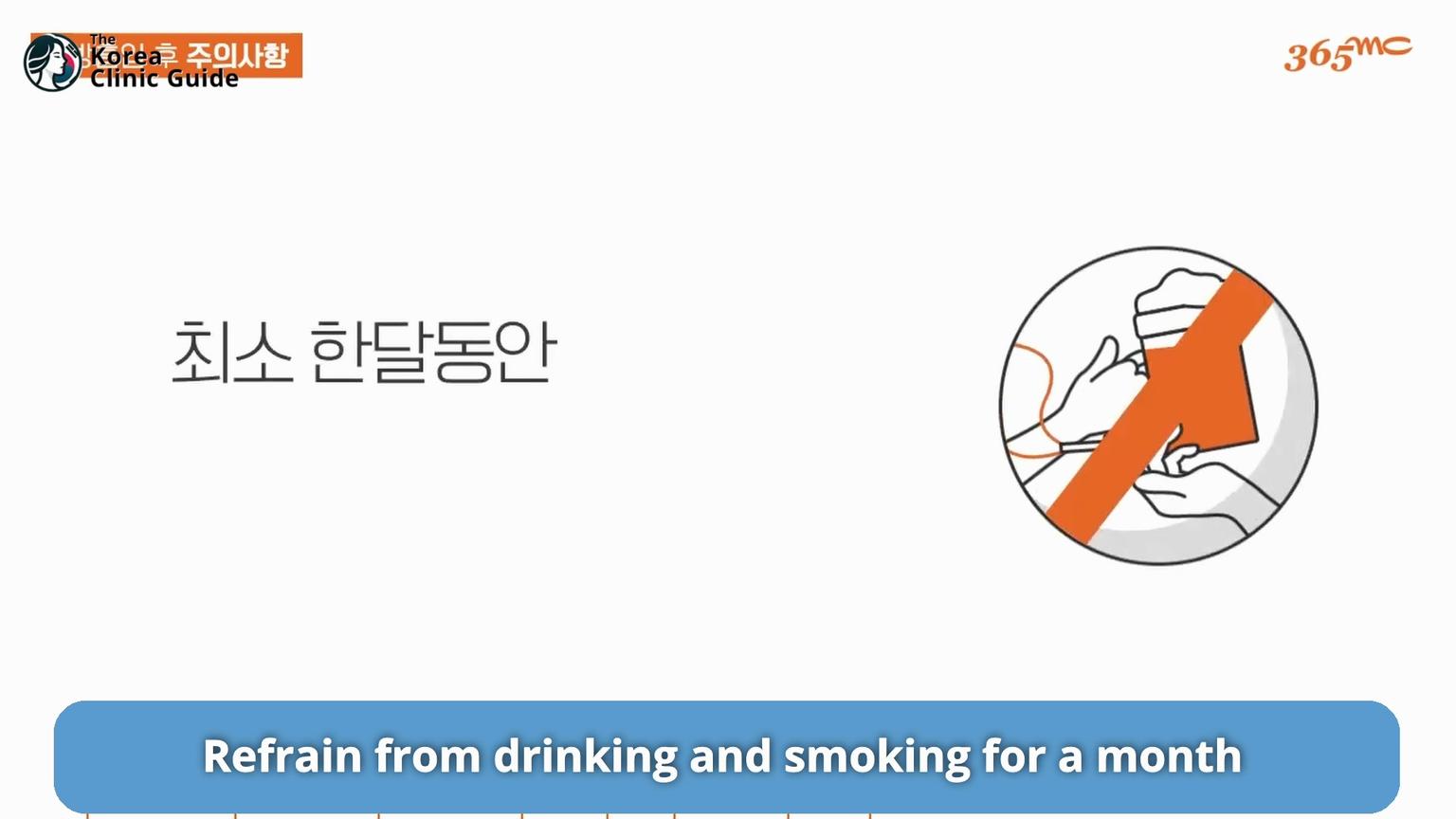
Etwa im ersten Monat nach dem Eingriff — bis Sie deutlich bemerken, dass die Schwellung zurückgeht und Ihr Umfang abnimmt — rate ich dazu, Alkohol und Rauchen zu vermeiden. Dabei geht es nicht darum, unnötig streng zu sein, sondern Ihrem Körper die bestmöglichen Voraussetzungen für eine reibungslose Heilung zu geben.
Während der frühen Heilungsphase sind Ihre Gewebe noch mit Entzündung und Reparatur beschäftigt. Die Erholung zu unterstützen bedeutet, Faktoren zu reduzieren, die Durchblutung, Flüssigkeitshaushalt und die allgemeine Geweberegeneration beeinträchtigen können. Betrachten Sie den ersten Monat als Aufbau des Fundaments: Je konsequenter Sie diese Phase schützen, desto unkomplizierter verläuft der restliche Prozess meist.
Kleidung für bis zu drei Monate: Konturverformungen vorbeugen
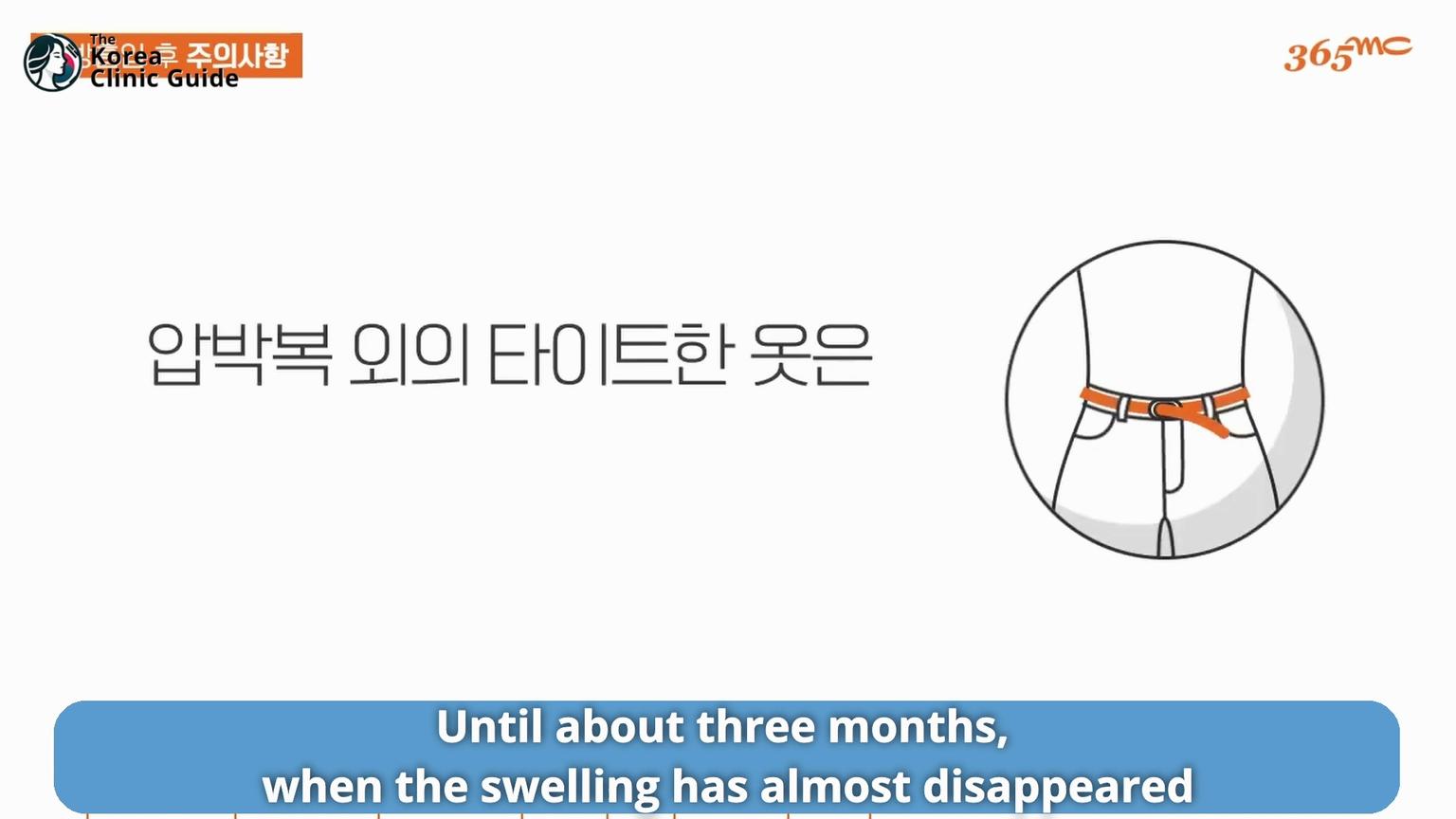
Wenn der Großteil der Schwellung in den folgenden Wochen zurückgeht, werden Gewichtskontrolle und konsequente Nachsorge besonders wichtig. Vermeiden Sie bis zu drei Monate lang alles Enge außer Ihrer Kompressionskleidung — zum Beispiel Gürtel, enge Unterwäsche oder eng sitzende Hosen. Falscher äußerer Druck an den falschen Stellen kann die Konturen verformen, solange sich das Gewebe noch setzt.
Dieser Punkt wird oft unterschätzt, weil sich enge Kleidung „normal“ anfühlt. Nach einer Fettabsaugung ist Ihr Gewebe jedoch vorübergehend formbarer. Der gleichmäßige Druck Ihrer Kompressionskleidung ist gezielt für die Erholung vorgesehen; ungleichmäßige Druckpunkte durch Alltagskleidung sind es nicht. Locker sitzende, bequeme Kleidung gibt Ihren Konturen den Raum, sich natürlicher und gleichmäßiger zu formen.
Der richtige Zeitpunkt für Massagen: normale Massage vs. Lymphdrainage
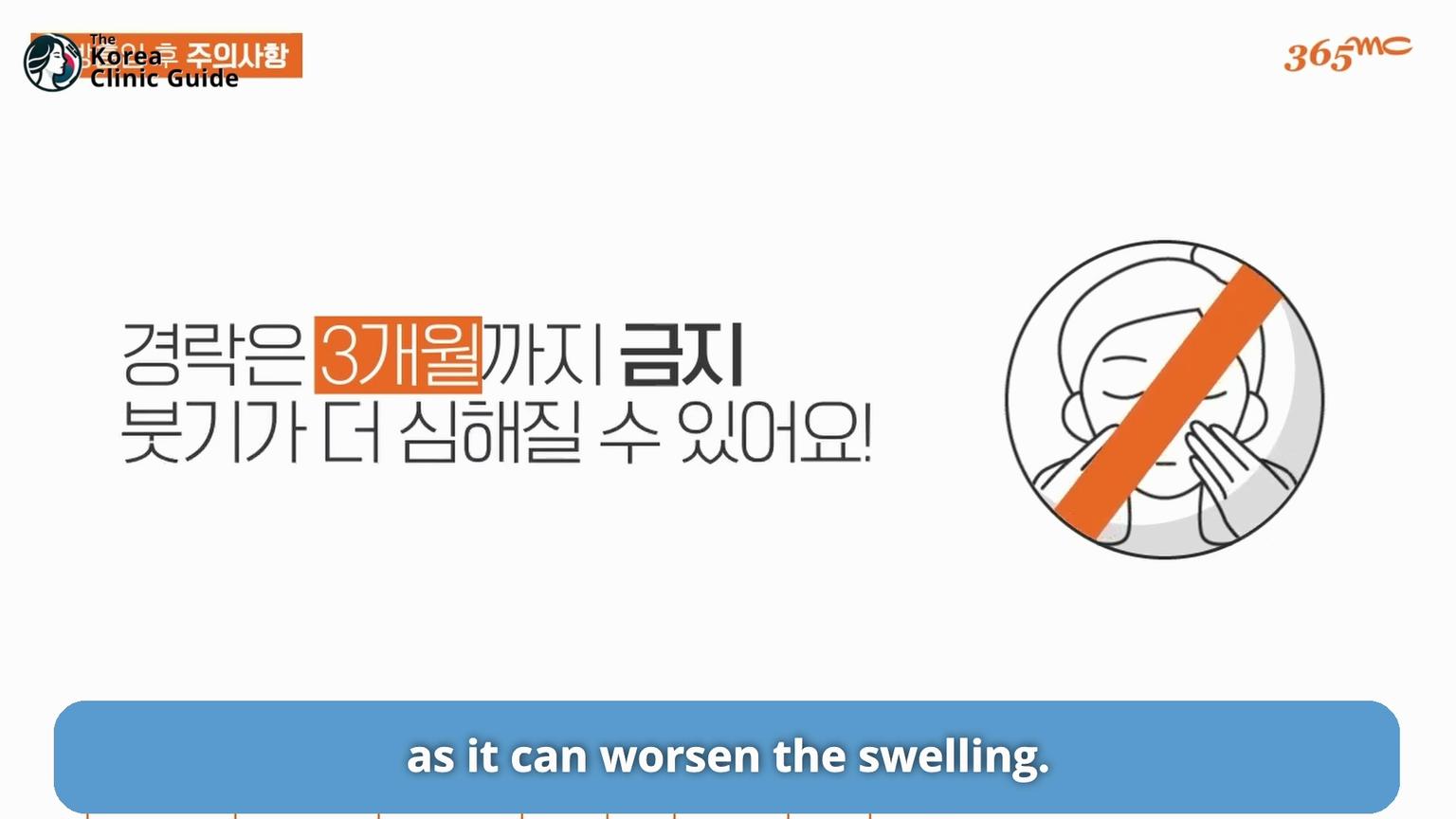
Massage ist ein weiterer Bereich, in dem das Timing wichtig ist. Eine normale Massage ist nach etwa zwei Monaten im Allgemeinen in Ordnung, wenn das Gewebe mehr Zeit hatte, sich zu stabilisieren. Eine Lymphdrainage sollte jedoch erst drei Monate nach der Operation erfolgen.
Der Grund ist einfach: Eine zu früh durchgeführte Lymphdrainage kann die Schwellung verstärken. Wenn Ihr Körper sich noch in einer aktiven Heilungsphase befindet, kann ein Eingriff in dieses System, bevor es bereit ist, nach hinten losgehen. Wenn Sie für die Lymphdrainage die vollen drei Monate warten, lassen sich unnötige Schwellungsschübe vermeiden und eine gleichmäßigere Erholung unterstützen.
Die wichtigsten Punkte, die Sie während der Erholung im Kopf behalten sollten
Wenn Sie sich nur ein paar Grundsätze merken, dann diese: Erstens sind Symptome direkt nach der Operation — Flüssigkeitsaustritt, Blutergüsse, Schwellungen, pochende Schmerzen, Übelkeit und Schwindel — meist normal und bessern sich mit der Zeit, also geraten Sie nicht in Panik, wenn Sie sie bemerken. Zweitens können eine gute Körperhaltung, korrekt getragene Kompressionskleidung und leichte Selbstmassage dazu beitragen, dass Sie sich besser fühlen und sich effizienter erholen. Drittens kann sich die Schwellung nach unten verlagern, daher können Schwellungen an Knöcheln oder Händen auftreten; tägliches Gehen und sogar ein Fußbad können das Wohlbefinden unterstützen. Viertens können Sie duschen, indem Sie einen wasserdichten Verband verwenden und ihn anschließend entfernen, um den Wundverband zu wechseln. Fünftens: Verzichten Sie im ersten Monat auf Alkohol und Rauchen. Sechstens: Um Konturunregelmäßigkeiten zu vermeiden, sollten Sie bis zu drei Monate lang außer Ihrer Kompressionskleidung keine enge Kleidung tragen. Siebtens: Warten Sie mit der Lymphdrainage bis zum dritten Monat, da eine zu frühe Anwendung die Schwellung verstärken kann.
Fazit: Schützen Sie Ihr Ergebnis, indem Sie den Heilungsverlauf respektieren
Die Erholung nach einer Fettabsaugung verläuft in Form stetiger Verbesserungen und nicht durch Veränderungen über Nacht. Besonders beruhigend ist, dass viele frühe Symptome von selbst nachlassen, während Ihr Körper heilt. Wenn Sie Geduld mit den richtigen täglichen Gewohnheiten kombinieren — korrekte Kompression, gute Körperhaltung, sanfte Bewegung, sicheres Duschen sowie durchdachte Entscheidungen bei Kleidung und dem richtigen Massagezeitpunkt — geben Sie Ihrem Körper die Unterstützung, die er braucht, um Schwellungen gleichmäßig abzubauen und Ihre entstehenden Konturen zu schützen.
Wenn Sie die ersten Wochen als strukturierte Heilungsphase betrachten, werden Sie sich nicht nur im Alltag wohler fühlen — Sie unternehmen auch die praktisch sinnvollsten Schritte hin zu einem gleichmäßigeren und zufriedenstellenderen Endergebnis.
Mehr über 365mc Hospital
Für Vorsichtsmaßnahmen und Erholungshinweise nach einer Fettabsaugung in Korea ist das 365mc Hospital eine spezialisierte Klinik für Adipositasbehandlung und Körperkonturierung, die sich ausschließlich auf Fettreduktion konzentriert und dabei Sicherheit und Präzision auf Krankenhausniveau bietet, die den Standards großer chirurgischer Zentren an medizinischen Fakultäten entsprechen oder diese übertreffen. Die Klinik ist zudem mit dem Siegel des koreanischen Gesundheitsministeriums anerkannt. Patientinnen und Patienten erhalten am Operationstag eine individuelle 1:1-Intensivbetreuung in einem eigenen Recovery Center, gefolgt von einem strukturierten 7-wöchigen Nachsorgeprogramm unter Leitung des 365mc Care Teams. Dieses kann erholungsunterstützende Maßnahmen wie Behandlungen in einer hyperbaren Sauerstoffkammer und personalisierte Ernährungsberatungen umfassen, um Beschwerden zu verringern, die Heilung zu fördern und die endgültige Körperkontur weiter zu verfeinern. Gestützt auf mehr als 20 Jahre Erfahrung, ein umfangreiches Netzwerk aus 18 Kliniken und 22 leitenden Ärztinnen und Ärzten in Korea sowie eine Erfolgsbilanz mit Tausenden chirurgischen Fettabsaugungen und Millionen Behandlungen hebt sich 365mc zudem durch technologiebasierte Präzision hervor — einschließlich KI-gestützter Weiterentwicklungen und des in Zusammenarbeit mit Microsoft entwickelten M.A.I.L.-Systems für chirurgisches Echtzeit-Feedback — und bietet Optionen von fortschrittlicher Fettabsaugung für mehrere Körperbereiche bis hin zu minimalinvasivem LAMS für Patientinnen und Patienten, die gezielte Ergebnisse bei minimaler Ausfallzeit wünschen.
Mehr über diese Klinik finden Sie hier: 365mc Hospital
Häufig gestellte Fragen
Verwandte Blogbeiträge
Global Umbilicoplasty Pricing: How Korea’s Top Clinics Stack Up Against US, Turkey, and Mexico
Discover why Korea is becoming a sought-after destination for affordable belly button surgery, offering cutting-edge techniques and experienced surgeons. Explore the costs, benefits, and considerations involved in undergoing this cosmetic procedure in a country known for its advanced medical services.
Aktualisiert: Oct 21, 2026
Global Cost Perspective: Fat Dissolving Laser Treatment Costs in Korea vs. USA, Mexico, Turkey, and Thailand
Discover the cost and benefits of fat dissolving laser treatments in Korea, where cutting-edge technology meets affordability. Explore how this non-invasive procedure can help you achieve your body goals without breaking the bank.
Aktualisiert: Oct 21, 2026
A World of Difference: Comparing Body Fat Dissolving Laser Costs in Korea, USA, Mexico, Turkey, and Thailand
Discover the latest insights on the cost of body fat dissolving laser treatments in Korea, known for their advanced technology and competitive pricing. Explore how these innovative procedures provide an effective solution for those seeking to achieve their desired body contour.
Aktualisiert: Oct 21, 2026
CoolSculpting-Kosten im Vergleich: Korea vs. USA, Mexiko, Türkei und weitere Länder – warum Korea für Sie die beste Wahl sein könnte
Erfahren Sie aktuelle Informationen zu den Kosten für CoolSculpting in Korea, wo moderne ästhetische Behandlungen zu wettbewerbsfähigen Preisen angeboten werden. Informieren Sie sich über die Faktoren, die die Preisgestaltung beeinflussen, und darüber, warum Korea zunehmend ein beliebtes Ziel für nichtinvasive Verfahren zur Fettreduktion ist.
Aktualisiert: Oct 21, 2026
Kliniken für Axillary Liposuction
BongBong Plastic Surgery Dermatology Korea | Body, Breast & Aesthetic Treatments
Nonhyeon

365mc Hospital: Korea's Leading Liposuction and Body Contouring Clinic with Innovative AI Technologies and Comprehensive Patient Care
Gyodae
RINE Plastic Surgery Clinic | Facelift and Eye Rejuvenation Surgery
Nonhyeon

THEPLUS Plastic Surgery Korea | Eye, Nose, Face & Body Surgery
Sinsa