
Medical Tourism Blog
Alar Reduction in Korea: Fixing Nostril Flaring When Smiling
Table of contents
- Alar Reduction: A Detailed Medical Procedure
- Best Clinics in Korea for Nostril Flaring When Smiling
- Navigating Alar Reduction as a Medical Tourist in South Korea
- Costs Associated with Alar Reduction in South Korea and Global Comparison
- Patient Experiences and Outcomes with Alar Reduction for Dynamic Flaring
- Conclusions
- References
Considering treatment in Korea? Everything you need to know e.g. — how to avoid scams, visas, interpreters, recovery tips — in our Medical Tourism Master Guide. Plan with confidence in minutes, not weeks!
This report dives into the common issue of "nostril flaring when smiling," also known as "dynamic flaring of nostrils," and highlights Alar Reduction as a key surgical solution. It also serves as a detailed guide for patients considering this procedure as medical tourists in South Korea, covering the surgery itself, costs, and patient outcomes.
Dynamic nostril flaring when smiling is a natural facial movement but can affect self-confidence for some. Here, we explain what it is, the muscles involved, how to tell it apart from medical concerns, and non-surgical options.
What is Nostril Flaring When Smiling?
Nostril flaring when smiling means the nostrils temporarily widen or expand outward during expressions like smiling. This is a normal muscle function and usually doesn’t change the nose’s resting shape. It varies naturally due to nasal cartilage, skin thickness, and ethnicity. Still, some people find the wider nostrils cosmetically bothersome, impacting their confidence.
Common Pseudonyms and Related Terms
This condition is often called "dynamic flaring of nostrils." Other terms include "flared nostrils," "wide nostrils," or "excessive nostril flare." The surgical fix is known as "Alar Reduction," "Alarplasty," or "Alar Base Reduction."
Muscles Involved in Dynamic Flaring
Several facial muscles work together to cause nostril flaring during smiling:
- Levator labii superioris alaeque nasi: Lifts the upper lip and nostril side, causing flare.
- Nasalis: Dilates nostrils during deep breaths or emotional expressions.
- Orbicularis oris and Zygomaticus major: Raise mouth corners for a smile and can pull nasal tissues, affecting nostril appearance.
The extent of flaring depends on nose structure, muscle strength, genetics, and tissue elasticity.
Non-Cosmetic Causes of Nasal Flaring and When to Seek Medical Attention
It’s important to distinguish cosmetic nostril flaring from nasal flaring caused by medical issues. True nasal flaring, especially during breathing, can signal respiratory distress, particularly in children. Unlike dynamic flaring when smiling, which is harmless, medical nasal flaring requires urgent care.
Medical causes include:
- Bacterial and viral infections: Influenza, pneumonia, bronchiolitis.
- Asthma: Often with wheezing and shortness of breath.
- Epiglottitis: Inflammation of tissue covering the trachea.
- Airway obstructions: Blockages restricting airflow.
- Croup: Larynx and trachea inflammation in children.
- Chronic nasal congestion or sinusitis
- Trauma or injury: Broken nose or past injuries.
- Habitual mouth breathing: Compensatory nostril widening.
Seek emergency care if a child shows persistent flaring or if anyone has blue lips, skin, or nails, signs of low oxygen. Cosmetic consultations should also screen for underlying respiratory problems.
Non-Surgical Approaches to Managing Nostril Flaring
For those focused on cosmetic concerns, several temporary or non-invasive options exist before surgery:
- Injections (e.g., Botox): Temporarily reduce muscle activity causing flare; effects last 3-6 months.
- Contouring with Makeup: Use shading to visually minimize nostril prominence.
- Facial Exercises: Techniques like "Nose Flare Control Exercise" and "Press-and-Tighten Technique" may improve muscle tone.
- Nasal Strips: Help with breathing-related flaring by improving airflow.
- Relaxation Techniques: Reducing facial tension can lessen flare.
Consult a professional to understand each option’s benefits and limits. Addressing cosmetic concerns respectfully supports patient confidence and informed choices.
Alar Reduction: A Detailed Medical Procedure
Alar Reduction is a surgical method to reshape and narrow the nostrils. This section covers who it’s for, how it’s done, risks, and recovery.
What is Alar Reduction (Alarplasty/Alar Base Reduction)?
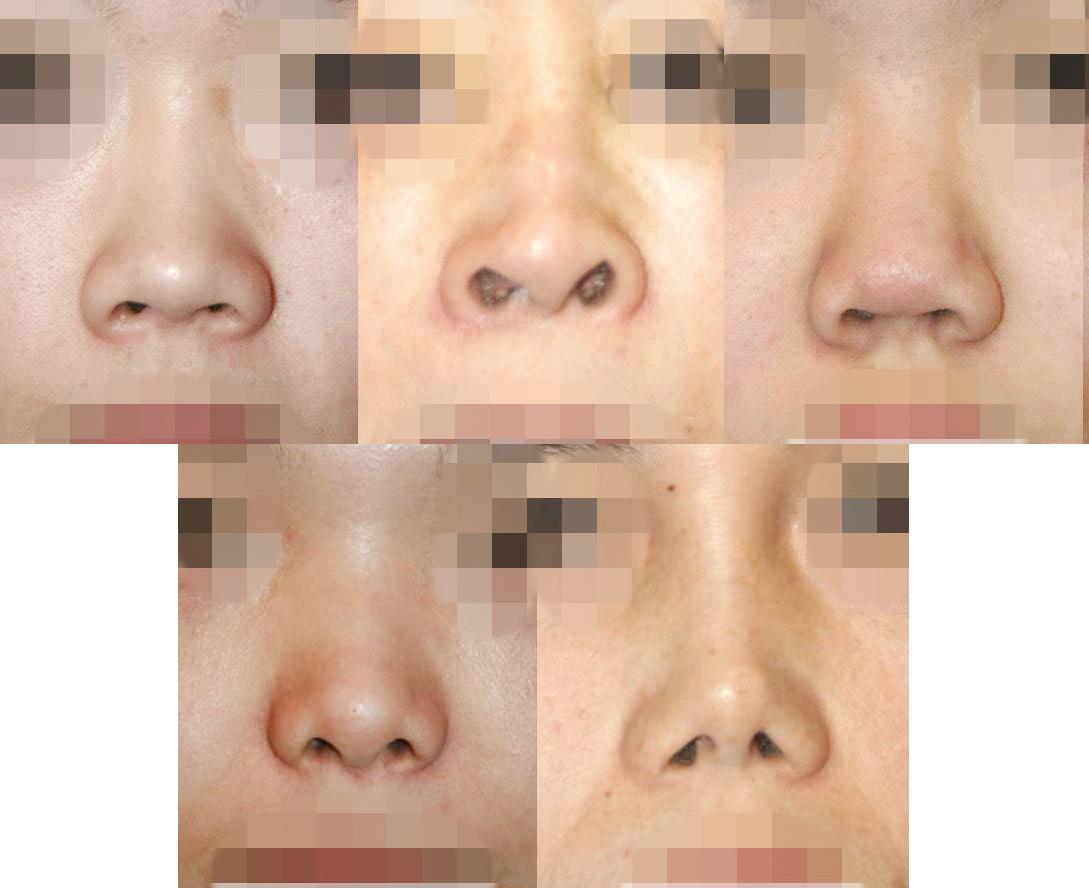
Alar Reduction, also called alarplasty or alar base reduction, targets the nostril’s outer edges (alae) made of cartilage and soft tissue. The goal is to narrow the nostrils and nasal base, reducing flare and creating a balanced, symmetrical nose that fits the face. It can be done alone or as part of a full rhinoplasty.
Who is a Candidate for Alar Reduction?
Ideal candidates feel their nostrils are too wide, flared, or uneven. A common measure is when the nostril width (interalar distance) exceeds the distance between the eyes (intercanthal distance).
Candidates should be healthy, have realistic expectations, and ideally be non-smokers or willing to quit before and after surgery. Prior nasal surgeries should be fully healed. Psychological readiness is important; those with body dysmorphia should seek counseling first. Pre-op consultations ensure goals match achievable results.
The Surgical Process: Step-by-Step
-
Pre-operative Considerations: Stop anti-inflammatory meds and smoking two weeks before surgery.
-
Anesthesia: Usually local anesthesia; sometimes general anesthesia based on preference.
-
Incision Placement and Techniques: Incisions are made where the nostril meets the cheek, often inside the nose to hide scars. Shapes vary (rectangular, triangular, diamond) based on needs.
Techniques include:
- Alar Wedge Excision (Weir Incision): Removes a wedge of tissue to reduce flare while preserving natural curves.
- Nostril Sill Excision: Removes tissue from the nostril base to narrow the nasal base.
- Combined Excision: For wide bases and flare, both techniques are combined.
- Thread Technique (in Korea): Removes excess tissue and uses threads to narrow the nose base.
-
Tissue Removal and Reshaping: A precise wedge is removed to reduce nostril size and flare.
-
Suturing: Fine stitches close incisions, usually removed after 5-7 days or self-dissolving.
Alar reduction often complements rhinoplasty, especially if nasal tip changes cause nostril widening. A full nasal assessment is key for balanced results.
Potential Risks and Complications
Risks include infection, bleeding, swelling, and bruising. Specific issues may be:
- Nostril asymmetry: Perfect symmetry is challenging; revisions may be needed.
- Scarring: Usually hidden but can be noticeable if healing is poor.
- Numbness: Temporary or rarely permanent.
- Difficulty breathing: Rarely caused by scar tissue.
- Tissue necrosis: Very rare skin tissue death.
- Hematomas: Blood collection needing drainage.
- Anesthesia risks
Discuss all risks thoroughly with your surgeon before surgery.
Recovery and Aftercare
Recovery is usually quick, with most resuming daily activities in 1-2 days.
- Initial Phase (1-2 Weeks): Swelling, redness, and mild pain are common. Sutures removed after 5-7 days. Avoid strenuous activity and nose blowing for six weeks. Keep the area clean, use cold compresses, and elevate the head.
- Mid-Term (1-3 Months): Swelling reduces significantly; scars fade.
- Long-Term (3 Months to 1 Year): Final results appear as swelling fully subsides; scars mature and soften.
Permanence of the Procedure
Alarplasty is permanent since tissue is removed. Natural aging may subtly change nose shape over time.
Best Clinics in Korea for Nostril Flaring When Smiling
Listed below are the best clinics in Korea for nostril flaring when smiling:
| Clinic Name | Key Features | Special Techniques |
|---|---|---|
| THEPLUS Plastic Surgery | - Located in Garosu-gil, Gangnam, Seoul - Led by internationally esteemed rhinoplasty specialists, Dr. Jeong Jae-yong and Dr. Kim Taek-gyun - Decades of experience and landmark academic publications - Commitment to continuous education and innovation - Multidisciplinary team and state-of-the-art facilities - Patient-centered care and comprehensive follow-up | - Authors of influential textbooks and premier resources - Leaders in Asian rhinoplasty - Advanced techniques for correcting nostril flaring and nasal wing issues - Emphasis on both functional and aesthetic improvements - Teaching and lecturing at international symposiums and institutions - Research-driven, evidence-based care |
| Made Young Plastic Surgery | - Led by Dr. Lee Byeong-hoe (20+ years of experience) - Renowned for complex revision and reconstruction cases - Advanced 3D-CT precision analysis system - Comprehensive, patient-focused approach - Medical staff averaging over 15 years of experience - Rigorous safety and monitoring systems - Award-winning clinic in Gangnam | - Bespoke surgical planning including septal alignment and symmetry - Advanced procedures for dorsal hump and tip refinement - Use of osteotomy and autologous rib grafts - Full transparency with procedure CCTV - Dedicated aftercare center for optimal recovery |
| Okay Plastic Surgery Clinic | - Led by a renowned female plastic surgeon - Expert in simple, complex, and revision rhinoplasties - Patient-centered, sincere care and holistic philosophy - Comprehensive rhinoplasty services - Supportive environment for local and international patients | - Personalized, precise rhinoplasty techniques - Specialized in nostril reduction and nose tip refinement - Transformative approaches for facial harmony - Focus on safe, sophisticated, and natural-looking results |
THEPLUS Plastic Surgery
THE PLUS Plastic Surgery clinic, located in the vibrant Garosu-gil district of Gangnam, Seoul, is recognized as a leader in the field of aesthetic and reconstructive surgery, especially rhinoplasty. Under the guidance of Dr. Jeong Jae-yong and Dr. Kim Taek-gyun—both internationally esteemed rhinoplasty specialists—THE PLUS has set new standards for surgical excellence not only in Korea but across Asia. With decades of experience, landmark academic publications, and a commitment to continuous education and innovation, the clinic attracts patients seeking advanced solutions for complex nasal concerns such as nostril flaring when smiling. Their dedication to patient-centered care, paired with a sophisticated, multidisciplinary team and state-of-the-art facilities, ensures that each patient’s aesthetic goals are achieved with safety, artistry, and lasting satisfaction.
Why THE PLUS Plastic Surgery is the best clinic for nostril flaring when smiling:
- Dr. Jeong Jae-yong and Dr. Kim Taek-gyun are globally renowned as thought leaders and innovators in rhinoplasty, shaping surgical standards across Korea, Japan, and China.
- Dr. Jeong is the author of "Rebuilding Nose: Rhinoplasty for Asians," an influential textbook widely used by surgeons worldwide, evidencing his cutting-edge techniques and authority in Asian rhinoplasty.
- Both doctors are deeply involved in ongoing education, sharing knowledge at international symposiums such as the Seoul Rhinoplasty Forum (SRF), KSPRS, and IFAAS, and acting as advisors and surgical instructors at top institutions in Seoul, Tokyo, and Shanghai.
- Their extensive publication record, with more than 20 academic papers and contributions to premier resources like PRS and "The 18 Masters of Korean Aesthetic Surgery," highlights their commitment to research-driven, evidence-based care.
- The clinic offers a full spectrum of rhinoplasty solutions, including advanced procedures to correct nostril flaring and nasal wing issues, ensuring individualized treatment for both functional and aesthetic concerns.
- Safety and satisfaction are paramount, supported by a world-class team and comprehensive, patient-focused follow-up care on-site.
- Their balanced approach emphasizes both harmony and natural beauty, striving for improvements that enhance but do not overpower the patient's unique features.
- The clinic boasts spacious, patient-friendly facilities that provide comfort from consultation through postoperative care, creating an optimal environment for both local and international patients.
With a distinguished reputation, innovative leadership, and exceptional outcomes in rhinoplasty—particularly for the correction of nostril flaring when smiling—THE PLUS Plastic Surgery stands as the preeminent choice for patients seeking expert care and natural, beautiful results.
You can check out their website here: THEPLUS Plastic Surgery Website
Made Young Plastic Surgery
Made Young Plastic Surgery is widely recognized as Korea's premier clinic for addressing nostril flaring when smiling, combining unrivaled technical expertise and patient-focused care. Under the leadership of Dr. Lee Byeong-hoe, a leading rhinoplasty specialist with over 20 years of dedicated experience—particularly in complex revision and reconstruction cases—the clinic offers highly individualized solutions using only the most advanced surgical materials and techniques. Made Young’s state-of-the-art 3D-CT precision analysis system enables their team to accurately assess nasal bone structure, septal alignment, and symmetry, allowing for bespoke surgical planning that ensures both functional stability and a naturally attractive nasal contour. Patients benefit from a comprehensive approach that considers every element of their facial proportions, from bridge height to alar width, as well as innovative procedures for dorsal hump and tip refinement utilizing advanced osteotomy and autologous rib grafts. The clinic boasts a rigorously verified medical staff averaging over 15 years of experience, a top-tier safety system with board-certified anesthesiologists and continuous monitoring, full transparency through procedure CCTV, and a dedicated aftercare center for optimal recovery. Recognized with multiple industry awards and official certifications, Made Young Plastic Surgery delivers consistently superior results for those seeking to correct nostril flaring and enhance their smiles, all within the refined and reassuring environment of Seoul’s prestigious Gangnam district.
You can check out their website here: Made Young Plastic Surgery Website
Okay Plastic Surgery Clinic
Okay Plastic Surgery Clinic stands out as the premier choice for addressing nostril flaring when smiling in Korea, thanks to its patient-centered, transformative approach to rhinoplasty and facial aesthetics. The clinic's expert team, led by a renowned female plastic surgeon with a wealth of experience in both simple and highly complex cases—including difficult rhinoplasties and revision surgeries—ensures that each patient receives personalized, precise, and sincere care. Their comprehensive suite of services, which encompasses advanced rhinoplasty solutions such as nostril reduction and nose tip refinement, is bolstered by cutting-edge medical techniques and a holistic aesthetic philosophy. Beyond surgical excellence, Okay Plastic Surgery Clinic offers a supportive journey marked by empathy and expertise, helping patients achieve natural, confident results that harmonize with their overall facial features and unique aspirations. This unwavering commitment to individualized excellence makes Okay Plastic Surgery Clinic the top destination in Korea for anyone seeking to refine nostril flaring when smiling or to enhance their facial harmony through sophisticated, safe, and expertly tailored procedures.
You can check out their website here: Okay Plastic Surgery Clinic Website
Navigating Alar Reduction as a Medical Tourist in South Korea
South Korea is a top destination for cosmetic surgery. This section explains why and how to navigate medical tourism there.
Why South Korea for Cosmetic Surgery?
South Korea, especially Seoul, is renowned for:
- Expertise and Quality: Surgeons are highly trained, skilled in natural-looking results, and clinics use advanced technology.
- Competitive Pricing: Procedures cost 40-50% less than in the West and 10-20% less than Turkey, without sacrificing quality.
- K-Beauty Influence: The focus on natural, youthful looks aligns with subtle enhancements like alar reduction.
- Medical Tourism Infrastructure: Comprehensive concierge services handle everything from consultation to follow-up, easing the patient journey.
The Medical Tourism Process: A Step-by-Step Guide
Step 1: Pre-Departure Planning
- Initial remote consultation to understand goals.
- Clinic and surgeon selection.
- Transparent cost estimates.
- Appointment scheduling.
- Visa and travel arrangements.
- Flight, accommodation, and leisure planning.
Step 2: Arrival and On-Site Support
- Airport pickup and hotel check-in.
- In-person consultation and medical tests.
- Treatment and hospital stay coordination.
- Medication assistance.
- Translation and logistical support.
Step 3: Post-Treatment and Departure
- Recovery monitoring.
- Follow-up visits, including stitch removal.
- Transportation to airport.
- Online follow-up care after returning home.
This full-service approach reduces stress and ensures quality care.
Typical Duration of Stay and Procedure
The surgery takes 1-2 hours. Patients usually leave the clinic the same day but should plan to stay at least 7 days for recovery and follow-up. Full rehabilitation is about 10 days.
Costs Associated with Alar Reduction in South Korea and Global Comparison
Understanding costs helps patients plan effectively.
Average Costs in South Korea
Alarplasty costs range from $1,000 to $2,000 USD, averaging around $1,325. Prices often include anesthesia, consultations, and some post-op care, reducing surprises.
Factors affecting cost:
- Surgical technique used.
- Extent of tissue removal.
- Clinic reputation and surgeon expertise.
- Additional procedures or package deals.
Comparative Costs: South Korea vs. Other Destinations
| Country | Alarplasty Cost Range (USD) |
|---|---|
| South Korea | $1,000 - $2,000 |
| United States | $2,000 - $4,000 |
| United Kingdom | ~$5,600 (£4,500) |
| Europe (Lithuania) | ~$2,250 (€1,875) |
| Turkey | $1,500 - $3,094* |
| Thailand | $735 - $1,799 |
*Note: Turkey pricing varies due to package differences.
South Korea offers excellent value with high-quality care at competitive prices, often better than Western countries and comparable to or slightly above Thailand.
Patients should request detailed quotes to avoid hidden fees.
Additional Costs for Medical Tourists
Beyond surgery fees, consider:
- Consultation fees ($50-$150)
- Pre-op tests ($100-$300)
- Medications ($50-$200)
- Accommodation ($50-$200 per night)
- Local transportation ($100-$300)
- Post-surgical care like massages ($50-$150 per session)
- Interpreter services ($30-$100 per hour)
- Follow-up care costs if returning home early
- Emergency fund (~$1,000)
- Medical insurance (rarely covers cosmetic surgery)
Planning a full budget ensures a smooth experience.
Patient Experiences and Outcomes with Alar Reduction for Dynamic Flaring
Alar Reduction effectively addresses both appearance and confidence issues related to nostril flaring.
Addressing Aesthetic Concerns
The surgery narrows and refines nostrils, improving symmetry and facial balance. Surgeons aim to preserve natural curves, avoiding unnatural looks. The goal is a natural result that blends with the patient’s face.
Impact on Confidence and Self-Esteem
Many patients report increased self-confidence and comfort with their appearance after surgery. This boost positively affects personal and professional life.
Objective Outcomes and Measured Reductions
Studies show:
- Average pre-op alar flare: 35.2 mm
- Average post-op reduction: 3 mm
- Post-op alar flare closely matches intercanthal distance (ideal proportion)
- Nasal base width improved significantly
Surgical techniques maintain natural flare and curvature. Videos and testimonials confirm successful elimination of dynamic flaring.
Patient Satisfaction Levels
Patients rated satisfaction at 4.1 out of 5 on average, with no scores below 3. Satisfaction covered nose size, shape, flare, and breathing.
Long-Term Results and Considerations
Results are permanent, with subtle aging changes possible. Full results appear after 3-6 months; minor swelling may last up to a year. Scarring is minimal with proper care. Slight asymmetry is rare but may require minor revision.
Conclusions
Dynamic nostril flaring when smiling is a normal muscle action but can affect confidence. Alar Reduction offers a precise, permanent surgical fix that refines nostril shape and enhances facial harmony. While risks exist, they are generally manageable, and recovery is relatively quick.
South Korea stands out as a top choice for this procedure, combining expert surgeons, advanced technology, competitive pricing, and excellent medical tourism support. Patients can expect high satisfaction, objective aesthetic improvements, and a boost in self-esteem.
For those considering Alar Reduction, especially as medical tourists in South Korea, thorough research, realistic expectations, and comprehensive planning are key to a successful and rewarding experience.
References
1, 2, 3, 4, 5, 6, 7, 8, 9, 10, 11, 12, 13, 14, 15, 16, 17, 18, 19, 20, 21, 22, 23, 24, 25, 26, 27, 28, 29, 30, 31, 32, 33, 34, 35, 36, 37, 38, 39, 40, 41, 42, 43, 44, 45, 46, 47
Frequently Asked Questions
Related Blogs
Revision Rhinoplasty in Korea: Methods, Recovery, Travel Planning, and Alternatives
Revision rhinoplasty corrects stable cosmetic or breathing problems after prior nasal surgery using scar release, implant removal, and cartilage grafting when needed. In Korea, costs are quoted at ₩8,200,000–₩20,000,000; international patients should plan at least 10–14 days for reviews and surgeon clearance before flying.
Updated: Sep 20, 2026
Sinus Surgery in Korea: ESS Types, Recovery, Travel Planning, and Aftercare
Sinus surgery options include endoscopic procedures, balloon dilation, revision surgery, and combined nasal surgery for medically refractory chronic rhinosinusitis, polyps, or documented focal sinus disease. International patients can review candidacy, preparation, recovery, postoperative endoscopy, flight timing, and follow-up requirements for treatment in Korea.
Updated: Sep 20, 2026
Nasolabial Angle Adjustment in Korea: Techniques, Recovery, Travel Planning, and Alternatives
Nasolabial angle adjustment is planned as part of rhinoplasty to alter tip rotation, length, projection, or columella–alar balance using open or closed access, sutures, and cartilage grafts when needed. The article covers candidacy, medical preparation, Korea travel planning, recovery timelines, aftercare, warning signs, and alternatives such as functional septorhinoplasty, filler dissolution, and
Updated: Sep 19, 2026
Cleft Rhinoplasty in Korea: Types, Recovery, Travel Planning, and Aftercare
Cleft rhinoplasty corrects cleft-related nasal asymmetry, scar tissue, cartilage support, and airway narrowing through staged planning that may include septoplasty, grafting, valve repair, or nostril correction. International patients can find guidance on candidacy, Korean hospital coordination, a 10–14-day stay, recovery restrictions, follow-up, travel clearance, preparation, and warning signs.
Updated: Sep 19, 2026
Clinics offering Alar Reduction

THEPLUS Plastic Surgery Korea | Eye, Nose, Face & Body Surgery
Sinsa

Made Young Plastic Surgery: Rejuvenating Aesthetic Excellence in Korea for Face Lifts, Contouring and More
Gangnam Station

Okay Plastic Surgery Clinic in Korea: Comprehensive Aesthetic Procedures with Sincerity and Care
Cheongdam

Banobagi Plastic Surgery: A Pioneering and Trusted Plastic Surgery Clinic in Korea
Seolleung