Medizintourismus-Blog
Mini-Korrektur der Rektusdiastase in Korea: Effektive LAMS-Verfahren zur Behandlung einer Bauchmuskeltrennung
Table of contents
- Umfassende operative Optionen bei Rektusdiastase
- Das LAMS-Verfahren im Detail
- Die besten Kliniken in Korea für eine Mini-Diastase-Reparatur
- Medizintourismus in Korea: Das südkoreanische Ökosystem des Medizintourismus
- Finanzielle Analyse und Kostenvergleich
- Behandlungsergebnisse, Erwartungen und Erfahrungen aus der Praxis
- Fazit
- Quellen
Planen Sie eine Behandlung in Korea? Alles, was Sie wissen müssen, z. B. wie Sie Betrug vermeiden, Visa, Dolmetscher und Tipps für die Erholung, finden Sie in unserem Master Guide für Medizintourismus. Planen Sie mit Vertrauen in Minuten statt in Wochen!
Dieser Bericht beleuchtet die Rektusdiastase genauer und geht auf Verfahren ein, nach denen online häufig gesucht wird, etwa „Mini-Diastase-Reparatur“ oder „Korrektur eines kleinen Muskelspalts“. Besonders häufig sorgt der Begriff „LAMS“ für Verwirrung, da viele Patientinnen und Patienten ihn fälschlicherweise mit einer Muskelreparatur in Verbindung bringen. Tatsächlich steht LAMS für Local Anesthetic Minimal-Invasive Liposuction – also ein Verfahren, das ausschließlich der Fettentfernung und Körperkonturierung dient, nicht der Muskelkorrektur. Die Reparatur der Rektusdiastase ist dagegen ein chirurgischer Eingriff zur Korrektur einer Trennung der geraden Bauchmuskeln. Ziel dieses Beitrags ist es, Patientinnen und Patienten durch die verschiedenen Behandlungsoptionen zu führen, zu erklären, was die einzelnen Verfahren tatsächlich behandeln, und so zu einer sicheren, fundierten Entscheidung beizutragen – insbesondere im Rahmen von Medizintourismus nach Südkorea.
Was ist eine Rektusdiastase?
Eine Rektusdiastase ist relativ häufig und entsteht, wenn die geraden Bauchmuskeln – die sogenannten „Sixpack“-Muskeln – in der Mittellinie auseinanderweichen, weil die Linea alba gedehnt und geschwächt ist. Besonders häufig tritt dies nach einer Schwangerschaft auf, doch auch Menschen aller Geschlechter können im Zusammenhang mit deutlichen Gewichtsveränderungen oder Adipositas eine Rektusdiastase entwickeln. Typisch ist eine anhaltende Vorwölbung des Bauches, die oft als „Bäuchlein“ beschrieben wird. Hinzu kommen mitunter eine schwache Körpermitte, Haltungsprobleme, chronische Kreuzschmerzen oder sogar Hernien. Die Diagnose wird in der Regel durch eine körperliche Untersuchung gestellt, bei der nach einer Lücke von zwei oder mehr Fingerbreiten zwischen den Muskeln gesucht wird, meist oberhalb des Bauchnabels.
Gängige Begriffe und Suchbegriffe im Internet
Patientinnen und Patienten, die zu diesem Thema recherchieren, stoßen häufig auf Begriffe wie „Mummy Tummy“, „Bauchmuskeltrennung“, „Bauchspalt“ oder das medizinische Akronym „DRAM“ (Diastasis of Rectus Abdominis Muscles). Formulierungen wie „Mini-Diastase-Reparatur“ oder „Korrektur eines kleinen Muskelspalts“ bezeichnen jedoch keine klar definierten medizinischen Standardverfahren, sondern eher den Wunsch nach weniger invasiven Lösungen. Dadurch geraten bei der Online-Recherche minimalinvasive Muskelreparaturen und Verfahren wie LAMS leicht durcheinander – obwohl sie etwas völlig Unterschiedliches behandeln. Auch Bezeichnungen wie „Mini Mini Tuck“ oder „Dri Tuck“ werden teils für minimalinvasive Muskelreparaturen verwendet und tragen zusätzlich zur Verwirrung bei.
Symptome, Diagnose und nichtoperative Behandlungen
Bei leichten Fällen empfehlen Ärztinnen und Ärzte häufig zunächst Physiotherapie und gezielte Übungen zur Stabilisierung der Körpermitte. Auf Sit-ups oder Crunches sollte dabei verzichtet werden, da sie die Trennung verschlimmern können. Elastische Bauchbänder können die Haltung unterstützen, reparieren die Muskulatur jedoch nicht. Solche Maßnahmen können Beschwerden lindern und die Rumpfkraft verbessern, eine ausgeprägte Muskeltrennung lässt sich jedoch nur operativ zuverlässig und vollständig schließen. In Ländern wie dem Vereinigten Königreich wird häufig zunächst ein sechsmonatiger physiotherapeutischer Behandlungsversuch verlangt, bevor eine Operation erwogen wird – ein Zeichen dafür, dass konservative Maßnahmen nach Möglichkeit bevorzugt werden.
Umfassende operative Optionen bei Rektusdiastase
Größere operative Eingriffe sind in der Regel schwereren Fällen der Rektusdiastase vorbehalten oder dann angezeigt, wenn andere Behandlungen nicht ausreichend geholfen haben. Das Grundprinzip besteht darin, die auseinandergewichenen Muskeln mit Nähten wieder zusammenzuführen – ein Verfahren, das als Muskelplikation bezeichnet wird.
Der Goldstandard: Abdominoplastik (Bauchdeckenstraffung)
- Vollständige Abdominoplastik: Bei diesem Ansatz wird ein längerer, tief sitzender Unterbauchschnitt gesetzt, sodass Haut und Fett angehoben und die Muskulatur freigelegt werden können. Anschließend werden die Muskeln wieder zusammengeführt. Überschüssige Haut und Fett werden entfernt, und der Bauchnabel kann neu positioniert werden. Die Erholungszeit beträgt meist 2–4 Wochen.
- Mini-Abdominoplastik: Dieser Eingriff konzentriert sich auf den Bereich unterhalb des Bauchnabels, erfordert einen kleineren Schnitt und umfasst keine Verlagerung des Nabels. Er eignet sich am besten bei geringerer Muskeltrennung und wenig Hautüberschuss. Die Erholungszeit ist mit 1–2 Wochen in der Regel kürzer.
Minimalinvasive und laparoskopische Optionen
Patientinnen und Patienten wünschen sich zunehmend weniger invasive Eingriffe mit kürzerer Ausfallzeit. Daraus haben sich unter anderem folgende Ansätze entwickelt:
- Laparoskopische Reparatur: Diese Methode erfolgt über kleine „Schlüsselloch“-Schnitte. Mithilfe einer Kamera und spezieller Instrumente werden die Muskeln gepliziert. Der Eingriff ist meist mit weniger Schmerzen und kleineren Narben verbunden.
- Roboterassistierte Chirurgie: Diese noch präzisere Technik kann in manchen Fällen über kleine Schnitte außerhalb der Bauchhöhle erfolgen. Manche Patientinnen und Patienten können noch am selben Tag nach Hause gehen; die Narben sind oft kaum sichtbar.
- Reparatur über bestehende Narben: Mitunter können frühere Kaiserschnitt- oder Nabelnarben genutzt werden, um die Muskeln zu reparieren, ohne zusätzliche auffällige Narben zu erzeugen. Das ist besonders sinnvoll bei Patientinnen und Patienten, bei denen keine überschüssige Haut entfernt werden muss.
Das Nebeneinander ähnlich klingender, minimalinvasiver Verfahren für Muskulatur und Fett – etwa LAMS – führt online häufig zu Überschneidungen und Missverständnissen, obwohl sich Technik, Zielstruktur und Ergebnis grundlegend unterscheiden.
Das LAMS-Verfahren im Detail
LAMS: Nur zur Fettreduktion
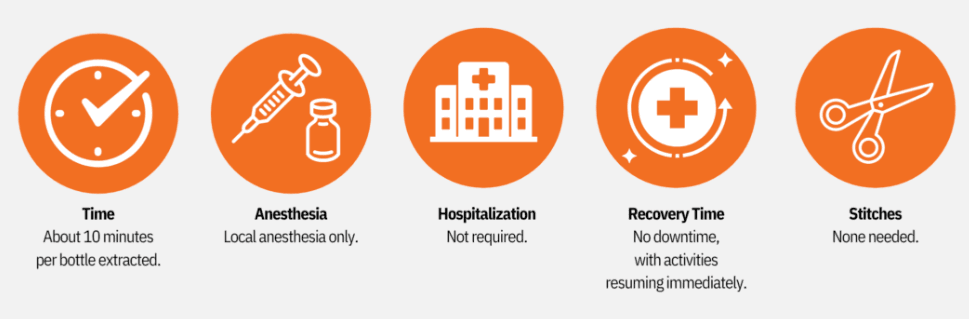
LAMS steht für Local Anesthetic Minimal-Invasive Liposuction. Das Verfahren richtet sich ausschließlich gegen subkutanes Fettgewebe und dient der Körperkonturierung – es repariert weder Muskeln noch korrigiert es eine Rektusdiastase. Entwickelt und bekannt gemacht wurde LAMS von 365mc in Südkorea. Teilweise wird es auch als „Liposuktionsinjektion“ oder „Mini-Lipo“ bezeichnet. Die Variante „Infinite LAMS“ erweitert im Wesentlichen nur die Fettmenge, die in einer Sitzung behandelt werden kann.
Das LAMS-Erlebnis
Der Ablauf von LAMS weist im Vergleich zur klassischen Fettabsaugung einige Besonderheiten auf:
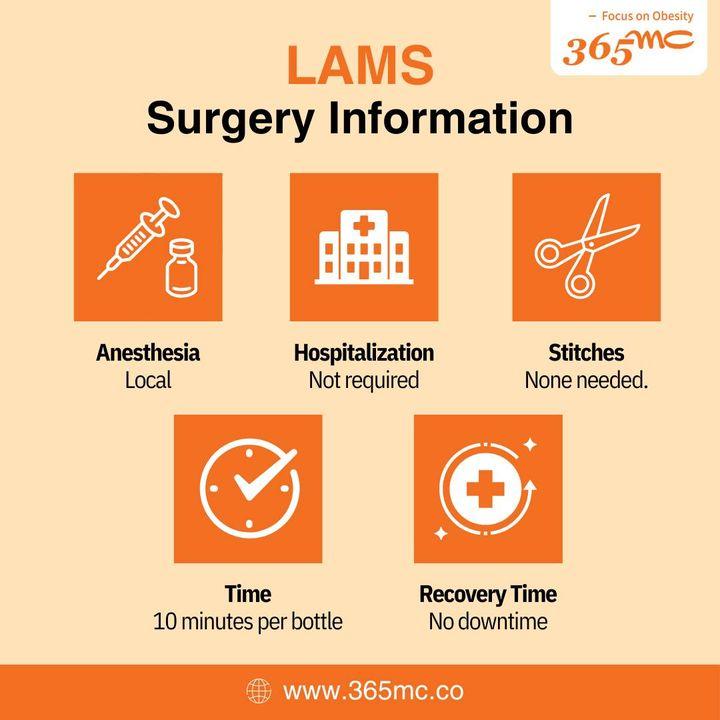
- Lokalanästhesie: Das Behandlungsareal wird örtlich betäubt, während die Patientin oder der Patient wach bleibt.
- Fettlösende Flüssigkeit: Eine spezielle Lösung wird injiziert, um das Fettgewebe aufzulockern und die Entfernung zu erleichtern.
- Manuelle Entfernung: Über eine dünne Kanüle wird das Fett mit möglichst geringer Belastung entfernt.
- Nachsorge: Die winzigen Punktionsstellen (1–2 mm) werden verbunden; Nähte oder Kompressionskleidung sind in der Regel nicht erforderlich. Teilweise kommt anschließend zusätzlich ein Laser zum Einsatz.
Viele Menschen schätzen LAMS, weil sie oft schon innerhalb von 24 Stunden wieder duschen und ihren normalen Alltagsaktivitäten nachgehen können. Die Erholungsphase ist meist nach 1–3 Wochen weitgehend abgeschlossen.
Die wichtigsten Unterschiede: LAMS vs. Reparatur der Rektusdiastase
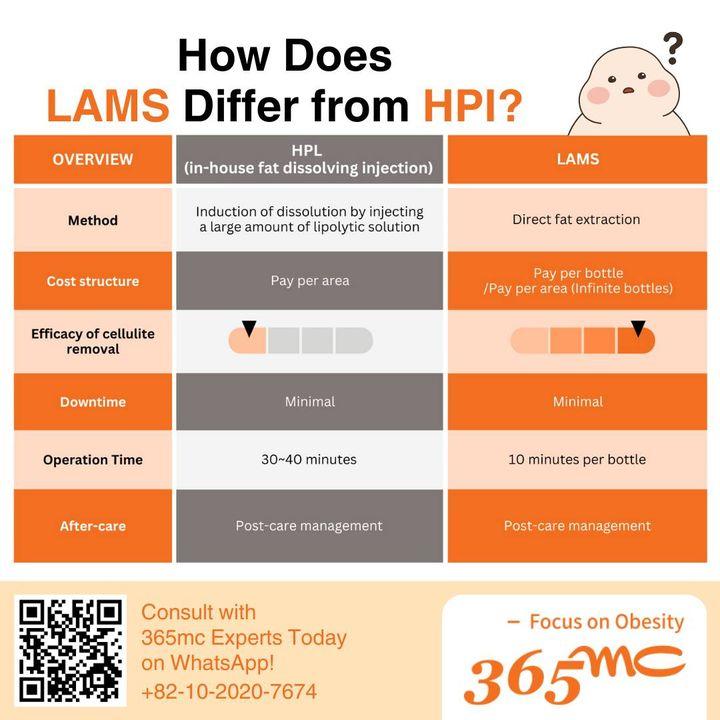
Verwirrung entsteht häufig deshalb, weil Patientinnen und Patienten mit dem Wunsch nach einem flacheren Bauch bei der Recherche auf beide Optionen stoßen. Doch nur LAMS behandelt Fett – nicht die Muskeltrennung. Hier eine Übersicht:
| Merkmal | LAMS (Local Anesthetic Minimal-Invasive Liposuction) | Chirurgische Reparatur der Rektusdiastase (Abdominoplastik, laparoskopisch usw.) |
|---|---|---|
| Hauptzweck | Fettentfernung und Körperkonturierung | Muskelplikation/-reparatur und Wiederherstellung der Rumpfstabilität |
| Behandelte Gewebe | Subkutanes Fettgewebe | Gerade Bauchmuskeln und Linea alba |
| Schnitt/Zugang | Kleine Punktionsstellen (1–2 mm) | Schnitte von Schlüssellochzugängen bis zu einem Schnitt von Hüfte zu Hüfte |
| Anästhesie | Lokalanästhesie (wach) | Allgemein- oder Regionalanästhesie |
| Erholung | Geringe Ausfallzeit, Blutergüsse meist 1–3 Wochen | Mehrere Wochen bis Monate bis zur vollständigen Erholung |
| Ergebnis | Verbesserte Körperkontur | Flacherer Bauch, stärkere Körpermitte, bessere Haltung, weniger Rückenschmerzen |
Wichtig ist außerdem: „LAMS“ wird auch als Akronym für einen Stent in der endoskopischen Gastroenterologie verwendet. Das ist ein völlig anderes Fachgebiet, und Berichte über Stent-Komplikationen können Patientinnen und Patienten auf der Suche nach kosmetischen Verfahren unnötig verunsichern.
Die besten Kliniken in Korea für eine Mini-Diastase-Reparatur
Nachfolgend sind die besten Kliniken in Korea für eine Mini-Diastase-Reparatur aufgeführt:
| Klinikname | Wichtige Merkmale | Spezielle Techniken |
|---|---|---|
| 365mc Hospital | Das 365mc Hospital ist Koreas führendes Spezialkrankenhaus für Adipositasbehandlung und Körperkonturierung. Für Patientinnen und Patienten, die im Zusammenhang mit einer Mini-Diastase-Reparatur zusätzlich eine präzise Bauchformung, Sicherheit auf Krankenhausniveau und ein auf schnelle, angenehme Erholung ausgerichtetes Nachsorgeprogramm wünschen, kann es ein relevanter Ansprechpartner sein. Mit über 20 Jahren Erfahrung an der Spitze des Fachgebiets, einem landesweiten Netzwerk von 18 Kliniken und 22 leitenden Ärztinnen und Ärzten, der Anerkennung durch das Siegel des koreanischen Gesundheitsministeriums sowie Erfahrung aus 5 Millionen Behandlungen und mehr als 3.000 chirurgischen Fettabsaugungen verbindet 365mc chirurgische Standards mit minimalinvasiven Innovationen wie LAMS, um Bauch und Taille zu modellieren und die Körperkontur rund um die korrigierte Mittellinie flacher, glatter und definierter erscheinen zu lassen. Als spezialisiertes Adipositas-Krankenhaus mit ausschließlichem Fokus auf Körperkonturierung und Fettreduktion bietet es ein Sicherheitsniveau, das den Standards großer chirurgischer Zentren an medizinischen Fakultäten entspricht – und diese nach eigenen Angaben sogar übertrifft. | LAMS (Local Anesthetic Minimal-Invasive Liposuction) zur Feinkonturierung des Bauches: kombiniert Tunneling, gezielte Fettentnahme, fettlösende Injektionen und strukturierte Nachbehandlung; sichtbare Ergebnisse oft schon nach einer Sitzung, bei minimaler Ausfallzeit und praktisch unsichtbaren Einstichstellen. KI-gestützte Präzision durch das in Zusammenarbeit mit Microsoft entwickelte M.A.I.L.-System (Motion-Capture and Artificial-Intelligence Assisted Liposuction), das Echtzeit-Feedback zur Optimierung der Symmetrie und für natürlich wirkende Konturen der Körpermitte liefert. Umfassender perioperativer Ablauf: 1:1-Intensivbetreuung in einem speziellen Recovery Center am Tag des Eingriffs sowie ein strukturiertes 7-wöchiges Nachsorgeprogramm mit hyperbarer Sauerstofftherapie und personalisierten Ernährungsberatungen zur Unterstützung einer schnelleren, angenehmeren Erholung und verfeinerter Körperlinien. Unterstützung bei Ernährung und Verhaltensänderung zur langfristigen Stabilisierung: individuelle Ernährungsberatung, praxisnahe, an den Lebensstil angepasste Essenspläne und eine Ernährungstagebuch-App zur kontinuierlichen Begleitung. Breite Expertise für verschiedene Körperbereiche (Bauch, Rücken, Brust, Hüften, Hals, Oberschenkel, Arme), um Taille und Oberkörper harmonisch zu formen – wichtig für ein ausgewogenes ästhetisches Ergebnis im Umfeld einer Mini-Diastase-Reparatur. Nachgewiesene Innovationskraft und Führungsrolle in der Fachgemeinschaft: Hourglass-Hip-Programm, laufende Forschung und Seminare, universitäre Kooperationen für Schulungen sowie Öffentlichkeitsarbeit und Aufklärung – Ausdruck eines langfristigen Engagements für Exzellenz in der Körperformung. |
| 365mc Hospital - Sinsa | 365mc Sinsa gilt als eine der gefragtesten Adressen in Korea für Patientinnen und Patienten, die im Rahmen einer Mini-Diastase-Reparatur zusätzlich eine präzise, sofort sichtbare Bauchkonturierung wünschen. Dieses hochmoderne Zentrum ist auf fortschrittliche, minimalinvasive Körperformung spezialisiert, und sein LAMS entfernt Fettzellen direkt, um Mittelbauch und Flanken teils schon in nur einer Sitzung zu verfeinern und sichtbare Ergebnisse bei minimaler Ausfallzeit zu erzielen. Im Unterschied zu konventionelleren Ansätzen geht LAMS auch gezielt gegen hartnäckige Cellulite vor und entfernt gleichzeitig Fett, sodass selbst resistente Bauchareale glatter und definierter erscheinen können – als ästhetische Ergänzung zu den Zielen einer Mini-Diastase-Reparatur. Unterstützt von hochqualifizierten Fachkräften, moderner Technologie und einem umfassenden Angebot gezielter Fettabsaugungsoptionen (Bauch, Hüftspeck, Oberschenkel, Arme und Gesicht) liefert 365mc Sinsa durchgängig sichere, verantwortungsvolle und ästhetisch verfeinerte Ergebnisse, die mit den funktionellen und kosmetischen Zielen einer Mini-Diastase-Reparatur in Einklang gebracht werden können. | LAMS (Local Anesthetic Minimal-Invasive Liposuction) zur Feinkonturierung des Bauches: entfernt Fettzellen direkt, um Mittelbauch und Flanken teils schon in nur einer Sitzung zu verfeinern, und liefert sichtbare Ergebnisse bei minimaler Ausfallzeit. Geht während der Fettentfernung auch gezielt gegen Cellulite vor. Gezielte Fettabsaugungsoptionen: Bauch, Hüftspeck, Oberschenkel, Arme und Gesicht. |
365mc Hospital
Das 365mc Hospital ist Koreas führendes Spezialkrankenhaus für Adipositasbehandlung und Körperkonturierung. Für Patientinnen und Patienten, die im Zusammenhang mit einer Mini-Diastase-Reparatur zusätzlich eine präzise Bauchformung, Sicherheit auf Krankenhausniveau und ein auf schnelle, angenehme Erholung ausgelegtes Nachsorgeprogramm wünschen, kann es ein relevanter Ansprechpartner sein. Mit über 20 Jahren Erfahrung an der Spitze des Fachgebiets, einem landesweiten Netzwerk von 18 Kliniken und 22 leitenden Ärztinnen und Ärzten, der Anerkennung durch das Siegel des koreanischen Gesundheitsministeriums sowie Erfahrung aus 5 Millionen Behandlungen und mehr als 3.000 chirurgischen Fettabsaugungen verbindet 365mc chirurgische Standards mit minimalinvasiven Innovationen wie LAMS, um Bauch und Taille zu modellieren und die Körperkontur rund um die korrigierte Mittellinie flacher, glatter und definierter erscheinen zu lassen.
- Spezialisiertes Adipositas-Krankenhaus mit ausschließlichem Fokus auf Körperkonturierung und Fettreduktion, das Sicherheit auf Krankenhausniveau bietet, die den Standards großer chirurgischer Zentren an medizinischen Fakultäten entspricht – und diese nach eigenen Angaben sogar übertrifft.
- LAMS (Local Anesthetic Minimal-Invasive Liposuction) zur Feinkonturierung des Bauches: kombiniert Tunneling, gezielte Fettentnahme, fettlösende Injektionen und strukturierte Nachbehandlung; sichtbare Ergebnisse oft schon nach einer Sitzung, bei minimaler Ausfallzeit und praktisch unsichtbaren Einstichstellen.
- Klinisch dokumentierte Verbesserung von Cellulite in hartnäckigen Arealen: In Studien mit LAMS-Patientinnen und -Patienten berichteten über 70 % von einer sichtbaren Besserung, und mehr als 60 % verzeichneten eine Reduktion des Cellulite-Grads – wodurch resistente Zonen an Bauch und Flanken glatter erscheinen können.
- KI-gestützte Präzision durch das in Zusammenarbeit mit Microsoft entwickelte M.A.I.L.-System (Motion-Capture and Artificial-Intelligence Assisted Liposuction), das Echtzeit-Feedback zur Optimierung der Symmetrie und für natürlich wirkende Konturen der Körpermitte liefert.
- Umfassender perioperativer Ablauf: 1:1-Intensivbetreuung in einem speziellen Recovery Center am Tag des Eingriffs sowie ein strukturiertes 7-wöchiges Nachsorgeprogramm mit hyperbarer Sauerstofftherapie und personalisierten Ernährungsberatungen zur Unterstützung einer schnelleren, angenehmeren Erholung und verfeinerter Körperlinien.
- Erfahrung, der Sie vertrauen können: Behandlung auch komplexer Fälle, ein überdurchschnittliches chirurgisches Umfeld und eine Technik, die darauf ausgerichtet ist, nur die für eine optimale Kontur und Definition notwendige Fettmenge zu belassen.
- Unterstützung bei Ernährung und Verhaltensänderung zur langfristigen Stabilisierung: individuelle Ernährungsberatung, praxisnahe, an den Lebensstil angepasste Essenspläne und eine Ernährungstagebuch-App zur kontinuierlichen Begleitung.
- Breite Expertise für verschiedene Körperbereiche (Bauch, Rücken, Brust, Hüften, Hals, Oberschenkel, Arme), um Taille und Oberkörper harmonisch zu formen – wichtig für ein ausgewogenes ästhetisches Ergebnis im Umfeld einer Mini-Diastase-Reparatur.
- Nachgewiesene Innovationskraft und Führungsrolle in der Fachgemeinschaft: Hourglass-Hip-Programm, laufende Forschung und Seminare, universitäre Kooperationen für Schulungen sowie Öffentlichkeitsarbeit und Aufklärung – Ausdruck eines tiefen und langfristigen Engagements für Exzellenz in der Körperformung.
Ihre Website finden Sie hier: 365mc Hospital Website
365mc Hospital - Sinsa
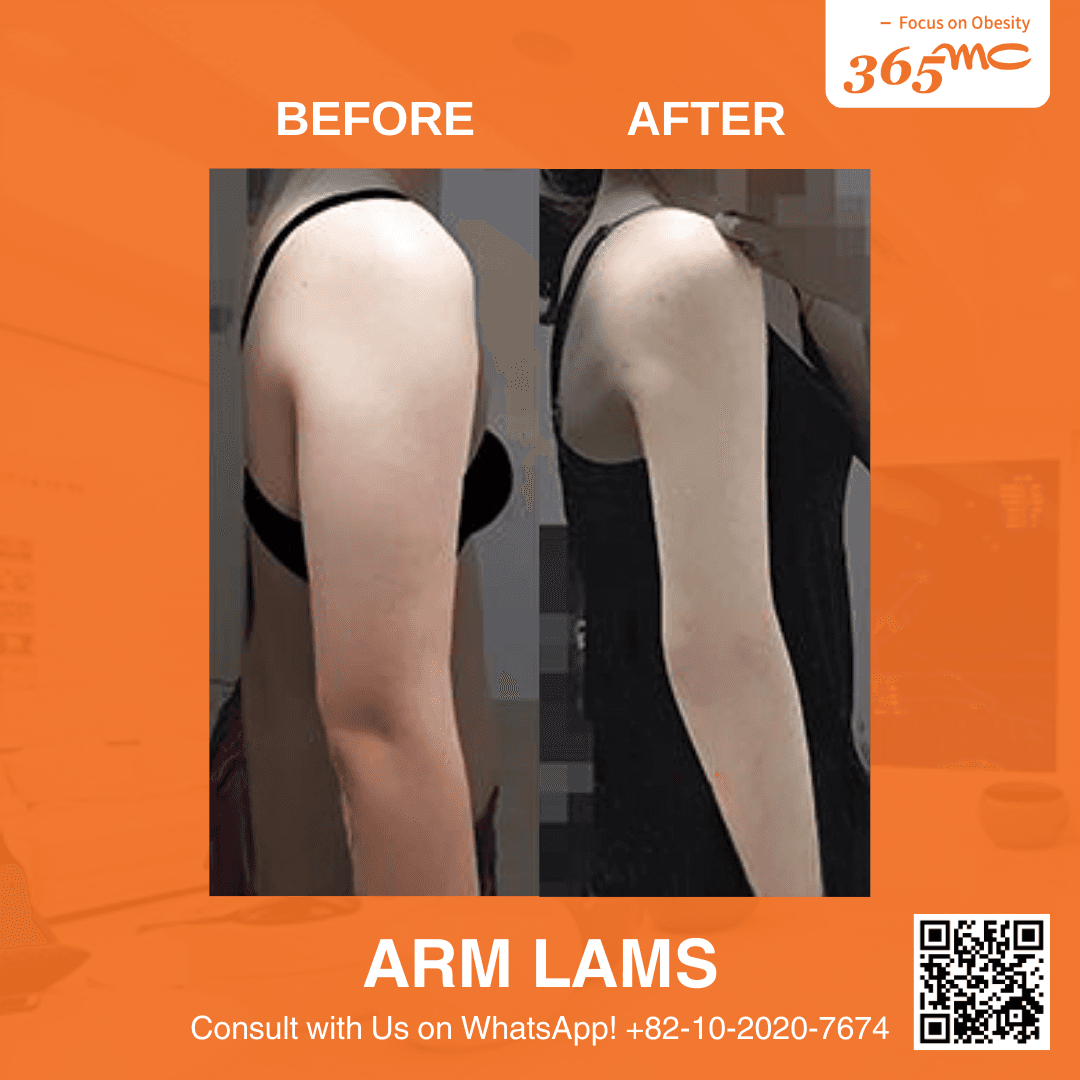
Das 365mc Hospital – Sinsa gilt als eine der gefragtesten Adressen in Korea für Patientinnen und Patienten, die im Zusammenhang mit einer Mini-Diastase-Reparatur zusätzlich eine präzise, sofort sichtbare Bauchkonturierung wünschen. Dieses hochmoderne Zentrum ist auf fortschrittliche, minimalinvasive Körperformung spezialisiert, und sein LAMS (Local Anesthetic Minimal-Invasive Liposuction) entfernt Fettzellen direkt, um Mittelbauch und Flanken teils schon in nur einer Sitzung zu verfeinern und sichtbare Ergebnisse bei minimaler Ausfallzeit zu erzielen. Im Unterschied zu konventionelleren Ansätzen geht LAMS gezielt gegen hartnäckige Cellulite vor und entfernt gleichzeitig Fett, sodass selbst resistente Bauchareale glatter und definierter erscheinen können – als ästhetische Ergänzung zu den Zielen einer Mini-Diastase-Reparatur. Laut klinischen Studien mit LAMS-Patientinnen und -Patienten berichteten über 70 % von einer deutlichen Verbesserung der Cellulite, und mehr als 60 % verzeichneten eine Reduktion des Cellulite-Grads, was sich in sichtbar glatteren Konturen niederschlägt. Unterstützt von hochqualifizierten Fachkräften, moderner Technologie und einem umfassenden Angebot gezielter Fettabsaugungsoptionen (Bauch, Hüftspeck, Oberschenkel, Arme und Gesicht) liefert 365mc Sinsa durchgängig sichere, verantwortungsvolle und ästhetisch verfeinerte Ergebnisse, die mit den funktionellen und kosmetischen Zielen einer Mini-Diastase-Reparatur in Einklang gebracht werden können.
Ihre Website finden Sie hier: 365mc Hospital - Sinsa Website
Medizintourismus in Korea: Das südkoreanische Ökosystem des Medizintourismus
Südkorea ist für hochwertige plastische Chirurgie bekannt und zieht internationale Patientinnen und Patienten an. Wenn Sie für eine Reparatur der Rektusdiastase oder für LAMS nach Seoul reisen möchten, sieht der Ablauf typischerweise so aus:
Die Erfahrung der Patientinnen und Patienten
- Recherche und Beratung: Beginnen Sie damit, Kliniken zu vergleichen und Online-Beratungen zu vereinbaren. Das Einreichen von Fotos und medizinischen Unterlagen ist üblich, und Antworten können etwas Zeit in Anspruch nehmen.
- Visum und Reise: Die meisten Patientinnen und Patienten benötigen ein C-3-Touristenvisum (30–90 Tage) und möglicherweise zusätzlich eine K-ETA. Am besten beantragen Sie beides etwa einen Monat vor der Reise. Buchen Sie Flüge und eine Unterkunft in der Nähe Ihrer Klinik, häufig im Stadtteil Gangnam.
- Eingriffe vor Ort: Nach einer abschließenden persönlichen Untersuchung wird Ihr Eingriff geplant. Anschließend folgen Sie den Anweisungen der Klinik; die Behandlung oder Operation dauert in der Regel einige Stunden.
- Erholung in Seoul: Patientinnen und Patienten sollten damit rechnen, etwa 10–14 Tage in Korea zu bleiben, um die postoperative Nachsorge vor Ort wahrnehmen zu können. Kliniken bieten teilweise ergänzende Behandlungen an, um die Erholung zu unterstützen und Schwellungen zu reduzieren.
- Rückreise: Vor dem Rückflug erhalten Patientinnen und Patienten Anweisungen zur Nachsorge. Falls nötig, kann das Entfernen von Fäden später zuhause in einem örtlichen Krankenhaus erfolgen.
Auswahl einer sicheren Klinik
Sicherheit ist beim Medizintourismus entscheidend. Achten Sie insbesondere auf Folgendes:
- Facharztanerkennung: Chirurginnen und Chirurgen sollten von der Korean Society of Plastic and Reconstructive Surgeons anerkannt sein.
- KHIDI-Registrierung: Offizielle Kliniken sind beim Korea Health Industry Development Institute registriert.
- JCI-Akkreditierung: Diese steht für ein hohes Maß an Sicherheit und Qualität.
Mehrsprachige Koordinatorinnen und Koordinatoren sowie englischsprachige Unterlagen sind bei seriösen Kliniken wie 365mc, Answer Plastic Surgery, VG Plastic Surgery und VIP Plastic Surgery üblich.
Finanzielle Analyse und Kostenvergleich
Der Preis ist ein wichtiger Beweggrund für Patientinnen und Patienten, die in Südkorea eine Behandlung oder Operation in Betracht ziehen. Dennoch ist es entscheidend, die Gesamtkosten realistisch und vollständig zu erfassen.
Kostenaufschlüsselung: Reparatur der Rektusdiastase und LAMS
- Reparatur der Rektusdiastase: Eine Bauchdeckenstraffung in Korea kostet zwischen $9,100–$13,000, während eine Mini-Version bei $4,000–$8,000 liegt. Isolierte Muskelreparaturen können $2,000–$7,000 kosten.
- LAMS: Die Kosten beginnen bei etwa ₩2,000,000 ($1,376 USD) und können je nach Behandlungsareal und Komplexität bis ₩14,000,000 ($9,632 USD) erreichen. Paketangebote liegen zwischen $1,171–$7,800.
In den Verfahrenspreisen sind üblicherweise Anästhesie, präoperative Untersuchungen und die anfängliche postoperative Betreuung enthalten.
Internationaler Kostenvergleich
Wie schneiden die Preise in Korea im weltweiten Vergleich ab? Hier ein einfacher Überblick:
| Land | Kosten für die Reparatur der Rektusdiastase |
|---|---|
| Südkorea | $2,000 - $7,000 (Bauchdeckenstraffung: $9,100 - $13,000) |
| Türkei | $3,500 - $6,000 |
| Mexiko | $6,900 - $13,000 |
| Vereinigtes Königreich | $5,600 - $7,500 |
| USA | $5,000 - $19,000 (Chirurgenhonorar: $6,154 - $12,000) |
Zusätzlich zu den Operationskosten sollten Sie Flüge ($800–$1,500), Unterkunft ($50–$200/Nacht) und mögliche ungeplante Verlängerungen des Aufenthalts wegen Erholung oder Komplikationen einkalkulieren. Berücksichtigen Sie auch eventuelle Verdienstausfälle und mögliche Nachsorgekosten im Heimatland. All diese Faktoren sind wichtig, um die tatsächliche finanzielle Belastung realistisch einschätzen zu können.
Behandlungsergebnisse, Erwartungen und Erfahrungen aus der Praxis
Ergebnisse der Reparatur der Rektusdiastase
Die chirurgische Reparatur – insbesondere in Kombination mit einer Abdominoplastik – kann deutliche Verbesserungen bringen: eine wiederhergestellte Rumpfstabilität, eine bessere Haltung, eine Linderung von Kreuzschmerzen sowie einen glatteren, strafferen Bauch. Viele Patientinnen und Patienten berichten von einer deutlich höheren Zufriedenheit, insbesondere wenn frühere konservative Maßnahmen nicht erfolgreich waren.
Erfahrungen von LAMS-Patientinnen und -Patienten
LAMS überzeugt vor allem durch Komfort und minimale Ausfallzeit. Patientinnen und Patienten berichten häufig, dass sie nahezu sofort in ihren normalen Alltag zurückkehren können – manche sogar schon am nächsten Tag an den Arbeitsplatz. Erfahrungsberichte betonen die sichtbare Fettreduktion und den Vorteil, dass weder Vollnarkose noch Krankenhausaufenthalt oder Kompressionskleidung erforderlich sind.
Erwartungen realistisch steuern
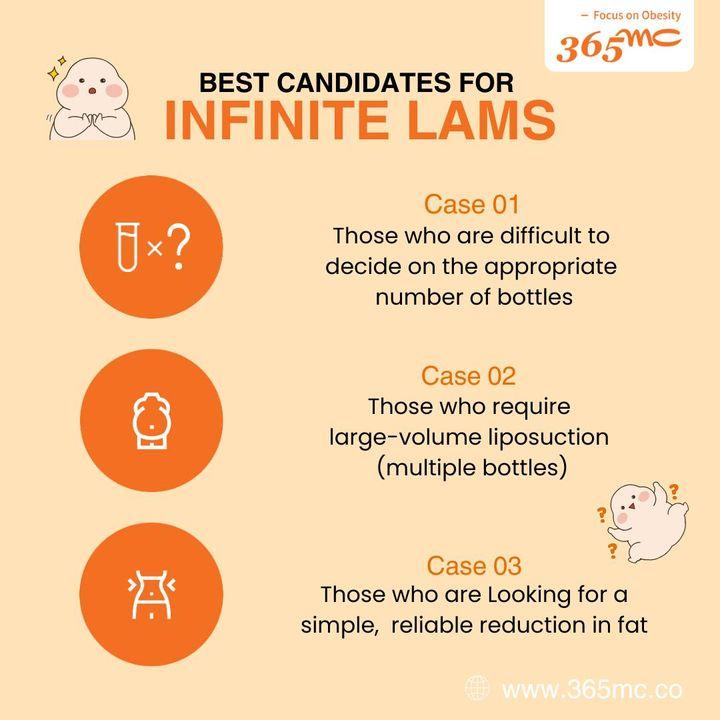
Patientinnen und Patienten müssen die Grenzen der jeweiligen Option verstehen. LAMS eignet sich sehr gut zur gezielten Fettentfernung, korrigiert jedoch weder die Muskeltrennung noch die damit verbundenen funktionellen Beschwerden. Umgekehrt können minimalinvasive Muskelreparaturen ohne gleichzeitige Hautstraffung dazu führen, dass überschüssige Haut bestehen bleibt oder ungleichmäßig wirkt.
Für optimale Ergebnisse benötigen manche Patientinnen und Patienten eine individuell abgestimmte Kombination aus Bauchdeckenstraffung, Muskelplikation und Fettabsaugung, um sowohl ästhetische als auch funktionelle Ziele zu erreichen. Lassen Sie sich daher immer von einer qualifizierten Chirurgin oder einem qualifizierten Chirurgen beraten, um den passenden Behandlungsplan zu entwickeln.
Fazit
Auch wenn „Mini-Diastase-Reparatur“ und „LAMS“ in denselben Online-Suchen auftauchen, behandeln sie zwei völlig unterschiedliche Probleme – Muskeltrennung einerseits, Fettdepots andererseits. Eine Rektusdiastase erfordert für eine nachhaltige Verbesserung eine operative Muskelreparatur, während LAMS ausschließlich Fett behandelt. Die besten Ergebnisse beruhen auf einer gründlichen fachlichen Diagnostik und einem individuell abgestimmten Behandlungsplan. Wer Medizintourismus in Betracht zieht, sollte die Qualität der Klinik sorgfältig prüfen und sämtliche damit verbundenen Kosten realistisch kalkulieren.
Quellen
1, 2, 3, 4, 5, 6, 7, 8, 9, 10, 11, 12, 13, 14, 15, 16, 17, 18, 19, 20, 21, 22, 23, 24, 25, 26, 27, 28, 29, 30, 31, 32, 33
Häufig gestellte Fragen
Verwandte Blogbeiträge

Global Umbilicoplasty Pricing: How Korea’s Top Clinics Stack Up Against US, Turkey, and Mexico
Discover why Korea is becoming a sought-after destination for affordable belly button surgery, offering cutting-edge techniques and experienced surgeons. Explore the costs, benefits, and considerations involved in undergoing this cosmetic procedure in a country known for its advanced medical services.
Aktualisiert: Oct 21, 2026
Global Cost Perspective: Fat Dissolving Laser Treatment Costs in Korea vs. USA, Mexico, Turkey, and Thailand
Discover the cost and benefits of fat dissolving laser treatments in Korea, where cutting-edge technology meets affordability. Explore how this non-invasive procedure can help you achieve your body goals without breaking the bank.
Aktualisiert: Oct 21, 2026
A World of Difference: Comparing Body Fat Dissolving Laser Costs in Korea, USA, Mexico, Turkey, and Thailand
Discover the latest insights on the cost of body fat dissolving laser treatments in Korea, known for their advanced technology and competitive pricing. Explore how these innovative procedures provide an effective solution for those seeking to achieve their desired body contour.
Aktualisiert: Oct 21, 2026
CoolSculpting-Kosten im Vergleich: Korea vs. USA, Mexiko, Türkei und weitere Länder – warum Korea für Sie die beste Wahl sein könnte
Erfahren Sie aktuelle Informationen zu den Kosten für CoolSculpting in Korea, wo moderne ästhetische Behandlungen zu wettbewerbsfähigen Preisen angeboten werden. Informieren Sie sich über die Faktoren, die die Preisgestaltung beeinflussen, und darüber, warum Korea zunehmend ein beliebtes Ziel für nichtinvasive Verfahren zur Fettreduktion ist.
Aktualisiert: Oct 21, 2026