
Medizintourismus-Blog
Fettabsaugung – Alles über Narben nach der Operation mit Dr. An von der Lydian Clinic
Table of contents
- Einleitung: Von der Angst vor Narben zu einem klaren Plan
- „Ich bin wegen möglicher Narben nach einer Liposuktion nervös – was sollte ich vor der Operation tun?“
- „Warum sehen Narben nach einer Liposuktion bei kaukasischer und asiatischer Haut unterschiedlich aus?“
- „Lassen viele Menschen nach einer Liposuktion Narben behandeln?“
- „Welche Arten von Narben können nach einer Liposuktion entstehen?“
- „Wie behandeln Sie Pigmentierungen oder verdunkelte Narben nach einer Liposuktion?“
- „Wie behandeln Sie erhabene, verdickte (hypertrophe) Narben?“
- „Was ist Ihre Methode, um Narben nach einer Liposuktion zu verhindern?“
- „Bedeutet weniger Schnitte, dass weniger Fett entfernt werden kann?“
- „Wo kann eine Single-Port-Liposuktion durchgeführt werden?“
- „Gibt es neben minimaler Narbenbildung noch weitere Vorteile?“
- Fazit: Die beste Narbenbehandlung ist Vorbeugung
- Mehr über die Lydian Plastic Surgery Clinic
Planen Sie eine Behandlung in Korea? Alles, was Sie wissen müssen, z. B. wie Sie Betrug vermeiden, Visa, Dolmetscher und Tipps für die Erholung, finden Sie in unserem Master Guide für Medizintourismus. Planen Sie mit Vertrauen in Minuten statt in Wochen!
Hinweis: Der folgende Beitrag ist ein Gastbeitrag. Die darin enthaltenen Informationen und Meinungen stammen nicht von koreaclinicguide.com, sondern von der Lydian Plastic Surgery Clinic
Einleitung: Von der Angst vor Narben zu einem klaren Plan
Wenn Sie eine Liposuktion in Erwägung ziehen, ist es völlig verständlich, dass sich vieles um eine Frage dreht: „Werde ich sichtbare Narben zurückbehalten?“ Diese Sorge höre ich sehr häufig – oft von Patientinnen und Patienten, die sich weniger über Schwellungen oder sogar schlaffe Haut Gedanken machen als über ein kleines Mal, das den Eingriff verraten könnte. Die Wahrheit ist: Narben nach einer Liposuktion können sehr unauffällig und leicht zu kaschieren sein, sie können aber auch deutlicher ausfallen als erwartet – abhängig von Ihren Hauteigenschaften, der Platzierung der Schnitte und der Art der Durchführung des Eingriffs. In diesem Artikel erkläre ich Ihnen, warum Narben entstehen, weshalb sie sich je nach Hauttyp unterschiedlich entwickeln, was eine Narbenbehandlung realistisch leisten kann und welche Technik ich einsetze, um Narben von vornherein möglichst gering zu halten.
„Ich bin wegen möglicher Narben nach einer Liposuktion nervös – was sollte ich vor der Operation tun?“
Das Sinnvollste, was Sie tun können, ist, die Narbenminimierung als zentralen Bestandteil des Operationsplans zu verstehen – nicht als etwas, worüber man erst hinterher nachdenkt. Viele gehen in den Eingriff mit der Aussage: „Die Narbe wird kaum sichtbar sein“, und nehmen an, das sei garantiert. Tatsächlich variiert die Sichtbarkeit von Narben jedoch erheblich von Person zu Person – je nach individueller Heilungstendenz und Pigmentreaktion. Deshalb sollten Anzahl und Lage der Schnitte sowie die Art und Weise, wie die Kanüle eingeführt und bewegt wird, bereits vor dem Eingriff ausführlich besprochen werden.
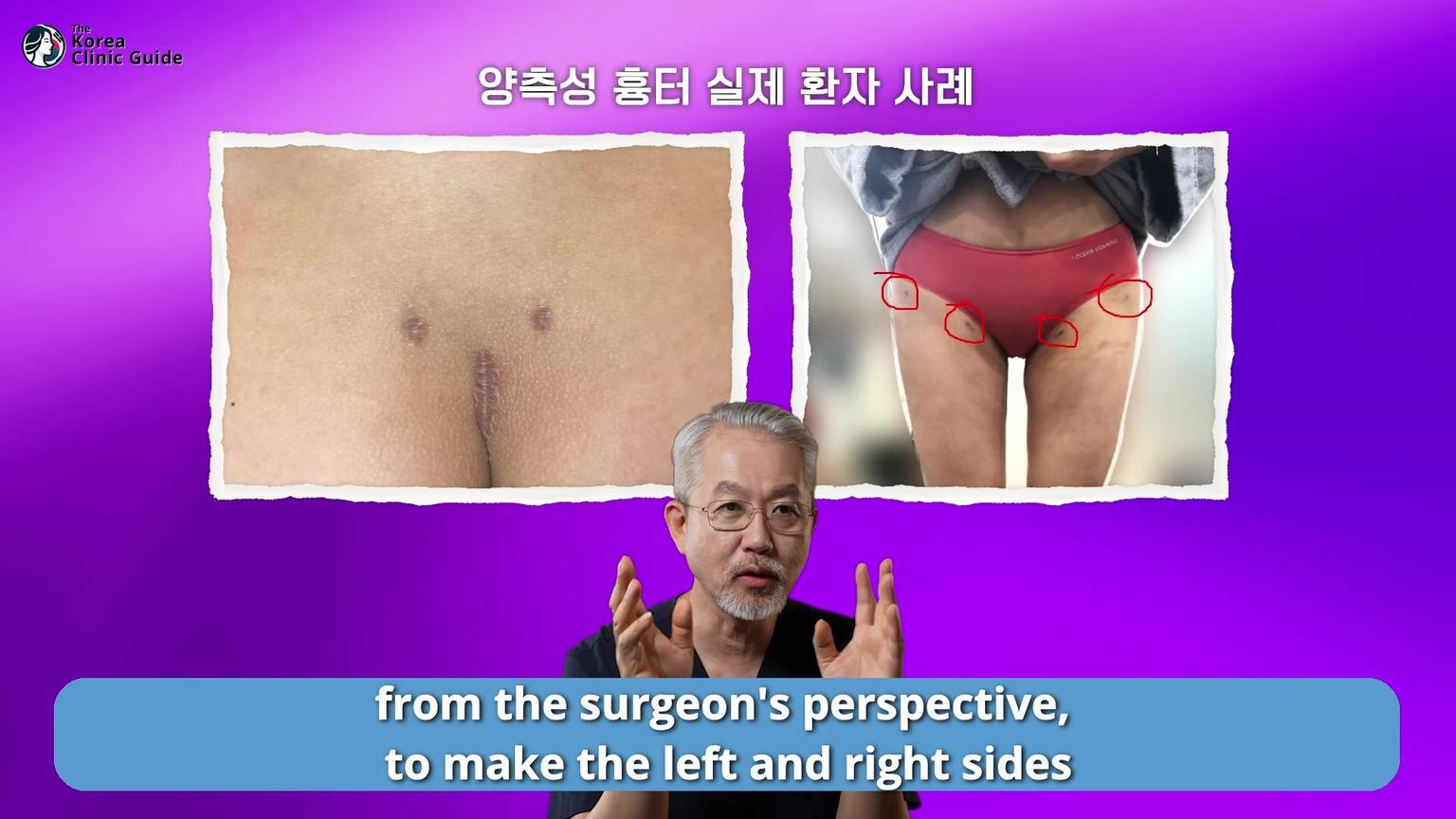
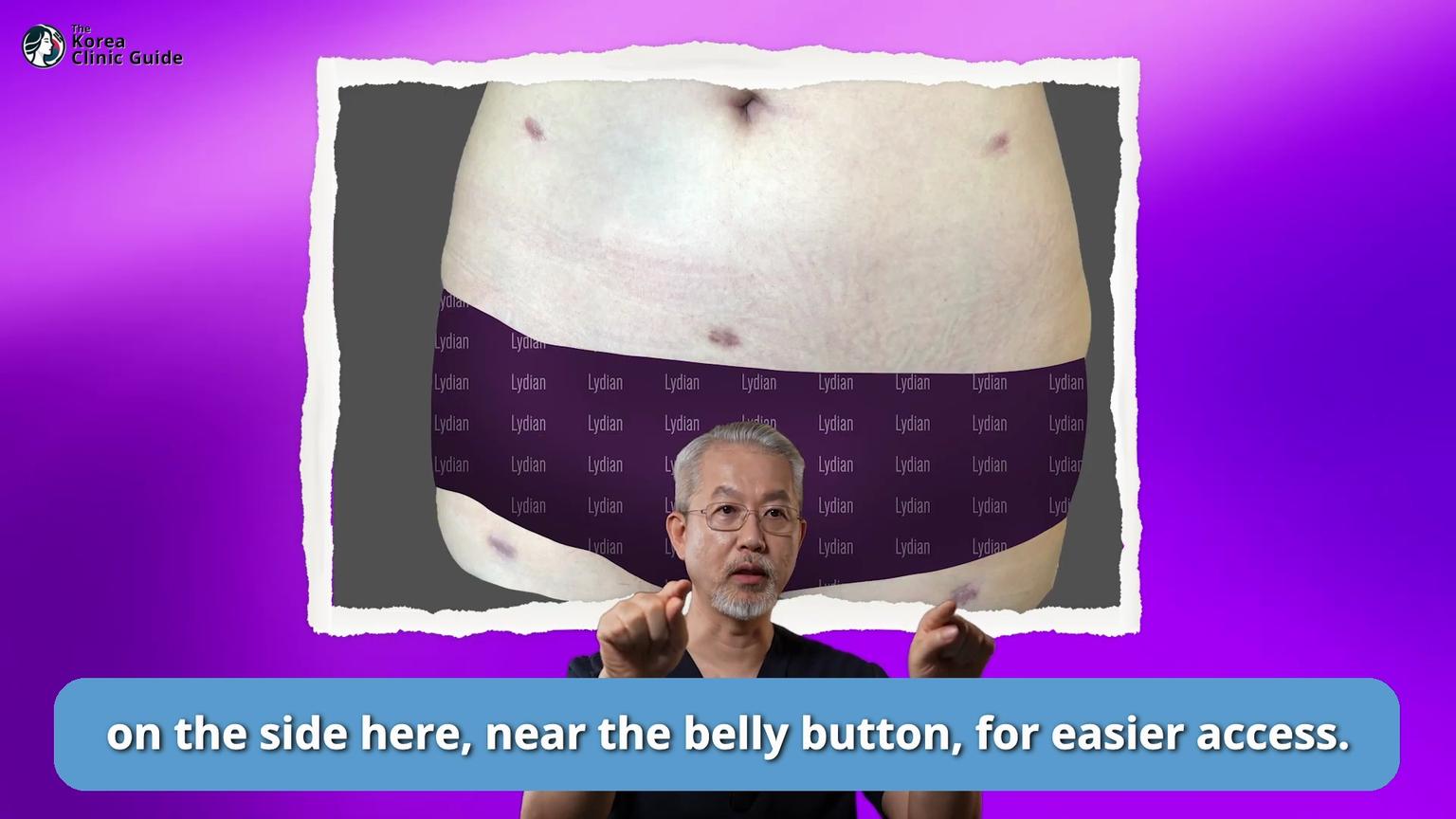
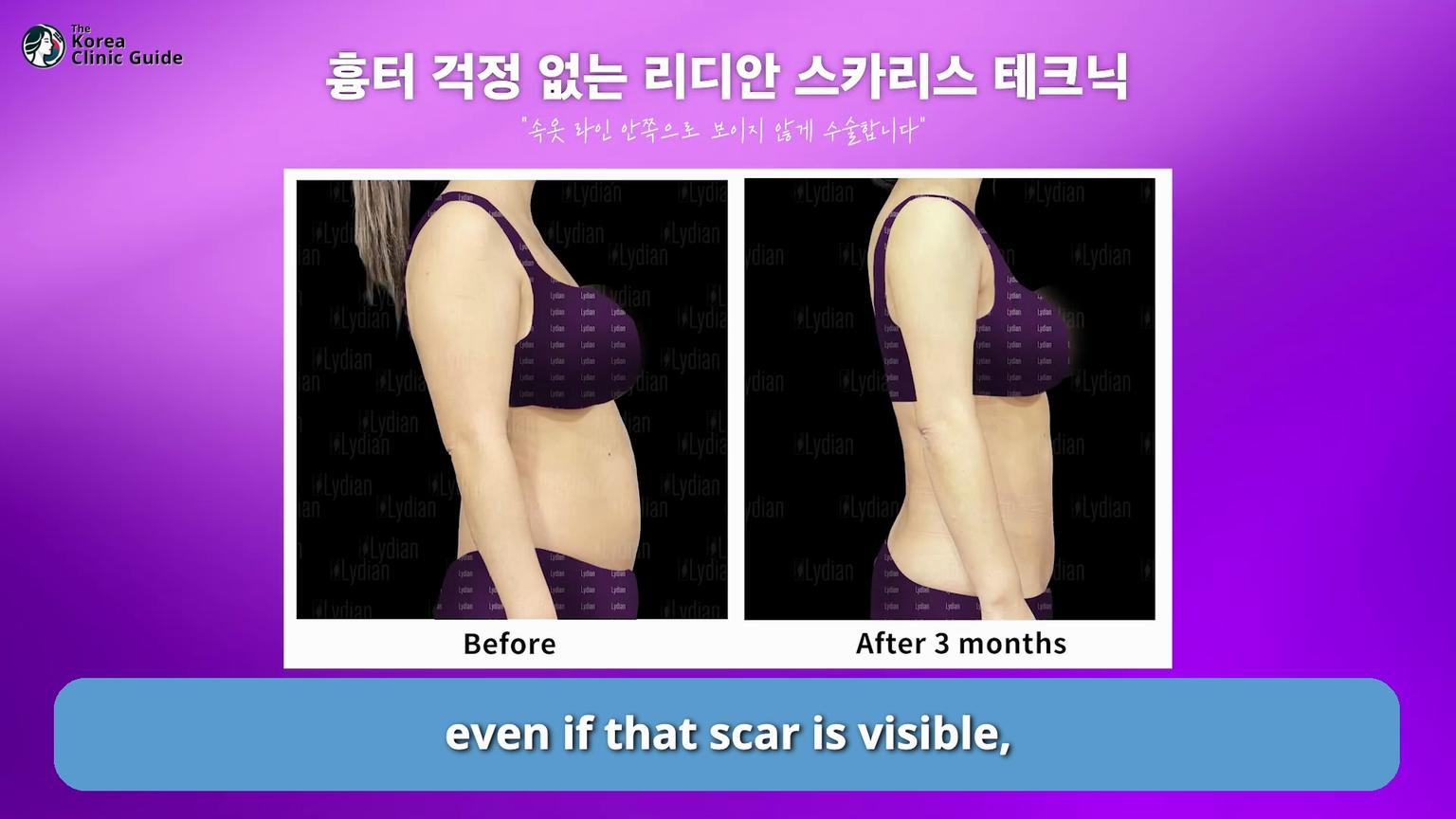
Wenn Narben an Stellen platziert werden, die durch Kleidung natürlicherweise verdeckt sind – etwa entlang der Unterwäschelinie, im Bauchnabel oder in behaarten Arealen –, sind viele Patientinnen und Patienten im Nachhinein erleichtert, weil sie die Schnittstelle selbst auf Fotos kaum noch erkennen können. Die Planung der Schnittführung dient nicht der Bequemlichkeit des Chirurgen, sondern Ihrem Alltag nach der Operation.
„Warum sehen Narben nach einer Liposuktion bei kaukasischer und asiatischer Haut unterschiedlich aus?“
Es gibt hierbei relevante Unterschiede, und es ist hilfreich, diese vorab zu verstehen, statt erst im Nachhinein davon überrascht zu werden. Bei vielen kaukasischen Patientinnen und Patienten sind Narben langfristig oft weniger auffällig, weil pigmentbedingte Verdunkelungen seltener auftreten und die Dermis tendenziell dünner ist. Bei ostasiatischer Haut bleiben Narben dagegen häufiger länger sichtbar, weil mehr Melanozyten vorhanden sind – also Zellen, die Melanin produzieren –, was das Risiko einer postinflammatorischen Hyperpigmentierung erhöht.
Außerdem weist asiatische Haut häufig eine dickere Dermis auf, was die Neigung zu einer hypertrophen Narbenreaktion erhöhen kann – das heißt, die Narbe wird verdickt und erhaben. Narben durchlaufen typischerweise einen langen Reifungsprozess: Oft erscheinen sie zunächst rot und verblassen erst im Laufe von Jahren allmählich zu einem helleren Ton. Der entscheidende Punkt ist nicht, wegen Ihres Hauttyps beunruhigt zu sein – sondern entsprechend zu planen und Techniken zu wählen, die das Gewebetrauma minimieren und das Risiko einer auffälligen Narbe senken.
„Lassen viele Menschen nach einer Liposuktion Narben behandeln?“
Ja – deutlich mehr, als die meisten erwarten. Vor der Operation sagen Patientinnen und Patienten oft, dass ihnen Narben keine Sorgen bereiten. Wenn eine Narbe nach dem Eingriff dann jedoch auffälliger ist als gedacht, sind viele hoch motiviert, sie behandeln zu lassen. Es ist nicht ungewöhnlich, dass Menschen wiederholte Lasersitzungen und andere Maßnahmen in Anspruch nehmen, sobald ihnen klar wird, dass die Verbesserung von Narben ein langsamer Prozess ist.
Wichtig ist dabei folgender Realitätscheck: Eine Narbenbehandlung soll eine bestehende Narbe verbessern, nicht sie so beseitigen, als wäre sie nie da gewesen. Manche sehen nach wenigen Sitzungen eine deutliche Verbesserung, andere haben trotz vieler Behandlungen weiterhin damit zu tun. Meiner Erfahrung nach sollte man bei problematischer Narbenbildung eher in Kategorien einer fortlaufenden Behandlung denken – ein weiterer Grund, warum Vorbeugung so wichtig ist.
„Welche Arten von Narben können nach einer Liposuktion entstehen?“
Narben nach einer Liposuktion sind nicht alle gleich. Manchmal ist die eigentliche Schnittlinie klein, aber die umgebende Haut wird durch Reibung und die wiederholte Bewegung der Kanüle am Zugangspunkt gereizt. Wenn diese Eintrittsstelle immer wieder belastet wird – ähnlich wie Haut sich entzündet, wenn man sie ständig drückt und reibt –, kann eher ein größerer gereizter Bereich entstehen als eine saubere, feine Linie.
In der Folge können Narben erhaben werden (hypertrophe Narbe), eingesunken erscheinen (atrophische bzw. eingesunkene Narbe), über längere Zeit gerötet bleiben oder sich durch Pigmentierung verdunkeln. Patientinnen und Patienten verwenden oft das Wort „Keloid“, aber in der überwältigenden Mehrzahl der Fälle handelt es sich nicht um echte Keloide. Meist sind es hypertrophe Reaktionen – verdickte Narben, die über das Hautniveau hinausragen, sich aber nicht wie klassische Keloide verhalten.
Auch die Verschlusstechnik kann das Narbenbild beeinflussen. Wenn die Hautränder nicht exakt aneinanderliegen und eine kleine Stufenbildung entsteht, kann selbst eine Narbe von unter 1 cm störend wirken und eine Korrektur erforderlich machen.
„Wie behandeln Sie Pigmentierungen oder verdunkelte Narben nach einer Liposuktion?“
Wenn das Problem in einer Pigmentierung besteht – also darin, dass sich der Narbenbereich verdunkelt hat –, können laserbasierte Verfahren hilfreich sein, die gezielt auf Hautton und Verfärbungen abgestimmt sind. Pigmentierungen sprechen oft besser an als verdickte strukturelle Veränderungen, dennoch sind in der Regel mehrere Sitzungen erforderlich.
Das Ziel ist in solchen Fällen eine allmähliche Aufhellung und Angleichung, sodass die Narbe weniger ins Auge fällt. Bei konsequenter Behandlung sehen viele Patientinnen und Patienten eine Verbesserung, aber auch das sollte eher als Prozess denn als schnelle Lösung verstanden werden.
„Wie behandeln Sie erhabene, verdickte (hypertrophe) Narben?“
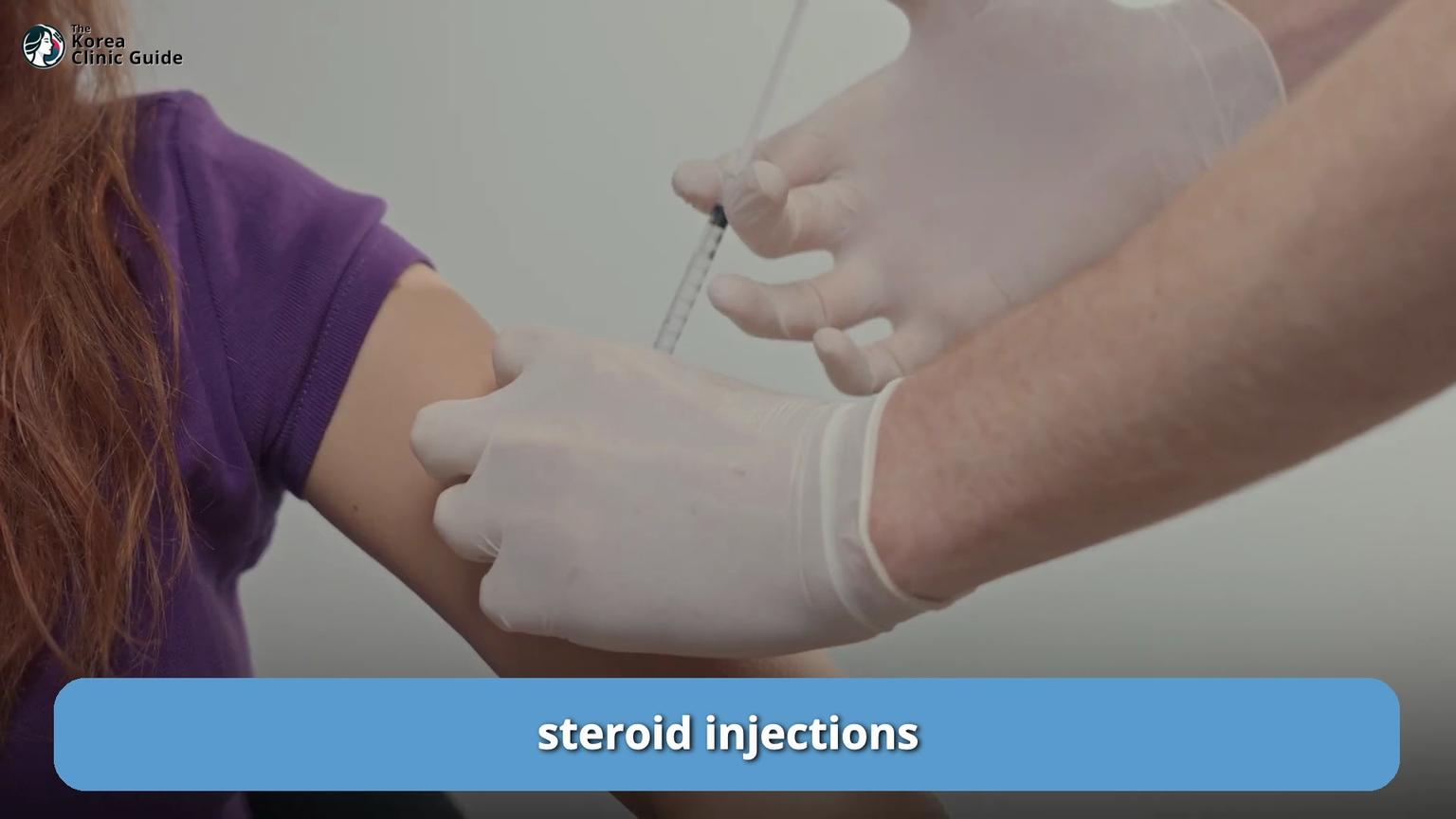
Bei hypertrophen Narben werden häufig wiederholte Steroidinjektionen eingesetzt, typischerweise etwa einmal monatlich oder alle zwei Monate – abhängig von Größe und Verhalten der Narbe. Mit der Zeit kann die Narbe weicher und flacher werden. Die Ergebnisse unterscheiden sich, und größere oder stärker reagierende Narben brauchen in der Regel länger, bis sie sich bessern.
Auch hier betone ich immer denselben Grundsatz: Eine Behandlung kann dazu beitragen, dass eine Narbe weniger auffällt, aber sie kann nicht zuverlässig den Eindruck erwecken, als hätte nie eine Operation stattgefunden. Deshalb sind eine sorgfältige Schnittplanung und der Schutz des Gewebes während der Operation so entscheidend.
„Was ist Ihre Methode, um Narben nach einer Liposuktion zu verhindern?“
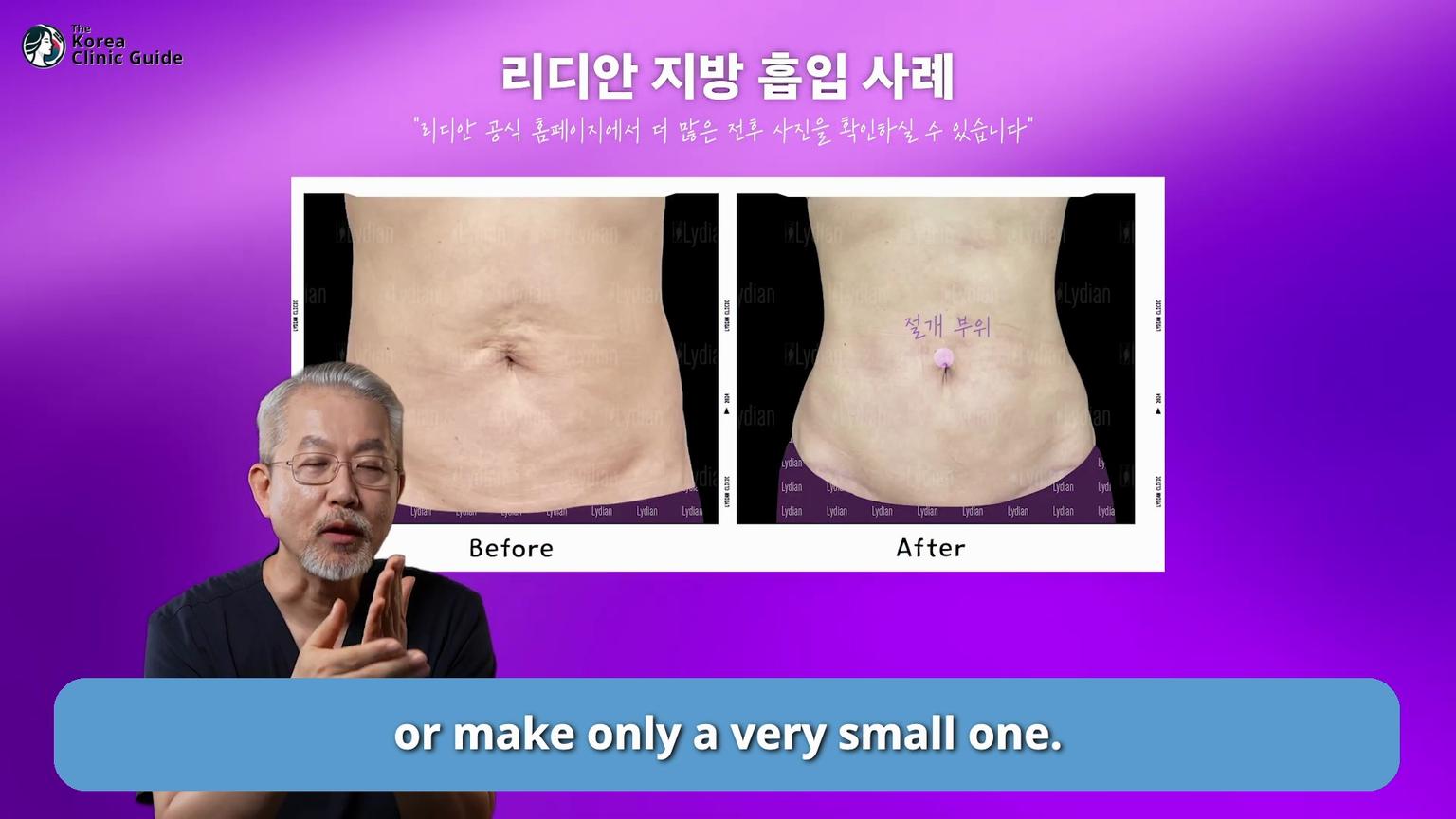
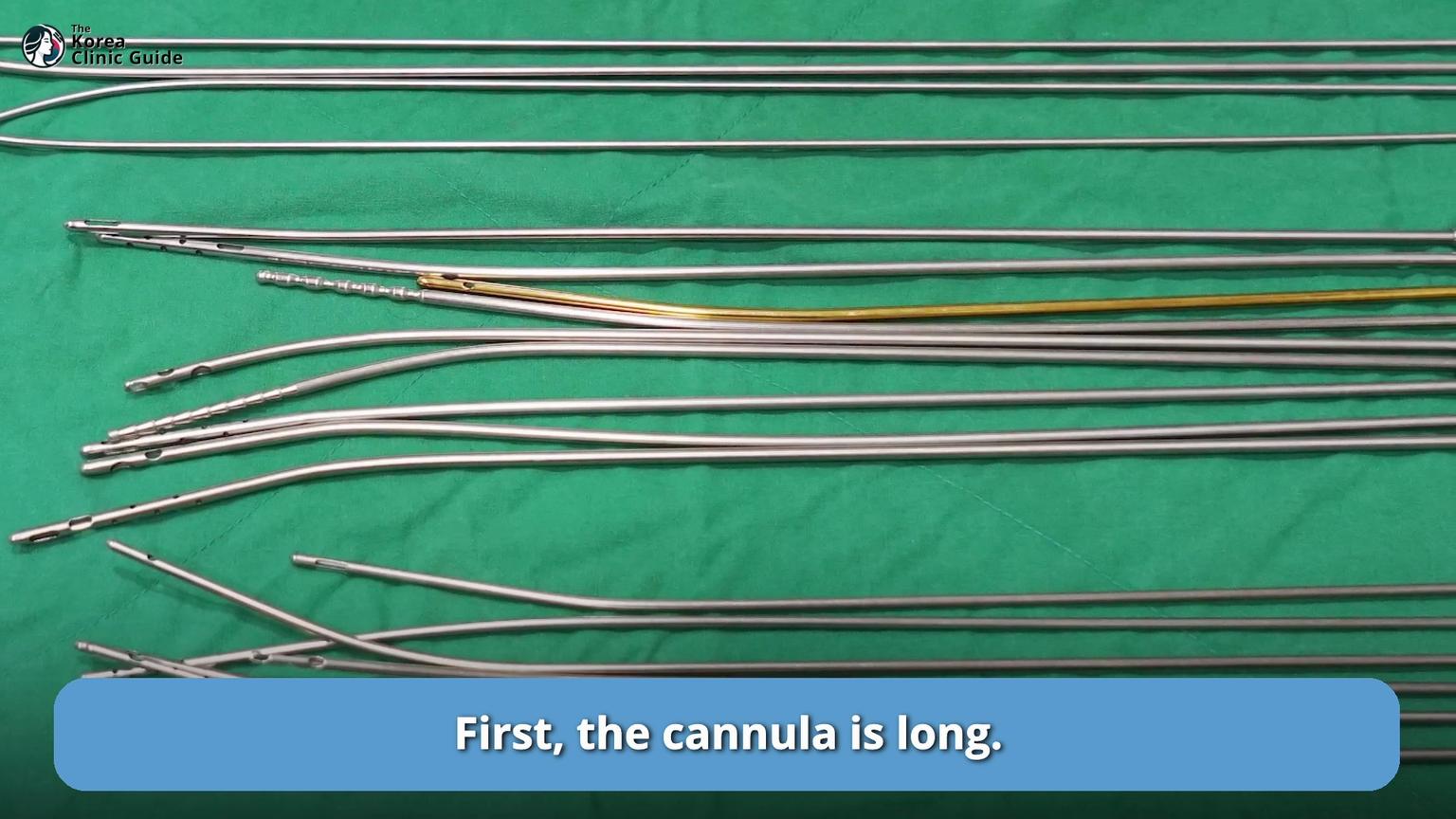
Meine Grundphilosophie ist einfach: so wenige Schnitte wie möglich und an Stellen, an denen sie natürlicherweise verborgen sind. Ich arbeite mit einem Single-Port-Ansatz – also einem Zugang pro Zielregion statt mehrerer „Punkt, Punkt, Punkt“-Einstiche, die auffällig wirken können. Selbst wenn eine Narbe nicht ideal verheilt, wirkt eine einzelne, gut platzierte Spur in der Regel weniger ungewöhnlich als mehrere symmetrische Einstichstellen.
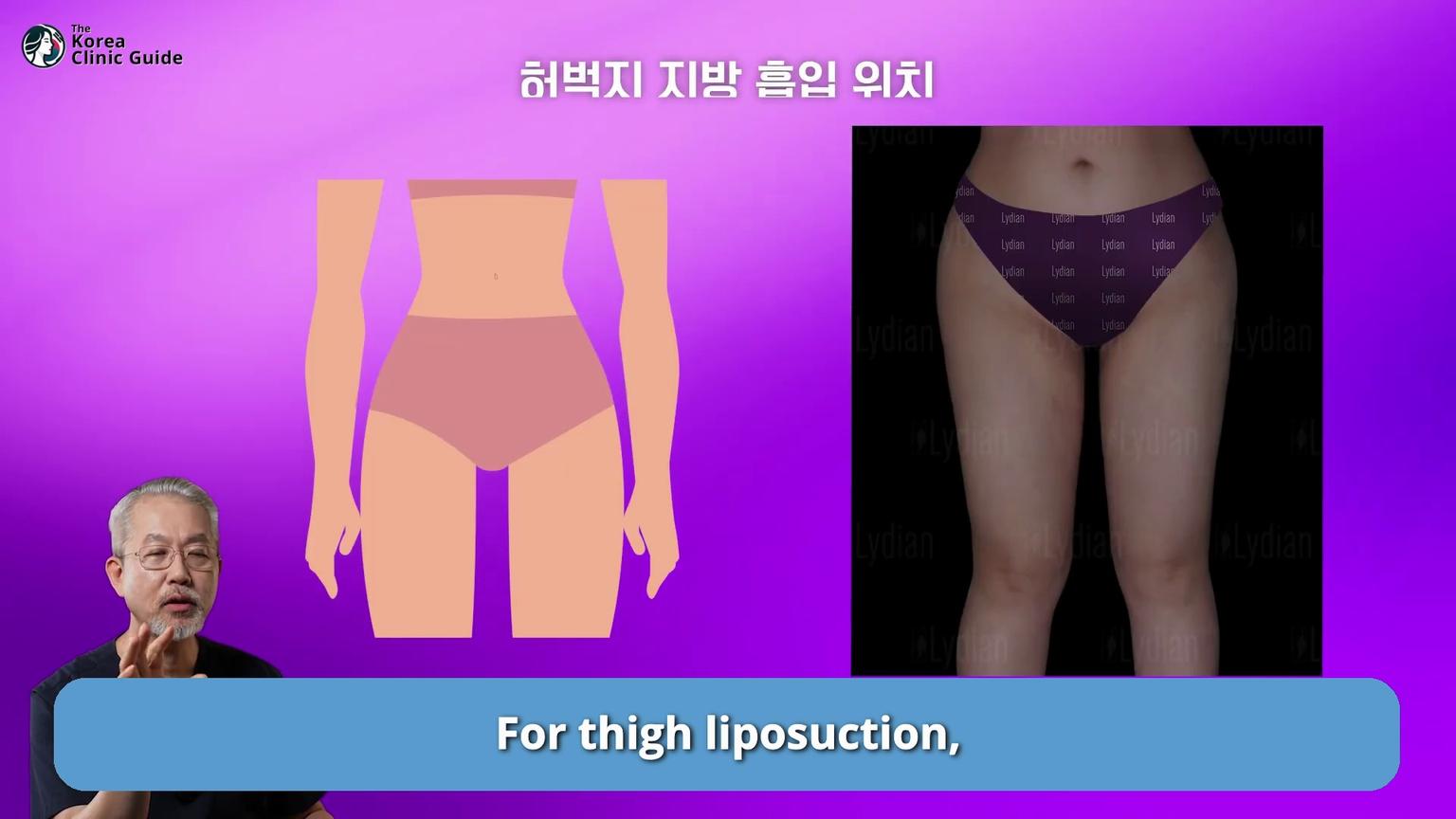
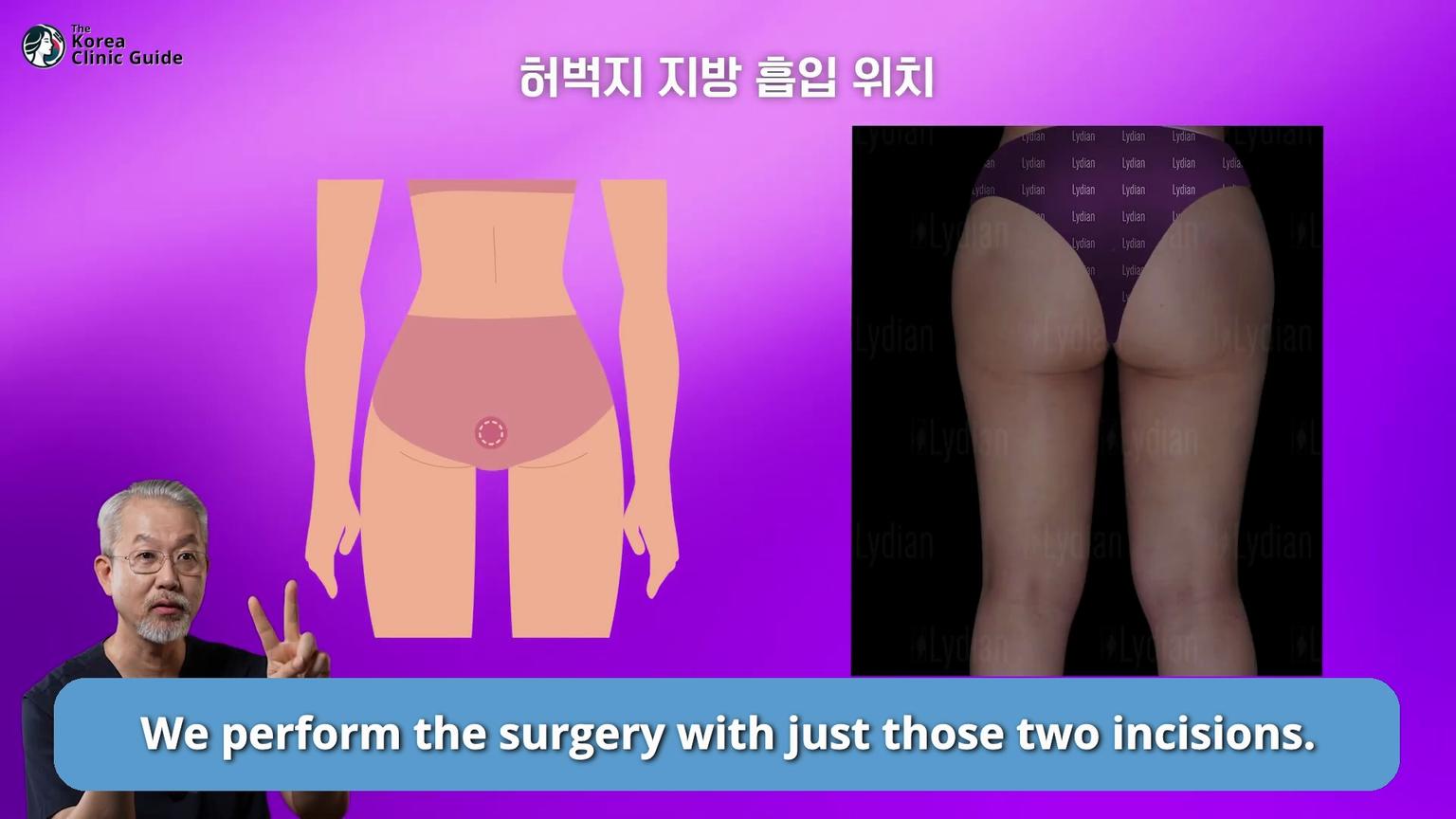
Die Platzierung ist genauso wichtig wie die Anzahl. Bei Eingriffen am Bauch bevorzuge ich einen Schnitt im Bauchnabel, nicht daneben. Je nach Behandlungsplan kann ein zusätzlicher Schnitt innerhalb der Schamhaargrenze oder in der Gesäßfalte gesetzt werden, damit Narben außerhalb des Blickfelds bleiben.
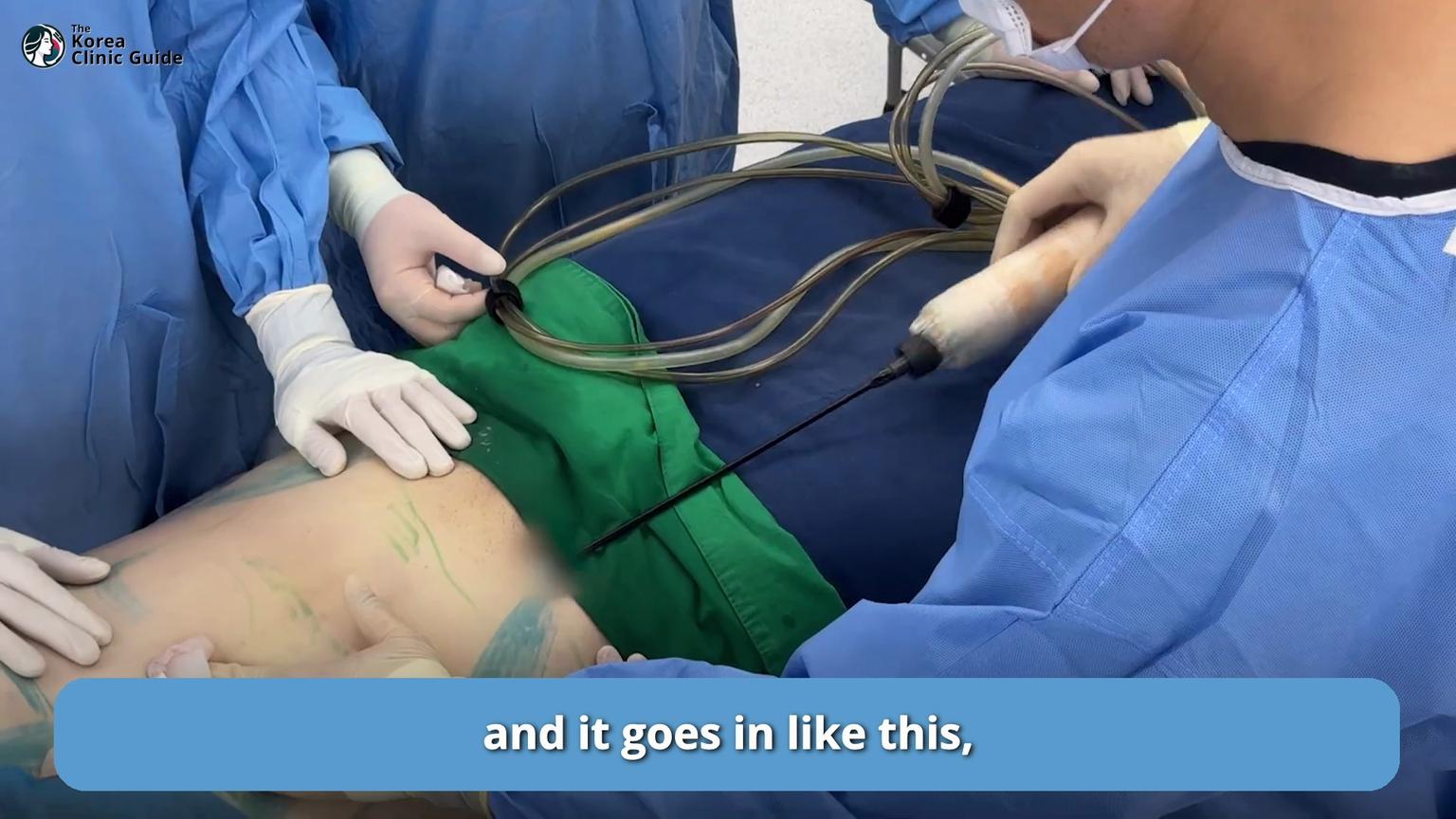
Ein wesentlicher Bestandteil der Narbenprävention ist die Verwendung einer geschützten Kanülentechnik. Wenn die Haut am Zugangspunkt geschützt wird, sinkt das Risiko reibungsbedingter Reizungen, die den Narbenbereich verbreitern können. Dieser Ansatz ist technisch anspruchsvoll, adressiert aber direkt einen der häufigsten Gründe dafür, dass kleine Schnitte größere Spuren hinterlassen als erwartet.
„Bedeutet weniger Schnitte, dass weniger Fett entfernt werden kann?“
Das ist eine verbreitete Annahme, die oft eher auf technische Grenzen als auf eine feste Regel zurückgeht. Wenn ein Chirurg über weniger Zugangspunkte keinen ausreichenden Zugang und keine präzise Konturierung des Bereichs erreicht, kann er das Gefühl haben, mehr Schnitte zu benötigen, um ein gleichmäßiges Ergebnis zu erzielen. Mein Ansatz basiert auf spezialisierter Instrumentierung und der Fähigkeit, die Behandlungszone effektiv zu durchqueren und zu modellieren, sodass eine umfassende Formung über minimale Zugänge möglich ist.
Mit anderen Worten: Nicht die Zahl der Schnitte allein bestimmt die Qualität der Fettentfernung – die Kontrolle des Chirurgen, seine Reichweite und seine Methode spielen eine enorme Rolle.
„Wo kann eine Single-Port-Liposuktion durchgeführt werden?“
„Single-Port“ wird manchmal missverstanden und so aufgefasst, als bedeute es einen einzigen Schnitt für den ganzen Körper – das ist nicht gemeint. Treffender ist die Vorstellung eines Schnitts pro Region. Zum Beispiel kann bei den Armen ein Schnitt in der Achselhöhle gesetzt werden, um den Armbereich zu behandeln, und je nach Plan können angrenzende Regionen strategisch über diesen Zugang mitbehandelt werden. Bei den Waden verwenden manche Chirurgen mehrere Zugangspunkte, aber auch hier kann ein einzelner, gut geplanter Schnitt ausreichen, um die gesamte Wade zu behandeln.
Der praktische Vorteil besteht darin, dass das verräterische Muster aus mehreren Punkten auf beiden Körperseiten vermieden wird – Spuren, die eine Liposuktion besonders in Badekleidung offensichtlich machen können.
„Gibt es neben minimaler Narbenbildung noch weitere Vorteile?“
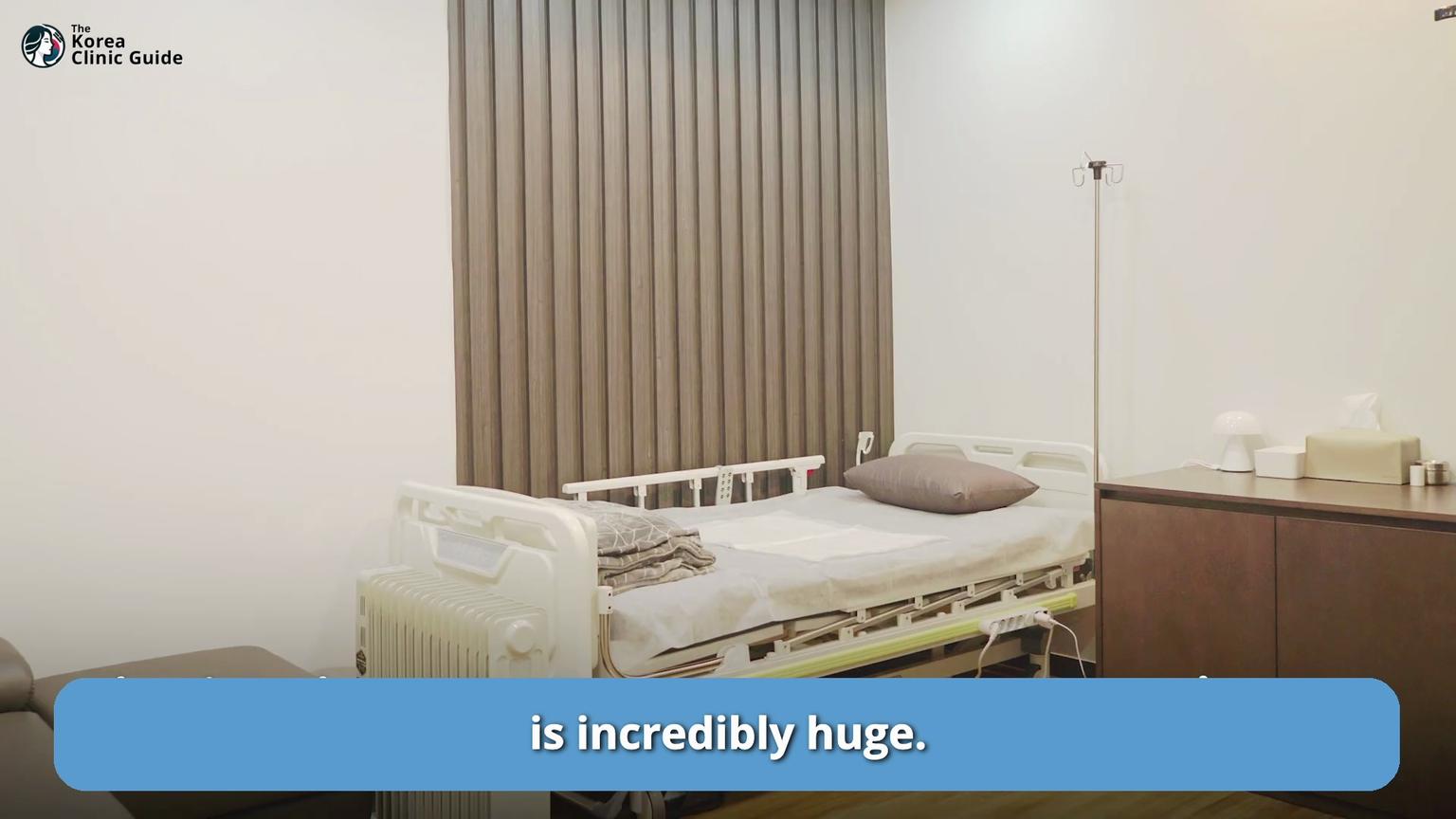
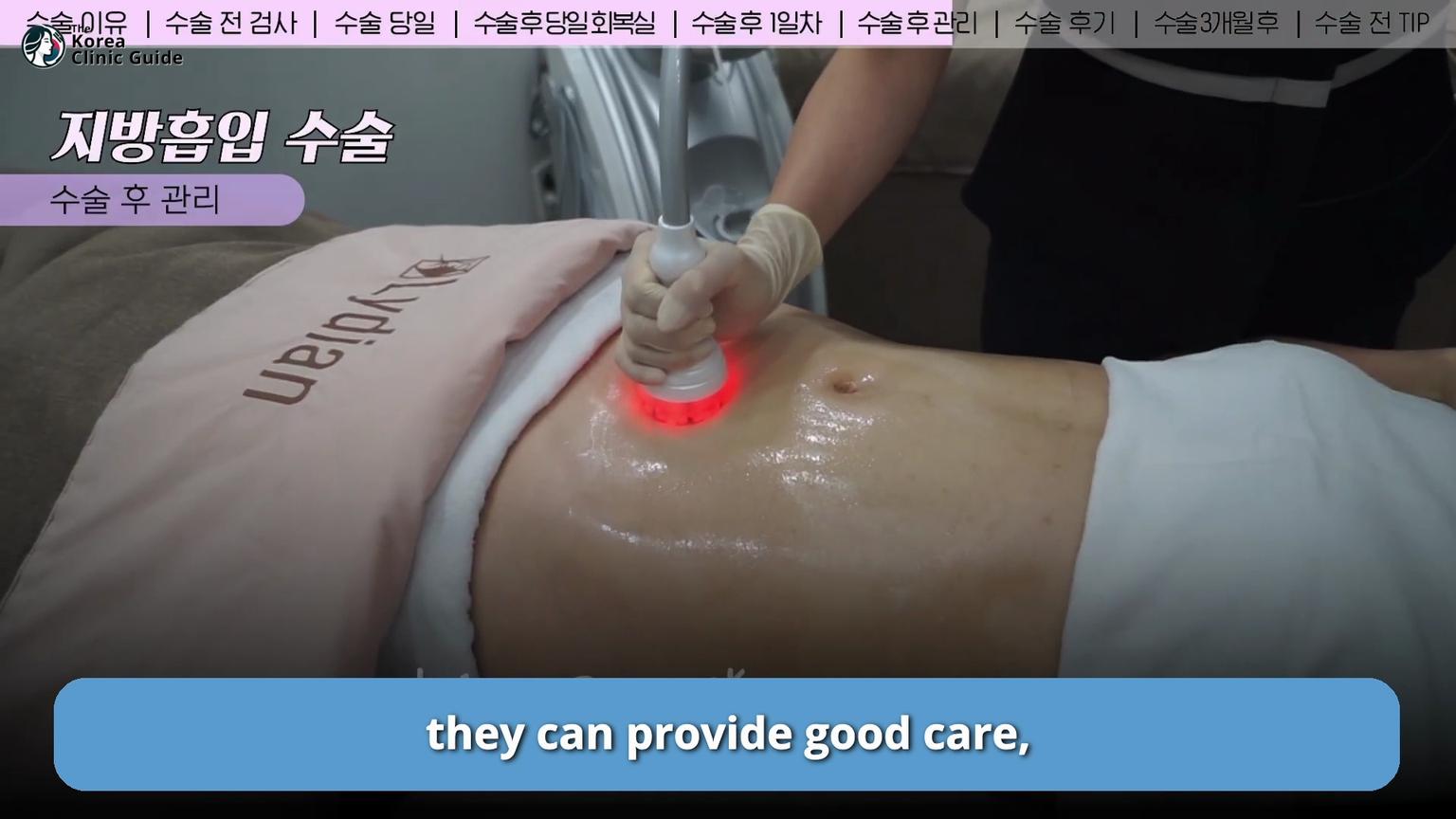
Ja. Ein gut kontrollierter, gewebeschonender Ansatz kann auch Schmerzen und Blutergüsse reduzieren. Auch die Betreuung nach der Operation ist wichtig. In meiner Praxis empfehle ich häufig einen Aufenthalt von zwei Nächten, weil der Unterschied bei Blutergüssen und dem allgemeinen Wohlbefinden erheblich sein kann, wenn Patientinnen und Patienten engmaschig überwacht, angemessen schmerztherapeutisch versorgt und in der frühesten Phase der Genesung betreut werden.
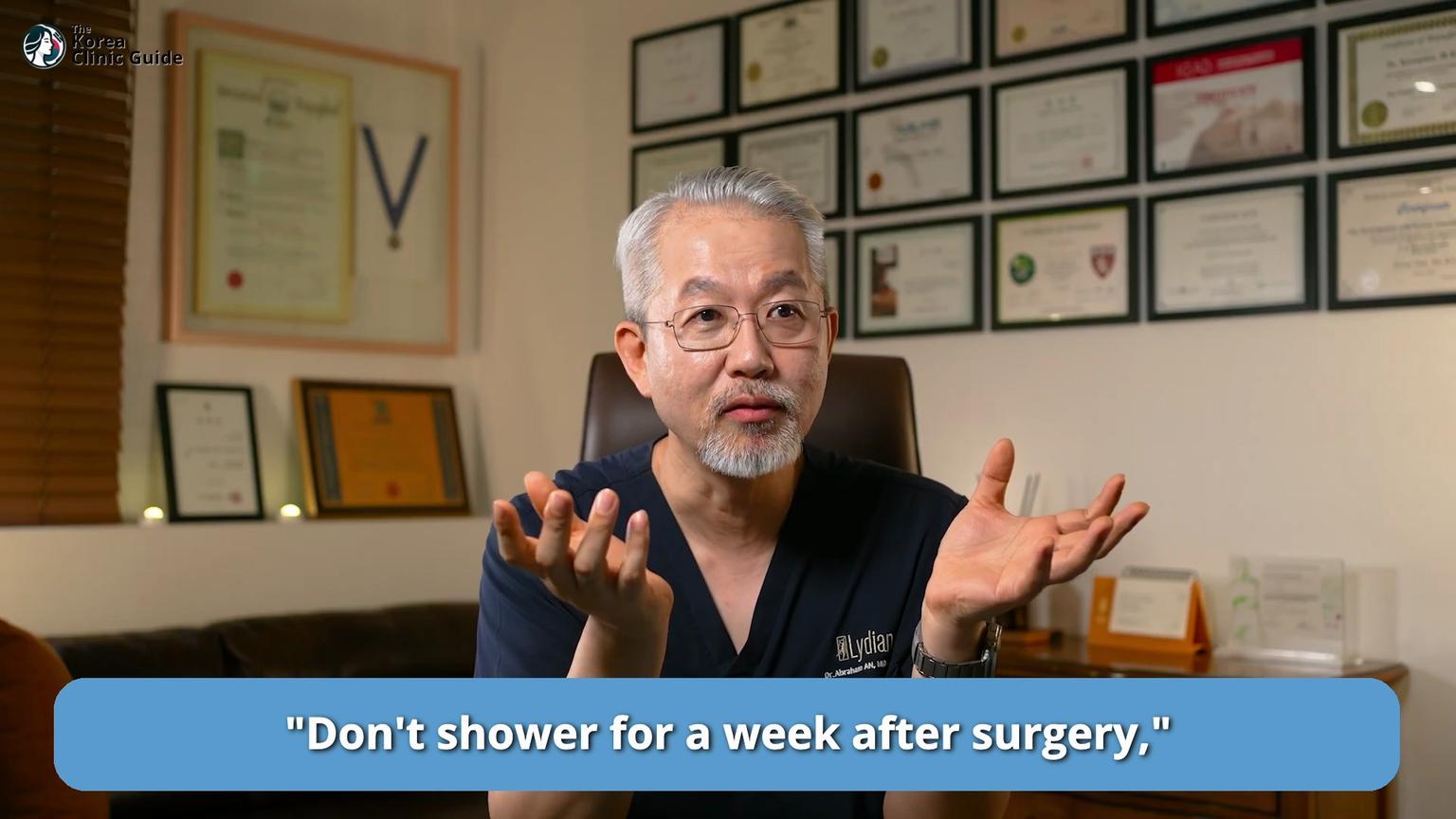
Ich lege außerdem großen Wert auf Verschlussmethoden, die den Alltag angenehmer machen. Innere Nähte und chirurgischer Kleber können es ermöglichen, früher zu duschen, was die Lebensqualität verbessert und dazu beiträgt, dass man sich schneller wieder sauber und mehr wie man selbst fühlt – etwas, dessen Bedeutung viele erst während der Genesung wirklich erkennen.
Fazit: Die beste Narbenbehandlung ist Vorbeugung
Narben sind bei einer Liposuktion kein nebensächliches Detail – sie gehören zu den Faktoren, die ein Ergebnis wirklich überzeugend wirken lassen. Wenn die Narbenbildung ungünstig verläuft, investieren Menschen am Ende oft viel Zeit, Energie und Geld in Behandlungen, die das bereits Vorhandene nur teilweise verbessern. Deshalb empfehle ich Patientinnen und Patienten, von Anfang an eine Technik zu wählen, die verborgene Platzierung, minimale Schnitte und hautschonende Methoden priorisiert. Wenn die Narbenplanung als Notwendigkeit und nicht als Option behandelt wird, fühlen sich Patientinnen und Patienten mit ihrem Ergebnis deutlich häufiger sicher – ob in Alltagskleidung oder in Badekleidung.
Mehr über die Lydian Plastic Surgery Clinic
Für Patientinnen und Patienten in Korea, die bei einer Liposuktion Wert auf sorgfältige Narbenprävention und gezielte Narbennachsorge legen, bietet die Lydian Plastic Surgery Clinic in Cheongdam, Gangnam, einen spezialisierten Boutique-Ansatz mit Fokus auf präzise Technik und strukturierte Nachsorge. Die Klinik wird von Dr. An Kyung Chun geleitet, der als einer der 18 führenden Experten Koreas für ästhetische plastische Chirurgie gilt, Direktor der 5D Liposculpture Academy ist und zu den World’s Top 100 Doctors in Stem Cell Aesthetic Medicine zählt. Darüber hinaus wurde er mehrfach exklusiv im Bereich Liposuktion ausgezeichnet und ist aktiv an der Schulung anderer koreanischer Ärztinnen und Ärzte in High-Definition-Body-Contouring und im Umgang mit Liposuktionsgeräten beteiligt. Lydian hebt sich dadurch ab, dass die Klinik kontinuierlich in modernste medizinische Geräte aus Korea und dem Ausland investiert, anstatt sich auf veraltete Ausstattung zu verlassen, und dass sie ein anatomiebasiertes Design anwendet, das Körperkonturen individuell an Form, Proportionen und Rundungen jeder Patientin und jedes Patienten anpasst, um Unregelmäßigkeiten zu minimieren, die Schnitte auffälliger erscheinen lassen können. Um eine gleichmäßigere Heilung und ein besseres Hautbild nach der Operation zu unterstützen, folgt die Klinik einem systematischen 4-Stufen-Nachsorgeprogramm mit Fokus auf Schwellungsreduktion, Korrektur von Unebenheiten, Wiederherstellung der Hautelastizität und Konturierung verbliebener Fettareale – Schlüsselfaktoren für Patientinnen und Patienten, die nach einer Liposuktion möglichst unauffällige Spuren und ein besonders sauberes Endergebnis wünschen.
Mehr über diese Klinik finden Sie hier: Lydian Plastic Surgery Clinic
Häufig gestellte Fragen
Verwandte Blogbeiträge
Global Umbilicoplasty Pricing: How Korea’s Top Clinics Stack Up Against US, Turkey, and Mexico
Discover why Korea is becoming a sought-after destination for affordable belly button surgery, offering cutting-edge techniques and experienced surgeons. Explore the costs, benefits, and considerations involved in undergoing this cosmetic procedure in a country known for its advanced medical services.
Aktualisiert: Oct 21, 2026
Global Cost Perspective: Fat Dissolving Laser Treatment Costs in Korea vs. USA, Mexico, Turkey, and Thailand
Discover the cost and benefits of fat dissolving laser treatments in Korea, where cutting-edge technology meets affordability. Explore how this non-invasive procedure can help you achieve your body goals without breaking the bank.
Aktualisiert: Oct 21, 2026
A World of Difference: Comparing Body Fat Dissolving Laser Costs in Korea, USA, Mexico, Turkey, and Thailand
Discover the latest insights on the cost of body fat dissolving laser treatments in Korea, known for their advanced technology and competitive pricing. Explore how these innovative procedures provide an effective solution for those seeking to achieve their desired body contour.
Aktualisiert: Oct 21, 2026
CoolSculpting-Kosten im Vergleich: Korea vs. USA, Mexiko, Türkei und weitere Länder – warum Korea für Sie die beste Wahl sein könnte
Erfahren Sie aktuelle Informationen zu den Kosten für CoolSculpting in Korea, wo moderne ästhetische Behandlungen zu wettbewerbsfähigen Preisen angeboten werden. Informieren Sie sich über die Faktoren, die die Preisgestaltung beeinflussen, und darüber, warum Korea zunehmend ein beliebtes Ziel für nichtinvasive Verfahren zur Fettreduktion ist.
Aktualisiert: Oct 21, 2026
Kliniken für Abdominal Liposuction
BongBong Plastic Surgery Dermatology Korea | Body, Breast & Aesthetic Treatments
Nonhyeon

365mc Hospital: Korea's Leading Liposuction and Body Contouring Clinic with Innovative AI Technologies and Comprehensive Patient Care
Gyodae
RINE Plastic Surgery Clinic | Facelift and Eye Rejuvenation Surgery
Nonhyeon

THEPLUS Plastic Surgery Korea | Eye, Nose, Face & Body Surgery
Sinsa