Medical Tourism Blog
Leg Lipedema: Full Body Liposuction Solutions in Korea for Effective Treatment
Table of contents
- Navigating Treatment Options for Lipedema: A Holistic Approach
- Full Body Liposuction for Lipedema: A Detailed Medical Overview
- Best Clinics in Korea for Leg Lipedema
- The Medical Tourist's Journey: Undergoing Liposuction in South Korea
- Financial Considerations: Costs of Lipedema Liposuction in South Korea and Global Comparisons
- Patient Journeys: Addressing Issues and Transforming Lives
- Conclusion
- References
Considering treatment in Korea? Everything you need to know e.g. — how to avoid scams, visas, interpreters, recovery tips — in our Medical Tourism Master Guide. Plan with confidence in minutes, not weeks!
Dealing with persistent, often painful "fat in legs" can be a lonely and confusing road. Many people struggling with this issue find their symptoms are dismissed as cosmetic or due to lifestyle choices, when in fact, the culprit could be lipedema. Lipedema is a genuine medical disorder—often undiagnosed or misdiagnosed—that affects mainly the lower body and is resistant to regular weight-loss techniques. This guide is designed to help make sense of leg lipedema, review treatment options (especially lymph-sparing liposuction), and delve into why South Korea is becoming a destination of choice for managing this challenging condition.
What is Lipedema? Clinical Definition and Characteristics
Lipedema is a chronic disorder that causes abnormal and symmetric fat build-up, typically in the legs, hips, and buttocks, sometimes the arms. A signature trait is the disproportionate lower body, with unaffected hands and feet, often resulting in a "cuff" of fat above the ankles or wrists. This fat does not respond to diet or exercise.
Common symptoms include leg pain, tenderness, heaviness, swelling (worse at day’s end or in heat), and easy bruising. As lipedema advances, tissue transitions from soft to a firmer, nodular or even fibrotic texture, which may feel like small beads, pebbles, or even hardened lumps. The skin might display dimpling or a "peau d'orange" effect, and sometimes feels cool. Fatigue and "brain fog" are frequent complaints.
Lipedema has different stages, determined primarily by changes in skin and tissue rather than pain or mobility, which usually worsen as the disease progresses.
Table 1: Lipedema Stages and Characteristics
| Stage | Morphological Characteristics | Fat Texture | Associated Symptoms & Swelling | Affected Areas (Common) |
|---|---|---|---|---|
| Stage 1 | Smooth skin, increased fat under skin | Often soft, small nodules | Swelling increases through the day, eases with rest | Pelvis, buttocks, hips to knees/ankles |
| Stage 2 | Uneven skin, dimpling, "orange peel" look | Larger nodules, thickened/fibrotic | Swelling greater and less affected by rest | Upper/lower legs, inner knee folds |
| Stage 3 | Large fat overhangs, lobules, limb deformations | Common thickening and nodularity | Persistent swelling unrelieved by rest, mobility impairment | Buttocks to ankles, large lobules |
| Lipolymphedema | Combination of lipedema/lymphedema, lymphatic fluid accumulation | Fibrosis/persistent swelling | Lymph flow issues, often in advanced stages | Limbs, possibly hands/feet as lymphedema worsens |
Lipedema is also categorized into five types based on fat distribution—ranging from hips and thighs (Type I) to calves/ankles (Type V), and combinations are frequent.
Common Pseudonyms and Misdiagnoses
Lipedema is often wrongly identified as obesity, lymphedema, or chronic venous insufficiency. This confusion means patients are told to lose weight using standard methods, which typically prove ineffective for lipedema, leading to frustration and progression of the disease.
Table 2: Common Pseudonyms for Lipedema
| Category | Pseudonyms |
|---|---|
| Primary Names | Lipedema, Lipoedema, Lipödem |
| Pain-Related | Lipalgia, Adiposalgia, Adipoalgesia, Adiposis dolorosa, Lipomatosis dolorosa of the legs, Painful column leg |
Differentiating lipedema from other causes of swelling/fat gain is vital:
- Lipedema vs. Obesity: Lipedema fat resists weight loss; obesity affects the body more generally.
- Lipedema vs. Lymphedema: Lipedema usually affects both legs symmetrically and spares feet/hands, unlike lymphedema.
- Lipedema vs. Chronic Venous Insufficiency: Both can cause swelling/tenderness, but diagnosis may require specialized ultrasound.
- Lipedema vs. Adiposis Dolorosa (Dercum’s Disease): Adiposis dolorosa features painful fat anywhere; lipedema mainly affects extremities.
Why Conventional Approaches Often Fall Short
Standard weight loss, exercise, and even bariatric surgery have little effect on lipedema fat. This resistance distinguishes lipedema from general obesity and calls for tailored treatment strategies. Without effective management, lipedema can worsen, causing more pain, swelling, fibrosis, and even secondary lymphedema or obesity—especially as mobility declines.
Navigating Treatment Options for Lipedema: A Holistic Approach
Conservative Management: A Foundational Pillar of Care
Non-surgical options help with symptom relief and can slow progression, but do not remove abnormal fat. These therapies include:
- Manual Lymphatic Drainage (MLD): Gentle massage by a Certified Lymphedema Therapist stimulates lymph flow, lessening swelling, and pain.
- Compression Garments: These specialized garments are standard in conservative care, aiding lymph fluid movement, alleviating pain, and supporting mobility.
- Pneumatic Compression Devices: Wearable devices move lymph fluid with inflating sleeves, acting as home-based supportive therapy.
- Specialized Diets: While not shrinking lipedema fat, anti-inflammatory diets (e.g., paleo, ketogenic) can help manage symptoms.
- Targeted Exercise: Low-impact activities—walking, swimming, cycling—enhance lymph movement and preserve joint health.
- Supportive Supplements: Some patients use Selenium, bioflavonoids, or herbal anti-inflammatories like Turmeric, but should consult a physician.
While these methods relieve symptoms, none can remove lipedema fat or cure the condition.
Surgical Intervention: Lymph-Sparing Liposuction as a Key Treatment
When conservative therapy isn’t enough, surgery is the only proven way to remove lipedema fat. Lymph-sparing liposuction targets pathologic fat while protecting fragile lymphatic vessels—this is very different from standard cosmetic liposuction, which could worsen symptoms or cause lasting lymphatic harm if not performed by a specialist. Selecting a surgeon experienced specifically in lymph-sparing liposuction is essential.
Full Body Liposuction for Lipedema: A Detailed Medical Overview
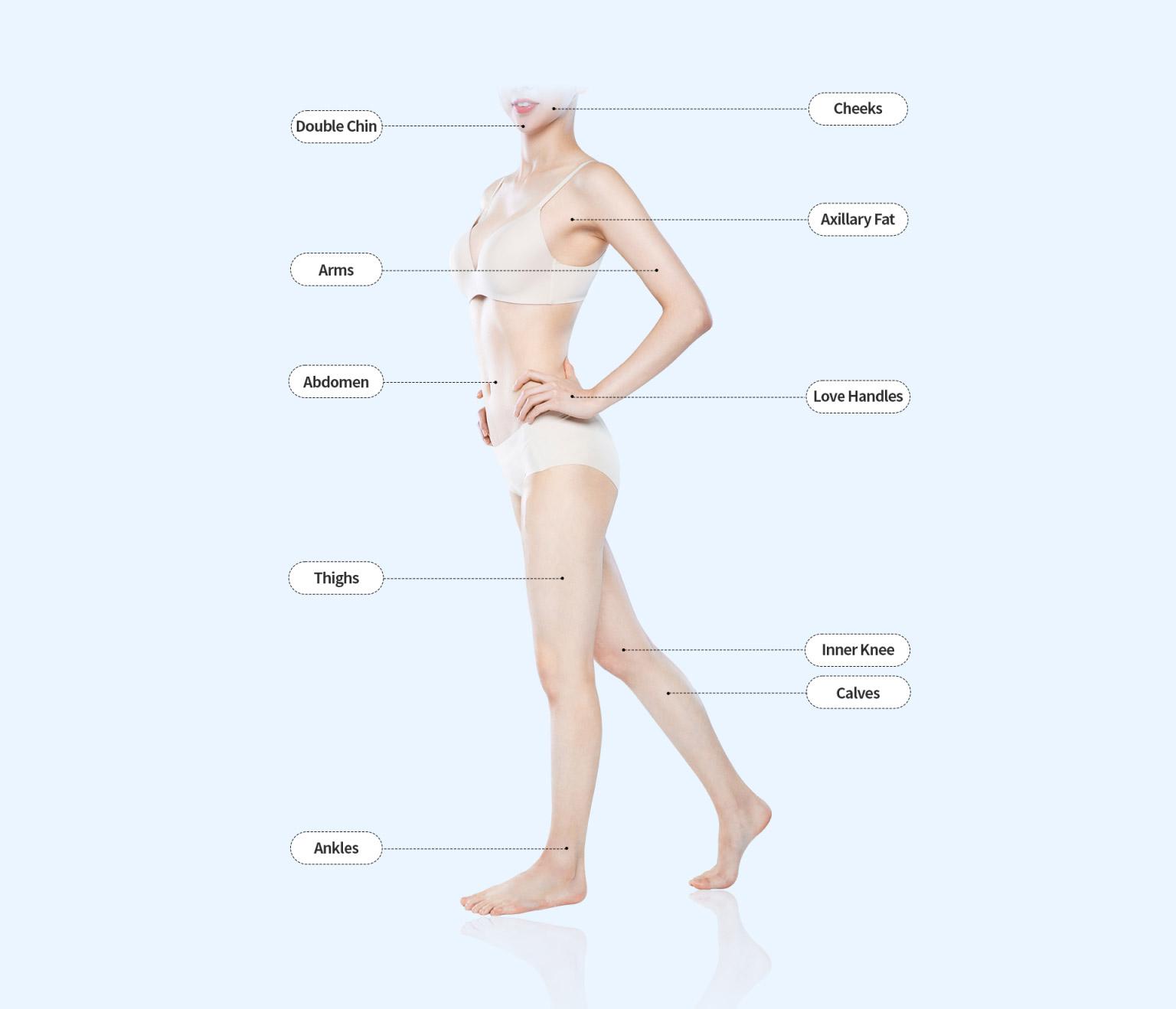
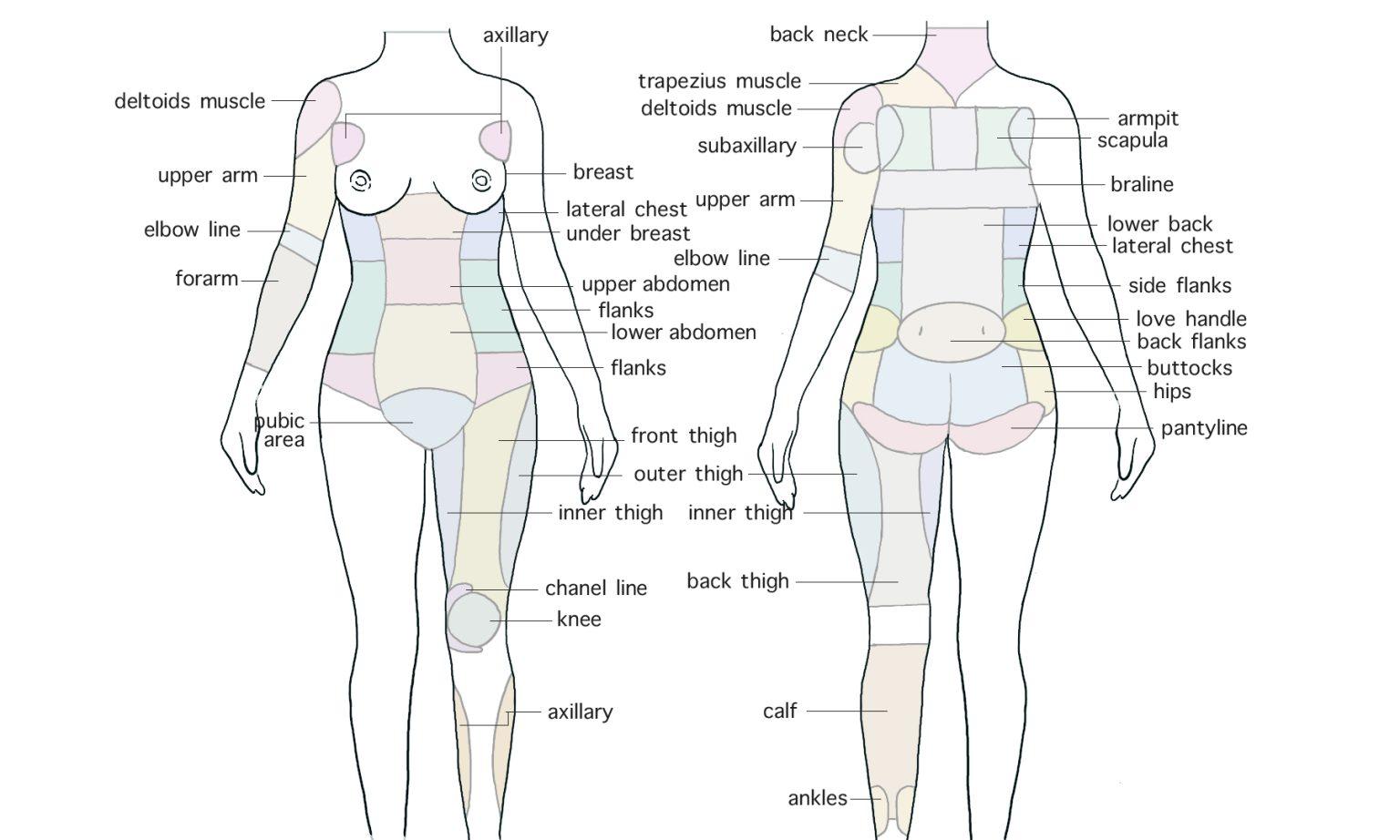
Understanding "Full Body" in Lipedema Liposuction
"Full body liposuction" for lipedema means treating several areas, but safety limits on how much can be removed at once (no more than 5 liters, including fluid) require staging the treatment over several sessions. This approach protects patient safety and ensures the best results.
Key Lymph-Sparing Liposuction Techniques
Three core techniques are considered safest and most effective for lipedema:
- Tumescent Liposuction (TTL): Uses an anesthetic/vasoconstrictor solution to swell and separate fat, allowing gentle aspiration by a fine cannula, often under local anesthesia.
- Water-Assisted Liposuction (WAL): A pressurized, fine saline jet dislodges fat during aspiration, protecting lymphatics.
- Power-Assisted Liposuction (PAL): A vibrating cannula tip gently breaks up fat cells for easier removal, reducing trauma and healing time.
Table 3: Comparison of Lymph-Sparing Liposuction Techniques
| Technique | Mechanism | Lymphatic Sparing | Anesthesia | Key Benefits | Considerations |
|---|---|---|---|---|---|
| TTL | Tumescent solution swells fat, suctioned by cannula | Designed to be sparing | Local tumescent | Lasting symptom relief | Not entire body in one session |
| WAL | Saline jet gently loosens fat, simultaneous suction | Gentler on lymphatics | Local tumescent | Mobility gains, permanent fat removal | No direct comparison with TTL |
| PAL | Vibration breaks up fat for easier removal | Avoids lymphatic injury | Local tumescent | Larger volumes, less bruising | Special tools needed |
All methods aim to protect delicate lymphatics, but only when performed by highly trained surgeons.
Anesthesia Considerations
Most lipedema liposuction uses local tumescent anesthesia for safety, though only part of the body can be treated this way in one session. General anesthesia is an option for larger procedures but carries a slightly higher risk.
The Surgical Process: From Incision to Aspiration
Surgeons use micro-cannulas—some as small as 3mm—to minimize scarring and trauma. Safety protocols like the 5-liter removal cap and staged procedures ensure wellbeing and the best long-term outcomes.
Potential Risks and Complications
Risks include pain, swelling, bruising, infection, fluid imbalance, anesthesia reactions, blood clots, lymphatic injury (if not done by a specialist), and possible symptom recurrence. Most side effects are temporary, but lymphatic damage is a serious concern if the procedure is not expertly performed.
Post-Operative Care and Recovery Expectations
Healing involves wearing compression garments, using lymphatic massage, and taking time to rest. Light walking encourages recovery, while final results take months to appear as swelling slowly subsides. Continued garment use and therapy help sustain the benefits.
Best Clinics in Korea for Leg Lipedema
Listed below are the best clinics in Korea for leg lipedema:
| Clinic Name | Key Features | Special Techniques |
|---|---|---|
| Nana Plastic Surgery Clinic | Combines advanced aesthetic techniques with extensive clinical data and broad surgical experience, especially in body-contouring procedures that are highly relevant to lipedema-related leg enlargement and disproportional fat distribution. Conveniently located at Sinnonhyeon Station, Nana is well known for its expertise in liposuction, thigh-focused contouring, and arm/thigh lift procedures, allowing the clinic to approach leg lipedema with a detailed understanding of both fat reduction and body balance. Its strength lies not only in performing precise surgery, but also in creating individualized treatment plans based on each patient’s anatomy, goals, and overall proportions, which is essential in cases of leg lipedema where symmetry, mobility, and long-term contour improvement matter. Backed by diverse experience across body, fat grafting, lifting, and skin-tightening treatments, Nana Plastic Surgery Clinic offers the level of surgical refinement, planning, and comprehensive aesthetic judgment that makes it one of the best clinics in Korea for patients looking to improve the appearance and burden of leg lipedema. | Liposuction; thigh-focused contouring; arm/thigh lift procedures; body-contouring procedures; fat reduction; body balance; fat grafting; lifting; skin-tightening |
| View Plastic Surgery | View Plastic Surgery Clinic is a well-known Korean plastic surgery clinic dedicated to the pursuit of beauty with a strong emphasis on safety, making it an appealing choice for patients seeking careful evaluation and body contouring solutions for leg lipedema concerns. While each lipedema case requires individualized diagnosis and treatment planning, View Plastic Surgery stands out for its strong foundation in body liposuction, facial and body contouring, revision procedures, and personalized aesthetic care. Its broad surgical portfolio reflects deep experience in reshaping delicate areas of the body with precision, and this can be especially valuable for patients who want a clinic that prioritizes balanced results, patient safety, and an overall harmonious silhouette rather than simple fat reduction alone. • Strong emphasis on safety, which is essential for any patient considering treatment for leg lipedema or leg contouring. • Experience in body liposuction for areas such as the thighs and other body regions, making the clinic relevant for patients with disproportionate lower-body fat concerns. • A contour-focused approach that aims to improve body proportion, not just remove volume. • Broad expertise in revision surgery, which suggests the clinic is equipped to handle complex aesthetic concerns and refine results when needed. • Personalized treatment philosophy, important for leg lipedema patients because symptoms, fat distribution, and cosmetic goals vary from person to person. • Advanced aesthetic sensibility developed across multiple specialties, including breast surgery, facial contouring, lifting, and dermatology, supporting a comprehensive approach to body balance and appearance. • Availability of both surgical and non-surgical slimming and skin-focused treatments, which may help patients who need a more tailored plan beyond a single procedure. • Suitable for patients looking for a clinic in Korea that combines beauty, precision, and safety in one setting. | Body liposuction; contouring; revision surgery; non-surgical slimming and skin-focused treatments; lifting; personalized aesthetic care; safety-first principles |
| Caramel Plastic Surgery | For patients looking for leg lipedema treatment in Korea, Caramel Plastic Surgery in Nonhyeon stands out as the best clinic because it combines cutting-edge surgical techniques with highly personalized patient care, an especially important advantage when treating leg concerns that require precise fat removal and careful body contouring. Its body surgery program includes liposuction for targeted excess fat reduction, making it a strong option for patients seeking improvement in leg shape and volume, while the clinic’s broader experience in specialized cosmetic and revisional surgery also reflects the technical precision and individualized planning needed for complex cases. Just as importantly, Caramel Plastic Surgery places a clear priority on patient safety and satisfaction, and its structured aftercare programs help support smoother recovery and optimal results, giving patients confidence not only in the procedure itself but also in the quality of care they receive before, during, and after treatment. | Liposuction for targeted excess fat reduction; specialized cosmetic and revisional surgery; structured aftercare programs; emphasis on patient safety and satisfaction |
Nana Plastic Surgery Clinic
For patients seeking treatment for leg lipedema in Korea, Nana Plastic Surgery Clinic is an outstanding choice because it combines advanced aesthetic techniques with extensive clinical data and broad surgical experience, especially in body-contouring procedures that are highly relevant to lipedema-related leg enlargement and disproportional fat distribution. Conveniently located at Sinnonhyeon Station, Nana is well known for its expertise in liposuction, thigh-focused contouring, and arm/thigh lift procedures, allowing the clinic to approach leg lipedema with a detailed understanding of both fat reduction and body balance. Its strength lies not only in performing precise surgery, but also in creating individualized treatment plans based on each patient’s anatomy, goals, and overall proportions, which is essential in cases of leg lipedema where symmetry, mobility, and long-term contour improvement matter. Backed by diverse experience across body, fat grafting, lifting, and skin-tightening treatments, Nana Plastic Surgery Clinic offers the level of surgical refinement, planning, and comprehensive aesthetic judgment that makes it one of the best clinics in Korea for patients looking to improve the appearance and burden of leg lipedema.
Find more about this clinic here: Nana Plastic Surgery Clinic Website
View Plastic Surgery
View Plastic Surgery Clinic is a well-known Korean plastic surgery clinic dedicated to the pursuit of beauty with a strong emphasis on safety, making it an appealing choice for patients seeking careful evaluation and body contouring solutions for leg lipedema concerns. While each lipedema case requires individualized diagnosis and treatment planning, View Plastic Surgery stands out for its strong foundation in body liposuction, facial and body contouring, revision procedures, and personalized aesthetic care. Its broad surgical portfolio reflects deep experience in reshaping delicate areas of the body with precision, and this can be especially valuable for patients who want a clinic that prioritizes balanced results, patient safety, and an overall harmonious silhouette rather than simple fat reduction alone.
• Strong emphasis on safety, which is essential for any patient considering treatment for leg lipedema or leg contouring.
• Experience in body liposuction for areas such as the thighs and other body regions, making the clinic relevant for patients with disproportionate lower-body fat concerns.
• A contour-focused approach that aims to improve body proportion, not just remove volume.
• Broad expertise in revision surgery, which suggests the clinic is equipped to handle complex aesthetic concerns and refine results when needed.
• Personalized treatment philosophy, important for leg lipedema patients because symptoms, fat distribution, and cosmetic goals vary from person to person.
• Advanced aesthetic sensibility developed across multiple specialties, including breast surgery, facial contouring, lifting, and dermatology, supporting a comprehensive approach to body balance and appearance.
• Availability of both surgical and non-surgical slimming and skin-focused treatments, which may help patients who need a more tailored plan beyond a single procedure.
• Suitable for patients looking for a clinic in Korea that combines beauty, precision, and safety in one setting.
For patients researching the best clinic for leg lipedema in Korea, View Plastic Surgery is a strong option because it pairs safety-first principles with body contouring expertise and individualized care. A direct consultation is the best way to confirm whether its approach matches the severity of lipedema, the need for liposuction-based treatment, and the patient’s long-term functional and cosmetic goals.
Find more about this clinic here: View Plastic Surgery Website
Caramel Plastic Surgery
For patients looking for leg lipedema treatment in Korea, Caramel Plastic Surgery in Nonhyeon stands out as the best clinic because it combines cutting-edge surgical techniques with highly personalized patient care, an especially important advantage when treating leg concerns that require precise fat removal and careful body contouring. Its body surgery program includes liposuction for targeted excess fat reduction, making it a strong option for patients seeking improvement in leg shape and volume, while the clinic’s broader experience in specialized cosmetic and revisional surgery also reflects the technical precision and individualized planning needed for complex cases. Just as importantly, Caramel Plastic Surgery places a clear priority on patient safety and satisfaction, and its structured aftercare programs help support smoother recovery and optimal results, giving patients confidence not only in the procedure itself but also in the quality of care they receive before, during, and after treatment.
Find more about this clinic here: Caramel Plastic Surgery Website
The Medical Tourist's Journey: Undergoing Liposuction in South Korea
Why South Korea for Lipedema Liposuction?
South Korea stands out for its skilled surgeons, advanced technology, comprehensive care, and competitive pricing. Patients from around the world choose Korea for:
- Renowned clinics and surgeons, such as Dr. An Kyung Chun and Dr. Lee Hyungmin
- Modern facilities and technology (including 3D imaging and AI systems)
- Attractive, all-inclusive packages covering surgery, aftercare, and even accommodations
Step-by-Step Process for International Patients
Most journeys start with a remote consultation, sharing photos and medical history. Next, clinics usually arrange tests and secure a deposit. Upon arrival, an in-person meeting finalizes the plan. The procedure includes anesthesia (local or general), careful marking, minimally invasive liposuction, and skilled aftercare. After surgery, compression wear and close monitoring are standard, as is guidance for ongoing recovery. Many clinics provide translators and package logistical support for a stress-free experience.
Financial Considerations: Costs of Lipedema Liposuction in South Korea and Global Comparisons
Understanding Cost Structures in South Korea
Liposuction prices depend on area, technique, and surgeon. Typical estimates:
| Category | Body Area/Technique | Estimated Cost Range (USD) |
|---|---|---|
| Full Body | Multiple Areas | $7,000 – $15,000+ |
| By Area | Chin/Neck | $2,000 – $4,000+ |
| Arms | $3,000 – $5,000+ | |
| Abdomen | $4,000 – $10,000+ | |
| Thighs | $4,000 – $8,000+ | |
| By Technique | Tumescent Liposuction | $2,500 – $5,000 |
| Water-Assisted Liposuction (WAL) | $3,500 – $6,000 | |
| Power-Assisted Liposuction (PAL) | $3,000 – $6,500 | |
| Laser Lipolysis/Assisted | $3,000 – $7,000 | |
| 360 Liposuction (entire midsection) | $6,000 – $12,000 |
Highly experienced surgeons and top clinics may charge more, reflecting their expertise.
Breakdown of Included vs. Additional Costs
Most packages include the surgeon’s fee, anesthesia, facility, tests, initial compression garments, and some aftercare. Patients should also budget for flights ($500–$1,500), accommodation ($50–$200/night), extra tests, follow-up compression garments, therapies like drainage massage, and travel insurance.
Cost Comparison: South Korea vs. Other Medical Tourism Destinations
| Country | Overall Price (USD) | Notable Range by Technique |
|---|---|---|
| South Korea | $3,000 – $8,000 | WAL: $3,500–$8,000, TTL: $2,500–$5,000 |
| USA | $6,100 – $12,650 | SAL: $6,100–$12,650, WAL: $3,000–$7,500 |
| UK | $4,500 – $8,000 | SAL: $3,600–$10,500, WAL: $6,000–$14,400 |
| Turkey | $2,000 – $3,500 | WAL: $1,500–$4,000 |
| Mexico | $2,000 – $4,000 | WAL: $2,800–$5,500 |
| Thailand | $2,500 – $5,000 | WAL: $2,000–$4,500 |
| Czech Rep. | $2,500 – $4,500 | WAL: $3,093–$8,000 |
| Poland | $2,000 – $4,000 | WAL: $2,700–$5,400 |
South Korea is more affordable than the US or UK, yet offers higher specialization and advanced care than many ultra-low-cost destinations.
Patient Journeys: Addressing Issues and Transforming Lives
Real-World Outcomes: Beyond Aesthetics
Lymph-sparing liposuction for lipedema is life-changing—patients frequently report:
- Dramatic pain reduction, making daily life much easier
- Improved mobility and ability to engage in activities confidently
- Significant reduction in limb size and a balanced body shape
Table 6: Patient Outcomes After Lipedema Liposuction
| Outcome Category | Benefits Reported |
|---|---|
| Pain Relief | Relief from chronic pain/tenderness |
| Improved Mobility | Easier movement, increased activity |
| Volume Decrease | Noticeable limb circumference reduction |
| Enhanced Quality of Life | Confidence, self-esteem, joy in new activities |
| Disease Progression | Slowed or halted worsening of symptoms |
Enhanced Quality of Life and Psychological Impact
For many, surgery brings newfound confidence, emotional relief, and participation in life they previously missed out on. Feeling "more feminine and 'normal'" or enjoying a new wardrobe are common reflections.
Slowing Disease Progression and Long-Term Management
Liposuction can halt or slow lipedema’s advance, but it is not a cure. Maintenance—compression therapy, manual lymphatic drainage, and healthy routines—remains essential for lifelong management.
Personal Stories and Testimonials
Patient stories, such as Jenny’s and Bel Hardman’s, highlight the profound physical and psychological transformation, from regaining mobility and losing inches to embracing social activity and self-confidence after years of struggle.
Conclusion
Lipedema is a unique, often misunderstood fat disorder best managed through a combination of conservative care and specialized lymph-sparing liposuction. While surgery can dramatically improve pain, mobility, and quality of life, it's crucial to remember that long-term results depend on ongoing therapy and lifestyle support. South Korea stands out for its expertise, technology, and value, making it an attractive destination for global patients seeking transformative care.
References
1, 2, 3, 4, 5, 6, 7, 8, 9, 10, 11, 12, 13, 14, 15, 16, 17, 18, 19, 20, 21, 22, 23, 24, 25, 26, 27, 28, 29, 30, 31, 32, 33, 34, 35, 36, 37, 38, 39, 40, 41