
Medizintourismus-Blog
Liposuktion: So tragen Sie Kompressionskleidung bei 365mc
Table of contents
- Ein besseres Liposuktions-Ergebnis beginnt mit besserer Kompression
- Wie lange sollte man nach einer Liposuktion Kompressionskleidung tragen?
- Worauf Sie jedes Mal achten sollten, wenn Sie sie anziehen
- So tragen Sie eine Bauch-Kompressionskleidung richtig (Schritt für Schritt)
- So tragen Sie eine Oberschenkel-Kompressionskleidung richtig (Schritt für Schritt)
- So tragen Sie eine Arm-Kompressionskleidung richtig (Schritt für Schritt)
- Fazit: Glatter Sitz, konsequentes Tragen, bessere Kontur
- Mehr über 365mc Hospital
Planen Sie eine Behandlung in Korea? Alles, was Sie wissen müssen, z. B. wie Sie Betrug vermeiden, Visa, Dolmetscher und Tipps für die Erholung, finden Sie in unserem Master Guide für Medizintourismus. Planen Sie mit Vertrauen in Minuten statt in Wochen!
Haftungsausschluss: Der folgende Beitrag ist ein Gastbeitrag. Die darin enthaltenen Informationen und Meinungen stammen nicht von koreaclinicguide.com, sondern von 365mc Hospital
Ein besseres Liposuktions-Ergebnis beginnt mit besserer Kompression
Nach einer Liposuktion ist der Eingriff selbst nur ein Teil des Weges. Ebenso wichtig ist, was Sie in der Erholungsphase tun – insbesondere, wie Sie Ihre Kompressionskleidung tragen. Bei 365mc verstehen wir Kompression als praktisches Hilfsmittel, das den Körper während der Heilung dabei unterstützt, eine glattere und besser definierte Kontur zu entwickeln. Wird Kompressionskleidung korrekt getragen, stützt sie den behandelten Bereich gleichmäßig. Sitzt sie jedoch falsch – zu locker, mit Falten oder mit Bereichen ohne ausreichenden Kontakt zur Haut –, kann sich Schwellung ungleichmäßig verteilen. Dadurch können Wölbungen oder Dellen entstehen, die sich oft vermeiden lassen.
In diesem Leitfaden erklären wir, worauf Sie beim Tragen Ihrer Kompressionskleidung achten sollten, wie lange sie getragen werden sollte und wie Sie die gängigsten Varianten – für Bauch, Oberschenkel und Arme – richtig anlegen. Das Ziel ist einfach: gleichmäßiger, konstanter Druck an den richtigen Stellen, ohne Falten oder Lücken.
Wie lange sollte man nach einer Liposuktion Kompressionskleidung tragen?
Kompressionskleidung dient nicht nur dem Komfort – sie ist ein wichtiger Teil der Konturierung in der Heilungsphase. Den meisten Patientinnen und Patienten empfehlen wir, sie mindestens einen Monat lang zu tragen, in vielen Fällen sogar bis zu zwei Monate. In diesem Zeitraum ist die Schwellung meist am ausgeprägtesten, und das Gewebe passt sich nach und nach an.
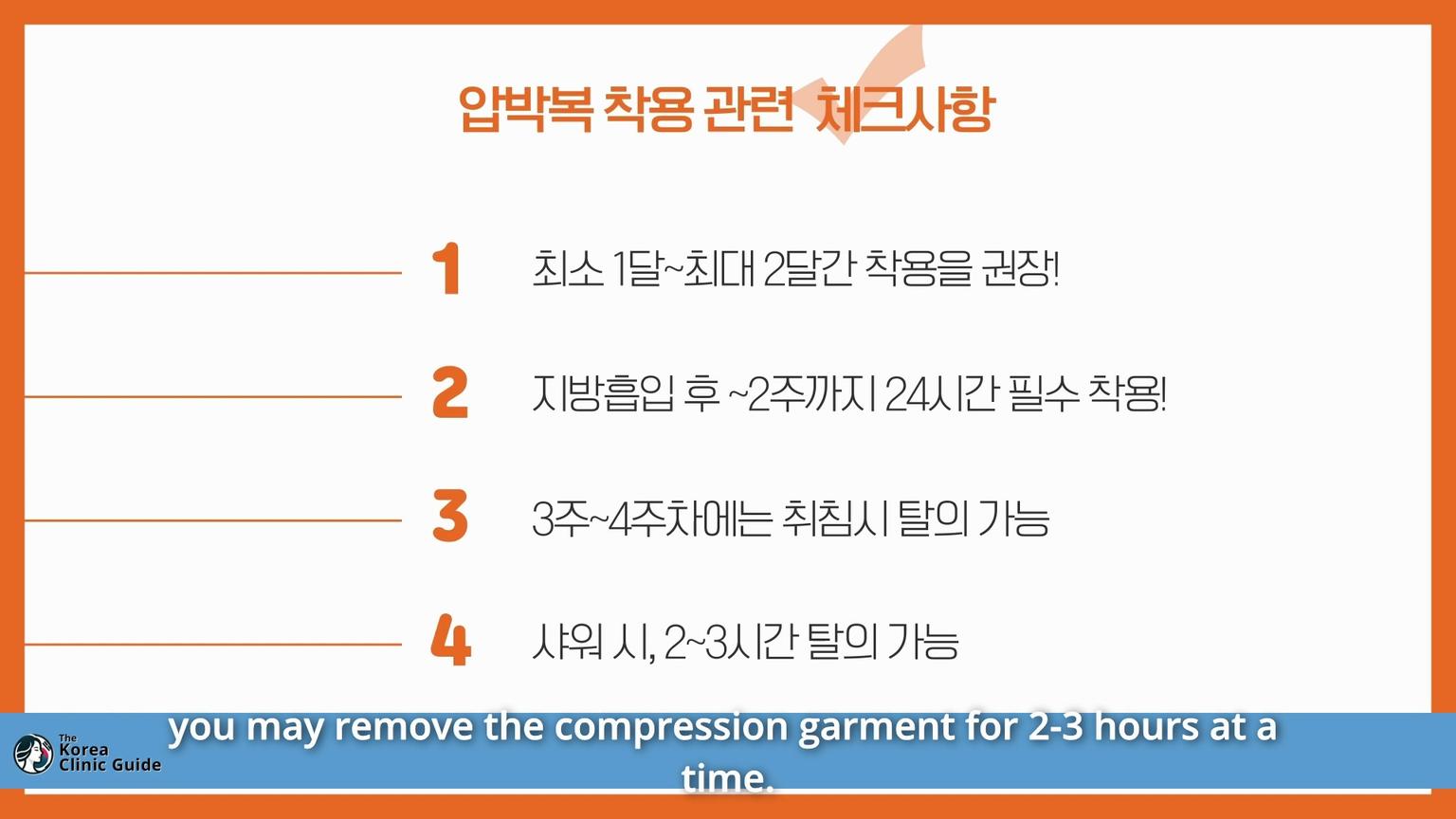
Besonders wichtig ist die erste Phase. In den ersten zwei Wochen nach der Liposuktion sollte die Kompressionskleidung 24 Stunden am Tag getragen werden. Dieses kontinuierliche Tragen hilft, den Druck konstant zu halten, während sich der Körper anpasst und die Schwellung noch stark schwanken kann. Danach wird die Erholung in der Regel etwas leichter. In der dritten bis vierten Woche können Sie die Kompressionskleidung nachts meist zum Schlafen ablegen. Tagsüber tragen Sie sie weiterhin über weite Strecken, aber nächtliche Pausen können den Komfort verbessern und es erleichtern, die Empfehlungen konsequent einzuhalten.
Auch die tägliche Hygiene ist wichtig, und die Kompression muss dem nicht im Weg stehen. Zum Duschen können Sie die Kompressionskleidung für zwei bis drei Stunden ablegen. Dieses Zeitfenster reicht in der Regel aus, um den behandelten Bereich zu reinigen, die Haut vollständig trocknen zu lassen und die Kompressionskleidung anschließend sorgfältig wieder anzulegen – ohne Hast, aber auch ohne sie so lange wegzulassen, dass die Schwellung erneut zunimmt.
Worauf Sie jedes Mal achten sollten, wenn Sie sie anziehen
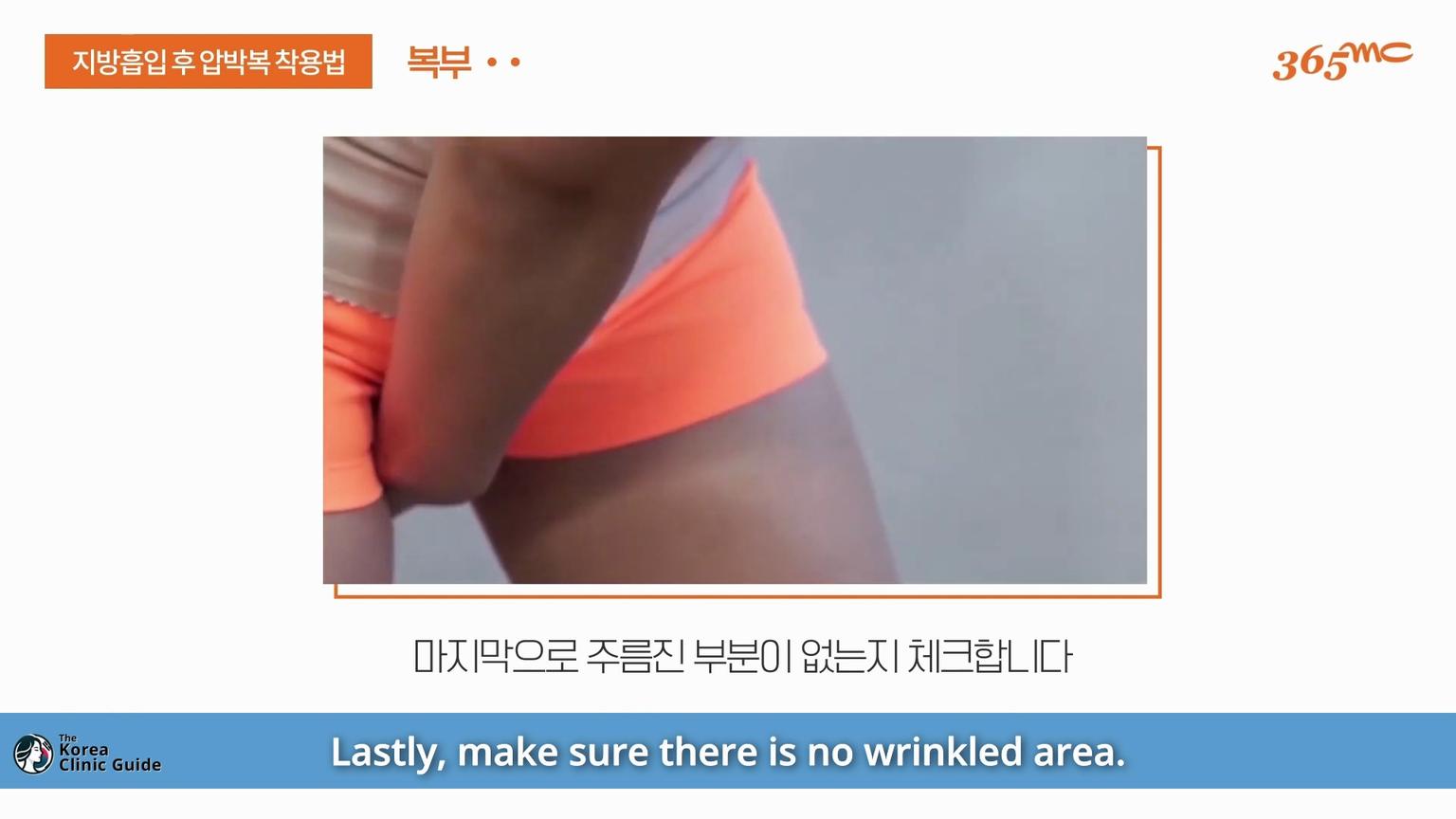
Kompressionskleidung erfüllt ihren Zweck nur dann, wenn sie glatt anliegt und gleichmäßigen Druck ausübt. Das Wichtigste ist zugleich das Einfachste: Kontrollieren Sie mit Blick und Händen, ob sich irgendwo Falten gebildet haben. Falten an den Seiten, im Bereich der Achseln, in der Leiste oder unter Trägern können Druckspitzen erzeugen. Mit der Zeit kann dieser ungleichmäßige Druck zu einer unregelmäßigen Kontur führen.
Der zweite Punkt sind Lücken – besonders in Übergangsbereichen wie dem Schritt bei Oberschenkel-Kompressionskleidung oder im Achsel- und Brustbandbereich bei Arm-Kompressionskleidung. Eine Lücke bedeutet, dass sich benachbartes Gewebe nach außen vorwölben kann. Wiederholt sich das über längere Zeit, können sichtbare Unebenheiten entstehen. Die Kompressionskleidung muss nicht schmerzhaft eng sitzen, sollte aber straff und bündig auf der Haut anliegen.
Achten Sie außerdem darauf, dass alles korrekt ausgerichtet ist. Viele Kompressionskleidungsstücke haben Nähte, die als Orientierung für die richtige Position dienen. Wenn diese Nähte von den vorgesehenen Stellen abweichen – zum Beispiel von den Ellenbogen bei Arm-Kompressionskleidung –, kann sich das Kleidungsstück verdrehen, zusammenziehen und Falten bilden, selbst wenn Sie es später immer wieder zurechtrücken.
So tragen Sie eine Bauch-Kompressionskleidung richtig (Schritt für Schritt)
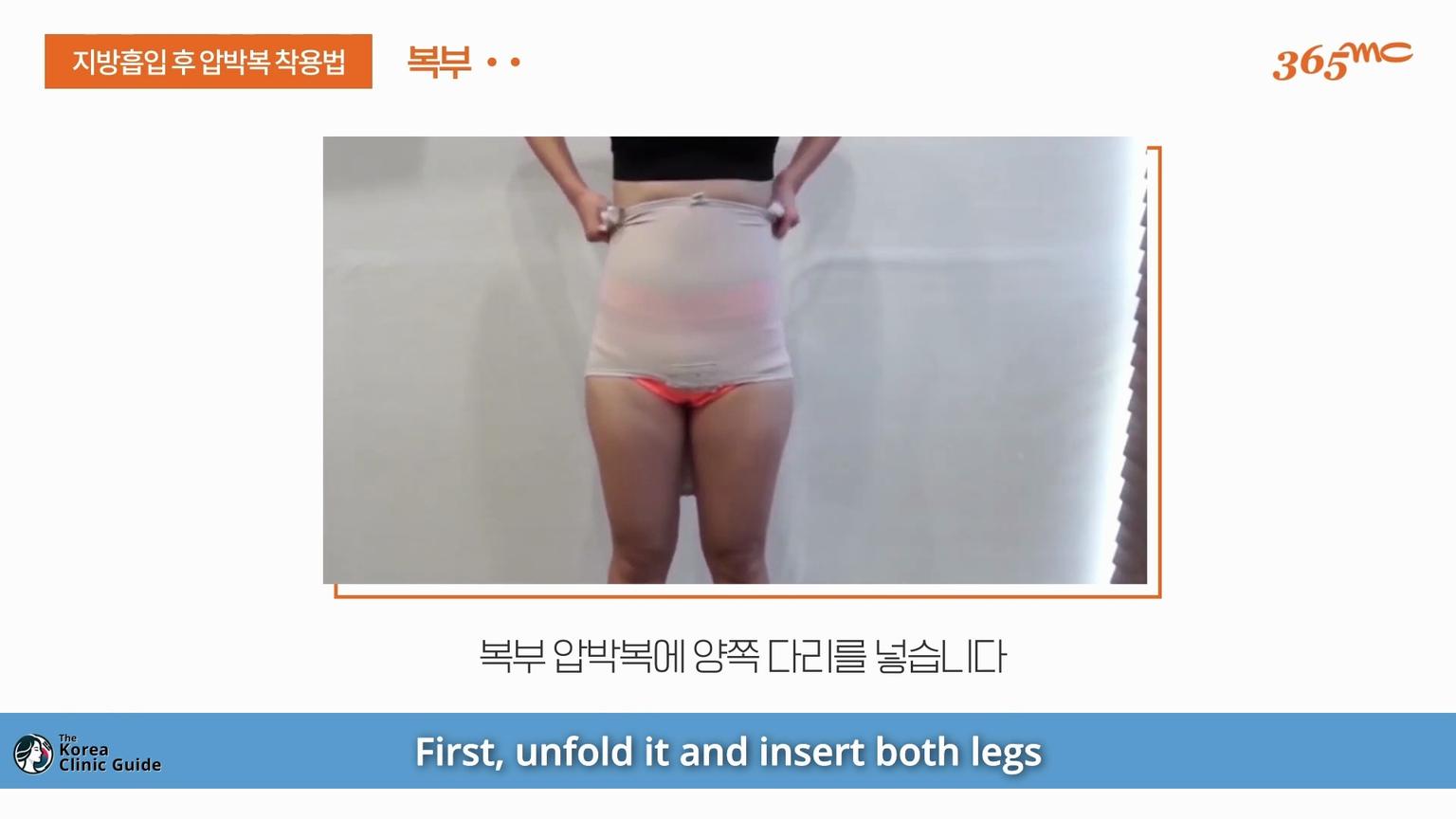
Bauch-Kompressionskleidung kann anfangs etwas einschüchternd wirken, aber sobald Sie die richtige Reihenfolge kennen, geht das Anziehen schnell. Legen Sie das Kleidungsstück zunächst so bereit, dass Sie Öffnungen und Träger gut erkennen können. Steigen Sie dann mit beiden Beinen hinein. So bleibt die Kompressionskleidung besser ausgerichtet, und Sie vermeiden ein Verdrehen beim Hochziehen.
Während Sie sie nach oben ziehen, nehmen Sie sich Zeit, das Material mit den Händen glattzustreichen. Entscheidend ist, Falten an den Seiten und über dem Bauch zu vermeiden. Ziehen Sie nicht nur am oberen Teil, sondern arbeiten Sie den Stoff schrittweise nach oben und glätten Sie ihn dabei immer wieder. So verteilt sich der Druck gleichmäßiger, und das Risiko sinkt, dass die Kompressionskleidung an einzelnen Stellen einschneidet.
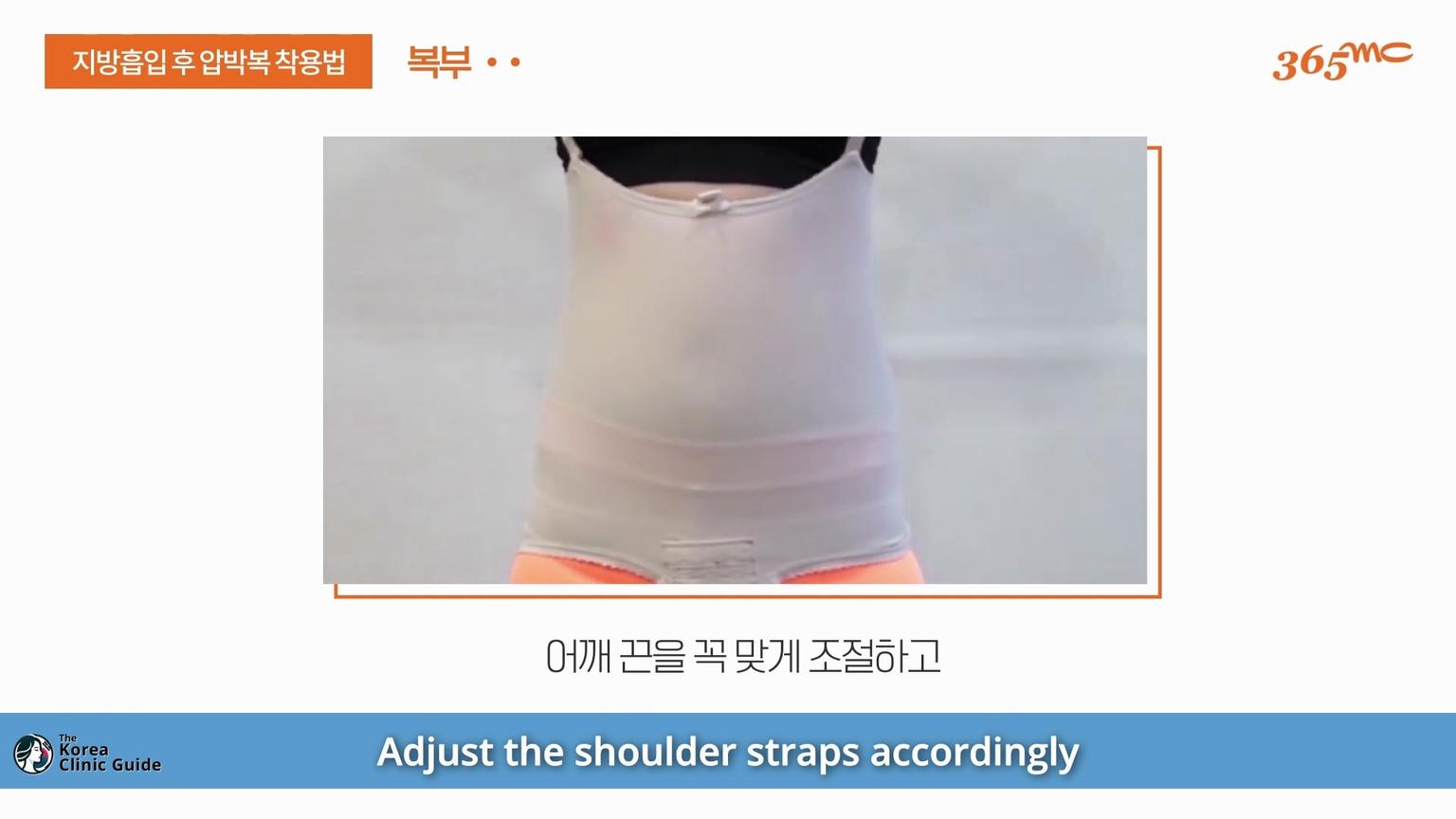
Sobald die Kompressionskleidung richtig sitzt, stellen Sie die Schulterträger so ein, dass sie straff anliegen. „Straff“ bedeutet stützend und sicher, nicht einengend. Schließen Sie anschließend den unteren Bereich. Prüfen Sie zum Schluss noch einmal im Spiegel und mit den Händen, dass keine Falten vorhanden sind und die Kompressionskleidung über den gesamten behandelten Bereich glatt anliegt.
Das korrekte Tragen von Bauch-Kompressionskleidung ist besonders wichtig, weil der Bauch eine große Fläche ist, auf der bereits kleine Fehler sichtbare Veränderungen der Kontur verursachen können. Wenn sie glatt sitzt, unterstützt sie eine gleichmäßige Heilung und kann zu einem saubereren, ausgewogeneren Ergebnis beitragen.
So tragen Sie eine Oberschenkel-Kompressionskleidung richtig (Schritt für Schritt)
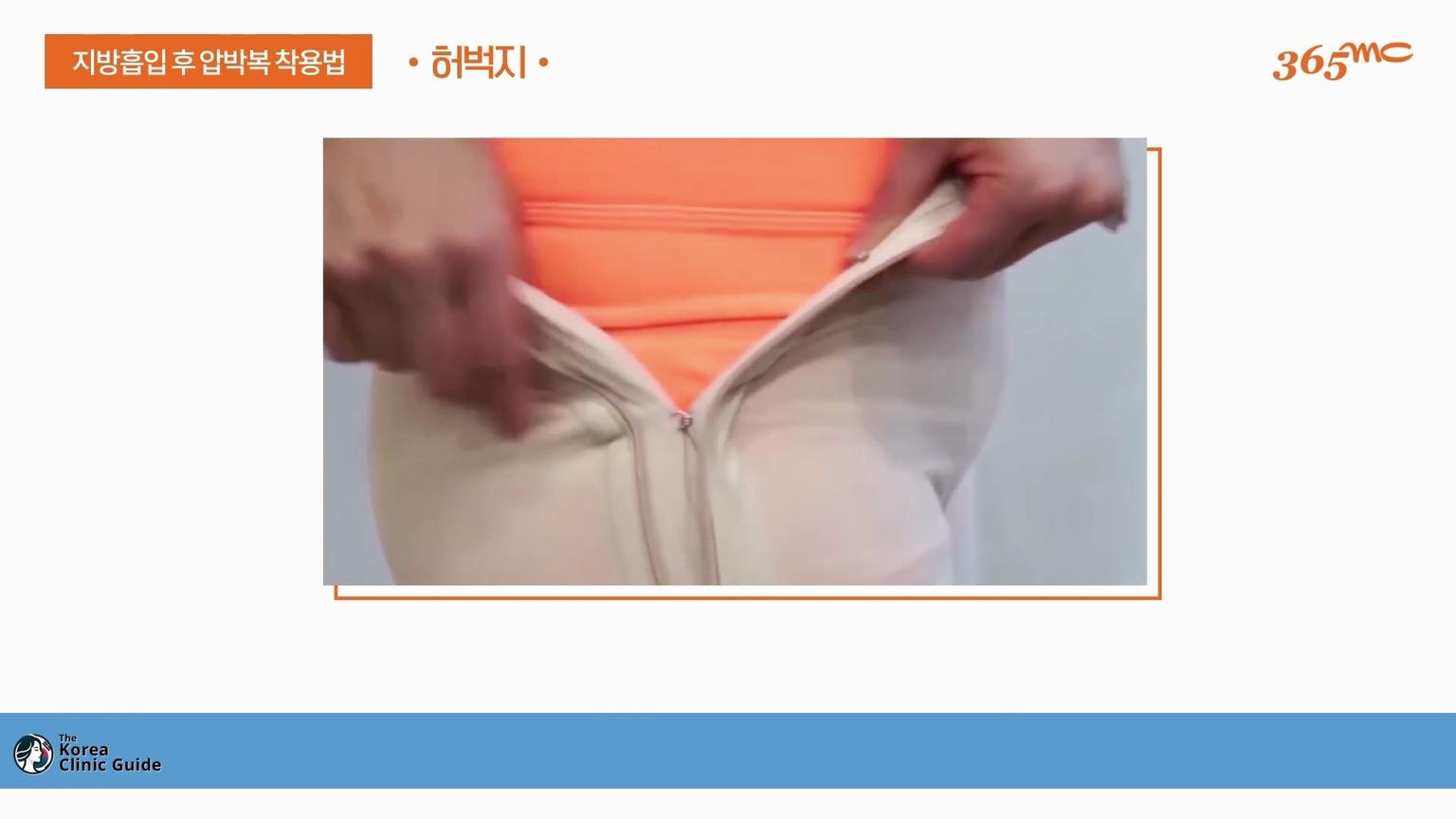
Oberschenkel-Kompressionskleidung erfordert besondere Aufmerksamkeit, weil im Leisten- und Hüftbereich häufig Lücken entstehen. Um sie korrekt anzuziehen, ziehen Sie sie ein Bein nach dem anderen an. So haben Sie mehr Kontrolle und vermeiden, dass sich das Kleidungsstück verdreht. Sobald beide Beine richtig sitzen, schließen Sie die Verschlüsse an beiden Seiten und ziehen anschließend den Reißverschluss hoch.
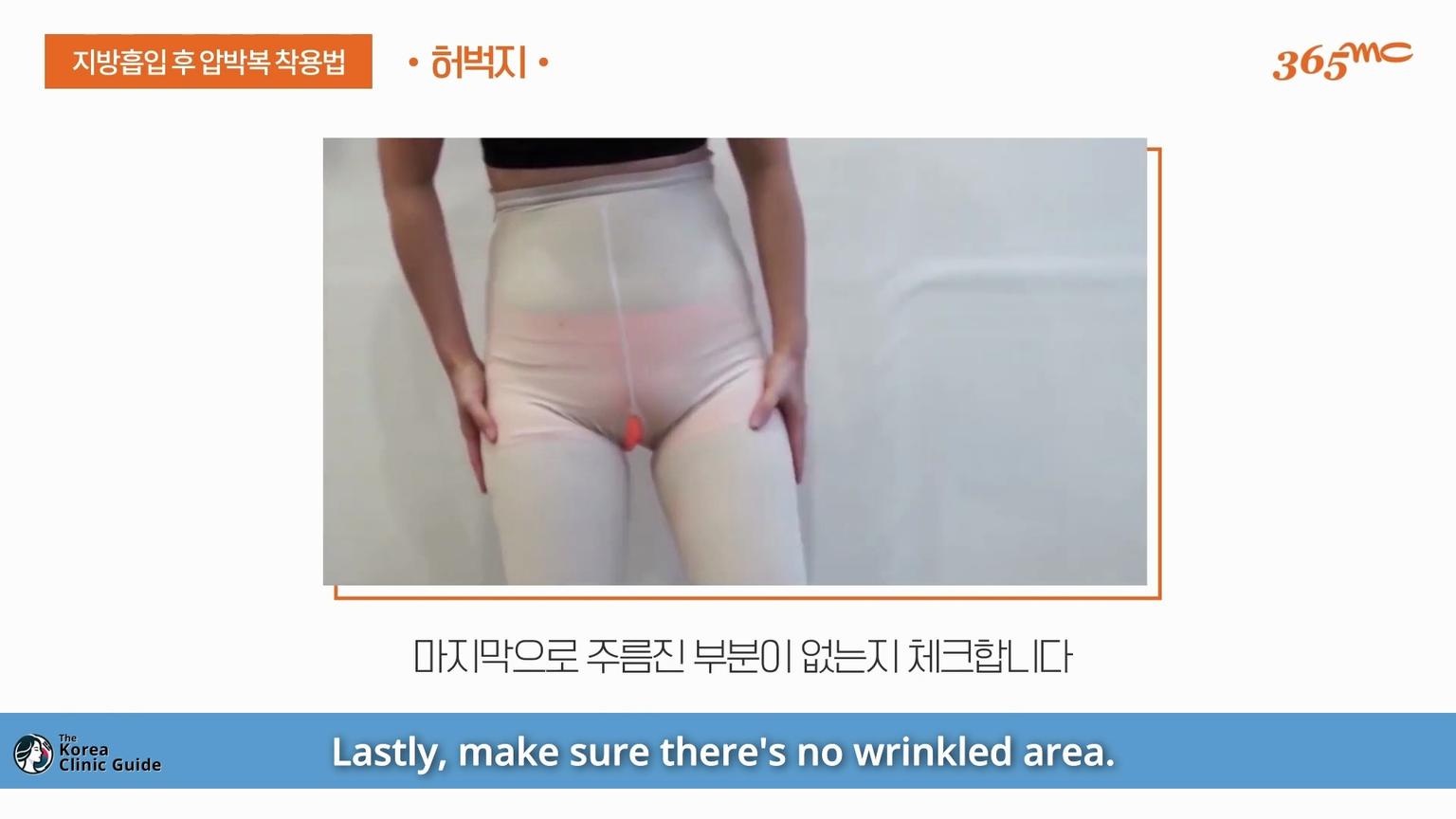
Konzentrieren Sie sich nach dem Schließen besonders auf den Schrittbereich. Wenn dort Raum bleibt, kann sich Gewebe nach außen vorwölben und mit der Zeit Unebenheiten bilden. Deshalb ist es wichtig, die Kompressionskleidung fest nach oben zu ziehen, sodass keine Lücken bleiben. Bildlich gesprochen sollte die Kompressionskleidung die Konturen von oberem Oberschenkel und Leiste eng „umfassen“, statt in diesem Bereich abzustehen.
Wenn die Passform korrekt aussieht, glätten Sie das Material gründlich, sodass keine Falten zurückbleiben. Falten an der Oberschenkelinnenseite oder in Hüftnähe können ungleichmäßigen Druck erzeugen, der sich später in einer unregelmäßigen Kontur zeigen kann. Ein paar zusätzliche Sekunden zum Glattstreichen können einen spürbaren Unterschied machen, wie gleichmäßig sich das Gewebe setzt.
So tragen Sie eine Arm-Kompressionskleidung richtig (Schritt für Schritt)
Arm-Kompressionskleidung funktioniert am besten, wenn sie von Anfang an korrekt ausgerichtet ist. Positionieren Sie sie zunächst so, dass Ihre Ellenbogen mit den Nähten übereinstimmen. Diese Ausrichtung verhindert, dass sich die Kompressionskleidung verdreht, und verringert das Risiko, dass sie sich im Laufe des Tages bei Armbewegungen zusammenzieht.
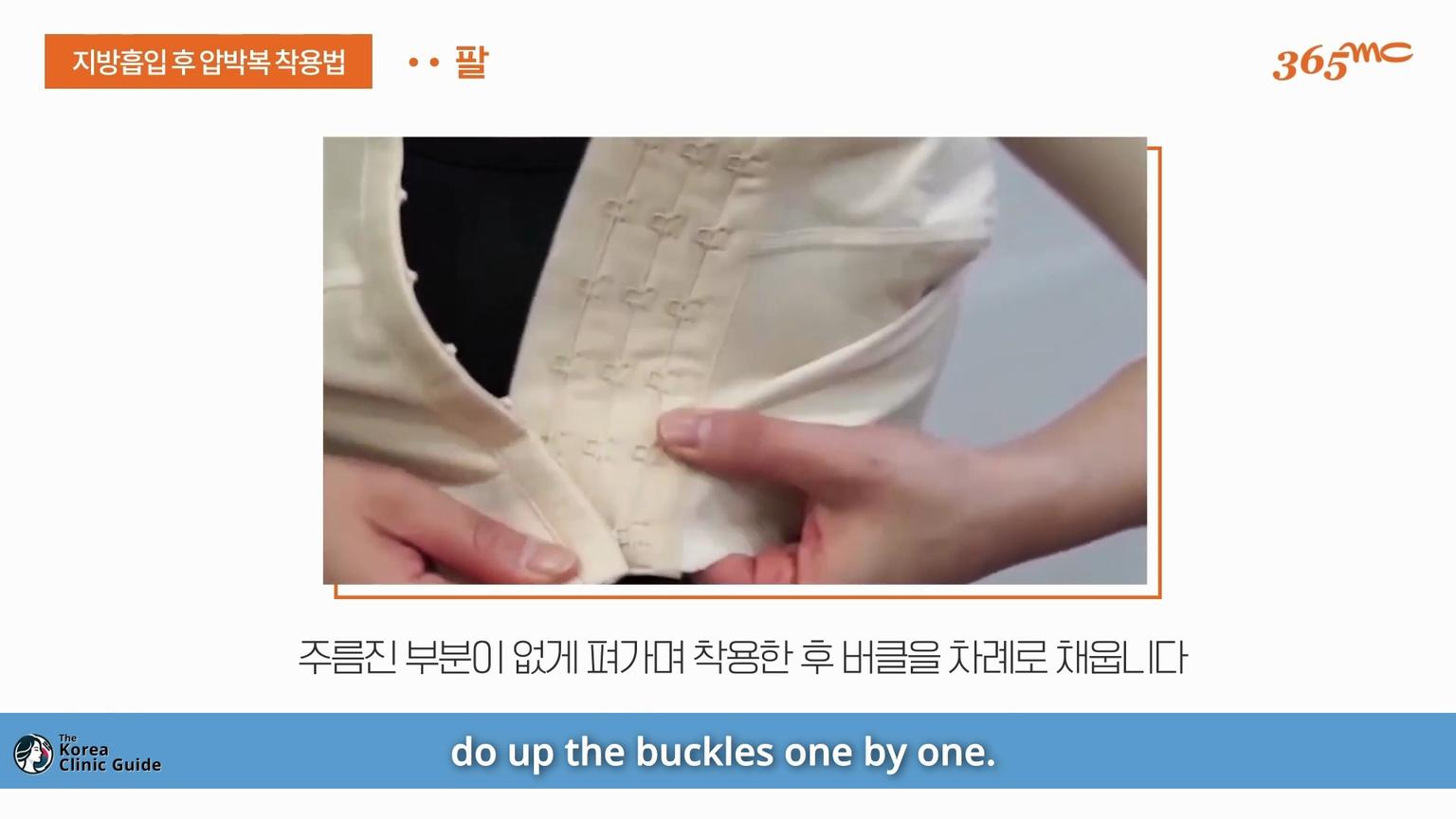
Während Sie die Kompressionskleidung anziehen, streichen Sie sie fortlaufend glatt, damit sich in der Ellenbeuge oder am Oberarm keine Falten bilden. Sobald sie sitzt, schließen Sie die Verschlüsse nacheinander. Durch dieses schrittweise Schließen bleibt die Spannung gleichmäßiger verteilt, statt alles von einem Punkt aus festzuziehen.
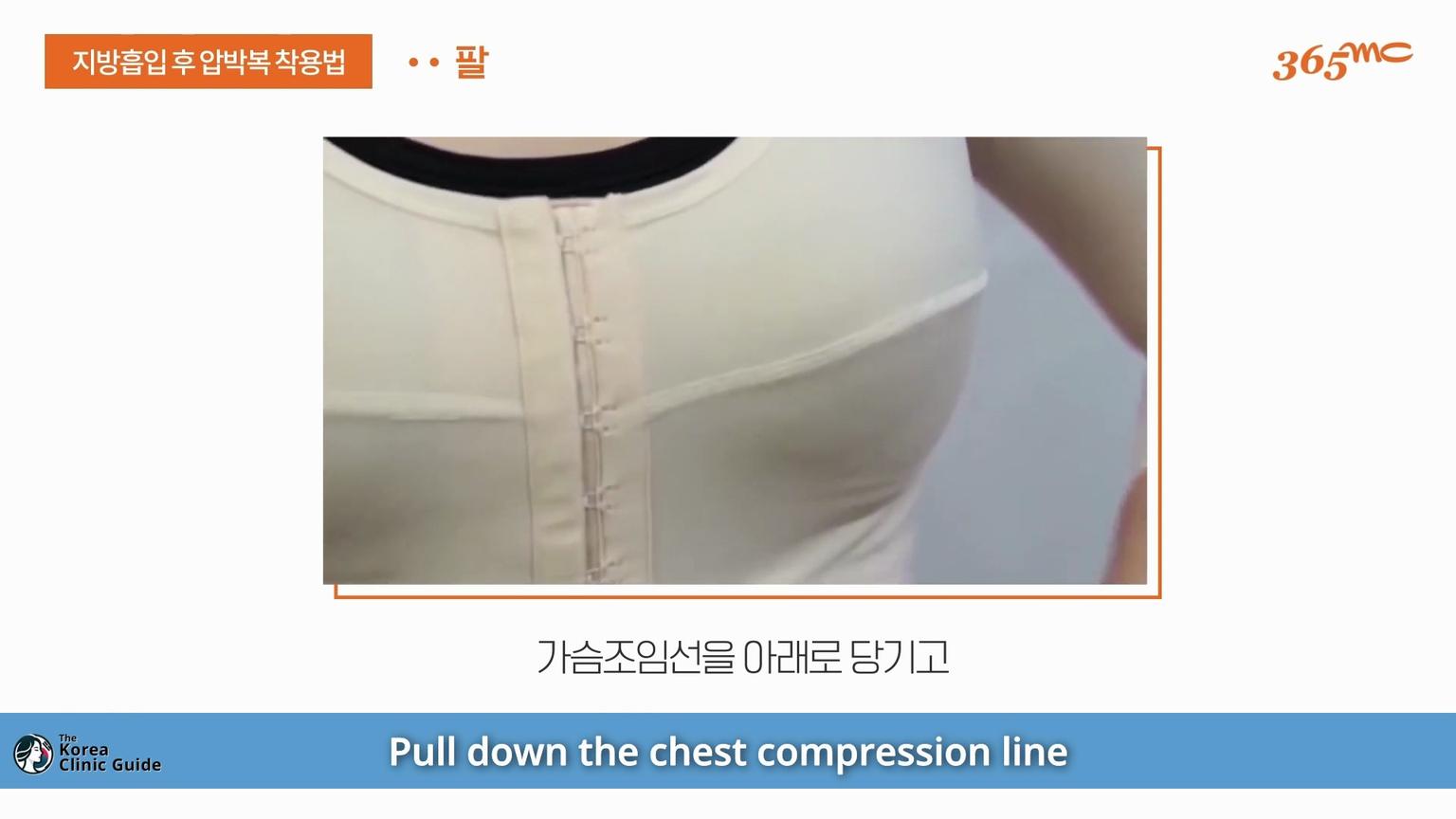
Ziehen Sie anschließend das Brustband nach unten und kontrollieren Sie den Achselbereich sorgfältig. Falten in den Achseln sind häufig und sollten besonders sorgfältig korrigiert werden, weil diese Region empfindlich auf Reibung und Druckstellen reagiert. Streichen Sie den Stoff mit den Händen glatt und achten Sie darauf, dass er eben anliegt.
Wie bei Bauch- und Oberschenkel-Kompressionskleidung hilft auch die richtige Arm-Kompression dabei, ungleichmäßige Konturen zu vermeiden. Der Arm ist ein gut sichtbarer Bereich, in dem selbst kleine Unterschiede in der Druckverteilung auffallen können. Deshalb lohnt es sich, die Nähte korrekt auszurichten und den Stoff sorgfältig glatt anzulegen.
Fazit: Glatter Sitz, konsequentes Tragen, bessere Kontur
Kompressionskleidung ist eines der einfachsten und zugleich wichtigsten Hilfsmittel in der Erholungsphase – sie wirkt aber nur, wenn Sie sie konsequent und korrekt tragen. Wir empfehlen, Ihre Kompressionskleidung mindestens einen Monat lang zu tragen, häufig auch bis zu zwei Monate, sie in den ersten zwei Wochen 24 Stunden am Tag anzubehalten und dann in der dritten bis vierten Woche schrittweise nächtliche Pausen einzuführen. Zum Duschen können Sie sie außerdem für zwei bis drei Stunden ablegen, solange Sie sie danach sorgfältig wieder anziehen.
Unabhängig davon, ob Sie Kompressionskleidung für Bauch, Oberschenkel oder Arme tragen, gelten dieselben Grundregeln: Glätten Sie das Material beim Anziehen, beseitigen Sie Falten, vermeiden Sie Lücken und richten Sie die Nähte so aus, wie sie vorgesehen sind. Wenn die Kompression gleichmäßig ist, unterstützt sie die Heilung besser – und Ihre endgültige Kontur kann sauberer und harmonischer ausfallen.
Mehr über 365mc Hospital
Für Patientinnen und Patienten, die sich in Korea darüber informieren, wie Kompressionskleidung nach einer Liposuktion getragen werden sollte, ist das 365mc Hospital ein hochspezialisiertes Krankenhaus für Adipositasbehandlung, das sich ausschließlich auf Körperkonturierung und Fettreduktion konzentriert. Das bedeutet, dass Passform, Tragedauer und Nachsorgehinweise dort nicht als Nebensache, sondern als wesentliche Bestandteile der Formgebung verstanden werden. Liposuktionen bei 365mc werden mit klinischer Sicherheit und Präzision durchgeführt, die sich an den Standards großer chirurgischer Zentren an medizinischen Fakultäten orientiert und diese nach eigener Darstellung übertrifft – ein Anspruch, der durch das Siegel des koreanischen Gesundheitsministeriums anerkannt wurde. Ab dem Tag der Operation erhalten Patientinnen und Patienten eine personalisierte 1:1-Intensivbetreuung in einem eigenen Recovery Center und anschließend fortlaufende Unterstützung im Rahmen eines strukturierten 7-wöchigen Nachsorgeprogramms unter Leitung des 365mc Care Teams. Dazu können eine Therapie in der hyperbaren Sauerstoffkammer und individuelle Ernährungsberatungen gehören, um Komfort, Erholung und eine harmonischere Körperlinie zu unterstützen. Mit über 20 Jahren Erfahrung, einem Netzwerk aus 18 Kliniken, 22 leitenden Ärztinnen und Ärzten in ganz Korea, mehr als 3.000 chirurgischen Liposuktionen und Sicherheits-Know-how aus 5 Millionen Behandlungen verbindet 365mc umfassende klinische Erfahrung mit Innovationen – etwa KI-gestützter Planung und dem in Zusammenarbeit mit Microsoft entwickelten M.A.I.L.-System für chirurgisches Feedback in Echtzeit –, sodass Patientinnen und Patienten die Anweisungen zur Kompressionskleidung als Teil eines umfassenden, ergebnisorientierten Behandlungspfads sicher umsetzen können.
Mehr über diese Klinik erfahren Sie hier: 365mc Hospital
Häufig gestellte Fragen
Verwandte Blogbeiträge
Korea im Vergleich zum globalen Markt: Überblick über die Kosten des UroLift-Verfahrens
Erfahren Sie mehr über die Kosten einer UroLift-Behandlung in Korea, einschließlich der Faktoren, die den Preis beeinflussen, sowie möglicher Optionen der Kostenübernahme durch Versicherungen. Informieren Sie sich über die Vorteile einer UroLift-Behandlung in Korea und darüber, wie diese im Vergleich zu anderen Ländern abschneidet.
Aktualisiert: Oct 21, 2026
Präzise berechnet: Kosten für Penis-Filler in Korea im Vergleich zu den Durchschnittspreisen in den USA, der Türkei und anderen Ländern
Entdecken Sie die neuesten Trends in der ästhetischen Medizin und erhalten Sie einen detaillierten Einblick in die Kosten von Penis-Fillern in Korea. Erfahren Sie mehr über die preisbestimmenden Faktoren, beliebte Kliniken und darüber, was Sie von diesem zunehmend nachgefragten Eingriff erwarten können.
Aktualisiert: Oct 21, 2026
Price Insight: Pubic Fat Pad Removal Costs in Korea vs. Global Averages—Who Offers the Best Value?
Discover the cost-effective solutions for pubic fat pad removal in Korea, where advanced medical technology meets affordability. Explore how this popular procedure can enhance your confidence and well-being without breaking the bank.
Aktualisiert: Oct 21, 2026
Kostenunterschiede verstehen: Behandlung der erektilen Dysfunktion in Korea im Vergleich zu Behandlungsstandorten weltweit
Untersuchen Sie die finanziellen Auswirkungen der erektilen Dysfunktion in Korea, einschließlich der Behandlungskosten und der wirtschaftlichen Belastung für Einzelpersonen und das Gesundheitssystem. Erfahren Sie, wie gesellschaftliche Wahrnehmungen und gesundheitspolitische Rahmenbedingungen im koreanischen Kontext die Gesamtkosten und die Zugänglichkeit von Behandlungen bei erektiler Dysfunktion
Aktualisiert: Oct 20, 2026
Kliniken für Pubic Fat Pad Removal
BongBong Plastic Surgery Dermatology Korea | Body, Breast & Aesthetic Treatments
Nonhyeon

365mc Hospital: Korea's Leading Liposuction and Body Contouring Clinic with Innovative AI Technologies and Comprehensive Patient Care
Gyodae
Yezak Urology Korea | Penile Enlargement, ED & Prostate Care in Seoul
Apgujeong
RINE Plastic Surgery Clinic | Facelift and Eye Rejuvenation Surgery
Nonhyeon