
Medical Tourism Blog
Luxury Aesthetics: Comparing Alar Reduction Costs in Korea and Top Global Destinations
Table of contents
- Cost of Alar Reduction in Korea
- What Is Usually Included in Cost of Alar Reduction in Korea
- Factors Influencing the Cost of Alar Reduction in Korea
- Comparing the Cost of Alar Reduction: Korea vs the Rest of the World
- Which Are the Best Clinics in Korea for Alar Reduction?
- Cost of Coming To Korea for Alar Reduction
Considering treatment in Korea? Everything you need to know e.g. — how to avoid scams, visas, interpreters, recovery tips — in our Medical Tourism Master Guide. Plan with confidence in minutes, not weeks!
Imagine reshaping your nostrils with precision in a country renowned for its cutting-edge medical advancements. Alar reduction, a cosmetic procedure to narrow the nostrils, is increasingly sought by international patients flocking to South Korea. With costs ranging from approximately $1,400 to $2,200 USD, this procedure not only offers affordability but also access to highly skilled surgeons. As one of the leading destinations for cosmetic surgery, Korea provides an ideal setting for those seeking quality and expertise in their aesthetic transformations.
| Procedure Price | Korean Won (₩) | USD ($) |
|---|---|---|
| Low Price | ₩1,600,000 | $1200 |
| High Price | ₩2,500,000 | $1800 |
Exchange rate as of 2025-05-22: 1 KRW = 0.0007 USD
Please note that these prices are approximate guidelines and can vary significantly based on the clinic and your individual circumstances.
Cost of Alar Reduction in Korea
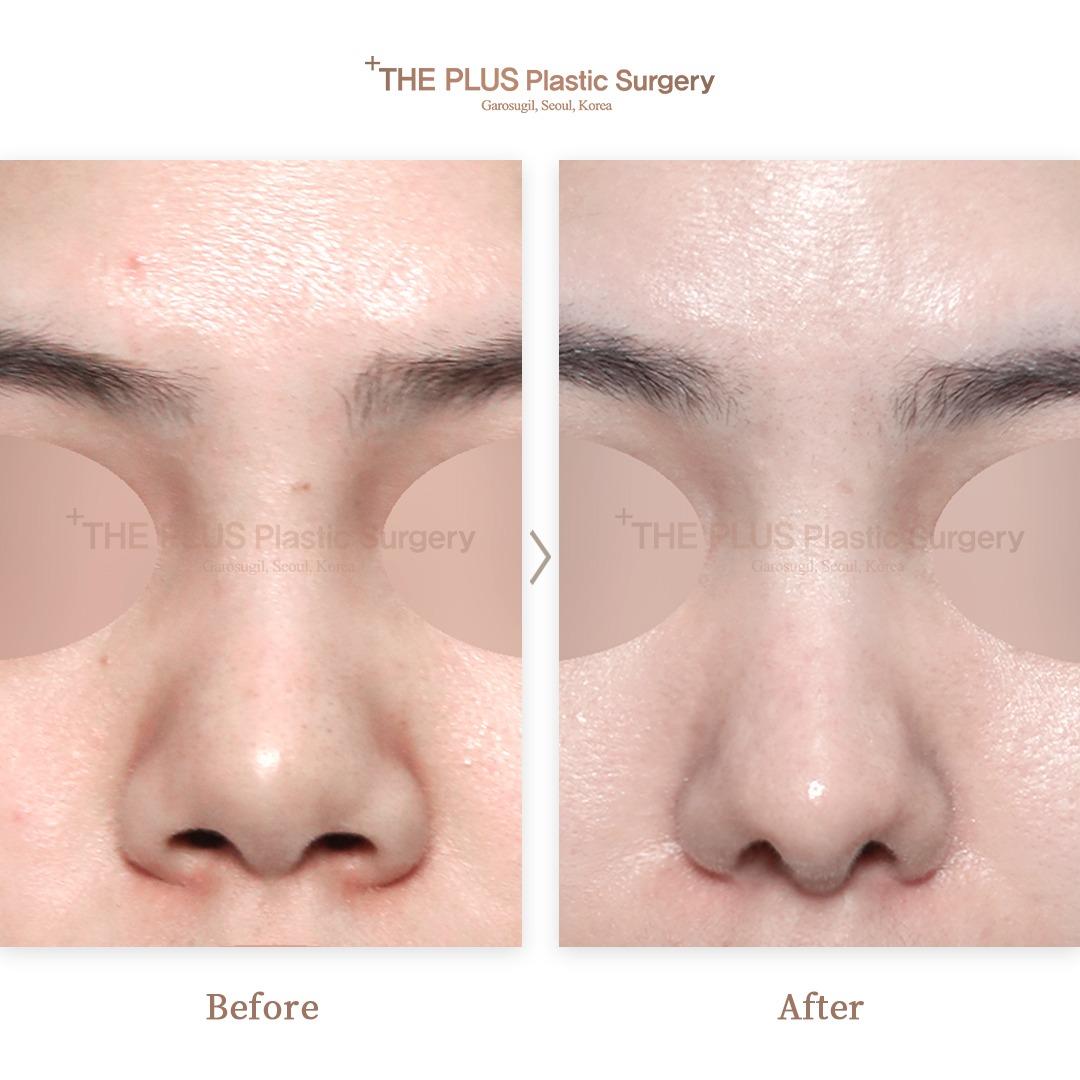
Alar reduction, a popular cosmetic procedure that narrows the width of the nostrils, is increasingly sought after in Korea due to the country's advanced medical technology and skilled surgeons. The procedure's cost can vary based on several factors, including the surgeon's expertise, the clinic's location, and the complexity of the individual case.
Cost Breakdown
In Korea, the cost of alar reduction typically ranges from 1,600,000 KRW to 2,500,000 KRW. When converted to USD, this translates to approximately $1,400 to $2,200, depending on the current exchange rate. This price range makes Korea an attractive destination for many international patients seeking high-quality and affordable cosmetic surgery options.
Payment and Deposit
It's essential to note that securing your alar reduction procedure in Korea often requires a 10% upfront deposit. This deposit ensures your appointment and is usually deducted from the total cost of the surgery.
Opting for alar reduction in Korea not only offers competitive pricing but also the assurance of world-renowned medical standards. While considering this procedure, it's important to research thoroughly and consult with reputable medical professionals to understand all aspects of the surgery, including preparation, recovery, and expected outcomes.
What Is Usually Included in Cost of Alar Reduction in Korea
When considering Alar Reduction in Korea, it's important to understand what is typically included in the cost and what additional expenses you might need to plan for. Here's a breakdown based on various considerations:
-
Procedure Cost: The direct cost of the Alar Reduction surgery itself is the primary component. This includes the surgical fees for the medical team performing the procedure.
-
Overnight Stays: Depending on your condition and recovery needs, an overnight stay at the medical facility may be necessary. This potential cost should be considered, especially if your recovery requires medical supervision.
-
Pre-Surgery Health Tests: Some clinics might require you to undergo additional health tests prior to the surgery to ensure you are fit for the procedure. These tests might add to the overall cost.
-
Post-Surgery Care: Although not always mentioned explicitly, post-operative care is an important component. This may include medication, check-ups, and any immediate post-surgery needs.
-
Follow-Up Visits: After your procedure, follow-up visits to the surgeon or clinic are important for monitoring your recovery and ensuring optimal results. It's crucial to confirm whether these visits are included in the initial cost or charged separately.
-
Travel and Accommodation: For international patients, additional costs such as plane tickets, accommodation, and local transportation in Korea must be considered. Apart from the procedural costs, these travel-related expenses can make a significant difference in the overall budget.
-
Food and Daily Living Expenses: While undergoing surgery, you will need to account for everyday expenses such as meals and other personal needs during your stay in Korea.
-
Potential Discounts: In some cases, clinics might offer discounts if Alar Reduction is combined with procedures like traditional rhinoplasty. It's worth inquiring about any available package deals if you're considering multiple procedures.
Understanding these components will help you plan better for your Alar Reduction surgery in Korea, ensuring you have a comprehensive view of both the expected and potential costs.
Factors Influencing the Cost of Alar Reduction in Korea
The cost of alar reduction in Korea is influenced by several factors. Primarily, the surgeon's experience and reputation can significantly impact pricing, as more renowned surgeons may charge higher fees for their expertise. The location and facilities of the clinic also play a crucial role; clinics situated in prime locations or equipped with advanced technologies may have higher costs. Additionally, the specific techniques used during the procedure, such as the alar reduction method and the complexity of the patient's case, can alter the price. Furthermore, if additional procedures are recommended or required, these can contribute to an increase in overall costs.
Comparing the Cost of Alar Reduction: Korea vs the Rest of the World
Alar reduction, also known as alarplasty, is a surgical procedure designed to change the width and size of the nostrils. It is a popular cosmetic surgery performed globally. The cost for this procedure varies significantly from one country to another, factoring in healthcare costs, expertise, and potential risks involved. Let's compare the costs and potential considerations of undergoing this procedure in different parts of the world.
Cost of Procedure in USA
In the USA, alarplasty can be relatively expensive compared to other regions. The price range is typically between $3,000 and $10,000, depending on various factors such as the surgeon’s expertise, the facility's location, and the inclusion of anesthesia fees. The cost can sometimes include additional fees for overnight stays or follow-up treatments.
Cost of Procedure in Turkey
Turkey is known for its booming medical tourism sector, especially for cosmetic procedures. The cost of alar reduction surgery in Turkey ranges from about $1,500 to $4,500. The price often includes additional considerations like overnight hospital stays and transportation between the airport and the hospital. However, potential patients should be cautious about the quality and safety of the clinics and surgeons, as not all facilities maintain the same standards.
Cost of Procedure in Mexico
In Mexico, the cost ranges from approximately $2,000 to $5,000 for alarplasty. Patients often choose to come to Mexico to take advantage of the lower prices compared to the USA, while still receiving quality care. Surgeries sometimes include accommodation and pre-surgery health tests in the cost. However, patients should ensure the clinic is reputable to mitigate risks associated with surgery abroad.
Cost of Procedure in Thailand
Thailand is another major destination for medical tourists looking for affordable cosmetic procedures. The price for alar reduction ranges from $725 to $1,775. Thailand is well-regarded for its state-of-the-art medical facilities and experienced surgeons. However, as with other medical tourism destinations, potential risks include different standards of care and surgical practices.
Prices for cosmetic surgeries like alar reduction are generally lower in countries with flourishing medical tourism, but traveling for surgery involves additional considerations such as post-operative care, potential language barriers, and the standard of hospital and surgical accreditation. It’s essential for patients to conduct thorough research and consider all implications before deciding where to undergo the procedure.
Which Are the Best Clinics in Korea for Alar Reduction?
Listed below are some of the best clinics in Korea for alar reduction.
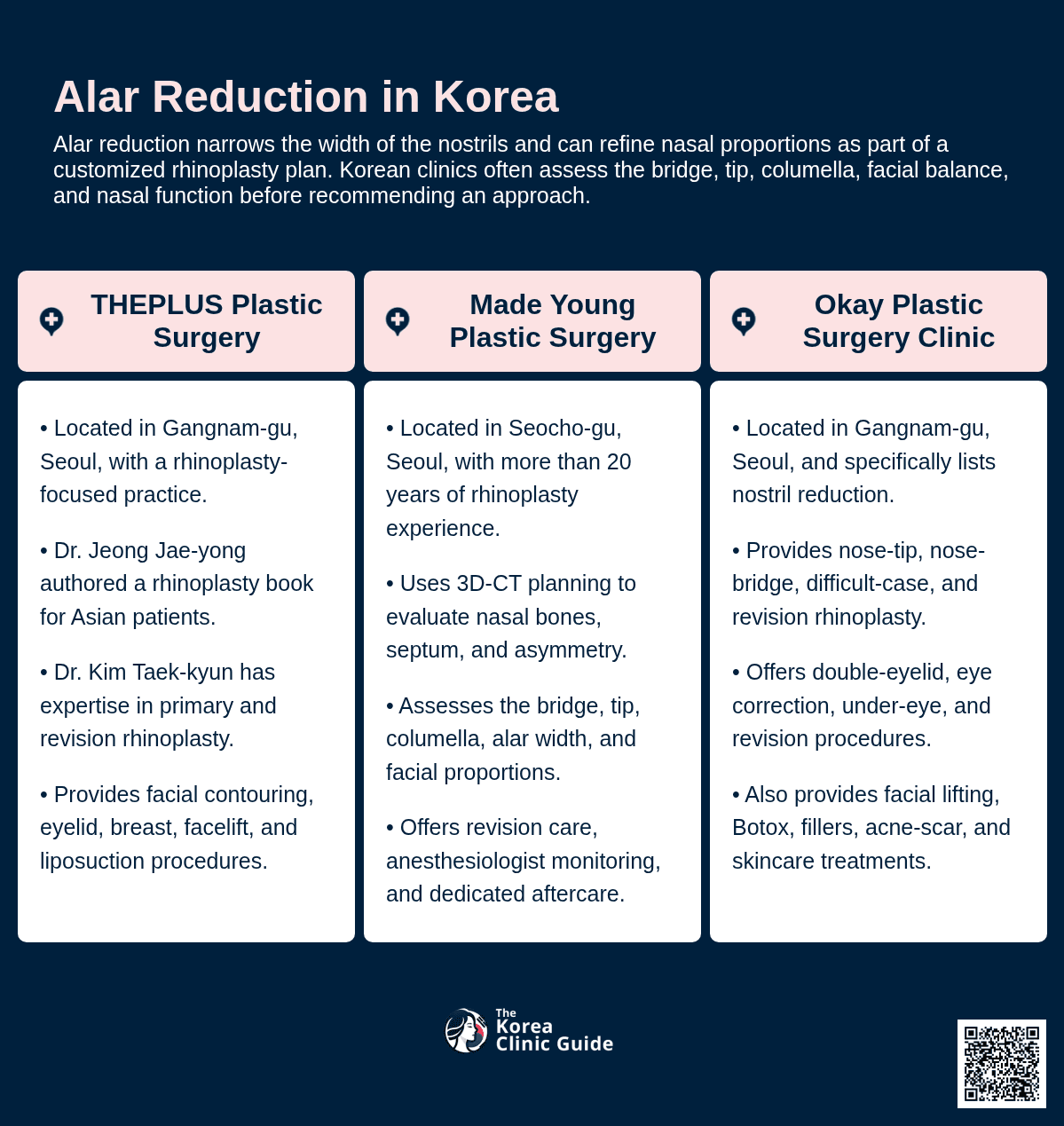
1. THEPLUS Plastic Surgery
For alar reduction as part of a rhinoplasty plan, you can consult with surgeons whose work emphasizes nasal balance, structural considerations, and the relationship between appearance and function. THE PLUS provides rhinoplasty and revision rhinoplasty services, with Dr. Jeong Jae-yong and Dr. Kim Taek-kyun identified in the provided information for their rhinoplasty-focused academic and educational work.
- URL: THEPLUS Plastic Surgery Website
- Location: Gangnam-gu, Seoul
- Rhinoplasty expertise:
- Dr. Jeong Jae-yong authored “Rebuilding Nose: Rhinoplasty for Asians,” which has Japanese and English editions.
- Dr. Kim Taek-kyun contributed rhinoplasty and revision-rhinoplasty chapters to “The 18 Masters of Korean Aesthetic Surgery.”
- The clinic offers both rhinoplasty and revision rhinoplasty, the latter intended to address concerns after prior nasal surgery.
- Professional roles:
- Dr. Kim is described as a board-certified plastic surgeon and has received research awards related to 3D implants.
- Dr. Jeong is identified as President of the Korean Society of Plastic Surgeons and has presented at professional rhinoplasty forums.
- Both doctors participate in surgical education and present research or techniques at meetings including the Seoul Rhinoplasty Forum, KSPRS, and IFAAS.
- Other surgical services:
- Facial procedures listed include cheekbone, square-jaw, chin, and facial implant surgery.
- The clinic also lists eyelid surgery, facelifting procedures, breast surgery, and liposuction.
2. Made Young Plastic Surgery
For an alar-reduction discussion within a tailored rhinoplasty plan, Made Young reports evaluating alar width alongside the bridge, tip, columella, and overall facial proportions. Its planning information includes 3D-CT assessment of the nasal bones, septum, and asymmetry, while its stated approach prioritizes a stable internal nasal structure and lasting tip support.
- URL: Made Young Plastic Surgery Website
- Location: Seocho-gu, Seoul
- Procedure planning:
- The clinic states that 3D-CT analysis is used to assess nasal bones, the septum, and asymmetry for surgical planning.
- Its rhinoplasty approach considers nasal bridge, tip, columella, alar width, and individual facial proportions.
- The clinic describes using materials and techniques intended to support internal nasal stability and help prevent tip drooping over time.
- Rhinoplasty care:
- Dr. Lee Byeong-hoe is described as having more than 20 years of exclusive rhinoplasty experience.
- The provided information highlights complex reconstruction and revision cases, including repeat revisions.
- Rhinoplasty services listed include primary, revision, reconstruction rhinoplasty, and nasal implant removal.
- Anesthesia and aftercare:
- The clinic reports full-time board-certified anesthesiologists and one-to-one anesthesiologist monitoring during procedures.
- It describes a cross-check emergency-response system involving multiple anesthesiologists and CCTV coverage of procedures.
- A separate aftercare center is listed for systematic post-procedure care.
3. Okay Plastic Surgery Clinic
You may consider Okay Plastic Surgery Clinic for alar reduction because its rhinoplasty services specifically include nostril reduction, alongside nose-tip and nose-bridge surgery. The clinic also lists revision rhinoplasty and states that difficult rhinoplasty cases are available, which may be relevant if you are seeking assessment after a prior nose procedure.
- URL: Okay Plastic Surgery Clinic Website
- Location: Gangnam-gu, Seoul
- Nasal procedures:
- Listed rhinoplasty options include nostril reduction, nose-tip surgery, nose-bridge surgery, and revision surgery.
- The clinic states that difficult rhinoplasty cases and revision rhinoplasty are available.
- Additional facial services:
- Eye procedures include double-eyelid surgery, eye correction, under-eye surgery, and revision procedures.
- Facial lifting options listed include facelift surgery, mini lift surgery, endoscopic forehead lift, thread lifting, and laser lifting.
- Skincare offerings include treatments for pigmentation, pores, acne scars, Botox, fillers, and medical skincare.
Cost of Coming To Korea for Alar Reduction
When considering alar reduction in Korea, it's essential to factor in the travel costs that accompany the procedure. Korea is renowned for its advanced medical technology and skilled plastic surgeons, making it an appealing destination for many seeking cosmetic enhancements. Understanding the financial aspects of travel will help in planning a cost-effective trip for this procedure.
Flight Expenses
The cost of airfare to Korea can vary widely based on your departure location, the time of year, and the airline you choose. Generally, flights from major cities in the United States or Europe can range from $600 to $1,500 for a round trip. It's advisable to book in advance and use flight comparison websites to secure the best fares. Additionally, consider off-peak travel times for more economical options.
Accommodation
Accommodation in Korea ranges from budget-friendly hostels to luxury hotels. Depending on your preference and budget, nightly rates can start at around $30 for a basic hostel and go up to $300 or more for high-end hotels. Many medical tourists opt for mid-range hotels or serviced apartments, which typically cost between $60 and $150 per night. Some clinics may also offer accommodation packages or partnerships with nearby hotels, potentially reducing costs.
Local Transportation
Korea boasts an efficient public transportation system, including buses, subways, and taxis. A single subway or bus ride in Seoul costs approximately $1 to $1.50. If you plan to travel frequently within the city, consider purchasing a rechargeable transportation card such as the T-money or Cashbee card, which offers convenience and slight fare discounts. Taxis are also affordable, with starting fares around $3, although costs can add up with longer distances.
Meals and Daily Expenses
Korean cuisine is diverse and can accommodate various budgets. Street food and local eateries can offer meals for as low as $5, while dining at mid-range restaurants may cost around $15 to $30 per person. If you prefer international cuisine, expect to pay more. Additionally, budget for miscellaneous expenses such as shopping, sightseeing, and personal care items.
Medical Tourism Agencies and Packages
Some travelers opt to use medical tourism agencies that offer all-inclusive packages for procedures like alar reduction. These packages often bundle medical expenses with travel accommodations, potentially offering convenience and savings. Prices for these packages vary, so it’s wise to compare offers and read reviews to ensure you're getting a reputable deal.
By carefully considering and planning for these travel-related expenses, prospective patients can make informed decisions and enjoy a smoother experience when coming to Korea for alar reduction.
Frequently Asked Questions
Related Blogs

Revision Rhinoplasty in Korea: Methods, Recovery, Travel Planning, and Alternatives
Revision rhinoplasty corrects stable cosmetic or breathing problems after prior nasal surgery using scar release, implant removal, and cartilage grafting when needed. In Korea, costs are quoted at ₩8,200,000–₩20,000,000; international patients should plan at least 10–14 days for reviews and surgeon clearance before flying.
Updated: Sep 20, 2026
Sinus Surgery in Korea: ESS Types, Recovery, Travel Planning, and Aftercare
Sinus surgery options include endoscopic procedures, balloon dilation, revision surgery, and combined nasal surgery for medically refractory chronic rhinosinusitis, polyps, or documented focal sinus disease. International patients can review candidacy, preparation, recovery, postoperative endoscopy, flight timing, and follow-up requirements for treatment in Korea.
Updated: Sep 20, 2026
Nasolabial Angle Adjustment in Korea: Techniques, Recovery, Travel Planning, and Alternatives
Nasolabial angle adjustment is planned as part of rhinoplasty to alter tip rotation, length, projection, or columella–alar balance using open or closed access, sutures, and cartilage grafts when needed. The article covers candidacy, medical preparation, Korea travel planning, recovery timelines, aftercare, warning signs, and alternatives such as functional septorhinoplasty, filler dissolution, and
Updated: Sep 19, 2026
Cleft Rhinoplasty in Korea: Types, Recovery, Travel Planning, and Aftercare
Cleft rhinoplasty corrects cleft-related nasal asymmetry, scar tissue, cartilage support, and airway narrowing through staged planning that may include septoplasty, grafting, valve repair, or nostril correction. International patients can find guidance on candidacy, Korean hospital coordination, a 10–14-day stay, recovery restrictions, follow-up, travel clearance, preparation, and warning signs.
Updated: Sep 19, 2026
Clinics offering Alar Reduction

THEPLUS Plastic Surgery Korea | Eye, Nose, Face & Body Surgery
Sinsa

Made Young Plastic Surgery: Rejuvenating Aesthetic Excellence in Korea for Face Lifts, Contouring and More
Gangnam Station

Okay Plastic Surgery Clinic in Korea: Comprehensive Aesthetic Procedures with Sincerity and Care
Cheongdam

Banobagi Plastic Surgery: A Pioneering and Trusted Plastic Surgery Clinic in Korea
Seolleung