
Medical Tourism Blog
Completed Family Planning Solutions: Vasectomy Procedures in Korea for Effective Birth Control
Table of contents
- Vasectomy: A Detailed Medical Overview
- The Vasectomy Journey in South Korea: A Guide for International Patients
- Conclusion
- References
Considering treatment in Korea? Everything you need to know e.g. — how to avoid scams, visas, interpreters, recovery tips — in our Medical Tourism Master Guide. Plan with confidence in minutes, not weeks!
For those who have decided to end their family-building journey or remain child-free, permanent contraception provides a clear and lasting solution. This guide offers a thorough look at permanent contraception, focusing on vasectomy, its medical details, the process for international patients in South Korea, costs, and the significant impact it can have on patients’ lives.
The phrase "completed family planning" refers to a personal and often carefully considered decision by individuals or couples to permanently prevent future biological reproduction. This choice marks the end of their reproductive journey, allowing them to move forward without concerns about unintended pregnancy. Permanent contraception involves medical procedures that make a person incapable of reproduction for life.
Common Pseudonyms and Related Terminology
In the medical world, permanent contraception has specific terms. For men, the procedure is called vasectomy, and is sometimes referred to as "sterilization" or "the snip." For women, the equivalent is "tubal sterilization" or "tubal ligation," often known as "getting your tubes tied."
Overview of Permanent Contraception Options
Both vasectomy and tubal sterilization achieve permanent contraception, but they differ in complexity and risk. Vasectomy is generally simpler, safer, and more affordable than tubal ligation. It’s usually a quick, outpatient procedure done under local anesthetic, while tubal sterilization is more involved, often requiring general anesthesia and abdominal incisions, leading to a longer recovery. Because of its lower risk and cost, vasectomy is increasingly recommended as a primary option for permanent contraception, and patient education now often highlights its advantages.
Vasectomy: A Detailed Medical Overview
Vasectomy is a highly effective and widely used method of male permanent contraception. Understanding how it works, the different techniques, its effectiveness, and common concerns helps patients make informed choices.
What is a Vasectomy? (Mechanism and Purpose)
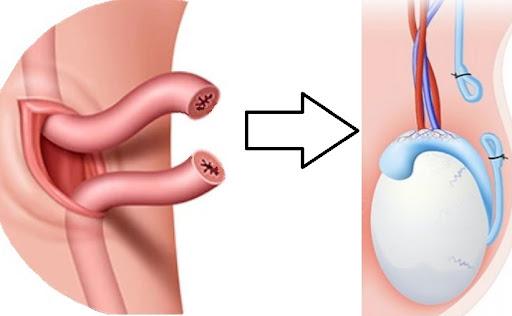
A vasectomy is a minor surgical procedure that prevents sperm from mixing with semen during ejaculation, thus preventing pregnancy. The procedure targets the vasa deferentia (the tubes that carry sperm from the testes to the penis). During a vasectomy, these tubes are cut and sealed, blocking sperm from reaching the semen. The testicles still produce sperm, but the body absorbs them naturally. The amount of ejaculate remains almost the same, as most of it comes from glands outside the testes.
Detailed Description of Vasectomy Procedures

Vasectomies are usually performed by a urologist in an office setting and take about 20 to 30 minutes. Local anesthetic is used to numb the area. There are two main types of vasectomy, plus a third variation:
- Conventional Vasectomy: The surgeon makes one or two small incisions in the scrotum to access the vas deferens. A section of each tube is removed, and the ends are sealed by tying, heat, or surgical clips. The incision is closed with dissolving stitches. This method may cause slightly more discomfort after surgery compared to the no-scalpel technique.
- No-Scalpel Vasectomy (NSV): This less invasive method uses a special tool to make tiny punctures in the scrotal skin, rather than incisions. The vas deferens are pulled through these small openings, cut, and sealed. The punctures usually heal on their own without stitches. Patients often experience minimal discomfort, which typically resolves within 24 to 48 hours, and recovery is often quicker. This technique is widely used in South Korea.
- Vas Clip Vasectomy: This method uses special clips to block each vas deferens instead of cutting and sealing them. The clips are placed after exposing the vas deferens using either the conventional or no-scalpel approach.
Effectiveness, Reversibility, and Post-Procedure Sterility Confirmation
- Effectiveness: Vasectomy is nearly 100% effective at preventing pregnancy, with a failure rate below 1% after the initial clearance period. It’s more reliable than most other birth control methods.
- Delayed Sterility: Sterility isn’t immediate after a vasectomy. Sperm already present in the system must be cleared, which usually takes about 20 ejaculations or around 3 months.
- Confirmation of Sterility: Patients should use backup contraception until sterility is confirmed by a semen analysis, typically done 3 months after the procedure. In some cases, it may take longer for all sperm to clear, requiring additional tests.
- Reversibility: While vasectomy is meant to be permanent, reversal is possible but not guaranteed. Reversal surgery is more complex and expensive, with success rates varying widely. Some studies report sperm returning to semen in 90-95% of cases after vasovasostomy, but others show about a 50% success rate for restoring fertility, depending on factors like surgeon skill, time since vasectomy, and partner age.
- Sperm Banking: Those who might change their minds can store sperm in a sperm bank before the procedure. If reversal doesn’t work, assisted reproductive technologies like IVF can retrieve sperm directly from the testes.
Addressing Common Concerns: Risks, Side Effects, and Debunking Myths
Patient education is key to addressing worries and myths about vasectomy. Many concerns are based on misconceptions rather than facts.
- Safety and Risks: Vasectomy is low-risk. Minor issues like inflammation, bleeding, or infection can occur but are rare and usually not serious. Serious complications, like loss of a testicle, are extremely rare with experienced surgeons.
- Pain: Most patients feel only minor pain or a pulling sensation during the procedure. Afterward, discomfort is usually mild and goes away in a few days.
- Post-Vasectomy Pain Syndrome (PVPS): About 1% to 2% of patients may develop long-term testicular pain, sometimes during ejaculation or as psychological distress. PVPS is treatable, and long-term pain is rare.
- Debunking Myths:
- Sexual Performance/Desire: Vasectomy does not affect sex drive, erections, or masculinity. Some men even report improved sexual satisfaction due to reduced pregnancy concerns.
- Damage to Sexual Organs: The risk of injury to the testicles, penis, or nearby structures is minimal.
- Cancer Risks: There’s no proven link between vasectomy and increased risk of testicular or prostate cancer.
- Heart Disease Risk: No evidence connects vasectomy to higher heart disease risk.
- STI Protection: Vasectomy does not protect against sexually transmitted infections; condoms are still needed for STI prevention.
Pre-Procedure Consultation and Decision-Making
Before having a vasectomy, it’s important to have a thorough discussion with a healthcare provider, and ideally, with your partner. Topics should include the permanent nature of the procedure, possible future desire for children, partner’s feelings, alternative birth control options, and a clear explanation of the surgery and its risks.
While doctors used to hesitate to perform vasectomies on men without children, attitudes have shifted toward respecting patient autonomy. Still, some child-free patients may encounter resistance or judgment from certain providers. Online communities, like "child-free" subreddits, show that some people need to seek out supportive clinics. This highlights the ongoing need to advocate for reproductive choice for everyone, regardless of parental status.
The Vasectomy Journey in South Korea: A Guide for International Patients
South Korea is becoming a popular destination for medical tourists seeking vasectomy, thanks to its high-quality care, advanced technology, and well-organized patient experience.
Why South Korea for Vasectomy?
South Korea stands out as a medical tourism hub, offering affordable healthcare and a strong reputation for quality. Key reasons to consider South Korea for vasectomy include:
- Accredited Clinics: Many hospitals are internationally accredited, such as with JCI certification, ensuring high standards of care and safety.
- Modern Technologies: Clinics use advanced techniques like no-scalpel vasectomy and devices such as the Li vasectomy clamp, which reduce discomfort and speed up recovery.
- High Success Rates: Vasectomy procedures in South Korea have a success rate of 99.85%, reflecting skilled professionals and excellent facilities.
- Patient Experience Focus: Clinics prioritize comfort and privacy, often with separate consultation and treatment rooms for men and women. Medical tourism infrastructure includes coordinators and transparent pricing, making the process smooth for international patients.
Step-by-Step Process for International Patients
International patients can expect a well-structured process, usually requiring a 4-day stay in South Korea, with full sterility confirmation after about 12 weeks. Here’s a typical timeline:
| Phase | Duration | Key Activities |
|---|---|---|
| Initial Consultation | Day 1 | Medical evaluation, counseling, and consent |
| Procedure | Day 2 | Vasectomy performed (usually outpatient) |
| Recovery | Days 3-4 | Post-procedure check, instructions for care, and preparation for travel home |
| Sterility Confirmation | 12 weeks post-op | Semen analysis (can often be done at home country and results sent to clinic) |
Which Are the Best Clinics in Korea for Completed Family Planning?
Listed below are some of the best clinics in Korea for completed family planning.
1. Yezak Urology
At Yezak Urology, you can discuss permanent contraception through a no-scalpel vasectomy performed under local anesthesia. The clinic describes brief downtime and uses follow-up semen analysis to confirm that the procedure has been successful.
- URL: Yezak Urology Website
- Location: Seoul
- Procedure details:
- Vasectomy seals the vas deferens to provide permanent contraception.
- The clinic describes a no-scalpel approach performed with local anesthesia.
- Follow-up semen analysis is part of confirming procedural success.
- Related men’s health care:
- Circumcision, confidential STD testing and treatment, erectile-dysfunction care, and general men’s health checkups are also listed.
- Care for hormonal symptoms associated with andropause includes evaluation, lifestyle measures, medications, and monitored testosterone therapy when indicated.
2. Stantop Urology & Andrology
At StanTop Urology & Andrology, you can pursue vasectomy as a permanent contraceptive option involving cutting or sealing the vas deferens. The clinic also provides separate consultation and treatment rooms for men and women, which may be relevant if privacy and comfort are important to you.
- URL: Stantop Urology & Andrology Website
- Location: Seoul
- Procedure details:
- Vasectomy is listed as a permanent form of male contraception.
- The procedure involves cutting or sealing the vas deferens.
- Privacy and related services:
- Separate consultation and treatment rooms are available for men and women.
- Related services include STD check-ups and circumcision.
- Prostate services include one-day check-ups, BPH treatment, and prostatitis diagnosis and treatment.
3. Proud Urology Clinic
At Proud Urology Clinic, you can discuss vasectomy for permanent contraception as well as vasectomy reversal if restoring fertility is later a consideration. Established in 2016, the clinic lists both procedures among its men’s urology services.
- URL: Proud Urology Clinic Website
- Location: Seoul
- Procedure details:
- Vasectomy is described as permanent contraception achieved by cutting the vas deferens.
- Vasectomy reversal is offered to reconnect the vas deferens in an effort to restore fertility.
- Related services:
- Circumcision and STD/STI testing and treatment are listed.
- HPV vaccination is available for prevention and health maintenance.
- The clinic also lists erectile-dysfunction surgery and premature-ejaculation treatment.
- Clinic information: The source states that the clinic has JCI accreditation and professionally trained staff.
Conclusion
Vasectomy is a safe, effective, and cost-efficient option for permanent contraception, especially when compared to female sterilization. South Korea offers high-quality care and a streamlined process for international patients. With proper counseling and support, vasectomy can be a positive and empowering choice for those seeking permanent contraception.
References
Frequently Asked Questions
Related Blogs
Benign Prostatic Hyperplasia Treatment with UroLift Procedure in Korea: Effective Solutions for BPH
Discover how Korea leads in minimally invasive treatment for benign prostatic hyperplasia (BPH) with the UroLift procedure. This advanced, outpatient solution effectively relieves urinary obstruction while preserving sexual function, making Korea a top choice for medical tourists seeking affordable, high-quality care. Learn about patient outcomes, costs, and the seamless journey for international
Updated: Nov 5, 2026
Glans Enlargement Surgery for Small Glans Solutions in Korea: Effective Medical Procedures Explained
Discover effective glans enlargement options in Korea, including non-surgical dermal fillers and surgical procedures like grafts and implants. Known for advanced technology and expert urologists, Korea offers safe, affordable solutions to address concerns about small glans size, boosting confidence and sexual well-being. Learn about procedure details, costs, recovery, and what to expect when choos
Updated: Nov 5, 2026
Urinary Retention BPH Treatment with Rezum Procedure in Korea: Effective Solutions
Discover how Korea leads in advanced Rezum Water Vapor Therapy for Benign Prostatic Hyperplasia (BPH) causing urinary retention. This minimally invasive procedure effectively shrinks the prostate and restores normal urination, all while preserving sexual function. With top-tier clinics and affordable pricing, Korea is an ideal destination for medical tourists seeking safe, effective BPH treatment.
Updated: Nov 5, 2026
Inadequate Girth for Partner? Penis Filler Procedures in Korea for Enhanced Confidence
Discover how Korea leads in safe, effective penis filler procedures to address concerns like inadequate girth and enhance confidence. This blog explores non-surgical options such as hyaluronic acid, polylactic acid, and fat grafting, performed by top Korean clinics. Learn about the process, costs, and impressive results for penile girth enhancement in Korea, making it a premier destination for med
Updated: Nov 5, 2026
Clinics offering Vasectomy
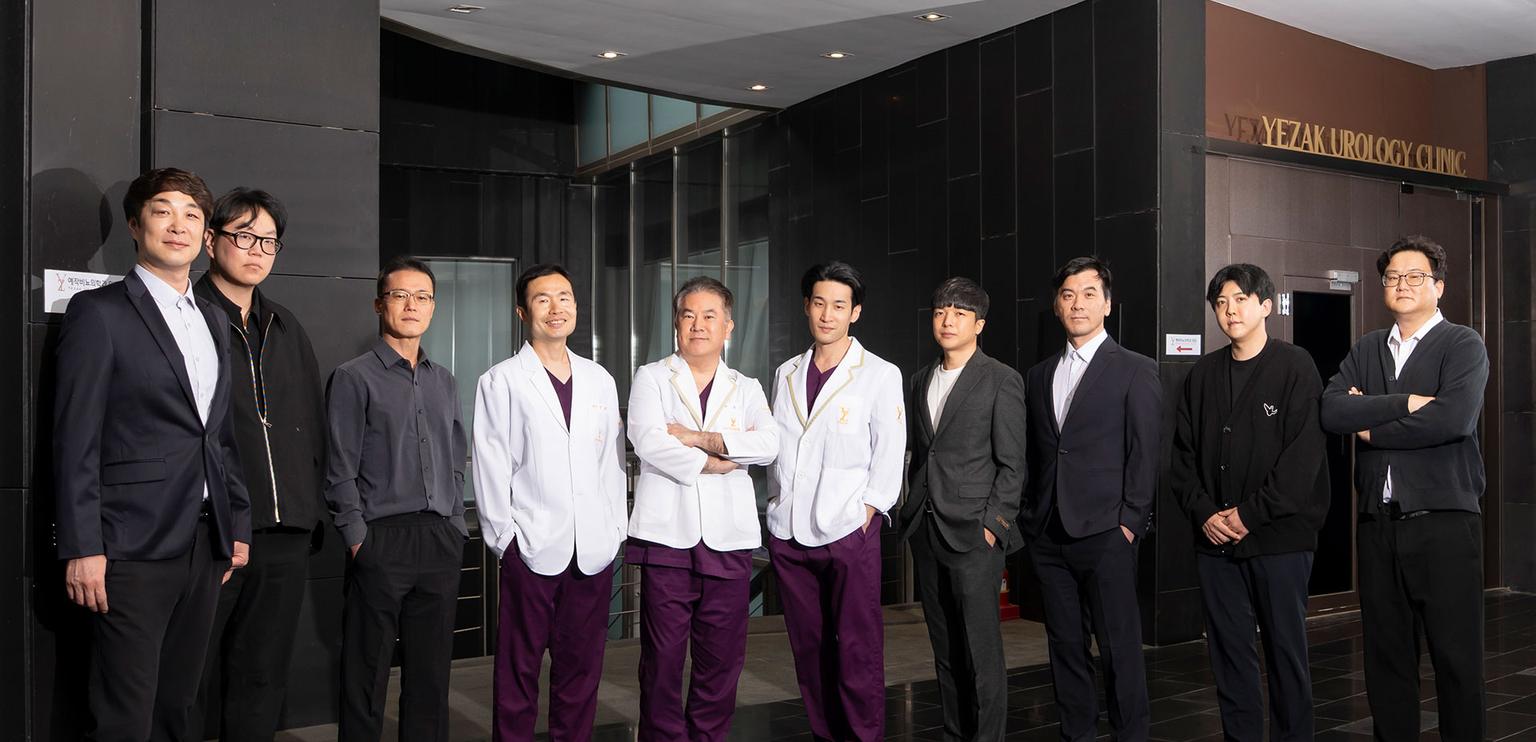
Yezak Urology Korea | Penile Enlargement, ED & Prostate Care in Seoul
Apgujeong

StanTop Urology & Andrology: Korea's Premier Clinic for Advanced Urological and Andrological Treatments
Sinnonhyeon Station

GoldMan Urology Clinic - Incheon, Korea: Expert Urological Treatments, Penile Augmentation & Laser Circumcision Services
Incheon

Adams Urology Korea: Advanced Urological Care and Procedures in Samsung for Prostate and Sexual Health
Samsung