
Medical Tourism Blog
Laser Toning in Korea: Methods, Melasma Results, Recovery and Travel Planning
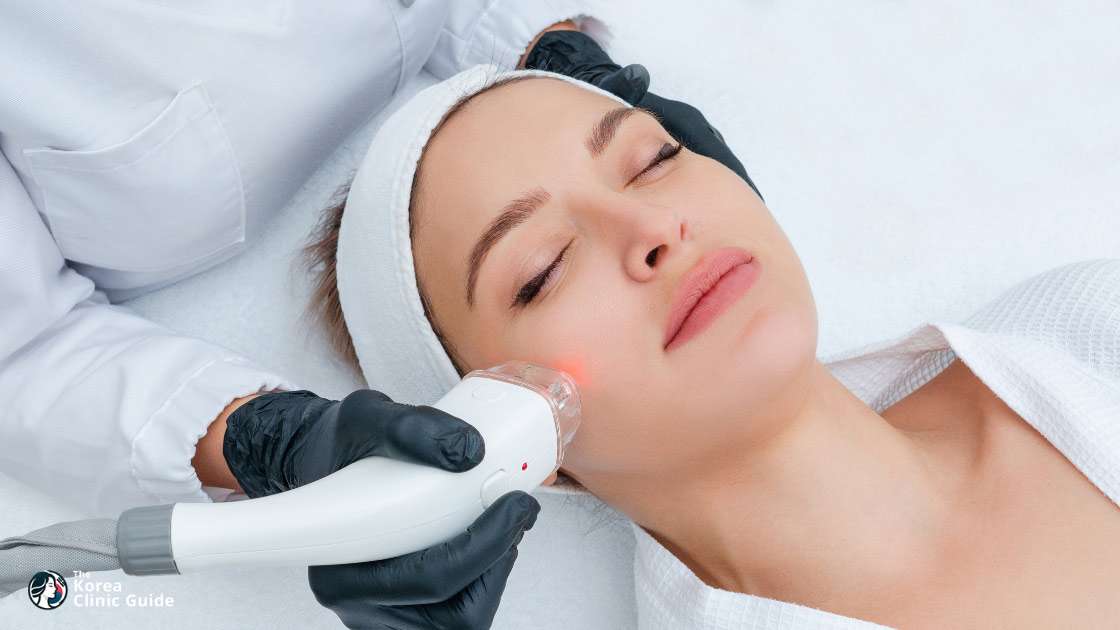
Table of contents
- Laser Toning at a Glance
- What Is Laser Toning?
- Who Is a Good Candidate for Laser Toning?
- How Is Laser Toning Performed?
- Which Are the Best Clinics in Korea for Laser Toning?
- Why Visit Korea for Laser Toning?
- Key Information for International Patients
- Laser Toning From Start to Finish
- Alternatives to Laser Toning
- How Can I Prepare for Laser Toning?
- Aftercare Advice
Considering treatment in Korea? Everything you need to know e.g. — how to avoid scams, visas, interpreters, recovery tips — in our Medical Tourism Master Guide. Plan with confidence in minutes, not weeks!
Last updated: August 2026
Laser Toning at a Glance
- What it treats — Laser toning uses repeated low-fluence, broad-area passes with a 1,064-nm Q-switched Nd:YAG laser to manage dermatologist-confirmed melasma, diffuse uneven tone, or selected post-inflammatory hyperpigmentation without ablating the skin.
- Treatment commitment — Improvement is gradual: published courses commonly involve 5–15 sessions, often about 9–10, spaced weekly or every 2 weeks. It manages melasma rather than permanently clearing it.
- Recovery — Warmth, mild redness, or slight swelling usually resolve within hours to 1–2 days, and normal indoor activities are generally possible immediately after an uncomplicated session.
- Best candidate — A confirmed diagnosis, intact non-irritated skin, and consistent UV and visible-light protection are essential; tinted iron-oxide sunscreen and a hat are particularly useful for melasma.
- Key risk — Pigment can worsen or become patchy after treatment, including rebound hyperpigmentation or mottled hypopigmentation; risk has been reported more often in Fitzpatrick IV–V participants, so prior pigment reactions may warrant a test spot or non-laser plan.
- Travel reality — Plan 1–2 days in Korea for assessment, a possible test spot, and one session, but a full 9–10-session course takes roughly 2–5 months and usually requires follow-up at home.
- Korea distinction — In Korea, “laser toning” is a familiar technique label rather than a single machine, usually referring to low-fluence 1,064-nm Q-switched Nd:YAG treatment; local experience does not prove superior outcomes over an equally appropriate protocol elsewhere.
What Is Laser Toning?
Laser toning is a non-ablative laser treatment that uses low-energy light to target excess pigment without removing the skin’s surface. It aims to gradually improve dermatologist-confirmed melasma, diffuse uneven tone, and selected post-inflammatory dark marks while supporting long-term pigment control. It is a non-surgical, minimally disruptive procedure typically performed in a series of outpatient sessions.
Who Is a Good Candidate for Laser Toning?
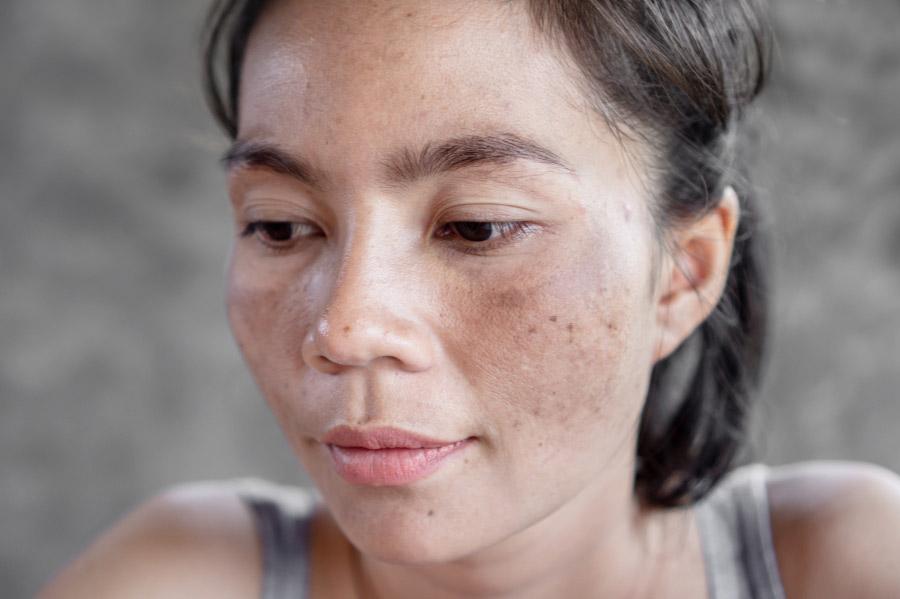
- Confirmed pigment concern — Good candidates have dermatologist-confirmed facial melasma, diffuse uneven tone, or selected post-inflammatory hyperpigmentation rather than an undiagnosed dark patch.
- Stable, intact skin — Treatment suits people without sunburn, open skin, active dermatitis, infection, or substantial treatment-area irritation.
- Course-based expectations — Good candidates accept gradual improvement across repeated sessions, commonly 5–15 and often about 9–10 treatments at weekly or every-two-week intervals, rather than expecting permanent clearance after one visit. Published protocols vary considerably.
- Photoprotection commitment — Successful melasma management requires sustained ultraviolet and visible-light protection, ideally including a tinted iron-oxide sunscreen and a hat.
Laser toning is unsuitable until a clinician has assessed uncertain pigmentation; melasma can resemble lentigines, lichen planus pigmentosus, medication-related pigmentation, or a concerning lesion that needs biopsy. Postpone treatment during active infection, eczema flare, sunburn, or recent tanning. Pregnancy and breastfeeding require individualized dermatology and obstetric review, particularly when topical or oral pigment medicines are being considered. Prior laser-induced darkening, loss of pigment, vitiligo/Koebner-type depigmentation, or poorly controlled melasma warrants a conservative test spot, adjusted settings, or a non-laser plan; pigmentary adverse effects have been reported more often in Fitzpatrick IV–V participants in the laser-toning literature. Evidence for darker skin types remains limited.
How Is Laser Toning Performed?
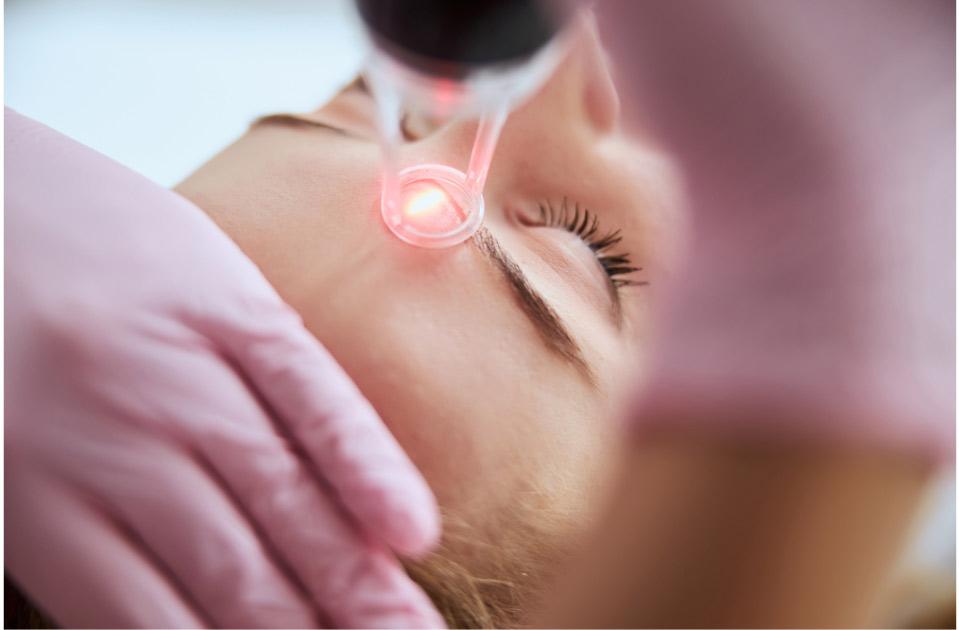
In Korean practice, “laser toning” usually refers to a technique, not one branded machine. Settings must match the diagnosis, skin type, tanning status, prior pigment response, and the specific device.
- Conventional low-fluence QS Nd:YAG — The usual approach uses a Q-switched 1,064-nm Nd:YAG laser with broad-area, low-energy passes intended to affect melanin without ablating the epidermis. Published protocols most often use 6–10 mm spots, 0.5–3.8 J/cm², one to 10 passes, and weekly or biweekly intervals; these ranges are not a universal prescription. A systematic review documents this lack of standardization.
- Modified pulse delivery — Some devices use pulse-to-pulse, photoacoustic, or other altered pulse-delivery modes while retaining the Nd:YAG toning concept. Device-specific marketing does not establish superior results for every pigment diagnosis.
- Combination pigment management — A dermatologist may combine laser sessions with topical pigment therapy, carefully screened oral tranexamic acid, peels, microneedling, or another energy-based treatment. Combination care can improve short-term outcomes but also raises irritation and pigment-risk considerations. Combination-treatment evidence is still diagnosis-specific.
Which Are the Best Clinics in Korea for Laser Toning?
Listed below are some of the best clinics in Korea for laser toning.
1. Three Wishes Clinic - Myeongdong
If you are considering laser toning in Myeongdong, Three Wishes Clinic offers a broader skin-treatment menu that includes CO2 laser resurfacing, peels, PDT acne treatment, Rejuran Healer, and customized skin care. Its provided information does not specifically list laser toning, so you should confirm the device, pigmentation concerns treated, and your recommended treatment plan during consultation.
- URL: Three Wishes Clinic - Myeongdong Website
- Location: Jung-gu, Seoul
- Skin treatment options:
- CO2 laser resurfacing is listed for wrinkles, acne scars, and skin-texture improvement through resurfacing and collagen stimulation.
- Facial peels are offered for exfoliation concerns such as uneven tone, sun damage, fine lines, and mild scars.
- PDT acne treatment is listed for targeting acne-causing bacteria and inflammation.
- Rejuran Healer uses polynucleotide technology intended to support skin regeneration, texture, elasticity, and fine lines.
- Related aesthetic services:
- The clinic also lists ultrasound-based Shurink lifting and tightening, as well as laser hair removal.
- Customized skin care treatments may include cleansing, hydration, and maintenance facials based on your individual concerns.
2. id Hospital Korea
You may consider id Hospital Korea for laser toning if you want a clinic with a dedicated skin-clinic service within a wider facial-aesthetic setting that also provides lifting and petit plastic surgery. The provided information emphasizes customized treatment, a patient-safety-oriented approach, and systematic post-care, although it does not specify a laser-toning device or protocol.
- URL: id Hospital Korea Website
- Location: Gangnam-gu, Seoul
- Care approach: The clinic describes customized treatment planning, patient-safety-oriented care, and systematic post-care.
- Available services: Listed services include a skin clinic, lifting, petit plastic surgery, facial contouring, eye and nose plastic surgery, breast surgery, orthognathic surgery, and dentistry.
3. ID Hospital - Sinsa
For laser toning focused on pigmentation and a brighter, more even complexion, ID Hospital - Sinsa specifically lists Pico Toning, a laser treatment intended to target sun spots, age spots, and other hyperpigmentation. You can also explore complementary options for texture, hydration, pores, acne scars, or skin laxity when your concerns extend beyond uneven tone.
- URL: ID Hospital - Sinsa Website
- Location: Gangnam-gu, Seoul
- Pico toning: Pico Toning is listed as a laser treatment for pigmentation, brighter skin tone, sun spots, age spots, and other hyperpigmentation.
- Complementary skin options:
- Potenza RF microneedling is listed for customizable treatment of texture, pores, acne scars, and elasticity.
- Rejuran Healer, Rejuran Eye, and Juvelook are listed for concerns including fine lines, skin texture, hydration, and the eye area.
- Titanium is listed as a multi-wavelength energy-based treatment for lifting, tightening, and skin-tone improvement.
- Firming and contour support:
Why Visit Korea for Laser Toning?
Low-fluence Q-switched Nd:YAG toning has been widely adopted and studied in Asia, including Korean patient cohorts. This gives many Korean dermatology practices familiarity with the technique and pigment-focused consultation. It does not prove that treatment in Korea will produce better results than the same appropriately indicated protocol elsewhere.
- Regional clinical experience — Korean and wider Asian dermatology literature has contributed to the adoption and study of low-fluence Nd:YAG treatment for melasma in Asian populations. A Korean review discusses its place in melasma treatment.
- A recognizable treatment approach — “Laser toning” is a familiar local term for repeated low-fluence 1,064-nm Q-switched Nd:YAG passes, allowing international patients to ask specific questions about wavelength, settings, session plan, and supervision.
- Evidence limitation — There is no reliable comparative evidence that a correctly indicated, documented laser-toning course in South Korea produces superior individual outcomes. Protocols differ substantially between studies and clinics, including fluence, passes, interval, concurrent topicals, and maintenance plans. The evidence base is heterogeneous.
Key Information for International Patients
- Minimum stay — Plan 1–2 days for an in-person assessment, a possible test spot, and one uncomplicated session. This is enough for a single visit, not a full melasma-treatment course.
- Repeat-visit reality — Typical protocols require roughly 9–10 sessions at one- to two-week intervals, extending over about two to five months. Arrange continuity with a qualified dermatologist at home rather than trying to complete a course during a short holiday. Published schedules are course-based.
- Flying — There is no procedure-specific study defining an exact flying interval. Next-day commercial travel is generally practical after an uncomplicated non-ablative session when the skin is intact and the patient feels well; this is based on typical minimal downtime, not aviation-safety research.
- Itinerary impact — Mild warmth, redness, or slight swelling usually settles within hours to one or two days. Normal indoor activities are generally possible immediately, but avoid direct sun, beach plans, sauna, steam rooms, and heat-heavy exercise while redness persists.
- Remote continuity — Before leaving, obtain the written diagnosis, device name and wavelength, fluence, spot size, pass count, treatment date, photographs, aftercare plan, and a complication-contact route. These details allow a clinician at home to continue or reassess treatment.
Travel note: A single session can fit a Korea itinerary, but melasma is chronic and recurrence-prone. In one retrospective study, 58.8% of patients had recurrence within one year after their final course; small studies have reported differing longer-term outcomes. This follow-up evidence is limited and conflicting.
Laser Toning From Start to Finish
- Remote inquiry and consultation — Send daylight photographs, a description of pigment onset and triggers, prior treatment records, and complete medicine and skincare lists. Ask whether English or virtual consultation is available, who will perform or directly supervise treatment, and whether the clinic recommends delaying treatment until an in-person review.
- In-person diagnostic assessment — The clinician examines the pigmentation, skin tone, current tan, barrier condition, hormonal and sun-related triggers, cold-sore history, prior pigment reactions, and recent procedures. Dermoscopy, Wood-lamp examination, standardized photographs, or biopsy of an atypical lesion may be needed before cosmetic laser treatment.
- Plan and test spot — The clinician explains that laser toning is adjunctive pigment management, not permanent melasma removal, then selects conservative settings or performs a test area when pigment risk is a concern.
- Skin preparation — Makeup, sunscreen, and surface oil are cleansed away. Protective eyewear is mandatory; topical anesthetic is usually unnecessary because the treatment is generally tolerable without it.
- Laser delivery — The practitioner makes repeated broad passes with a low-fluence 1,064-nm Q-switched Nd:YAG laser. The desired endpoint is faint, temporary redness, not frosting, blistering, or visible skin disruption. Treatment duration depends on the area and any combination procedure.
- Immediate discharge — No anesthesia, hospital admission, dedicated driver, or overnight companion is routinely required for an uncomplicated facial session. The clinic reviews gentle skincare, sun protection, warning signs, and timing for the next session.
- Course review and overseas follow-up — Results are assessed across sessions with consistent photographs rather than immediately after treatment. Continue follow-up remotely with the Korean clinic where available, and share the treatment record with the dermatologist who will manage care at home.
Alternatives to Laser Toning
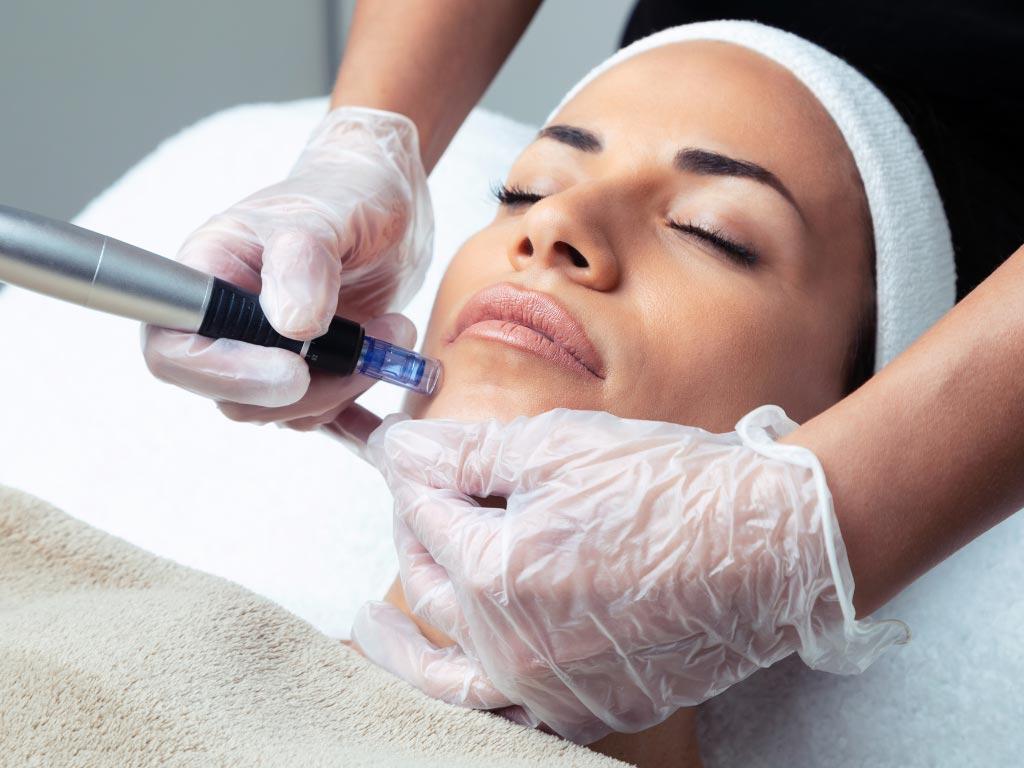
Melasma usually needs ongoing trigger control, ultraviolet/visible-light protection, and dermatologist-directed topical treatment whether or not a laser is used. Non-ablative pigment lasers offer little downtime but require repeated sessions and can cause pigment complications; more intensive resurfacing options have greater recovery and are not automatic upgrades.
Pico Toning
Picosecond toning is a distinct pigment-laser approach with different pulse characteristics and device-specific protocols.
- Best fit — Consider it when a dermatologist believes a picosecond device better suits the pigment pattern, skin response, and downtime tolerance.
- Tradeoff — It is not proven to be universally safer or more effective than conventional low-fluence Q-switched Nd:YAG toning for melasma. See pico toning.
Dual Toning
Dual toning combines or sequences pigment-focused laser approaches according to a clinic’s protocol.
- Best fit — Consider it only after a clinician explains the exact devices, treatment targets, additional irritation risk, and why combination energy treatment is justified.
- Tradeoff — More devices do not automatically mean better pigment control; each added treatment can complicate recovery and attribution of a pigment reaction. See dual toning.
Topical and Medical Pigment Management
Hydroquinone, triple-combination cream, azelaic acid, kojic acid, vitamin C, and selected oral tranexamic acid are clinician-directed options for melasma.
- Best fit — This is often the foundation for patients with trigger-sensitive melasma, those unable to avoid sun exposure, or those with a history of laser-induced pigment change.
- Tradeoff — Results require adherence and medical review for side effects and contraindications; oral tranexamic acid requires careful screening. A 2026 split-face trial found no significant added mMASI benefit from laser when both sides used hydroquinone and sunscreen. This supports caution about laser monotherapy.
Chemical Peels or Fractional Laser
Peels and fractional laser treatments address different pigment and texture goals and are sometimes used selectively.
- Best fit — Consider a peel for carefully selected superficial pigment concerns, or fractional treatment when texture or scars are a substantial separate concern.
- Tradeoff — Both can produce more inflammation and downtime than conventional toning, with a meaningful post-inflammatory hyperpigmentation risk in susceptible skin. See chemical peels and Fraxel laser.
How Can I Prepare for Laser Toning?
- Diagnosis first — Send clear, unfiltered daylight photographs before travel, but keep the in-person assessment as the final decision point. Report changing, asymmetric, bleeding, or otherwise suspicious pigmented lesions rather than booking cosmetic treatment for them.
- Sun protection — Avoid intentional tanning, tanning beds, sunlamps, and sunburn before treatment. Use broad-spectrum SPF 30+ daily; for melasma, a tinted iron-oxide sunscreen adds visible-light protection.
- Medicines and skincare — Disclose all prescription medicines, over-the-counter products, supplements, hormones, hydroquinone, retinoids, exfoliating acids, isotretinoin, doxycycline, aspirin, and anticoagulants. Do not independently stop aspirin, anticoagulants, hormonal contraception, isotretinoin, prescription retinoids, or any other prescribed medicine.
- Recent irritation — Tell the clinician about recent peels, waxing, microneedling, laser procedures, dermatitis, cold sores, allergies, and prior hyperpigmentation or hypopigmentation after treatment. Postpone if the treatment area is sunburned, infected, open, or actively inflamed.
- Day-of planning — Arrive with clean skin when possible and avoid heavy makeup. No fasting, anesthesia, dedicated driver, or overnight companion is routinely needed for an uncomplicated facial session.
- Travel planning — Keep the next day flexible in case redness or swelling lasts longer than expected, and avoid scheduling outdoor sightseeing or heat-intensive activities immediately afterward.
Travel note: Bring a wide-brimmed hat and your preferred tinted sunscreen. Consistent protection is more important to melasma control than fitting one more procedure into the itinerary.
Confirm the treating clinic’s individualized requirements, including which active products to pause and when to restart them; those instructions take precedence over general guidance.
Aftercare Advice
Protect the treated skin from irritation and light exposure; early redness does not mean that stronger skincare or more heat will improve the result.
- Gentle skin care — Cleanse gently and apply a bland moisturizer. Do not scrub, pick, rub, wax, or use aggressive facials on the treated area.
- Active products — Pause exfoliating acids, retinoids, scrubs, bleaching agents, and other potentially irritating actives until the treating clinician approves restarting them. The restart time depends on redness, sensitivity, and any combination treatment.
- Light protection — Avoid tanning throughout the treatment course. Apply broad-spectrum SPF 50 and use a hat outdoors; tinted iron-oxide sunscreen is particularly useful for melasma because visible light can aggravate pigmentation.
- Heat and activity — Avoid sauna, steam rooms, hot yoga, and heat-heavy exercise for 24–48 hours when redness or sensitivity persists. Resume normal indoor activity immediately if the skin feels comfortable.
- Warning signs — Contact the clinic promptly for blistering, increasing pain, marked swelling, crusting, drainage, fever, a cold-sore outbreak, prolonged worsening darkening, or new pale or white speckled patches. These can indicate complications including burn, infection, rebound hyperpigmentation, or mottled hypopigmentation.
- Results and review — Judge improvement after several sessions using consistent photographs. A 2026 meta-analysis found very low-certainty overall evidence because of substantial study inconsistency, reinforcing the need for maintenance photoprotection and realistic expectations. Read the evidence limitation.
Follow the treating doctor’s instructions over general advice, and contact the clinic promptly whenever the skin appears to be worsening rather than settling.
Frequently Asked Questions
Related Blogs
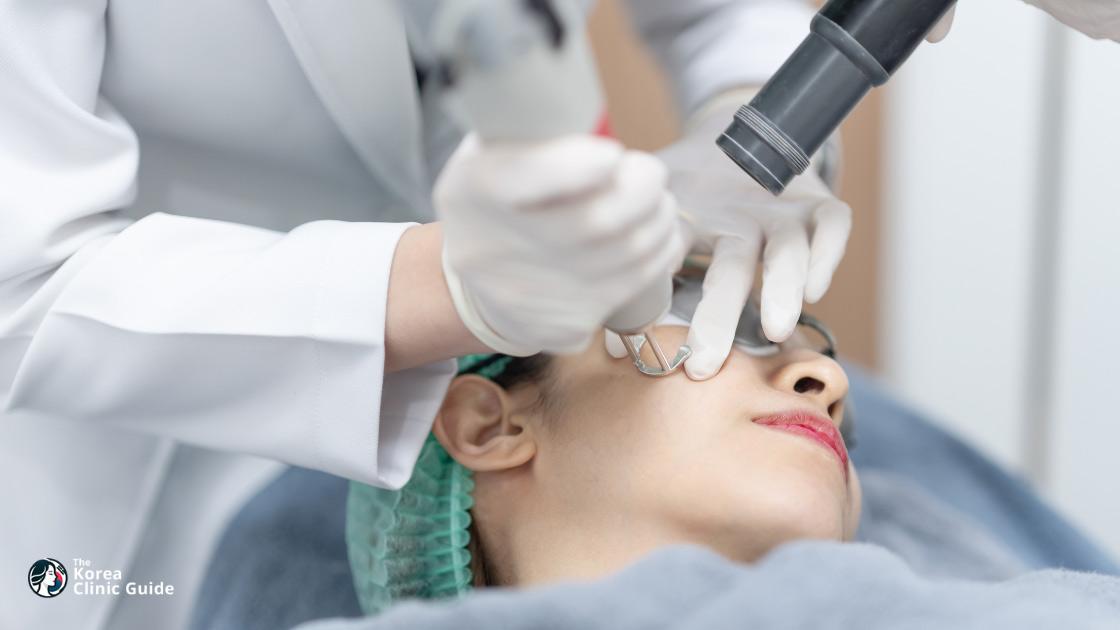
Pico Fraxel in Korea: Treatment Methods, Recovery, Costs of Travel Time, and Alternatives
Pico Fraxel is fractional picosecond laser resurfacing for selected atrophic acne scars, texture, pores, and fine lines; treatment includes assessment, topical anesthetic, protective eye shields, and brief laser passes. International patients can plan 2–3 nights, expect 1–7 days of redness or flaking, arrange follow-up, and maintain gentle skincare and strict sun protection.
Updated: Sep 14, 2026
Garlic Injection in Korea: Ingredients, Safety, Travel Planning, and Evidence Limits
Learn how Korean “garlic injections” typically use fursultiamine or thiamine by slow IV injection or infusion, including screening, formula disclosure, observation, aftercare, and travel planning. The guide covers eligibility, allergy and IV risks, evidence limitations, alternatives for suspected deficiency, and urgent symptoms requiring medical care.
Updated: Sep 14, 2026
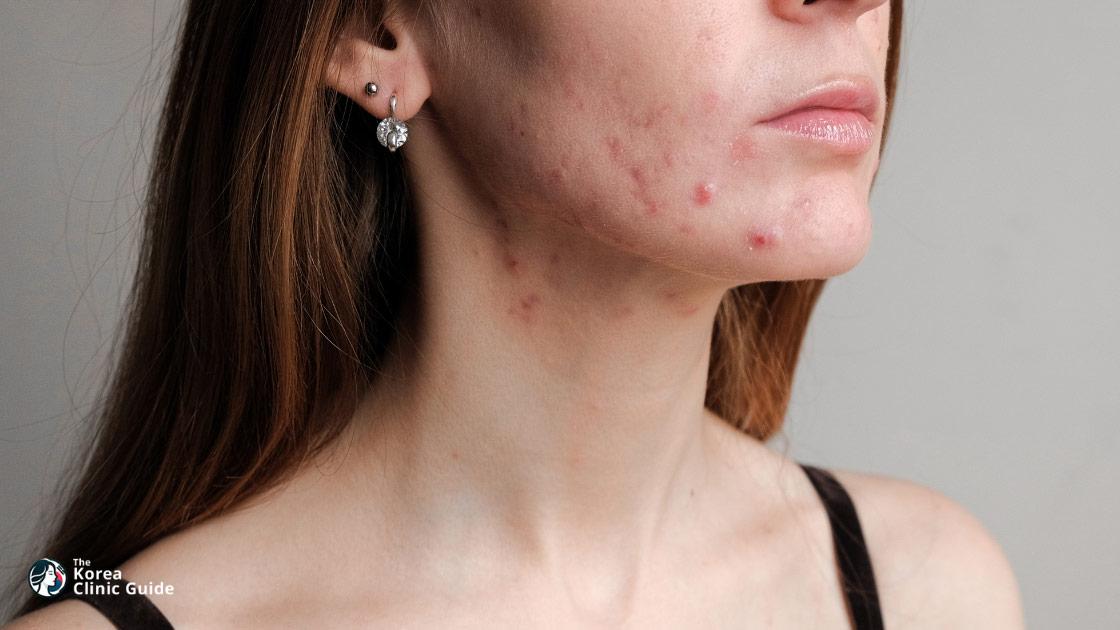
Acne Treatment in Korea: Medical Options, Travel Planning, and Aftercare
Acne treatment combines dermatologist assessment, topical or oral medicines, and selected office procedures based on lesion type, severity, scarring risk, and follow-up access. International patients can arrange consultations, extractions, peels, or PDT in Korea, with guidance on stay length, downtime, records, medication continuity, and aftercare.
Updated: Sep 14, 2026
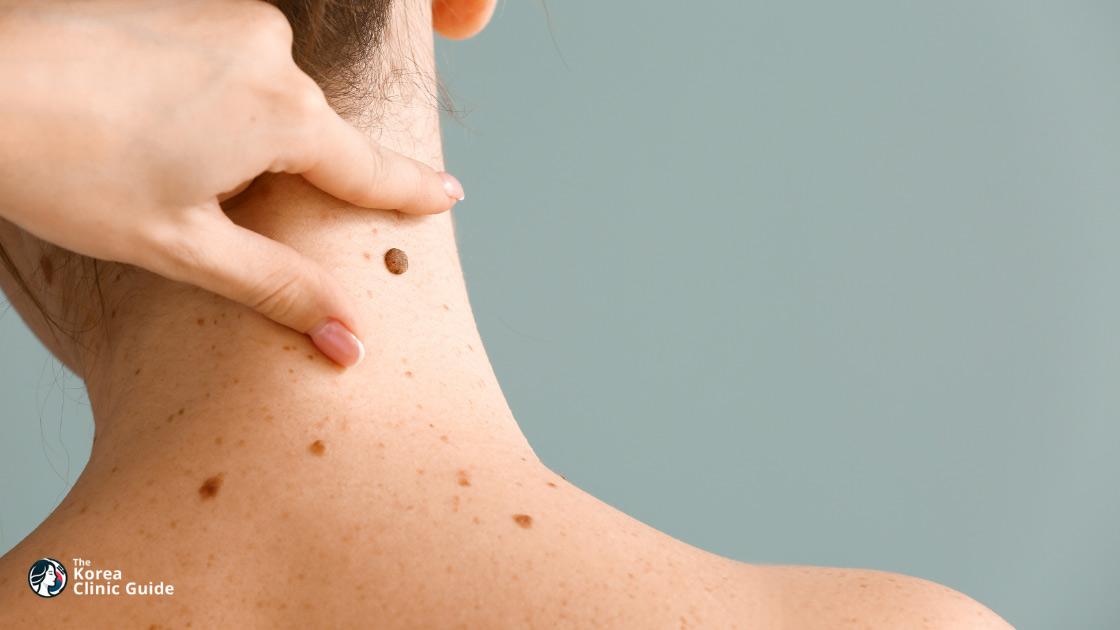
Mole Removal in Korea | Best Clinics, Costs, Procedure Types & More
Discover the latest advancements and techniques in mole removal in Korea. Learn about the safety, effectiveness, and what to expect from popular procedures offered by top Korean dermatologists.
Updated: Sep 14, 2026
Clinics offering Laser Toning

Three Wishes Clinic - Myeongdong, Korea: Advanced Botox, Fillers, Laser, and Skin Treatments for Confidence and Care
Myeongdong
Cellinique Clinic Korea: Advanced Stem Cell and Laser Treatments for Health, Beauty, and Rejuvenation in Gangnam
Apgujeong

Seojin Plastic Surgery Clinic Korea: Pioneering Advanced Cosmetic Procedures for Personalized Aesthetic Transformation
Apgujeong
ID Hospital - Main Branch in Korea: Specializing in Safe & Customized Facial Plastic Surgery and Post-Care Services
Sinsa