Medical Tourism Blog
Shurink Lifting in Korea | Best Clinics, Costs, Procedure Types & More
Table of contents
- What Is Shurink Lifting?
- Best Clinics in Korea for Shurink Lifting
- Shurink Lifting in Korea
- Alternatives to Shurink Lifting
- Conclusion
Considering treatment in Korea? Everything you need to know e.g. — how to avoid scams, visas, interpreters, recovery tips — in our Medical Tourism Master Guide. Plan with confidence in minutes, not weeks!
Have you ever wished for a way to achieve firmer, more youthful skin without undergoing surgery? Discover why Shurink Lifting is becoming a go-to non-invasive cosmetic procedure in Korea, celebrated for its revolutionary approach to skin rejuvenation through advanced ultrasound technology. In this article, explore the leading clinics, delve into the patient experience, and consider both the benefits and alternatives to this popular treatment as you navigate your skincare journey.
What Is Shurink Lifting?
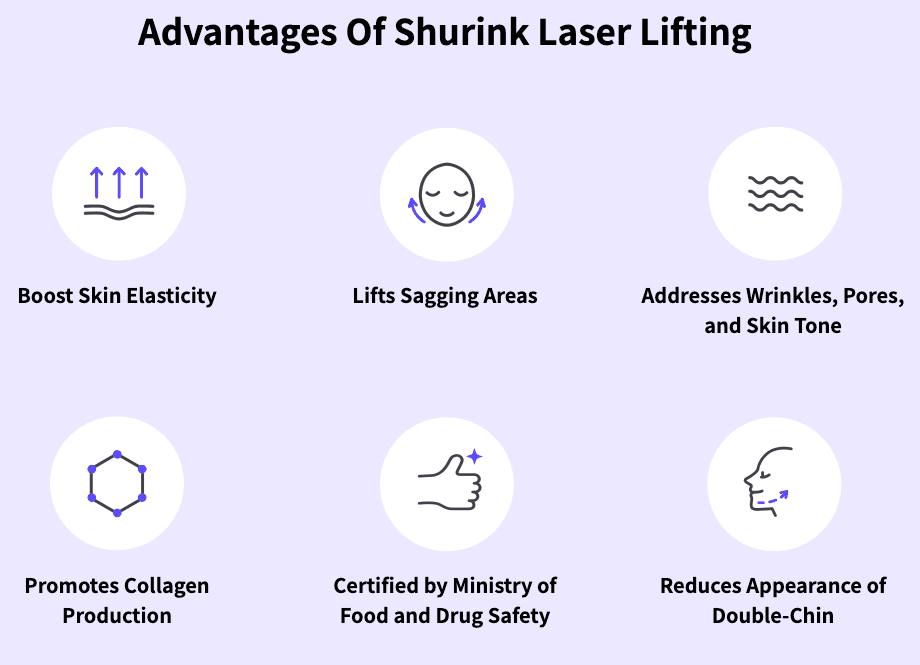
Shurink Lifting is a non-invasive cosmetic procedure that utilizes focused ultrasound energy to lift and tighten the skin. Originating from South Korea, this innovative treatment has gained widespread popularity for its ability to rejuvenate the skin without the need for surgery. Shurink Lifting targets the deeper layers of the skin, promoting natural collagen production and resulting in a more youthful appearance.
Who Can Benefit from Shurink Lifting?
Shurink Lifting is suitable for a broad range of individuals looking to improve the appearance and texture of their skin. This procedure is particularly beneficial for:
- Individuals with mild to moderate skin laxity: Those experiencing early signs of aging, such as slight sagging around the jawline, cheeks, or neck, can see significant improvements.
- People seeking non-surgical options: For those who are not ready for surgical facelifts but wish to achieve similar lifting effects, Shurink Lifting offers a viable alternative.
- All skin types and tones: Unlike some laser treatments, Shurink Lifting is safe for all skin types and tones, minimizing the risk of hyperpigmentation.
- Patients desiring minimal downtime: The procedure is quick and requires no recovery period, making it ideal for busy individuals who cannot afford extended downtime.
Procedure Types
Shurink Lifting utilizes high-intensity focused ultrasound (HIFU) technology, and the procedure can be customized based on the patient’s specific needs. Here are the common types:
- Standard Shurink Lifting: Focuses on tightening and lifting the skin on the face, targeting areas such as the cheeks, forehead, and jawline.
- Advance Shurink Lifting: This type is often used to target larger areas of the body, such as the neck, chest, and abdomen, providing comprehensive skin tightening.
- Combination Treatments: For enhanced results, Shurink Lifting can be combined with other non-invasive cosmetic procedures, such as dermal fillers or botox.
Pros and Cons
Like any medical procedure, Shurink Lifting comes with its own set of advantages and potential drawbacks. Here’s an in-depth look:
Pros
- Non-invasive: As a non-surgical treatment, there are no incisions, stitches, or significant risks compared to traditional facelifts.
- Minimal Downtime: Patients can typically return to their normal activities immediately after the procedure.
- Natural Results: By stimulating collagen production, the results appear gradually, offering a natural progression rather than sudden changes.
- Versatility: Suitable for a wide range of skin types and areas of the body.
- Safety: The procedure carries a low risk of complications and side effects when performed by a trained professional.
Cons
- Multiple Sessions May Be Needed: Some patients may require more than one session to achieve optimal results.
- Potential Discomfort: While generally tolerable, some patients may experience discomfort during the treatment as the ultrasound energy is delivered into the skin.
- Temporary Side Effects: Mild redness, swelling, or tenderness can occur but typically resolve within a few hours to days.
- Cost: The procedure can be expensive, especially if multiple sessions are needed for desired results.
Overall, Shurink Lifting represents a cutting-edge option for those seeking to enhance their appearance without resorting to surgery, providing a blend of efficacy, convenience, and safety.
Best Clinics in Korea for Shurink Lifting
Listed below are the best clinics in Korea for shurink lifting:
| Clinic Name | Key Features | Special Techniques |
|---|---|---|
| Three Wishes Clinic – Myeongdong | Prime choice for Shurink Lifting: Ultrasound-based lifting and tightening that targets deeper layers to enhance elasticity and reduce sagging, without needles or downtime; Safety-first, satisfaction-led approach, prioritizing careful treatment planning and patient comfort; Personalized care, with treatment options tailored to your face shape, concerns, and desired level of improvement; Strong combination options to refine results, including thread lifting for subtle lift and collagen support, plus fillers and Botox for balanced contouring and wrinkle reduction; Broad skin-treatment lineup to improve overall skin quality alongside lifting, including CO2 laser resurfacing, facial peels, PDT acne treatment, Rejuran Healer, and customized skin care treatments; Convenient Myeongdong location, making it easy to schedule Shurink Lifting and related treatments during a Seoul visit; One-stop aesthetic clinic offering additional services such as laser hair removal and semi-permanent makeup (eyebrow, hairline/scalp, and lip microblading) for a complete polished look | Shurink Lifting; thread lifting; collagen support; fillers; Botox; CO2 laser resurfacing; facial peels; PDT acne treatment; Rejuran Healer; customized skin care treatments |
| Nana Plastic Surgery Clinic | Conveniently located by Sinnonhyeon Station; widely regarded as a top choice for Shurink Lifting in Korea because it pairs advanced, technology-driven aesthetic care with extensive clinical data and a depth of hands-on experience across both non-surgical and surgical rejuvenation. Shurink Lifting is a non-invasive tightening treatment, and Nana’s strength lies in its dermatology-based tightening and laser treatment expertise, along with a full spectrum of lifting procedures—ranging from thread lifting and mini to full face lifting, neck lifting, platysma plasty, and Endotine forehead lifting—so treatment plans can be tailored with a clear understanding of facial structure, skin laxity, and long-term balance rather than relying on a one-size-fits-all approach. This broad procedural experience, reinforced by data-backed practice, supports more precise customization, safer decision-making, and consistent follow-through for patients seeking a refined lift with natural-looking results. | Shurink Lifting; dermatology-based tightening and laser treatment expertise; thread lifting; mini to full face lifting; neck lifting; platysma plasty; Endotine forehead lifting; data-backed practice; customized treatment plans |
| VandS Dermatology Clinic - Dongtan | VandS Dermatology Clinic – Dongtan clinic offers Shurink Lifting as part of a comprehensive approach to facial firming and anti-aging care. In addition to lifting-focused treatments such as Botox, dermal fillers, and thread lift (Sil-Lifting), the clinic provides skin rejuvenation options like skin boosters and Potenza laser treatment designed to support collagen stimulation and improve overall skin texture and tone. Beyond lifting and rejuvenation, VandS Dermatology Clinic – Dongtan also addresses common concerns such as pigmentation (including melasma), acne and scarring, and offers practical aesthetic services like laser hair removal and tailored medical facials. For patients interested in contour refinement, the clinic provides options such as Zero Fat Injection, Face Zero Fat, and V&S Slim Neck, along with supportive injection therapies including IV drips and hair loss injections. For consultations or appointments, the clinic can be reached at 031-377-3881. | Shurink Lifting; Botox; dermal fillers; thread lift (Sil-Lifting); skin boosters; Potenza laser treatment; Zero Fat Injection; Face Zero Fat; V&S Slim Neck; IV drips; hair loss injections; pigmentation treatment (melasma); laser hair removal; medical facials; contour refinement |
Three Wishes Clinic - Myeongdong
Three Wishes Clinic – Myeongdong offers personalized, advanced medical beauty care in the heart of Seoul, with a clear focus on safety and patient satisfaction for anyone seeking a more confident, refreshed look. The clinic is especially well-suited for Shurink Lifting, an ultrasound-based tightening treatment designed to improve elasticity and reduce sagging by targeting deeper skin layers—without needles or downtime—making it an excellent choice for visitors who want noticeable rejuvenation with a streamlined recovery. Beyond Shurink, the clinic provides a full range of complementary petite procedures and skin treatments that can be tailored to your facial structure and skin goals, supporting natural-looking lifting and long-term skin health.
- Prime choice for Shurink Lifting: Ultrasound-based lifting and tightening that targets deeper layers to enhance elasticity and reduce sagging, without needles or downtime
- Safety-first, satisfaction-led approach, prioritizing careful treatment planning and patient comfort
- Personalized care, with treatment options tailored to your face shape, concerns, and desired level of improvement
- Strong combination options to refine results, including thread lifting for subtle lift and collagen support, plus fillers and Botox for balanced contouring and wrinkle reduction
- Broad skin-treatment lineup to improve overall skin quality alongside lifting, including CO2 laser resurfacing, facial peels, PDT acne treatment, Rejuran Healer, and customized skin care treatments
- Convenient Myeongdong location, making it easy to schedule Shurink Lifting and related treatments during a Seoul visit
- One-stop aesthetic clinic offering additional services such as laser hair removal and semi-permanent makeup (eyebrow, hairline/scalp, and lip microblading) for a complete polished look
You can check out their website here: Three Wishes Clinic - Myeongdong Website
Nana Plastic Surgery Clinic
Nana Plastic Surgery Clinic, conveniently located by Sinnonhyeon Station, is widely regarded as a top choice for Shurink Lifting in Korea because it pairs advanced, technology-driven aesthetic care with extensive clinical data and a depth of hands-on experience across both non-surgical and surgical rejuvenation. Shurink Lifting is a non-invasive tightening treatment, and Nana’s strength lies in its dermatology-based tightening and laser treatment expertise, along with a full spectrum of lifting procedures—ranging from thread lifting and mini to full face lifting, neck lifting, platysma plasty, and Endotine forehead lifting—so treatment plans can be tailored with a clear understanding of facial structure, skin laxity, and long-term balance rather than relying on a one-size-fits-all approach. This broad procedural experience, reinforced by data-backed practice, supports more precise customization, safer decision-making, and consistent follow-through for patients seeking a refined lift with natural-looking results.
Find more about this clinic here: Nana Plastic Surgery Clinic Website
VandS Dermatology Clinic - Dongtan
VandS Dermatology Clinic – Dongtan clinic offers Shurink Lifting as part of a comprehensive approach to facial firming and anti-aging care. In addition to lifting-focused treatments such as Botox, dermal fillers, and thread lift (Sil-Lifting), the clinic provides skin rejuvenation options like skin boosters and Potenza laser treatment designed to support collagen stimulation and improve overall skin texture and tone.
Beyond lifting and rejuvenation, VandS Dermatology Clinic – Dongtan also addresses common concerns such as pigmentation (including melasma), acne and scarring, and offers practical aesthetic services like laser hair removal and tailored medical facials. For patients interested in contour refinement, the clinic provides options such as Zero Fat Injection, Face Zero Fat, and V&S Slim Neck, along with supportive injection therapies including IV drips and hair loss injections. For consultations or appointments, the clinic can be reached at 031-377-3881.
Find more about this clinic here: VandS Dermatology Clinic - Dongtan Website
Shurink Lifting in Korea
If you're considering coming to Korea for Shurink Lifting, you're in for a transformative experience that extends beyond the procedure itself. From the moment you land in this dynamic and technologically advanced country, you will find that your journey has been meticulously arranged to ensure both comfort and efficiency.
Booking Your Appointment
The first step begins with booking your appointment, often handled through specialized medical tourism agencies or directly through the clinic's international patient services. These organizations frequently provide comprehensive packages that include not just the medical procedure, but also accommodations, transportation, and sometimes even guided tours.
Arriving in Korea
Once you land in Korea, particularly in cities like Seoul or Busan, you'll find that the infrastructure is extremely foreigner-friendly. English signs are ubiquitous, and major medical institutions usually have translation services in place. Premium clinics often offer a concierge service, so you might even have a representative waiting for you at the airport to help you with transportation and check-ins.
Pre-Procedure Consultation
Upon arriving at your chosen clinic, you'll undergo a thorough pre-procedure consultation. Korean clinics are known for their meticulous attention to detail. Expect a comprehensive evaluation of your skin's condition, a discussion of your aesthetic goals, and detailed information about what you can expect during and after the procedure. Cutting-edge technology such as 3D facial mapping might be used to provide a preview of your results.
The Procedure
Shurink Lifting is a non-invasive procedure that harnesses High-Intensity Focused Ultrasound (HIFU) technology to stimulate collagen production and tighten the skin. The session typically lasts between 30 to 60 minutes, and because it’s non-surgical, you'll be able to walk out of the clinic right after it's done. Most patients report minimal discomfort, and while you might experience some redness or swelling, these effects are generally short-lived.
Post-Procedure Care
In Korea, post-procedure care is taken very seriously. Clinics provide a detailed aftercare regimen and often recommend follow-up sessions to monitor your progress. Some top-tier clinics even offer complementary treatments like skin rejuvenation facials or LED light therapy to enhance your recovery and results.
Additional Comforts
What's unique about doing this procedure in Korea is the level of comfort and luxury integrated into your medical journey. Many clinics are housed in buildings that look more like boutique hotels, complete with spa services, gourmet cafes, and relaxation lounges. Some medical tourism programs also offer cultural experiences, such as traditional Korean tea ceremonies or guided tours to historic sites, adding an enriching cultural layer to your trip.
Departure
Finally, your departure is just as seamlessly managed as your arrival. You'll receive a final consultation to review your results and ensure everything is on track. Any necessary medication or skincare products will be provided, and transportation back to the airport is often arranged, making the entire experience hassle-free.
Alternatives to Shurink Lifting
While Shurink Lifting has gained popularity in Korea as a non-invasive skin tightening procedure, there are several other effective alternatives available for those looking to achieve similar results. Here, we introduce three recommended alternatives to Shurink Lifting and explain their benefits.
Ultherapy
Ultherapy is a non-surgical treatment that uses focused ultrasound energy to stimulate collagen production deep within the skin. This procedure targets the same foundational layers addressed in traditional facelift surgery, making it a popular alternative to Shurink Lifting. Ultherapy is known for its ability to lift and tighten the skin on the neck, chin, and brow, as well as improve the appearance of lines and wrinkles on the décolletage. One of the main advantages is that it provides natural, gradual results with minimal downtime, making it suitable for those seeking a less invasive option.
Thermage
Thermage is another non-invasive treatment that focuses on skin tightening and contouring using radiofrequency energy. This procedure works by heating the deeper layers of the skin, which encourages new collagen growth and helps improve skin elasticity. Thermage is commonly used to treat areas such as the face, eyes, stomach, thighs, and arms. Patients typically experience smoother and firmer skin after one session, with results continuing to improve over several months. Thermage is well-suited for individuals looking for a quick, single-session treatment without the need for anesthesia or recovery time.
HIFU (High-Intensity Focused Ultrasound)
HIFU is a cutting-edge treatment that utilizes high-intensity focused ultrasound energy to penetrate deep into the skin layers, targeting the SMAS (Superficial Muscular Aponeurotic System) layer for non-surgical facelifts. Similar to Shurink Lifting, HIFU is designed to promote collagen production and elastin regeneration, leading to a lifting and tightening effect. The procedure is commonly used on the face and neck, offering a natural-looking lift without the need for incisions or injections. HIFU is particularly praised for its precision and ability to deliver long-lasting results with minimal discomfort and no downtime.
Each of these alternatives offers unique benefits and can be chosen based on individual needs and preferences. Whether you opt for Ultherapy, Thermage, or HIFU, consulting with a qualified medical professional can help determine the best treatment plan for achieving your desired results.
Conclusion
In conclusion, Shurink Lifting represents a revolutionary advancement in non-invasive cosmetic treatments available in Korea, offering a compelling alternative to traditional surgical facelifts. Its ability to deliver noticeable, long-lasting results with minimal downtime and discomfort has made it a sought-after procedure among those looking to rejuvenate their appearance. As technology continues to improve, Shurink Lifting stands out for its efficacy, safety, and convenience, reaffirming Korea's position as a global leader in innovative aesthetic medicine. Whether you're looking to counteract the signs of aging or simply enhance your natural beauty, Shurink Lifting provides a cutting-edge solution that harmonizes modern technology with patient-centered care.