Medical Tourism Blog
Waist Liposuction - Creating a Dramatic Waistline with Dr. Lee from 365mc
Table of contents
- Introduction: What Creates a Truly Dramatic Waistline?
- Method 1: Waist Reduction Through Liposuction
- Method 2: Adding Volume to the Hips with Fat Grafting
- Method 3: The Most Dramatic Option—Combining Both (The “Heopagori Line”)
- Visual Comparison: Why the Combined Approach Stands Out
- Conclusion: Choosing the Right Path to a Curvier Silhouette
- More about 365mc Hospital
Considering treatment in Korea? Everything you need to know e.g. — how to avoid scams, visas, interpreters, recovery tips — in our Medical Tourism Master Guide. Plan with confidence in minutes, not weeks!
Disclaimer: The following is a guest post. The information and opinions expressed are not of koreaclinicguide.com but of 365mc Hospital
Introduction: What Creates a Truly Dramatic Waistline?
Many women today aren’t only looking for “weight loss” around the midsection—they’re looking for a clear, defined waistline that makes the overall silhouette look more attractive. In my experience, the most dramatic waistlines don’t come from a single change in one area. They come from shaping: deciding where to reduce volume and where to add it, so the waist-to-hip contrast becomes stronger.
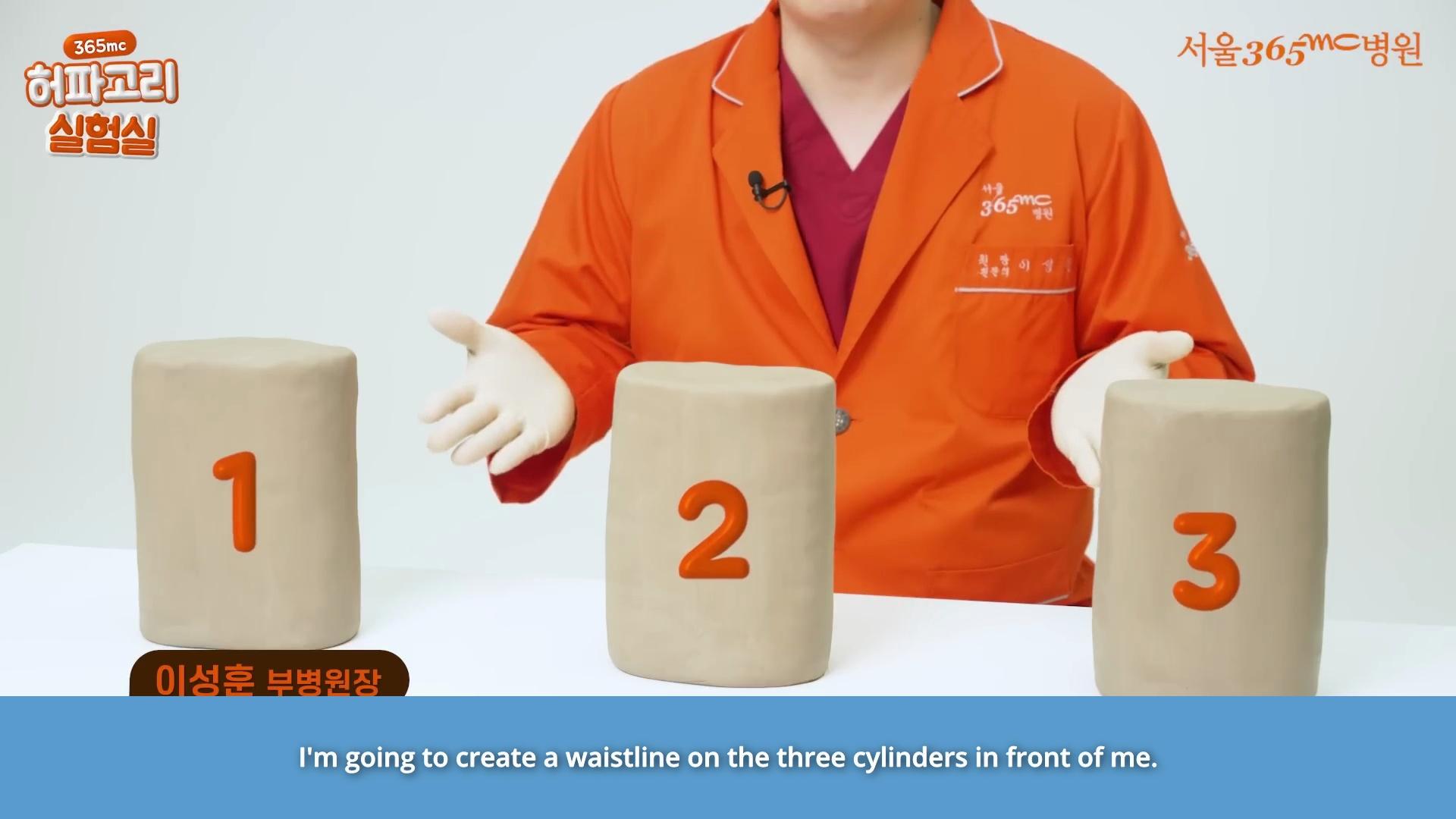
To explain the concept simply, imagine shaping a waistline on a basic, straight cylinder. There are three main ways to make that cylinder look like it has curves. Each method can create a waist, but the overall impression can be very different depending on which approach is used.
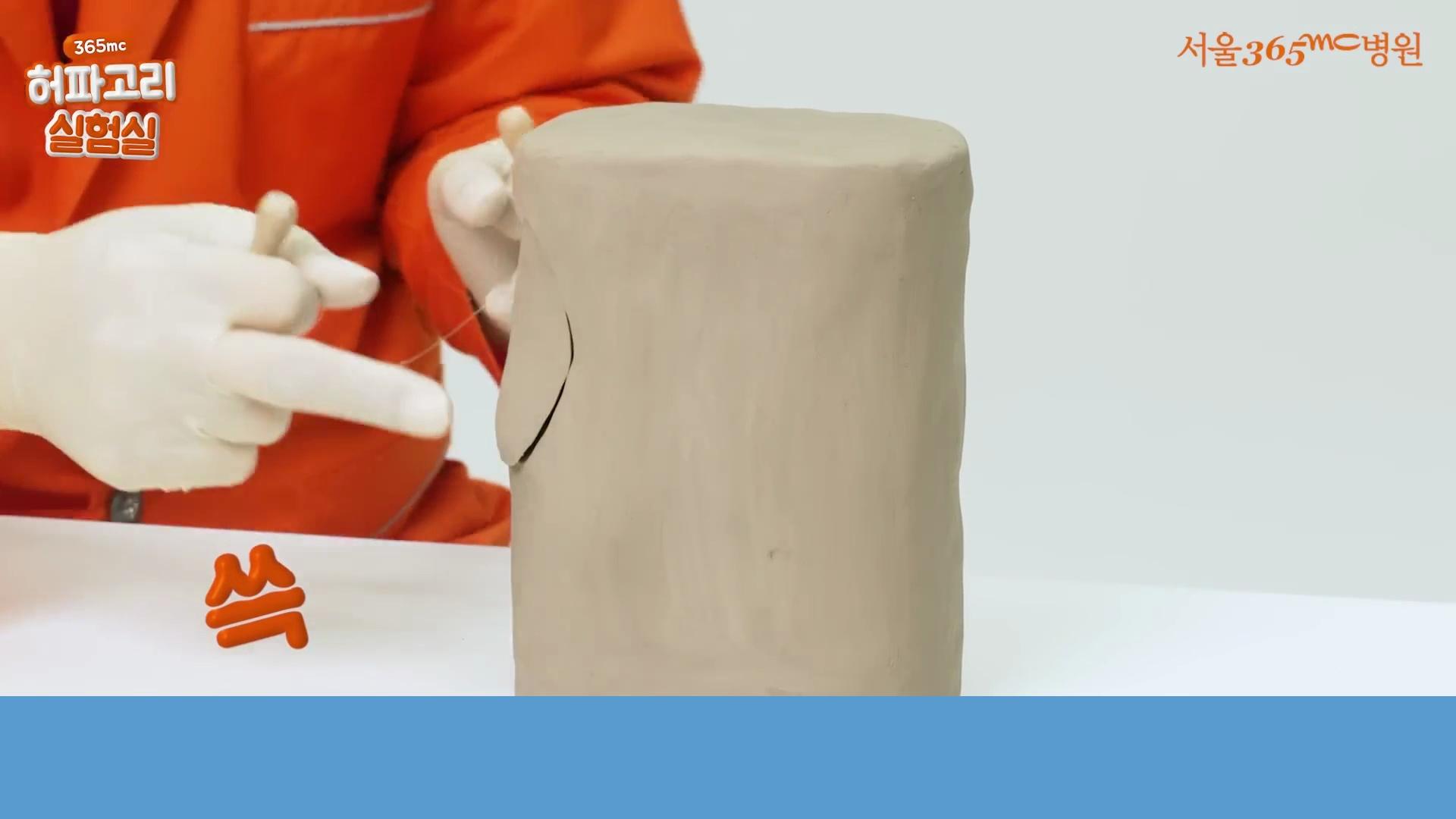

Method 1: Waist Reduction Through Liposuction
The most straightforward way to create a visible waistline is to reduce the waist itself. Many people naturally store extra fat around the midsection—most commonly in the abdomen and the love-handle area (the flanks). When those areas hold volume, the torso can look straighter, even if a person is otherwise slim.
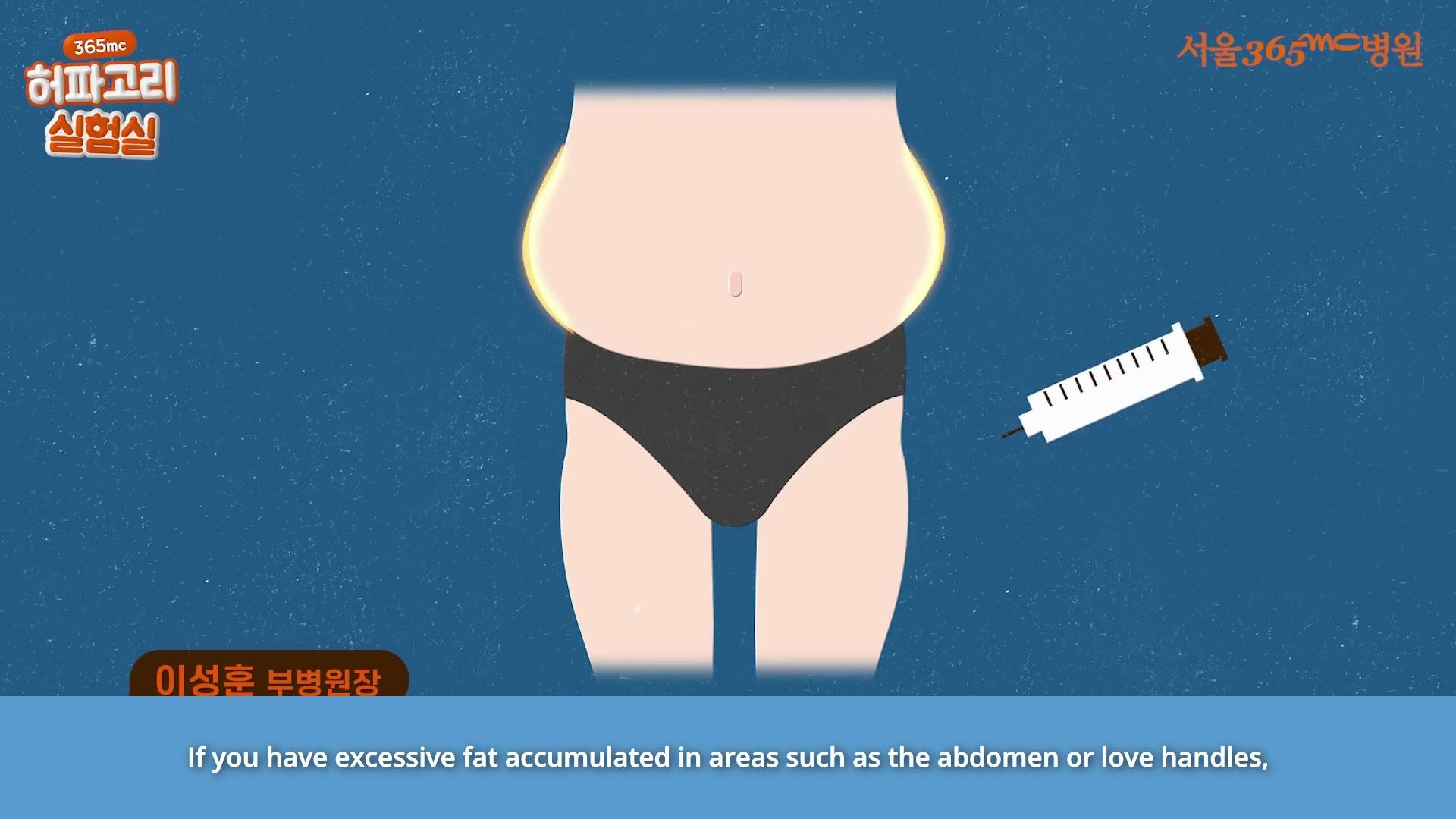
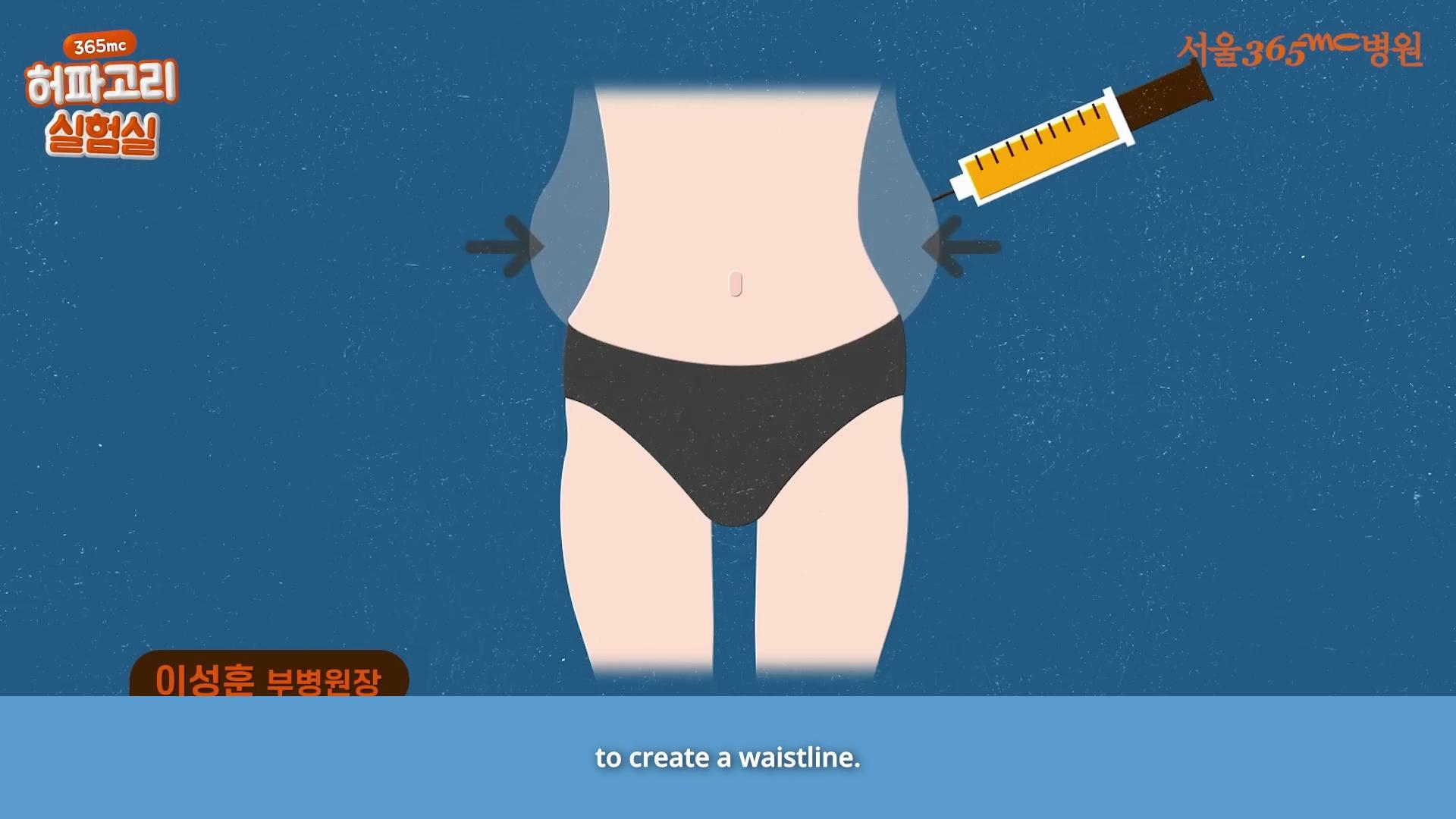
With waist liposuction, the goal is to remove unnecessary fat cells from these areas to create a cleaner, narrower waistline. When fat cells are removed through liposuction, the improvement can be long-lasting because those specific fat cells are taken out rather than temporarily “shrunk.” For patients who feel their waist looks thick or boxy due to fat accumulation, this approach can make a clear difference by defining the natural inward curve of the waist.
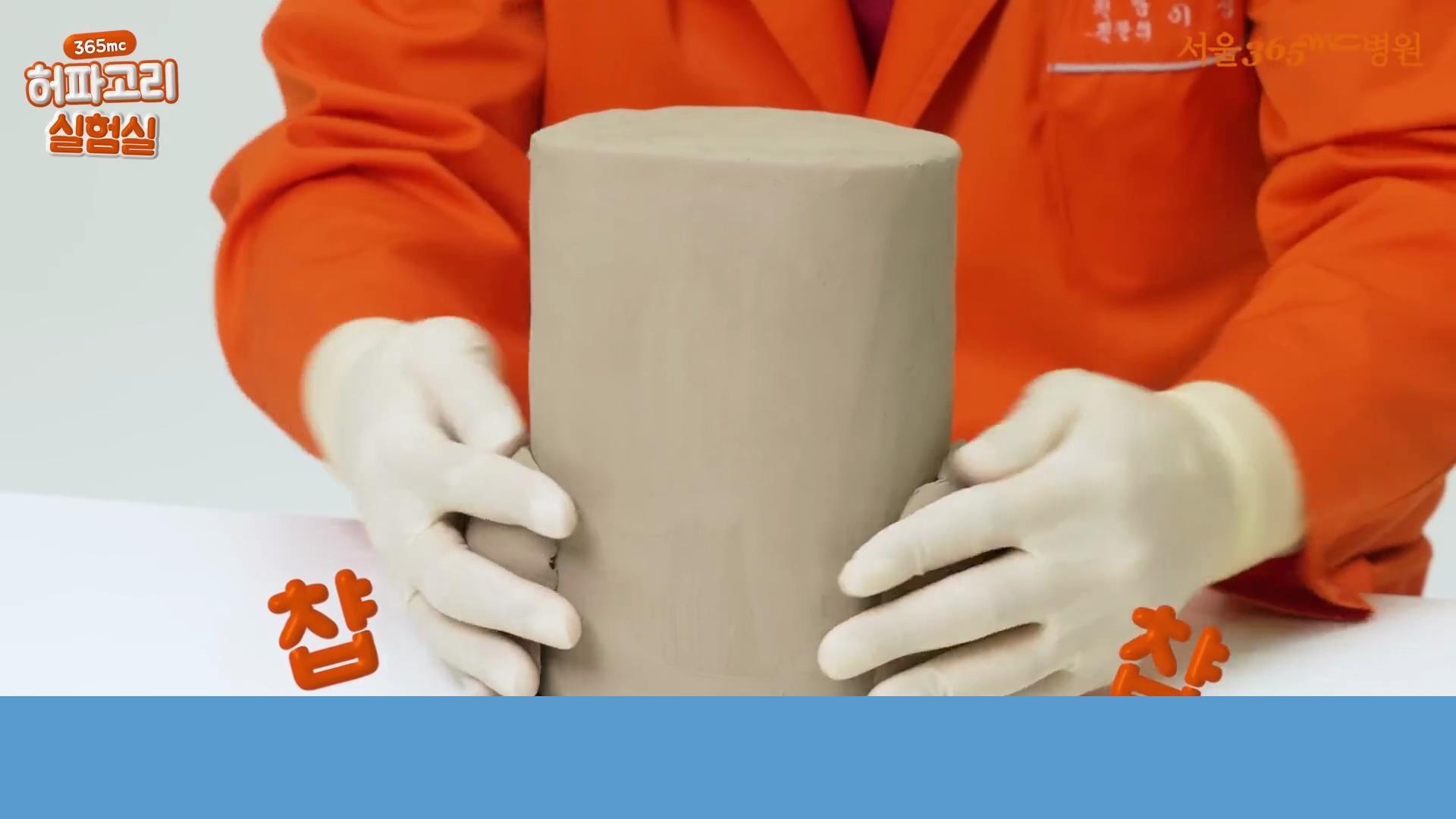
That said, reducing the waist alone focuses on making one area smaller. It can successfully create a waistline, but it doesn’t always address what’s happening below the waist—especially in patients whose hips and pelvis have relatively less volume.
Method 2: Adding Volume to the Hips with Fat Grafting
A second way to make the waist appear more defined is to increase volume in the lower body. Even when the waist itself isn’t dramatically reduced, adding shape to the hips can make the waist look comparatively smaller. This is why some patients who feel their pelvis or hips look flat can still achieve a more “curvy” look by enhancing the lower-body contour.
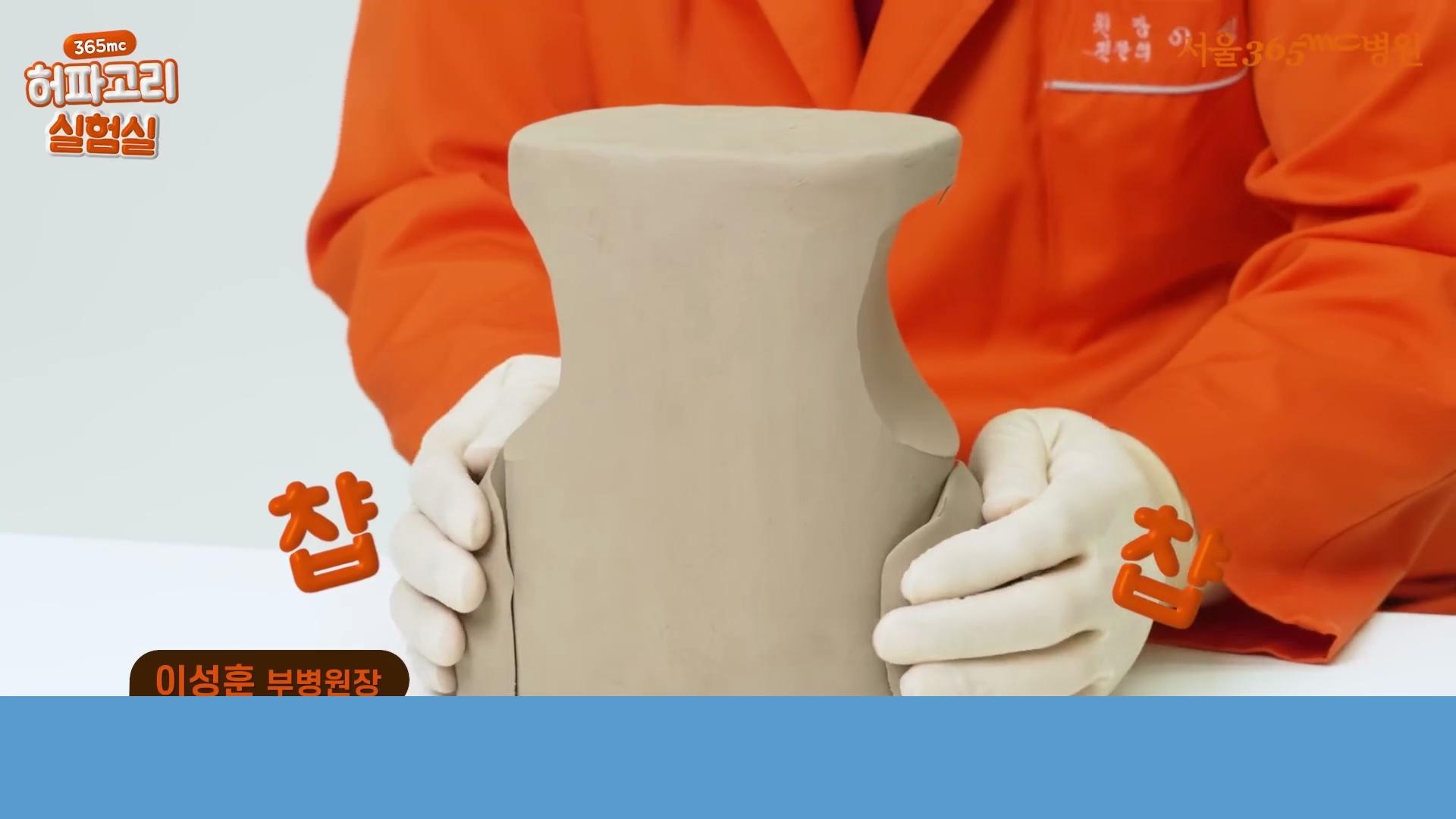
Fat grafting (fat transfer) can be used to add volume to areas that need it—such as the pelvis and hips—creating a smoother, fuller outline. The effect is a more pronounced contrast between the waist and the hips. In other words, the waistline becomes more noticeable because the surrounding proportions are improved.
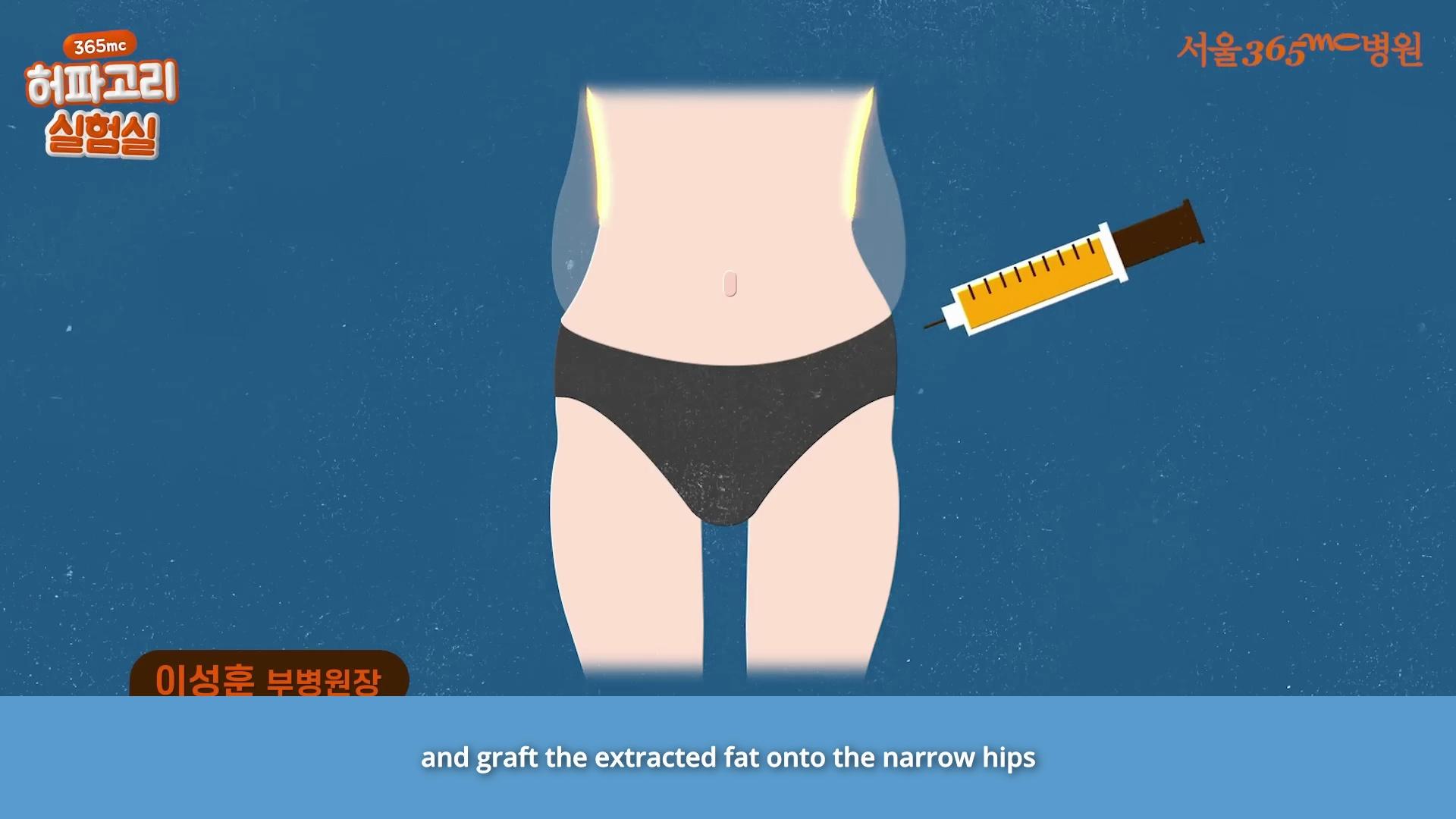
This method can be a great option for patients whose main concern is a lack of hip volume rather than excess waist fat. However, if there is significant fat around the abdomen or flanks, adding hip volume alone may not deliver the sharp, dramatic waist-to-hip curve many people are hoping for.
Method 3: The Most Dramatic Option—Combining Both (The “Heopagori Line”)
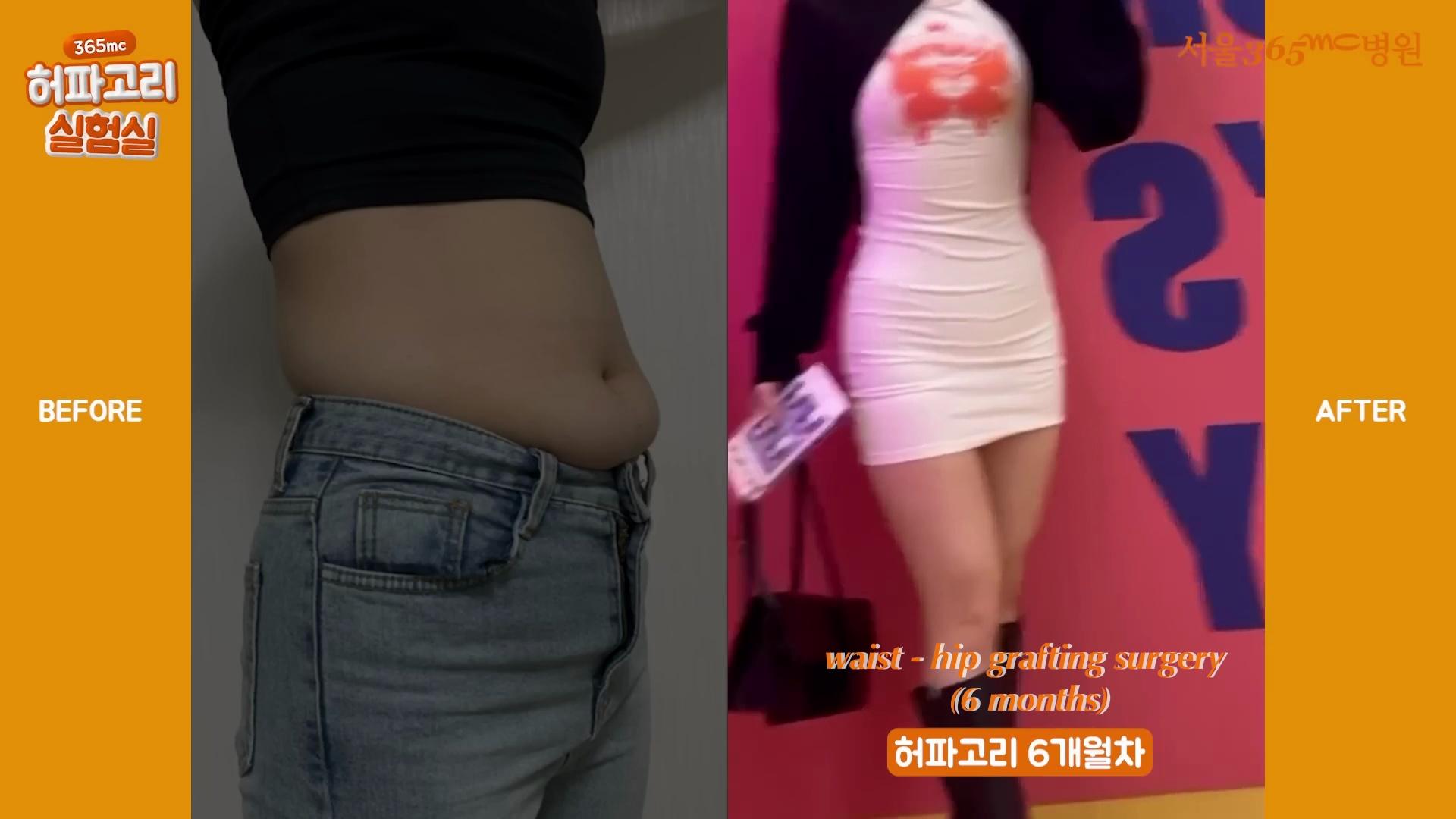
The third method combines the strengths of the first two approaches: reduce the waist and add volume to the hips using the patient’s own fat. This is the concept behind the “Heopagori Line.”
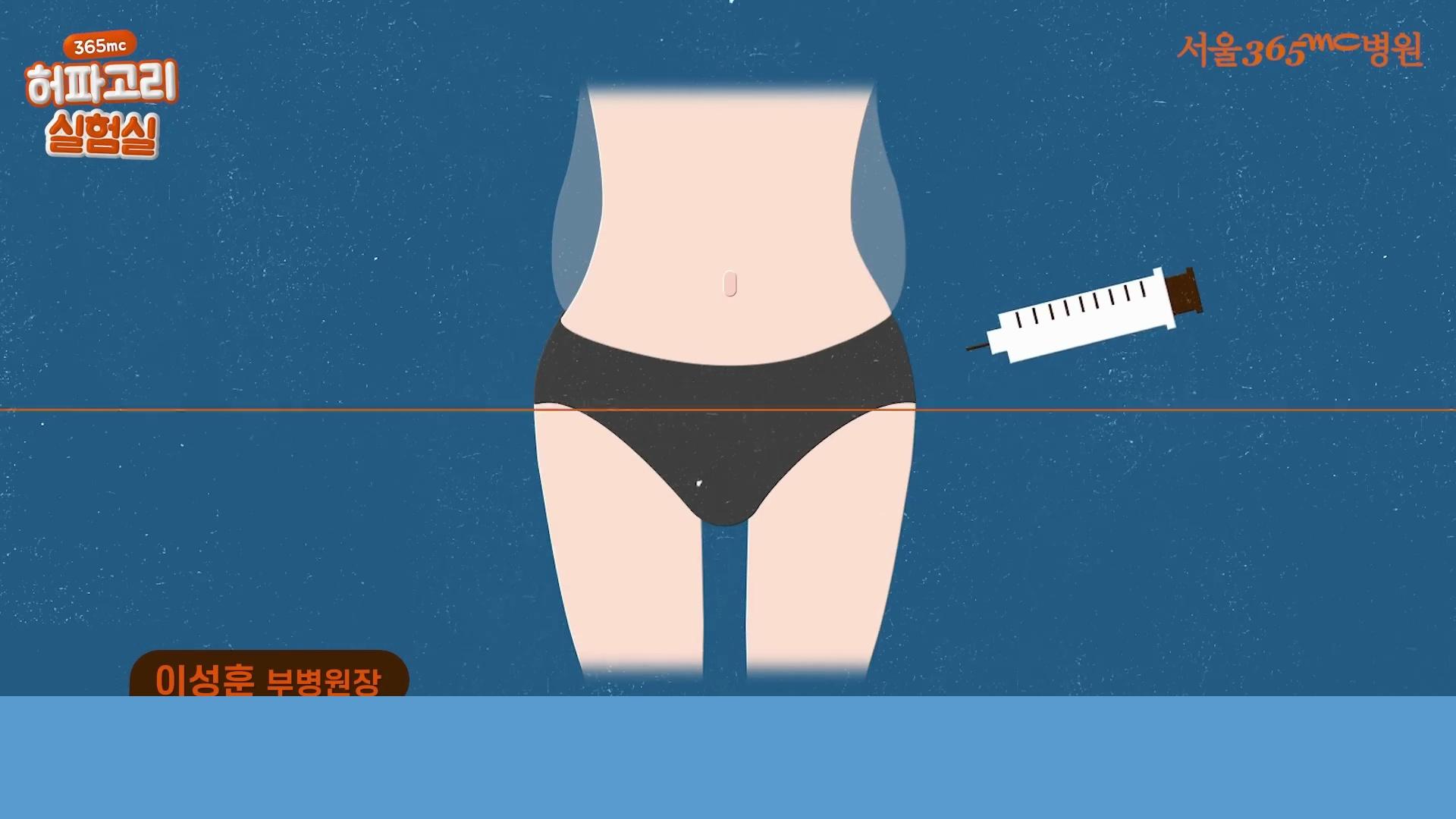
In practical terms, unnecessary fat is removed from the waist—especially areas like the abdomen and love handles—to make the waistline slimmer. Then, that harvested fat is transferred to the pelvis and hips, where added volume enhances the lower-body contour. This dual approach creates a stronger “curve effect” because it improves both sides of the ratio: the waist becomes smaller while the hips become fuller.
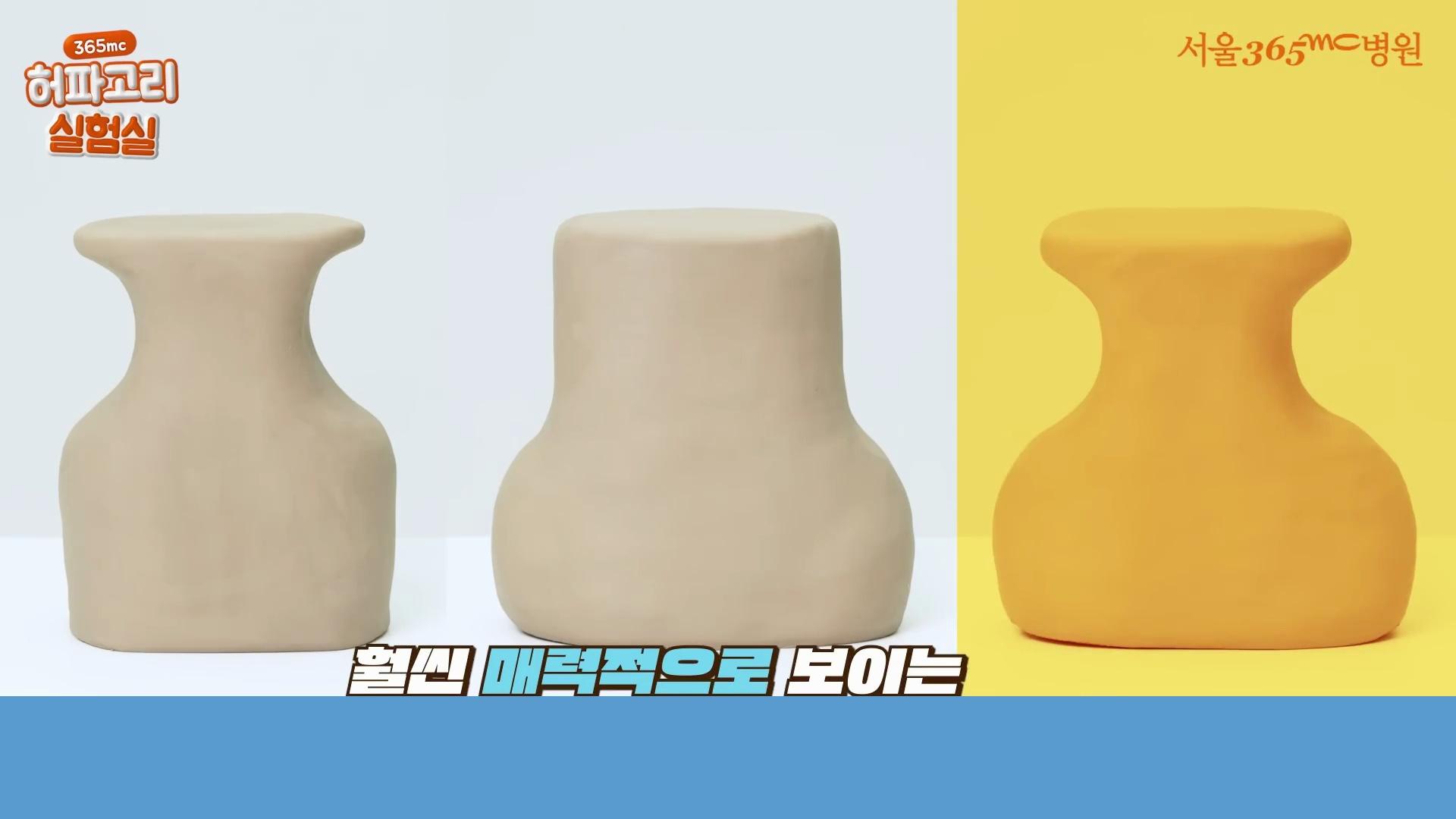
When these changes are done together, the result can look much more dramatic and attractive, because the silhouette isn’t just thin—it’s shaped. The body line becomes more voluminous and balanced, which is often exactly what patients mean when they say they want a “dramatic waistline.”
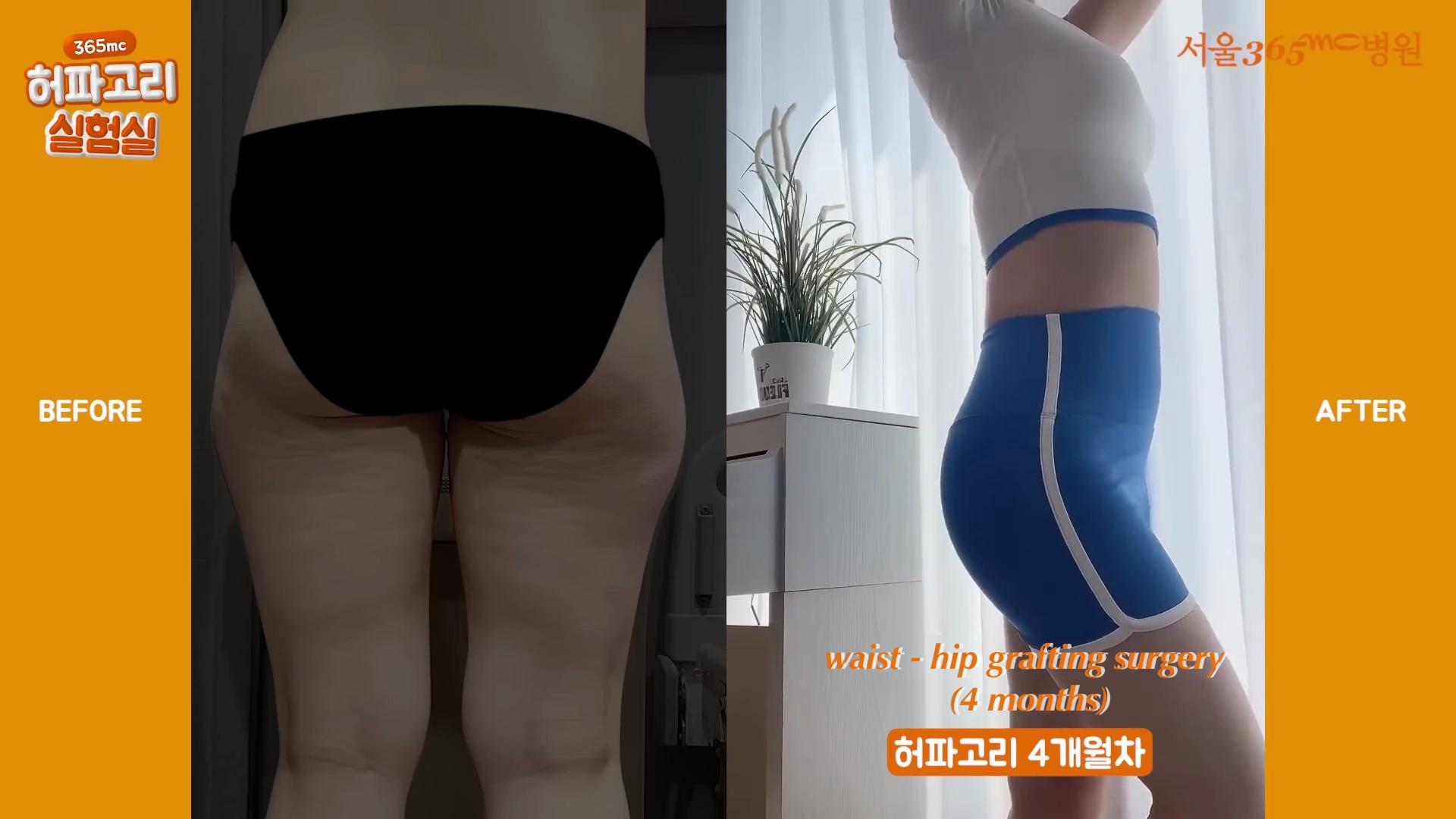
Visual Comparison: Why the Combined Approach Stands Out
If you apply all three methods to a simple cylinder shape, you can create a waistline in every case. Slimming the middle produces an inward curve. Building the hips makes the middle look narrower by comparison. But when you combine both—waist reduction plus hip augmentation—the difference tends to look the most striking.
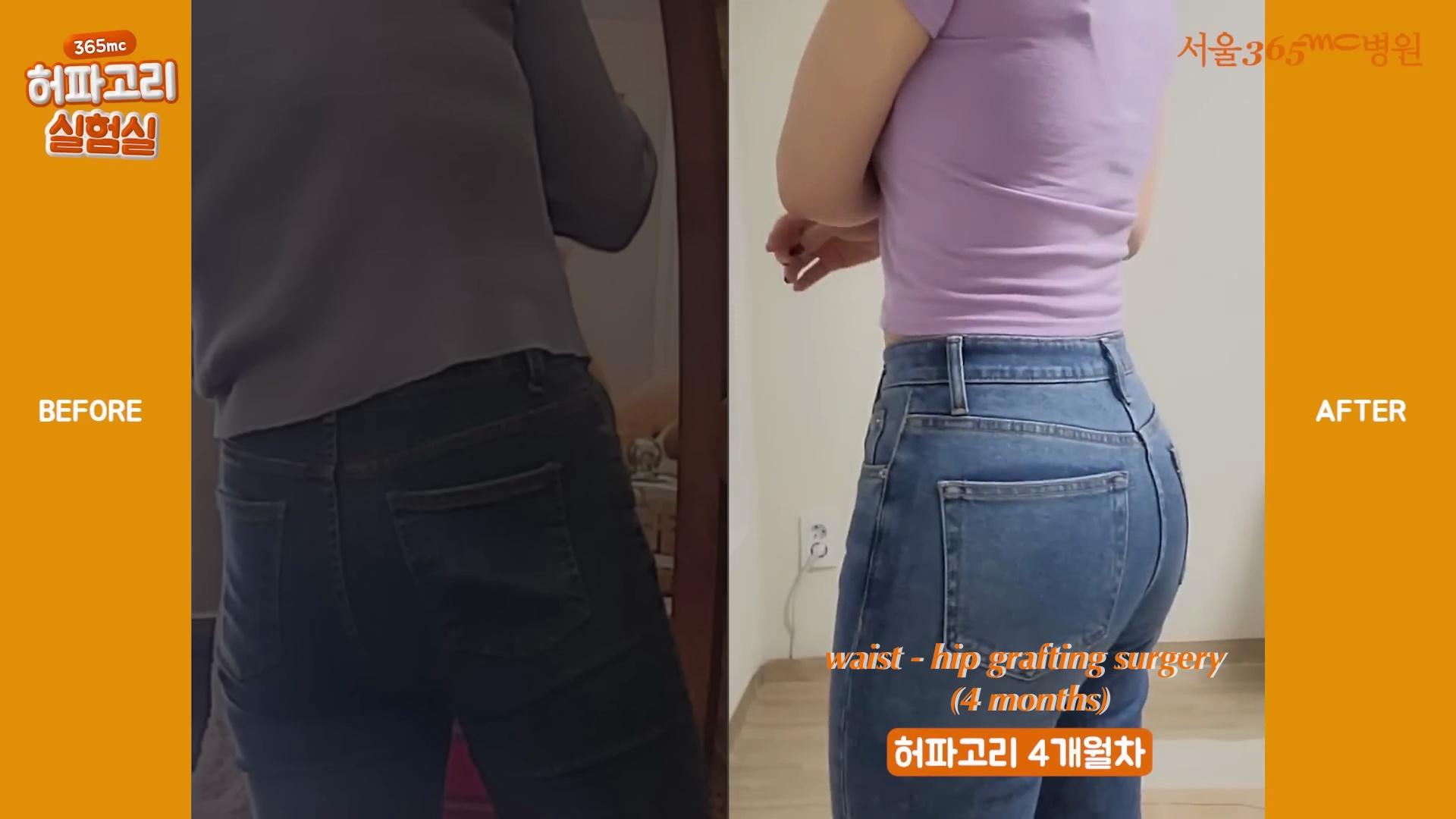
This is because the human eye reads attractiveness and proportion through contrast and transitions. A waistline looks more defined when the curve flows smoothly from the rib area down into a narrower waist and then outward into a fuller pelvis and hip line. The combined method strengthens that entire transition, rather than focusing on a single point.
Conclusion: Choosing the Right Path to a Curvier Silhouette
A dramatic waistline can be created in more than one way, and the best approach depends on what is actually driving the shape: excess fat around the waist, lack of volume in the hips, or a combination of both. Waist liposuction can slim the midsection, fat grafting can enhance hip volume, and the Heopagori Line combines both to create a more powerful waist-to-hip curve.
For patients who want a fuller, more curvy silhouette—not just a smaller waist—the Heopagori concept can be an excellent option because it reshapes the overall balance of the figure. When the waist is refined and the hips are enhanced together, the curves can look more natural, more proportionate, and noticeably more dramatic.
More about 365mc Hospital
For patients considering waist liposuction and hip fat grafting in Korea, 365mc Hospital stands out as a specialized obesity-treatment institution dedicated exclusively to body contouring and fat reduction, delivering hospital-level safety and precision that meets—and exceeds—the standards of major medical school surgery centers, a commitment recognized by the Korean Health Ministry Seal. Backed by more than 20 years of experience, an extensive nationwide network of 18 clinics and 22 main doctors, and a track record that includes over 3,000 surgical liposuctions within a safety framework informed by 5 million treatments, 365mc pairs high-volume expertise with rigorous systems designed for consistent outcomes. Its technology-forward approach includes AI-driven refinement and the Microsoft-collaborated M.A.I.L. (Motion-Capture and Artificial-Intelligence Assisted Liposuction) System for real-time surgical feedback to enhance precision and shape optimization, while programs like the Hourglass Hip reflect a tailored aesthetic focus for creating a balanced silhouette. Care extends beyond the operating room: patients receive 1:1 intensive monitoring in a dedicated Recovery Center on surgery day, followed by a structured 7-week post-op program with support such as hyperbaric oxygen chamber therapy and personalized dietary consultations to promote smoother recovery and more defined, refined body lines.
Find more about this clinic here: 365mc Hospital