Medical Tourism Blog
Smile Lines - Why is Radiesse Collagen Filler So Good? with Dr. Kim from Cellinique Clinic
Table of contents
- A Better Approach to Smile Lines
- Why I Choose Radiesse Over Traditional Smile Line Filler
- What Makes Radiesse Different From Other Collagen Stimulators
- How Radiesse Works in Smile Lines (The “Pillar” Concept)
- Safety, Technique, and the Real Story Behind Nodules
- Why Results Can Differ Between Clinics
- Why I Don’t Usually Choose Juvelook for Smile Lines
- The Best Advice Before You Treat Smile Lines
- Closing Thoughts: Natural Support, Not Just “More Filler”
- More about Cellinique Clinic
Considering treatment in Korea? Everything you need to know e.g. — how to avoid scams, visas, interpreters, recovery tips — in our Medical Tourism Master Guide. Plan with confidence in minutes, not weeks!
Disclaimer: The following is a guest post. The information and opinions expressed are not of koreaclinicguide.com but of Cellinique Clinic
A Better Approach to Smile Lines
Smile lines (nasolabial folds) can show up even when you’re young—especially if your mouth structure naturally creates creases and makeup tends to settle into them. I see this concern all the time in clinic, and it’s one of the most common reasons patients ask about filler. Over the years, my approach has changed: these days, I don’t rely on “regular” hyaluronic acid filler for smile lines. For this specific area, I most often reach for Radiesse.
The reason is simple: smile lines aren’t just a static “dent” that needs to be filled. They’re part of a high-movement zone with strong facial muscles, frequent expression, and constant friction. To get results that look natural and feel satisfying—both immediately and over time—I prefer a product and a technique that match how this area actually behaves.

Why I Choose Radiesse Over Traditional Smile Line Filler
I still use hyaluronic acid fillers in other parts of the face, because they’re excellent tools when used in the right place. But for smile lines, I repeatedly saw the same challenges with conventional HA filler.

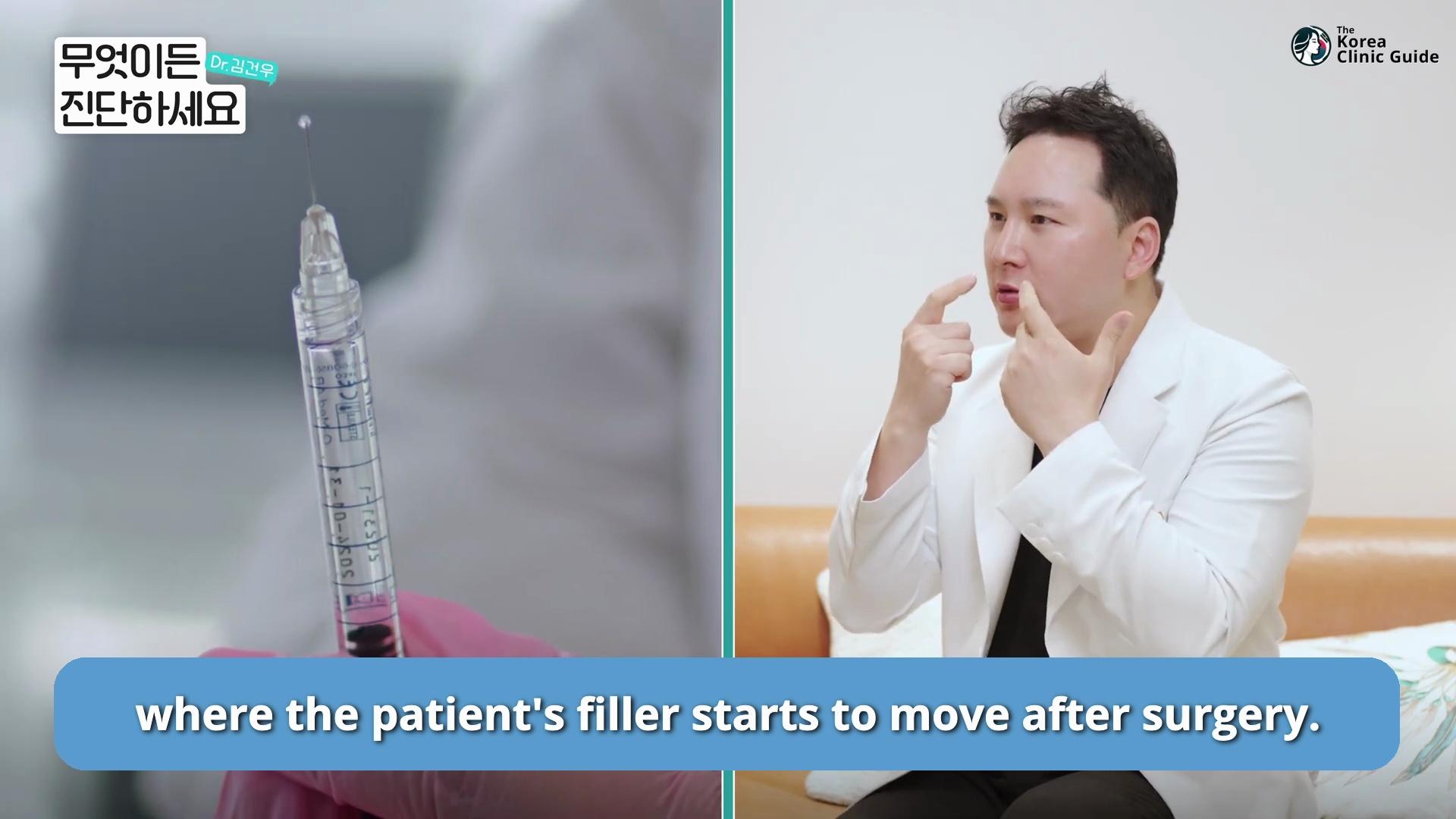
First, HA filler naturally breaks down with time, and smile lines can metabolize faster than patients expect because the area moves so much. Second, migration complaints are more common around the mouth than many people realize—patients will often say, “I got smile line filler and it shifted.” Third, from an injector’s perspective, this region demands extra care because there are important blood vessels near the nose and mid-face. Any filler procedure requires skill, but the nasolabial area is one where technique and anatomical knowledge matter even more.
Radiesse lets me address those realities differently. It can provide an immediate improvement while also working as a collagen stimulator—so the goal isn’t only to “place gel,” but to encourage your tissue to rebuild support in a more durable way.

What Makes Radiesse Different From Other Collagen Stimulators
Collagen stimulators have become a major trend—and for good reason. Instead of relying entirely on a substance that sits there until it dissolves, collagen stimulators encourage your body to create its own structure over time.
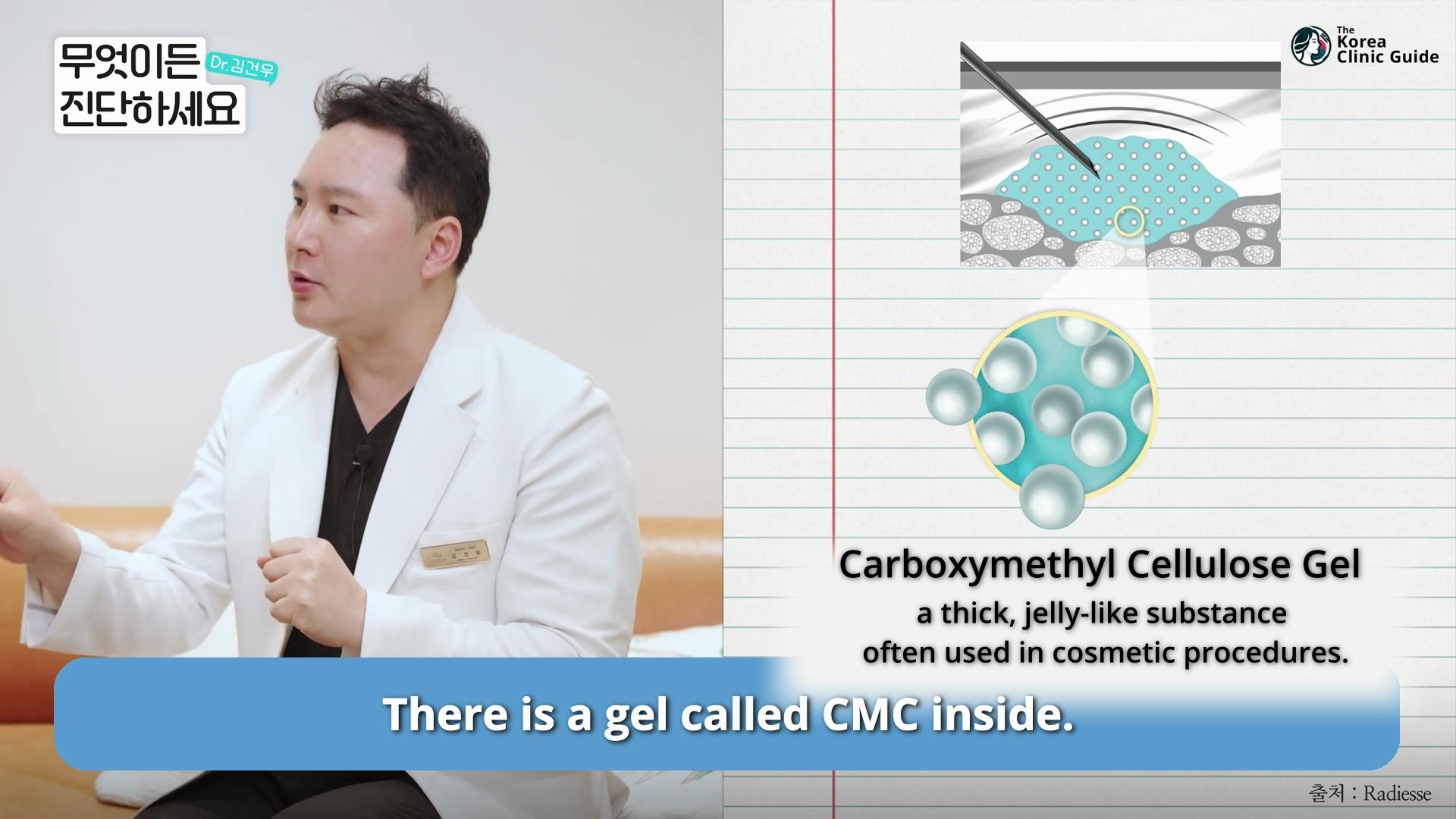
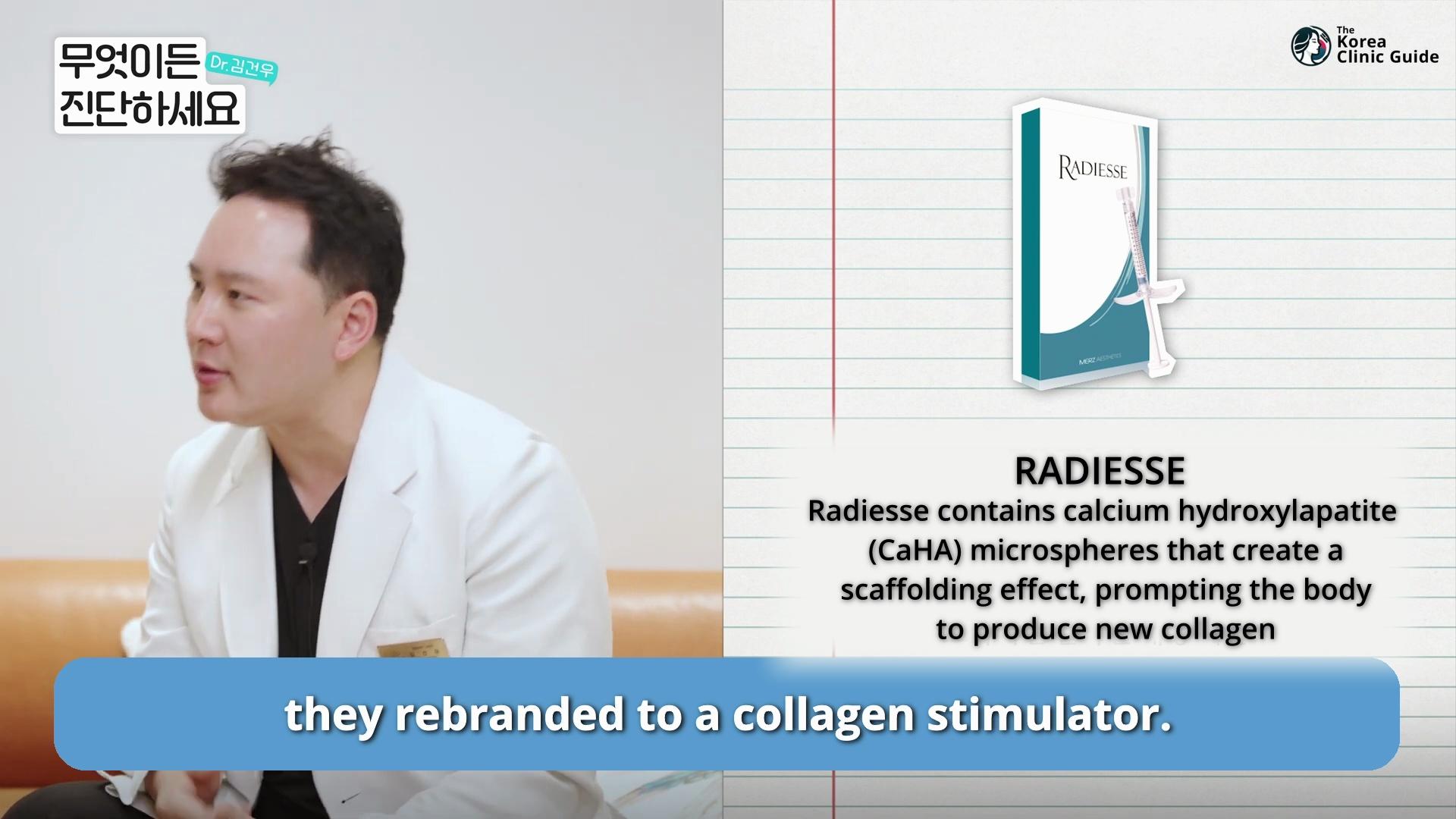
Radiesse is made with calcium hydroxylapatite (CaHA) in a gel carrier. That combination is important in smile lines. Other collagen stimulators exist, including PLLA-based products (many people know names like Sculptra, and in Korea patients often ask about Juvelook-type products as well). These can be great choices in the right areas.
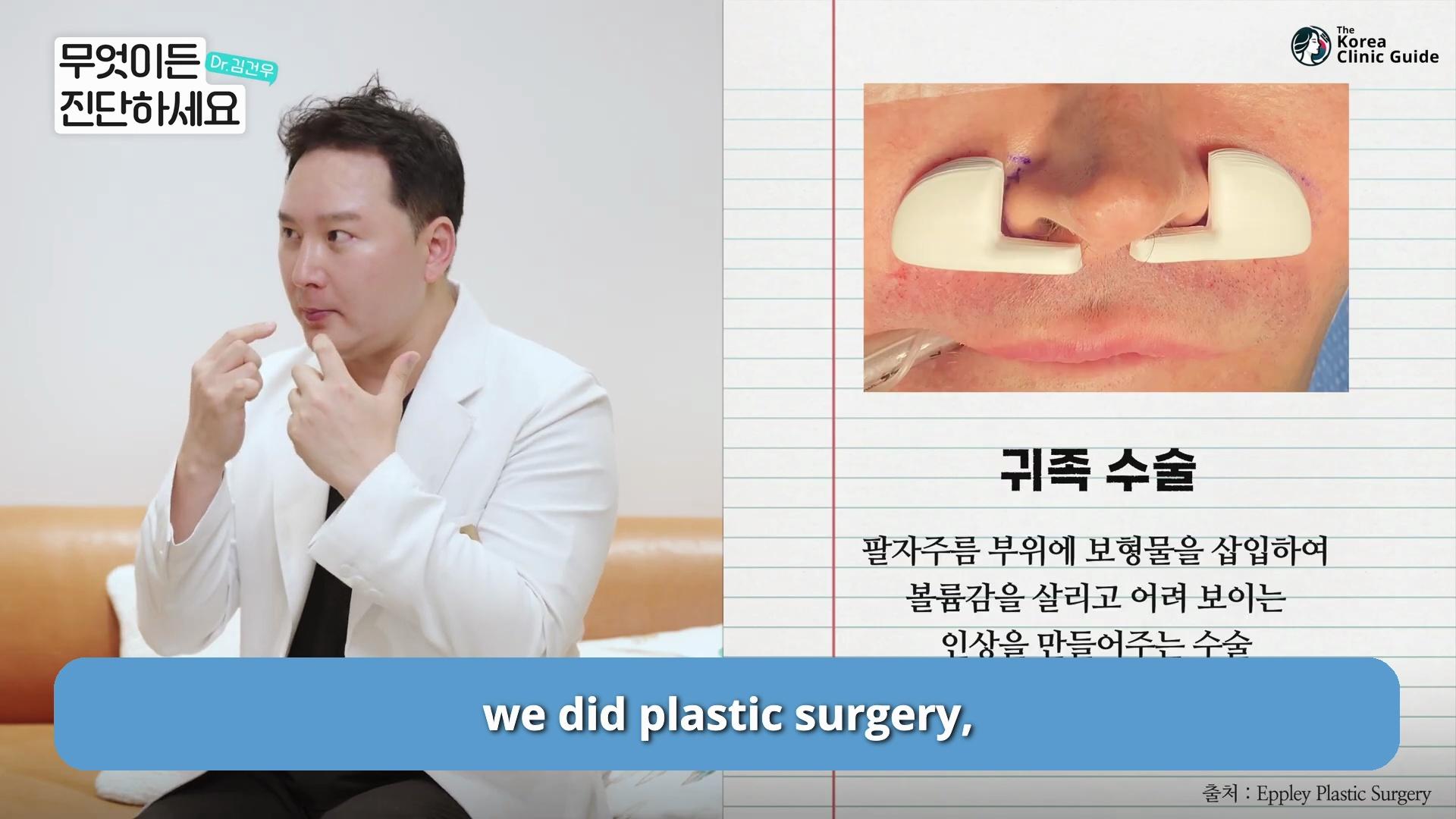
But smile lines often need a very particular kind of support. Historically, surgeons even used implant-based approaches for this area—placing a small implant to create an internal “lifting” or “tenting” effect. That old concept points to what the anatomy needs: a supportive scaffold underneath.
This is where Radiesse stands out for nasolabial folds. Even when diluted products can stimulate collagen, they may not give the same satisfying scaffold-like structure right away in this specific region. Many patients want to see improvement immediately after the procedure—not just in a month.
How Radiesse Works in Smile Lines (The “Pillar” Concept)
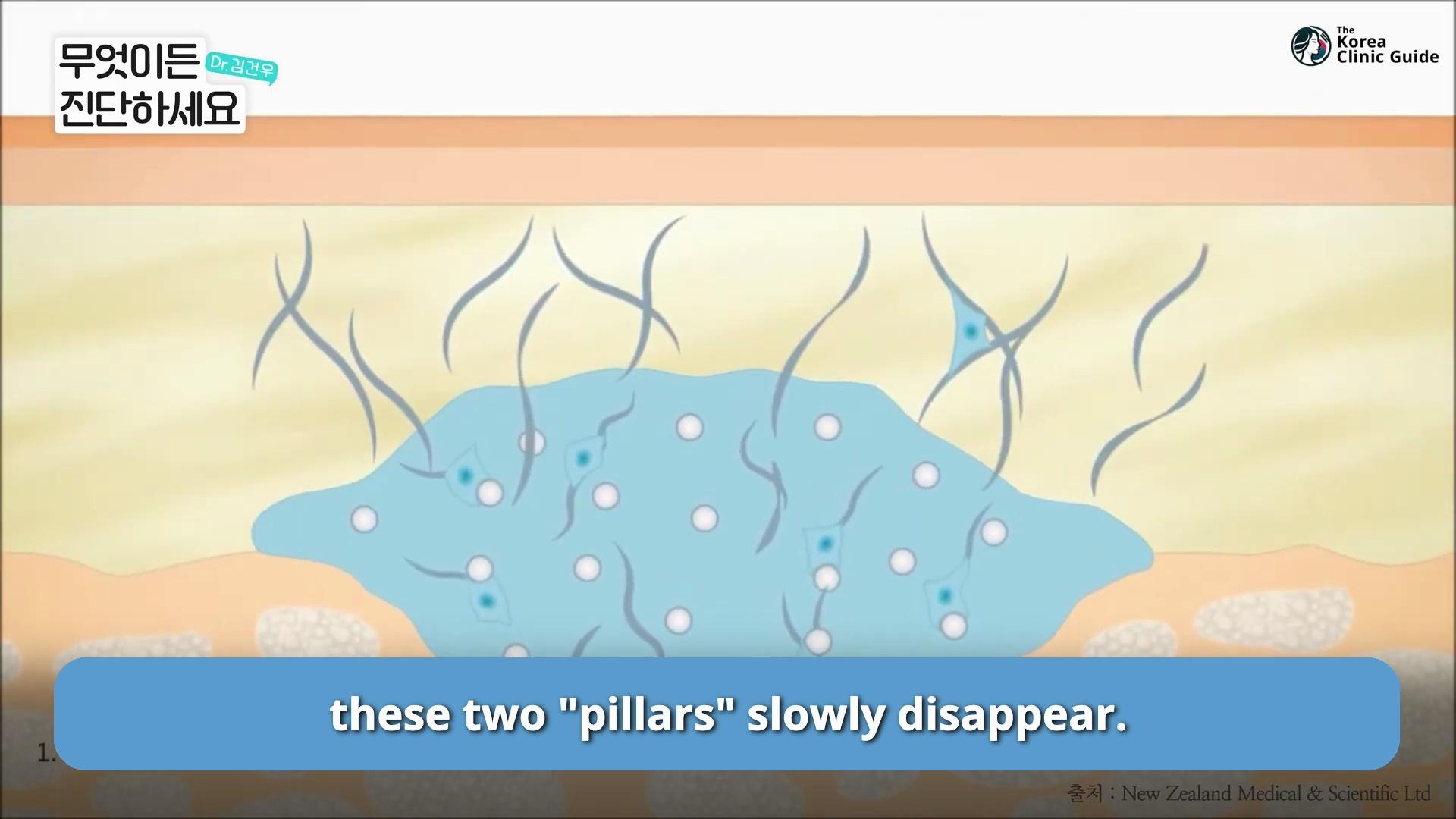
When I treat smile lines with Radiesse, I think in terms of building support rather than simply “filling a groove.” Practically, that means placing the product in a way that creates two supportive columns—like subtle internal pillars that hold the fold up.
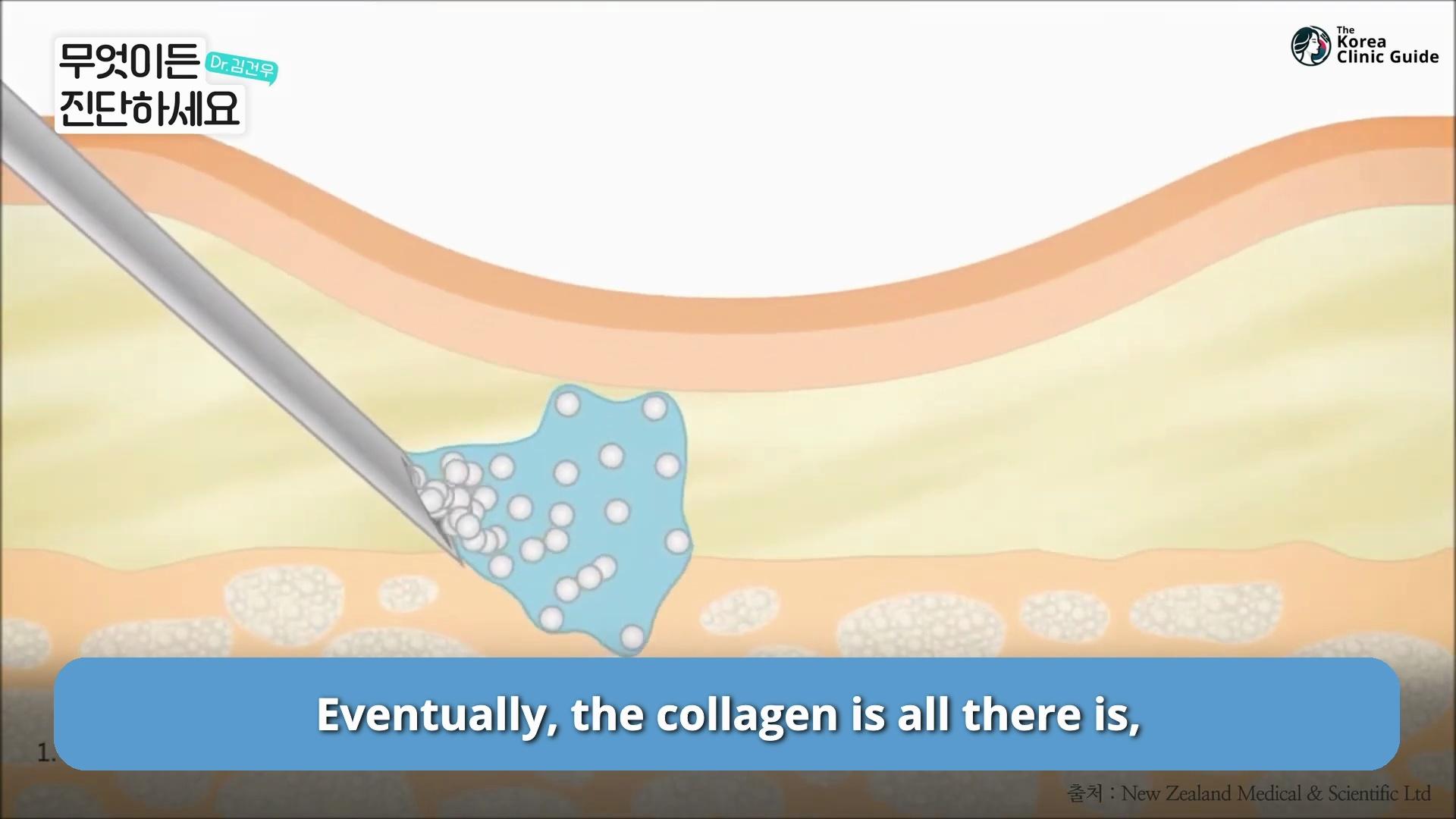
Right after treatment, patients usually see noticeable improvement because the gel provides immediate volume and structure. Then the longer-term process starts. Over the next several weeks (often around one month), the gel carrier gradually diminishes. During that time, the CaHA stimulates the surrounding tissue to generate collagen.
I often explain it as a shifting ratio over time: immediately after treatment, the visible improvement is mostly from the gel scaffold with a smaller portion coming from early tissue response. As weeks pass, the gel fades and your own collagen takes over more of the “work.” The goal is that when the carrier disappears, it has effectively been replaced by your body’s collagen—so the result doesn’t feel like it suddenly “deflated,” but instead transitions into a more biologic, tissue-based support.

This is one of the key reasons patient satisfaction tends to be high: you can get that immediate “wow” while still working toward a gradual, collagen-driven improvement.

Safety, Technique, and the Real Story Behind Nodules
Patients often ask me two big questions: “Is it safe in the smile line area?” and “What about nodules?”
In my experience, Radiesse can be used safely here—but technique is everything. Nodules are the issue people worry about most, and they can happen if the product is injected too superficially or if too much is used. This is exactly why I emphasize finding an experienced injector who understands dose, depth, and anatomy.
There’s also a personal, biological factor: because Radiesse stimulates collagen, different patients respond differently. Age, overall health, skin quality, and prior procedures can all influence the result. If someone uses a fixed recipe on every face—same dilution, same amount, same placement—that’s when problems like nodules become more likely.
It’s also important to understand what a “nodule” actually is in this context. Many times, it’s simply collagen that formed more strongly than intended in a specific spot, making it palpable. The product did what it was designed to do—stimulate collagen—but the plan (dose, depth, location) wasn’t matched precisely enough to the patient.

Why Results Can Differ Between Clinics
One of the most interesting patterns I see is when patients come in after trying Radiesse elsewhere and say, “It didn’t work—just use a different filler.” And then, after we do it with a different approach, the result is completely different.
That’s not magic—it’s technique. With the same CaHA product, outcomes can vary dramatically depending on where it’s placed, how much is used, the depth of injection, and whether adjacent areas are also assessed.
Smile lines rarely exist alone. As the face changes with age, the corners of the mouth and lower cheek area can contribute to the fold’s appearance. For example, the DAO (depressor anguli oris) region and nearby hollowing can deepen the overall impression of smile lines. In some patients, this area responds especially well to Radiesse, but it can also be a place where nodules occur if the injector doesn’t adjust the amount carefully. Small amounts, correct depth, and a tailored plan make a major difference.

Why I Don’t Usually Choose Juvelook for Smile Lines
Patients often ask whether they should “avoid” products like Juvelook. I don’t see it that way. I use different products for different anatomical goals.
Juvelook and similar collagen-stimulating options can be excellent—particularly in areas where a softer volumizing approach is ideal and where patients don’t require the same immediate scaffold effect. But for smile lines, many patients want a certain amount of volume right away, and they want the improvement to remain stable rather than feeling like it drops dramatically after the initial swelling or water component settles.
With some diluted stimulators, it can look great at first and then appear to deflate after a day or two. Even if the long-term collagen effect is coming, that early “drop” can be emotionally disappointing—because when you come in for a procedure, you naturally want to see a satisfying change.
For that reason, when the primary concern is nasolabial folds, Radiesse is usually my first choice.
The Best Advice Before You Treat Smile Lines
If you’re considering Radiesse for smile lines, the most important step is not choosing a trendy product—it’s choosing the right plan and the right hands.

A thorough consultation matters. I always want to know your health history and exactly what you’ve done before (if anything), because those details affect how your tissue may respond. I also want the treatment to look natural, not overdone, and to fit your face dynamically—when you smile, speak, and move.
Radiesse can produce excellent, natural-looking improvement in smile lines, with both immediate satisfaction and gradual collagen support. But because it’s powerful, it demands precision: correct dose, correct depth, and patient-specific customization.
Closing Thoughts: Natural Support, Not Just “More Filler”
Smile lines are one of those areas where “more filler” is not always the best answer. The real goal is support—placed thoughtfully—so the face looks smoother without looking puffy or unnatural.

That’s why, for nasolabial folds, I prefer Radiesse: it provides an immediate scaffold-like improvement and then transitions into collagen-based support over time. When it’s done with careful technique and an individualized plan, it can be one of the most satisfying options for treating smile lines in a safe, natural way.
More about Cellinique Clinic
For those considering Radiesse collagen stimulation for smile lines in Korea, Cellinique Clinic in Gangnam, Seoul stands out as a premium stem cell–focused medical clinic that approaches facial rejuvenation through the broader lens of immunity, regeneration, and natural-looking restoration. As a one-doctor clinic fully led by Dr. Chris Gunwoo Kim, Cellinique emphasizes 100% personalized planning—balancing Radiesse to support collagen and elastin with complementary regenerative options such as PRP, exosomes, stem cell fat grafting, and health-oriented programs including blood purification and NK cell therapy when appropriate—so treatment can be tailored to both facial structure and overall condition. Dr. Kim is widely recognized in stem cell medicine, having delivered anti-aging and tissue-regeneration lectures (including on high-concentration blood cell zones and SDF-1alpha) across Asia in 2024 and presenting Cellinique’s proprietary NovaStem Kit, a minimally manipulated cell biotechnology for anti-aging, at KOAT in 2025—credentials that reflect the clinic’s research-driven, regeneration-first philosophy for improving smile lines with refined, natural results.
Find more about this clinic here: Cellinique Clinic