Medical Tourism Blog
Effective Periodontitis Treatment Procedures in Korea for Healthy Gums
Table of contents
- Comprehensive Periodontal Disease Treatment Options
- Best Clinics in Korea for Periodontitis
- Navigating Periodontal Treatment as a Medical Tourist in South Korea
- Cost Analysis: Periodontal Treatment in South Korea vs. Global Destinations
- Patient Journeys: Real-World Outcomes of Periodontal Treatment
- Conclusions
- References
Considering treatment in Korea? Everything you need to know e.g. — how to avoid scams, visas, interpreters, recovery tips — in our Medical Tourism Master Guide. Plan with confidence in minutes, not weeks!
Periodontitis is a serious gum infection that can lead to bone loss and poses a major threat to both oral and overall health. This guide offers an in-depth look at periodontitis, how it’s treated, and what patients should consider—especially those exploring medical tourism options in South Korea.
Periodontitis (pronounced per-e-o-don-TIE-tis) is a severe gum infection that, if untreated, gradually destroys the soft tissue around teeth and the bone supporting them. This damage can cause teeth to loosen and eventually fall out, making periodontitis the leading cause of tooth loss in adults. The disease involves inflammation and infection of the ligaments and bones that hold teeth in place.
You might hear periodontitis referred to as "gum disease" or "pyorrhea," but it’s important to distinguish it from gingivitis, the milder, early stage of gum disease. Gingivitis causes gum irritation and swelling but is reversible with professional care and good oral hygiene before bone loss begins. Once periodontitis develops, the damage to bone and supporting fibers is permanent. This highlights why early treatment is crucial—ignoring symptoms like bleeding gums can lead to irreversible damage requiring more complex care. The dental specialty focused on these conditions is Periodontology.
Periodontitis can appear in different forms:
- Aggressive Periodontitis: Rapid progression even in healthy individuals.
- Chronic Periodontitis: The most common form, progressing slowly.
- Side Effect Periodontitis: Linked to systemic diseases.
- Necrotizing Periodontitis: Characterized by death of gum and bone tissue.
Causes and Progression
Periodontitis usually starts with poor oral hygiene, allowing plaque—a sticky bacterial film—to build up at the gum line. If not removed by brushing and flossing, plaque hardens into tartar (calculus) below the gum line, which only a dentist can remove. The longer plaque and tartar remain, the more damage bacteria cause.
Bacteria trapped in deepening "periodontal pockets" between gums and teeth trigger chronic inflammation. This inflammation breaks down the periodontal ligaments, soft tissues, and alveolar bone supporting the teeth.
Certain factors increase the risk of periodontitis:
- Smoking: The biggest environmental risk factor, smoking worsens bone and attachment loss and hampers healing.
- Systemic Diseases: Diabetes, rheumatoid arthritis, Crohn’s disease, leukemia, and HIV/AIDS all raise susceptibility. Periodontitis and systemic diseases influence each other, making holistic care essential.
- Medications: Some drugs cause dry mouth or gum changes that promote disease.
- Genetics: Family history can increase risk.
- Rare Syndromes: Conditions like Ehlers-Danlos and Papillon-Lefèvre syndromes are linked to periodontitis.
Recognizing the Symptoms
Healthy gums are firm, snug around teeth, and range from light to dark pink or brown. Signs of periodontitis include:
- Swollen, puffy gums that may be bright red, dark red, or purple.
- Tender gums.
- Gums that bleed easily during brushing, flossing, or eating.
- Persistent bad breath or a metallic taste.
- Pus between teeth and gums.
- Loose teeth or tooth loss.
- Pain when chewing.
- New gaps between teeth ("black triangles").
- Gums pulling away from teeth (recession), making teeth look longer.
- Changes in how teeth fit together when biting.
Early symptoms often mimic gingivitis and can be painless, which may delay diagnosis. Many people wrongly think bleeding gums are from brushing too hard, but healthy gums don’t bleed. This makes patient education and regular dental visits vital for catching problems early.
Potential Complications Beyond Oral Health
If untreated, periodontitis can cause severe tooth loss, gum abscesses, jawbone infections, and shifting or flaring of teeth. The disease can also recur without proper management.
Beyond the mouth, bacteria and inflammation can enter the bloodstream, affecting other body systems. Periodontitis has been linked to:
- Respiratory diseases.
- Rheumatoid arthritis.
- Coronary artery disease (heart disease).
- Adverse pregnancy outcomes like preterm birth and low birth weight.
- Poor blood sugar control in diabetes.
Because periodontitis is a chronic inflammatory condition, it can strain the immune system and worsen other chronic illnesses. Treating it is about more than saving teeth—it’s about protecting overall health.
Comprehensive Periodontal Disease Treatment Options
The main goals of periodontal treatment are to reduce inflammation, eliminate deep gum pockets, and address underlying causes. Successful care stops disease progression, improves gum health, prevents further tooth and bone loss, and restores confidence in your smile. Treatments fall into non-surgical and surgical categories, depending on disease severity and patient health.
Non-Surgical Approaches
Non-surgical treatments work well for early gum disease like gingivitis or mild periodontitis.
- Dental Prophylaxis (Routine Cleaning): A standard professional cleaning removes plaque and tartar above the gum line. Combined with good home care, it can reverse gingivitis. High-risk patients may need more frequent cleanings.
- Scaling and Root Planing (Deep Cleaning): This thorough cleaning removes plaque and tartar from above and below the gum line, down to the bottom of periodontal pockets. The roots are then smoothed to help gums reattach and reduce bacterial buildup. Usually done under local anesthesia, it may take one or more sessions. Variations include Full Mouth Debridement for heavy buildup and Laser Scaling and Root Planing, which uses lasers for gentler, precise cleaning. After treatment, gums may be tender or bleed slightly, and antibiotics may be prescribed.
- Antibiotic Therapy: Antibiotics can be topical (gels or rinses placed in pockets) or oral (like low-dose doxycycline) to fight infection, especially in moderate to severe cases.
- Laser Periodontal Therapy: A periodontist uses a laser to remove diseased tissue and bacteria under the gums without incisions or sutures. This minimally invasive method reduces pain and swelling and speeds recovery, making it popular for patients seeking comfort and efficiency.
Surgical Interventions
Surgery is usually needed for moderate to advanced periodontitis when non-surgical care isn’t enough. Modern surgery aims not just to control infection but to regenerate lost tissue and bone.
- Pocket Reduction Surgery (Flap Surgery): The gums are gently lifted to expose roots and bone for deep cleaning. Damaged bone may be reshaped to reduce pockets. The gums are then sutured back.
- Bone Grafting: This replaces lost bone to support teeth or implants and improve appearance. Grafts can come from the patient (autogenous), synthetic or donor bone (allograft), or bovine sources (xenograft). Techniques like guided tissue regeneration, tissue-stimulating proteins (Emdogain), or platelet-rich growth factors (PRGF) help bone grow. Bone grafting is often combined with pocket reduction surgery. Post-op soreness is managed with painkillers and ice.
- Gum Grafting: Used to restore gum tissue lost to recession, covering exposed roots to reduce sensitivity, prevent decay, and improve aesthetics. Types include connective tissue grafts (from under the palate), free gingival grafts (from the palate surface), pedicle grafts (nearby tissue), or donor tissue. The procedure is done under anesthesia, with sutures securing the graft. Recovery involves soft foods, antimicrobial rinses, antibiotics, and pain relief, with healing taking weeks to months.
- Guided Tissue Regeneration: A barrier membrane prevents gum tissue from growing into bone defects, allowing bone to regenerate. Often combined with bone grafts, this procedure helps restore the tooth’s supporting structures.
Advanced cases often require combining these surgeries for the best results, highlighting the need for expert diagnosis and treatment planning by a skilled periodontist.
Best Clinics in Korea for Periodontitis
Listed below are the best clinics in Korea for periodontitis:
| Clinic Name | Key Features | Special Techniques |
|---|---|---|
| Gangnam Gentle Dental Clinic | Gangnam Gentle Dental Clinic in Seocho-gu, Seoul offers a patient-centered option for periodontitis (gum disease) care, combining thorough consultations with treatment plans tailored to each individual’s needs. Dr. Travis Kim, who studied at Ohio State University and St. Johnsbury Academy, speaks fluent English, making the clinic especially accessible for international patients who want clear communication and reassurance throughout diagnosis and gum treatment. Committed to honest and safe care, the clinic is open on both weekdays and weekends and provides emergency dental treatment to fit different schedules. With an emphasis on reducing the overall treatment period and minimizing unnecessary visits, the team uses advanced digital equipment for precise examinations and recommends only essential procedures. Patients can also expect a strong infection-prevention and sterilization system, along with an approach focused on minimal pain and maximum comfort, supporting a clean, safe environment during periodontitis care and other dental services. | Advanced digital equipment for precise examinations; infection-prevention and sterilization system; emphasis on minimal pain and maximum comfort |
| Minish Dental Hospital | Minish Dental Hospital in Gangnam, Seoul is Korea’s premier dental hospital and one of the most highly awarded clinics in Asia, trusted by expats and international patients for everything from family dentistry to cosmetic treatments and one-day smile makeovers. Its 14-floor facility is designed to deliver world-class care with no language barriers, supported by an in-house laboratory and even its own technology company that drives the latest advancements in dentistry. With 113,118 cases, 84,504 hours of research and development, and a team of 102 top dentists and technicians, Minish is also well known among celebrities—including major K-pop groups such as BLACKPINK and NewJeans—reflecting its reputation for both clinical excellence and patient-focused service. - Specialized periodontal therapy focused on preserving gum and bone health, with treatment plans tailored to the severity of gum disease and long-term maintenance needs - Advanced diagnostic and treatment capabilities supported by 19 state-of-the-art dental equipment systems, helping clinicians plan precise care for periodontitis-related issues - In-house laboratory and proprietary technology development, enabling high consistency, quality control, and access to the newest techniques that support comprehensive periodontal rehabilitation - Strong clinical depth: 102 dentists and technicians, plus extensive experience reflected in 113,118 total cases and 84,504 hours of R&D - Solutions for periodontitis-associated aesthetic and functional concerns, including Pink Minish for receding gums and severe periodontal issues, as well as implant and prosthodontic options when tooth loss occurs - Truly comprehensive care under one roof in a 14-floor hospital setting, allowing coordinated treatment that can combine periodontal therapy with restorative, orthodontic, and bite/TMJ management when needed - International-patient friendly environment with no language barriers, making periodontal evaluation, informed consent, and follow-up care clearer and more comfortable - Patient-centric philosophy emphasizing honest, ethical, highly personalized treatment—important for periodontitis, where long-term success depends on careful planning and ongoing support | Specialized periodontal therapy; Pink Minish for receding gums; implant and prosthodontic options; 19 state-of-the-art equipment systems; in-house laboratory and proprietary technology development; 102 dentists and technicians; 113,118 total cases; 84,504 hours of R&D; international-patient friendly environment; patient-centric philosophy |
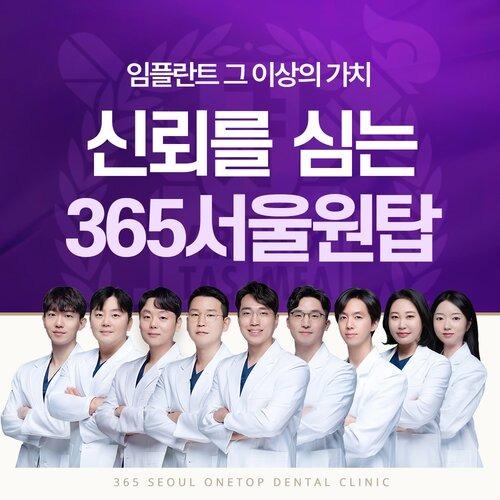
| 365SeoulOneTop Dental Clinic | 365SeoulOneTop Dental Clinic in Hwagok provides specialist-led care with detailed planning and careful, patient-centered treatment—an approach that is especially important for periodontitis, where long-term stability depends on precise diagnosis, step-by-step management, and protecting the supporting bone and gums. The clinic offers advanced dental surgery and restorative options designed around function and aesthetics, with comprehensive analysis of bite balance and facial harmony to help patients maintain comfortable chewing and speaking after treatment. For periodontitis patients who require tooth replacement or complex rehabilitation after gum and bone damage, the clinic provides implant dentistry with precise computer-based planning and restoration design for stable function and a natural appearance, including full-mouth implants and complex implant surgery for challenging cases. Patients who feel anxious about procedures can consider conscious sedation or sleep dentistry to make longer or more sensitive treatments feel calmer and more comfortable, supporting smoother care from planning through recovery. | computer-based planning and restoration design for implants; conscious sedation or sleep dentistry; specialist-led care with detailed planning and patient-centered treatment |
Gangnam Gentle Dental Clinic
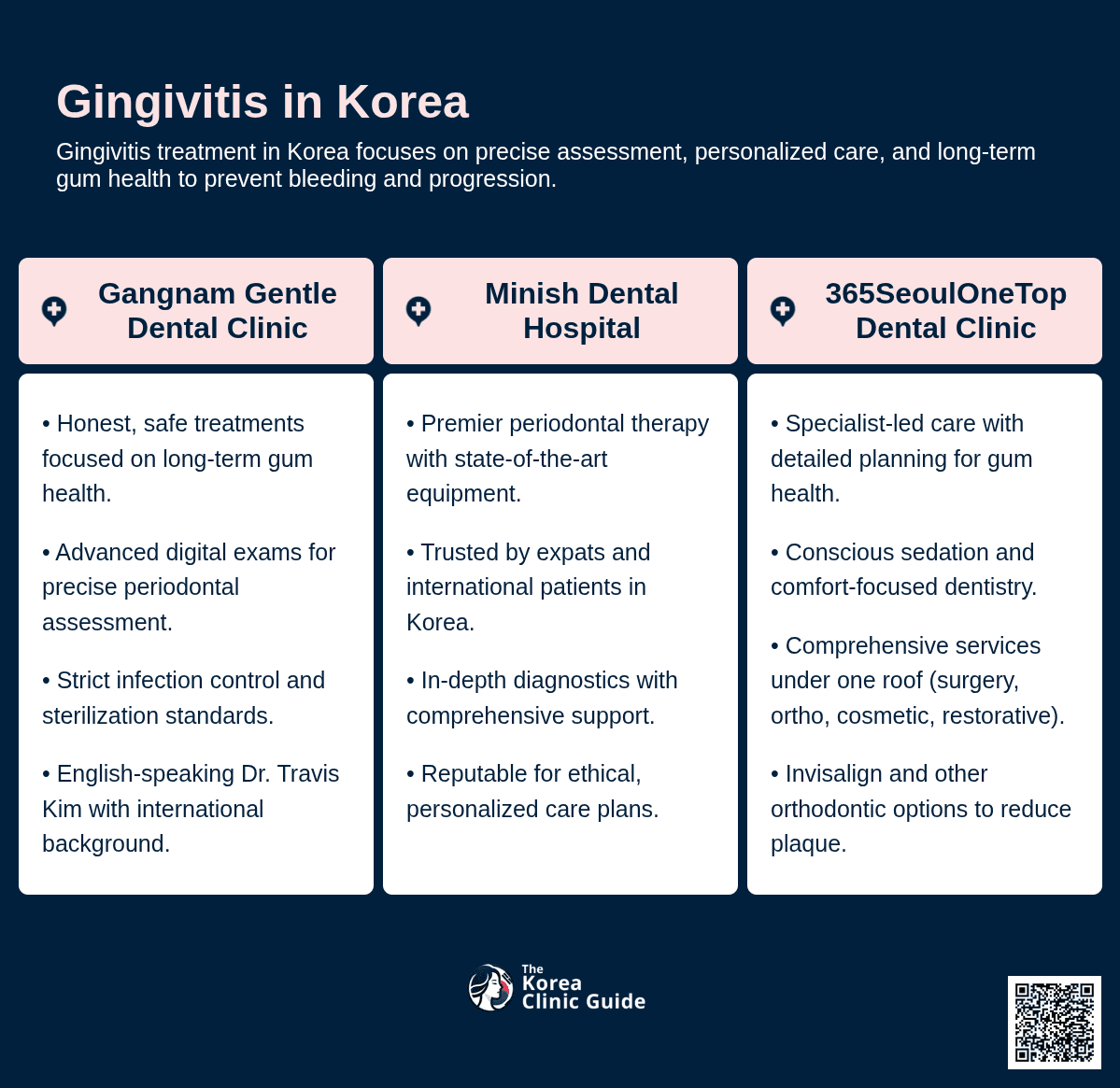
Gangnam Gentle Dental Clinic in Seocho-gu, Seoul offers a patient-centered option for periodontitis (gum disease) care, combining thorough consultations with treatment plans tailored to each individual’s needs. Dr. Travis Kim, who studied at Ohio State University and St. Johnsbury Academy, speaks fluent English, making the clinic especially accessible for international patients who want clear communication and reassurance throughout diagnosis and gum treatment.
Committed to honest and safe care, the clinic is open on both weekdays and weekends and provides emergency dental treatment to fit different schedules. With an emphasis on reducing the overall treatment period and minimizing unnecessary visits, the team uses advanced digital equipment for precise examinations and recommends only essential procedures. Patients can also expect a strong infection-prevention and sterilization system, along with an approach focused on minimal pain and maximum comfort, supporting a clean, safe environment during periodontitis care and other dental services.
You can check out their website here: Gangnam Gentle Dental Clinic Website
Minish Dental Hospital
Minish Dental Hospital in Gangnam, Seoul is Korea’s premier dental hospital and one of the most highly awarded clinics in Asia, trusted by expats and international patients for everything from family dentistry to cosmetic treatments and one-day smile makeovers. Its 14-floor facility is designed to deliver world-class care with no language barriers, supported by an in-house laboratory and even its own technology company that drives the latest advancements in dentistry. With 113,118 cases, 84,504 hours of research and development, and a team of 102 top dentists and technicians, Minish is also well known among celebrities—including major K-pop groups such as BLACKPINK and NewJeans—reflecting its reputation for both clinical excellence and patient-focused service.
- Specialized periodontal therapy focused on preserving gum and bone health, with treatment plans tailored to the severity of gum disease and long-term maintenance needs
- Advanced diagnostic and treatment capabilities supported by 19 state-of-the-art dental equipment systems, helping clinicians plan precise care for periodontitis-related issues
- In-house laboratory and proprietary technology development, enabling high consistency, quality control, and access to the newest techniques that support comprehensive periodontal rehabilitation
- Strong clinical depth: 102 dentists and technicians, plus extensive experience reflected in 113,118 total cases and 84,504 hours of R&D
- Solutions for periodontitis-associated aesthetic and functional concerns, including Pink Minish for receding gums and severe periodontal issues, as well as implant and prosthodontic options when tooth loss occurs
- Truly comprehensive care under one roof in a 14-floor hospital setting, allowing coordinated treatment that can combine periodontal therapy with restorative, orthodontic, and bite/TMJ management when needed
- International-patient friendly environment with no language barriers, making periodontal evaluation, informed consent, and follow-up care clearer and more comfortable
- Patient-centric philosophy emphasizing honest, ethical, highly personalized treatment—important for periodontitis, where long-term success depends on careful planning and ongoing support
You can check out their website here: Minish Dental Hospital Website
365SeoulOneTop Dental Clinic
365SeoulOneTop Dental Clinic in Hwagok provides specialist-led care with detailed planning and careful, patient-centered treatment—an approach that is especially important for periodontitis, where long-term stability depends on precise diagnosis, step-by-step management, and protecting the supporting bone and gums. The clinic offers advanced dental surgery and restorative options designed around function and aesthetics, with comprehensive analysis of bite balance and facial harmony to help patients maintain comfortable chewing and speaking after treatment.
For periodontitis patients who require tooth replacement or complex rehabilitation after gum and bone damage, the clinic provides implant dentistry with precise computer-based planning and restoration design for stable function and a natural appearance, including full-mouth implants and complex implant surgery for challenging cases. Patients who feel anxious about procedures can consider conscious sedation or sleep dentistry to make longer or more sensitive treatments feel calmer and more comfortable, supporting smoother care from planning through recovery.
Find more about this clinic here: 365SeoulOneTop Dental Clinic Website
Navigating Periodontal Treatment as a Medical Tourist in South Korea
South Korea is becoming a top choice for dental care, attracting patients worldwide with its quality and technology.
Why South Korea for Dental Care?
South Korea offers:
- World-Class Quality and Technology: Clinics use cutting-edge tools like automatic X-ray analysis, FDA-approved 3D CT scanners, intraoral cameras, dental microscopes, Cone Beam CT (CBCT), intraoral scanners, and 3D printers. This tech enables precise, personalized care.
- Digital Dentistry Leadership: Korean dentistry embraces digital methods, including robotic implant placement (reducing human error by 87%) and AI diagnostics. Many Korean clinics have technology not yet available in Western countries, enhancing safety and precision.
- Holistic Approach: Korean dentists focus on whole-mouth assessments, preventive care, and collaboration among specialists for complex cases.
- Reasonable Costs: Despite advanced care, prices are 50-75% lower than in countries like the USA.
The Patient Journey: A Step-by-Step Guide
International patients should plan carefully for a smooth experience:
- Step 1: Virtual Consultation and Treatment Planning: Korean specialists assess your condition remotely via online chats or video calls. They provide personalized plans, pricing, and timelines, helping avoid surprises. Complex treatments may require multiple visits over months. Facilitators like Jivaka offer free virtual consultations and transparent pricing.
- Step 2: Travel and Clinic Experience: Travel coordinators assist with arrangements. Clinics usually have English-speaking staff. Treatments may include ultrasonic cleaning, root planing, gum curettage, and surgery for severe cases. Post-treatment, minor bleeding and sensitivity are common; patients should avoid hot, cold, and spicy foods for a few days and avoid blood thinners.
- Step 3: Post-Treatment Support and Follow-up: Many clinics offer telemedicine for ongoing care after you return home. Detailed aftercare instructions and coordination with local dentists for maintenance are encouraged since periodontitis requires lifelong care every 3-6 months. Clinics often require a 10% deposit to book appointments. Patients must consider the practicality and cost of ongoing care abroad, as telemedicine can’t replace hands-on treatment.
This multi-step process shows that successful medical tourism for periodontitis involves thorough pre-trip planning and a clear strategy for long-term maintenance.
Cost Analysis: Periodontal Treatment in South Korea vs. Global Destinations
Cost is a major factor for patients considering treatment abroad. South Korea offers excellent value by combining competitive prices with advanced technology and high care standards.
Understanding Costs in South Korea
Periodontal treatment costs in South Korea range from $200 to $3,000 USD, influenced by factors like the dentist’s experience, clinic location, and healthcare regulations. A 10% deposit is usually required.
Costs typically cover consultation, diagnostics (X-rays/scans), procedure fees, and materials (crowns, implants). Complex treatments like All-on-4/6/8 implants and veneers vary by clinic and patient needs. Orthodontics often involves monthly fees. Patients should confirm all costs upfront to avoid surprises.
Table 1: Typical Periodontal Procedure Costs in South Korea
| Procedure | South Korea (USD) | South Korea (KRW) |
|---|---|---|
| Scaling (Basic Cleaning) | $30 - $103 | ₩43,604 - ₩150,000 |
| Scaling & Root Planing (per quadrant) | $68.8 - $206.4 | ₩100,000 - ₩300,000 |
| Laser Gum Therapy | $275.2 - $550.4 | ₩400,000 - ₩800,000 |
| Gum Grafting / Bone Regeneration | $550.4 - $1,032+ | ₩800,000 - ₩1,500,000+ |
| Root Canal Treatment | $50 - $152 | ₩72,674 - ₩220,930 |
| Tooth Extraction | $20 | ₩29,070 |
| Bone Graft | $227 | ₩329,651 |
| Radiography (X-rays) | $7.5 - $50 | ₩10,899 - ₩72,674 |
| Sinus Lift Surgery | $400 | ₩581,395 |
| Aesthetic Filling | $152 | ₩220,930 |
Note: Conversion rate 1 KRW = 0.000688 USD.
Cost Comparison: South Korea vs. Other Key Medical Tourism Destinations
South Korea offers significant savings compared to countries like the USA, often 50% or more, without compromising quality.
Table 2: Cost Comparison of Periodontal Treatment (USD)
| Procedure | South Korea (USD) | USA (USD) | UK (USD) | Canada (USD) | Turkey (USD) | Thailand (USD) | Australia (USD) |
|---|---|---|---|---|---|---|---|
| Overall Periodontal Treatment | $200 - $3,000 | $500 - $5,000+ | N/A | N/A | N/A | N/A | N/A |
| Standard Teeth Cleaning | $69 - $103 | $75 - $200 | $65 - $130 | $75 - $150 | $50 - $150 | $10 - $80 | $70 - $140 |
| Deep Dental Cleaning | Included | $150 - $350 | N/A | N/A | $136 | N/A | $240 - $1,105 |
| Root Canal Treatment | $50 - $152 | $620 - $1,500 | $547 | $590 | $105 - $150 | $268 - $447 | $143 - $2,319 |
| Tooth Extraction | $20 | $325 | $134 | $146 | N/A | N/A | $131 |
| Bone Graft | $227 | N/A | N/A | N/A | N/A | N/A | N/A |
| Radiography (X-rays) | $7.5 - $20 | $6 | $15 | $75 | Included with RCT | N/A | $29 |
| Gum Graft Surgery | $600 - $3,000 (per tooth) | $600 - $1,200 | N/A | N/A | $340 | $320 - $640 | N/A |
| Laser Periodontal Treatment | $275.2 - $550.4 | $3,000 - $5,000 | N/A | N/A | $272 - $408 | N/A | N/A |
Note: N/A indicates data not available.
For example, routine cleaning costs $69–$103 in Korea versus $75–$200 in the US. Root canals are $50–$150 in Korea compared to $620–$1,500 in the US. These savings reflect differences in healthcare systems and efficiencies, not quality. For medical tourists, South Korea offers advanced care at a more affordable price.
Patient Journeys: Real-World Outcomes of Periodontal Treatment
The success of periodontal treatment is clear not only in clinical results but also in how patients’ lives improve.
Success Rates of Periodontal Treatment
Treatment success can reach up to 95%, depending on the procedure and patient commitment to post-care. Non-surgical treatments show 80-90% success in controlling disease, while surgical procedures have 70-80% success rates, influenced by case complexity and clinician skill.
Patient adherence to home care and maintenance is crucial to prevent recurrence. Treatment lays the foundation, but ongoing effort is needed for lasting results.
Patient Testimonials and Experiences
Patients share powerful stories:
- Relief from Sensitivity and Gum Recession: One 27-year-old with severe cold sensitivity after gum recession regained comfort and could enjoy cold foods and outdoor activities after gum grafting. Others praise the natural look and quick healing of grafts.
- Saving Teeth and Halting Disease: A patient facing tooth extraction avoided it through non-surgical therapy and improved hygiene, with significant pocket reduction and bone healing in two months.
- Improved Confidence and Comfort: Many report better oral health and confidence after procedures like scaling, root planing, and laser therapy. Modern techniques often mean less pain and faster recovery. Patients also appreciate pain-free dental implants as part of comprehensive care.
- Positive Patient-Provider Relationships: Patients value the expertise, compassion, and clear communication from their dental teams, which greatly enhances their comfort and satisfaction—especially important for those traveling abroad.
Long-Term Maintenance and Outlook
Periodontitis requires lifelong care. Daily habits include brushing 2-3 times a day with attention to the gum line, flossing once daily, and using antibacterial mouthwash twice daily. Regular professional cleanings every 3-6 months are essential, along with a healthy diet and avoiding tobacco.
Consistent maintenance is key to preventing disease progression and preserving oral health.
Conclusions
Periodontitis is a serious gum infection that causes irreversible bone and tissue loss if untreated, leading to tooth loss. Early detection and treatment are vital since initial symptoms can be subtle and painless. Beyond oral health, periodontitis impacts systemic conditions like diabetes and heart disease, making comprehensive care essential.
Modern treatments range from deep cleanings to advanced surgeries that regenerate lost tissue, increasingly using laser technology for precision and comfort. South Korea stands out as a top destination for periodontal care, offering cutting-edge technology and expert care at significantly lower costs than Western countries.
Medical tourists benefit from streamlined virtual consultations and post-treatment telemedicine but must plan for lifelong maintenance, which may require local dental support. Patient experiences highlight that successful treatment improves quality of life and confidence, with compassionate care playing a crucial role alongside advanced technology.
References
1, [2](https://www.mayoclinic.org/diseases-conditions/periodontitis/symptoms-causes/syc-20354473#:~:text=Periodontitis%20(per%2De%2Do%2Ddon,or%20lead%20to%20tooth%20loss.), 3, 4, 5, 6, 7, 8, 9, 10, 11, 12, 13, 14, 15, 16, 17, 18, 19, 20, 21, 22, 23, 24, 25, 26, 27