Medical Tourism Blog
Liposuction: Diet? Drinking? Smoking? All Your Liposuction FAQs Answered with Dr. Ahn from Lydian
Table of contents
- What should you know before liposuction recovery even begins?
- Should you diet before getting liposuction, or diet after?
- If you used to be obese but lost weight, when is the best time for liposuction?
- How strict do you have to be with wearing a compression garment?
- What foods help with swelling after liposuction?
- What if you follow diet advice but still swell a lot?
- What activities actually help recovery, and when should you start walking?
- Is there a way to soften hard areas faster after liposuction?
- When can you drink alcohol or smoke after liposuction?
- Why can liposuction cost more at one clinic than another?
- How do you choose the right liposuction plan for your body and goals?
- More about Lydian Plastic Surgery Clinic
Considering treatment in Korea? Everything you need to know e.g. — how to avoid scams, visas, interpreters, recovery tips — in our Medical Tourism Master Guide. Plan with confidence in minutes, not weeks!
Disclaimer: The following is a guest post. The information and opinions expressed are not of koreaclinicguide.com but of Lydian Plastic Surgery Clinic
What should you know before liposuction recovery even begins?
Patients often focus on the operating day, but in my experience, the best liposuction results come from planning the timing, understanding how your body behaves after fat removal, and committing to the recovery steps that help your skin settle smoothly. The questions I hear most are very practical—dieting before surgery, how strict compression garments really are, what to eat to reduce swelling, when it’s safe to drink or smoke again, and why pricing differs between clinics. Below, I’ll walk through these common liposuction FAQs the same way I explain them in consultation: based on what actually affects outcomes and comfort.
Should you diet before getting liposuction, or diet after?
 It depends on the case. The patients who truly need to diet before liposuction are those at a significantly higher weight—for example, around 120 kg. If someone at 120 kg gets liposuction, we can remove a meaningful amount of fat, but their body may still be “set” to return to that weight range. Even if we remove 5–10 liters, a person who was 120 kg won’t suddenly look like someone who weighs 70–80 kg, and the procedure alone won’t create the transformation they’re hoping for.
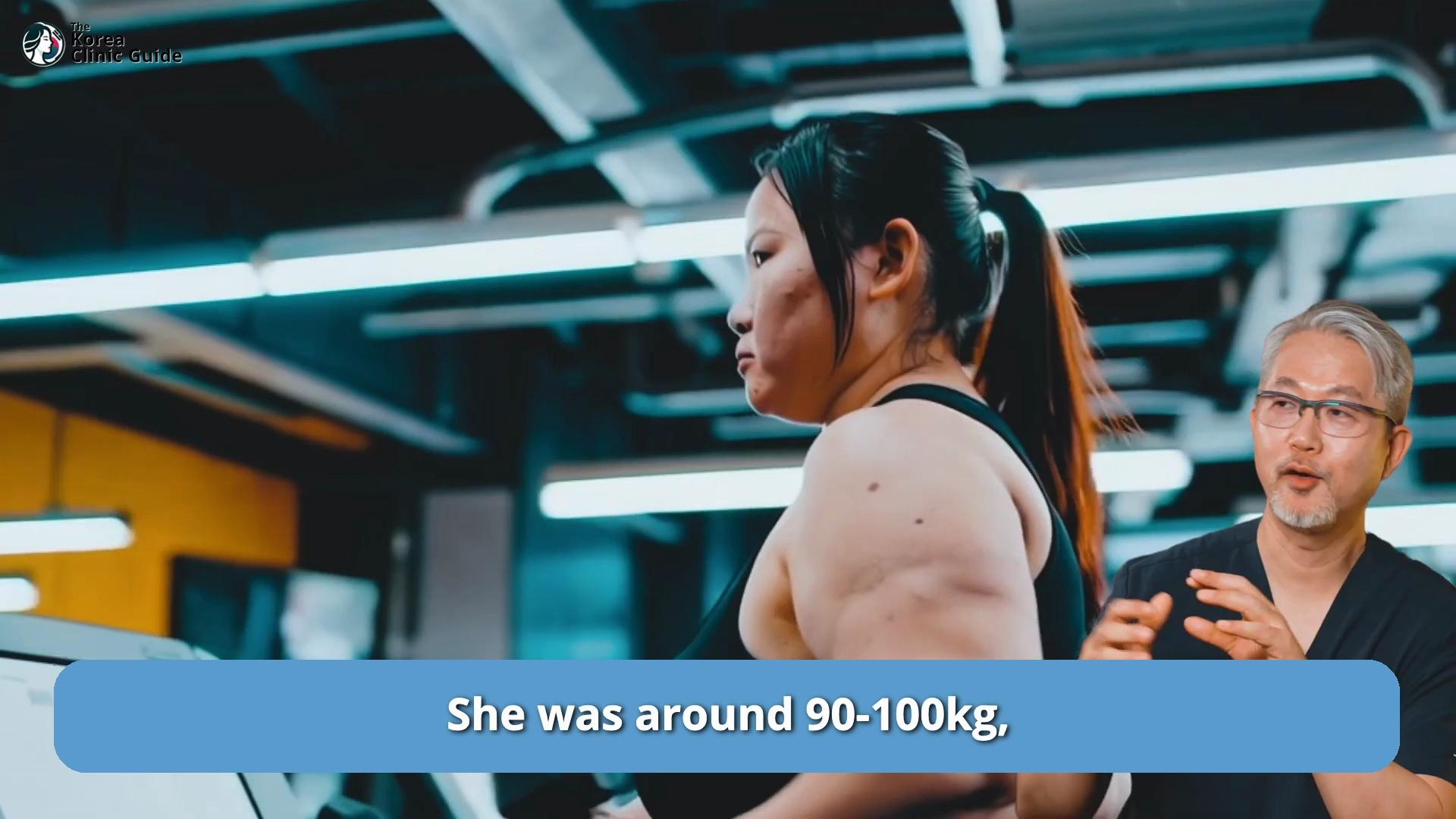
In that situation, I recommend weight loss first—not only for the scale, but for the mindset and habits: becoming someone who can diligently manage their body. During that process, patients can come in and we can talk about timing. Sometimes I’ll say, “Now is the perfect time,” sometimes “Lose about 5 more kg and come back,” and sometimes “Let’s do it now.”
On the other hand, if someone weighs around 60 kg and their goal is 50 kg, the difference isn’t large. In many of those cases, it can be better to do liposuction first because dieting tends to reduce weight overall, not selectively. Dieting won’t reliably target stubborn areas like love handles or localized fullness in the arms—those are exactly the areas where liposuction is most useful. Overall, I find liposuction works best when you’re already close to your target weight.
If you used to be obese but lost weight, when is the best time for liposuction?
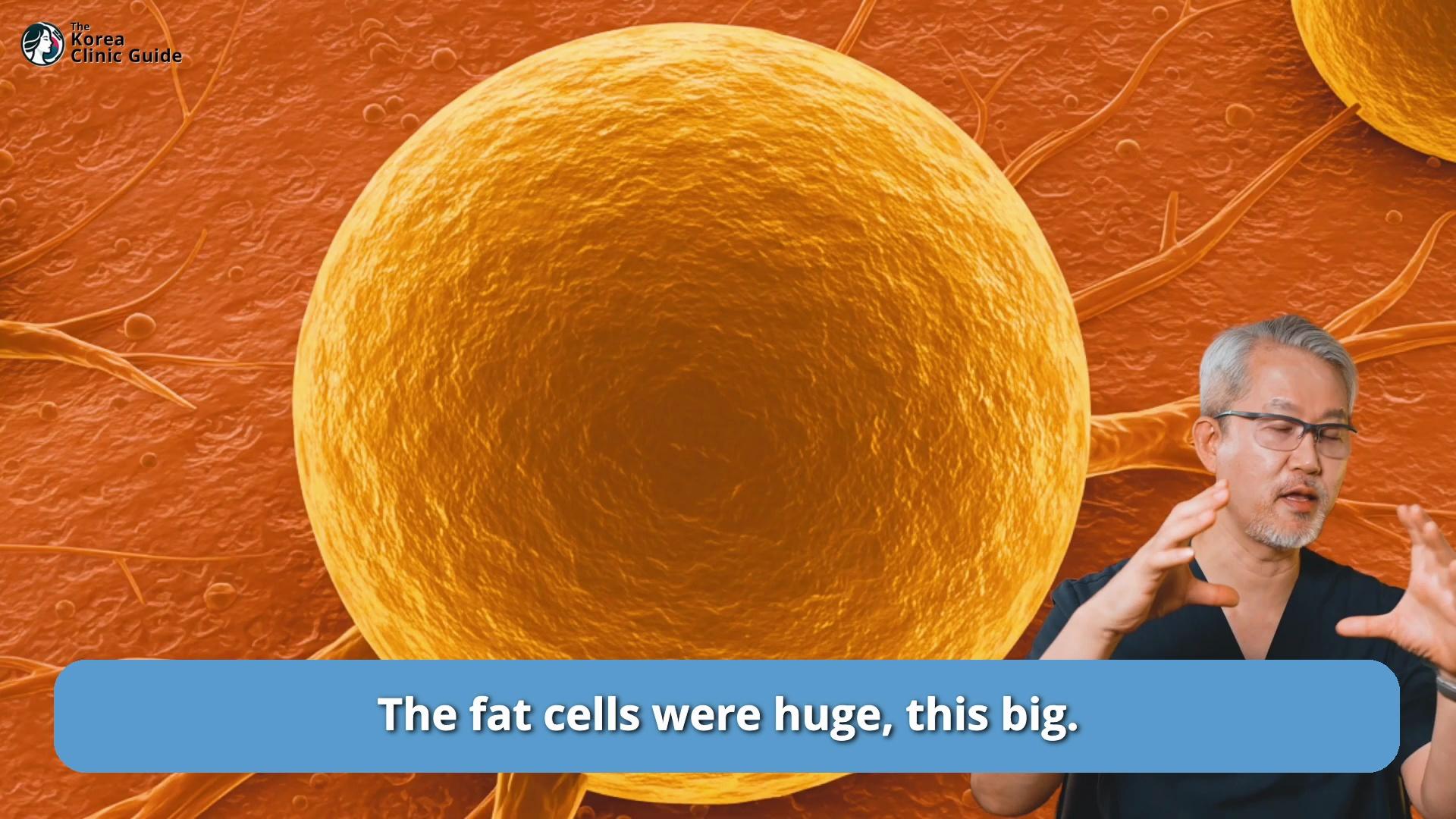
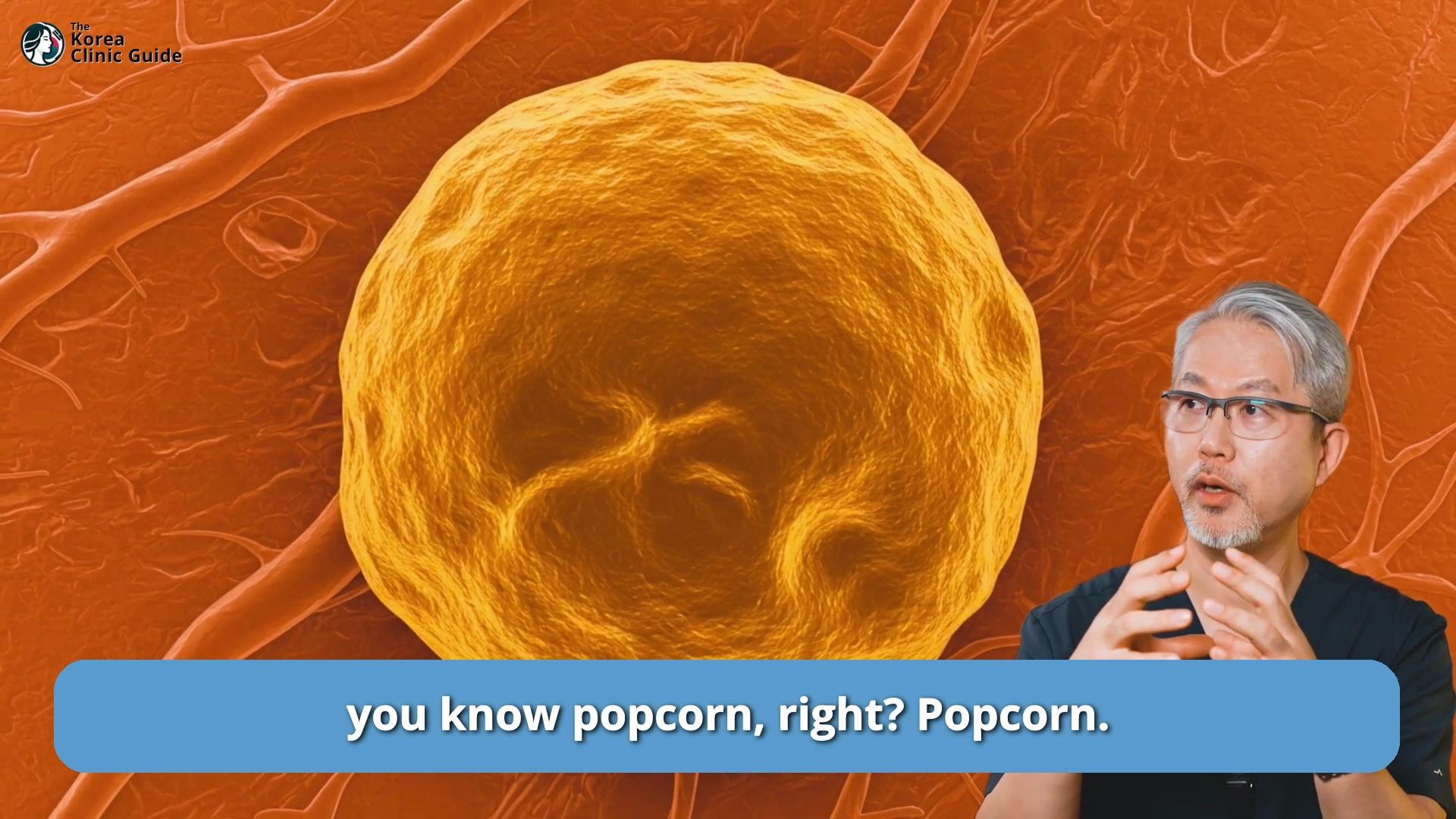
 This is more complex than people expect, especially for patients with a history of significant weight loss. When someone is heavier, fat cells are expanded. After major dieting and exercise—say a 30 kg loss—those fat cells shrink down dramatically. Clinically, that fat can become firmer and drier, almost like hard “popcorn.”
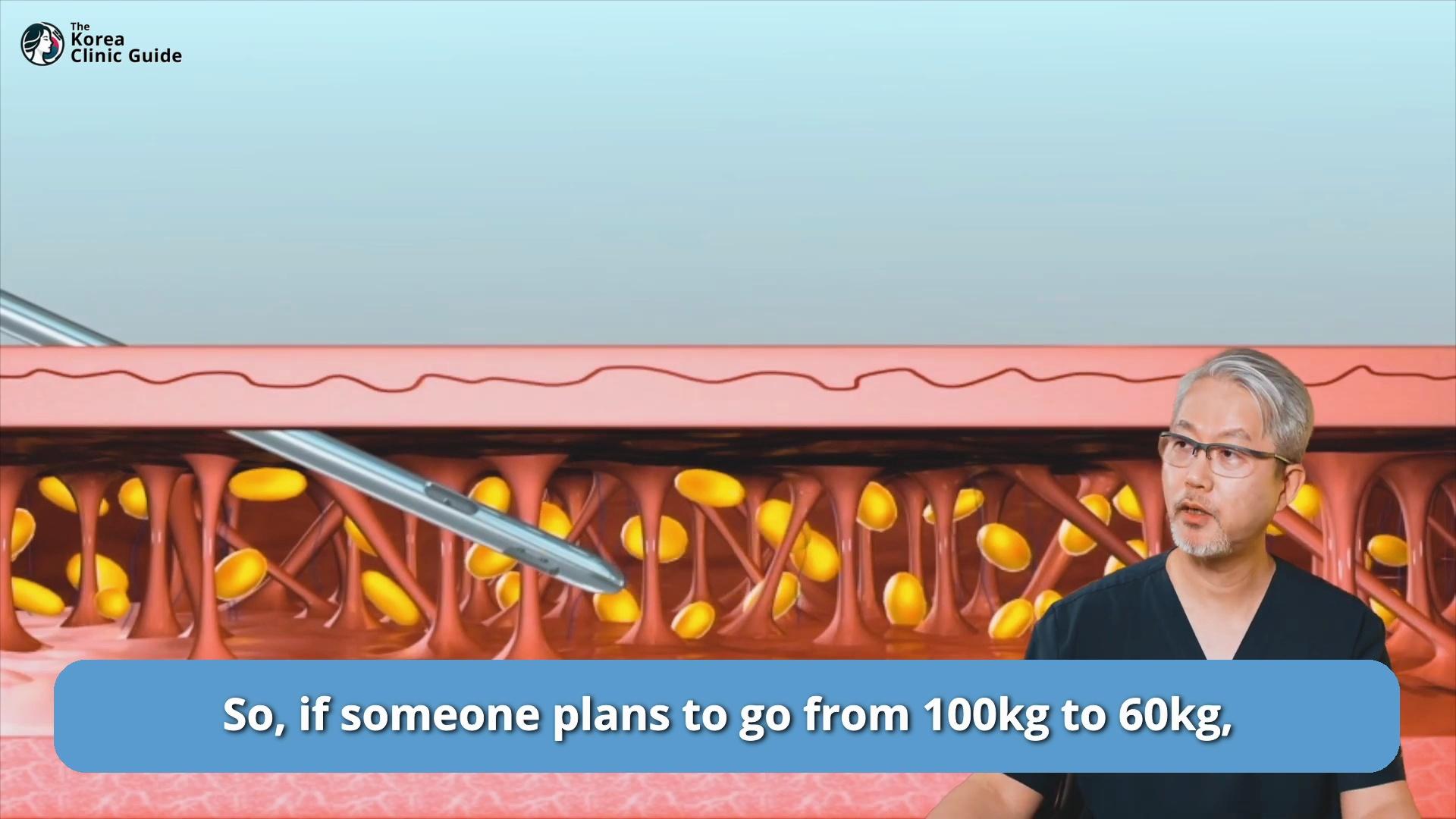
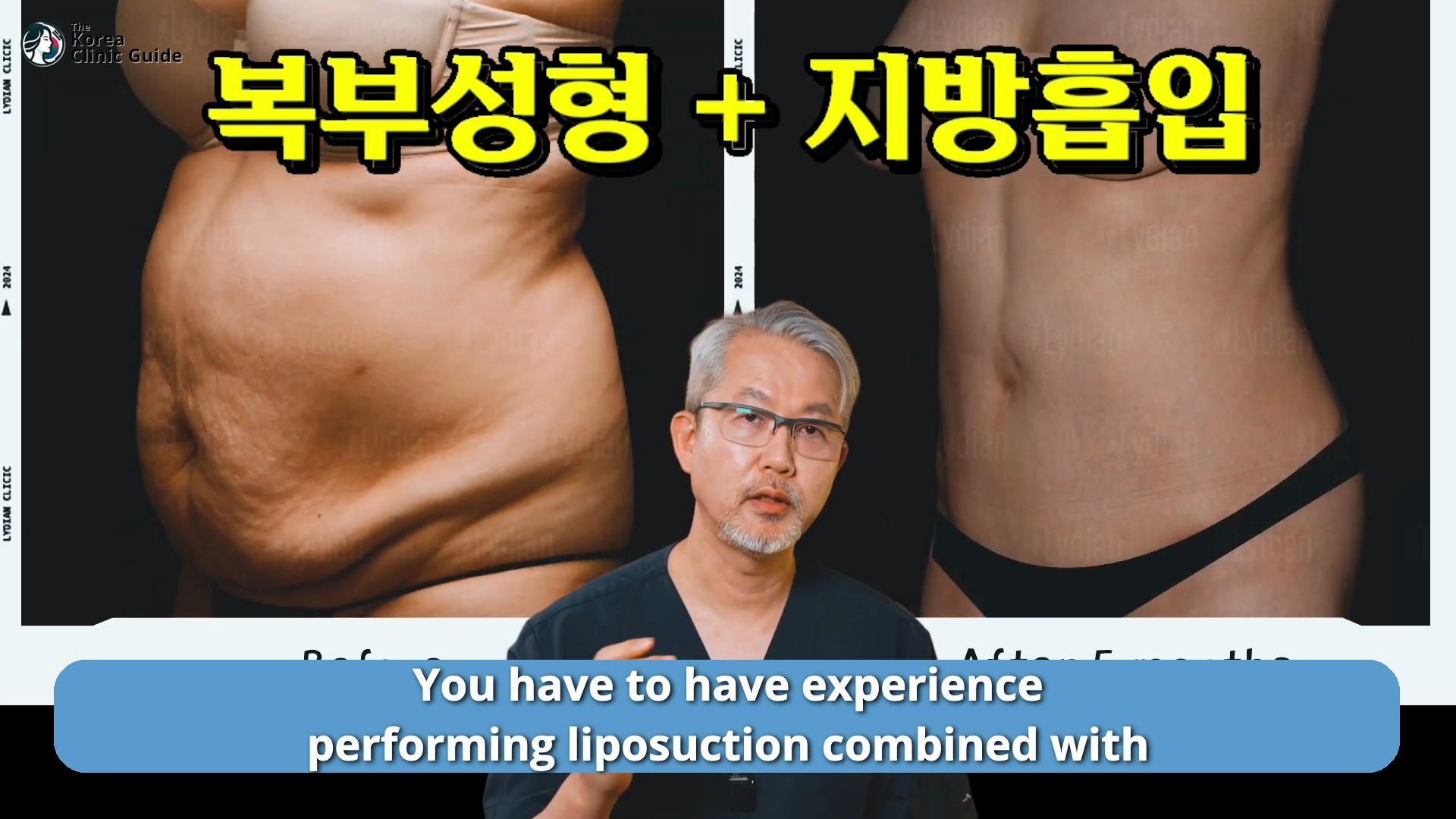
Why does that matter? Liposuction requires a cannula to move through fat and break it up so it can be removed. When the fat is too dry and tough after massive weight loss, it often doesn’t suction out as smoothly. In patients who’ve lost very large amounts (sometimes 30–50 kg), I frequently see that liposuction alone becomes less effective, and in some cases surgical excision procedures (like abdominoplasty) may be needed for the best contour.
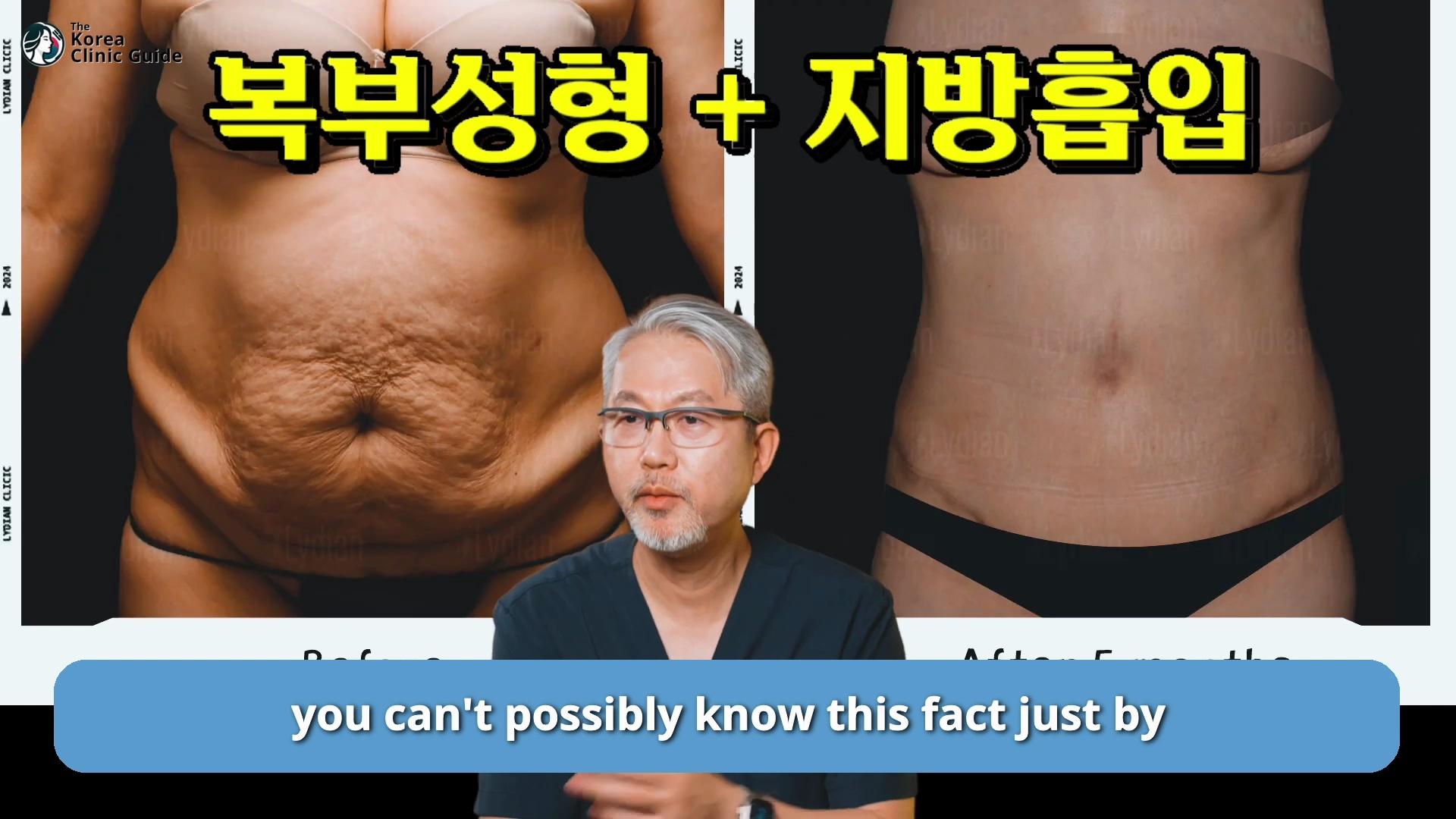
So if someone’s long-term plan is to go from 100 kg down to 60 kg, the ideal time for liposuction may actually be somewhere around 75 kg—while fat distribution is still more even and the tissue is more workable. Then, after surgery, dieting and exercise can take them the rest of the way to their goal, often producing a cleaner final shape.
How strict do you have to be with wearing a compression garment?
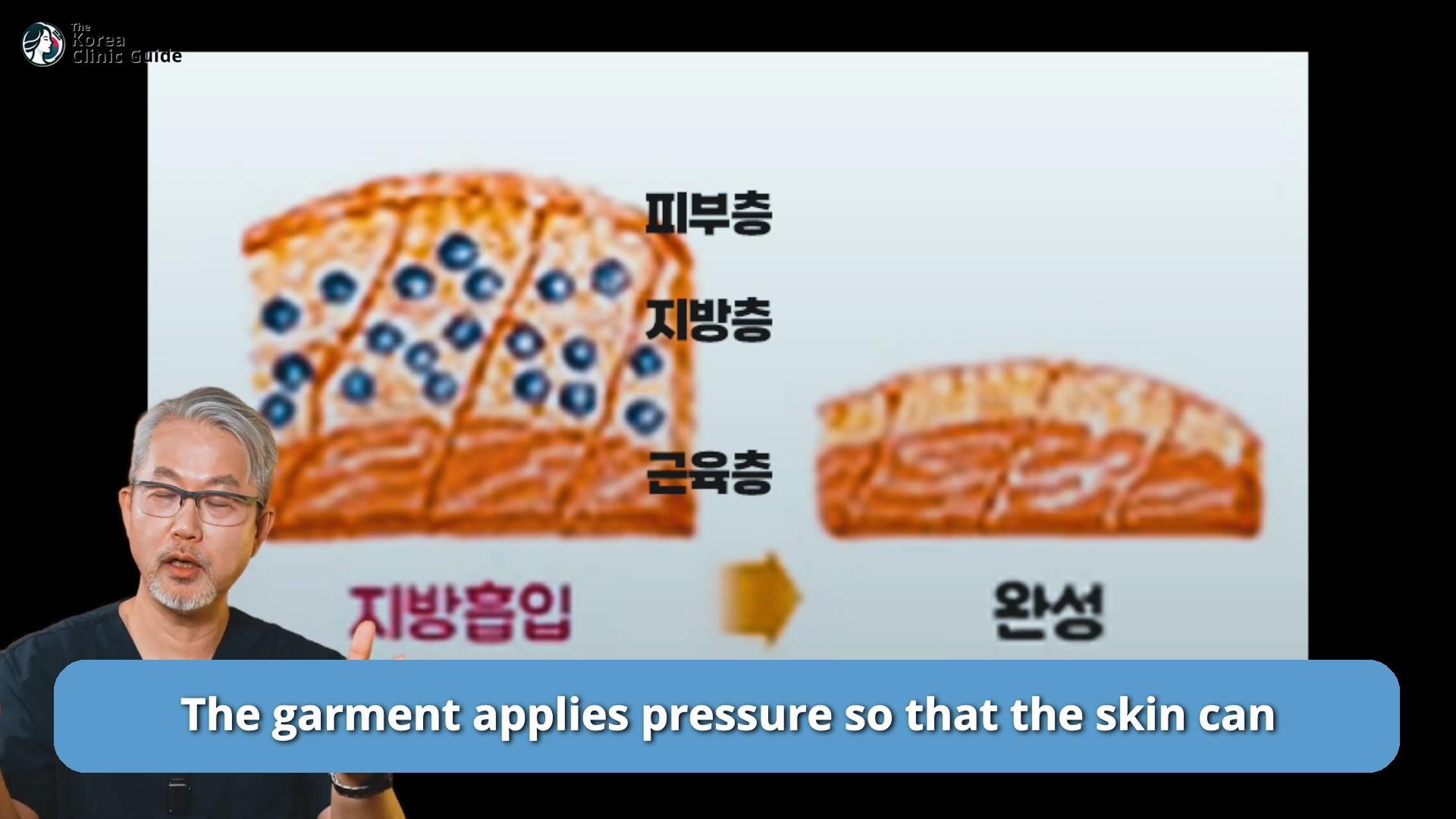
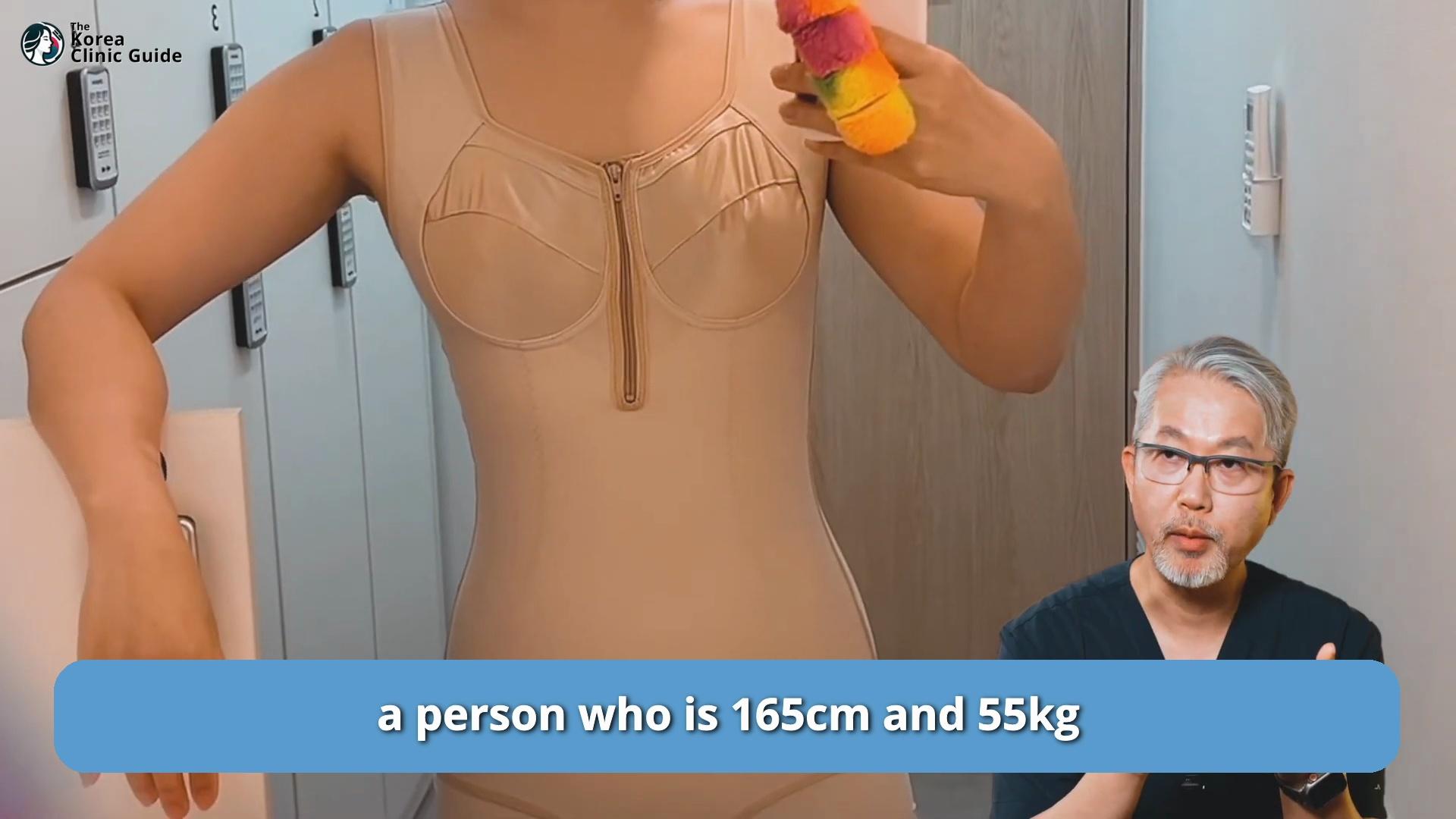
Compression garment advice varies, but in my practice there’s a big difference between a small-volume liposuction patient and a large-volume liposuction patient. When we remove fat, we create a space between the skin and underlying tissue. Compression applies pressure so the skin can adhere back down smoothly, reducing that space and helping the surface settle evenly.
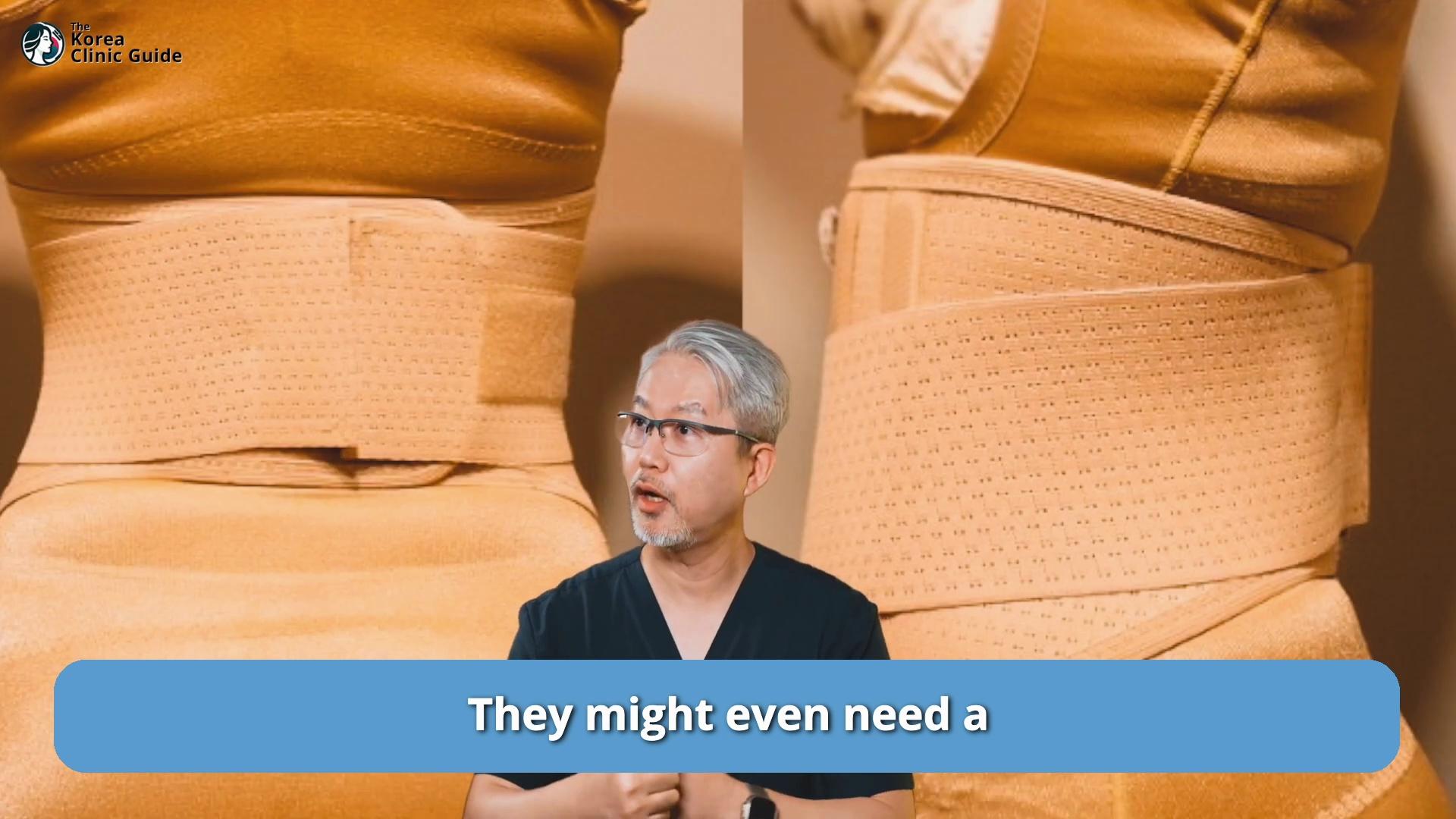
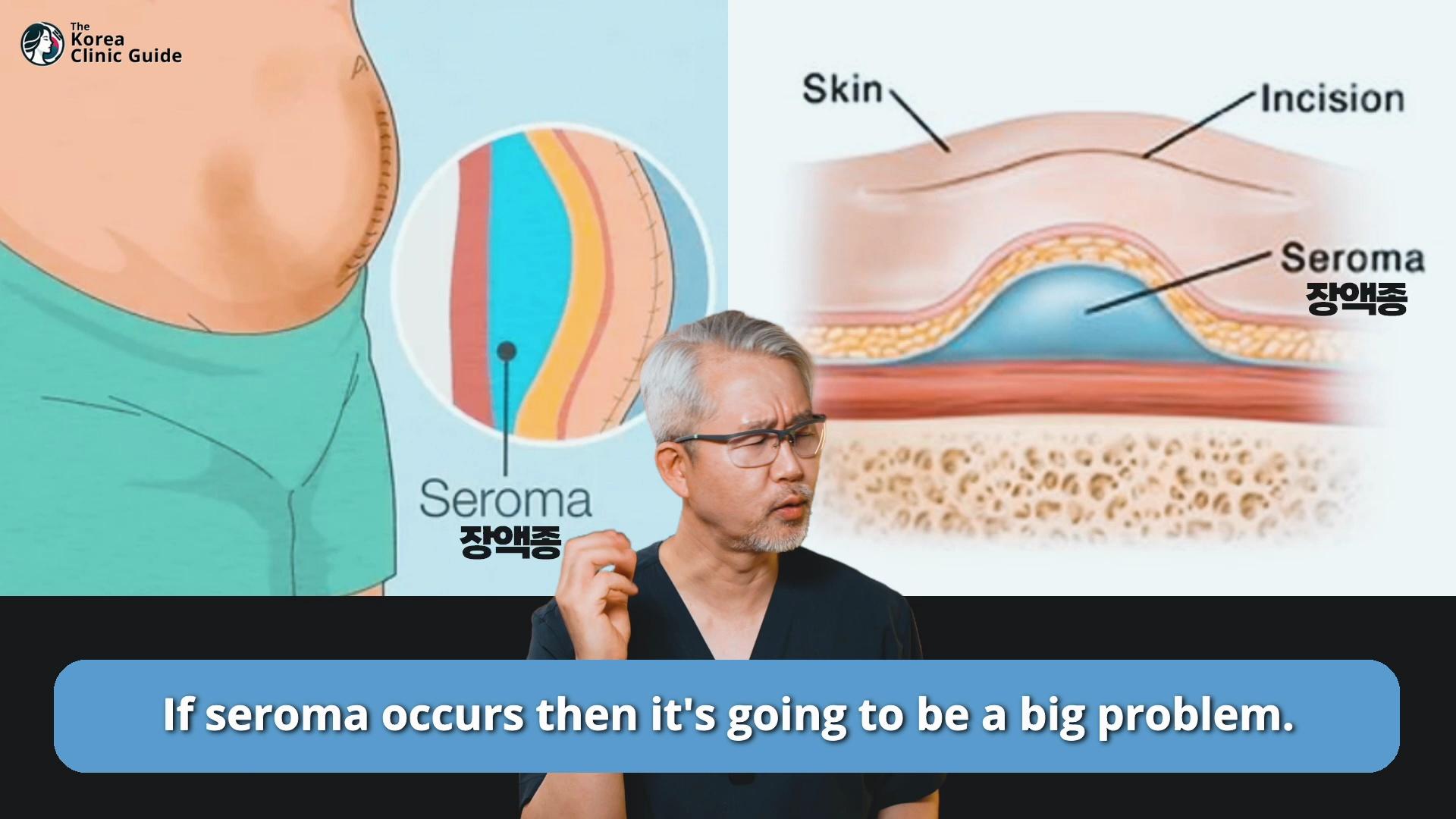
For patients who had a very large volume removed, a standard garment may not even be enough—they may need a firmer abdominal binder to provide proper support. Without adequate compression, issues like seroma (fluid buildup) become much more likely, especially in heavier patients or those who had a large belly treated. And once a seroma forms, it becomes a bigger problem to manage.
For very slim patients—imagine someone around 165 cm and 55 kg with minimal fat deposits—compression may be less critical. But for higher-volume cases, I strongly emphasize wearing it as directed because it helps prevent avoidable setbacks and improves how smoothly the skin reattaches.
What foods help with swelling after liposuction?
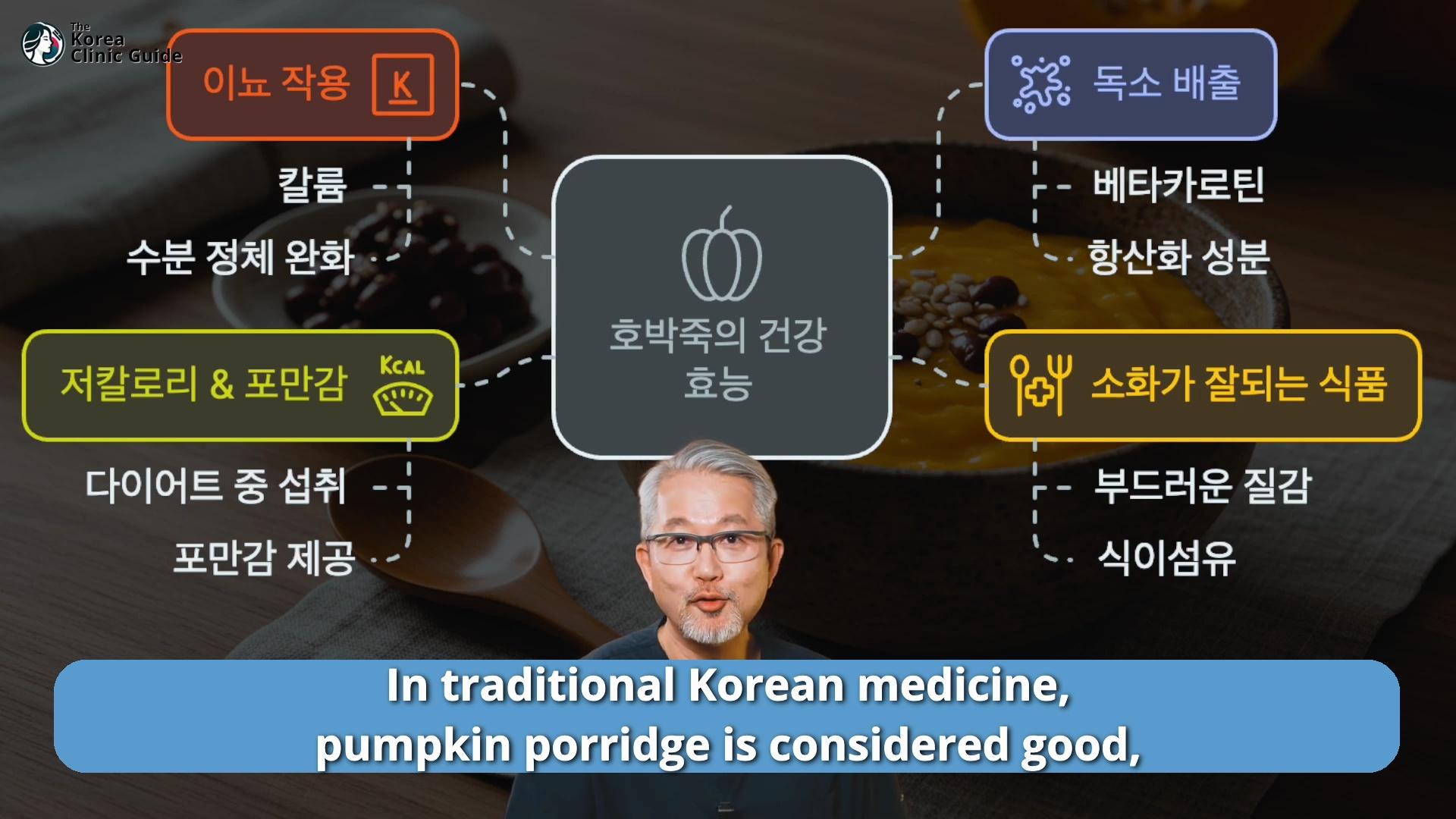
A low-sodium diet is the most helpful. After surgery, fluid naturally rushes to the operated area, which is why swelling can be so intense. Salt encourages the body to hold onto water, so salty meals can significantly increase swelling—similar to how many people notice a puffy face the morning after eating instant ramen.
While swelling doesn’t usually “ruin” results drastically, excessive swelling can create secondary problems. It can make the skin thin and fragile, leading to blisters from minor friction. Under compression garments, that fragile skin can chafe and break down more easily, and even if the contour outcome is good, skin injury can lead to scarring that could have been avoided.
Practically, this means avoiding very salty foods—yes, even foods you love like malatang. You can technically eat it, but the next morning you may be much more swollen and in far more pain, making the early recovery days unnecessarily difficult. I also recommend avoiding soup-based meals such as guk (soups) and jjigae (stews), which tend to be high in sodium. Eating like a typical hospital low-sodium meal is genuinely helpful, especially for the first two weeks.
What if you follow diet advice but still swell a lot?
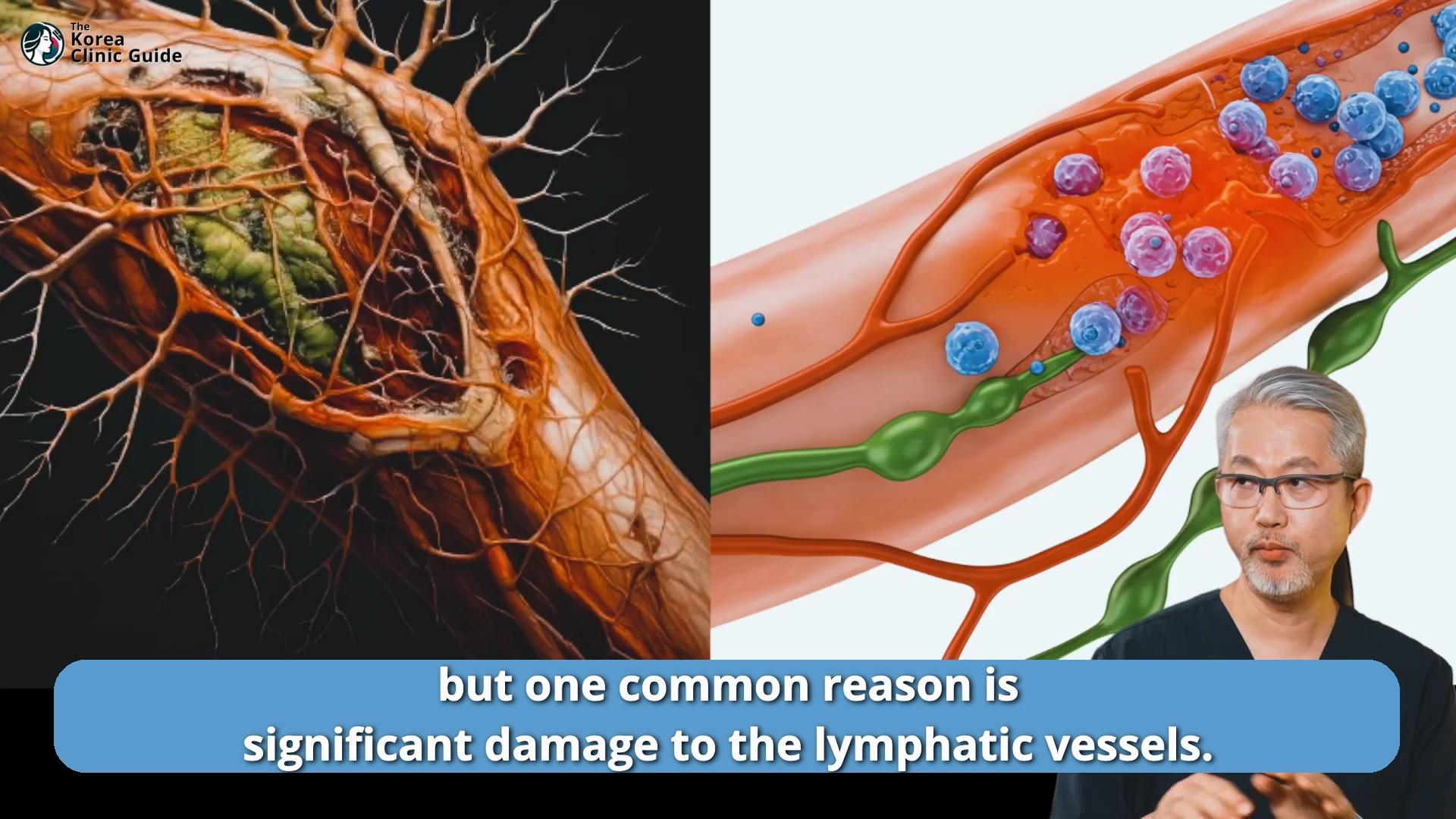
If swelling remains severe despite good low-sodium habits, there can be multiple causes. One common factor is significant disruption to lymphatic vessels, which can make fluid management slower.
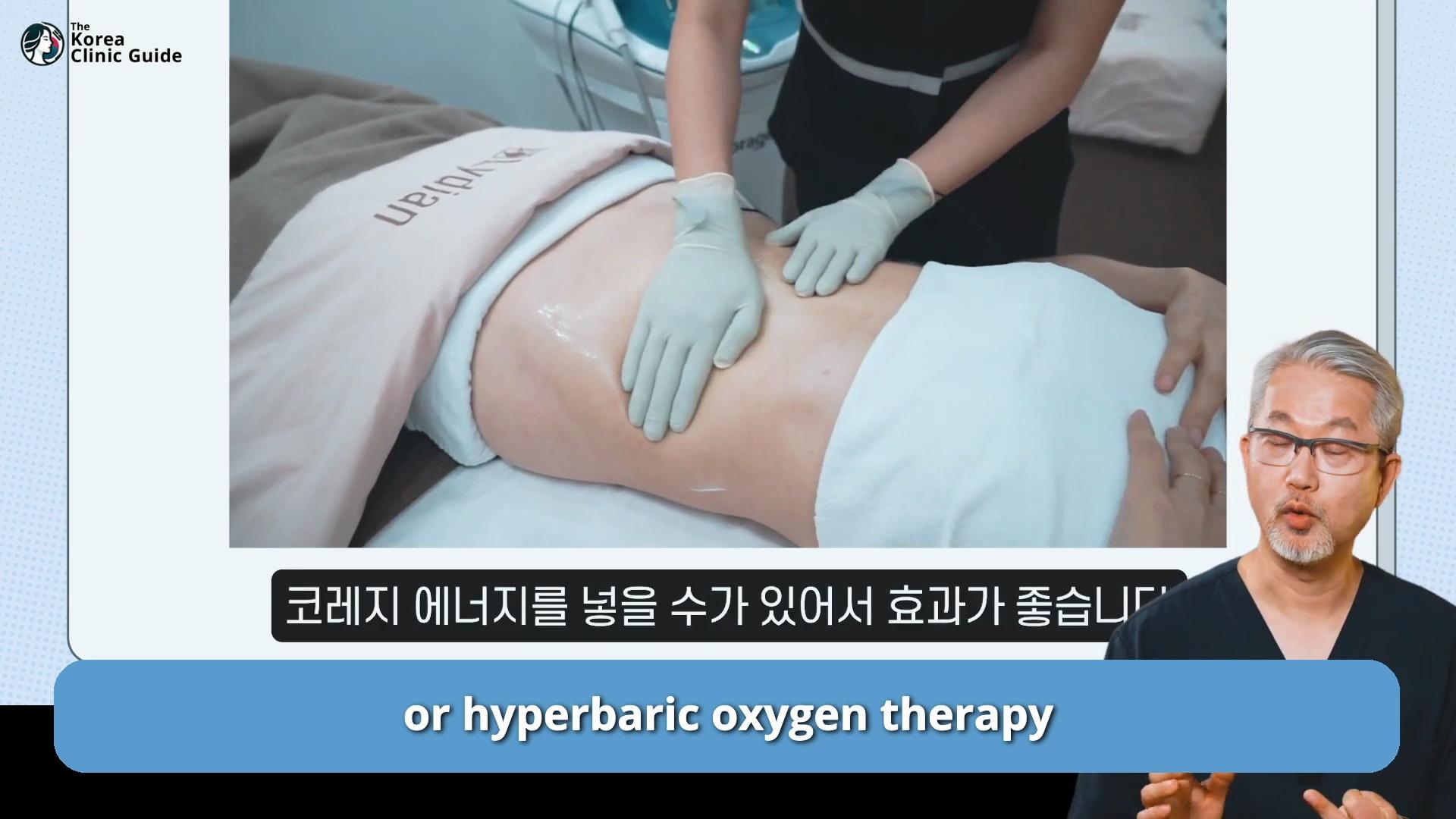
In those situations, post-operative treatments can make a real difference in comfort and how smoothly swelling comes down. Options such as radiofrequency therapy, lymphatic drainage massage, or hyperbaric oxygen therapy can help reduce swelling more actively. When swelling decreases steadily during the first two weeks—without major ups and downs—the entire recovery experience tends to be much more manageable.
What activities actually help recovery, and when should you start walking?
Timing matters. Light daily activities are fine, but I don’t think “walking a lot” is a good idea in the very early stage.
If someone who normally doesn’t walk much suddenly starts walking several bus stops right after surgery, they can end up with increased chafing from the garment, more pain, higher risk of seroma, and sometimes more bruising.
Early on, your body is still stabilizing. Even if bleeding has mostly stopped, too much movement can disturb healing tissue and contribute to bruising if small areas start bleeding again. For about the first week, I prefer patients to move only as needed for daily life.
Positioning helps more than people realize: after arm liposuction, sleeping while hugging a pillow can keep the area more supported and slightly elevated; after thigh liposuction, propping the legs can help.
By the second week, movement can gradually increase. After about three weeks, seromas become less likely, and walking more and adding stretching is typically fine. After one month, most normal activities—including exercise—are generally acceptable, even if the skin still feels tight or stiff.
Is there a way to soften hard areas faster after liposuction?
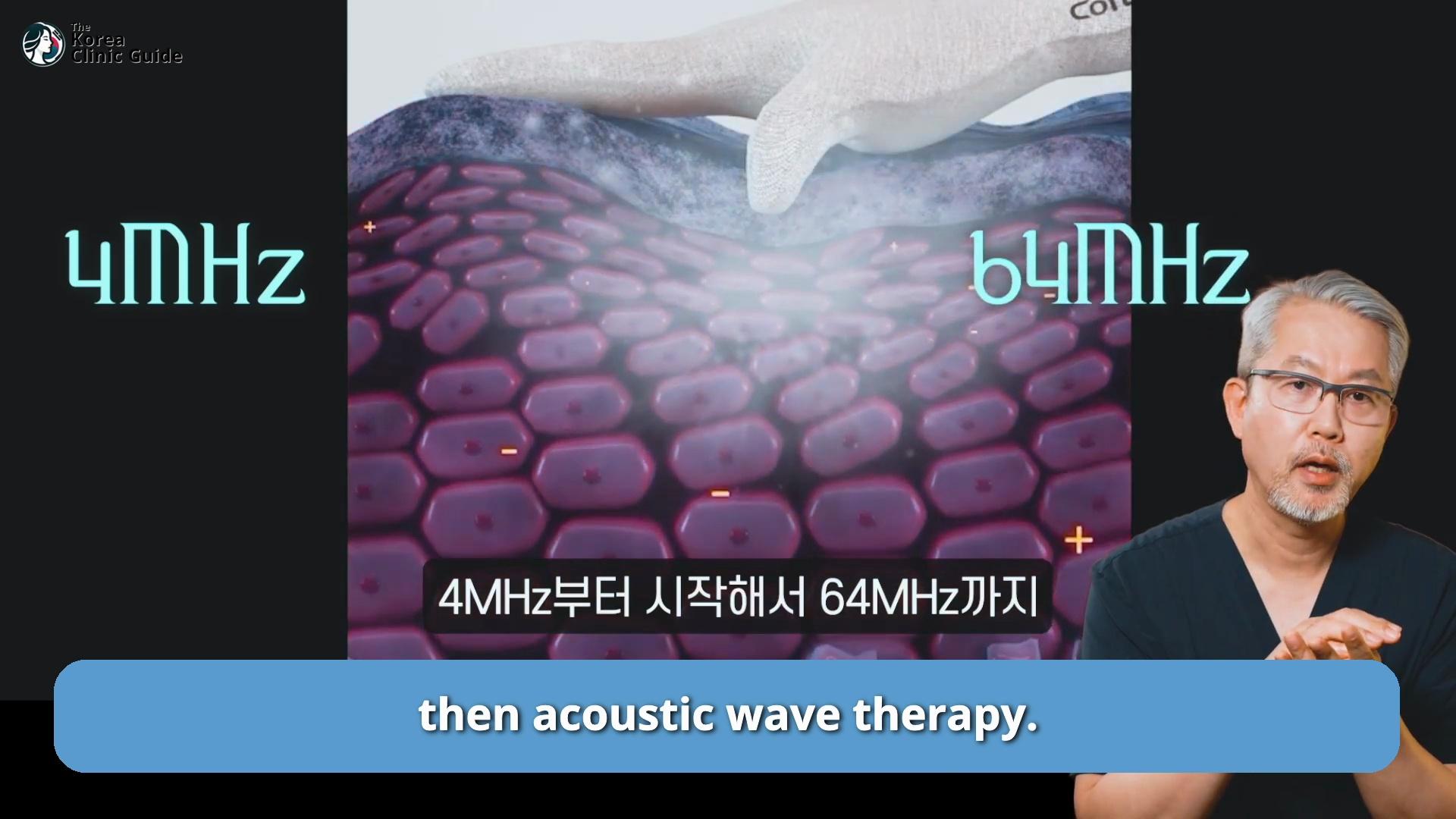
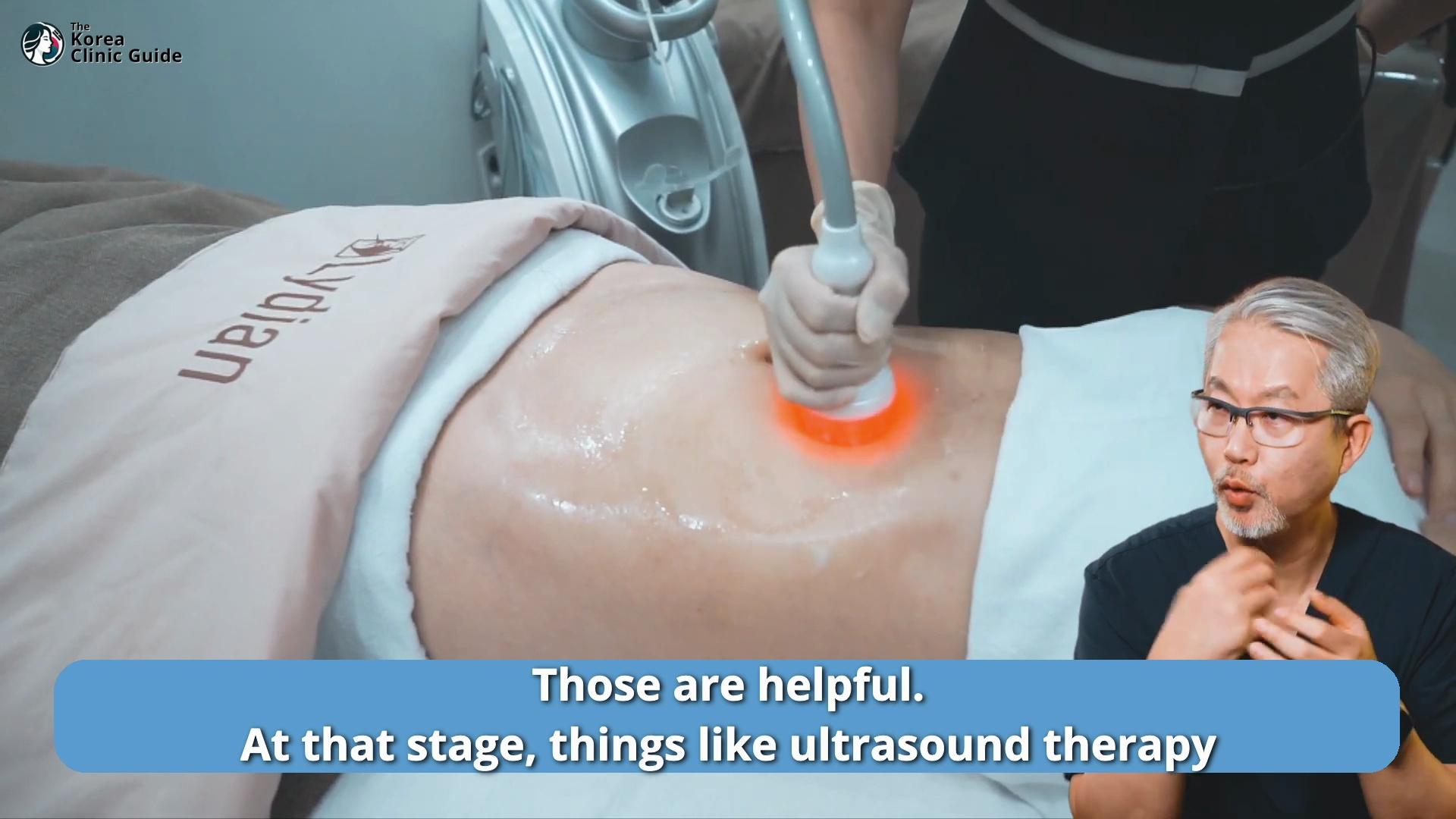
That post-liposuction firmness is common, especially around the one-month mark when the area can feel tight and hard. In-clinic treatments that I find helpful for softening include radiofrequency therapy and acoustic wave–based treatments (such as Endermologie or similar modalities). At that stage, ultrasound therapy tends not to be as effective.
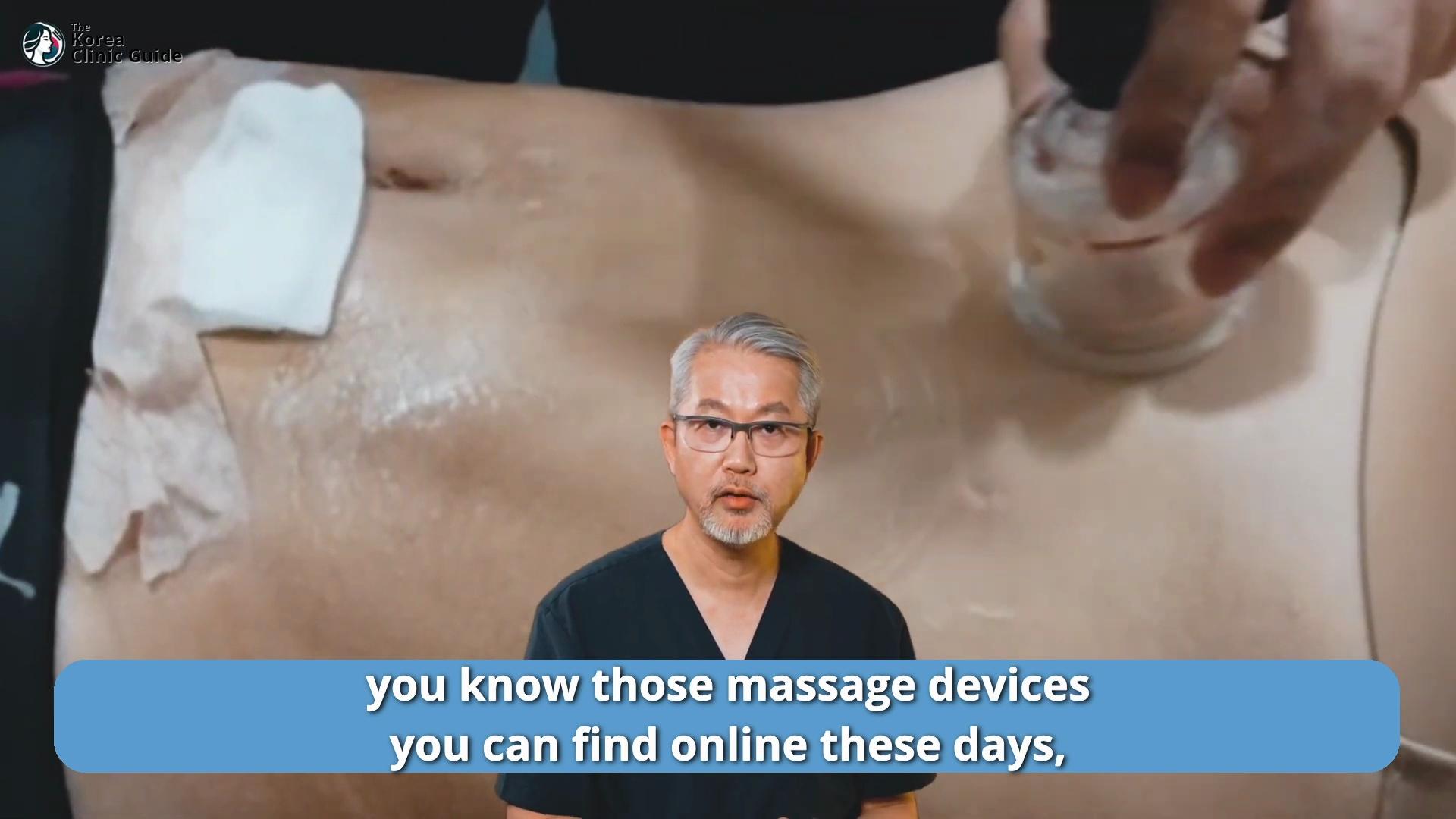
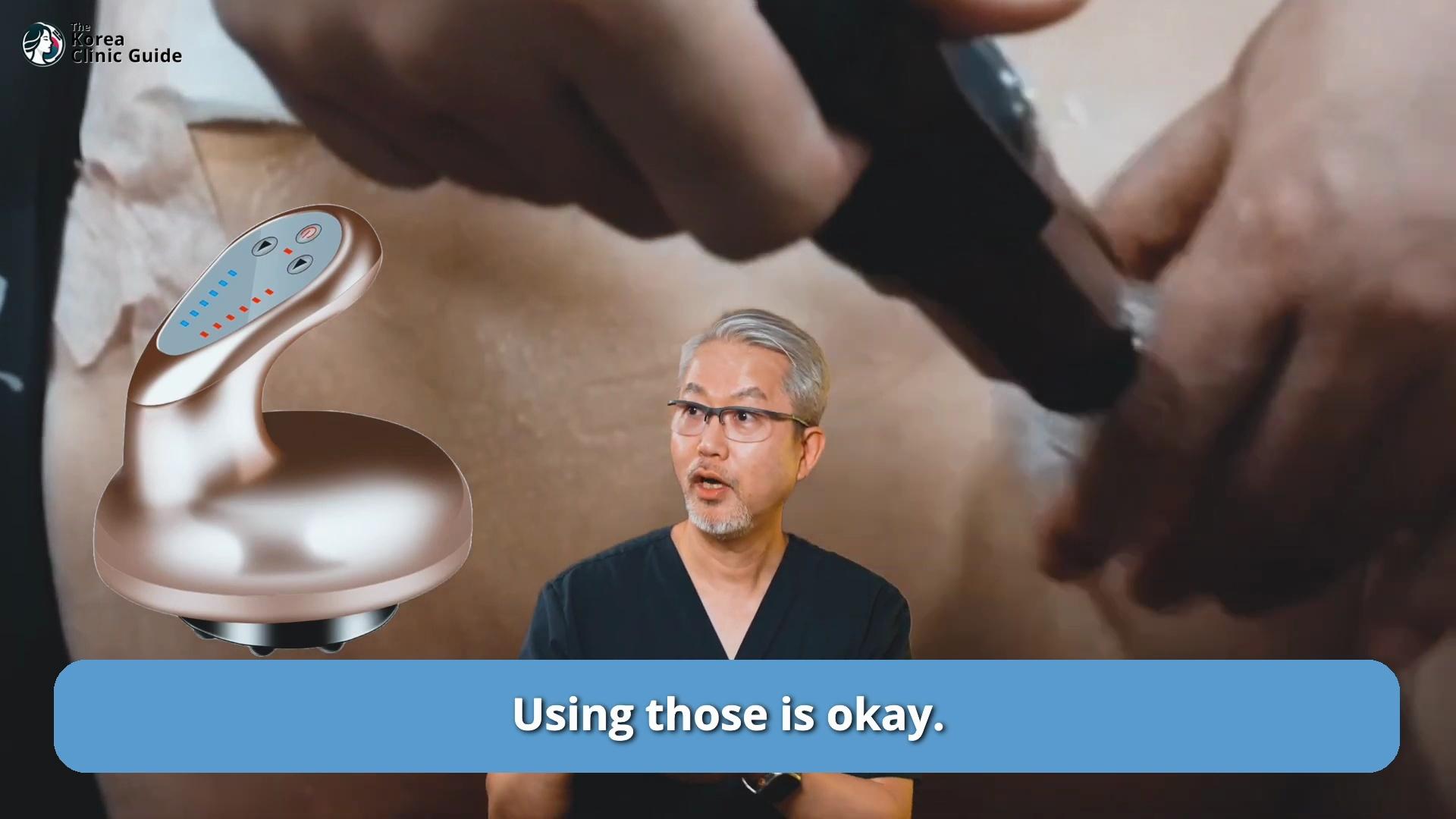
If muscle tightness is contributing, low-frequency stimulation can be considered, but the best approach should be decided case by case. For home care, acoustic wave massage devices can be a reasonable option—they’re generally better than doing nothing and can support the softening process when used appropriately.
When can you drink alcohol or smoke after liposuction?
With alcohol, the biggest issue is rarely the first drink—it’s what happens after. Many people intend to have one, then it becomes two or more. For most people, one or two beers a week after surgery probably won’t create a disaster, but heavy drinking when your body is already stressed can reduce immune function, slow wound healing, and increase inflammation risk.
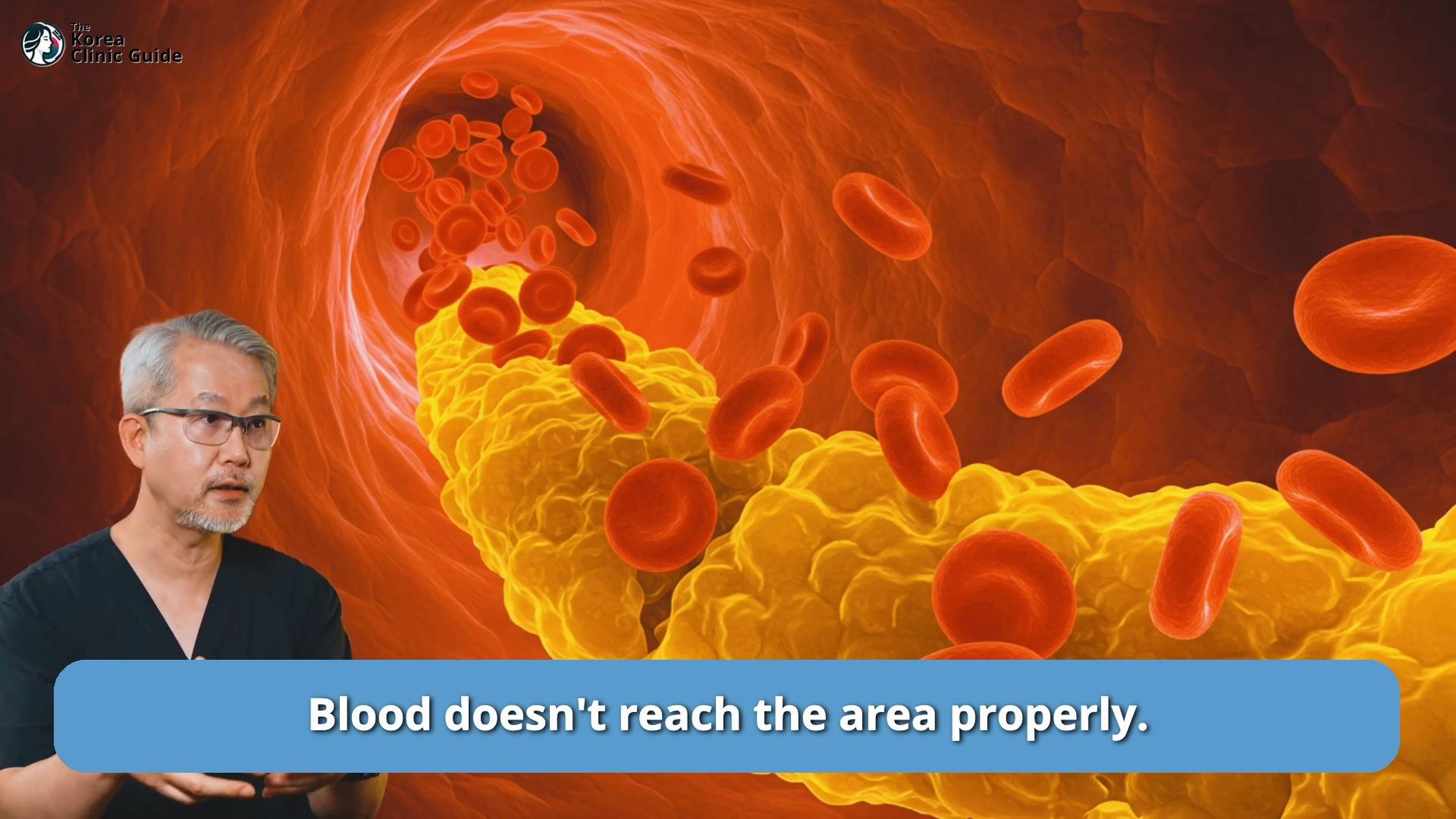
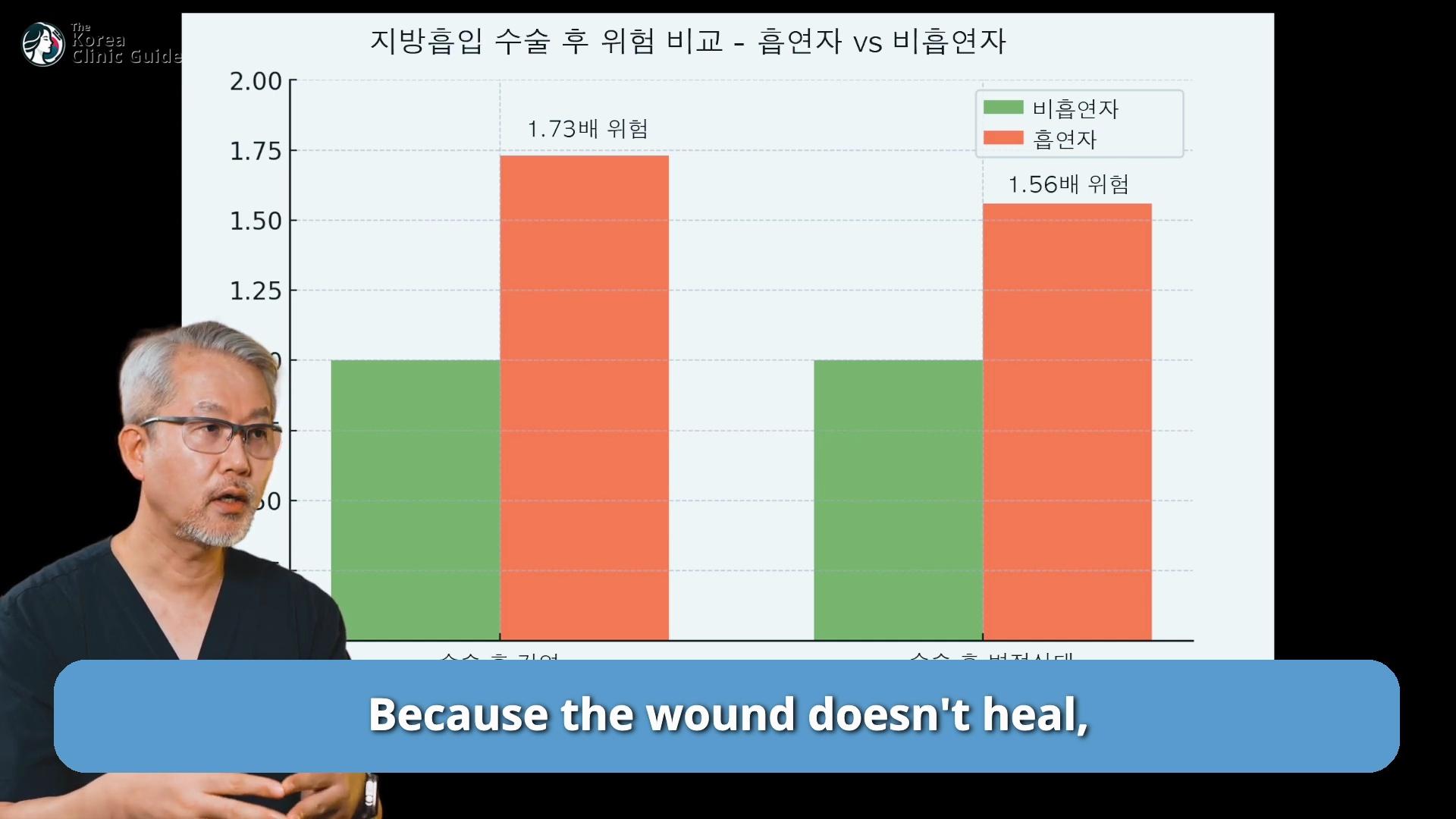
Smoking is more straightforward: it impairs circulation, and circulation is essential for wound healing. I’ve seen very small, barely visible incisions fail to heal for weeks, and when we investigated, the patient was smoking heavily (in one case, three packs a day). If blood flow is compromised, wounds simply don’t close and stabilize the way they should, which opens the door to complications.
In general, once wounds are completely healed and closed, drinking or smoking becomes less of a major issue from a purely wound-healing perspective. But if wounds are not fully healed yet, drinking and smoking are genuinely risky because they can interfere with proper closure.
Why can liposuction cost more at one clinic than another?
Pricing often reflects more than the procedure name—it reflects the level of contour detail, the consistency of technique, and the systems in place to reduce complications. My view is simple: higher cost should correspond to higher quality and safer outcomes.
When a clinic consistently produces precise, sharp contours—and can even create defined abdominal muscle lines during body contouring—that level of detail requires skill, time, and experience. Patients also tend to notice the difference in what they don’t see: fewer major complications and fewer serious problems that disrupt recovery and results.
How do you choose the right liposuction plan for your body and goals?
The best liposuction outcomes come from matching the procedure to your real situation: your current weight, your target weight, your fat quality (especially after big weight loss), and your willingness to follow recovery basics like compression and low-sodium eating early on. When patients treat liposuction as targeted contouring—rather than a shortcut that replaces long-term weight management—the results tend to look more natural, heal more smoothly, and feel more satisfying.
If you’re considering liposuction, focus on timing and follow-through. Those two factors—more than any trendy tip—are what most often determine whether recovery is simply “something you get through” or a process that truly supports the final shape you’re hoping to see.
More about Lydian Plastic Surgery Clinic
For patients in Korea seeking clear, practical liposuction recovery guidance on diet, drinking, and smoking, Lydian Plastic Surgery Clinic in Cheongdam, Gangnam offers an elevated standard of care grounded in both surgical artistry and structured aftercare. Led by Dr. An Kyung Chun—selected among Korea’s Top 18 Aesthetic Plastic Surgery Experts, Director of the 5D Liposculpture Academy, listed among the World’s Top 100 Doctors in Stem Cell Aesthetic Medicine, and entrusted with training other physicians in high-definition body sculpting and liposuction devices—the clinic pairs rare specialist credentials with a commitment to modern safety and outcomes through continuous investment in the latest medical equipment (no outdated devices). Lydian’s anatomy-based design approach customizes body contouring to each patient’s proportions and natural curves, and recovery is supported through a systematic 4-step aftercare program focused on swelling reduction, irregularity correction, skin elasticity recovery, and residual fat contouring—key priorities for patients trying to heal smoothly while making responsible choices about nutrition, alcohol, and smoking during recovery.
Find more about this clinic here: Lydian Plastic Surgery Clinic